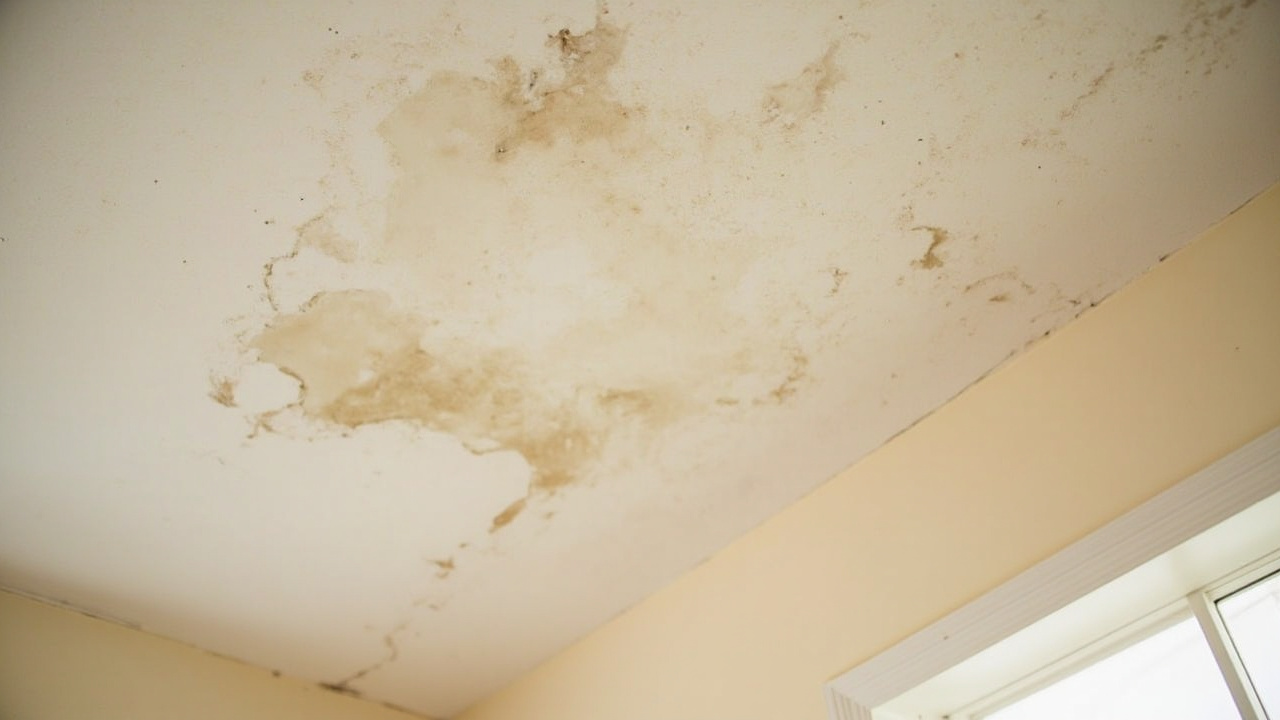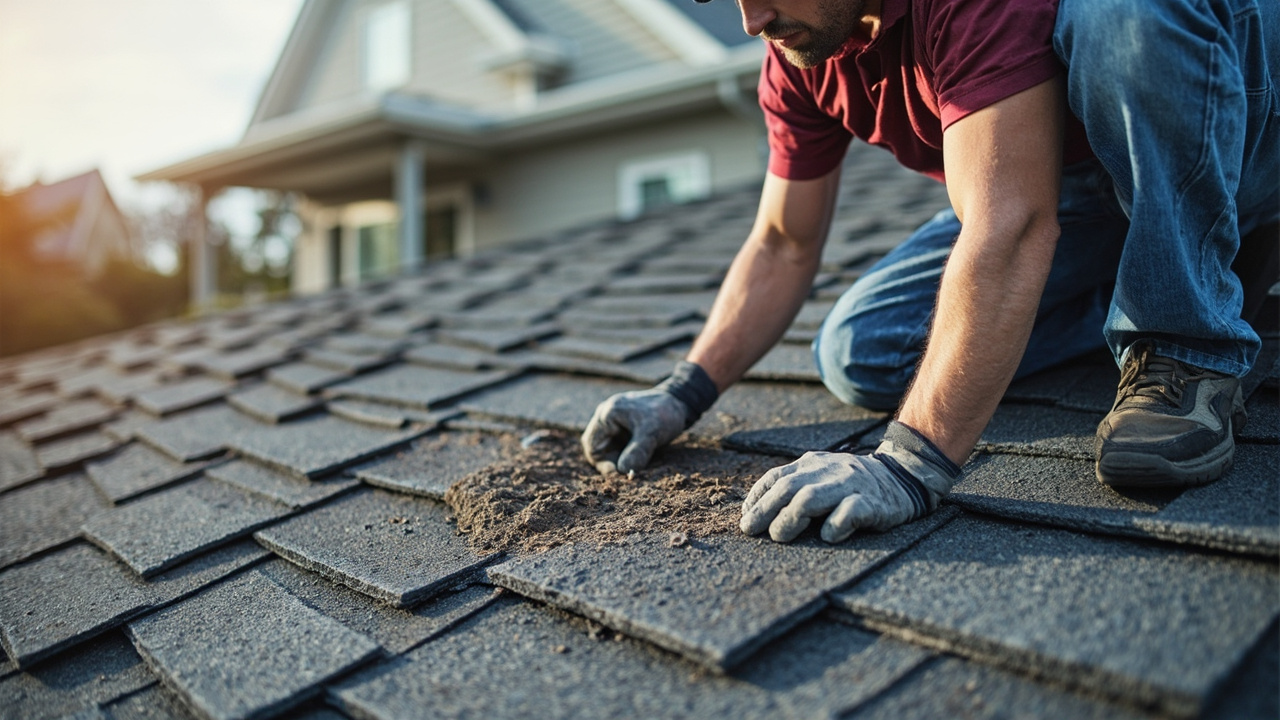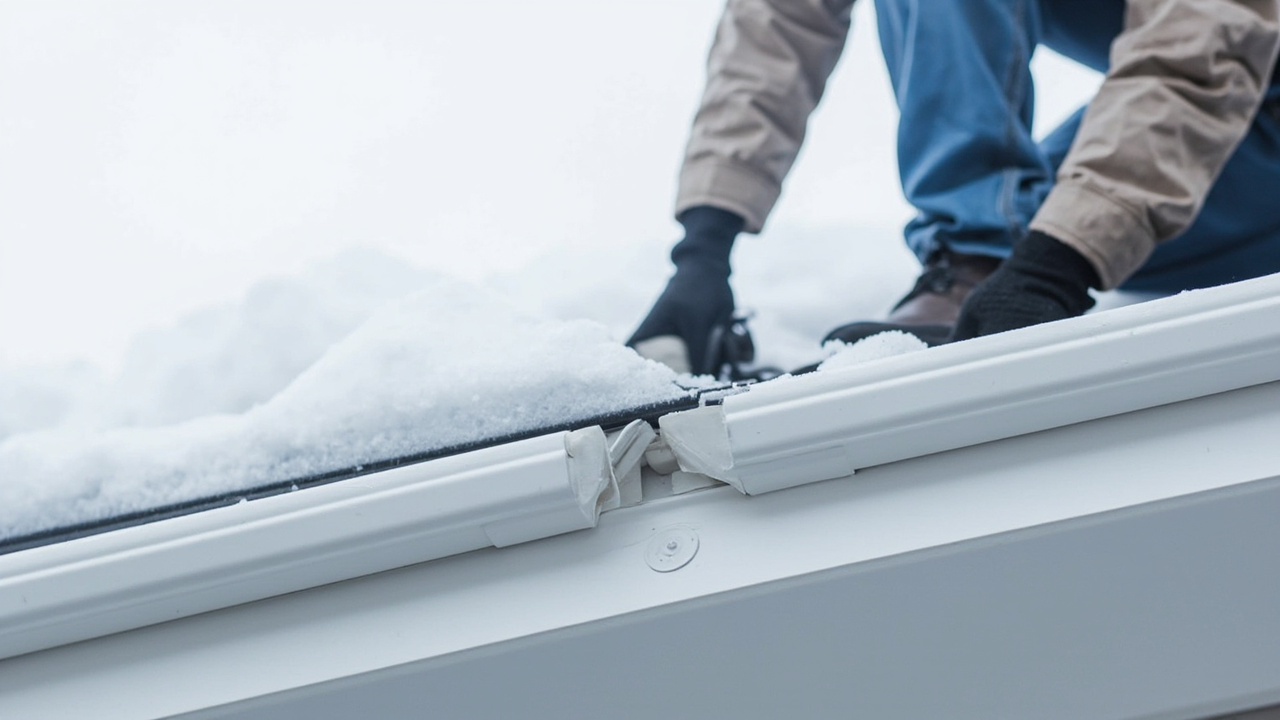
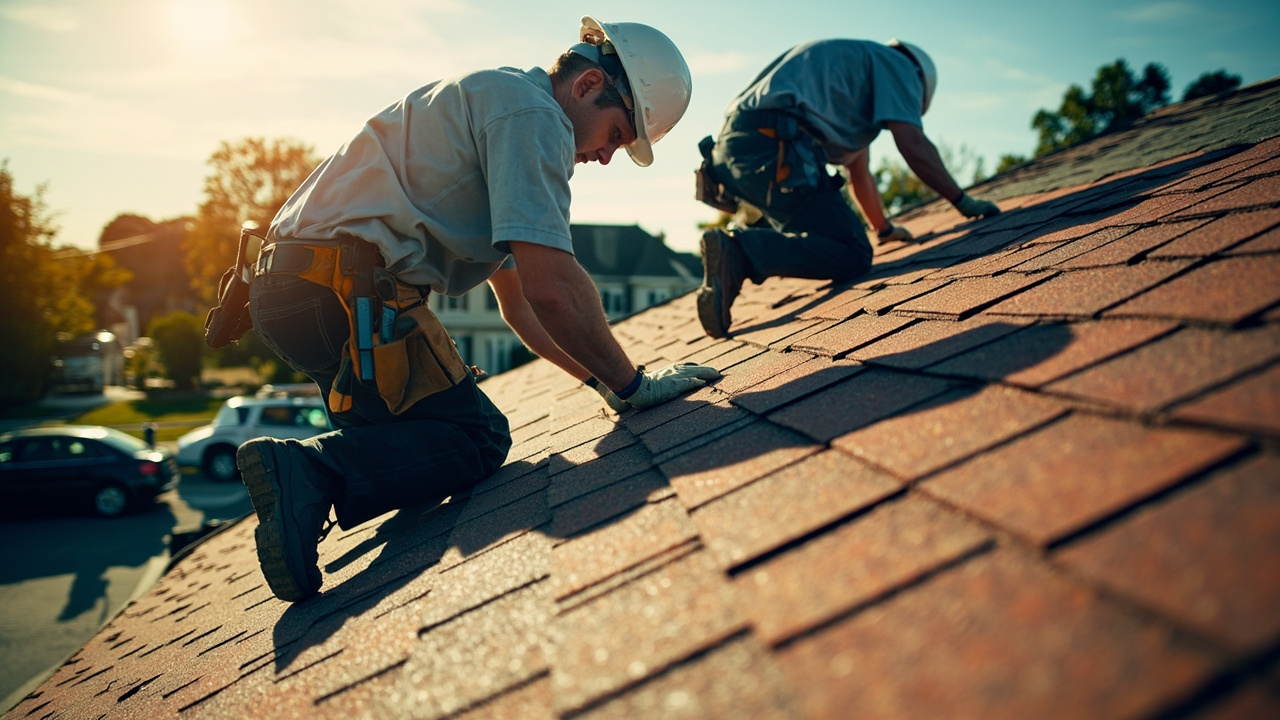
Lake Erie creates a microclimate that accelerates roofing material degradation. Summer humidity keeps roofing materials damp, promoting algae growth on north-facing slopes. Winter lake effect snow dumps moisture-heavy snow that sits on roofs for weeks, creating ice dams at eaves. Spring temperature swings cause rapid freeze-thaw cycles that crack sealant and work fasteners loose. New construction roofing in Cleveland must account for these patterns with proper ventilation design, upgraded underlayment in vulnerable areas, and fastener schedules that exceed minimum code requirements. The difference between a 15-year roof and a 30-year roof often comes down to these engineering decisions made during initial installation.
Cleveland enforces the Ohio Building Code with local amendments that affect roof installation services. Cuyahoga County requires specific attic ventilation ratios and insulation R-values that differ from surrounding counties. Historic districts impose material and color restrictions to preserve neighborhood character. Alpha Roofing Cleveland navigates these requirements daily. We know which Cleveland inspectors focus on ventilation details and which prioritize flashing installations. This familiarity keeps projects moving through approval processes without delays. When you hire a roofing contractor unfamiliar with Cleveland's specific requirements, you risk failed inspections and costly rework that could have been avoided with proper planning.