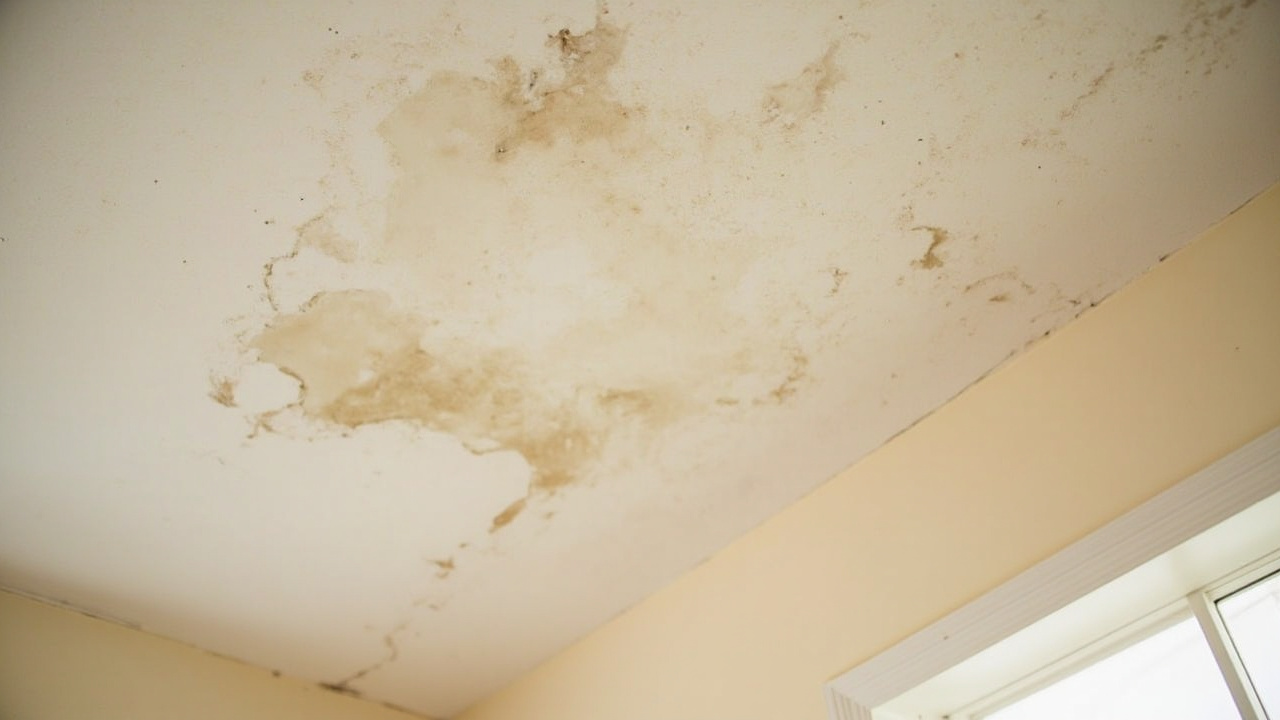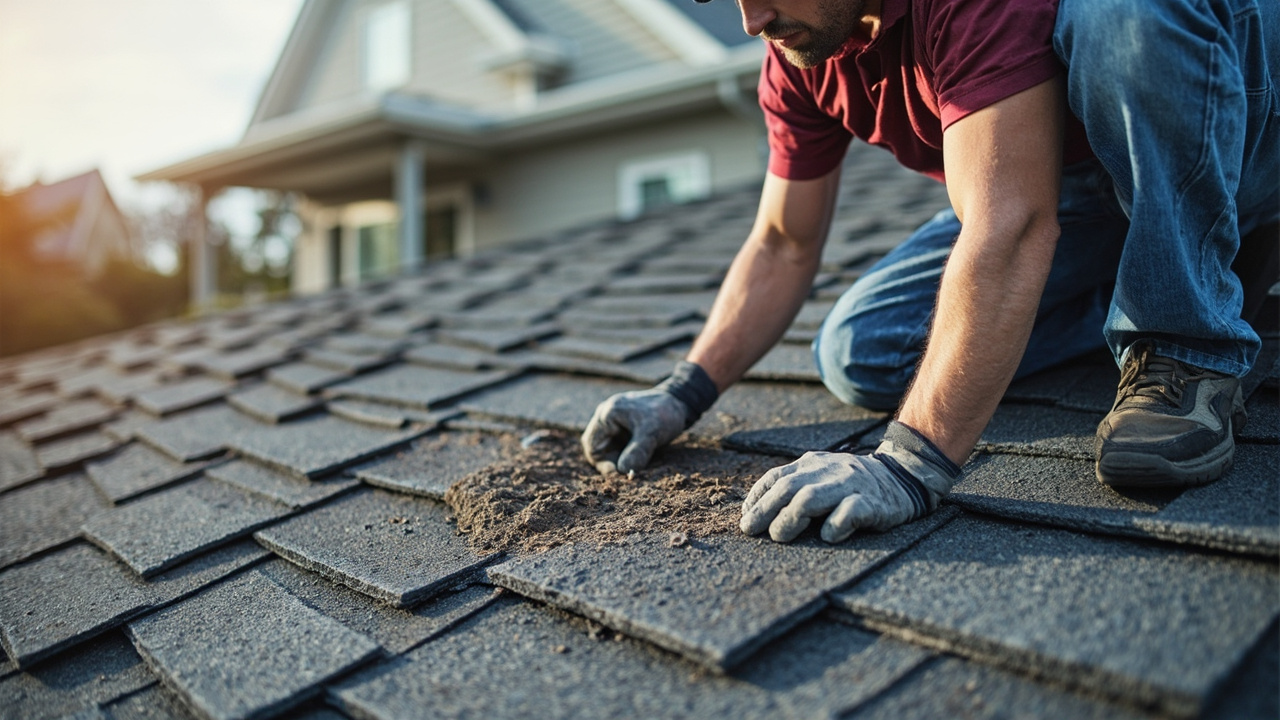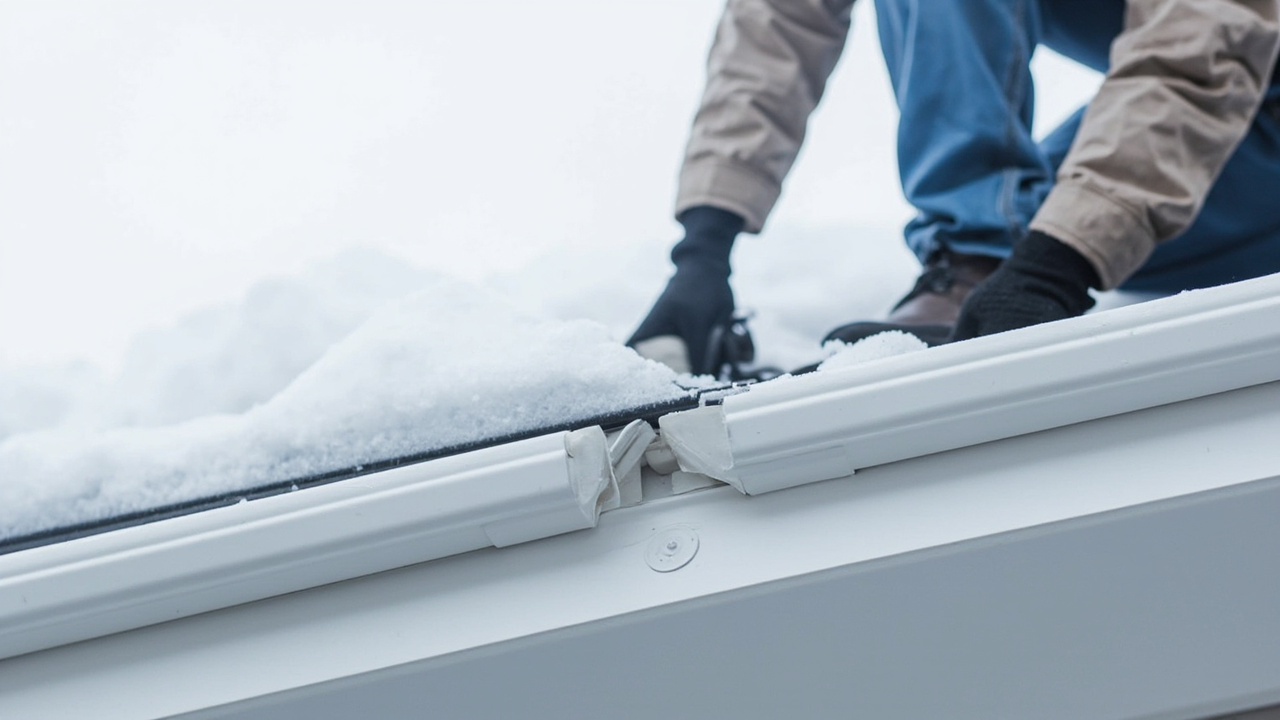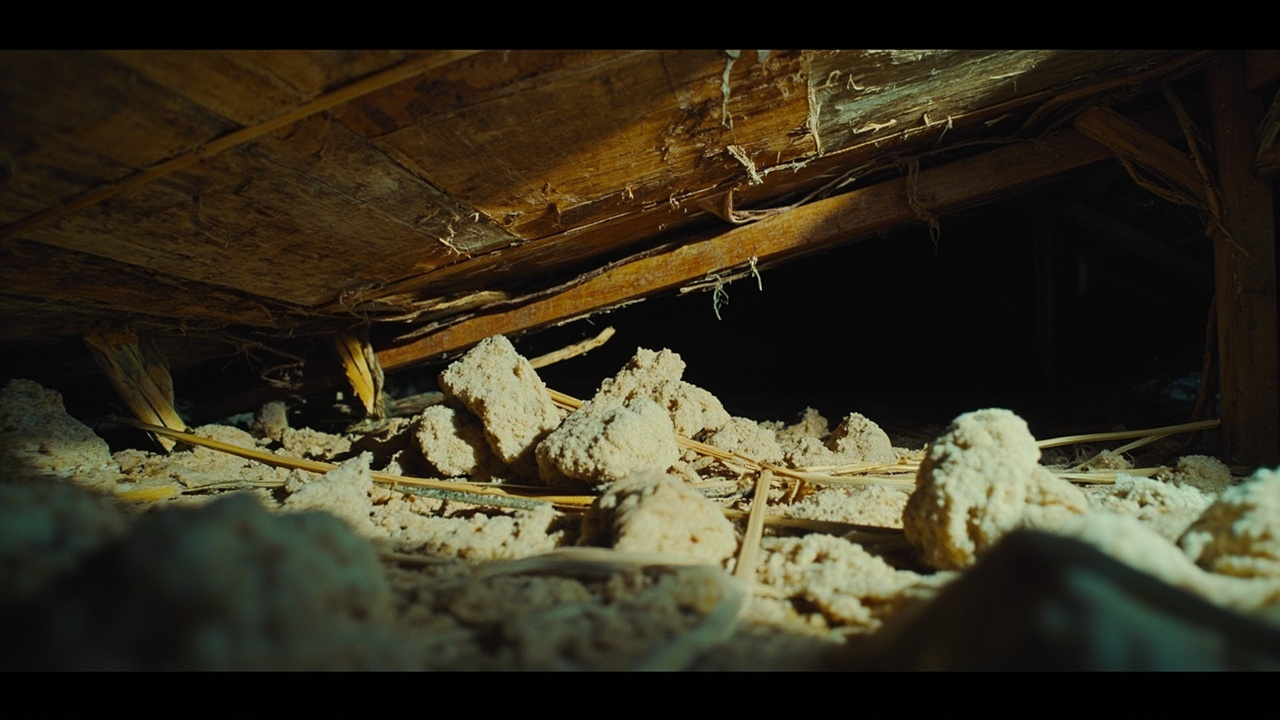
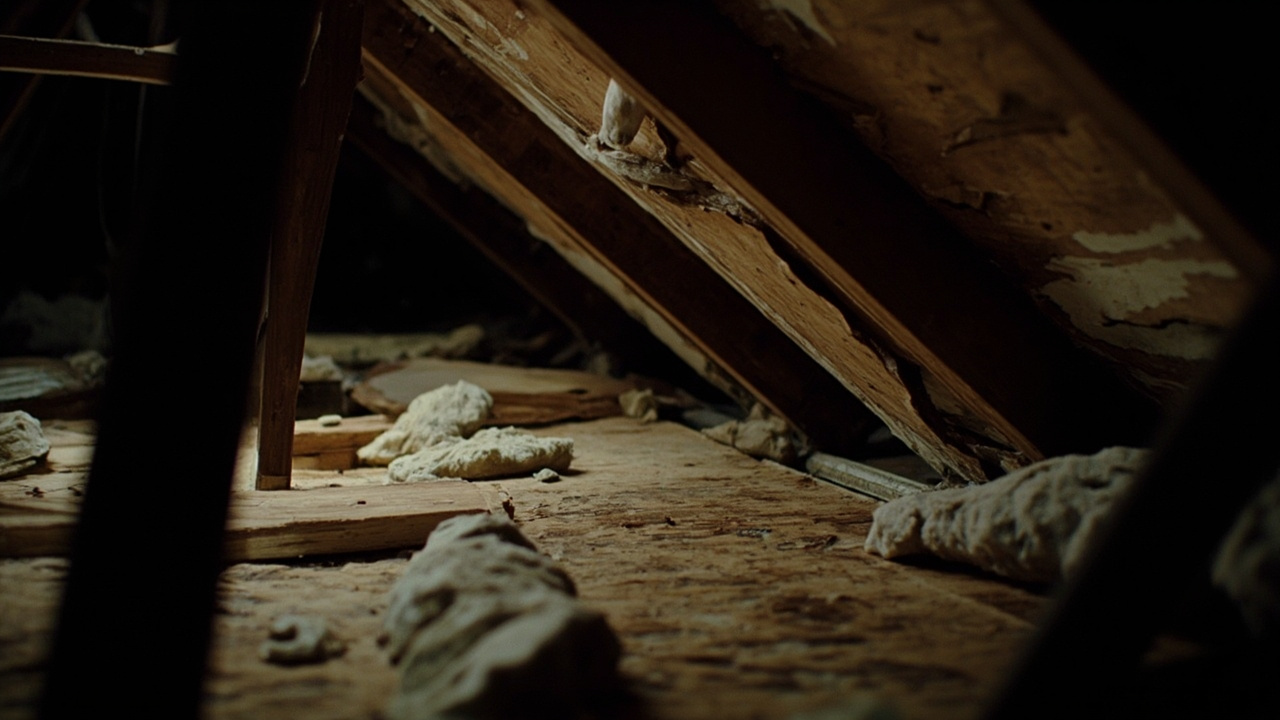
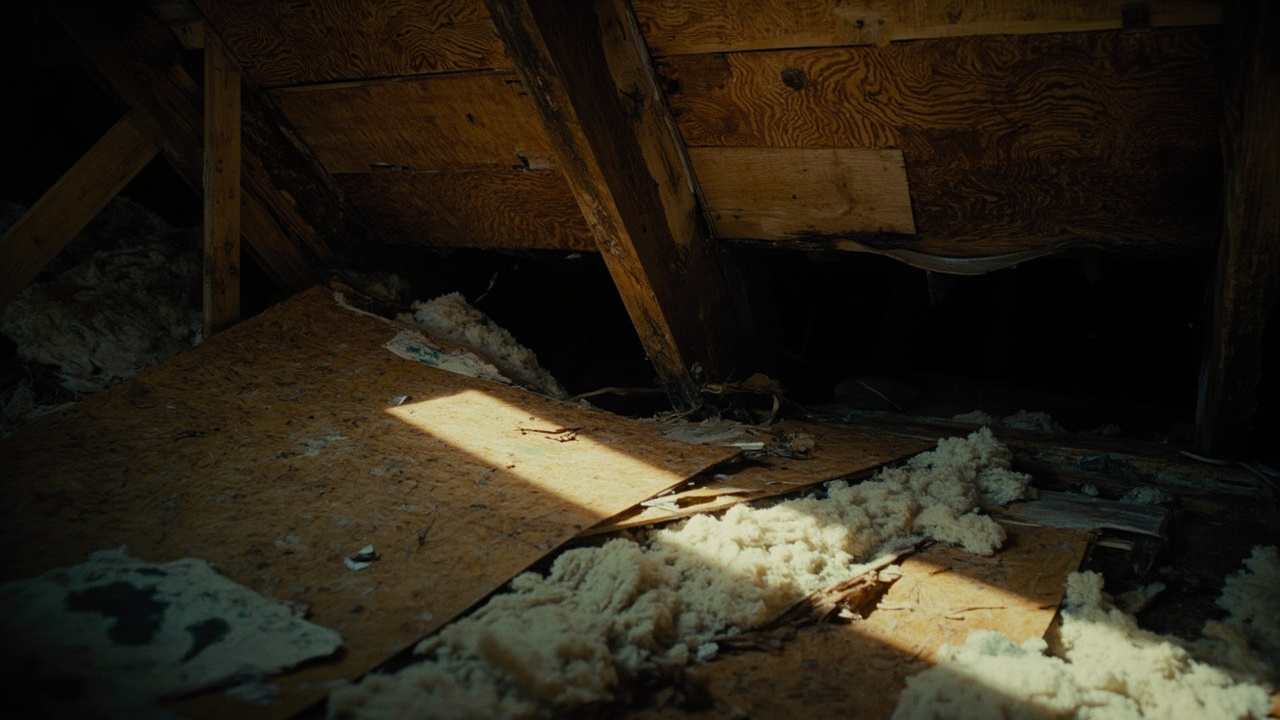
Cleveland's proximity to Lake Erie creates unique challenges for roof structures. Lake-effect snow dumps heavy, wet snow on roofs throughout winter, often exceeding design loads on older homes. When temperatures rise, this snow melts and refreezes, driving moisture into gaps around shingles and nail penetrations. That moisture migrates to the roof deck, where it saturates the plywood. Over time, the wood fibers soften and lose strength. The combination of heavy snow loads and moisture-weakened sheathing leads to bowing roof sheathing and deflected roof decking. Homes in lakefront neighborhoods like Edgewater and Gordon Square experience this problem more frequently than homes farther inland.
Cleveland's building codes require roof systems to withstand specific snow and wind loads, but many older homes were built before these standards existed. When we repair a sagging roof deck, we bring the structure up to current code requirements. This means using proper sheathing thickness, correct fastening patterns, and adequate ventilation to handle the local climate. Our familiarity with Cleveland's housing stock, from the Victorian homes in University Circle to the bungalows in Old Brooklyn, means we understand how these structures fail and how to fix them correctly the first time.