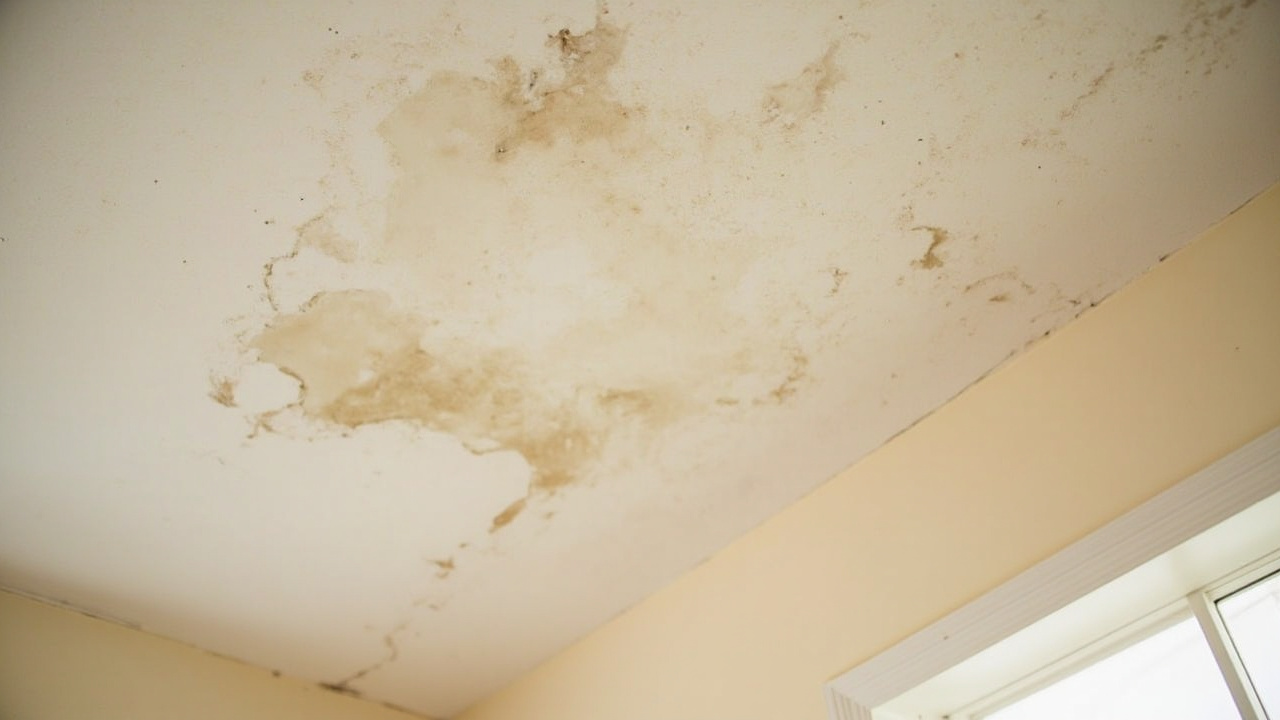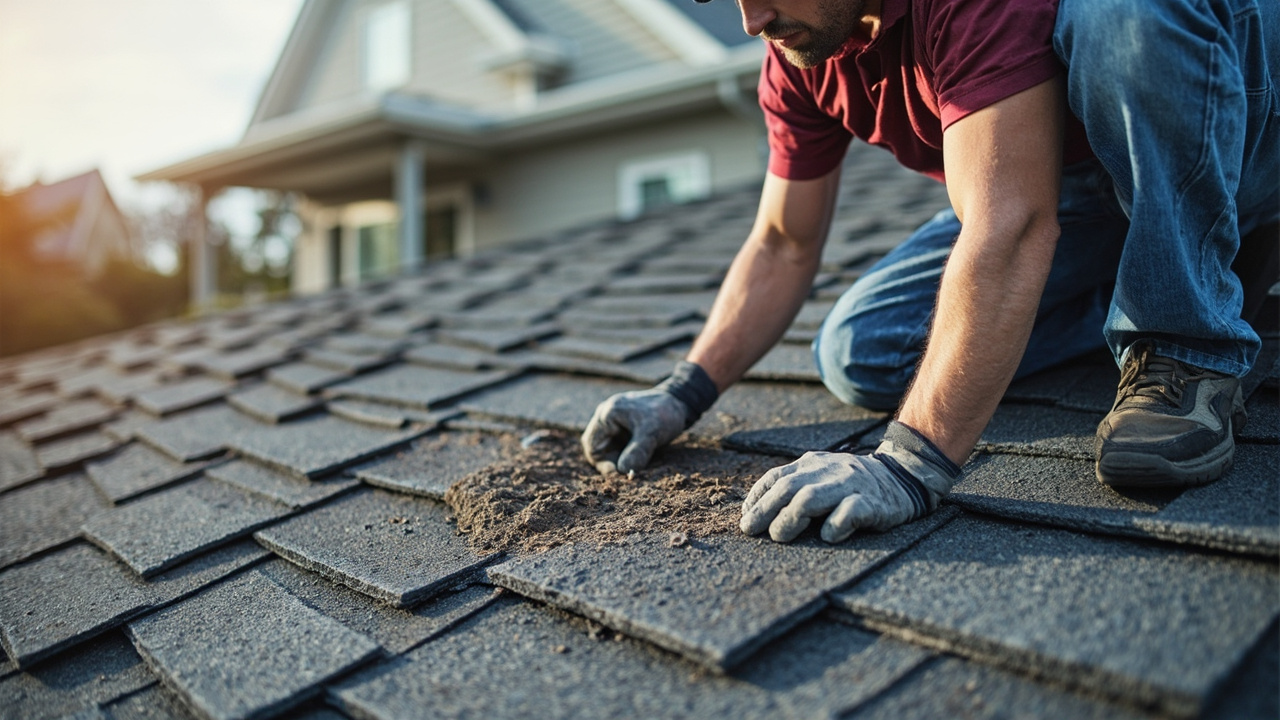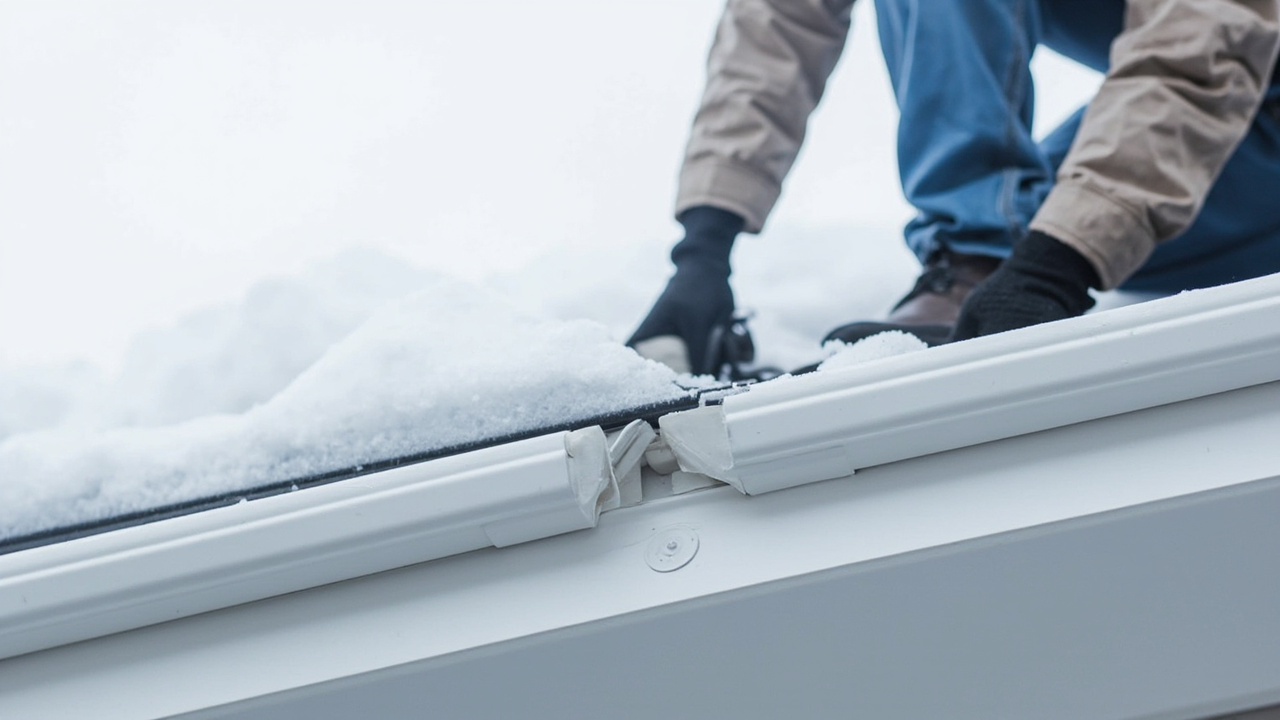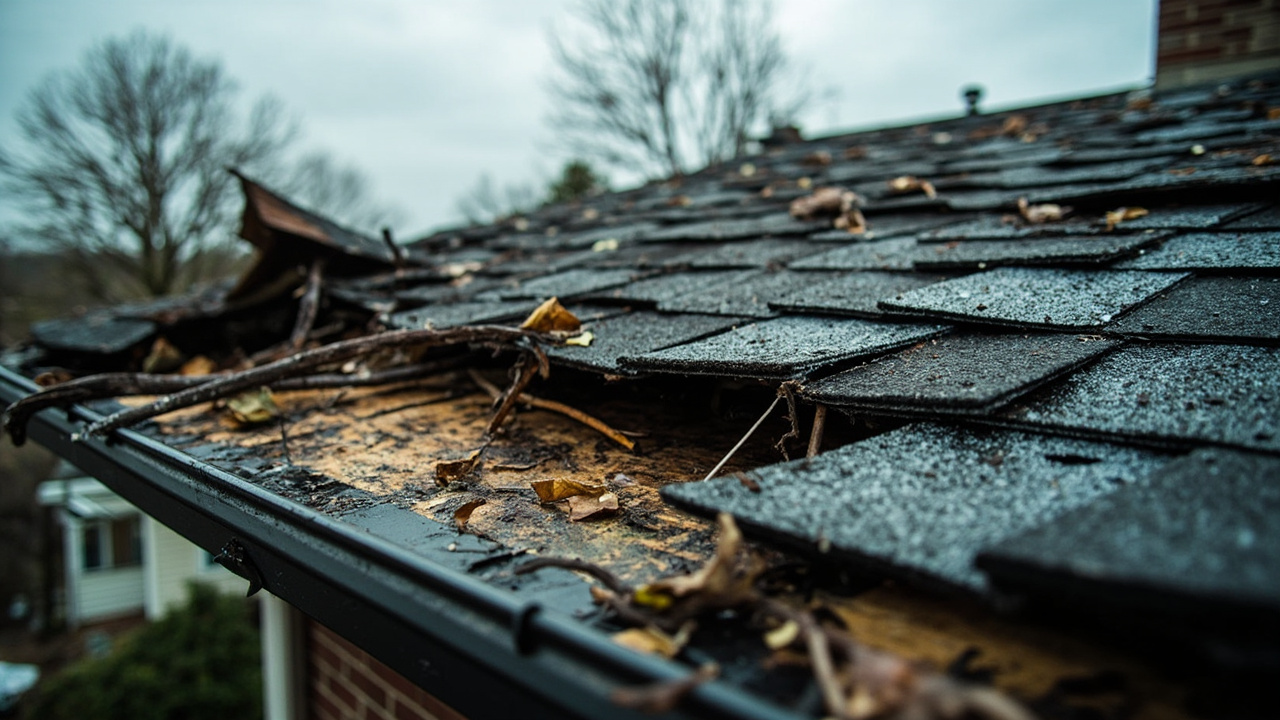
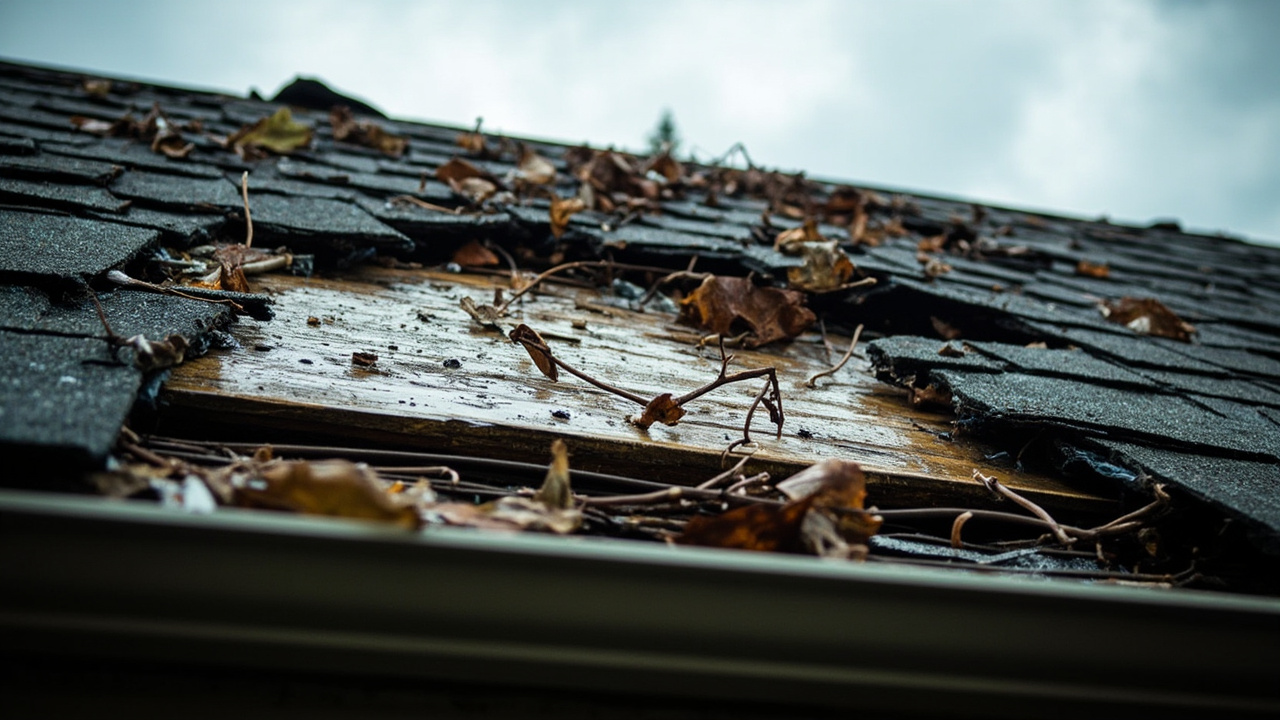
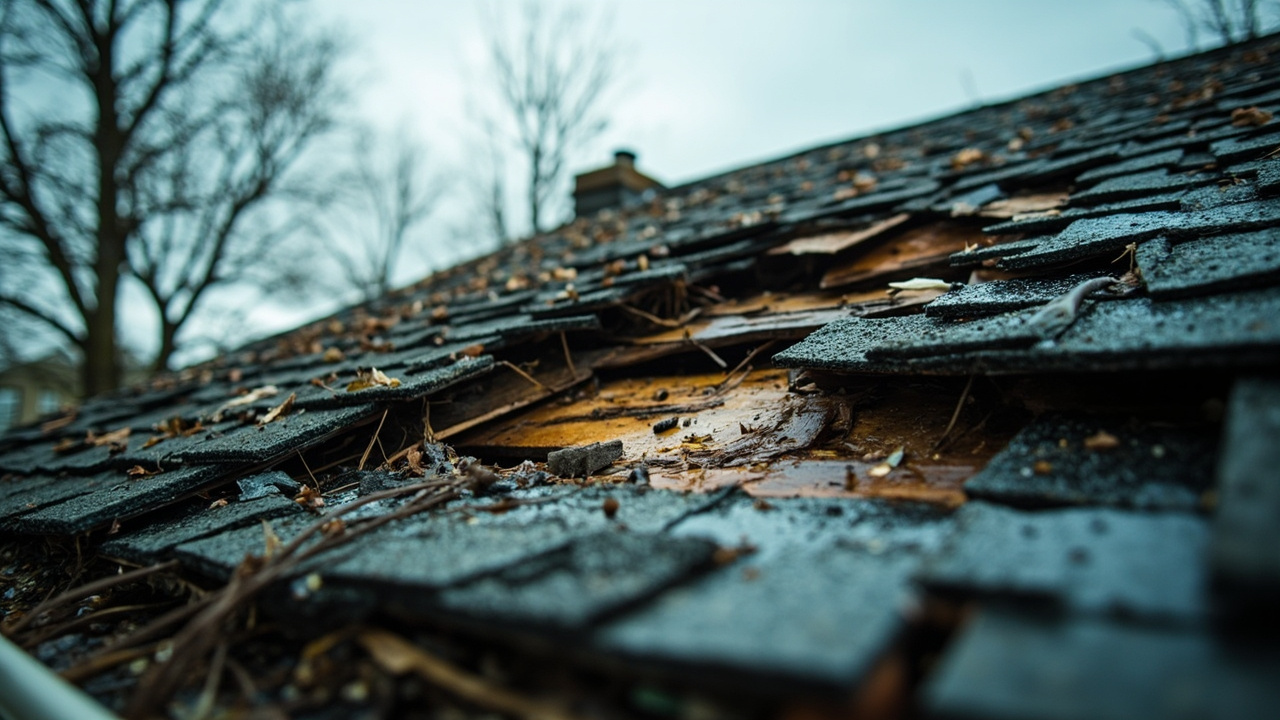
Cleveland's location on Lake Erie's southern shore creates severe weather conditions that accelerate roof deterioration and increase storm damage frequency. Lake Effect snow systems dump heavy, wet snow loads that stress roof structures beyond design limits. Summer thunderstorms develop rapidly as warm air masses collide with cool lake breezes, generating straight-line winds and large hail. The city experiences dramatic freeze-thaw cycles where daytime temperatures rise above freezing and nighttime temps drop below 32 degrees. Water enters through storm-damaged areas, freezes overnight, expands, and widens cracks in shingles and flashing. This cycle repeats 40 to 60 times per winter in Cleveland, turning minor storm damage into catastrophic failures within weeks.
Cleveland building codes require specific wind resistance ratings and ice dam protection that many older homes lack. Neighborhoods like Edgewater and the Flats near the waterfront face higher wind exposure that creates uplift forces on roof edges and ridges. Historic districts in Detroit-Shoreway and Tremont contain century-old homes with outdated flashing systems vulnerable to storm damage. Our familiarity with Cleveland's building permit process, local material suppliers, and insurance adjusters who handle Cuyahoga County claims makes emergency roof repair faster and more cost-effective. We understand which Cleveland neighborhoods require additional building department inspections and how to navigate historic preservation requirements that affect repair methods and material selection.