menu

Winter Roof Maintenance Tips in Cleveland – Expert Cold Weather Roofing Upkeep Guide to Prevent Ice Damage and Extend Roof Life

Comprehensive winter roof care guide for Cleveland homeowners facing freeze-thaw cycles, ice dam risks, and Lake Erie snow loads that threaten roof integrity every cold season.

Slider Image 1
Slider Image 2
Slider Image 3
Slider Image 4
Slider Image 5
Slider Image 7
Slider Image 8
Slider Image 9
Slider Image 10
Slider Image 11

Why Cleveland's Winter Climate Demands Proactive Roof Maintenance

Cleveland winters punish roofs in ways most homeowners underestimate. The relentless freeze-thaw cycles between November and March create expansion and contraction that opens gaps in flashing, loosens shingles, and turns minor issues into major leaks. Lake Erie's moisture pushes precipitation totals higher than most Midwest cities, dumping heavy wet snow that weighs down roof decking and strains trusses. When temperatures hover around freezing, ice dams form along eaves, forcing meltwater under shingles and into attics.

The older housing stock in neighborhoods like Ohio City, Tremont, and Lakewood face additional challenges. Many homes built between 1900 and 1950 feature shallow roof pitches and inadequate attic ventilation by modern standards. These factors combine with Cleveland's winter conditions to create the perfect storm for roof damage.

Your roof needs winterizing before the first hard freeze. Waiting until you see water stains on your ceiling means damage already happened. Preparing your roof for winter requires understanding how cold weather roofing upkeep differs from summer maintenance. Ice formation behaves differently than rain. Snow load calculations matter more than wind ratings during Cleveland winters. Thermal bridging through poorly insulated roof decks causes localized melting that feeds ice dam formation.

This winter roof care guide addresses the specific threats Cleveland roofs face and outlines the roof maintenance checklist for winter that protects your investment. Each step targets the vulnerabilities that Lake Erie weather exploits in your roofing system.

Why Cleveland's Winter Climate Demands Proactive Roof Maintenance
The Critical Components of Cold Weather Roofing Upkeep

The Critical Components of Cold Weather Roofing Upkeep

Winterizing your roof starts with the drainage system. Gutters clogged with leaves and debris trap water that freezes overnight, creating ice blockages that force water under shingles and fascia boards. We remove all organic material from gutters and downspouts, then verify downspout extensions direct water at least six feet from the foundation. Gutter guards only work if installed correctly. Poor quality guards create false security while debris builds up underneath.

Attic ventilation inspection separates amateur approaches from professional winter roof care. Inadequate soffit-to-ridge airflow causes warm attic air to melt snow on the roof surface, creating the meltwater that refreezes at eaves and forms ice dams. We measure ventilation ratios, check for blocked soffit vents, and verify ridge vents function properly. Many Cleveland homes lack the 1:300 ventilation ratio building codes require.

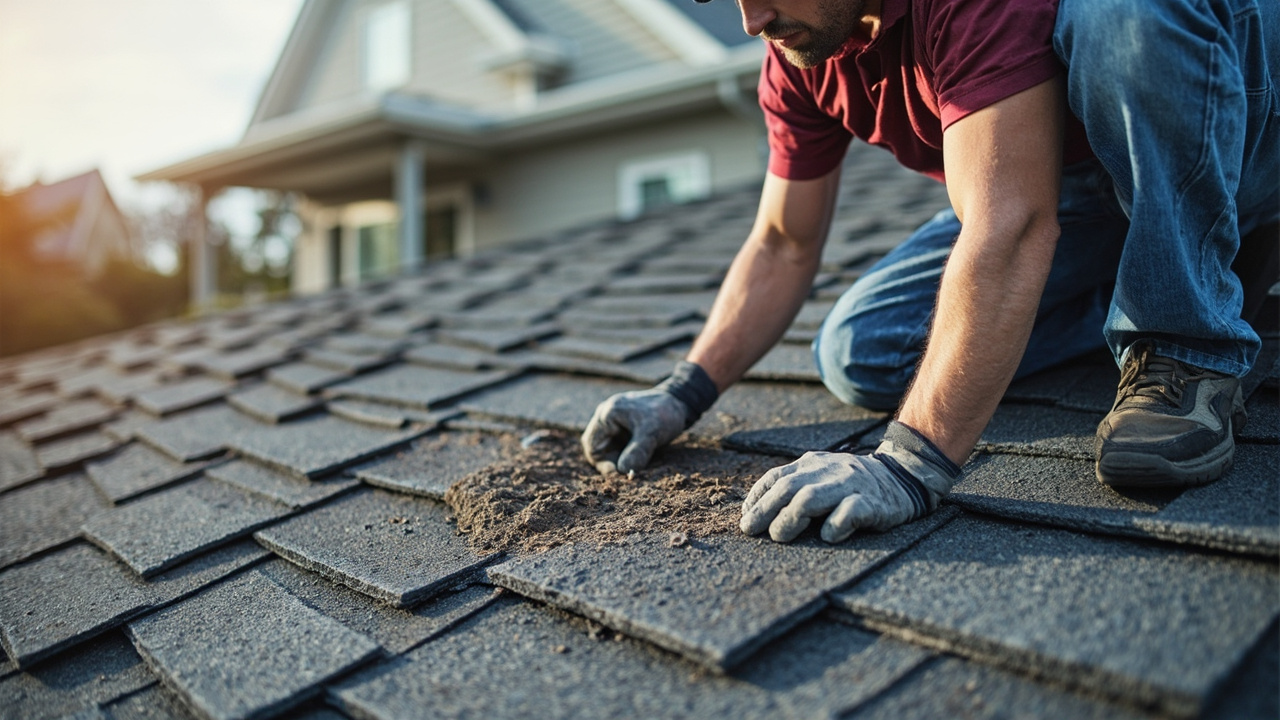
Flashing examination requires getting on the roof. Chimney flashing, valley flashing, and penetration boots around vent pipes deteriorate faster under freeze-thaw stress. We probe caulk lines for brittleness, check metal flashing for separation from masonry, and verify step flashing remains embedded in shingle courses. Satellite dish and antenna mounting points frequently develop leaks because installers rarely seal penetrations correctly.

Shingle condition assessment focuses on winter-specific vulnerabilities. Lifted shingle tabs catch wind-driven snow. Curled edges allow ice penetration. Missing granules expose asphalt to UV degradation that accelerates in winter when sun reflects off snow. We document these issues and prioritize repairs based on leak risk before temperatures drop below freezing and make repairs impossible until spring.

How Professional Winter Roof Inspection Works in Cleveland

Winter Roof Maintenance Tips in Cleveland – Expert Cold Weather Roofing Upkeep Guide to Prevent Ice Damage and Extend Roof Life
01

Exterior Roof Survey

We conduct a complete roof surface inspection from ridge to eave, documenting shingle condition, flashing integrity, and ventilation components. This includes thermal imaging to identify heat loss patterns that indicate insulation gaps or ventilation failures. Our technicians photograph problem areas and mark locations on a roof diagram so you understand exactly where vulnerabilities exist before winter weather arrives.
02

Attic and Interior Assessment

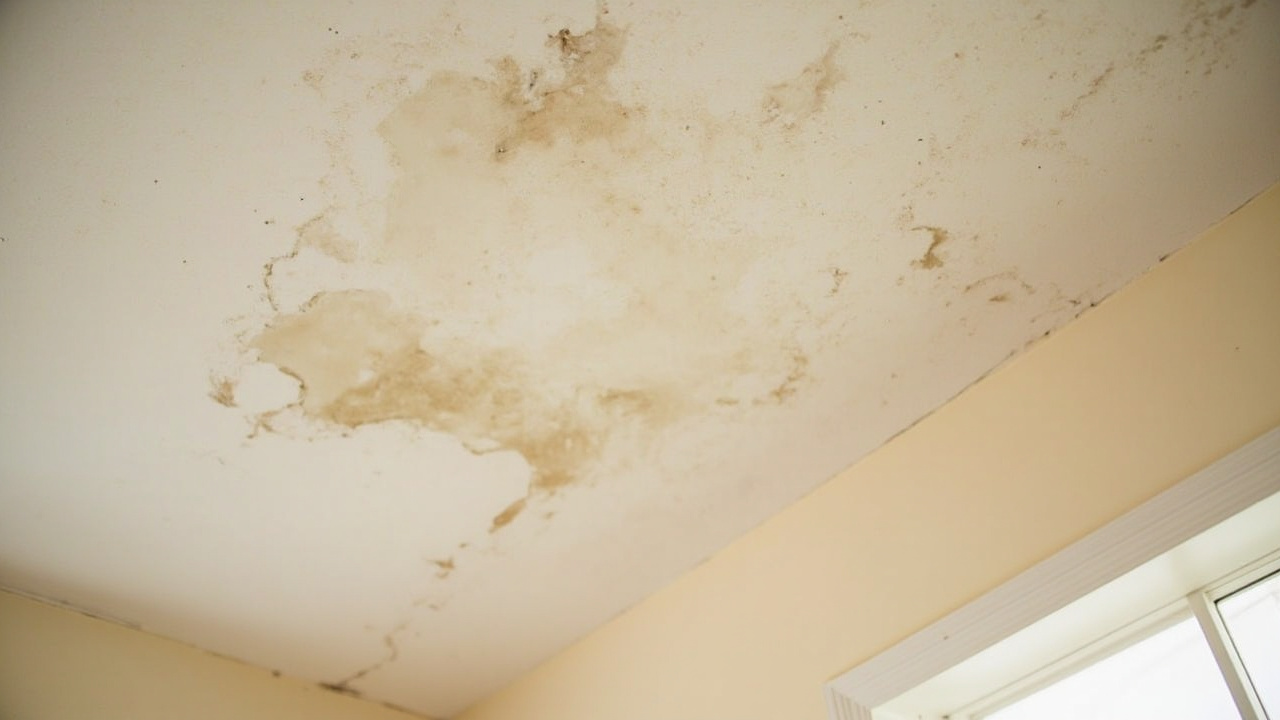
Interior inspection reveals problems exterior surveys miss. We enter attic spaces to check insulation depth, measure ventilation airflow, and look for water stains or mold growth from previous winters. Condensation patterns on roof decking indicate ventilation problems. Compressed insulation around recessed lights creates thermal bridges. We measure temperature differentials between attic spaces and living areas to identify energy waste that contributes to ice dam formation.
03

Prioritized Repair Recommendations

You receive a detailed report categorizing issues by urgency and leak risk. Critical repairs that must happen before winter get flagged separately from maintenance items you can defer until spring. We explain which problems threaten immediate water intrusion versus long-term degradation. This roof maintenance checklist for winter gives you the information needed to make informed decisions about protecting your Cleveland home through cold months ahead.

Why Cleveland Homeowners Trust Alpha Roofing for Winter Roof Care

Alpha Roofing Cleveland understands how Lake Erie weather attacks roofing systems because we have worked on thousands of Cleveland roofs across every neighborhood from Shaker Heights to Westlake. We know which vintage roof designs fail first under snow loads. We recognize the signs of ice dam damage in older homes with insufficient eave protection. Our technicians train specifically on cold weather roofing upkeep techniques that matter in Northeast Ohio's climate zone.

Local building codes evolved in response to Cleveland's specific weather challenges. The 2022 residential code updates changed snow load requirements and ventilation standards based on regional data. We stay current on these code changes and understand how they apply to both new construction and existing homes. When we recommend repairs or upgrades, those recommendations align with current Cleveland building department standards.

We also understand the insurance claim process for winter roof damage. Insurance adjusters frequently deny claims for ice dam damage, arguing the homeowner failed to maintain the roof properly. Our detailed documentation and professional reports provide the evidence needed to support legitimate claims. We have worked with every major insurance carrier operating in Cuyahoga County and understand what documentation they require.

The relationship continues beyond inspection and repair. We provide specific guidance for your roof type and home design. A flat roof in Downtown Cleveland requires different winter preparation than a steep pitch colonial in Rocky River. Slate roofs common in historic districts need specialized attention that composition shingles do not. We customize our winter roof care guide to your actual situation rather than delivering generic advice that might not apply.

What You Can Expect from Professional Winter Roof Maintenance

Inspection Timeline and Scheduling

Schedule your inspection between September and early November before weather turns unpredictable. Most comprehensive roof inspections take two to four hours depending on roof size, pitch, and complexity. We need dry conditions and temperatures above 40 degrees to properly assess shingle condition and complete minor repairs during the visit. Emergency inspections after early season snow or ice events typically happen within 48 hours of your call. We maintain capacity through winter months specifically for damage assessment when other contractors shut down until spring.

Comprehensive Roof and Attic Evaluation

Our evaluation covers every component that affects winter performance. Exterior inspection includes shingles, flashing, gutters, ventilation intakes, chimneys, and roof penetrations. Interior assessment examines attic insulation, ventilation pathways, roof decking condition, and evidence of previous moisture intrusion. We use moisture meters to detect hidden water damage and thermal cameras to identify heat loss. You receive a written report with photographs, marked diagrams showing problem locations, and detailed explanations of each issue discovered. The report prioritizes repairs by urgency and explains why each recommendation matters for Cleveland winter conditions.

Quality Repairs and Winter Protection

Repairs follow manufacturer specifications and Cleveland building codes. Shingle replacement matches existing profiles and colors. Flashing repairs use proper materials for the application, ice and water shield membrane in vulnerable areas, and step flashing embedded correctly in shingle courses. Gutter cleaning includes downspout flushing and testing drainage flow. Ventilation improvements balance intake and exhaust to achieve proper attic airflow. All work happens during appropriate weather windows because cold weather affects adhesive activation and sealant curing. We do not cut corners to meet schedules when conditions prevent proper installation.

Ongoing Support and Emergency Response

Winter storms create emergency situations that need immediate response. Ice dam removal, emergency leak repairs, and snow load reduction services remain available throughout winter. We provide guidance on safe snow removal practices because improper techniques damage shingles. Our emergency line operates around the clock during severe weather events. Customers who complete fall inspections receive priority scheduling for winter emergency calls. We also offer spring follow-up inspections to assess how your roof performed through winter and identify any new issues that developed during freeze-thaw cycles.

Frequently Asked Questions

You Have Questions,
We Have Answers

What do roofers do during the winter? +

Roofers perform inspections, repairs, and installations during winter, though conditions limit some work. In Cleveland, professionals focus on emergency leak repairs, ice dam removal, and interior attic ventilation projects when temperatures allow. We clear snow and ice from vulnerable areas, replace damaged shingles on warmer days above 40 degrees, and install temporary tarps for storm damage. Winter is prime time for planning spring replacements and conducting detailed attic inspections to identify insulation gaps or ventilation problems. Many Cleveland roofers also handle gutter cleaning and downspout repairs to prevent ice buildup that causes fascia damage during freeze-thaw cycles.

How to prepare your roof for winter? +

Clean your gutters and downspouts to prevent ice dams. Inspect shingles for cracks, curling, or missing granules that let moisture penetrate. Check flashing around chimneys, vents, and skylights for gaps. Trim overhanging tree branches that could break under snow weight and puncture your roof. Examine attic insulation and ventilation to prevent warm air from melting snow unevenly. Cleveland homes face brutal freeze-thaw cycles, so seal any visible gaps now. Remove debris from valleys where ice accumulates. Schedule a professional inspection if your roof is over 15 years old or shows wear, as winter stress exposes existing weaknesses quickly.

Should I put an ice and water shield on my entire roof? +

Full ice and water shield coverage is overkill for most Cleveland homes and adds unnecessary cost. Install it in vulnerable areas: eaves (first three to six feet), valleys, around chimneys, and along sidewalls. Cleveland building code requires underlayment protection in these high-risk zones where ice dams form. A full-roof application might be warranted for low-slope roofs under 4:12 pitch or homes with chronic ice dam history. Standard underlayment works fine for field areas. Focus your budget on proper attic ventilation and insulation instead, which prevents ice dams at the source by maintaining consistent roof temperature.

What temperature is too cold for roofing? +

Asphalt shingles require temperatures above 40 degrees Fahrenheit for proper installation. Below this threshold, shingles become brittle and adhesive strips will not seal correctly. Hand-sealing with roofing cement helps but is not ideal. Cleveland winters regularly drop below freezing, making November through March challenging for new installations. Emergency repairs happen regardless of temperature when leaks threaten interior damage. Professionals use special cold-weather techniques and hand-seal each shingle. Metal roofing and some repairs can proceed in colder conditions. If possible, schedule major roof work for spring through fall when materials perform as designed and warranties remain valid.

How to seal shingles in cold weather? +

Use roofing cement or specialized cold-weather adhesive to manually seal shingles when temperatures drop below 40 degrees. Warm the cement indoors before application so it spreads easily. Lift each shingle tab gently without cracking it, apply a quarter-sized dollop of adhesive underneath, then press firmly for 30 seconds. In Cleveland winters, brittle shingles snap easily, so work carefully. This method works for emergency repairs but is not recommended for full installations. The adhesive strips on new shingles need warm weather and direct sunlight to activate properly. Consider temporary fixes until spring when proper installation conditions return.

Does roof Maxx really work? +

Roof Maxx is a soy-based treatment that restores flexibility to aging asphalt shingles by replacing lost oils. It can extend roof life by three to five years on shingles that are not severely damaged. The product works best on roofs 6 to 15 years old showing early brittleness but still structurally sound. Cleveland homeowners use it to delay replacement costs. However, it will not fix missing shingles, damaged flashing, or structural issues. Results vary based on existing roof condition and weather exposure. If your shingles are already curling badly or granules are gone, replacement makes more sense than treatment.

Can I apply roof Maxx myself? +

Roof Maxx application requires professional equipment and certification. The product must be sprayed evenly at specific coverage rates to penetrate shingles properly. DIY application risks uneven coating, overspray on siding, and wasted product. Professionals use calibrated sprayers and know how to navigate roof slopes safely. The company does not sell directly to consumers for liability reasons. Attempting homemade alternatives with cooking oil or similar products will damage your roof and void warranties. Cleveland area certified applicators complete the job in hours with proper insurance coverage. The treatment cost includes labor, materials, and performance guarantee you cannot replicate yourself.

How long can I leave a tarp on my roof? +

A tarp is a temporary emergency fix, not a permanent solution. Leave it for 90 days maximum before arranging proper repairs. Cleveland weather deteriorates tarps quickly through freeze-thaw cycles and wind stress. UV rays break down plastic tarps within weeks. Secure tarps properly with wood battens and screws, never just sandbags, to prevent wind uplift. Water pooling on tarps can seep underneath and cause more damage. Insurance adjusters need to inspect damage promptly, so document everything and schedule repairs quickly. Extended tarp coverage signals neglect to insurers and can complicate claims. Replace or repair the damaged section as soon as weather permits.

Should I insulate the underside of my roof? +

Insulate your attic floor, not the roof deck underside, in most Cleveland homes. This approach keeps your attic cold, preventing ice dams by eliminating heat that melts snow unevenly. Roof deck insulation creates a conditioned attic space, useful only if you have finished living areas there or complex HVAC ductwork. Cathedral ceilings require underside insulation between rafters with proper ventilation channels. Standard attic spaces perform better with 14 to 18 inches of blown insulation on the floor, paired with soffit and ridge vents. Consult a professional to assess your specific structure, as improper insulation placement causes moisture problems and mold growth.

What damages the roof the most? +

Wind damage from Cleveland storms causes the most acute roof failures, lifting shingles and tearing flashing. Long-term, freeze-thaw cycles cause the most cumulative damage. Water seeps into small cracks, freezes, expands, and widens gaps until leaks develop. Ice dams tear off gutters and damage eaves. UV exposure degrades shingle oils, making them brittle and prone to cracking. Poor attic ventilation traps heat and moisture, rotting decking from underneath. Neglected maintenance accelerates all these problems. Falling tree limbs puncture roofs during ice storms. Moss and algae growth traps moisture against shingles. Regular inspections catch damage early before small problems become expensive replacements.

How Lake Erie Snow Patterns Make Winter Roof Preparation Critical in Cleveland

Cleveland's position on Lake Erie's southern shore creates lake effect snow that dumps significantly higher accumulations on the east side than western suburbs. A winter storm might drop eight inches in Euclid while Lakewood receives four. This variability makes neighborhood-specific knowledge valuable when preparing your roof for winter. The temperature differential between relatively warm lake water and cold continental air masses generates intense snow bands that stall over the same areas for hours. Roofs in these lake effect zones carry heavier snow loads that stress structural components and increase ice dam risk where heat loss melts bottom snow layers.

Alpha Roofing Cleveland maintains relationships with local building inspectors, insurance adjusters, and historic preservation officials across Cuyahoga County. This network matters when navigating repairs on homes in designated historic districts like Fairfax or working through insurance claims after severe winter weather. Our technicians recognize the architectural details common to Cleveland housing stock, from the shallow pitch roofs on 1920s bungalows to the slate installations on Shaker Heights colonials. Understanding these local building characteristics helps us deliver appropriate winter roof maintenance recommendations rather than generic advice that might not suit your specific home design and the unique challenges Cleveland winters present.
Roofing Services in The Cleveland Area

We are proud to serve the entire Cleveland area and the surrounding communities. Our centrally located office allows us to respond quickly to your needs, whether you require a repair, a full roof installation, or an emergency service. We invite you to view our service area on the map to see how we can assist you. Our team is always ready to provide expert solutions right where you are.

Address:
Alpha Roofing Cleveland, 2401 Superior Viaduct, Cleveland, OH, 44113

Additional Services We Offer

Our news updates

Latest Articles & News from The Blogs

Why Moreland Hills homeowners are choosing high-end composite over traditional slate Moreland Hills estates have long featured the prestige of…

Why more Moreland Hills homeowners are choosing high-end composite over traditional slate

Why Moreland Hills homeowners are choosing high-end composite over traditional slate Moreland Hills estates have long featured the prestige of…

How to stop local wildlife from nesting under the shingles of your Mayfield Heights home

Understanding the Wildlife Problem in Mayfield Heights Mayfield Heights sits in a unique geographic location where suburban development meets mature…

Picking a roof color that highlights the historic charm of your University Heights home

Picking a roof color that highlights the historic charm of your University Heights home The right roof color can transform…

Contact Us

Protect your home from ice dam damage and winter leaks. Call Alpha Roofing Cleveland at (216) 547-1300 to schedule your comprehensive roof inspection. Our technicians will assess your roof's winter readiness and provide the specific guidance your home needs.