


Lakewood sits less than a mile from Lake Erie, creating severe roofing conditions most contractors underestimate. Lake-effect snow dumps heavy loads on roof structures from November through March, stressing trusses and causing ice dams along eaves. Winter freeze-thaw cycles crack shingles and open gaps where water penetrates. Spring brings high winds off the lake that tear aging shingles and blow debris onto roofs.
The city's housing stock adds complexity. Lakewood's early 1900s homes feature steep-pitch roofs with multiple valleys and dormers. These architectural details create leak points where flashing fails. Newer homes near Madison Park use modern materials but still fight the same weather. Both old and new roofs need contractors who understand how Lake Erie climate accelerates deterioration.
Soil conditions matter too. Lakewood's clay soil expands and contracts with moisture, shifting foundations and stressing roof frames. This movement opens gaps in flashing and pulls fasteners loose. Many homeowners discover leaks only after interior damage appears. The combination of harsh weather, complex architecture, and soil movement means Lakewood roofs fail faster than roofs ten miles inland. You need contractors who account for these local factors when diagnosing problems and planning repairs.
We built our reputation responding to roofing emergencies in Lakewood neighborhoods during storms that flooded basements and damaged ceilings. While other contractors gave three-day estimates, we arrived within hours to tarp leaks and prevent further damage. That urgency became our standard. We know roof failure creates cascading problems with insulation, drywall, and electrical systems. Speed matters when water is pouring into your home.
Our approach starts with understanding what caused the failure. We climb onto every roof personally to inspect damage rather than relying on drone photos. This hands-on assessment reveals problems hidden cameras miss, like deteriorated decking under intact shingles or failed underlayment that compromises the entire system. We explain what we find in plain terms and show you photos so you understand the scope before work begins.
Most Lakewood contractors subcontract tear-offs and installations to rotating crews. We employ our own roofers who train specifically for Northeast Ohio conditions. They know how to install ice and water shield in valleys where lake-effect snow creates ice dams. They understand proper attic ventilation to prevent moisture buildup in Lakewood's humid summers. They flash chimneys and dormers to handle wind-driven rain that comes sideways off Lake Erie.
We also coordinate directly with insurance adjusters when storm damage occurs. Many homeowners struggle to document damage and fight for fair settlements. We photograph every failure point, prepare detailed estimates that match insurance requirements, and meet adjusters on-site to advocate for complete repairs rather than partial patches. This removes the frustration of dealing with claims while your home is exposed to weather.

When storms damage your roof, you need immediate protection. Our emergency crew responds the same day to tarp leaks and prevent water from destroying insulation, ceilings, and belongings. We secure your home first, then develop a permanent repair plan. This fast response stops minor leaks from becoming major restoration projects that cost thousands more.

We install roofs engineered for Lakewood's specific climate challenges. High wind ratings withstand lake gusts. Upgraded underlayment handles ice dam backup. Proper ventilation prevents summer moisture damage. Our material selections and installation methods account for conditions other contractors ignore. Your roof is built to last in this exact location, not generic conditions.
Storm damage claims overwhelm homeowners unfamiliar with insurance requirements. We document every damaged shingle, photograph all failure points, and prepare estimates that match adjuster formats. We meet your adjuster on-site to advocate for complete repairs. This expertise gets claims approved faster and ensures you receive the settlement needed for proper restoration, not cheap patches.
We have worked on hundreds of Lakewood roofs from Gold Coast bungalows to Clifton Park Tudors. We know which neighborhoods have original slate that needs specialty repair and which have aging three-tab shingles ready for replacement. This local experience means accurate estimates and realistic timelines. We understand your specific roof type and the challenges it faces.
Alpha Roofing Cleveland handles every roofing need Lakewood homeowners face, from emergency leak repairs during midnight storms to complete tear-offs and replacements. Our service range covers immediate damage control, long-term roof replacement, and preventive maintenance that extends roof life. We work on all roof types common to Lakewood including asphalt shingle, architectural shingle, slate, and flat roofs on garages and additions.
Our approach separates into three categories based on urgency and scope. Emergency repairs address active leaks and storm damage that threaten your home now. Replacement projects handle aging roofs that have reached the end of their functional life. Preventive services catch small problems before they become expensive failures. Each category requires different expertise, materials, and timelines. Understanding which service you need starts with an honest assessment of your roof's current condition and how long you plan to own your home. We provide that assessment without pressure to upsell services you don't need.
When your roof fails during a storm or you discover water staining on ceilings, emergency repair stops the damage immediately. We tarp exposed areas, replace torn shingles, seal flashing failures, and patch punctures from fallen branches. These repairs protect your home while we develop a permanent solution. Emergency service includes temporary weatherproofing, damage documentation for insurance claims, and same-day response when you call. We stabilize the situation fast so water stops entering your home.
Roofs older than twenty years or damaged beyond repair need complete replacement. We tear off old shingles down to decking, replace any rotted plywood, install new underlayment and ice shield, then lay new architectural shingles rated for high winds. Full replacements include ridge vents for proper attic ventilation, new flashing around chimneys and dormers, and upgraded materials that handle Lake Erie weather. We complete most residential replacements in two to three days with minimal disruption to your household.
Annual inspections catch small failures before they cause interior damage. We check flashing around chimneys and vents, inspect valleys for debris buildup, examine shingles for wind damage, and verify attic ventilation is working properly. These inspections identify problems early when repairs cost hundreds instead of thousands. We provide written reports with photos showing current conditions and recommendations for repairs. Preventive maintenance extends roof life by years and prevents surprise failures during winter when replacement is difficult.
Lakewood's location creates specific roofing failures homeowners encounter repeatedly. Understanding these problems helps you recognize warning signs before minor issues become major damage. Most failures start small with a lifted shingle or small gap in flashing, then accelerate as water penetrates underlayment and decking.
Lake-effect snow creates conditions not found in communities twenty miles south. Heavy snow loads stress roof structures while ice dams form along eaves where heat escapes through inadequate insulation. Wind off Lake Erie lifts shingle edges and tears fasteners loose, especially on west-facing slopes that take the brunt of prevailing winds. The city's older housing stock compounds these weather challenges with original flashing that has exceeded its lifespan and attic ventilation that doesn't meet modern standards. Recognizing these issues early prevents the ceiling stains, insulation damage, and electrical hazards that occur when leaks go unaddressed.
Heat escaping through inadequate attic insulation melts snow on your roof. Water runs down to cold eaves where it refreezes, creating ice dams that force water under shingles. This water penetrates underlayment and drips into walls and ceilings. Ice dams also pull gutters loose and damage fascia boards. Proper insulation and ventilation prevent this cycle, but many Lakewood homes lack sufficient attic protection.
Lake Erie generates sustained winds that test shingle adhesion and fastener strength. Older three-tab shingles lift easily in gusts over forty miles per hour. Once edges lift, wind gets underneath and tears entire shingles loose. Missing shingles expose underlayment that degrades quickly in sunlight. You might find shingles in your yard after storms or notice exposed black paper on your roof. Both signal immediate repair needs.
Flashing seals gaps where your roof meets chimneys, dormers, and valleys. Original flashing on Lakewood's older homes has often rusted through or separated from deteriorating mortar. Water enters these gaps and runs down inside walls where you can't see it until stains appear on ceilings. Flashing failure is the most common leak source we repair, and it often looks fine from the ground.
Small leaks that go unnoticed for months rot the plywood decking under your shingles. You might see sagging areas on your roofline or feel soft spots when walking on the roof. Rotted decking can't hold fasteners, causing new shingles to fail prematurely. Replacement requires tearing off shingles, cutting out damaged plywood, and installing new decking before laying new roofing materials. This adds cost but is essential for a secure roof.
Roofing projects create stress because your home is exposed to weather during work and you're making decisions about materials you might not understand. We reduce that stress through clear communication about what happens at each stage. You'll know exactly when crews arrive, how long work takes, and what your property will look like during the project.
Our process starts with a thorough inspection where we show you damage firsthand through photos taken on your roof. We explain what caused the failure and what's needed to fix it permanently. Estimates include line-item costs for materials and labor so you understand where your money goes. Once you approve the work, we schedule around weather and material delivery, then complete most projects in two to four days depending on roof size and complexity. Throughout the project, you'll have direct contact with the crew foreman who answers questions as they arise. This transparency eliminates the confusion and surprise costs that frustrate homeowners working with other contractors.
We climb onto your roof with a camera to document every problem area. You'll see photos of damaged shingles, failed flashing, and deteriorated underlayment. We explain whether you need spot repairs or full replacement based on the extent of damage and your roof's age. This visual evidence helps you make informed decisions rather than trusting generic recommendations. We never push services you don't need, and we explain the consequences of delaying repairs so you understand the risks.
Most residential roof replacements take two to three days from tear-off to final cleanup. We arrive early, work efficiently, and protect your landscaping with tarps during material removal. You can stay in your home during the work, though it will be noisy when we tear off old shingles. We schedule around forecasted rain and notify you immediately if weather delays the project. Our goal is completing quality work quickly so your home is protected and your routine returns to normal.
Roofing creates debris from torn-off shingles, packaging materials, and metal flashing scraps. We haul away all waste and sweep your property with magnetic rollers to collect nails that fall during installation. Before we leave, we walk the property with you to verify cleanup meets your standards. We inspect the completed roof together and explain maintenance steps that extend its life. You'll have our contact information for any questions that arise after project completion.
We break every project into three clear phases so you know what to expect from first contact to final cleanup. This structure keeps projects on schedule and eliminates confusion about what happens next.
Your project starts with a phone call to schedule an inspection. We arrive at your property, climb onto your roof to assess damage, and take photos of problem areas. This inspection typically takes thirty to forty-five minutes. We then sit down with you to review the photos, explain what repairs are needed, and provide a written estimate. For insurance claims, we help document damage and can meet with your adjuster on-site. You receive the estimate the same day with no pressure to commit immediately.
Once you approve the estimate, we help you select shingle colors and materials that match your home and budget. We order materials and schedule your project based on weather forecasts and crew availability. Most projects start within one to two weeks of approval. We call you two days before work begins to confirm the start date and answer any last-minute questions. On project day, crews arrive early and work until completion or weather stops progress.
Our crew tears off old materials, replaces damaged decking, installs new underlayment and ice shield, then lays your new roof following manufacturer specifications for warranty compliance. We install proper ventilation and flash all penetrations. After completing the installation, we clean your property thoroughly and conduct a final walkthrough with you. We verify you're satisfied with the work and explain your warranty coverage. You receive documentation for your records and our contact information for future needs.
Professional roofing in Lakewood requires following Ohio Building Code requirements and manufacturer installation specifications that many homeowners and contractors overlook. These standards exist because roofs must withstand specific wind loads, snow weights, and temperature extremes documented for Cuyahoga County.
Ohio residential code requires underlayment across the entire roof deck with ice and water shield extending at minimum twenty-four inches from exterior walls on any roof with a pitch less than four in twelve. For steeper roofs, ice shield must still protect eaves and valleys where ice dams form. Many contractors skip this requirement to save money, leaving homes vulnerable to water intrusion during winter. Proper installation also requires specific fastener patterns based on expected wind speeds, which near Lake Erie exceed speeds found inland.
Ventilation requirements often get ignored on older homes where previous contractors simply laid new shingles over old materials without addressing attic airflow. Current code requires one square foot of ventilation for every 150 square feet of attic space, split between intake vents at soffits and exhaust vents at the ridge. Without this balance, heat and moisture build up in summer and cause shingles to age prematurely from underneath. In winter, that trapped heat melts snow and creates ice dams regardless of insulation quality.
Material selection affects performance in measurable ways. Architectural shingles rated for 130 mile-per-hour winds resist blow-off better than basic three-tab shingles rated for 60 miles-per-hour. This matters during severe storms when wind gusts off the lake exceed normal conditions. Heavier shingles also resist hail damage and last longer in temperature extremes. The upfront cost difference is minor compared to the extended lifespan and reduced maintenance needs.
Flashing materials and installation methods determine whether valleys and penetrations remain watertight for decades or fail within years. Step flashing around chimneys must overlap shingles properly and seal against masonry with compatible caulking. Valley flashing requires underlayment protection and proper overlap at seams. Shortcuts here cause the majority of leak calls we receive, often within five years of a roof replacement that appeared fine initially.
Ohio Building Code specifies underlayment types, ice shield placement, ventilation ratios, and fastener patterns based on wind zones and roof pitch. Lakewood falls under wind zone requirements that mandate higher fastener density and edge protection. Permits are required for full replacements and inspections verify code compliance. We handle all permitting and ensure installations meet current standards, protecting your investment and resale value.
Roof replacement costs depend on square footage, pitch steepness, number of penetrations like chimneys and vents, extent of decking repair needed, and material quality selected. Complex roofs with multiple valleys and dormers cost more because they require additional flashing and careful detail work. Emergency repairs during off-hours carry premium rates. Insurance deductibles apply when storm damage is claimed. We provide itemized estimates so you understand each cost component.
Most residential roofs take two to three days from tear-off to completion depending on size and weather. Complex roofs with extensive decking repair might extend to four days. Emergency tarp service happens same-day when you call. Full replacement scheduling depends on material availability and weather windows, typically one to two weeks from approval. Winter projects take longer because cold temperatures affect shingle adhesion and working conditions slow progress.
Shingle manufacturers provide warranties from twenty-five to fifty years depending on product line, but coverage requires proper installation following their specifications. This includes correct fastener placement, adequate ventilation, and compatible underlayment. We install all roofs to manufacturer standards and provide documentation needed to activate your warranty. Improper installation voids coverage, leaving you unprotected when premature failure occurs. Always verify your contractor follows these requirements.
Alpha Roofing Cleveland explains common roofing problems affecting Lakewood, Ohio homes including ice dam formation, wind damage from Lake Erie storms, failed flashing, and deteriorated decking. Learn warning signs of roof failure, when repairs are needed versus full replacement, and what proper installation requires under Ohio Building Code. Covers emergency leak response, material selection for local weather, and maintenance tips that extend roof life in Northeast Ohio climate conditions.
Alpha Roofing Cleveland serves every Lakewood neighborhood from the lakefront Gold Coast historic district to the tree-lined streets of Birdtown south of Madison Avenue. We have worked on hundreds of Lakewood roofs and know the specific challenges each area faces based on housing age, architectural style, and exposure to lake weather.
The Gold Coast area along Lake Avenue features grand early 1900s homes with complex rooflines, slate roofs, and multiple chimneys. These homes need specialists who understand historic materials and can match existing aesthetics during repairs. The exposed location means severe wind damage during storms, and many homes still have original flashing that requires upgrading. We handle both emergency repairs and careful restoration work that preserves the character of these historic properties.
Moving south into the Detroit Avenue corridor and Birdtown, housing shifts to bungalows and colonial revivals from the 1920s and 1930s. These neighborhoods feature steep-pitch roofs with dormers and covered porches that create multiple valleys and flashing points. Trees are larger here, dropping leaves and branches that clog gutters and damage shingles. We often address maintenance issues that accumulate over years of neglect, bringing these roofs up to current standards while respecting period architecture.
West of Warren Road toward the Rocky River border, newer ranch homes and raised ranches from the 1950s through 1970s have simpler rooflines but face different challenges. Many still have original roofs approaching or exceeding fifty years, well past normal lifespan. Lower roof pitches here are prone to ice dam damage, and inadequate attic ventilation causes premature shingle aging. Full replacements in this area typically include ventilation upgrades that previous installations lacked.
We also serve surrounding communities in Cuyahoga County including Rocky River to the west, Cleveland neighborhoods to the east, and Fairview Park to the south. Our trucks run routes throughout Greater Cleveland daily, responding to emergency calls and scheduled projects. This extensive service area means we often have crews nearby when urgent situations arise, reducing response times when you need immediate help. We understand how roofing needs vary across different parts of the region and adjust our approach based on specific local conditions rather than using one-size-fits-all solutions.
Roofing a 20x20 garage in Lakewood typically involves 400 square feet of material. Costs depend on shingle type and roof pitch. Asphalt shingles run less than architectural or dimensional shingles. Tear-off of old material adds labor costs. Lakewood's freeze-thaw cycles require quality underlayment and ice dam protection, which affects pricing. Garage roofs often need ventilation upgrades to prevent moisture buildup. Expect material, labor, waste disposal, and permit fees in your total. Get a detailed written estimate that breaks down each line item before signing any contract.
A dishonest roofer in Lakewood avoids written estimates or pressure you to decide immediately. They claim storm damage without a proper inspection or push unnecessary full replacements when repairs suffice. Watch for vague answers about licensing, insurance certificates, or references. They demand large upfront deposits or cash-only payments. Legitimate contractors provide detailed contracts, material specifications, and timelines. Ask to see proof of workers' compensation and liability coverage. Check references and verify their physical business address. If they discourage you from getting multiple bids, walk away.
Lakewood homeowners have several financing options for roof replacement. Many roofing contractors offer payment plans or work with third-party lenders for home improvement loans. Check if you qualify for a home equity line of credit through your bank. Some insurance policies cover roof damage from wind or hail, reducing your out-of-pocket costs. FHA Title 1 loans and energy-efficient upgrade programs may apply. Local credit unions often provide better rates than national lenders. Explore manufacturer rebates for high-efficiency shingles. Avoid high-interest credit cards. Compare all terms before committing to any financing arrangement.
Roofing a 20x20 garage in Lakewood typically involves 400 square feet of material. Costs depend on shingle type and roof pitch. Asphalt shingles run less than architectural or dimensional shingles. Tear-off of old material adds labor costs. Lakewood's freeze-thaw cycles require quality underlayment and ice dam protection, which affects pricing. Garage roofs often need ventilation upgrades to prevent moisture buildup. Expect material, labor, waste disposal, and permit fees in your total. Get a detailed written estimate that breaks down each line item before signing any contract.
A dishonest roofer in Lakewood avoids written estimates or pressure you to decide immediately. They claim storm damage without a proper inspection or push unnecessary full replacements when repairs suffice. Watch for vague answers about licensing, insurance certificates, or references. They demand large upfront deposits or cash-only payments. Legitimate contractors provide detailed contracts, material specifications, and timelines. Ask to see proof of workers' compensation and liability coverage. Check references and verify their physical business address. If they discourage you from getting multiple bids, walk away.
Lakewood homeowners have several financing options for roof replacement. Many roofing contractors offer payment plans or work with third-party lenders for home improvement loans. Check if you qualify for a home equity line of credit through your bank. Some insurance policies cover roof damage from wind or hail, reducing your out-of-pocket costs. FHA Title 1 loans and energy-efficient upgrade programs may apply. Local credit unions often provide better rates than national lenders. Explore manufacturer rebates for high-efficiency shingles. Avoid high-interest credit cards. Compare all terms before committing to any financing arrangement.
Roof repair costs in Lakewood depend on damage extent and location. Simple shingle replacement or flashing repair costs less than structural deck repairs. Leaks around chimneys or skylights require detailed flashing work. Ice dam damage common in Lakewood winters may need underlayment replacement. Emergency tarping and temporary fixes add to total costs. Repairs on steep-pitch roofs or multi-story homes increase labor charges. Get an inspection to identify all damaged areas before accepting an estimate. Small repairs catch problems early and prevent expensive full replacements. Request itemized quotes from multiple local contractors for comparison.
Roofing a 2000 square foot house in Lakewood involves multiple cost factors. Material choice drives pricing, from standard three-tab shingles to premium architectural or designer options. Roof complexity matters—multiple valleys, dormers, and chimneys increase labor. Tear-off of existing layers, deck repairs, and disposal fees add up. Lakewood homes often need upgraded ventilation and ice-and-water barrier along eaves for winter protection. Permit fees and inspection costs factor in. Steep pitches require safety equipment and more time. Get three detailed written estimates that specify materials, warranties, and project timeline before choosing a contractor.
This question falls outside roofing expertise. A 20x20 concrete slab involves site preparation, grading, formwork, rebar, and concrete pouring—tasks handled by concrete contractors, not roofers. If you need a concrete pad for equipment or storage related to your Lakewood property, contact a licensed concrete specialist. They will assess soil conditions, drainage requirements, and frost depth considerations specific to the Lakewood area. For roofing needs—whether residential or commercial—focus on contractors who specialize in roof systems, not foundation or hardscape work.
Red flags for Lakewood roofing contractors include no physical business address or local references. They refuse to provide proof of insurance or workers' compensation coverage. Watch for contractors who demand full payment upfront or only accept cash. Avoid anyone who discourages written contracts or provides vague material specifications. Storm chasers with out-of-state plates who knock on doors after weather events often disappear post-job. Legitimate contractors pull permits, provide manufacturer certifications, and offer clear warranties. Check online reviews and verify business registration. If they pressure immediate decisions or claim limited-time offers, keep looking.
Most insurance carriers in Lakewood consider roofs over 15 to 20 years old for depreciated claim payouts rather than full replacement cost. Policies vary by company and coverage type. Some insurers require roof inspections at policy renewal for homes with older roofs. Asphalt shingle roofs typically last 20 to 25 years in Lakewood's climate, factoring in freeze-thaw cycles and ice damming. Insurers may non-renew policies or require roof replacement as a condition of coverage once roofs exceed certain ages. Review your specific policy language and discuss roof age with your agent before filing claims.
Never tell a Lakewood contractor you have not gotten other bids or that insurance is covering everything. Avoid sharing your maximum budget upfront. Do not say the project is not urgent or that you are unfamiliar with roofing work—this invites inflated pricing or unnecessary upsells. Never agree to pay the full amount before work starts or accept verbal-only agreements. Do not badmouth previous contractors excessively, as it signals you may be difficult to work with. Stay professional, ask detailed questions about materials and process, and request everything in writing before committing to any roofing project.
Replacing a roof with no money requires creative solutions for Lakewood homeowners. Contact your insurance company first—storm damage from wind or hail may be covered. Apply for a home equity loan or line of credit if you have equity. Some contractors offer zero-interest financing for qualified buyers. Check local weatherization programs or nonprofit housing assistance for low-income homeowners. Emergency repair grants may cover temporary fixes. Consider a roof-over instead of tear-off to reduce labor costs, though this limits future options. Prioritize critical leaks with targeted repairs until full replacement becomes feasible.
Roof repair costs in Lakewood depend on damage extent and location. Simple shingle replacement or flashing repair costs less than structural deck repairs. Leaks around chimneys or skylights require detailed flashing work. Ice dam damage common in Lakewood winters may need underlayment replacement. Emergency tarping and temporary fixes add to total costs. Repairs on steep-pitch roofs or multi-story homes increase labor charges. Get an inspection to identify all damaged areas before accepting an estimate. Small repairs catch problems early and prevent expensive full replacements. Request itemized quotes from multiple local contractors for comparison.
Roofing a 2000 square foot house in Lakewood involves multiple cost factors. Material choice drives pricing, from standard three-tab shingles to premium architectural or designer options. Roof complexity matters—multiple valleys, dormers, and chimneys increase labor. Tear-off of existing layers, deck repairs, and disposal fees add up. Lakewood homes often need upgraded ventilation and ice-and-water barrier along eaves for winter protection. Permit fees and inspection costs factor in. Steep pitches require safety equipment and more time. Get three detailed written estimates that specify materials, warranties, and project timeline before choosing a contractor.
This question falls outside roofing expertise. A 20x20 concrete slab involves site preparation, grading, formwork, rebar, and concrete pouring—tasks handled by concrete contractors, not roofers. If you need a concrete pad for equipment or storage related to your Lakewood property, contact a licensed concrete specialist. They will assess soil conditions, drainage requirements, and frost depth considerations specific to the Lakewood area. For roofing needs—whether residential or commercial—focus on contractors who specialize in roof systems, not foundation or hardscape work.
Red flags for Lakewood roofing contractors include no physical business address or local references. They refuse to provide proof of insurance or workers' compensation coverage. Watch for contractors who demand full payment upfront or only accept cash. Avoid anyone who discourages written contracts or provides vague material specifications. Storm chasers with out-of-state plates who knock on doors after weather events often disappear post-job. Legitimate contractors pull permits, provide manufacturer certifications, and offer clear warranties. Check online reviews and verify business registration. If they pressure immediate decisions or claim limited-time offers, keep looking.
Most insurance carriers in Lakewood consider roofs over 15 to 20 years old for depreciated claim payouts rather than full replacement cost. Policies vary by company and coverage type. Some insurers require roof inspections at policy renewal for homes with older roofs. Asphalt shingle roofs typically last 20 to 25 years in Lakewood's climate, factoring in freeze-thaw cycles and ice damming. Insurers may non-renew policies or require roof replacement as a condition of coverage once roofs exceed certain ages. Review your specific policy language and discuss roof age with your agent before filing claims.
Never tell a Lakewood contractor you have not gotten other bids or that insurance is covering everything. Avoid sharing your maximum budget upfront. Do not say the project is not urgent or that you are unfamiliar with roofing work—this invites inflated pricing or unnecessary upsells. Never agree to pay the full amount before work starts or accept verbal-only agreements. Do not badmouth previous contractors excessively, as it signals you may be difficult to work with. Stay professional, ask detailed questions about materials and process, and request everything in writing before committing to any roofing project.
Replacing a roof with no money requires creative solutions for Lakewood homeowners. Contact your insurance company first—storm damage from wind or hail may be covered. Apply for a home equity loan or line of credit if you have equity. Some contractors offer zero-interest financing for qualified buyers. Check local weatherization programs or nonprofit housing assistance for low-income homeowners. Emergency repair grants may cover temporary fixes. Consider a roof-over instead of tear-off to reduce labor costs, though this limits future options. Prioritize critical leaks with targeted repairs until full replacement becomes feasible.
We are proud to serve the entire Cleveland area and the surrounding communities. Our centrally located office allows us to respond quickly to your needs, whether you require a repair, a full roof installation, or an emergency service. We invite you to view our service area on the map to see how we can assist you. Our team is always ready to provide expert solutions right where you are.
Address:
Lakewood, OH, 44107
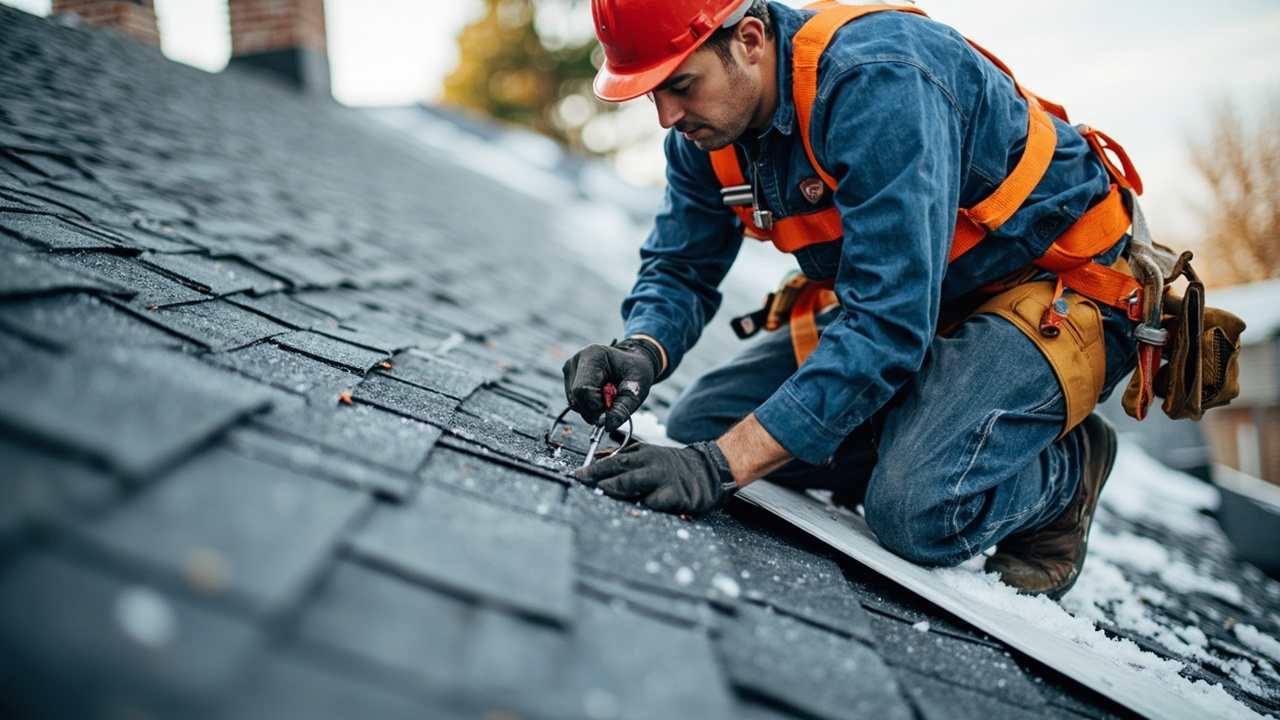
How to Spot Subtle Winter Damage on Your Strongsville Roof Once the Snow Finally Melts After months of heavy snow and freezing temperatures in Northeast Ohio the first warm days of spring bring a critical…
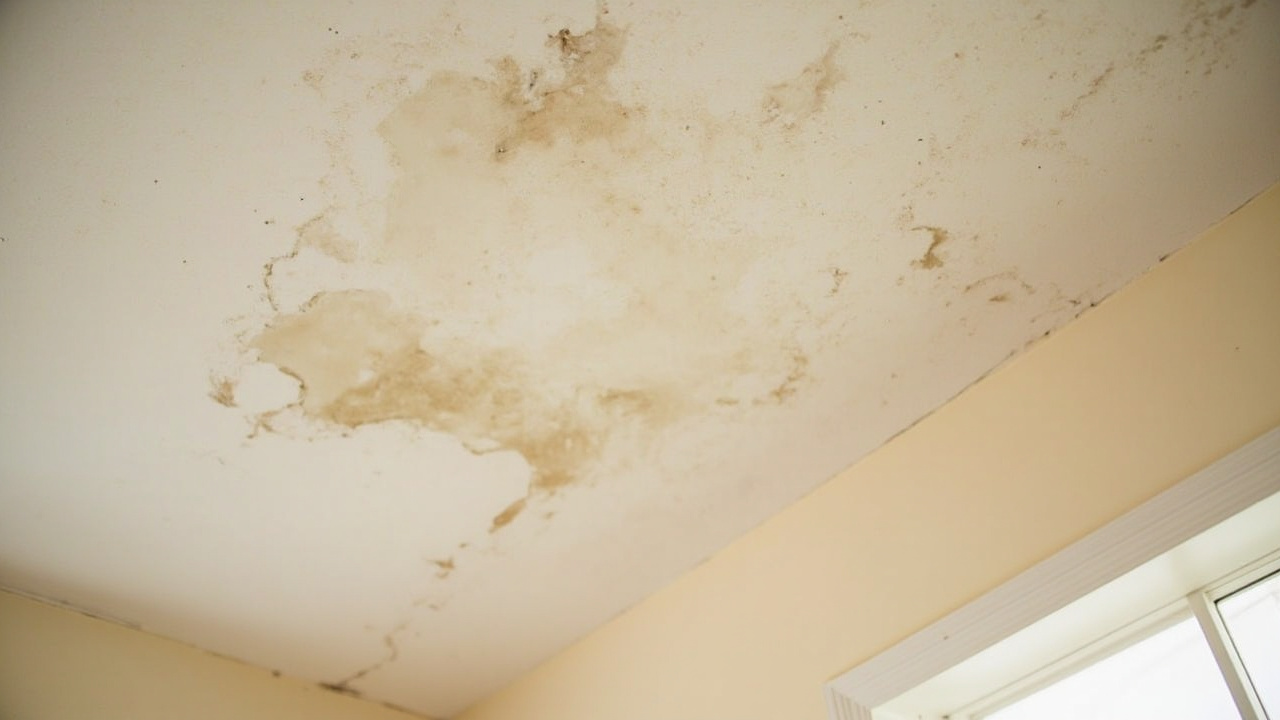
Dealing with Shared Roof Problems When Your Neighbor in the Detroit-Shoreway Is Ignoring a Leak…
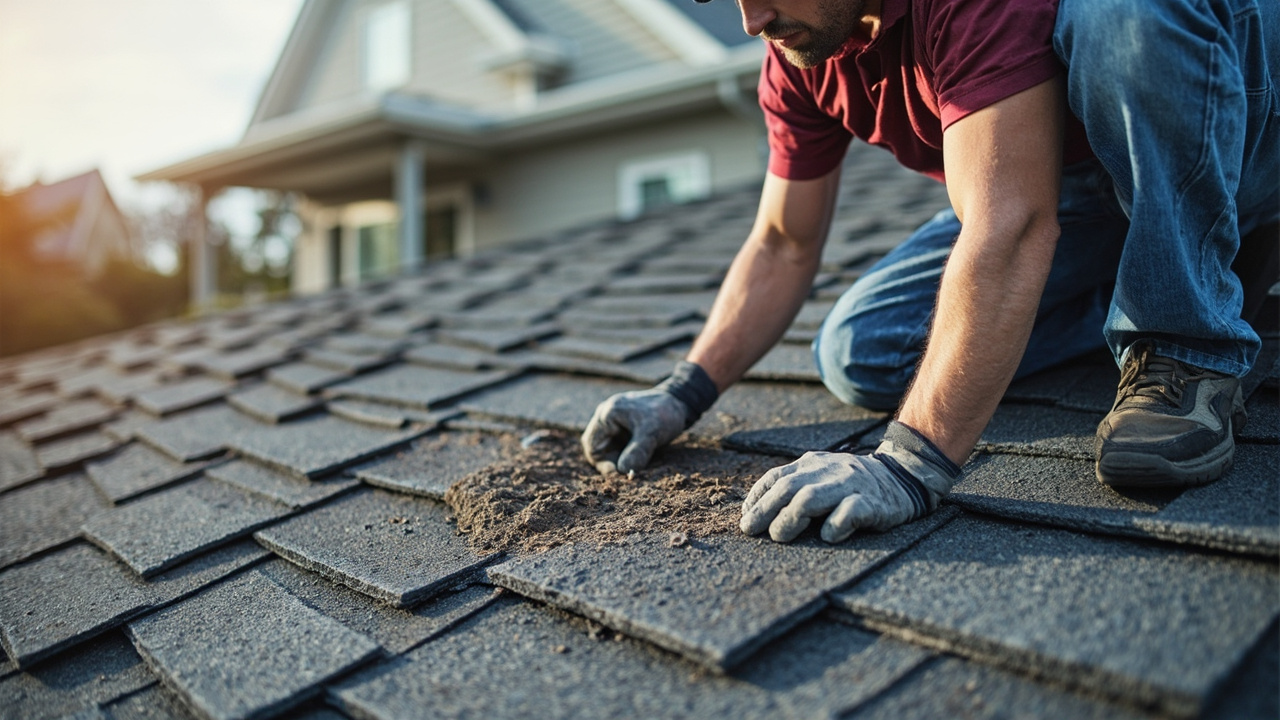
Why Replacing Just a Few Shingles on Your Westlake Home Might Be a Mistake Living…
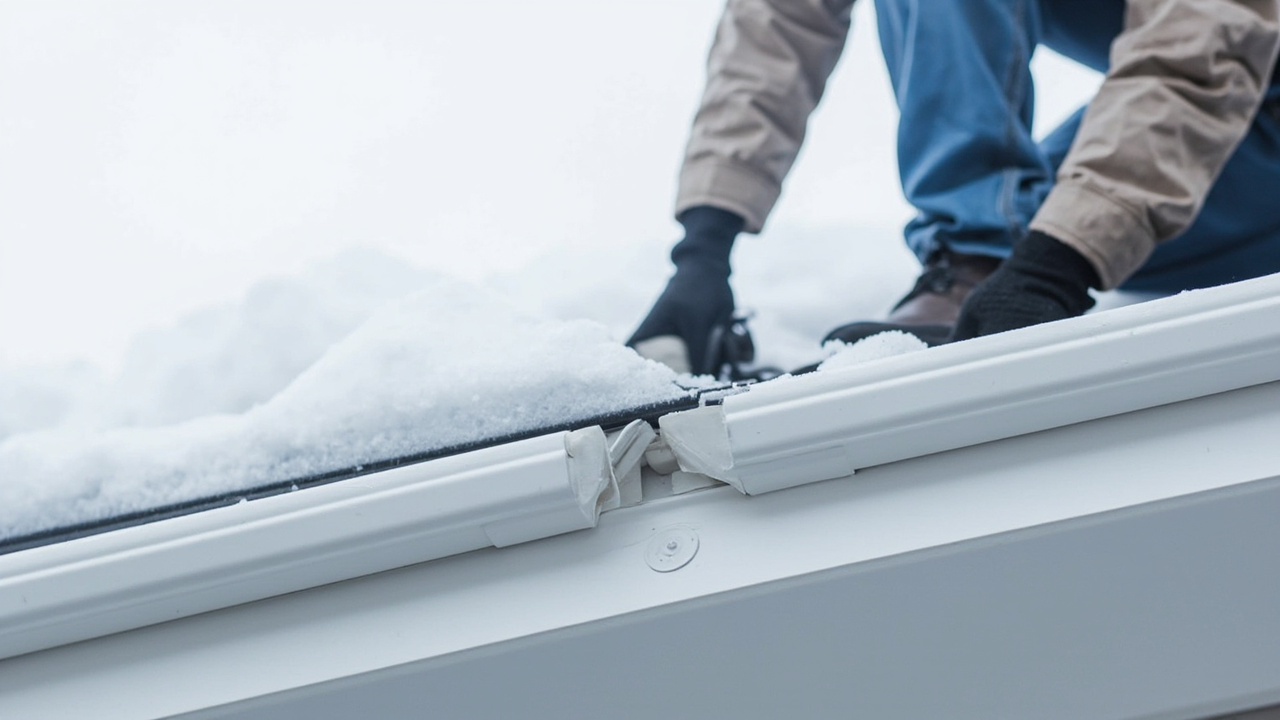
Beyond the Shingles — Why the Right Underlayment Is Crucial for Surviving Harsh Hudson Winters…
Your roof protects everything inside your home. Don't wait for small leaks to become expensive damage. Call Alpha Roofing Cleveland now at (216) 547-1300 for same-day emergency service or schedule a free inspection. We'll assess your roof honestly and fix it right.