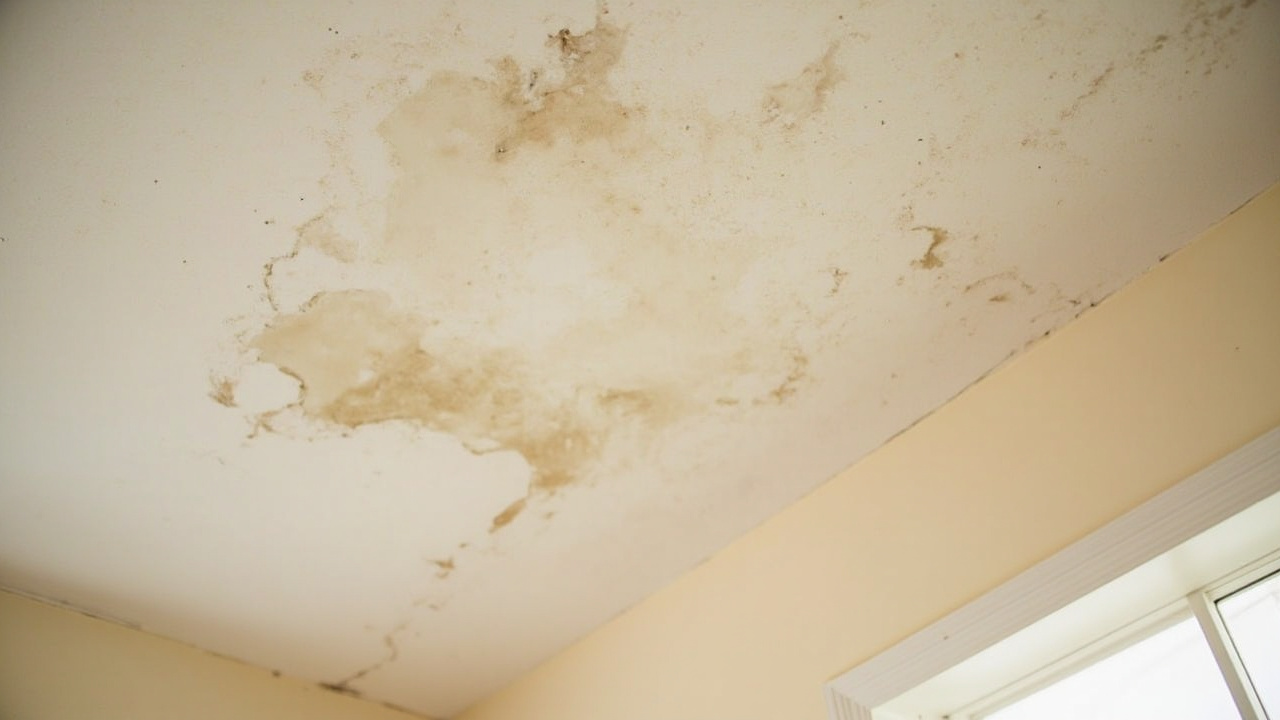
Cleveland receives 60 inches of snow annually, with lake effect bands dumping heavy accumulation in short periods. Snow piles deep in roof valleys because converging slopes funnel accumulation into the valley channel. When temperatures rise above freezing, this concentrated snow melts faster than snow on open roof planes. Meltwater overwhelms valley capacity and backs up under shingles if valley flashing has any gaps or corrosion. This cycle repeats throughout winter, turning minor valley flashing defects into major leak sources that drip into your home during every thaw period.
Cleveland's older neighborhoods feature complex rooflines with multiple valley intersections. Homes in Lakewood, Cleveland Heights, and Shaker Heights often have four or more valleys per roof. Each valley represents a potential failure point requiring specialized knowledge of historical construction methods. Local roofing contractors familiar with these architectural styles understand how valley construction evolved from woven shingles in 1920s builds to modern open-valley systems. This local expertise prevents mismatched repairs that compromise your roof's historical integrity while delivering modern waterproofing performance.