menu

Flat Roof Repair & Restoration in Cleveland | Minimize Downtime with Industrial-Grade Solutions

Alpha Roofing Cleveland delivers comprehensive flat roof repair and restoration for commercial and industrial facilities across Northeast Ohio, with specialized expertise in low slope systems that keep your operations running without interruption.

Slider Image 1
Slider Image 2
Slider Image 3
Slider Image 4
Slider Image 5
Slider Image 7
Slider Image 8
Slider Image 9
Slider Image 10
Slider Image 11

How Cleveland's Climate Accelerates Commercial Flat Roof Failure

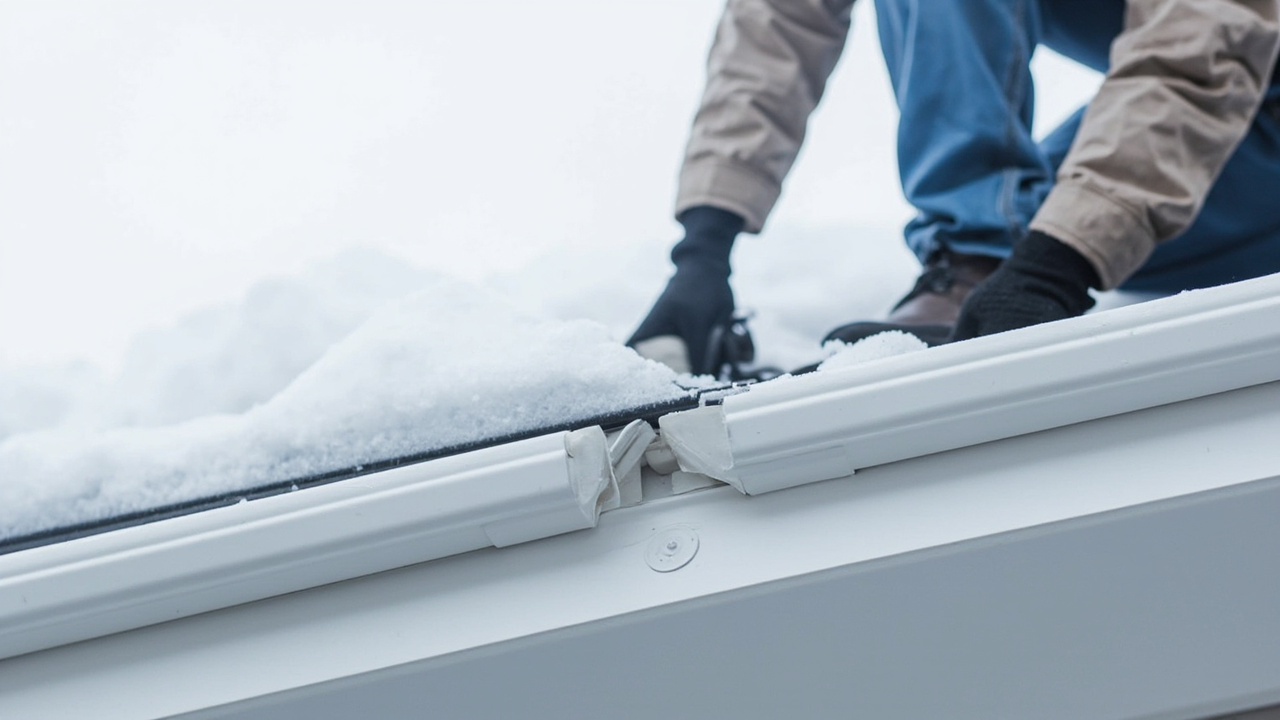
Cleveland's freeze-thaw cycles destroy commercial flat roofs faster than most building owners realize. Water infiltrates minor membrane defects during rain or snowmelt, then expands when temperatures drop below freezing. This expansion creates progressive tears in EPDM, TPO, and modified bitumen systems. The cycle repeats 40 to 60 times each winter across Northeast Ohio.

Low slope roof refurbishment becomes urgent when ponding water appears after Cleveland's frequent spring storms. Standing water indicates compromised drainage, membrane degradation, or structural deflection. Each day water sits on your roof accelerates deterioration. The weight loads your structural deck beyond design parameters. Leaks migrate horizontally beneath the membrane, making source identification difficult during emergency repairs.

Lake Erie's humidity compounds the problem. Moisture vapor drives into roof assemblies from below while rain attacks from above. This two-front assault leads to insulation saturation, which destroys R-value and adds structural load. Industrial flat roof repair addresses these compounding failures before they cascade into production shutdowns or inventory loss.

Commercial roof waterproofing fails when installers ignore Cleveland's temperature extremes. Summer roof surface temperatures exceed 170 degrees, causing membrane shrinkage and seam stress. Winter cold makes materials brittle. Your roof needs restoration methods engineered for this specific thermal range. Generic approaches lead to premature failure and repeated service calls that disrupt operations and drain maintenance budgets.

How Cleveland's Climate Accelerates Commercial Flat Roof Failure
Our Methodology for Commercial Flat Roof Systems

Our Methodology for Commercial Flat Roof Systems

Alpha Roofing Cleveland uses infrared thermography and nuclear moisture scanning to map subsurface damage before any demolition begins. These diagnostic tools identify wet insulation, membrane delamination, and thermal bridging invisible during visual inspection. We document findings with thermal imaging reports that justify scope to your CFO and insurance adjuster.

Our commercial flat roof restoration starts with core sampling at suspected failure points. We extract roof assembly sections to examine membrane condition, insulation integrity, and deck soundness. This data determines whether your roof needs localized repair, coating restoration, or complete tear-off. The decision hinges on remaining service life versus cost per additional year of performance.

For facilities that cannot tolerate shutdown, we deploy sectional restoration. We divide your roof into zones, complete work in phases, and maintain weathertight protection throughout the project. This approach keeps production lines running and prevents HVAC system contamination from demolition debris. We schedule disruptive work during your low-volume periods after consulting with your operations manager.

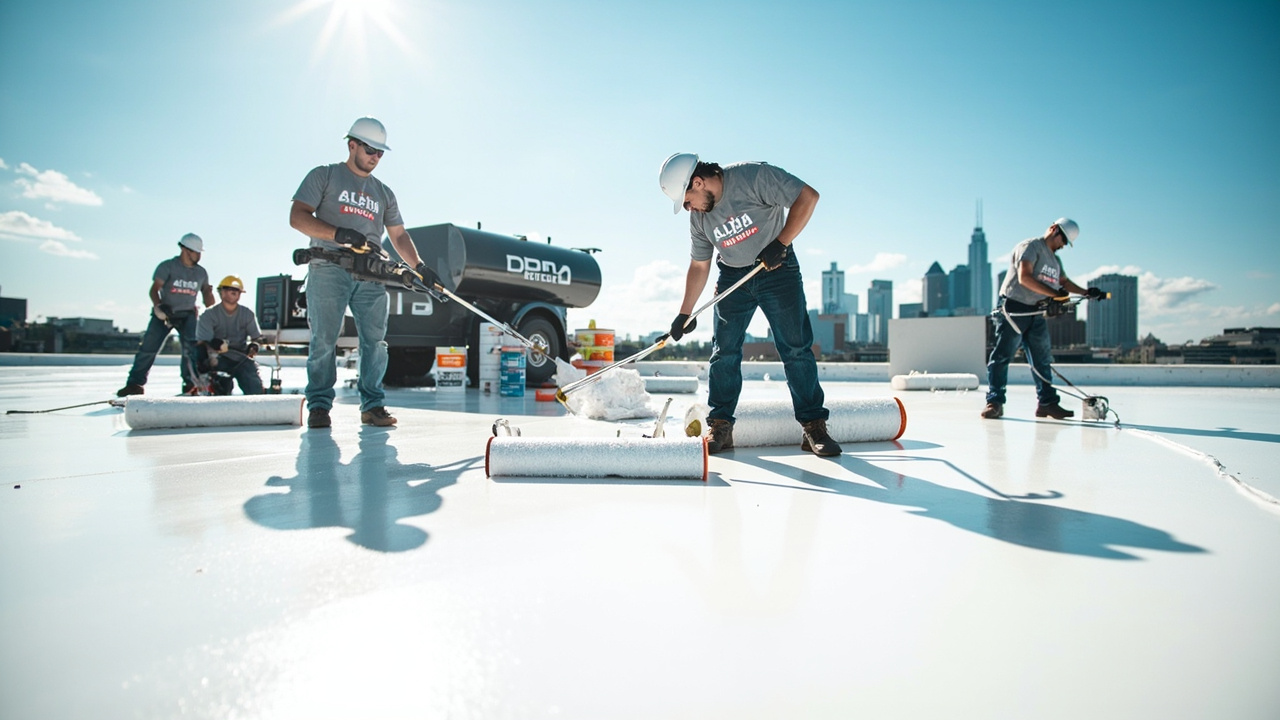
Commercial roof coating services extend membrane life when applied to structurally sound substrates. We use silicone or acrylic systems selected for your specific membrane type and Cleveland's UV exposure levels. Surface preparation includes power washing, membrane repairs, and seam reinforcement. Coating thickness meets manufacturer specifications for warranty compliance. This restoration method costs 30 to 40 percent less than replacement while adding 10 to 15 years of service life. The reflective surface reduces cooling loads during Cleveland's humid summers.

How We Execute Your Flat Roof Restoration

Flat Roof Repair & Restoration in Cleveland | Minimize Downtime with Industrial-Grade Solutions
01

Facility Assessment and Diagnostics

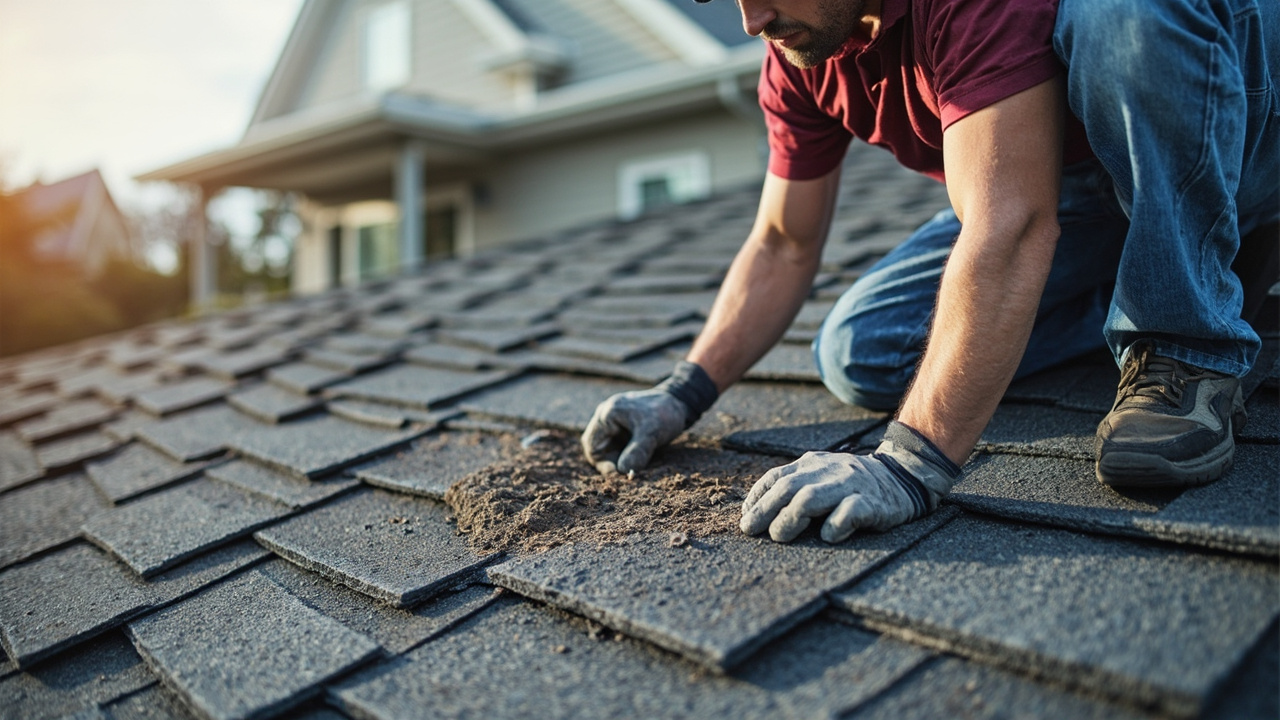
We conduct after-hours roof inspections to avoid disrupting your operations. Our technicians use moisture meters and thermal cameras to identify compromised areas. We photograph all penetrations, drainage components, and parapet conditions. You receive a written assessment with repair recommendations ranked by urgency. This diagnostic phase typically completes within 48 hours of your initial contact.
02

Scope Development and Scheduling

We meet with your facilities manager to align our work schedule with your operational calendar. The scope specifies materials, phasing, and protection protocols for sensitive equipment. We coordinate with your HVAC contractor if rooftop unit work is required. You receive a timeline that identifies weather contingencies and inspection milestones. Material procurement begins immediately after your approval to prevent delays.
03

Execution and Quality Verification

Our crews arrive with all materials staged to minimize site disruption. We maintain temporary weatherproofing during multi-day projects. Each phase undergoes internal quality inspection before we proceed to the next section. You receive progress photos and can request walkthrough inspections at any milestone. Final documentation includes warranty certificates, material certifications, and maintenance recommendations specific to your restored roof system.

Why Cleveland Facility Managers Choose Alpha Roofing

Alpha Roofing Cleveland specializes in commercial and industrial roofing across Cuyahoga County and the surrounding eight-county region. We understand how Northeast Ohio's weather patterns stress low slope roof systems. Our estimators account for Cleveland's specific snow loads, wind uplift from Lake Erie storm systems, and the thermal cycling that occurs between lakefront and inland facilities.

We maintain relationships with commercial insurance adjusters who handle claims throughout the Cleveland metro. This familiarity accelerates your claims process when storm damage triggers restoration needs. We provide documentation formatted to insurance company specifications, which reduces back-and-forth delays that extend your exposure to additional weather damage.

Our project managers coordinate with Cleveland Building and Housing inspections for commercial work requiring permits. We know which roof system modifications trigger plan review and how to expedite approval. This local knowledge prevents project delays that occur when out-of-town contractors misunderstand municipal requirements. We handle all inspection scheduling and code compliance documentation.

Cleveland's industrial corridor from Steelyard Commons to the Port of Cleveland requires contractors who understand facility uptime priorities. We have restored roofs on operating warehouses, cold storage facilities, and manufacturing plants where production downtime costs thousands per hour. Our crews work around your schedule, not ours. We deploy weekend and night shifts when necessary to keep your business running. You get industrial-grade restoration executed with surgical precision to protect your revenue stream and asset value.

What Your Restoration Project Includes

Response Speed and Project Duration

We dispatch estimators to Cleveland-area facilities within 24 hours of your call. Emergency leak repairs receive same-day response to prevent interior damage and business interruption. Full restoration projects schedule within one to two weeks after contract signing, depending on material lead times and your operational calendar. Most commercial coating restorations complete in three to five days. Tear-off and replacement projects range from one to three weeks based on building size and weather conditions. We provide daily progress updates to your designated facility contact.

Diagnostic Assessment Process

Our initial assessment includes infrared scanning to detect moisture intrusion and insulation saturation beneath the membrane surface. We perform core cuts at representative locations to examine your roof assembly from membrane through deck. Drainage evaluation identifies slope deficiencies causing ponding water. Parapet and flashing inspection reveals common failure points around roof edges and penetrations. You receive a written report with photographs, thermal images, and repair recommendations prioritized by risk level. This assessment typically costs nothing when you proceed with recommended restoration work.

Finished Roof Performance

Your restored roof meets manufacturer specifications for material thickness, seam overlap, and fastener spacing. Coating applications achieve specified mil thickness verified by wet film gauge during installation. All penetration flashing receives proper detailing to prevent water entry at vulnerable transition points. Drainage improvements eliminate standing water within 48 hours of rainfall. The completed system passes flood testing or electronic leak detection before final sign-off. You receive warranties covering both materials and installation labor, with terms ranging from 10 to 20 years depending on the system you select.

Ongoing Maintenance Support

We provide maintenance protocols specific to your restored roof system. Recommended inspection intervals account for Cleveland's harsh weather and your facility's specific exposure. Our maintenance agreements include biannual inspections, drain cleaning, minor repairs, and priority emergency response. Regular maintenance extends roof life and preserves warranty coverage, which often requires annual professional inspection. We maintain detailed service records for each facility, making it simple to track roof condition over time and budget for eventual replacement. Maintenance customers receive priority scheduling during storm events when demand for emergency repairs peaks across the Cleveland area.

Frequently Asked Questions

You Have Questions,
We Have Answers

What is the average cost to repair a flat roof? +

Flat roof repair costs vary based on damage extent, membrane type, and building size. Minor repairs like patching small leaks or resealing seams typically cost less than structural issues requiring deck replacement. Cleveland's freeze-thaw cycles and heavy snow loads often cause membrane cracking and ponding water damage, which impacts pricing. Commercial buildings face higher costs due to larger square footage and code compliance requirements. Material choice matters: EPDM, TPO, and modified bitumen each carry different price points. Get a detailed inspection to identify underlying issues like compromised insulation or deck deterioration that affect total investment and prevent future business interruptions.

Is it expensive to repair a flat roof? +

Expense is relative to the cost of inaction. A leaking flat roof threatens inventory, equipment, employee safety, and business continuity. In Cleveland, where winter moisture infiltration can escalate rapidly, delaying repairs increases liability exposure and structural damage. Small repairs addressing membrane punctures or flashing failures remain affordable. However, ignoring ponding water or widespread blistering leads to deck rot, mold growth, and interior damage that multiplies costs. Compare repair investment against potential revenue loss from shutdowns, insurance premium increases, and tenant complaints. Proactive maintenance and timely intervention reduce long-term expenditure and protect your commercial asset value.

How often should a flat roof be redone? +

Commercial flat roofs typically need replacement every 15 to 30 years depending on membrane type, installation quality, and maintenance frequency. TPO and PVC membranes often reach 20 to 25 years with proper care. Modified bitumen systems may need attention sooner in Cleveland's climate due to thermal cycling stress. However,redo timing depends less on age and more on performance. Regular inspections every six months identify when patches no longer suffice. Ponding water, widespread cracking, or multiple leak points signal replacement need regardless of age. Budget for major restoration or replacement before total failure forces emergency action and operational downtime.

What are common flat roof problems? +

Cleveland commercial flat roofs face predictable problems tied to climate and design. Ponding water from inadequate drainage causes membrane deterioration and leaks. Freeze-thaw cycles crack aging materials and open seams. Blistering occurs when trapped moisture vaporizes under summer heat. Flashing failures at parapets, penetrations, and HVAC units create entry points for water. Punctures from foot traffic or debris compromise membrane integrity. Thermal expansion and contraction stress seams and fasteners. Poor initial installation accelerates all these issues. Biological growth in standing water degrades surfaces. Address these problems promptly to avoid structural damage, interior water intrusion, and code violations that threaten occupancy permits.

Is flat roof repair covered by insurance? +

Commercial property insurance may cover flat roof repair if damage results from a covered peril like wind, hail, or fallen debris. However, insurers exclude damage from deferred maintenance, wear and tear, or pre-existing conditions. Document regular inspections and maintenance records to strengthen claims. In Cleveland, winter ice damming or sudden storm damage typically qualifies for coverage. Gradual leaks from aging membranes do not. Policy language varies significantly. Review your coverage limits, deductibles, and exclusions before filing. Insurers often require professional inspections to determine cause. Maintain photographic evidence and contractor reports. Understand that approval depends on proving sudden, accidental loss rather than neglect.

What is the life expectancy of a flat roof? +

Flat roof life expectancy ranges from 10 to 40 years based on membrane material and maintenance discipline. Built-up roofing systems last 15 to 20 years. EPDM rubber membranes reach 20 to 25 years. TPO and PVC systems often exceed 25 years with proper installation. Modified bitumen falls in the 15 to 20 year range. Cleveland's harsh winters and temperature swings reduce these estimates without regular maintenance. Ponding water, UV exposure, and foot traffic accelerate deterioration. Commercial roofs with proactive inspection schedules, prompt repairs, and professional maintenance consistently reach upper lifespan ranges. Budget for mid-life restoration to maximize return on investment and delay full replacement.

What are signs my flat roof needs replacing? +

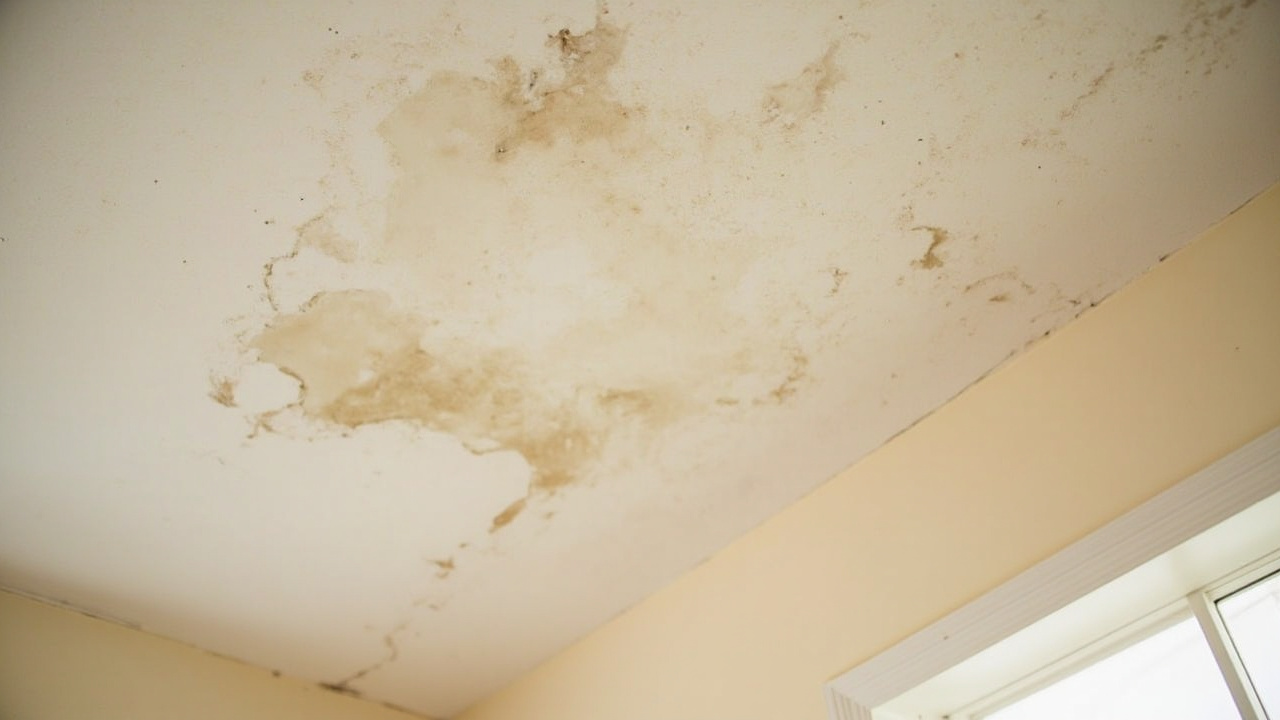
Interior water stains or active leaks during rain signal immediate replacement consideration. Widespread membrane cracking, splitting, or brittleness indicates material failure. Persistent ponding water that remains 48 hours after rain shows drainage inadequacy or structural settling. Visible light through the roof deck from inside means compromised integrity. Extensive blistering across large sections suggests trapped moisture and adhesion failure. Frequent repairs that fail quickly point to systemic problems. Cleveland buildings showing multiple HVAC curb leaks, parapet flashing failures, and seam separation need comprehensive evaluation. Energy cost increases from wet insulation also indicate replacement urgency. Do not wait for catastrophic failure and operational shutdown.

Why is my flat roof leaking after heavy rain? +

Heavy rain exposes existing weaknesses in your flat roof system. Ponding water finds cracks, open seams, or punctures invisible during dry conditions. Cleveland's intense storms create hydrostatic pressure that forces water through compromised flashing at parapets, drains, and penetrations. Clogged drains or scuppers cause water backup and overflow into vulnerable areas. Membrane shrinkage from age creates gaps at terminations. Failed sealants around HVAC units allow entry. Thermal movement during temperature swings opens seams that leak under water volume. The roof does not suddenly fail. Rain reveals pre-existing defects requiring professional diagnosis. Identify the source quickly to prevent interior damage, mold growth, and business disruption.

What is the cheapest option for a flat roof? +

The cheapest flat roof option delivers the highest long-term cost through frequent repairs and early replacement. For Cleveland commercial buildings, modified bitumen offers lower initial investment but shorter lifespan than single-ply membranes. However, choose based on building use, traffic exposure, and maintenance capacity. TPO provides good value with moderate durability. EPDM costs less upfront but punctures easily under equipment. Built-up roofing works for low-slope applications. Cheapest does not mean best value. Factor in energy efficiency, warranty coverage, and installation quality. Prioritize lifecycle cost over initial price. Poor materials and shortcuts create liability exposure, operational disruptions, and premature replacement that erase any savings.

How old may a roof be before insurance claims it's too old? +

Insurance companies typically consider roofs over 20 years old as high risk and may deny claims or require replacement before policy renewal. Thresholds vary by carrier and roof type. Some insurers reduce coverage or increase premiums for roofs exceeding 15 years without documented maintenance history. Cleveland's climate accelerates aging, making regular inspections critical for maintaining coverage. Carriers may require professional certifications confirming serviceable condition for older roofs. They often exclude coverage for roofs beyond 25 years regardless of condition. Review your policy annually. Budget for replacement before hitting age limits that trigger coverage loss or force expensive emergency replacements to maintain insurance compliance and building operability.

Why Cleveland's Industrial Heritage Demands Specialized Flat Roof Expertise

Cleveland's commercial building stock includes thousands of pre-1980 industrial structures with original built-up roofing systems. These legacy roofs feature coal tar pitch and gravel surfacing installed when the Flats and Midtown manufacturing districts dominated Northeast Ohio's economy. Modern restoration requires expertise in transitioning these obsolete assemblies to current membrane systems while maintaining structural integrity of aging steel decks. The wrong approach leads to deck failure, especially in buildings where original design documentation no longer exists. Facilities along the Cuyahoga River valley face additional challenges from industrial emissions that accelerate membrane degradation.

Cleveland building codes require commercial roof work to meet current energy standards when replacement exceeds 50 percent of roof area. This triggers insulation upgrades that affect structural load calculations and parapet height requirements. Local contractors understand how to navigate these code provisions and secure variance approvals when necessary. We work within Cleveland's permitting framework daily and maintain relationships with plan reviewers who process commercial roofing applications. Out-of-town contractors often misinterpret these requirements, leading to project delays and costly redesigns after work has already begun. Local expertise protects your project timeline and budget.
Roofing Services in The Cleveland Area

We are proud to serve the entire Cleveland area and the surrounding communities. Our centrally located office allows us to respond quickly to your needs, whether you require a repair, a full roof installation, or an emergency service. We invite you to view our service area on the map to see how we can assist you. Our team is always ready to provide expert solutions right where you are.

Address:
Alpha Roofing Cleveland, 2401 Superior Viaduct, Cleveland, OH, 44113

Additional Services We Offer

Our news updates

Latest Articles & News from The Blogs

Why Moreland Hills homeowners are choosing high-end composite over traditional slate Moreland Hills estates have long featured the prestige of…

Why more Moreland Hills homeowners are choosing high-end composite over traditional slate

Why Moreland Hills homeowners are choosing high-end composite over traditional slate Moreland Hills estates have long featured the prestige of…

How to stop local wildlife from nesting under the shingles of your Mayfield Heights home

Understanding the Wildlife Problem in Mayfield Heights Mayfield Heights sits in a unique geographic location where suburban development meets mature…

Picking a roof color that highlights the historic charm of your University Heights home

Picking a roof color that highlights the historic charm of your University Heights home The right roof color can transform…

Contact Us

Call Alpha Roofing Cleveland at (216) 547-1300 for a comprehensive facility roof inspection. Our diagnostics identify problems before they disrupt operations. We deliver written assessments within 48 hours and can mobilize restoration crews on your schedule. Protect your business continuity with industrial-grade flat roof solutions engineered for Northeast Ohio.