menu

TPO vs EPDM Roofing Guide for Cleveland – Which Flat Roof Membrane Actually Survives Winter

Compare thermoplastic polyolefin and rubber roofing performance in Cleveland's freeze-thaw cycles, understand EPDM vs TPO cost differences, and discover which flat roof system handles Lake Erie snow loads and ice damming.

Slider Image 1
Slider Image 2
Slider Image 3
Slider Image 4
Slider Image 5
Slider Image 7
Slider Image 8
Slider Image 9
Slider Image 10
Slider Image 11

Why Cleveland's Climate Makes Your Flat Roof Membrane Choice Critical

You're staring at quotes for a new commercial flat roof or a residential garage roof, and two acronyms keep appearing: TPO and EPDM. The difference between TPO and EPDM matters more in Cleveland than in warmer climates because your roof endures something most southern cities never see: 60-plus inches of annual snowfall combined with brutal freeze-thaw cycles.

EPDM is ethylene propylene diene monomer, a synthetic rubber membrane that's been around since the 1960s. TPO is thermoplastic polyolefin, a heat-welded plastic membrane introduced in the 1990s. Both are single-ply membranes designed for low-slope and flat roofs common on Cleveland's commercial warehouses, apartment complexes, and ranch-style homes with flat garage roofs.

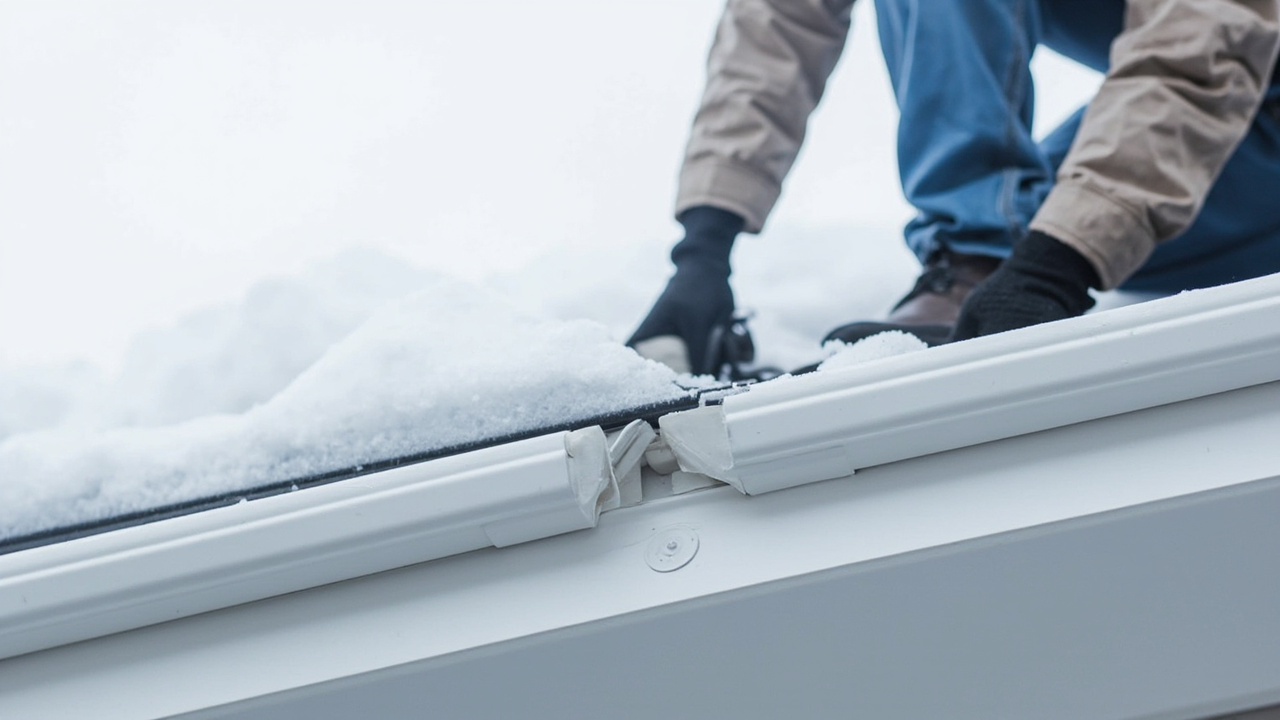
The TPO vs EPDM pros and cons shift dramatically when you factor in Cleveland's weather. Lake-effect snow creates standing water and ice dams. Temperature swings from 15°F in January to 85°F in July stress membrane seams. The wrong choice leads to ponding water, failed seams, and interior water damage within five years.

Thermoplastic polyolefin vs rubber roofing is not just a materials debate. It's about thermal expansion, seam integrity under load, and puncture resistance when snow removal crews use metal shovels. Cleveland building codes require specific wind uplift ratings due to our proximity to Lake Erie. Your membrane choice affects insurance rates, energy costs, and how often you're calling for emergency leak repairs during March thaws.

The EPDM vs TPO cost comparison shows EPDM typically runs 15-20% less upfront, but that gap closes when you account for energy efficiency and longevity in northern climates. This guide walks you through the real-world performance differences so you can make an informed decision for your Cleveland property.

Why Cleveland's Climate Makes Your Flat Roof Membrane Choice Critical
How TPO and EPDM Perform Differently on Cleveland Flat Roofs

How TPO and EPDM Perform Differently on Cleveland Flat Roofs

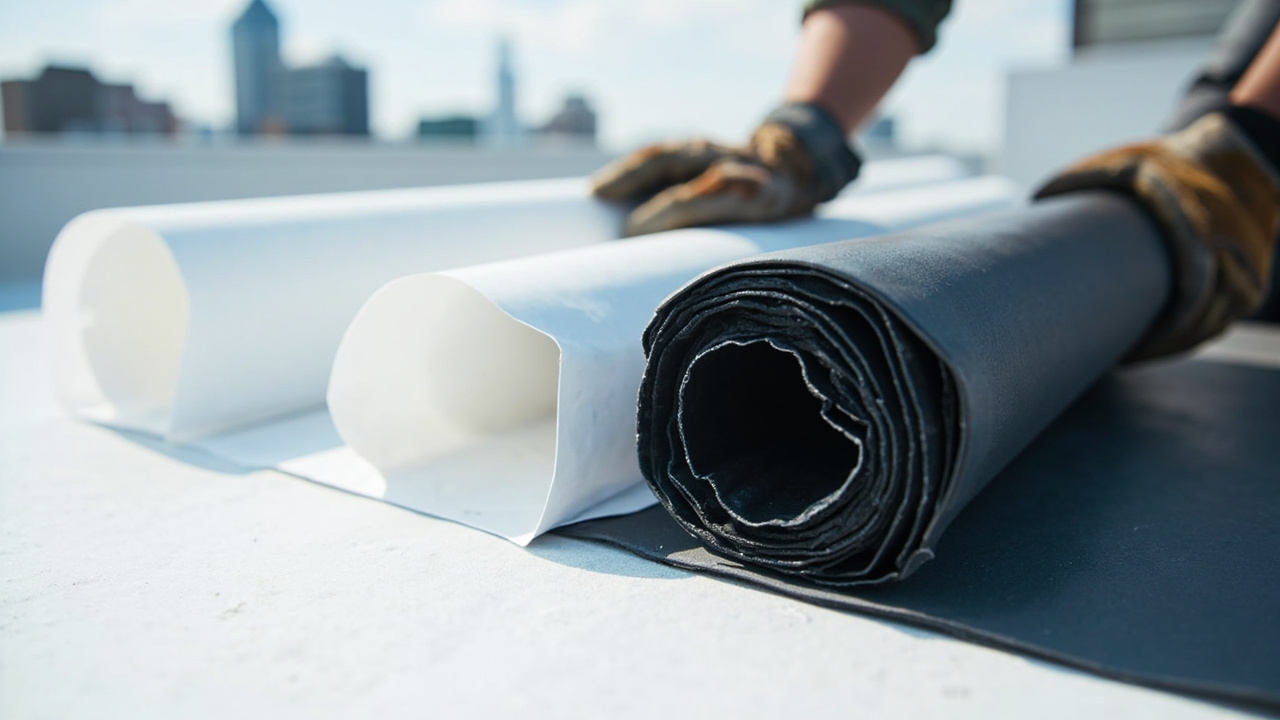
EPDM is installed in large rolls, typically 10 to 50 feet wide, and seams are joined using contact adhesive, tape, or liquid-applied sealants. The rubber is black, which means it absorbs heat in summer but also helps melt snow faster in winter. EPDM is highly elastic, which allows it to expand and contract without cracking during Cleveland's temperature extremes. The material itself resists ozone and UV degradation well, but the Achilles heel is the seam. Tape-applied seams can fail if moisture gets underneath, especially during freeze-thaw cycles when water expands in micro-gaps.

TPO is installed in narrower rolls, usually 10 or 12 feet wide, and seams are heat-welded using hot-air guns. This creates a molecular bond that's often stronger than the membrane itself. TPO is white or light gray, which reflects sunlight and reduces cooling costs in summer. The reflectivity also qualifies for cool roof energy rebates. The membrane is less elastic than EPDM, which means it's more prone to punctures from sharp objects, but the trade-off is better seam performance under stress.

The TPO or EPDM for flat roof decision in Cleveland often comes down to the building use. Commercial roofs with HVAC units, exhaust fans, and frequent foot traffic benefit from TPO's superior seam strength and puncture-resistant reinforced versions. Residential flat roofs with minimal traffic and budget constraints often go with EPDM because the material cost is lower and the seams hold up fine when installed correctly.

Both membranes require proper insulation underneath to prevent condensation and ice damming. Cleveland's energy codes push for higher R-values, which affects your total roof assembly cost regardless of membrane type. Alpha Roofing Cleveland evaluates your existing deck structure, insulation needs, and drainage before recommending a membrane, because the substrate matters as much as the top layer.

How We Help You Choose the Right Flat Roof Membrane

TPO vs EPDM Roofing Guide for Cleveland – Which Flat Roof Membrane Actually Survives Winter
01

Roof Inspection and Load Assessment

We start with a physical roof inspection to measure slope, identify drainage issues, and assess structural load capacity. Cleveland's snow load requirements are 30 pounds per square foot, so we verify your deck can handle additional insulation layers and the membrane weight. We also check for existing ponding water areas, failed flashing, and penetration conditions. This inspection determines whether your roof can support a heavier ballasted EPDM system or needs a lighter fully-adhered TPO installation.
02

Material Selection and Cost Modeling

We present side-by-side cost projections for TPO and EPDM systems specific to your roof size and configuration. You see the EPDM vs TPO cost comparison with material grades, seam methods, insulation R-values, and labor. We explain how TPO's energy savings offset the higher upfront cost over 15 years. We factor in your building use, budget constraints, and long-term maintenance tolerance. You get transparent numbers, not sales pressure.
03

Installation Planning and Code Compliance

Once you select a membrane, we engineer the roof assembly to meet Cleveland building codes and manufacturer specifications. We schedule installation during dry weather windows and coordinate inspections. You receive a detailed warranty breakdown covering membrane defects, seam performance, and workmanship. We also provide a maintenance schedule for cleaning drains, inspecting seams, and addressing ponding water before it causes premature failure. Your roof is built to last 20-plus years.

Why Cleveland Property Owners Trust Local Flat Roof Expertise

Cleveland's flat roof challenges are hyper-local. Lake-effect snow dumps moisture-heavy loads that compress insulation and stress seams. Spring thaws create freeze-thaw cycles that split poorly installed seams. Summer humidity accelerates mildew growth on organic debris trapped in valleys. You need a roofing contractor who's seen these failure patterns hundreds of times, not a crew flying in from Columbus to underbid the job.

Alpha Roofing Cleveland has installed both TPO and EPDM systems on everything from Ohio City warehouses to Tremont multi-family buildings. We know which membrane grades hold up to Cleveland's UV exposure and which adhesive systems fail in our humidity. We've replaced enough tape-seam EPDM roofs to know when fully-adhered systems are worth the extra cost. We've also repaired TPO roofs that were installed without proper thermal breaks, causing condensation and mold growth in winter.

Local expertise also means we understand Cleveland's permitting process and inspection standards. Cuyahoga County requires wind uplift testing and energy compliance documentation. We handle that paperwork and coordinate inspections so your project doesn't stall. We also have relationships with local suppliers, which means we can source materials faster and often at better pricing than national chains.

The difference between a 15-year roof and a 25-year roof is installation quality. Seam welding technique, flashing details around penetrations, and proper drainage slope all determine long-term performance. We don't subcontract installations. Our crews are trained on manufacturer-specific techniques for both TPO and EPDM systems. You get consistent workmanship, not a crew that learned flat roofing last month.

Cleveland winters test every roof. You want a contractor who stands behind their work when a seam fails during a February ice storm, not one who disappears after cashing your check.

What to Expect When Installing a New Flat Roof Membrane in Cleveland

Project Timeline and Weather Windows

Most flat roof installations take two to five days depending on square footage and complexity. We schedule projects during dry weather windows between May and October when adhesives cure properly and seam welding isn't affected by moisture. Cleveland's unpredictable spring weather sometimes pushes start dates, but we monitor forecasts closely and communicate changes immediately. Emergency tear-offs happen year-round when leaks threaten interior damage, but we take extra precautions with temporary waterproofing when working in cold temperatures. You'll know the schedule upfront and receive daily progress updates.

Tear-Off and Deck Preparation

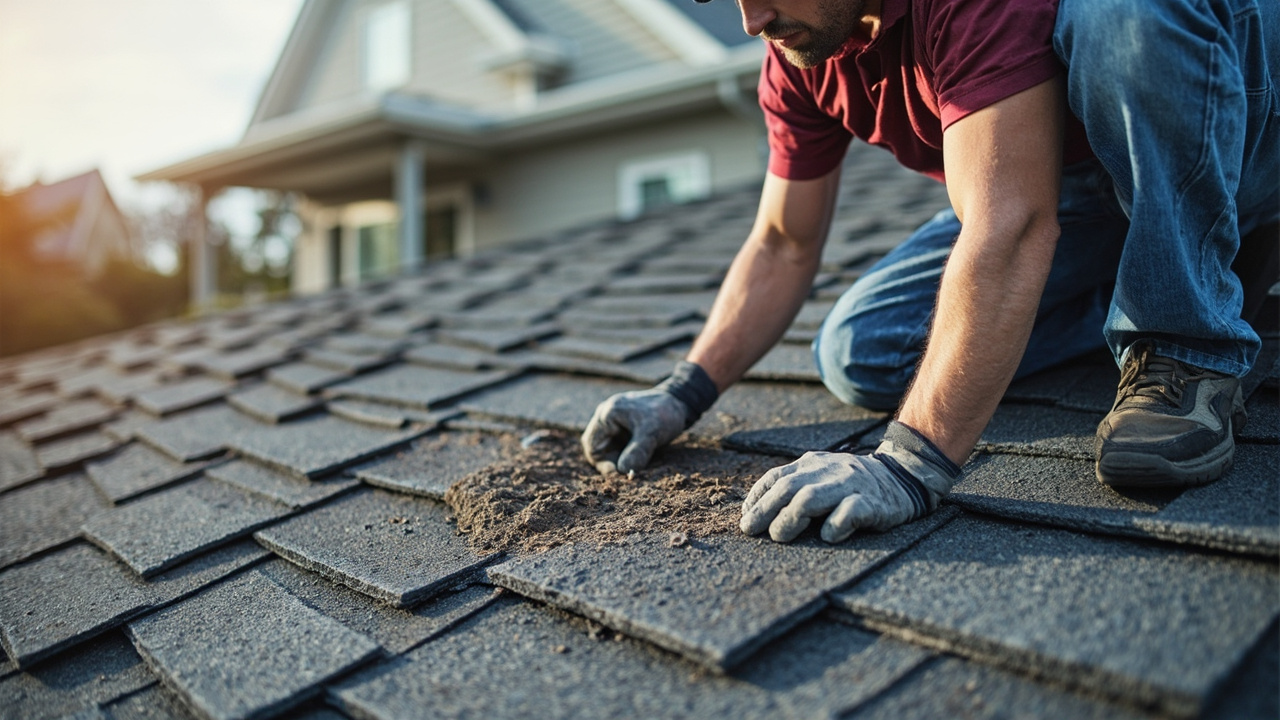
We assess whether your existing roof needs full tear-off or can support a roof-over installation. Cleveland's older buildings often have multiple layers of modified bitumen or built-up roofing that must be removed to inspect the deck. We check for rot, structural damage, and code violations before installing new insulation and membrane. Deck repairs add time and cost, but skipping this step leads to premature failure when weak spots telegraph through the new membrane. You get a detailed deck condition report before we proceed with installation.

Seam Quality and Inspection Standards

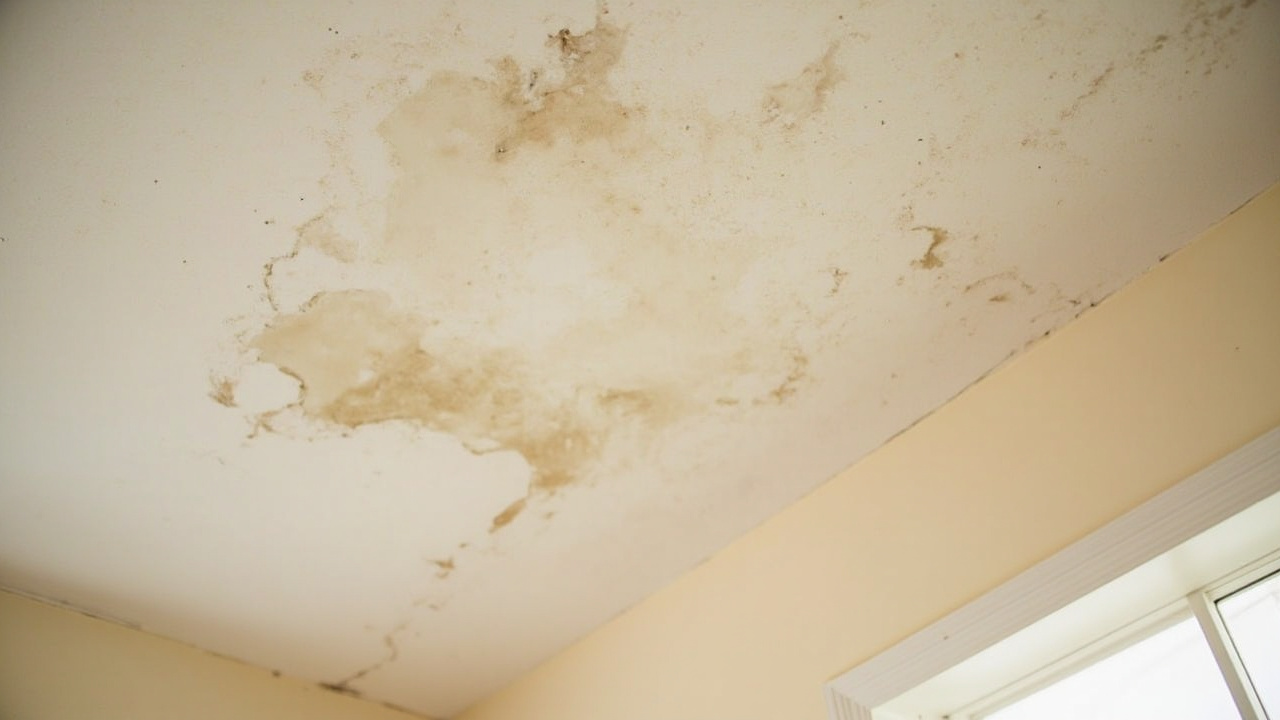
Seams are where flat roofs fail. We test every TPO seam with a probe tool to verify the heat weld penetrated both layers. EPDM seams get visual inspection and pressure testing at critical areas. Cleveland's building inspectors focus on seam quality and flashing details, so we document everything with photos. You receive a seam map showing every weld location and test result. This documentation is critical for warranty claims and future repairs. Poor seam work shows up within two years when water stains appear on ceilings.

Warranty Coverage and Maintenance Plans

Manufacturer warranties cover material defects for 10 to 20 years depending on membrane grade. Our workmanship warranty covers installation errors for five years. We offer annual maintenance plans that include drain cleaning, seam inspections, and minor repairs before they become major leaks. Cleveland's freeze-thaw cycles require proactive maintenance. We check flashing around penetrations, clear debris from valleys, and address ponding water that stresses seams. Regular maintenance extends roof life by five to ten years and prevents emergency tear-offs. You get a maintenance log for insurance documentation.

Frequently Asked Questions

You Have Questions,
We Have Answers

Why choose TPO over EPDM? +

TPO offers better heat reflectivity than EPDM, which reduces cooling costs during Cleveland's humid summers. The white surface reflects UV rays, keeping your building cooler. TPO seams are heat-welded, creating stronger bonds than EPDM's glued seams. This matters in Cleveland, where freeze-thaw cycles can stress adhesive connections. TPO also resists punctures better and handles ponding water more effectively on low-slope roofs common in commercial buildings. If energy efficiency and long-term seam integrity matter for your property, TPO typically outperforms EPDM in these areas.

What are the disadvantages of TPO roofing? +

TPO membranes can shrink over time, especially if improperly installed. This creates stress at seams and fasteners. Manufacturing inconsistencies have plagued TPO historically, with formulation changes affecting durability. Some early TPO roofs failed prematurely in Cleveland's climate. TPO also costs more upfront than EPDM. The material requires skilled installation, particularly for heat-welding seams. Inexperienced contractors can create weak points. TPO's lighter color shows dirt and staining more visibly than black EPDM. If your budget is tight or you need proven long-term performance, these factors matter.

What is the life expectancy of TPO vs EPDM? +

EPDM typically lasts 20 to 25 years in Cleveland with proper maintenance. The material has decades of proven performance data. TPO roofs generally last 15 to 20 years, though newer formulations may extend this. EPDM's simpler rubber composition resists Cleveland's temperature extremes consistently. TPO's more complex chemistry can degrade differently depending on manufacturer and installation quality. Both materials handle freeze-thaw cycles, but EPDM has a longer track record. Your actual lifespan depends on installation quality, maintenance, and exposure to Cleveland's weather patterns.

Which is cheaper, EPDM or TPO? +

EPDM costs less upfront, typically 20 to 30 percent cheaper than TPO for materials and installation. EPDM's simpler installation process reduces labor costs. You get a proven membrane at a lower price point. TPO costs more initially but may save money long-term through energy savings. The reflective surface can reduce cooling costs in commercial buildings. Consider your total ownership costs over 20 years, not just installation price. For Cleveland property owners on tight budgets, EPDM offers reliable protection at a lower entry cost.

How Lake Erie Weather Patterns Affect TPO vs EPDM Performance in Cleveland

Lake Erie creates unique moisture and temperature challenges for Cleveland flat roofs. Lake-effect snow delivers heavy, wet loads that linger on flat surfaces and refreeze during night temperature drops. This freeze-thaw cycling stresses membrane seams and flashing details more than dry, cold climates. EPDM's elasticity helps it survive expansion and contraction, but tape seams can delaminate when water infiltrates micro-gaps and freezes. TPO's heat-welded seams resist this water intrusion better, but the membrane itself is less forgiving when ice dams create pressure points. Cleveland's 60-inch average snowfall also means ponding water is a constant issue in spring. Proper roof slope and drainage matter more here than in drier regions.

Cleveland's commercial building stock includes thousands of pre-1980 structures with flat or low-slope roofs. Many of these buildings have outdated insulation and drainage systems that don't meet current energy codes. Alpha Roofing Cleveland works with local inspectors and understands Cuyahoga County's retrofit requirements for roof replacements. We also know which neighborhoods have historical district restrictions that affect material choices and color specifications. Our familiarity with Cleveland's architectural styles and building ages means we anticipate deck issues, asbestos concerns, and structural limitations before they delay your project. Local knowledge prevents costly surprises.
Roofing Services in The Cleveland Area

We are proud to serve the entire Cleveland area and the surrounding communities. Our centrally located office allows us to respond quickly to your needs, whether you require a repair, a full roof installation, or an emergency service. We invite you to view our service area on the map to see how we can assist you. Our team is always ready to provide expert solutions right where you are.

Address:
Alpha Roofing Cleveland, 2401 Superior Viaduct, Cleveland, OH, 44113

Additional Services We Offer

Our news updates

Latest Articles & News from The Blogs

Why Moreland Hills homeowners are choosing high-end composite over traditional slate Moreland Hills estates have long featured the prestige of…

Why more Moreland Hills homeowners are choosing high-end composite over traditional slate

Why Moreland Hills homeowners are choosing high-end composite over traditional slate Moreland Hills estates have long featured the prestige of…

How to stop local wildlife from nesting under the shingles of your Mayfield Heights home

Understanding the Wildlife Problem in Mayfield Heights Mayfield Heights sits in a unique geographic location where suburban development meets mature…

Picking a roof color that highlights the historic charm of your University Heights home

Picking a roof color that highlights the historic charm of your University Heights home The right roof color can transform…

Contact Us

Stop guessing which flat roof membrane fits your building and budget. Call Alpha Roofing Cleveland at (216) 547-1300 for a no-pressure roof inspection and side-by-side cost analysis. We'll show you exactly how TPO and EPDM perform in Cleveland's climate and give you transparent pricing. Your roof decision starts with real information.