menu

Condensation & Moisture Issues in Cleveland – Expert Diagnosis and Permanent Fixes for Roof Sweating and Attic Dampness

Cleveland homeowners face unique roof condensation challenges from Lake Erie humidity and freeze-thaw cycles. We diagnose the root cause of attic moisture buildup, trapped moisture in roof assemblies, and roof space condensation to deliver long-term solutions that protect your home.

Slider Image 1
Slider Image 2
Slider Image 3
Slider Image 4
Slider Image 5
Slider Image 7
Slider Image 8
Slider Image 9
Slider Image 10
Slider Image 11

Why Cleveland Roofs Trap Moisture Year-Round

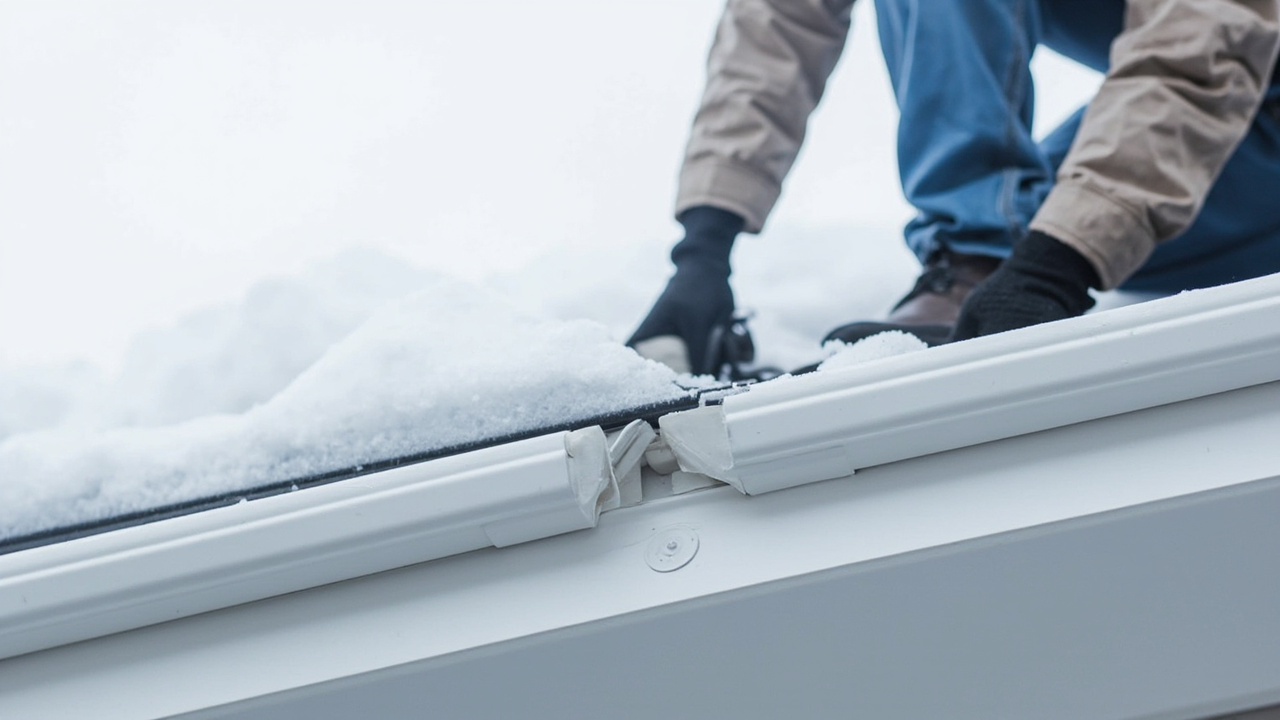
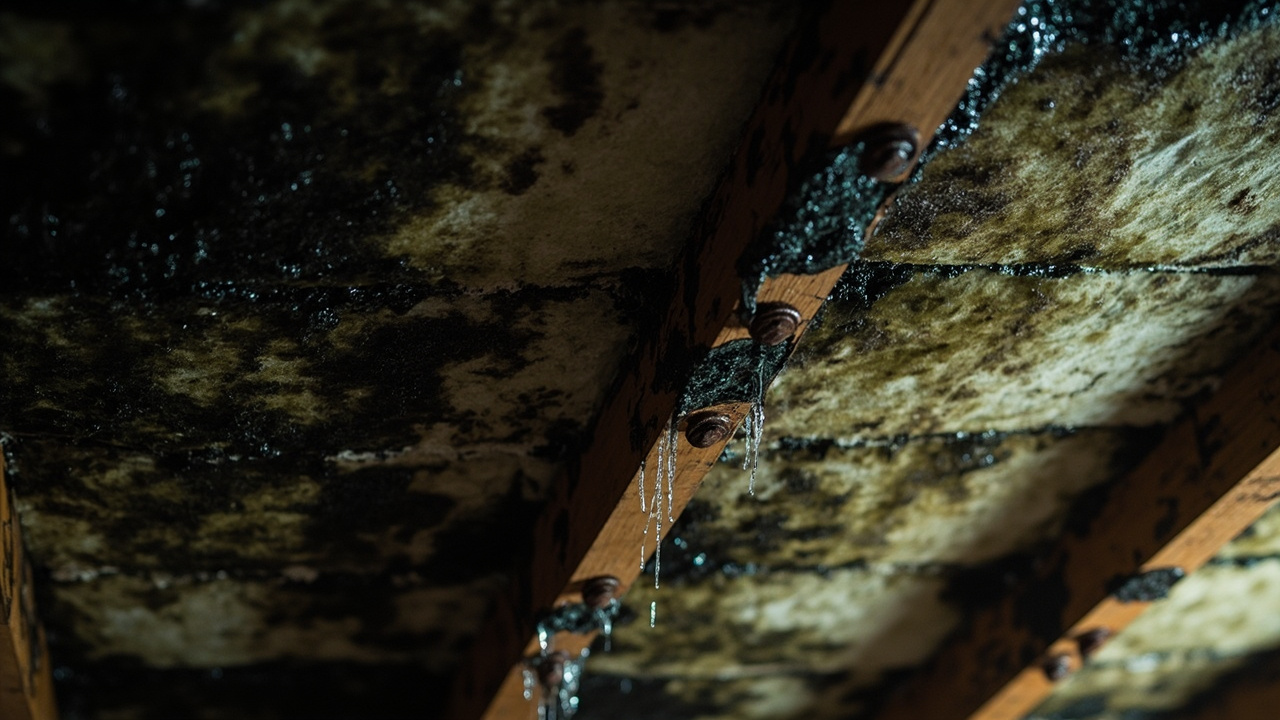
You walk into your attic and see water droplets clinging to the underside of your roof sheathing. The air feels damp. Dark stains spread across the wood. This is roof sweating, and it happens constantly in Cleveland because of our proximity to Lake Erie and the dramatic temperature swings between day and night.

When warm, humid air from your home rises into a poorly ventilated attic during Cleveland's cold months, it hits the cold underside of your roof deck. That temperature difference creates condensation. The moisture has nowhere to go. It soaks into the wood, insulation, and framing. Over time, this trapped moisture in roof assemblies causes mold growth, wood rot, and structural damage.

Cleveland's climate makes this worse. Lake effect weather patterns bring high humidity levels even in winter. Our freeze-thaw cycles compound the problem. Ice dams form along eaves, trapping melting snow under shingles. That water backs up into the attic and mixes with existing attic moisture buildup.

Most homeowners mistake roof space condensation for a leak. They call a roofer who patches shingles that were never damaged. The real problem is ventilation, insulation, or air sealing. If you see roof dampness, dark streaks on rafters, or feel humid air in your attic, you have a condensation problem. It will not fix itself. It will only get worse as moisture saturates more wood and spreads mold spores through your home's air supply.

Alpha Roofing Cleveland specializes in diagnosing moisture problems that other contractors miss.

Why Cleveland Roofs Trap Moisture Year-Round
How We Fix Condensation at the Source

How We Fix Condensation at the Source

We do not guess. We measure. Our diagnostic process starts with a thermal imaging scan of your attic and roof deck. This shows us exactly where cold air leaks into your attic and where insulation is missing or compressed. We measure relative humidity levels and check dew point calculations to determine if your attic environment will continue producing condensation.

Next, we inspect your soffit vents, ridge vents, and gable vents. Proper ventilation requires a balanced intake and exhaust system. Most Cleveland homes have blocked soffit vents or inadequate ridge venting. Air cannot flow through the attic space. Warm, moist air stagnates and condenses on cold surfaces.

We also check your attic floor insulation and air sealing. Gaps around plumbing penetrations, recessed lights, and attic hatches let warm air pour into the attic from your living space. This is the source of the moisture. Insulation without air sealing does nothing to stop condensation.

Once we identify the failure points, we create a ventilation and insulation plan specific to your roof design. This might include adding more soffit intake, installing a ridge vent system, sealing air leaks with spray foam, or upgrading your insulation to the correct R-value for Cleveland's climate zone.

We also address any existing water damage. Wet insulation gets removed. Moldy sheathing gets treated or replaced. Rotted framing gets reinforced. We eliminate the moisture problem and repair the damage it caused. This is not a patch job. This is a permanent correction that stops condensation from forming again.

What Happens During a Moisture Inspection and Repair

Condensation & Moisture Issues in Cleveland – Expert Diagnosis and Permanent Fixes for Roof Sweating and Attic Dampness
01

Attic Inspection and Testing

We access your attic and use thermal imaging cameras to map cold spots, air leaks, and wet insulation. We measure humidity levels and check ventilation pathways. This data tells us whether you have a ventilation problem, an insulation problem, or both. We document everything with photos and moisture meter readings so you see exactly what we see.
02

Ventilation and Air Sealing

We install or improve your intake and exhaust vents to create continuous airflow through the attic. This might include cutting in new soffit vents, installing a ridge vent, or adding baffles to keep insulation away from soffits. We seal air leaks at the attic floor using spray foam or caulk. This stops warm air from entering the attic and creating condensation.
03

Insulation and Damage Repair

We remove wet or moldy insulation and replace it with new material at the correct depth. Damaged sheathing or framing gets treated for mold and reinforced or replaced as needed. Once the attic is dry, properly ventilated, and correctly insulated, condensation stops forming. Your attic stays dry year-round, and your heating bills drop because you are not losing heat through air leaks.

Why Cleveland Homeowners Trust Us for Moisture Problems

Most roofing contractors do not understand building science. They see water in an attic and assume the roof is leaking. They replace shingles, charge you thousands, and the moisture comes back because they never addressed the real problem. Condensation is not a roofing problem. It is a ventilation and insulation problem.

Alpha Roofing Cleveland specializes in moisture diagnostics. We have worked in Cleveland's unique climate long enough to know how Lake Erie humidity, freeze-thaw cycles, and ice dams interact with attic environments. We understand the difference between a roof leak and roof sweating. We know how to read thermal imaging data and calculate dew points.

We also understand Cleveland's housing stock. Many homes in neighborhoods like Ohio City, Tremont, and Shaker Heights were built before modern ventilation standards. Older homes often have inadequate soffit vents, no ridge vents, and outdated insulation. These homes are prone to attic moisture buildup because they were never designed for today's airtight living spaces and high-efficiency heating systems.

We provide solutions that work with your existing roof structure. We do not sell you a new roof if you do not need one. We fix the ventilation and insulation problems that cause condensation. If your roof deck or sheathing is damaged, we replace only what is necessary. Our goal is to stop the moisture problem permanently and prevent future damage.

Cleveland's building codes have specific requirements for attic ventilation and insulation. We follow those codes and exceed them when needed. You get a system that passes inspection and performs reliably in Cleveland's climate.

What You Get When You Call Us

Same-Day Inspections Available

We know condensation damage accelerates quickly. Mold spreads. Wood rots. Insulation loses effectiveness. We schedule inspections within 24 to 48 hours of your call. During busy seasons, we prioritize moisture emergencies because we know the longer you wait, the more damage occurs. Our inspection includes thermal imaging, moisture testing, and a written diagnostic report. You get answers fast.

Comprehensive Moisture Analysis

We do not eyeball your attic and make assumptions. We use calibrated tools to measure humidity, temperature differentials, and airflow. We check every potential air leak point and ventilation pathway. We test insulation depth and compression. Our analysis identifies the exact cause of your condensation problem so we fix it correctly the first time. You get a detailed explanation of what is happening and why.

Dry, Protected Attic Space

After we complete the ventilation, insulation, and air sealing work, your attic stays dry year-round. No more water droplets on sheathing. No more damp insulation. No more musty odors. Your roof deck lasts longer because it is not rotting from the inside out. Your energy bills drop because conditioned air stays in your living space instead of leaking into the attic. You get peace of mind.

Post-Repair Monitoring Guidance

We show you what to watch for after the repair. You learn how to check your soffit vents for blockages, how to recognize signs of moisture returning, and when to call us for a follow-up inspection. We recommend annual attic checks to ensure your ventilation system continues working correctly. If you ever see condensation forming again, we come back to diagnose why. Our goal is a permanent fix.

Frequently Asked Questions

You Have Questions,
We Have Answers

What are signs of excessive condensation? +

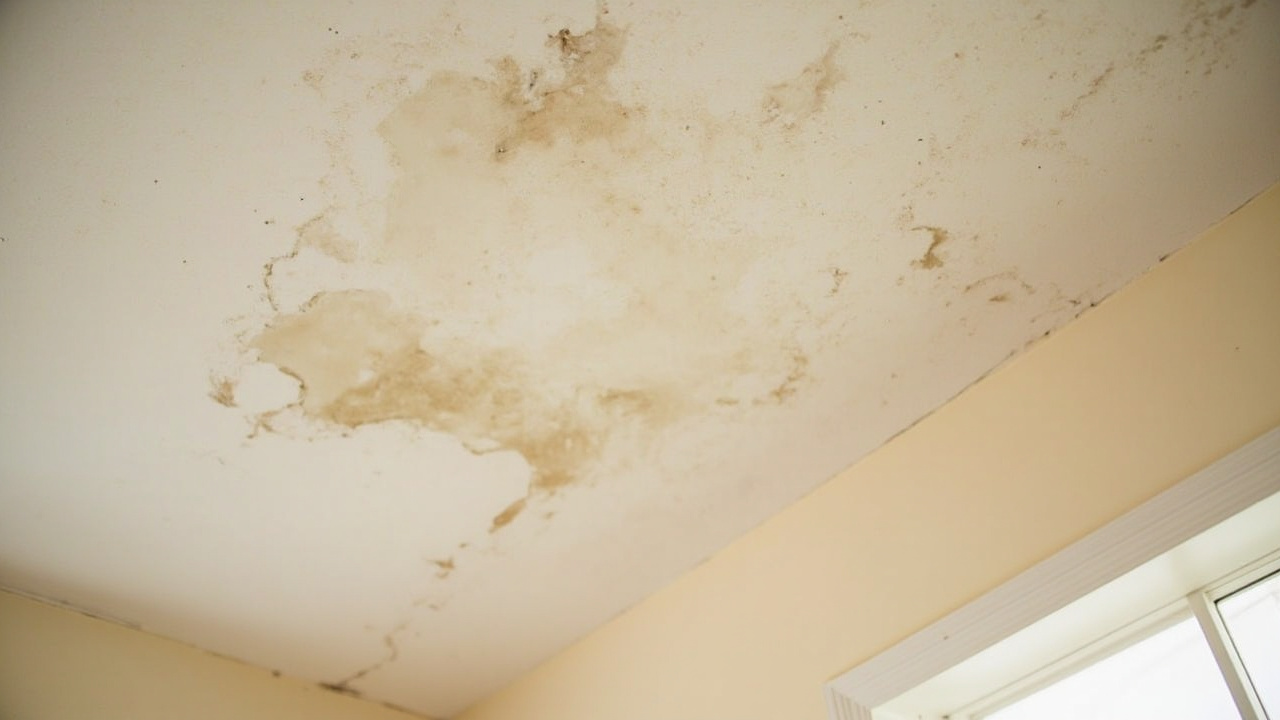
Look for water droplets pooling on windows, especially in the morning. You might see foggy glass that does not clear, wet windowsills, or dark streaks on walls near corners. Check for musty odors in closets or bathrooms. Peeling paint or wallpaper signals trapped moisture. In Cleveland homes, attic condensation shows as frost on roof sheathing during winter or water stains on insulation. Mold growth on ceilings, around window frames, or in poorly ventilated spaces confirms excessive moisture. Metal surfaces like door hinges may show rust. These signs worsen during Cleveland's humid summers and cold winters when temperature swings amplify condensation.

How to fix condensation issues? +

Start by improving ventilation. Run bathroom and kitchen exhaust fans during and 20 minutes after use. Open windows briefly each day to exchange indoor air, even in winter. Install a whole-house ventilation system if needed. Check your attic insulation and ensure soffit and ridge vents allow airflow. In Cleveland, seal air leaks around windows and doors to prevent warm, moist indoor air from hitting cold surfaces. Use vapor barriers in crawl spaces. Repair roof leaks immediately. Keep humidity levels between 30 and 50 percent. Address the root cause, not just the symptom, for lasting results.

What causes excessive condensation in a house? +

Everyday activities generate moisture. Cooking, showering, and breathing release water vapor into your home. Poor ventilation traps this moisture indoors. Air leaks let warm, humid air contact cold surfaces, causing condensation. Inadequate insulation creates cold spots on walls and ceilings. Cleveland's freeze-thaw cycles worsen the issue when heated indoor air meets frigid exterior walls. Overuse of humidifiers adds excess moisture. Wet basements or crawl spaces pump humidity upward. Clothes drying indoors, unvented gas appliances, and even houseplants contribute. The problem intensifies in tightly sealed homes without proper air exchange or mechanical ventilation systems.

How to solve moisture problems in a house? +

Identify the moisture source first. Fix plumbing leaks, roof damage, or foundation cracks immediately. Install a dehumidifier in damp basements or crawl spaces. Improve airflow by using exhaust fans and opening windows regularly. Ensure gutters and downspouts direct water away from your foundation. In Cleveland, check that your sump pump works before spring rains hit. Add insulation to cold surfaces where condensation forms. Use vapor barriers in crawl spaces and attics. Seal gaps around windows, doors, and penetrations. Keep indoor humidity between 30 and 50 percent. Address drainage issues around your property to stop groundwater infiltration.

Does condensation mean my house is too cold? +

Not always. Condensation happens when warm, moist air hits a cold surface, not just when your home lacks heat. You can have condensation even with adequate heating if humidity levels are too high. In Cleveland, condensation on windows in winter usually means your indoor air is too humid or your windows are poorly insulated, creating a cold surface. Single-pane windows sweat regardless of thermostat settings. Cold spots on walls from missing insulation cause condensation too. If you see condensation only on windows while walls stay dry, improve window insulation. If it appears everywhere, check both heating and ventilation systems.

Will a dehumidifier reduce condensation? +

Yes, but only if high humidity causes your condensation. A dehumidifier removes excess moisture from indoor air, reducing the chance of condensation forming on cold surfaces. In Cleveland basements, dehumidifiers work well during humid summers. Set yours to maintain 30 to 50 percent relative humidity. Empty the reservoir regularly or use a drain hose. A dehumidifier will not fix condensation caused by poor ventilation, air leaks, or inadequate insulation. It treats the symptom, not the root problem. For whole-house issues, combine a dehumidifier with improved ventilation, sealed air leaks, and proper insulation for complete moisture control.

What draws moisture out of your house? +

Ventilation removes moisture-laden air and replaces it with drier outdoor air. Exhaust fans in bathrooms and kitchens pull steam outside. Opening windows creates cross-ventilation. Whole-house ventilation systems exchange stale, humid air continuously. Dehumidifiers actively extract water from the air. In Cleveland crawl spaces, vapor barriers prevent ground moisture from rising into your home. Properly vented attics allow moisture to escape. Running your HVAC system helps circulate and condition air. Sealing leaks stops humid outdoor air from entering. Fix water intrusion from leaks or poor drainage. Combine these methods to manage moisture effectively year-round.

How do you stop condensation permanently? +

Stop condensation by controlling humidity and eliminating cold surfaces. Improve ventilation with exhaust fans, open windows, or a whole-house system. Add insulation to walls, ceilings, and attics to warm interior surfaces. Replace single-pane windows with insulated units. Seal air leaks around windows, doors, and penetrations. Install vapor barriers in crawl spaces. Keep indoor humidity between 30 and 50 percent using dehumidifiers if needed. In Cleveland, ensure your attic has proper ventilation to prevent winter frost buildup. Fix plumbing leaks and roof damage immediately. Address drainage around your foundation. Permanent solutions require attacking multiple causes simultaneously.

How to tell if damp is caused by condensation? +

Condensation damp appears on cold surfaces like windows, walls, and ceilings, especially in poorly ventilated rooms. It shows as water droplets, foggy glass, or mold in corners and on north-facing walls. Condensation worsens in winter and humid weather. It often smells musty. Rising damp from groundwater creates a tide line on walls, with salts and staining moving upward from the floor. Penetrating damp from roof leaks or cracked walls appears as isolated patches after rain. In Cleveland, condensation is most common in bathrooms, kitchens, and basements. Test by taping foil to a damp spot. Moisture on the foil surface means condensation.

Does condensation always indicate a problem? +

Light condensation on windows during extreme cold is normal, especially with single-pane glass. The issue becomes a problem when condensation persists, soaks materials, or causes mold growth. In Cleveland, morning fog on bathroom mirrors after a shower is expected. Condensation that leads to peeling paint, rotting wood, or musty odors signals poor ventilation or excessive humidity. Attic condensation always indicates a problem requiring immediate attention to prevent sheathing rot. If you wipe condensation daily or see mold, your home needs better moisture management. Evaluate the severity and frequency before deciding if professional intervention is necessary.

How Lake Erie Humidity and Cleveland's Freeze-Thaw Cycles Create Roof Space Condensation

Cleveland sits less than five miles from Lake Erie, which means our air carries more moisture than inland cities experience. This lake effect humidity does not disappear in winter. Cold air holds less moisture, so when warm indoor air rises into your attic, the relative humidity inside that space spikes. Combine this with Cleveland's freeze-thaw cycles, where daytime temperatures climb above freezing and nighttime temperatures plunge into the teens, and your roof deck becomes a condensation factory. Ice dams form along eaves, trapping snowmelt under shingles. That water backs into the attic and mixes with existing moisture from condensation. Your attic becomes a wet box.

Cleveland homeowners need roofers who understand how local weather patterns interact with building science. Generic advice from national contractors does not account for Lake Erie's influence on our climate. We have spent years diagnosing moisture problems in Cleveland's older housing stock, from bungalows in Lakewood to two-stories in Cleveland Heights. We know which ventilation systems work in our climate and which fail. We follow Ohio's building codes for attic ventilation and insulation, and we adapt our solutions to each home's unique design. You get expertise built on local experience.
Roofing Services in The Cleveland Area

We are proud to serve the entire Cleveland area and the surrounding communities. Our centrally located office allows us to respond quickly to your needs, whether you require a repair, a full roof installation, or an emergency service. We invite you to view our service area on the map to see how we can assist you. Our team is always ready to provide expert solutions right where you are.

Address:
Alpha Roofing Cleveland, 2401 Superior Viaduct, Cleveland, OH, 44113

Additional Services We Offer

Our news updates

Latest Articles & News from The Blogs

Why Moreland Hills homeowners are choosing high-end composite over traditional slate Moreland Hills estates have long featured the prestige of…

Why more Moreland Hills homeowners are choosing high-end composite over traditional slate

Why Moreland Hills homeowners are choosing high-end composite over traditional slate Moreland Hills estates have long featured the prestige of…

How to stop local wildlife from nesting under the shingles of your Mayfield Heights home

Understanding the Wildlife Problem in Mayfield Heights Mayfield Heights sits in a unique geographic location where suburban development meets mature…

Picking a roof color that highlights the historic charm of your University Heights home

Picking a roof color that highlights the historic charm of your University Heights home The right roof color can transform…

Contact Us

Moisture damage accelerates every day. Call Alpha Roofing Cleveland at (216) 547-1300 for a diagnostic inspection. We identify the cause of your condensation problem and fix it permanently. Schedule your inspection today.