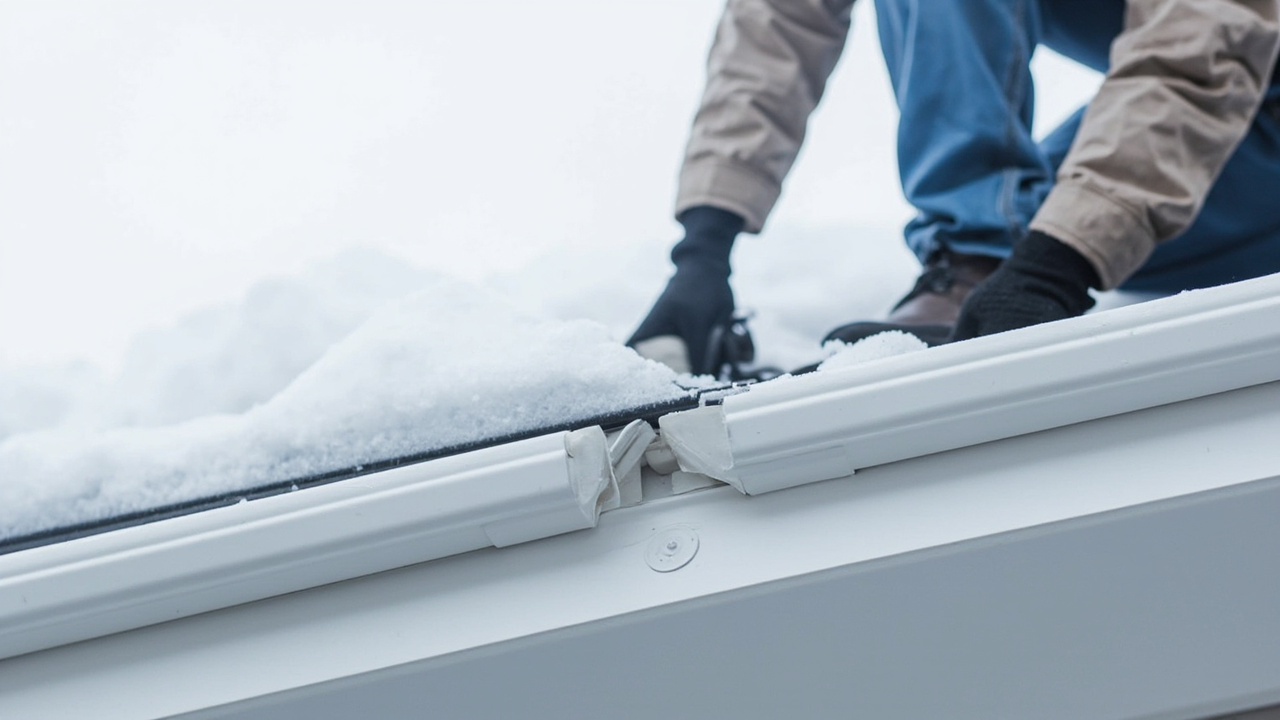

Lake Erie generates moisture-laden weather systems that create unique roofing stress factors. The freeze-thaw cycling between November and March exceeds 40 cycles per winter, compared to 15-20 cycles in inland Ohio cities. This constant expansion and contraction loosens fasteners, cracks sealant, and separates flashing joints. Your roofing inspection template must evaluate fastener security and sealant condition with this accelerated weathering in mind. Ice dam formation occurs where heated attic air meets cold eaves, a problem amplified by Cleveland's heavy snow accumulation and temperature fluctuations. Standard roof maintenance checklists designed for southern climates miss these critical evaluation points completely.
Cleveland's diverse housing stock spans 150 years of construction methods and materials. Historic homes in neighborhoods like Ohio City feature slate roofs and complex flashing details requiring specialized assessment knowledge. Post-war suburban homes in Parma and Garfield Heights often have inadequate attic ventilation by modern standards. Your roof check sheet needs flexibility to address these variations while maintaining consistent evaluation standards. Local building inspectors enforce Cuyahoga County codes with specific requirements for snow load capacity, ice barrier installation, and ventilation ratios. Using inspection protocols developed by Cleveland roofing professionals ensures your roof assessment form addresses local compliance requirements and regional weather challenges accurately.