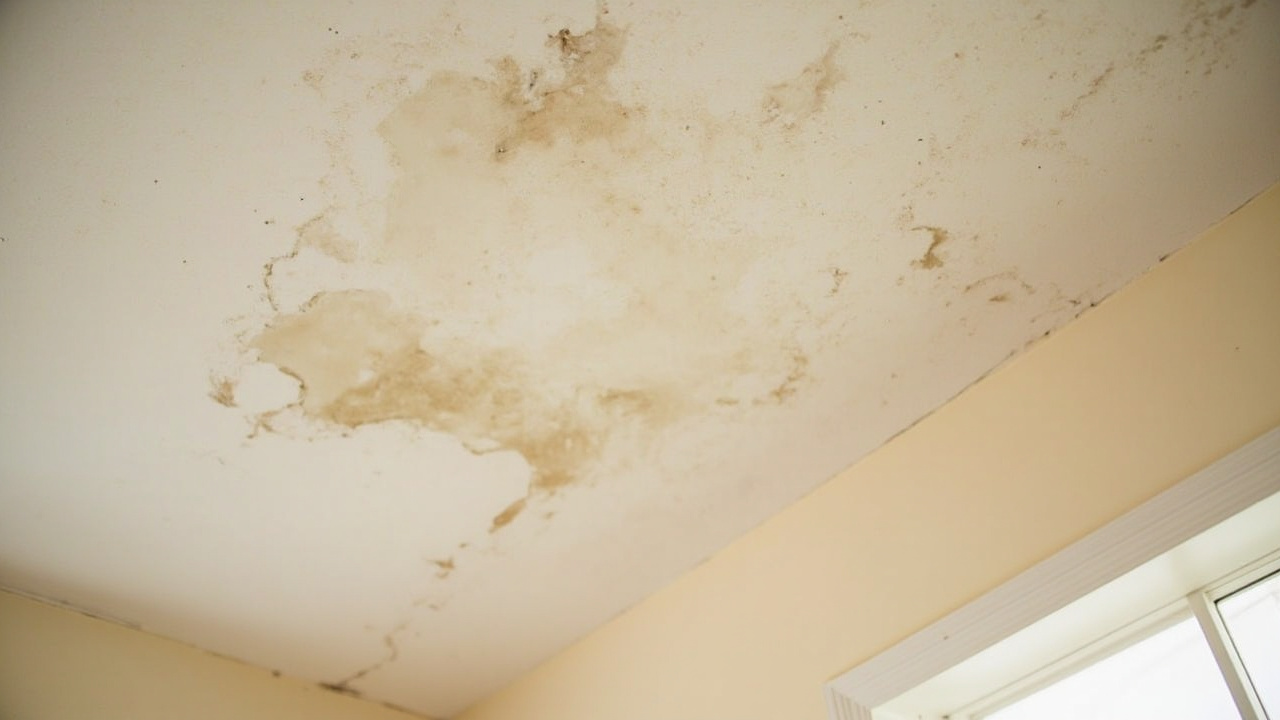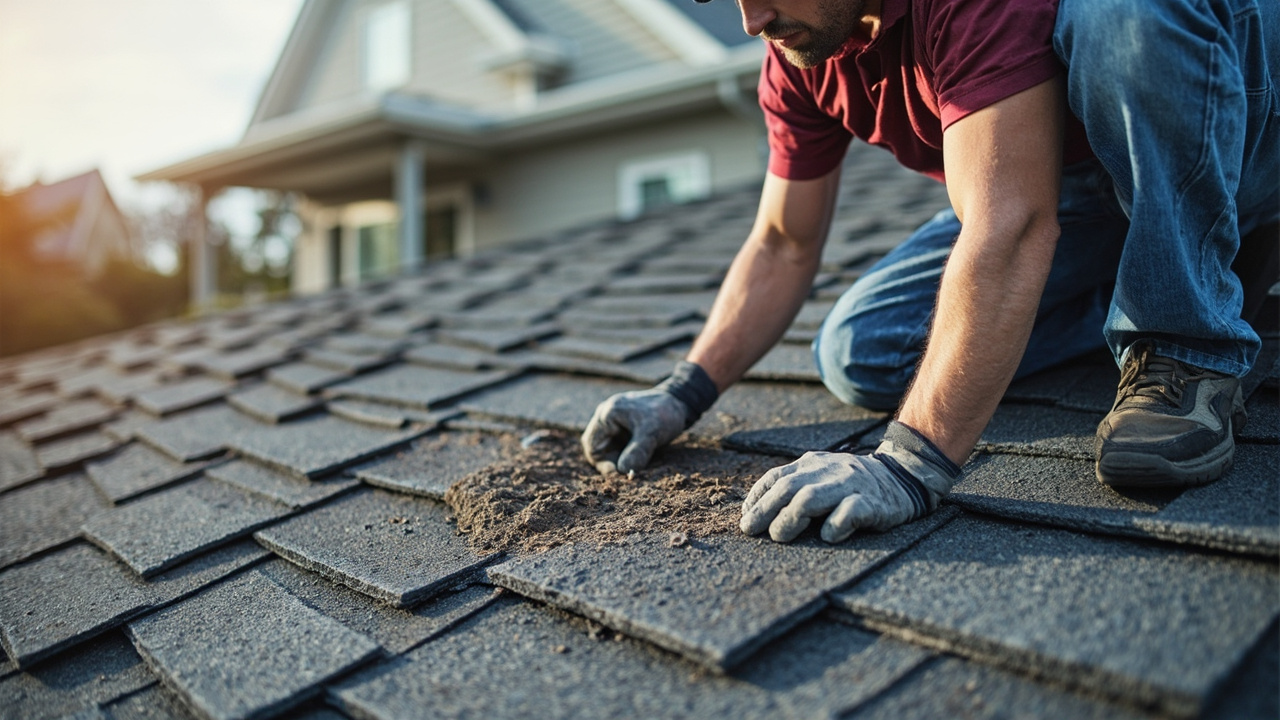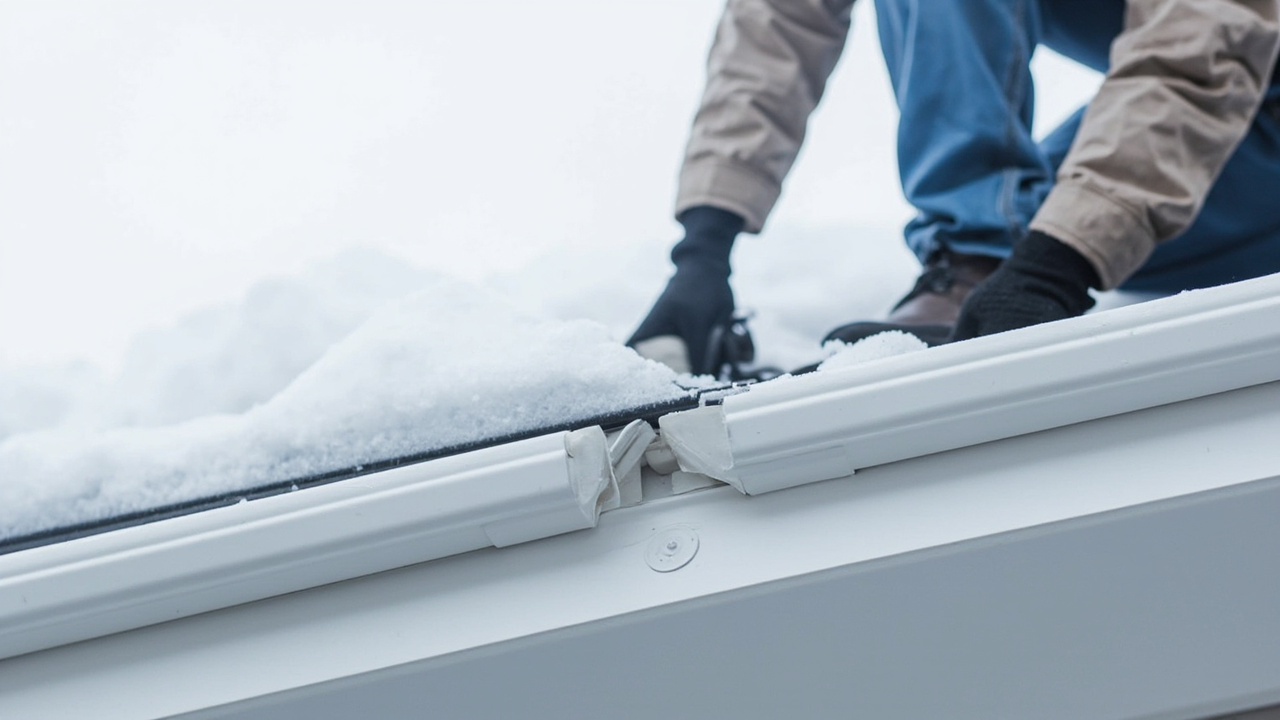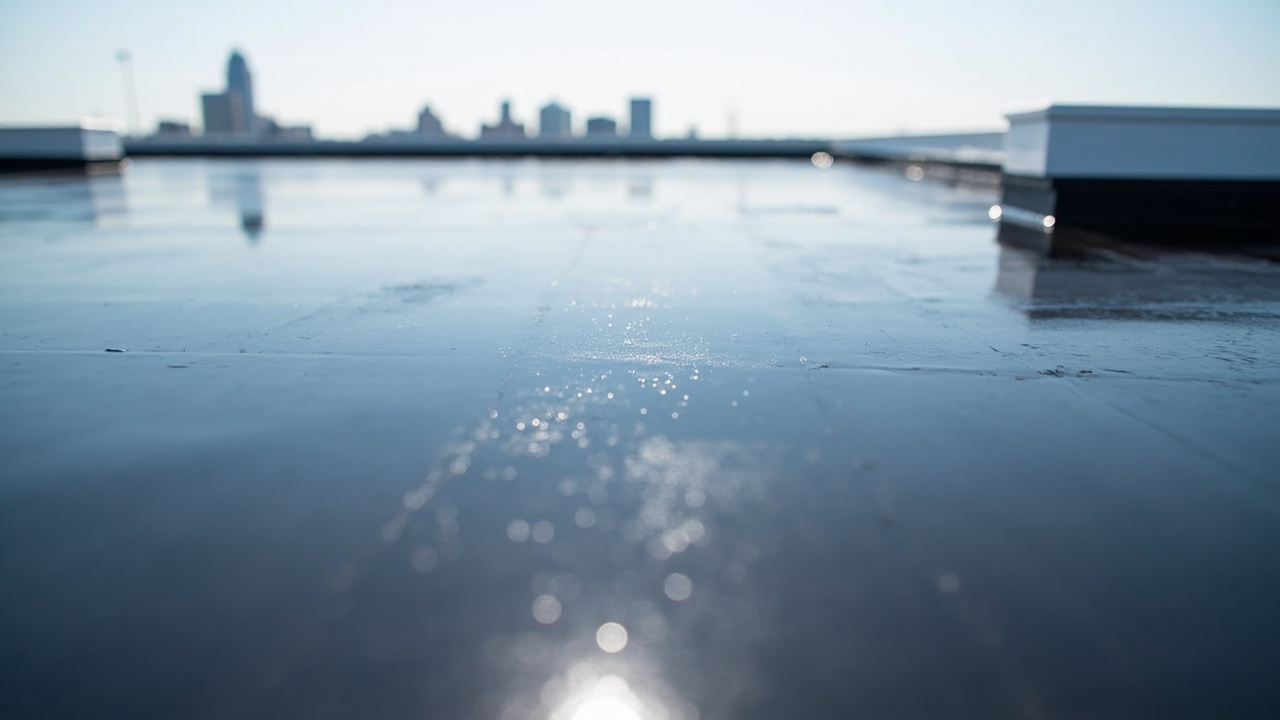


Cleveland's position on Lake Erie creates unique moisture challenges for commercial roofing systems. Lake effect precipitation dumps heavy snow loads on roofs from November through March. The constant freeze-thaw cycling during Cleveland's extended shoulder seasons stresses roof membranes beyond what manufacturers test in laboratory conditions. EPDM roofing membrane remains the only single-ply system proven to handle these temperature swings without brittleness or cracking. The synthetic rubber composition flexes with thermal movement instead of resisting it. Commercial buildings in Tremont, Ohio City, and the Flats experience standing water problems during spring thaw periods. EPDM's chemical resistance prevents degradation from ponding water that destroys asphalt-based systems within five years.
Cleveland's commercial building stock includes numerous industrial facilities built between 1950 and 1980 with outdated roof assemblies. The city's Building and Housing Department requires permits for all commercial reroofing projects exceeding 500 square feet. Projects must meet current energy code requirements under Ohio Building Code Chapter 13. We maintain current permits and understand inspection requirements specific to Cleveland's commercial zones. Our relationship with local building inspectors speeds approval processes and prevents delays caused by documentation problems. Cleveland facility managers need contractors familiar with the city's union labor requirements and prevailing wage obligations on publicly funded buildings. This local expertise prevents compliance problems that create project delays and budget overruns.