menu

Commercial Roof Replacement in Cleveland – Minimize Downtime, Maximize Asset Protection

Alpha Roofing Cleveland delivers industrial-grade commercial roof replacement engineered for Northeast Ohio's freeze-thaw cycles and lake-effect weather patterns, with phased installation protocols that keep your operations running.

Slider Image 1
Slider Image 2
Slider Image 3
Slider Image 4
Slider Image 5
Slider Image 7
Slider Image 8
Slider Image 9
Slider Image 10
Slider Image 11

Why Cleveland's Climate Demands Strategic Commercial Reroofing

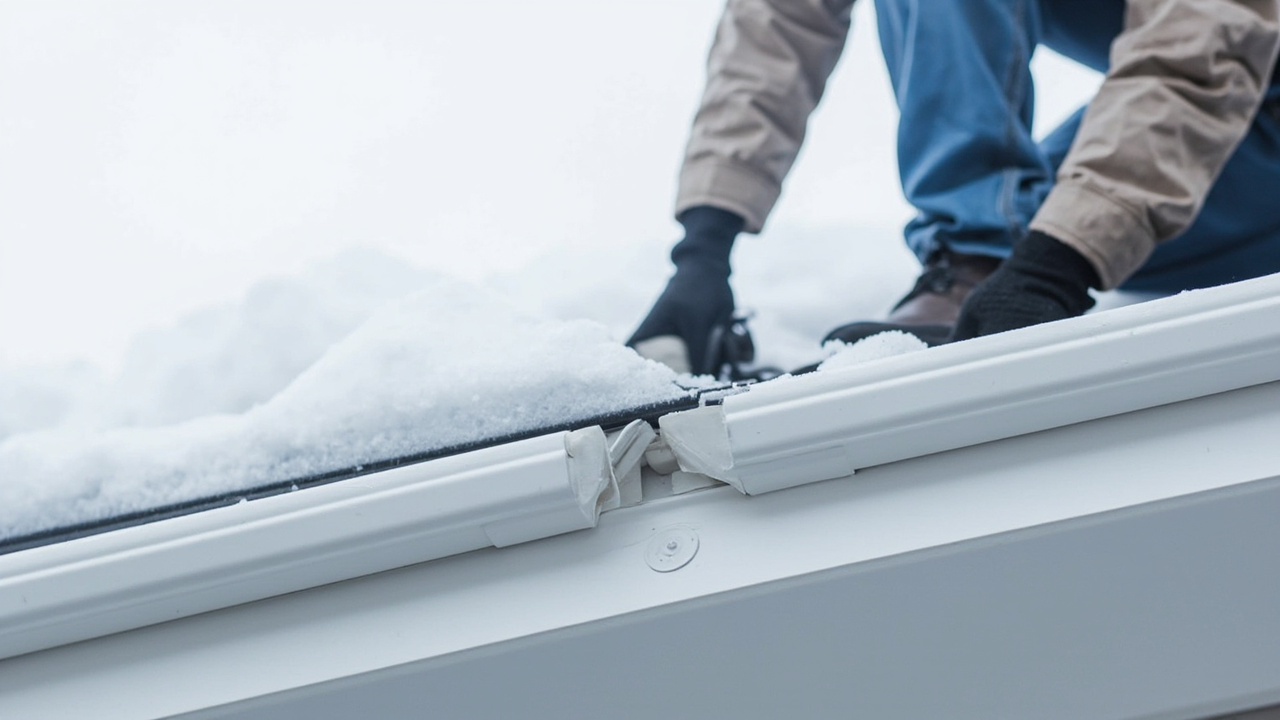
Cleveland's position along Lake Erie creates a relentless assault on commercial roofing systems. The freeze-thaw cycle runs 30 to 40 times per winter, expanding and contracting roofing materials until membrane seams fail and fasteners back out. Snow loads exceeding 30 pounds per square foot stress structural decking. Ice dams form along parapet walls when insufficient insulation allows heat migration.

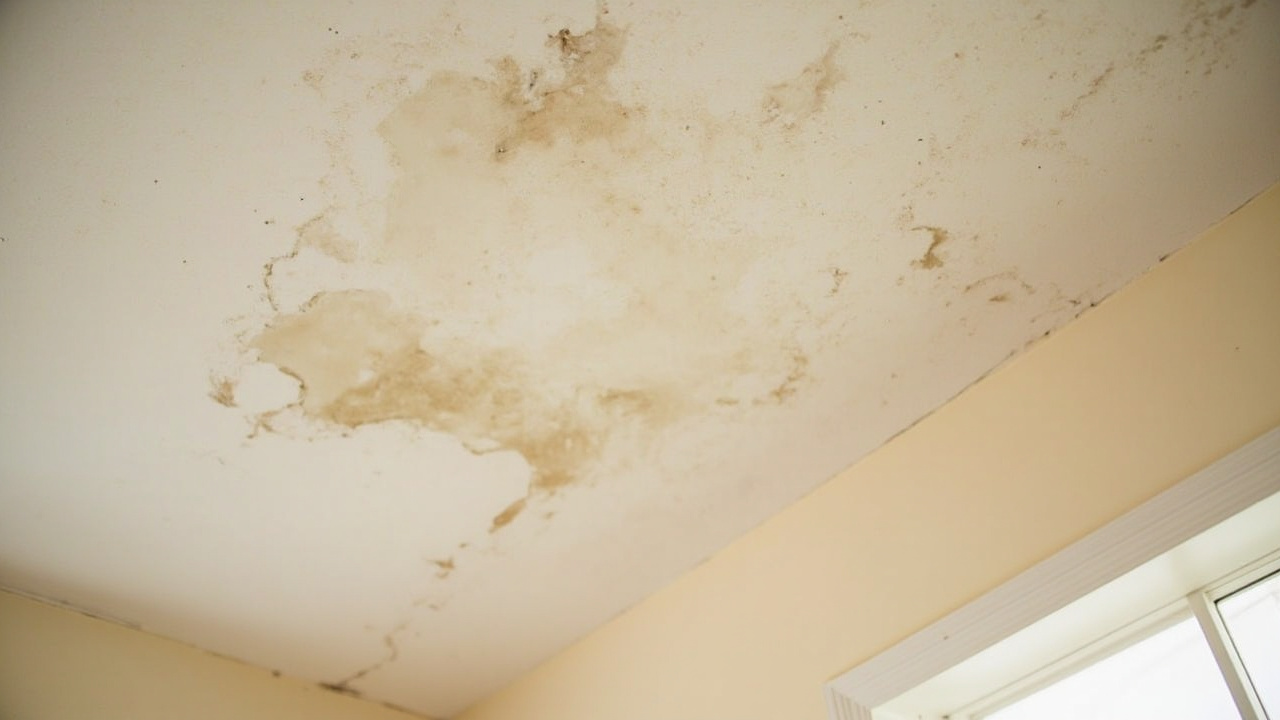
The result is predictable. Flat and low-slope commercial roofs fail prematurely. Water infiltrates through deteriorated TPO or EPDM membranes. Insulation becomes saturated, losing R-value and adding dead load to roof structures. Production areas flood. Inventory gets damaged. Operations halt.

Commercial building roof replacement in Cleveland is not preventive maintenance. It is liability reduction. A failing roof exposes you to worker compensation claims, product loss, code violations, and lease default. The longer you delay industrial roof replacement, the more subsurface damage accumulates in decking, insulation, and structural framing.

Commercial roof installation projects in this region must account for material performance in subzero temperatures, wind uplift from lake-effect gusts, and UV degradation during summer months. The roofing assembly must meet or exceed Ohio Building Code requirements for R-value, fire rating, and wind resistance. Generic solutions fail here. You need a commercial reroofing strategy built for the Cleveland industrial corridor, where buildings house temperature-sensitive operations, heavy equipment, and continuous production schedules.

Delaying replacement increases your total cost of ownership. Temporary patches extend the pain.

Why Cleveland's Climate Demands Strategic Commercial Reroofing
How Alpha Roofing Cleveland Executes Commercial Roof Replacement

How Alpha Roofing Cleveland Executes Commercial Roof Replacement

We engineer commercial roof replacement to maintain business continuity. Our approach starts with non-destructive testing using infrared thermography and core samples to map subsurface moisture. This data determines whether you need a complete tear-off or can use a recovering system. We identify compromised decking, failed fasteners, and inadequate insulation before mobilization.

Material selection depends on your building use, structural capacity, and budget parameters. TPO and EPDM membranes work for low-traffic applications. Modified bitumen provides puncture resistance for rooftop equipment. Standing seam metal roofing delivers longevity for warehouses and manufacturing facilities. We calculate wind uplift requirements based on your building height, roof geometry, and proximity to Lake Erie.

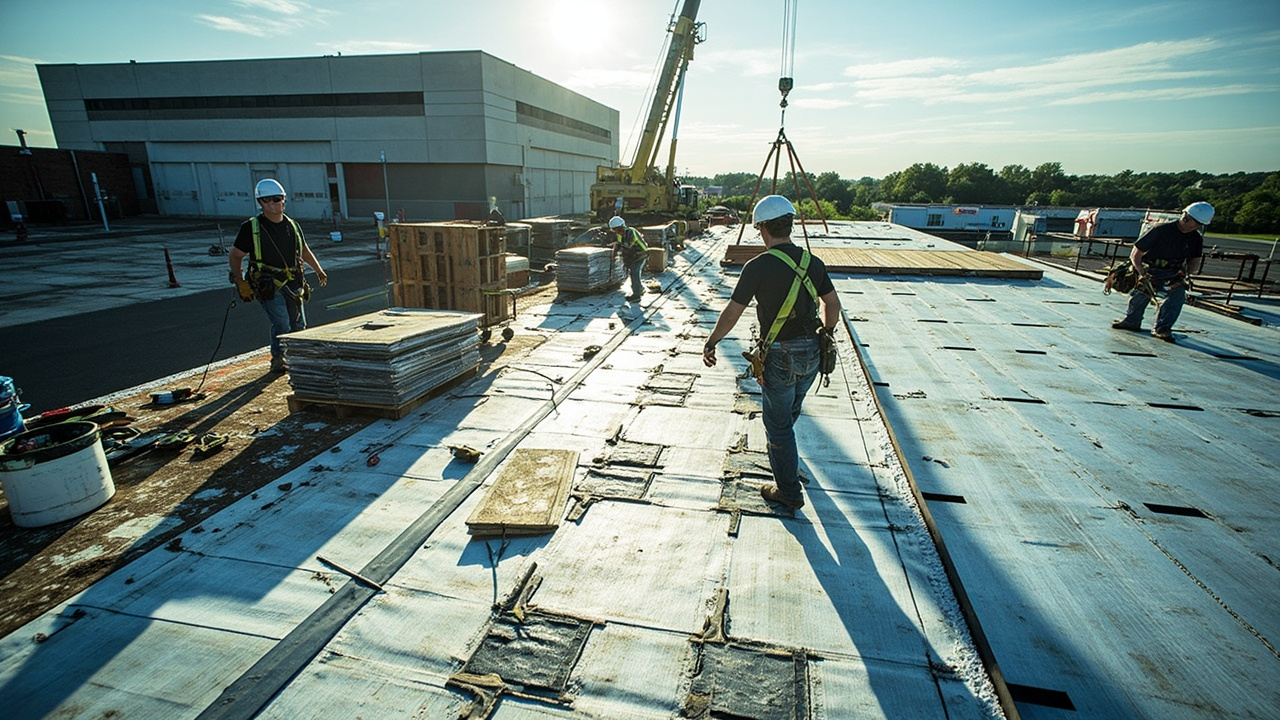
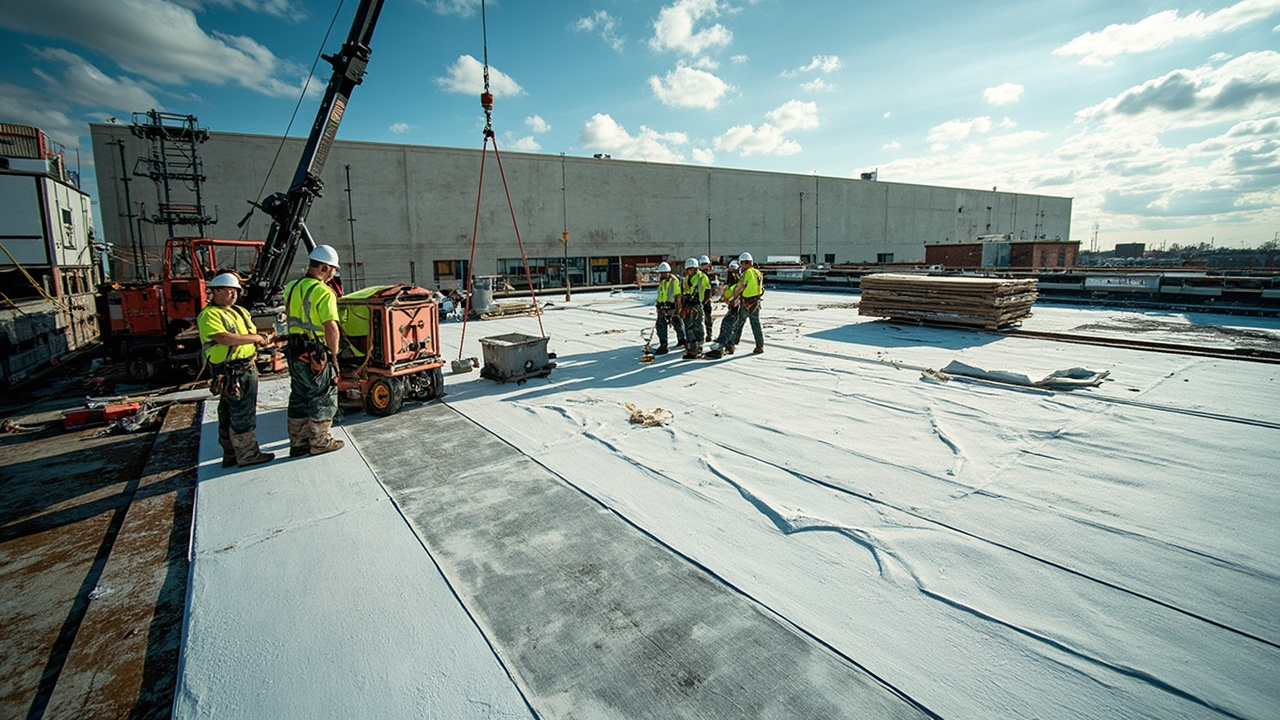
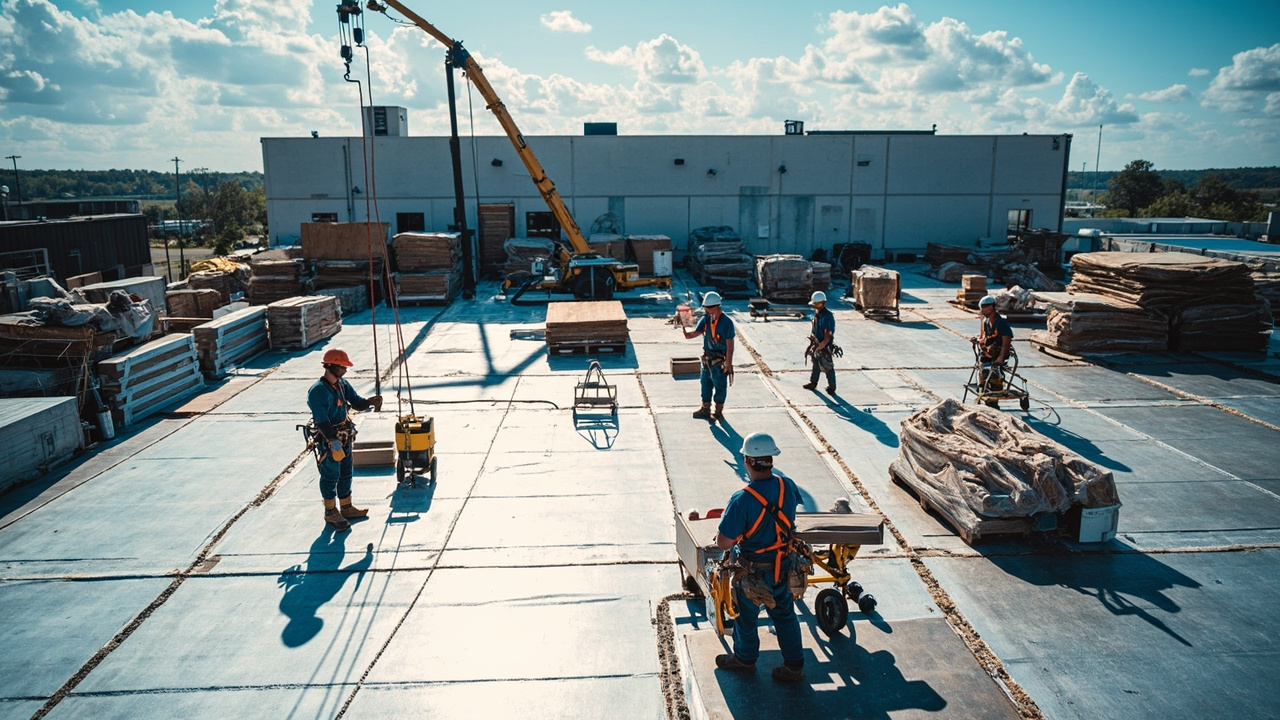
Our crews execute commercial building roof replacement in phases. We section the roof into zones, completing one area before moving to the next. This prevents wholesale exposure of your interior spaces. We coordinate with your operations manager to schedule noisy work during off-hours or low-production periods. Containment barriers and negative air machines control dust in occupied spaces.

We install tapered insulation systems to eliminate ponding water, which degrades membranes and creates leak points. Proper drainage design extends roof service life by 40 percent. Flashing details at parapet walls, penetrations, and roof-mounted equipment receive redundant waterproofing layers. These transition points cause 80 percent of commercial roof failures.

Every industrial roof replacement includes a final infrared scan to verify complete adhesion and identify any moisture trapped during installation. This quality control step prevents callbacks and validates the integrity of your investment.

What Happens During Your Commercial Roof Replacement Project

Commercial Roof Replacement in Cleveland – Minimize Downtime, Maximize Asset Protection
01

Building Assessment and Planning

We conduct a structural evaluation of your existing roof system, including core samples to check insulation moisture content and decking condition. Our team reviews building occupancy schedules, identifies critical operations that cannot be interrupted, and develops a phased installation plan. You receive a detailed scope of work, material specifications, and project timeline before we order materials or schedule crews.
02

Controlled Tear-Off and Installation

We remove the existing roof system in sections, never exposing more than 2,000 square feet at one time. Damaged decking gets replaced with structural-grade plywood or metal panels. We install polyisocyanurate insulation in tapered configurations to eliminate standing water. The new membrane gets mechanically fastened or fully adhered, depending on wind uplift calculations. Penetrations receive custom-fabricated flashing and pitch pans.
03

Final Inspection and Documentation

After installation, we perform a complete walkthrough to verify proper fastener spacing, seam integrity, and flashing details. Infrared thermography confirms the absence of moisture and proper membrane adhesion. You receive as-built drawings, material warranties, and a maintenance protocol. We document the installation for your insurance carrier and provide photos for your asset management files. The roof is ready for service.

Why Cleveland Facility Managers Choose Alpha Roofing Cleveland

We understand the operational constraints of Cleveland's industrial and commercial facilities. Our crews have replaced roofs on manufacturing plants in the Cuyahoga Valley, distribution centers along I-480, and office buildings in the Gateway District. We know how to work around production schedules, loading dock operations, and multi-tenant occupancy.

Alpha Roofing Cleveland maintains relationships with local building officials in Cleveland, Lakewood, Parma, and Euclid. We pull permits, schedule inspections, and ensure your commercial roof installation meets Ohio Building Code Chapter 15 requirements for wind resistance and energy efficiency. Our estimators understand the difference between IBC wind zone requirements near Lake Erie versus inland locations.

We stock materials locally and maintain backup inventory for weather delays. Cleveland's unpredictable spring and fall weather can halt roofing work for days. Our project managers build contingency time into schedules and coordinate with your team when weather forces delays. You will not lose production time due to poor planning on our part.

Our field supervisors carry OSHA 30-hour certifications and enforce fall protection protocols on every job site. We maintain general liability coverage and workers compensation insurance that meets the requirements for bonded commercial projects. You receive certificates of insurance before we mobilize.

We do not subcontract tear-off work to day laborers. Our installation crews are W-2 employees who have installed thousands of squares of commercial roofing across Northeast Ohio. They understand substrate preparation, proper fastening patterns, and how to detail complex roof geometries. This consistency produces reliable results and eliminates the quality variations common with subcontracted labor.

What to Expect from Your Commercial Roof Replacement

Project Duration and Scheduling

Most commercial roof replacement projects take two to six weeks, depending on building size, roof complexity, and weather. We provide a detailed schedule during preconstruction meetings and update you daily on progress. Our crews arrive at agreed-upon times and coordinate noisy activities around your operational needs. We can work evenings or weekends to avoid disrupting your business. Material deliveries are scheduled to minimize interference with loading docks and parking areas. You will know exactly when each phase starts and ends.

Pre-Installation Roof Analysis

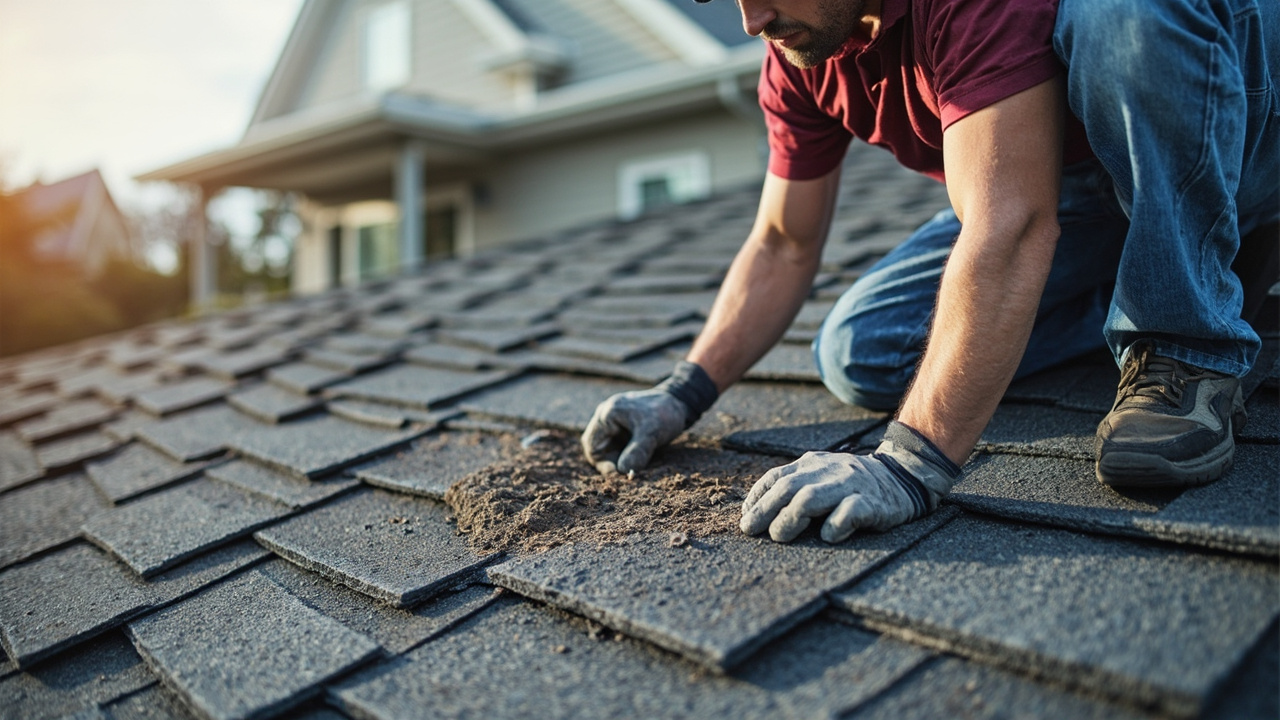
Before we provide a proposal, our estimators perform a complete roof inspection. We use moisture meters and infrared cameras to identify wet insulation that must be replaced. Core samples reveal the existing roof assembly and decking condition. We measure roof slopes, calculate drainage patterns, and identify areas prone to ponding. This diagnostic phase prevents change orders and cost overruns. You receive a written report detailing existing conditions, recommended repairs, and material options. The assessment takes two to four hours and provides the data needed for accurate budgeting.

Finished Roof Performance

Your new commercial roofing system will stop leaks, improve energy efficiency, and protect building contents. Proper insulation and reflective membranes reduce HVAC loads. Tapered insulation eliminates standing water that degrades roofing materials. Mechanically fastened or fully adhered membranes resist wind uplift during storms. The finished roof meets current building codes and satisfies insurance underwriting requirements. You receive detailed photos, material certifications, and installation documentation for your facility records. The roof is an asset, not a liability.

Manufacturer Warranties and Maintenance

We provide material warranties from manufacturers like GAF, Firestone, and Carlisle, covering membrane defects and premature failures. Installation warranties cover workmanship and proper application. We offer maintenance plans that include biannual inspections, drain cleaning, and minor repairs. Regular maintenance extends roof service life and keeps warranties valid. Our maintenance team documents roof conditions over time, helping you budget for future capital expenses. Scheduled inspections catch small problems before they become expensive emergencies. Maintenance agreements can be customized to fit your facility management needs.

Frequently Asked Questions

You Have Questions,
We Have Answers

How much to replace a 5000 sq ft roof? +

Commercial roof replacement costs depend on material selection, existing structural condition, and accessibility. A 5000 sq ft flat commercial roof in Cleveland typically varies based on whether you choose TPO, EPDM, or modified bitumen systems. Labor costs account for tear-off, disposal, and installation. Cleveland's freeze-thaw cycles often require additional substrate repair, which increases total project investment. Roof penetrations for HVAC units, skylights, or exhaust vents add complexity. Parapet walls and flashing details also affect pricing. Request a detailed line-item estimate that separates material, labor, and structural repairs to understand true project scope.

Does commercial insurance cover roof replacement? +

Most commercial policies cover roof replacement only if damage results from a covered peril like wind, hail, or fire. Gradual deterioration, poor maintenance, or age-related wear typically falls outside coverage. Cleveland's severe winter storms and heavy snow loads can cause sudden damage that qualifies for claims. Document all maintenance records to prove you maintained the roof properly. Insurance adjusters scrutinize pre-existing conditions and may depreciate claims based on roof age. Review your policy's replacement cost versus actual cash value provisions. File claims promptly after storm events to establish causation and avoid denial based on delayed reporting.

What is the most common type of commercial roofing? +

TPO and EPDM single-ply membranes dominate Cleveland's commercial roofing market due to cost efficiency and weather resistance. TPO offers superior heat reflectivity, reducing cooling loads during humid summers. EPDM handles freeze-thaw cycles well and resists ponding water common on low-slope roofs. Modified bitumen systems remain popular for smaller commercial buildings requiring torch-down or cold-applied installation. Built-up roofing still exists on older structures but requires more maintenance. Material selection depends on building use, budget constraints, and expected service life. Cleveland's temperature swings demand membranes that remain flexible in cold weather while resisting UV degradation.

How often should a commercial roof be replaced? +

Commercial roofs in Cleveland typically last 15 to 30 years depending on material type and maintenance consistency. TPO and EPDM membranes average 20 to 25 years with proper care. Modified bitumen systems last 15 to 20 years. Built-up roofs can reach 30 years but require frequent maintenance. Cleveland's harsh winters accelerate membrane aging through constant expansion and contraction. Schedule professional inspections twice yearly to catch minor issues before they escalate. Ponding water, membrane shrinkage, and flashing failures signal replacement needs. Waiting too long risks interior damage and structural deterioration that multiplies total project costs.

What is the most expensive part of replacing a roof? +

Labor and tear-off costs represent the largest expense in commercial roof replacement projects. Removing existing membranes, disposing of materials, and preparing the substrate requires significant manpower and equipment. Structural repairs to roof decking damaged by water infiltration add substantial costs. Cleveland buildings often need insulation upgrades to meet current energy codes, which increases material expenses. Complex flashing details around HVAC curbs, penetrations, and parapet walls demand skilled labor. Membrane material itself is expensive but predictable. Hidden costs emerge when contractors discover rotted decking or inadequate drainage during tear-off. Always budget contingency funds for unforeseen structural issues.

Is roof replacement tax deductible? +

Commercial roof replacement qualifies as a capital improvement and must be depreciated over 39 years under IRS rules. You cannot deduct the full cost in year one unless specific conditions apply. However, roof repairs that restore the roof to its previous condition may qualify as deductible maintenance expenses. The IRS distinguishes between betterments and repairs based on whether work extends useful life or simply maintains current function. Cleveland business owners should consult tax professionals to maximize deductions. Section 179 expensing or bonus depreciation may apply in limited situations. Proper documentation of project scope determines tax treatment.

Are commercial roof repairs tax deductible? +

Roof repairs that maintain current function without extending useful life typically qualify as deductible business expenses. Replacing damaged flashing, sealing membrane splits, or repairing minor leaks falls under maintenance. These costs can be deducted in the year incurred. However, extensive repairs that improve the roof or extend its lifespan may require capitalization and depreciation. The IRS applies complex tests to distinguish repairs from improvements. Cleveland businesses should document all work thoroughly and consult tax advisors. Routine maintenance contracts and emergency repairs generally qualify for immediate deduction. Major restoration projects likely require depreciation treatment regardless of terminology used.

How to get a roof replaced for free? +

Free roof replacement programs do not exist for commercial properties. Government grants occasionally fund energy efficiency upgrades or historic preservation projects, but these require extensive applications and matching funds. Some manufacturers offer rebate programs for energy-efficient roofing systems that reduce overall project costs. Cleveland businesses experiencing storm damage should file insurance claims immediately to recover covered losses. Non-profit organizations sometimes qualify for community development grants, but approval rates are low. Financing options spread costs over time but do not eliminate payment obligations. Beware of contractors promising free roofs in exchange for advertising rights. These arrangements often involve hidden costs or inferior materials.

How old may a roof be before insurance claims it's too old? +

Most commercial insurance carriers scrutinize roofs older than 20 years and may deny coverage or require inspection reports. Policies often contain roof age exclusions that limit wind and hail coverage for roofs exceeding specified ages. Cleveland's harsh climate accelerates aging, prompting carriers to enforce strict age limits. Some insurers require roof replacement as a condition of policy renewal once roofs reach 25 years. Actual cash value policies depreciate claim payouts based on roof age, reducing compensation significantly. Insurers may request professional inspections before binding coverage on older roofs. Maintain detailed maintenance records to prove remaining useful life and negotiate better coverage terms.

Is commercial roofing worth it? +

Commercial roofing investment protects business assets, prevents operational disruption, and maintains property value. Cleveland's severe weather demands reliable overhead protection to avoid inventory damage, equipment failure, and business interruption. A failing roof triggers cascading problems including mold growth, structural deterioration, and code violations. Replacement costs pale compared to lost revenue from forced closures or tenant departures. Energy-efficient roofing systems reduce utility expenses and may qualify for tax incentives. Properly installed commercial roofs require minimal maintenance and provide decades of reliable service. Delaying replacement increases liability exposure and emergency repair costs. The question is not whether commercial roofing is worth it, but when to act.

How Lake Erie Weather Patterns Shorten Commercial Roof Lifespan in Cleveland

Cleveland sits in a microclimate shaped by Lake Erie's thermal mass. Winter lake-effect snow dumps moisture on roofs, then subfreezing temperatures lock it into freeze-thaw cycles. This expansion and contraction fatigues membrane seams and backing plates. Summer humidity condenses inside improperly vented roof assemblies, rotting wood decking and corroding metal fasteners. Commercial reroofing projects in Cleveland must account for these conditions. Insulation must include vapor retarders. Membranes must remain flexible at negative temperatures. Fastener patterns must resist wind uplift from lake-generated gusts.

Local building codes reflect these environmental stresses. The City of Cleveland enforces wind speed requirements based on proximity to the lake. Commercial roof installations within two miles of the shoreline face higher uplift calculations. Inspectors verify insulation R-values meet energy code minimums for Climate Zone 5. Alpha Roofing Cleveland works directly with city and county inspectors to schedule final inspections and address any code compliance questions. Our familiarity with local requirements prevents delays and ensures your industrial roof replacement passes inspection the first time.
Roofing Services in The Cleveland Area

We are proud to serve the entire Cleveland area and the surrounding communities. Our centrally located office allows us to respond quickly to your needs, whether you require a repair, a full roof installation, or an emergency service. We invite you to view our service area on the map to see how we can assist you. Our team is always ready to provide expert solutions right where you are.

Address:
Alpha Roofing Cleveland, 2401 Superior Viaduct, Cleveland, OH, 44113

Additional Services We Offer

Our news updates

Latest Articles & News from The Blogs

Why Moreland Hills homeowners are choosing high-end composite over traditional slate Moreland Hills estates have long featured the prestige of…

Why more Moreland Hills homeowners are choosing high-end composite over traditional slate

Why Moreland Hills homeowners are choosing high-end composite over traditional slate Moreland Hills estates have long featured the prestige of…

How to stop local wildlife from nesting under the shingles of your Mayfield Heights home

Understanding the Wildlife Problem in Mayfield Heights Mayfield Heights sits in a unique geographic location where suburban development meets mature…

Picking a roof color that highlights the historic charm of your University Heights home

Picking a roof color that highlights the historic charm of your University Heights home The right roof color can transform…

Contact Us

Stop managing a failing roof. Call Alpha Roofing Cleveland at (216) 547-1300 to schedule a complete roof assessment. We provide detailed reports, transparent pricing, and installation schedules that keep your operations running. Your building deserves better.