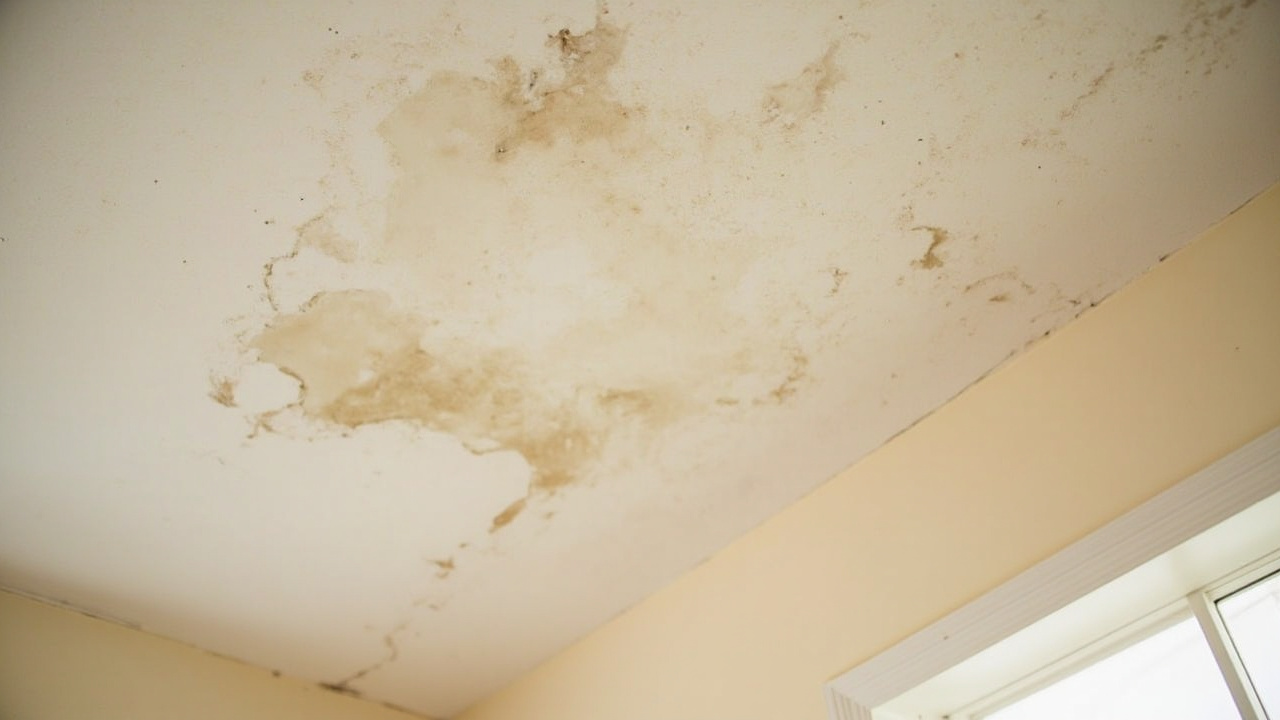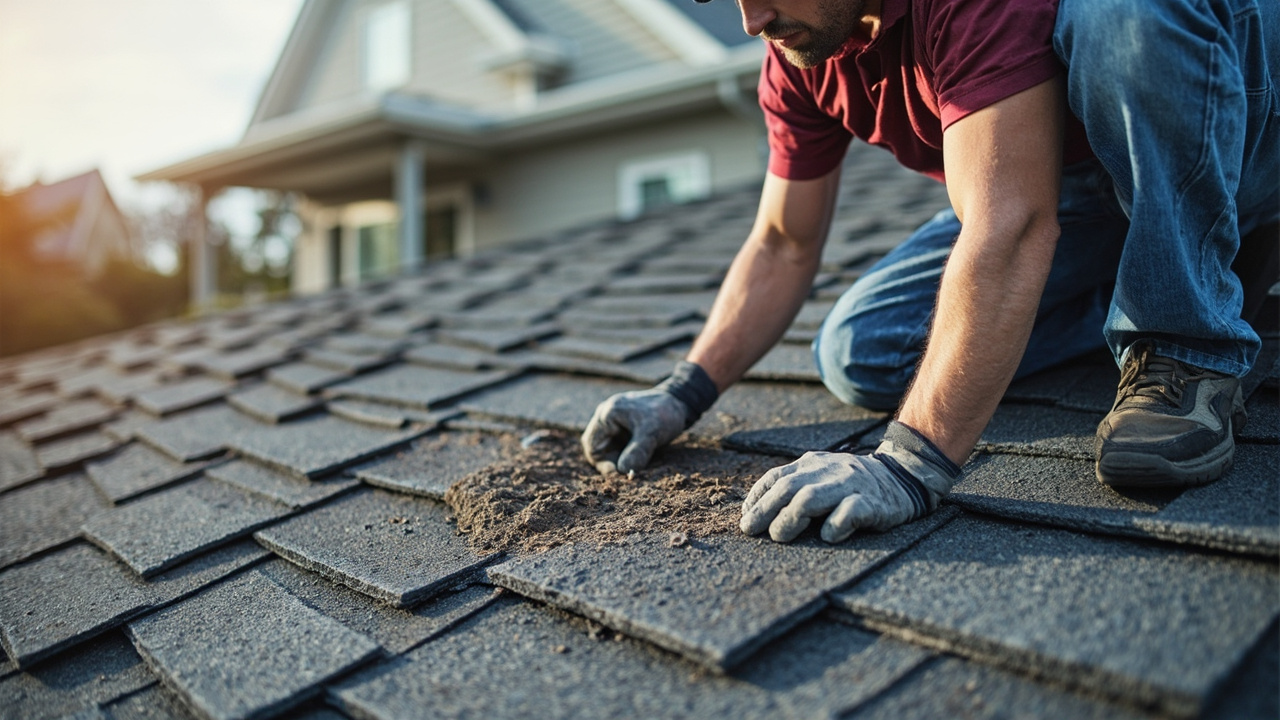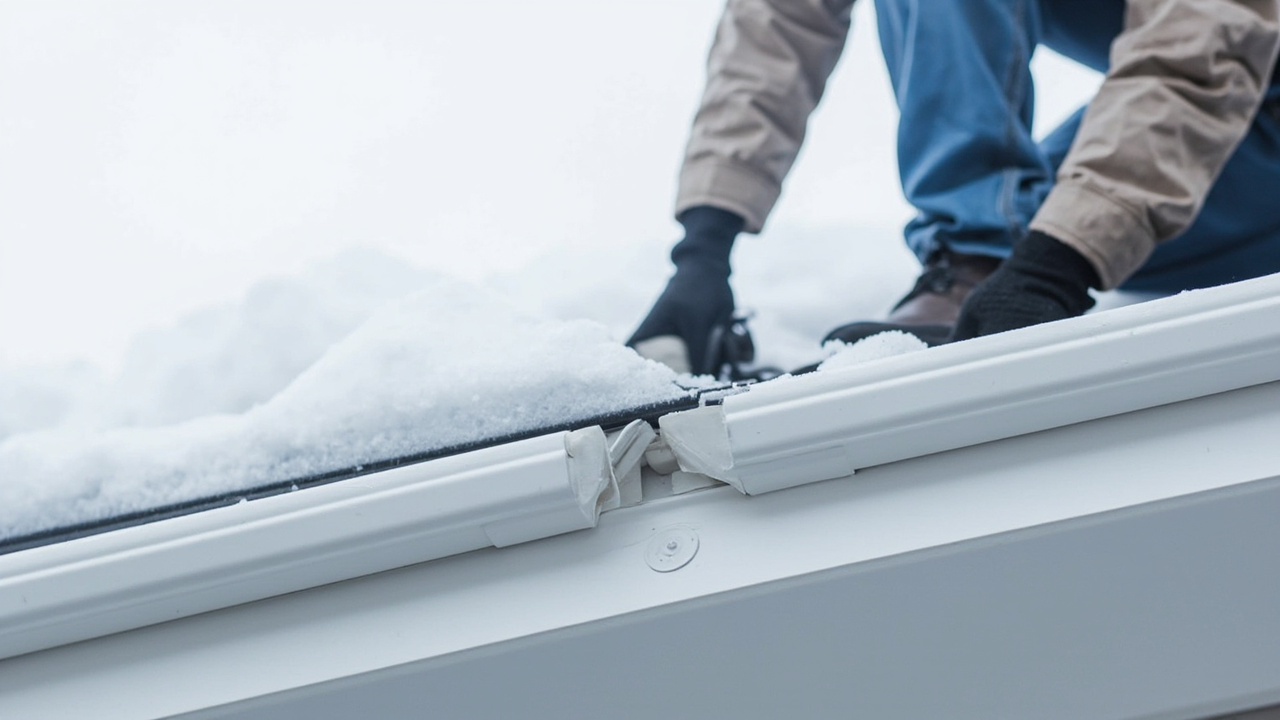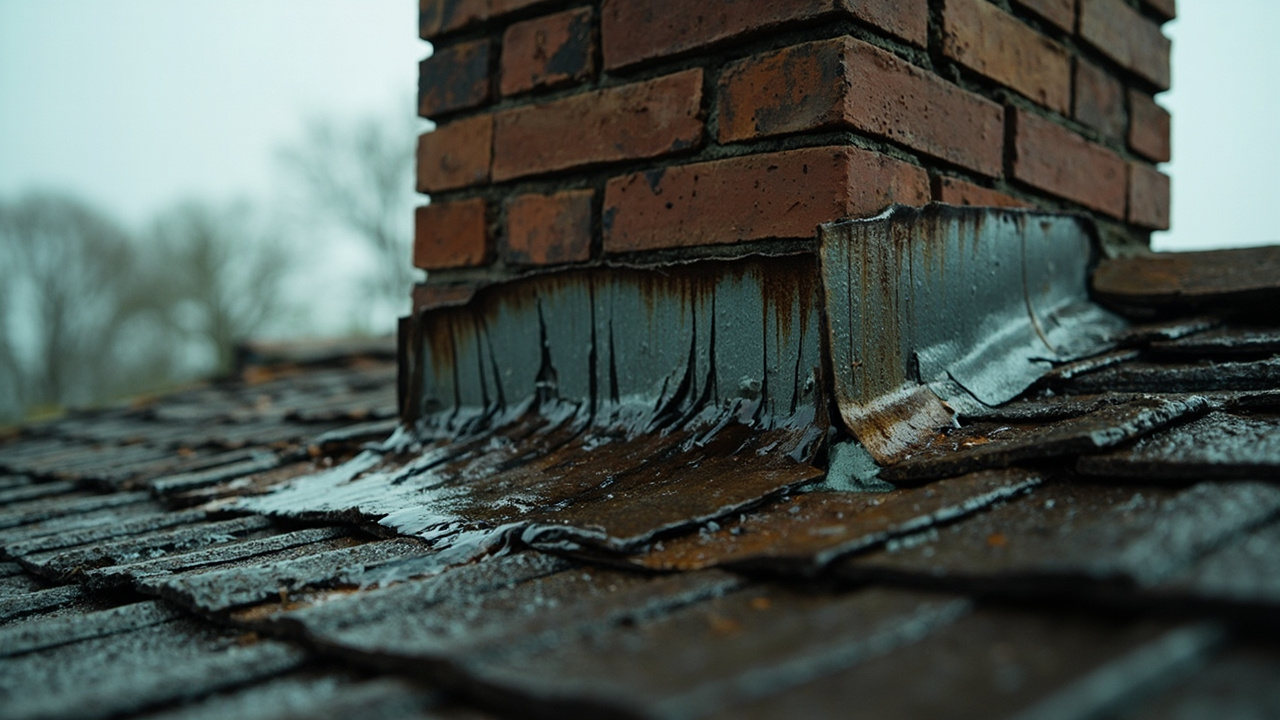
Cleveland sits 10 miles from Lake Erie, and that proximity drives moisture into the air year-round. Your roof flashing deals with higher humidity than homes just 30 miles inland. Lake-effect snow dumps heavy, wet snow on roofs from November through February. That weight stresses flashing seals. When temperatures swing from 15 degrees to 45 degrees in a single week, your flashing expands and contracts repeatedly. Metal fatigues faster under these conditions. Rusted roof flashing is common on the east and north sides of homes where lake winds drive moisture against the structure. The salt content in that lake air accelerates corrosion on exposed metal.
Cleveland's older housing stock in neighborhoods like Lakewood and Cleveland Heights features architectural details that make flashing critical. Dormers, bay windows, multiple roof planes, and decorative chimneys create dozens of potential leak points. These homes require custom flashing solutions that match original profiles while using modern sealing techniques. Building inspectors in Cuyahoga County know which flashing installations fail first. They check overlap patterns, fastener placement, and membrane integration during inspections. We work with local inspectors regularly and understand exactly what they require for approval. That local knowledge prevents delays and ensures your repair passes inspection the first time.