menu

Leaking Pipe Boot & Vents in Cleveland | Expert Diagnosis & Permanent Repair

Alpha Roofing Cleveland specializes in identifying and fixing cracked plumbing vent boots, deteriorated rubber roof collars, and broken roof stack flashing before they cause ceiling stains and structural damage.

Slider Image 1
Slider Image 2
Slider Image 3
Slider Image 4
Slider Image 5
Slider Image 7
Slider Image 8
Slider Image 9
Slider Image 10
Slider Image 11

Why Your Roof Penetrations Fail in Cleveland

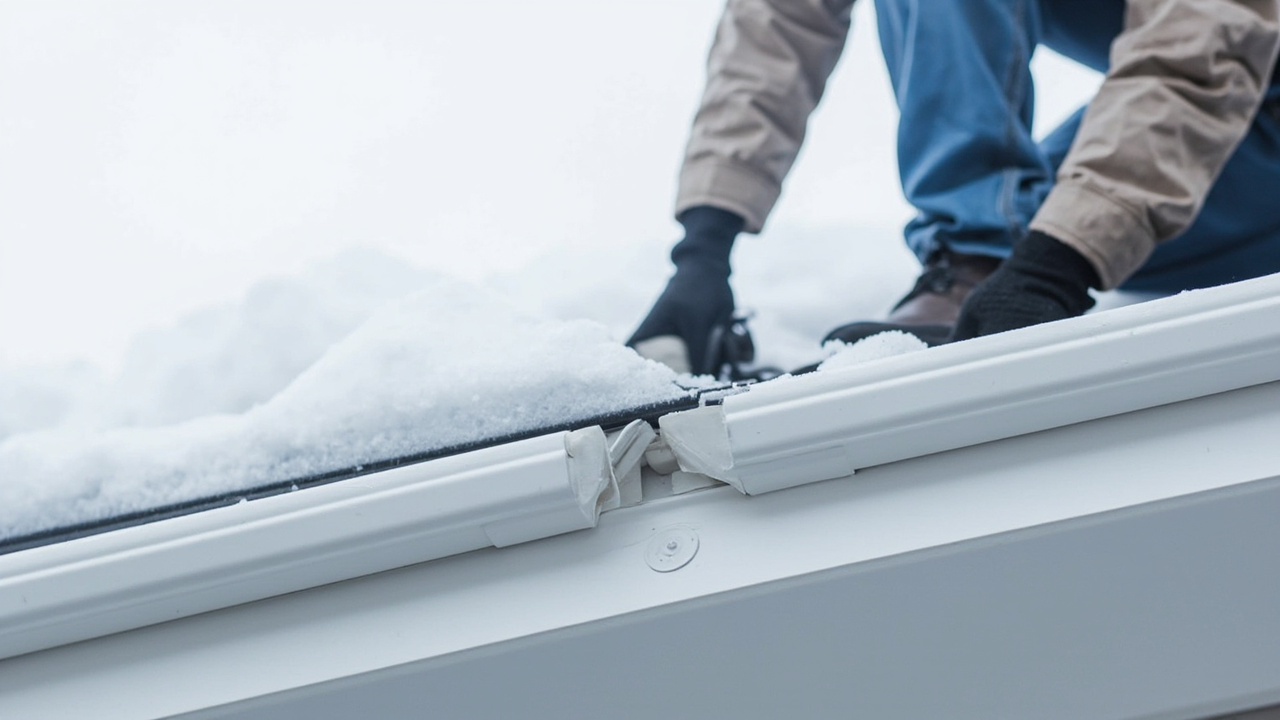
Cleveland's freeze-thaw cycles destroy pipe boot seals faster than almost any other weather pattern. When temperatures swing from 15 degrees in January to 55 degrees by afternoon, the expansion and contraction literally tears apart the neoprene gasket that seals your plumbing vents. Add in the UV exposure from summer sun and you get a cracked plumbing vent boot within five to seven years instead of the advertised fifteen.

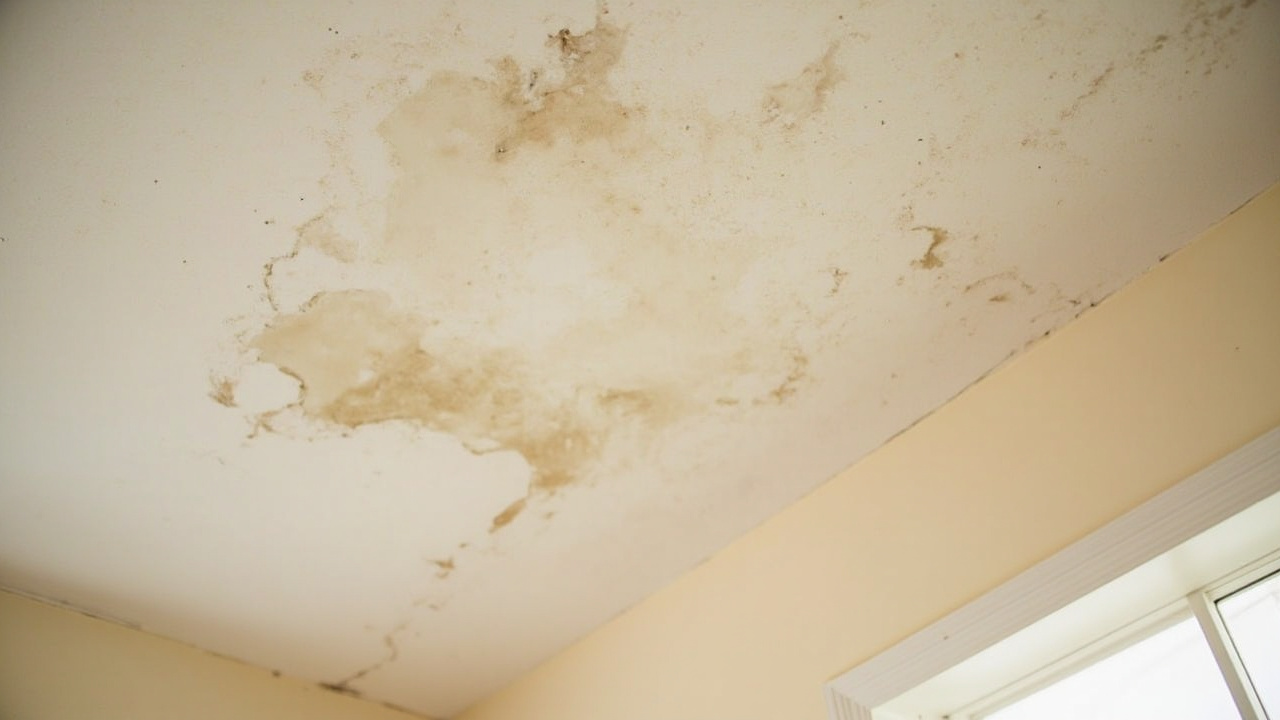
You notice it as a brown stain on your ceiling near the bathroom. The drip only happens during heavy rain or snowmelt. You climb into the attic and see wet insulation around the vent pipe. That is a deteriorated rubber roof collar allowing water to track down the pipe and into your home.

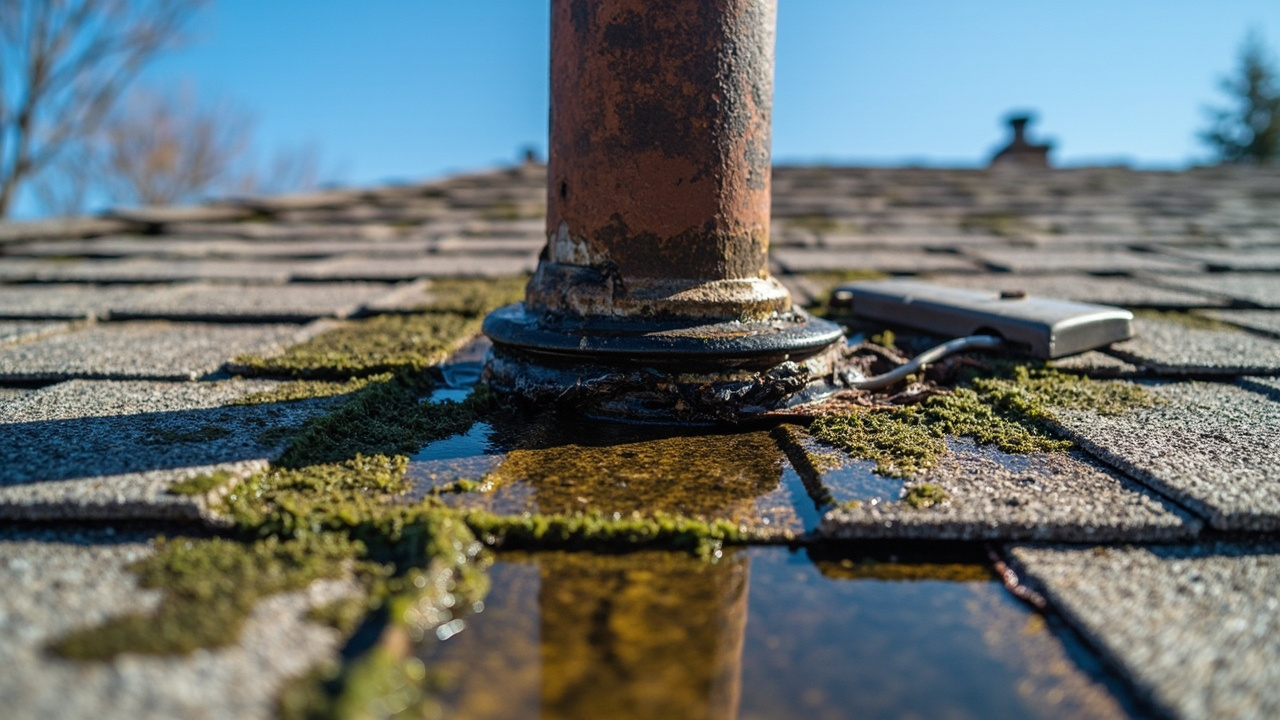
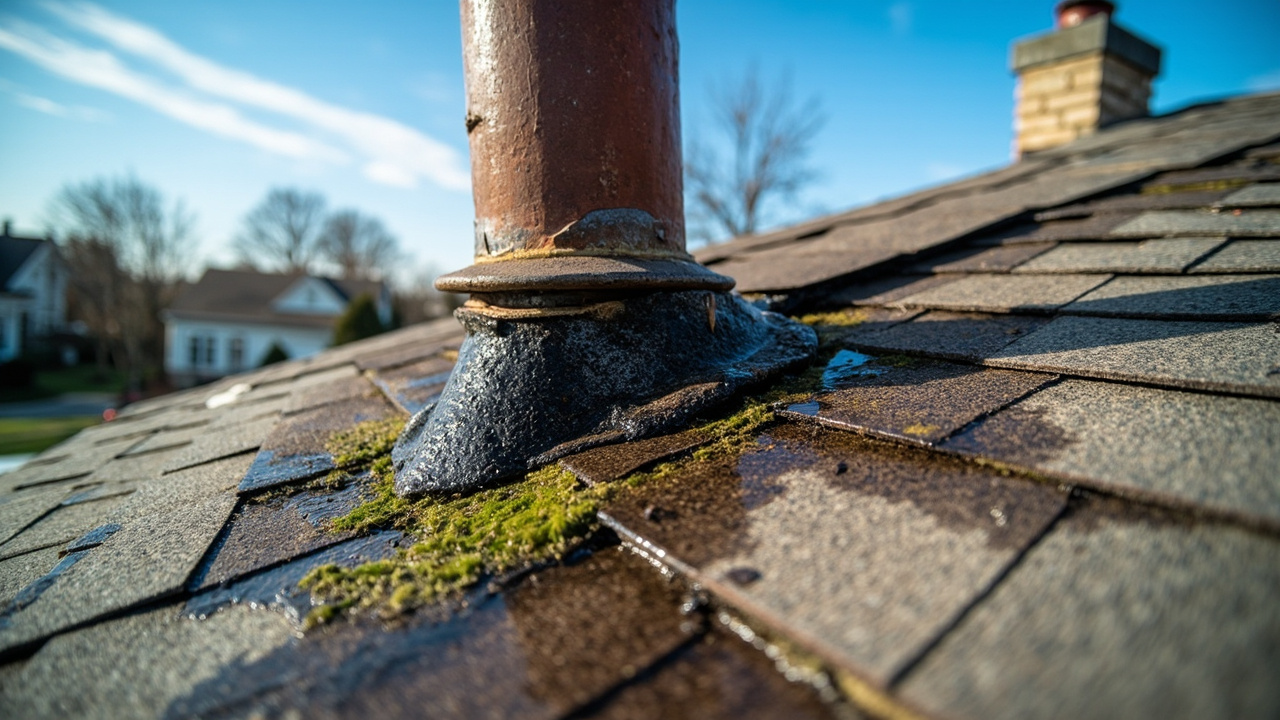
The damaged pipe flashing seal is not always visible from the ground. The rubber boot looks intact until you touch it and the material crumbles. This dry rotted neoprene gasket fails because Cleveland's humidity stays trapped under the boot, accelerating decomposition. The problem compounds in older neighborhoods like Tremont and Ohio City where original boots were installed in the 1980s and never replaced.

Broken roof stack flashing happens when roofers use the wrong boot for your pipe diameter or fail to secure the base properly. Wind lifts the shingle tabs. Water runs under the flashing. Your ceiling gets wet. The fix requires removing shingles, installing a correctly sized boot, and sealing it with the right adhesive for Cleveland's weather extremes.

Why Your Roof Penetrations Fail in Cleveland
How We Fix Pipe Boot Leaks Permanently

How We Fix Pipe Boot Leaks Permanently

We do not patch over failing boots with caulk. That is a six-month band-aid. We remove the compromised boot assembly entirely, inspect the pipe for corrosion, and check the roof deck for rot before installing the replacement.

The new boot must match your roof pitch and pipe diameter exactly. A 3-inch PVC vent requires a different collar than a 1.5-inch galvanized stack. We use EPDM rubber boots rated for UV and temperature extremes specific to northern Ohio. The base flange extends at least six inches under your shingles to prevent water intrusion during wind-driven rain.

Proper installation means cutting back shingles in a square pattern around the pipe, not just lifting them. We slide the boot over the pipe, secure the base flange with roofing adhesive, and nail it through the flange into solid decking. The shingles reinstall over the top edge of the flange so water sheds away from the penetration. The rubber collar tightens around the pipe with a stainless steel clamp that will not rust.

We address the attic side too. If insulation is wet, we remove it to prevent mold growth. If the roof deck shows water staining, we treat it with encapsulant to stop spore development. You get documentation of the decking condition because that affects your home's resale value.

The difference is in the details. Most roofers reuse old nails. We use ring shank nails that will not back out. Most roofers use standard roofing cement. We use cold-weather adhesive that stays flexible in Cleveland winters.

What Happens During Your Pipe Boot Repair

Leaking Pipe Boot & Vents in Cleveland | Expert Diagnosis & Permanent Repair
01

Attic and Roof Inspection

We start in your attic to trace the water staining and verify which pipe is leaking. You often have multiple plumbing vents, and the ceiling stain does not always appear directly below the failed boot because water runs along framing. We check all penetrations, photograph the damage, and measure your pipe diameters to order the correct replacement boots before we touch your roof.
02

Boot Removal and Decking Assessment

We carefully remove the shingles around the failed boot without damaging surrounding material. The old boot comes off and we inspect the roof deck for soft spots or rot. If the decking is compromised, we cut out the damaged section and sister in new plywood before installing the new flashing. This prevents callbacks and ensures your repair lasts twenty years instead of five.
03

Sealed Installation and Testing

The new boot installs with proper overlap, adhesive seal, and mechanical fastening. We reinstall shingles to match your existing roof pattern, then test the seal with water before we leave. You get photos of the completed work showing the flashing detail and shingle integration. We document the boot manufacturer and installation date for your records and future maintenance planning.

Why Cleveland Homeowners Choose Alpha Roofing for Pipe Boot Repairs

We have repaired pipe boot failures in every Cleveland neighborhood from Lakewood to Shaker Heights. We know the difference between a 1950s bungalow with galvanized vent stacks and a 1990s colonial with PVC plumbing. That knowledge matters when matching boot styles to your roof and ensuring code compliance.

Cleveland building code requires proper flashing at all roof penetrations. Inspectors flag improper boot installations during resale inspections. We install boots that pass inspection the first time because we follow the manufacturer specifications and local amendments. You do not get a violation notice six months later.

Our familiarity with Cleveland's older housing stock means we anticipate problems before they happen. Homes in Detroit Shoreway and Kamm's Corners often have undersized roof vents that were legal in 1960 but create condensation problems today. We identify these issues during inspection and give you options for upgrading to current standards.

We stock boots for every roof type common to Cleveland. Asphalt shingle roofs need different flashing than slate or metal. We carry steep-pitch boots for Tudor-style homes and low-pitch boots for mid-century ranches. You do not wait two weeks for special order parts.

The transparency matters to Cleveland homeowners. We show you the failed boot, explain why it failed, and walk you through the fix before we start work. You get a written scope detailing materials and labor. No surprises on the invoice. No upsells for unnecessary work. Just the repair done right the first time.

What to Expect When You Call Alpha Roofing Cleveland

Same-Day Response for Active Leaks

When you have water coming through your ceiling, you need someone today. We dispatch within two hours for active leaks in the Cleveland metro area. Our trucks carry emergency tarps and sealant to stop the water while we schedule the permanent repair. Most pipe boot replacements complete in three to four hours once we have materials on site. We coordinate with your schedule and protect your interior during the work. You are not waiting a week while water damages your drywall and insulation.

Thorough Inspection Before Any Work Begins

We inspect your attic and roof to identify all problem areas, not just the obvious leak. Cleveland homes average three to five plumbing vents. If one boot failed, the others are likely close behind because they were installed at the same time. We document the condition of every penetration and give you a prioritized repair list. You decide what gets fixed now and what can wait. The inspection takes 30 to 45 minutes and includes photos you can review before approving any work.

Professional Installation with Matching Materials

Your repair looks like original construction when we finish. We match your shingle color and style so the replaced section blends seamlessly. The new boot installs with proper pitch alignment and weatherproof sealing. You get a roof that sheds water correctly and does not develop ice dams around the penetration during Cleveland winters. We clean up completely, removing all debris and old materials. Your yard looks the same as before we arrived, just with a roof that does not leak anymore.

Documentation and Maintenance Guidance

You receive detailed photos of the repair showing before, during, and after conditions. This documentation is valuable for insurance claims and home sales. We note the boot manufacturer and model so future repairs use compatible materials. You get a maintenance schedule outlining when to inspect your boots based on Cleveland weather patterns. We recommend checking boots every three years and replacing them every twelve to fifteen years depending on material quality. You have a clear plan for preventing future leaks instead of reacting to water damage.

Frequently Asked Questions

You Have Questions,
We Have Answers

How much does it cost to replace a vent pipe boot? +

Replacing a vent pipe boot in Cleveland typically involves material and labor costs that vary based on boot type, roof pitch, and accessibility. Rubber boots are less expensive than metal or neoprene options. The replacement process requires removing old flashing, inspecting the deck for water damage, and installing a new boot with proper sealant. Costs increase if shingles need removal or if freeze-thaw damage from Cleveland winters has rotted the surrounding deck. Get a written estimate that includes inspection of the vent stack and surrounding area. Most replacements take one to two hours.

How to seal a vent boot? +

Sealing a vent boot requires cleaning the area completely, removing old caulk and debris. Apply roofing cement around the base where the boot meets shingles, creating a watertight seal. For rubber boots, check the rubber collar for cracks. If intact, apply a thick bead of silicone or polyurethane sealant around the pipe where it enters the boot. Press firmly to eliminate air pockets. In Cleveland, freeze-thaw cycles degrade sealants quickly, so inspect annually. Metal boots need flashing cement at all seams. This is a temporary fix. Cracked boots need replacement.

How to fix a leak around a vent pipe? +

A leak around a vent pipe usually means the boot or flashing has failed. First, inspect the rubber collar for cracks or gaps. Check if the boot base has separated from the shingles. Remove debris and old sealant, then apply roofing cement around the base and pipe penetration. If the boot is cracked or deteriorated, replacement is necessary. Cleveland humidity and ice damming accelerate boot failure. Check attic spaces for water stains to confirm the leak source. If shingles around the vent show damage, they need replacement too. Address this quickly to prevent deck rot.

How to fix a leaking boot? +

Fix a leaking boot by identifying where water enters. Clean the boot and surrounding shingles thoroughly. If the rubber collar is split, slide it up the pipe, apply sealant underneath, and press it down firmly. Seal the base where the boot meets shingles with roofing cement. Check the nails securing the flashing. If rust has compromised them or if the boot is brittle from Cleveland winters, replacement is the better option. Temporary fixes fail quickly. If you see cracks in the rubber or metal corrosion, install a new boot to prevent interior damage.

Will homeowners insurance cover a leaky roof? +

Homeowners insurance typically covers roof leaks from sudden, accidental damage like storm damage or fallen trees. Gradual deterioration from aging pipe boots or poor maintenance is usually excluded. If a windstorm tears shingles and damages a boot, you likely have coverage. If the boot cracked over time from normal wear, you probably do not. In Cleveland, ice dam damage may be covered depending on your policy. Document the damage with photos and get a professional assessment. Review your policy exclusions. Most insurers require proof the roof was properly maintained before the incident.

What are signs of a bad roof boot? +

Signs of a bad roof boot include visible cracks in the rubber collar, rust or corrosion on metal boots, and gaps between the boot and pipe. Check for missing or loose nails in the flashing. Water stains on your attic ceiling near vent pipes indicate active leaking. The rubber may feel brittle or show dry rot. In Cleveland, freeze-thaw cycles cause boots to crack prematurely. Look for shingle damage around the boot base or lifted flashing. If you see daylight around the pipe from inside the attic, the boot has failed and needs immediate replacement.

Does rain water get into a vent pipe? +

Rain should not enter a vent pipe if the boot is functioning correctly. Plumbing vents are designed to allow air exchange, not water entry. A small amount of rain may enter during severe storms, but properly installed boots and flashing prevent water from reaching the roof deck. If water runs down the pipe into your home, the boot has failed or the pipe is not sealed correctly. Cleveland downpours and ice accumulation can overwhelm compromised boots. Check the rubber collar and flashing seal. If water consistently enters, inspect and replace the boot immediately to prevent interior damage.

How long do roof pipe boots last? +

Roof pipe boots last 10 to 20 years depending on material and climate exposure. Rubber boots deteriorate faster in Cleveland due to extreme temperature swings and UV exposure. Metal boots last longer but are prone to rust and seal failure. Neoprene boots offer better durability than standard rubber. Boots on south-facing slopes degrade quicker from sun exposure. Ice damming and freeze-thaw cycles accelerate cracking. Inspect boots every two years after installation. Replace them proactively during roof replacement to avoid premature failure. Quality boots installed correctly outlast cheaper alternatives significantly.

How to seal a duct boot? +

Sealing a duct boot requires identifying the connection point between ductwork and the register or plenum. Clean all surfaces to remove dust and debris. Apply duct mastic or metal-backed foil tape to all seams and joints. Do not use standard cloth duct tape, as it fails quickly. Press firmly to create an airtight seal. For HVAC boots penetrating exterior walls or roofs, use appropriate flashing and weatherproofing sealant. In Cleveland homes, poor duct sealing increases heating costs during winter. Check attic ductwork for gaps. Proper sealing improves energy efficiency and prevents air leakage.

Does homeowners insurance cover water pipe repair? +

Homeowners insurance usually does not cover water pipe repair from normal wear, corrosion, or freezing due to lack of heat. If a pipe bursts suddenly from accidental damage or a covered peril, the resulting water damage may be covered, but not the pipe repair itself. Cleveland winters cause freeze damage, which insurers often exclude if you failed to maintain heat or winterize the home. Review your policy for specific pipe coverage and exclusions. Some policies offer optional water backup coverage. Document damage immediately and contact your insurer. Most standard policies exclude gradual maintenance issues.

How Cleveland's Lake Effect Snow Accelerates Pipe Boot Failure

Lake Erie dumps snow on Cleveland roofs differently than inland precipitation. The wet, heavy snow accumulates around pipe penetrations and creates ice dams when temperatures fluctuate. This freeze-thaw cycle forces water under deteriorated rubber roof collars faster than dry snow would. The ice expansion cracks already brittle neoprene gaskets, turning a slow seep into an active leak. Homes on the west side near Lakewood and Rocky River see the heaviest snow loads and the fastest boot degradation. Your pipe flashing takes more abuse in one Cleveland winter than it would in five years in Columbus.

Alpha Roofing Cleveland has repaired pipe boots in every historic district and suburb in Cuyahoga County. We understand the unique challenges of Cleveland's housing stock, from century-old homes in Little Italy with multiple roof additions to 1970s split-levels in Parma with original plumbing vents. Local building inspectors know our work meets code because we follow the current standards for flashing installation and roof penetration sealing. When you choose a Cleveland-based roofer who specializes in leak diagnosis, you get someone who has seen your exact problem a hundred times before and knows the right fix for this climate.
Roofing Services in The Cleveland Area

We are proud to serve the entire Cleveland area and the surrounding communities. Our centrally located office allows us to respond quickly to your needs, whether you require a repair, a full roof installation, or an emergency service. We invite you to view our service area on the map to see how we can assist you. Our team is always ready to provide expert solutions right where you are.

Address:
Alpha Roofing Cleveland, 2401 Superior Viaduct, Cleveland, OH, 44113

Additional Services We Offer

Our news updates

Latest Articles & News from The Blogs

Why Moreland Hills homeowners are choosing high-end composite over traditional slate Moreland Hills estates have long featured the prestige of…

Why more Moreland Hills homeowners are choosing high-end composite over traditional slate

Why Moreland Hills homeowners are choosing high-end composite over traditional slate Moreland Hills estates have long featured the prestige of…

How to stop local wildlife from nesting under the shingles of your Mayfield Heights home

Understanding the Wildlife Problem in Mayfield Heights Mayfield Heights sits in a unique geographic location where suburban development meets mature…

Picking a roof color that highlights the historic charm of your University Heights home

Picking a roof color that highlights the historic charm of your University Heights home The right roof color can transform…

Contact Us

Call Alpha Roofing Cleveland at (216) 547-1300 for same-day leak assessment. We diagnose the problem, explain your options, and fix it right. No pressure, no upsells, just honest roofing expertise for Cleveland homeowners.