menu

Roof Ventilation Explained in Cleveland – A Complete Guide to Attic Airflow and System Performance

Understanding how roof ventilation works protects your Cleveland home from ice dams, moisture buildup, and premature shingle failure caused by Lake Erie's freeze-thaw cycles and humid summers.

Slider Image 1
Slider Image 2
Slider Image 3
Slider Image 4
Slider Image 5
Slider Image 7
Slider Image 8
Slider Image 9
Slider Image 10
Slider Image 11

Why Roof Ventilation Matters in Cleveland's Four-Season Climate

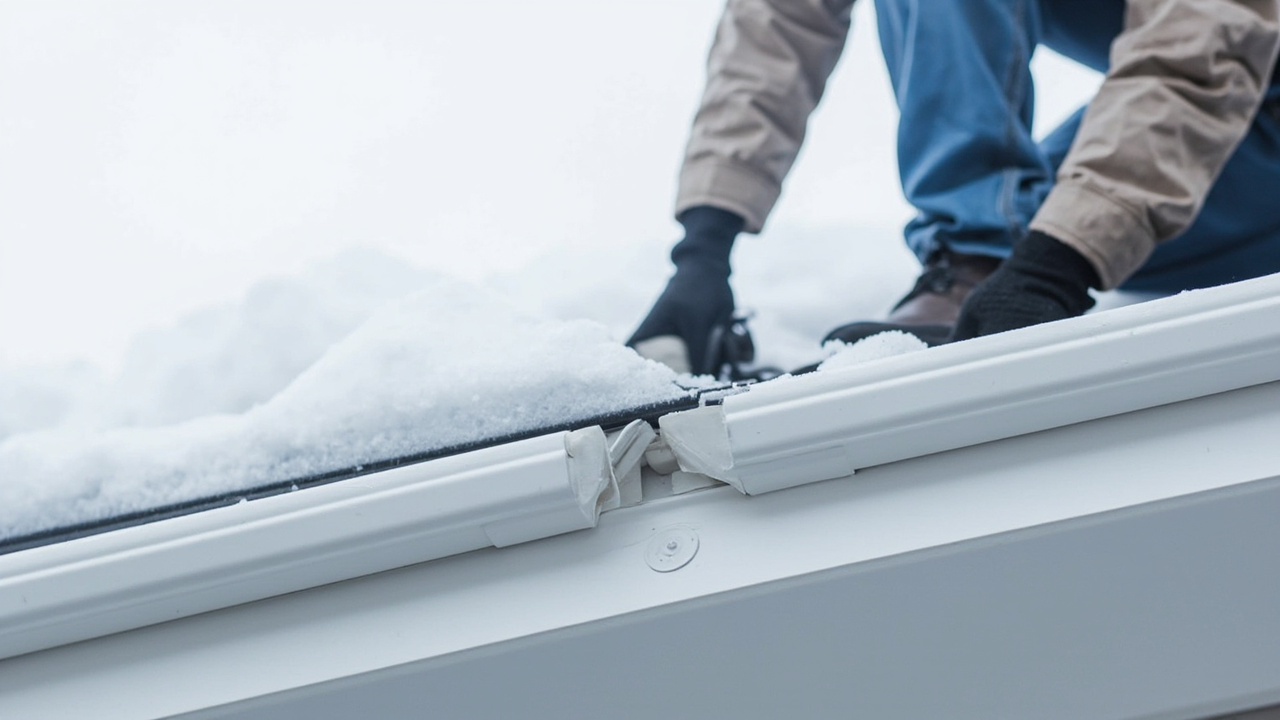
Cleveland's location along Lake Erie creates unique challenges for attic ventilation. Winter brings heavy snowfall and freeze-thaw cycles that create ice dams when warm attic air melts snow on your roof. Summer humidity combines with attic heat to warp decking and accelerate shingle breakdown.

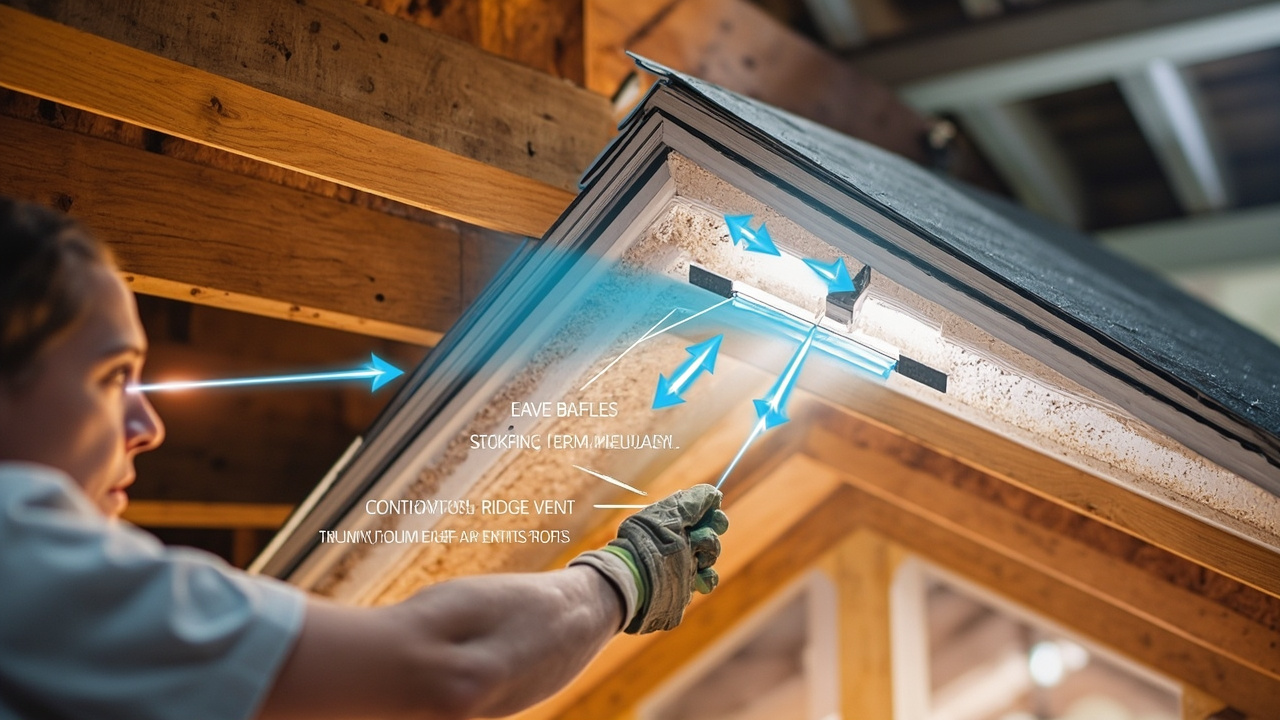
Proper roof airflow prevents these problems by moving air through your attic space. Cool air enters through soffit vents at the eaves. Warm air exits through ridge vents or gable vents at the peak. This continuous air exchange keeps your attic temperature close to outdoor temperature.

Without adequate ventilation, heat builds up in summer and reaches 150 degrees or higher. This heat radiates down into living spaces, forcing air conditioners to work harder. In winter, warm air from your home rises into the attic and creates temperature differences that melt snow unevenly, forming ice dams along the eaves.

Understanding roof venting basics starts with recognizing that your attic needs both intake vents and exhaust vents. The principles of attic ventilation depend on balanced airflow. Most Cleveland homes built before 1990 have insufficient intake venting or blocked soffit vents.

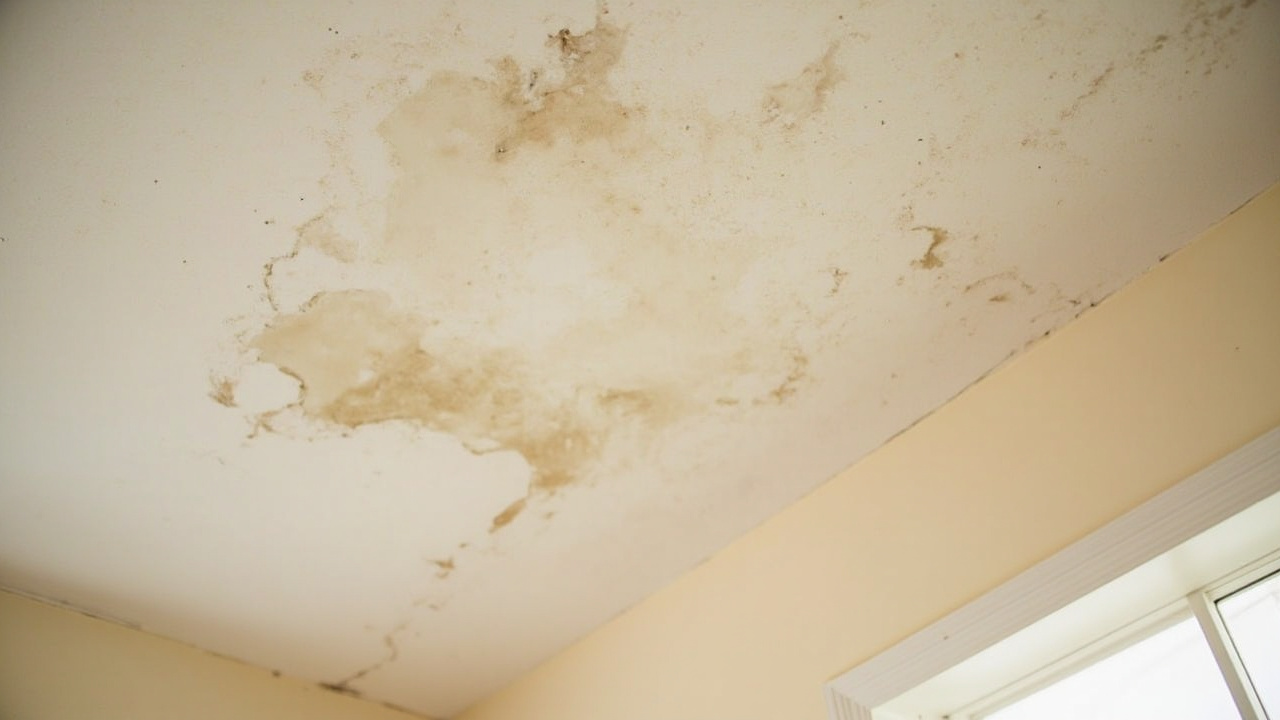
Moisture problems develop when humid air becomes trapped in your attic. Condensation forms on roof decking and rafters. Mold grows on wood surfaces. Insulation becomes matted and loses effectiveness. These issues compound during Cleveland's humid spring and summer months when lake effect moisture saturates the air.

Your roof ventilation system protects your biggest investment by managing temperature and moisture before damage occurs.

Why Roof Ventilation Matters in Cleveland's Four-Season Climate
How Roof Ventilation Systems Function in Northeast Ohio Homes

How Roof Ventilation Systems Function in Northeast Ohio Homes

A functional attic ventilation guide starts with calculating your home's ventilation requirements. Building codes require one square foot of net free ventilation area for every 150 square feet of attic space. A 1,500 square foot attic needs 10 square feet of venting split between intake and exhaust.

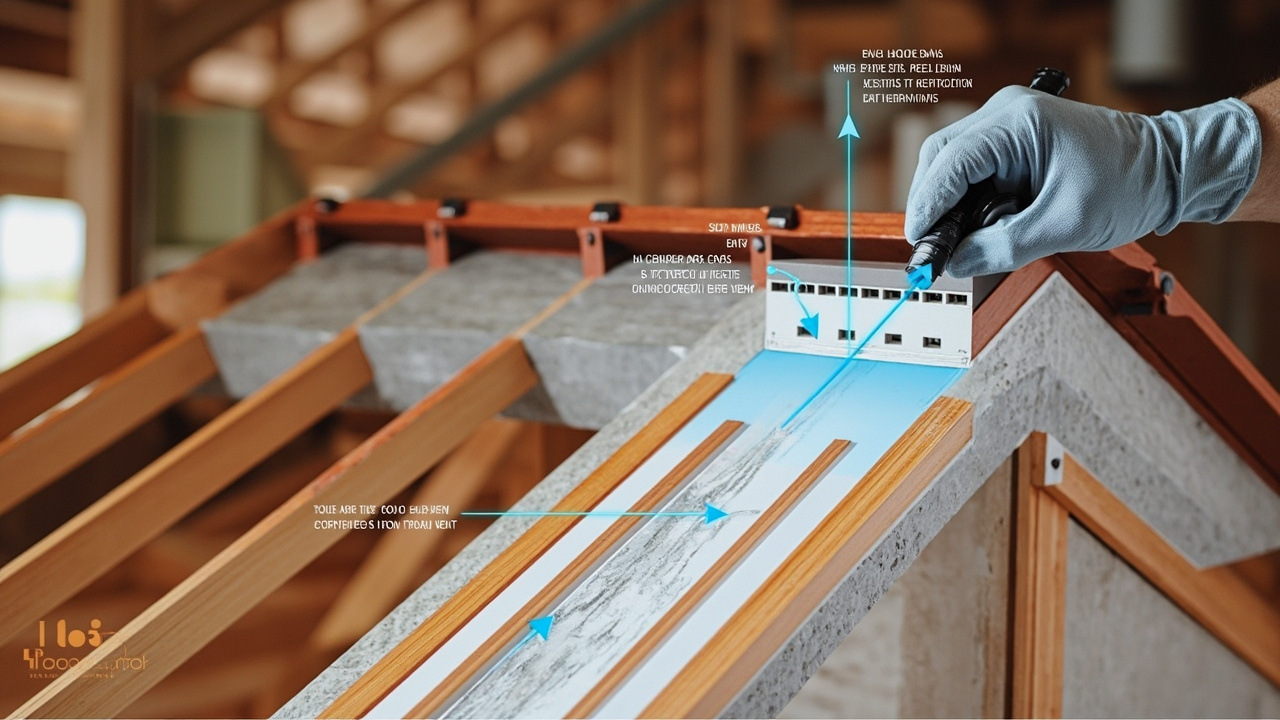
Ridge vents provide the most effective exhaust ventilation for Cleveland homes with gable or hip roofs. These continuous vents run along the entire roof peak, creating consistent negative pressure that pulls air through the attic. They work best when paired with continuous soffit vents that provide unrestricted intake.

Box vents, turbine vents, and power vents offer alternative exhaust options for homes without ridge vents. Box vents work on roofs with limited ridge length. Turbine vents use wind energy to create suction. Power vents use electric fans to force air movement, which helps during calm summer days when natural convection slows.

Soffit vents must remain clear to function properly. Insulation pushed against roof decking blocks airflow. Painted-over vents restrict intake. Many Cleveland homes have adequate ridge venting but insufficient soffit ventilation, creating an imbalanced system that reduces effectiveness by 40 percent or more.

Gable vents provide cross-ventilation in attics without ridge vents. Two gable vents positioned on opposite ends create airflow across the attic space. This approach works for smaller attics but becomes less effective in larger homes where air takes the shortest path between vents and leaves dead zones unventilated.

Understanding roof airflow requires recognizing that ventilation systems work together as a complete circuit. Blocking one component disrupts the entire system and reduces performance across all vents.

What Happens During a Professional Ventilation Assessment

Roof Ventilation Explained in Cleveland – A Complete Guide to Attic Airflow and System Performance
01

Attic Inspection and Measurement

We enter your attic to measure total square footage and examine existing ventilation components. We check soffit vents for blockages, inspect ridge vents for proper installation, and identify areas where insulation restricts airflow. We measure temperatures at multiple points to identify hot spots and document moisture stains on decking that indicate condensation problems.
02

Ventilation Ratio Calculation

We calculate the net free area of existing vents and compare it against code requirements for your attic size. We measure the intake-to-exhaust ratio to determine if your system is balanced. Most Cleveland homes show intake deficiency where soffit venting provides only 30 percent of required airflow. We identify which vents need addition or replacement to achieve proper balance.
03

Custom Solution Design

We design a ventilation upgrade specific to your roof configuration and attic layout. This includes selecting vent types that match your home's architecture, determining placement for maximum efficiency, and specifying installation methods that preserve roof integrity. You receive a detailed explanation of how the upgraded system will improve temperature control and moisture management throughout Cleveland's seasonal extremes.

Why Cleveland Homeowners Trust Alpha Roofing Cleveland for Ventilation Solutions

Alpha Roofing Cleveland understands how Lake Erie weather patterns affect residential roofing systems. We have diagnosed ventilation problems in Cleveland Heights bungalows, Lakewood colonials, and Shaker Heights tudors. Each architectural style presents unique ventilation challenges that require specific solutions.

Cleveland's building department enforces the 2017 International Residential Code for ventilation requirements. We design systems that meet or exceed these standards while addressing the moisture challenges specific to Northeast Ohio. Our installations account for lake effect snow loads and the wind-driven rain common along the lakefront neighborhoods.

Many roofing contractors install ventilation components without calculating actual requirements. They add a few box vents or install ridge vents without verifying adequate intake. We measure, calculate, and balance every system we install. This approach prevents the ventilation problems that show up three years later as premature shingle failure or attic mold.

Cleveland's housing stock includes many homes built between 1920 and 1960 with minimal original ventilation. These homes have solid soffits without vents, limited ridge height for exhaust vents, and attic layouts that resist airflow. We work with these constraints to maximize ventilation without compromising your home's exterior appearance or historic character.

Our technicians recognize the signs of ventilation failure specific to Cleveland weather. Ice dams along the eaves indicate heat loss through inadequate ventilation. Curled shingles on south-facing slopes show excessive attic heat. Frost on roof decking during winter mornings proves moisture accumulation from blocked airflow.

We provide solutions that work in Cleveland's climate because we have installed hundreds of ventilation systems throughout Cuyahoga County and surrounding areas.

What to Expect When Upgrading Your Roof Ventilation

Assessment and Recommendation Timeline

We schedule attic inspections within three business days of your call. The assessment takes 45 to 90 minutes depending on attic size and accessibility. You receive a written ventilation analysis within 24 hours that includes current conditions, code requirements, and recommended improvements. We explain each recommendation and answer questions about how the upgrades will affect your energy costs and roof lifespan. Installation typically occurs within two weeks of approval.

Comprehensive Attic Evaluation

Our evaluation examines every factor that affects ventilation performance. We photograph blocked soffit vents, measure insulation depth and placement, check for bathroom or dryer vents that discharge into the attic, and identify roof penetrations that disrupt airflow. We use thermal imaging during winter months to locate heat loss points that indicate ventilation deficiencies. You see exactly what we find through photos and temperature readings that document current conditions and explain why specific upgrades matter.

Professional Installation Standards

We install ventilation components using methods that protect your roof from leaks and maintain manufacturer warranties on shingles. Ridge vent installation includes cutting a continuous slot along the peak, installing vent material that matches your roof color, and sealing the junction with weatherproof materials. Soffit vent installation preserves your home's exterior appearance while providing maximum airflow. We clean up completely, removing all debris and packaging materials. Your roof looks better and performs better after installation.

Long-Term Performance Monitoring

Properly installed ventilation systems require minimal maintenance but benefit from periodic inspection. We recommend checking soffit vents annually for wasp nests or debris accumulation. Ridge vents should be examined during roof inspections to verify the vent material remains properly seated. We provide guidance on monitoring attic temperature and moisture levels so you can identify problems early. Most ventilation upgrades deliver benefits for 20 years or longer when installed correctly and maintained appropriately.

Frequently Asked Questions

You Have Questions,
We Have Answers

How does a roof ventilation system work? +

A roof ventilation system moves air through your attic using intake vents at the soffits and exhaust vents near the ridge. Cool air enters at the eaves, flows upward through the attic space, and hot air exits at the top. This continuous airflow prevents heat buildup in summer and moisture accumulation during Cleveland's humid winters. Proper ventilation balances intake and exhaust to create natural convection. Without this balance, you trap heat and moisture, which damages shingles, insulation, and roof decking over time.

What is the 1 to 300 rule for ventilation? +

The 1 to 300 rule means you need one square foot of ventilation for every 300 square feet of attic floor space. This splits evenly between intake and exhaust vents. For example, a 1,500 square foot attic needs five square feet of total ventilation. Cleveland's freeze-thaw cycles make this ratio critical to prevent ice dams and moisture damage. If you have a vapor barrier and balanced vents, some codes allow a 1 to 150 ratio, but 1 to 300 remains the baseline standard for safety.

How to properly ventilate a roof? +

Start by installing soffit vents along your eaves for intake, then add ridge vents or gable vents for exhaust. Balance is key. You need equal intake and exhaust to create proper airflow. Never mix vent types on the same roof plane, which disrupts circulation. In Cleveland, avoid powered attic fans unless you have severe heat issues, as they can pull conditioned air from your home. Use baffles between rafters to maintain an air channel from soffit to ridge, preventing insulation from blocking airflow.

Does roof ventilation really work? +

Yes, roof ventilation works when installed correctly. Studies show proper ventilation lowers attic temperatures by 20 to 40 degrees in summer, extending shingle life and reducing cooling costs. In Cleveland winters, ventilation prevents moisture buildup that leads to mold, rot, and ice dams. The key is balanced intake and exhaust. A poorly designed system with blocked soffits or mismatched vent types fails. When you see premature shingle failure or attic condensation, ventilation problems are often the root cause.

Why don't people use attic fans anymore? +

Powered attic fans fell out of favor because they create negative pressure that pulls conditioned air from your living space through ceiling gaps, increasing energy bills. They also depressurize the attic, which can backdraft combustion appliances. Passive ventilation using ridge and soffit vents works better and costs nothing to operate. In Cleveland's climate, natural convection handles temperature and moisture control without mechanical assistance. The building science community now recognizes that sealing air leaks and using passive vents outperforms powered fans.

Can rain come in through roof vents? +

Properly installed roof vents should not let rain in. Ridge vents use baffled designs that block wind-driven rain while allowing air to escape. Turbine and box vents have weather caps. However, Cleveland's heavy storms can force water through damaged or poorly installed vents. Ice damming can also push water under vent flashing. If you see water intrusion, check for missing flashing, cracked vent housings, or incorrect installation angles. Quality installation matters more than vent type for keeping water out.

How many roof vents for a 2000 sq ft house? +

A 2,000 square foot house typically has around 2,000 square feet of attic space. Using the 1 to 300 rule, you need roughly seven square feet of total ventilation. This splits into 3.5 square feet of intake (soffit vents) and 3.5 square feet of exhaust (ridge or box vents). The exact number of individual vents depends on their size. For example, if each box vent provides 50 net free area, you need about 10 vents total for proper circulation in Cleveland conditions.

What is the 7 and 7 rule for attics? +

The 7 and 7 rule states you need seven square feet of attic floor space per ton of air conditioning, and seven feet of vertical clearance for proper airflow if the HVAC system sits in the attic. This rule ensures adequate space for equipment access and air circulation around ducts. In Cleveland homes with attic HVAC units, cramped spaces cause efficiency losses and overheating. The rule applies mainly to planning attic layouts, not ventilation ratios, but relates to overall attic performance and accessibility.

Do I need rafter vents in every rafter? +

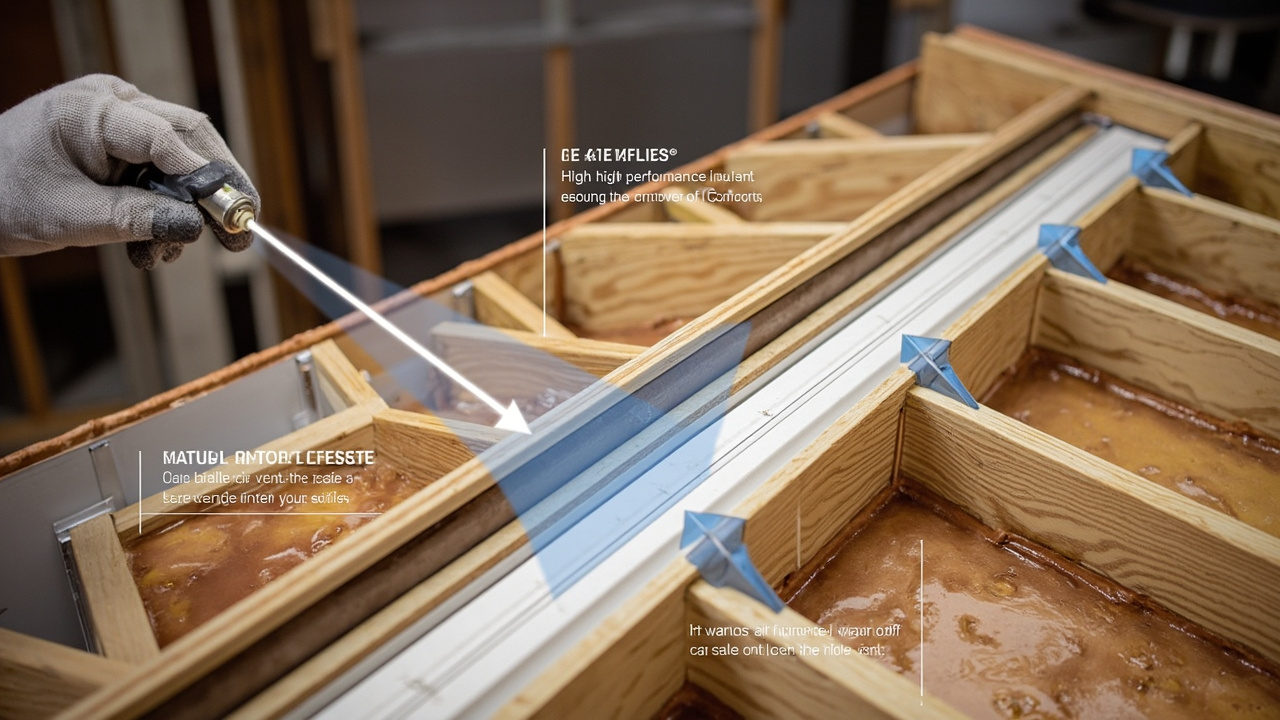
You do not need rafter vents in every rafter, but you need enough to maintain continuous airflow from soffit to ridge. Space them every other rafter or every third rafter, depending on insulation depth and attic design. In Cleveland homes with dense-pack insulation, rafter vents (also called baffles) prevent insulation from blocking soffit intake vents. Focus on consistent coverage across the entire roof plane rather than filling every bay. Poor baffle placement causes dead zones where moisture accumulates and reduces ventilation effectiveness.

What happens if a roof is not vented properly? +

Without proper ventilation, heat and moisture become trapped in your attic. In summer, temperatures spike above 150 degrees, baking shingles from below and shortening their lifespan. In Cleveland winters, warm interior air hits cold roof decking and condenses, causing mold, wood rot, and ice dams along eaves. You'll see premature shingle curling, higher energy bills, and structural damage over time. Inadequate ventilation also voids most shingle warranties. Fixing ventilation problems early prevents expensive roof replacements and protects your home investment.

How Lake Erie's Microclimate Impacts Cleveland Roof Ventilation Requirements

Cleveland's proximity to Lake Erie creates temperature inversions and humidity fluctuations that challenge standard ventilation designs. Lake effect moisture increases attic condensation risk during spring and fall. Winter storms dump heavy snow that remains on north-facing slopes for weeks, creating prolonged freeze-thaw stress. Homes within five miles of the lakefront experience 15 to 20 percent higher humidity than inland neighborhoods. This moisture differential requires enhanced intake ventilation to prevent condensation on roof decking and rafters. Understanding these microclimate factors separates adequate ventilation from optimal ventilation in Northeast Ohio.

Alpha Roofing Cleveland has installed ventilation systems throughout Cuyahoga County for over a decade. We understand the building code requirements specific to Cleveland and surrounding municipalities. We work with local building inspectors who verify our installations meet current standards. Our experience with Cleveland's historic housing stock gives us insight into ventilation challenges that newer contractors miss. We source vent materials from suppliers who stock products designed for Great Lakes climate conditions. Choosing a local roofing company means working with professionals who understand your specific ventilation needs.
Roofing Services in The Cleveland Area

We are proud to serve the entire Cleveland area and the surrounding communities. Our centrally located office allows us to respond quickly to your needs, whether you require a repair, a full roof installation, or an emergency service. We invite you to view our service area on the map to see how we can assist you. Our team is always ready to provide expert solutions right where you are.

Address:
Alpha Roofing Cleveland, 2401 Superior Viaduct, Cleveland, OH, 44113

Additional Services We Offer

Our news updates

Latest Articles & News from The Blogs

Why Moreland Hills homeowners are choosing high-end composite over traditional slate Moreland Hills estates have long featured the prestige of…

Why more Moreland Hills homeowners are choosing high-end composite over traditional slate

Why Moreland Hills homeowners are choosing high-end composite over traditional slate Moreland Hills estates have long featured the prestige of…

How to stop local wildlife from nesting under the shingles of your Mayfield Heights home

Understanding the Wildlife Problem in Mayfield Heights Mayfield Heights sits in a unique geographic location where suburban development meets mature…

Picking a roof color that highlights the historic charm of your University Heights home

Picking a roof color that highlights the historic charm of your University Heights home The right roof color can transform…

Contact Us

Call Alpha Roofing Cleveland at (216) 547-1300 to schedule your attic ventilation inspection. We will evaluate your current system, calculate your ventilation requirements, and provide clear recommendations that protect your home from moisture damage and extend your roof's lifespan.