menu

Built-Up Roofing in Cleveland – Industrial-Grade Protection That Keeps Your Business Running

Alpha Roofing Cleveland installs and maintains BUR roofing systems engineered to withstand Lake Erie snow loads, freeze-thaw cycles, and high wind events while minimizing operational disruptions to your facility.

Slider Image 1
Slider Image 2
Slider Image 3
Slider Image 4
Slider Image 5
Slider Image 7
Slider Image 8
Slider Image 9
Slider Image 10
Slider Image 11

Why Cleveland's Climate Demands Heavy-Duty Multi-Ply Roofing Systems

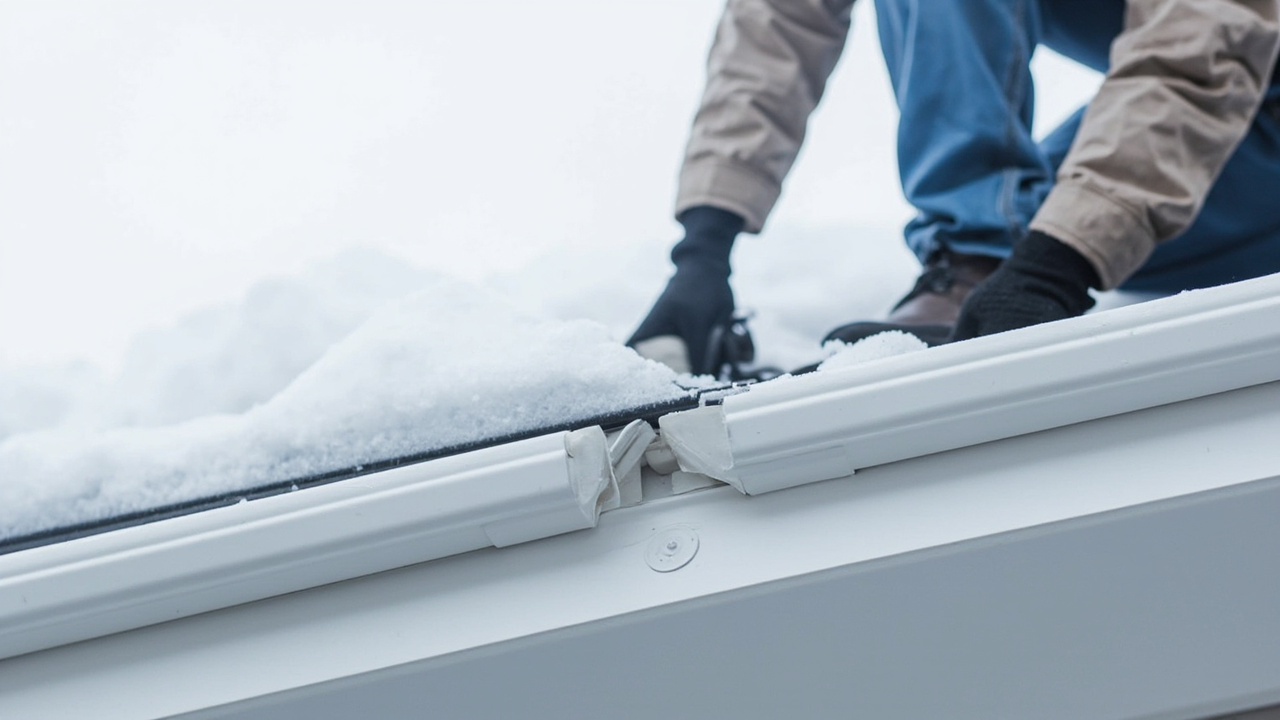
Cleveland's location on Lake Erie creates unique roofing challenges for commercial and industrial properties. Your facility faces lake-effect snow that dumps 60 inches annually, creating extreme load stress on flat and low-slope roofs. Winter freeze-thaw cycles expand and contract roofing materials, causing premature membrane failure in systems not designed for this punishment.

Built-up roofing systems deliver the durability your Cleveland facility needs. BUR roofing systems use multiple plies of reinforcing fabric alternated with hot asphalt or coal tar to create a monolithic waterproof barrier. This multi-ply construction distributes stress across the entire roof plane, preventing the point failures common in single-ply membranes when snow accumulates unevenly.

Cleveland's industrial zones near the Cuyahoga River Valley and manufacturing districts in Midtown demand roofing that handles heavy equipment loads, rooftop HVAC units, and constant foot traffic from maintenance crews. Tar and gravel roofing provides a ballasted surface layer that protects the waterproof membrane from UV degradation, punctures from dropped tools, and wind uplift during severe storms rolling off the lake.

Your warehouse, distribution center, or manufacturing plant cannot afford water intrusion that damages inventory, disrupts production lines, or creates slip hazards for workers. Asphalt built-up roofing creates redundant waterproofing layers. If moisture penetrates the top ply, three to four additional plies prevent water from reaching your roof deck and interior spaces.

Commercial built-up roofs last 20 to 30 years in Cleveland's climate when properly installed and maintained. This longevity reduces lifecycle costs and eliminates the business disruption of frequent roof replacements.

Why Cleveland's Climate Demands Heavy-Duty Multi-Ply Roofing Systems
How We Install BUR Systems That Protect Your Bottom Line

How We Install BUR Systems That Protect Your Bottom Line

Alpha Roofing Cleveland installs built-up roofing using proven methods that account for Cleveland's specific weather patterns and building code requirements. We do not cut corners or rush installations to meet arbitrary deadlines. Your facility gets a roof engineered for decades of performance.

We start by evaluating your existing roof deck. Most Cleveland commercial buildings use either concrete decks or lightweight insulating concrete fill over metal decking. We verify the deck can support the added weight of a BUR system, which averages 500 to 700 pounds per square when including base plies, interply asphalt, and aggregate surfacing. If structural reinforcement is needed, we coordinate with structural engineers before proceeding.

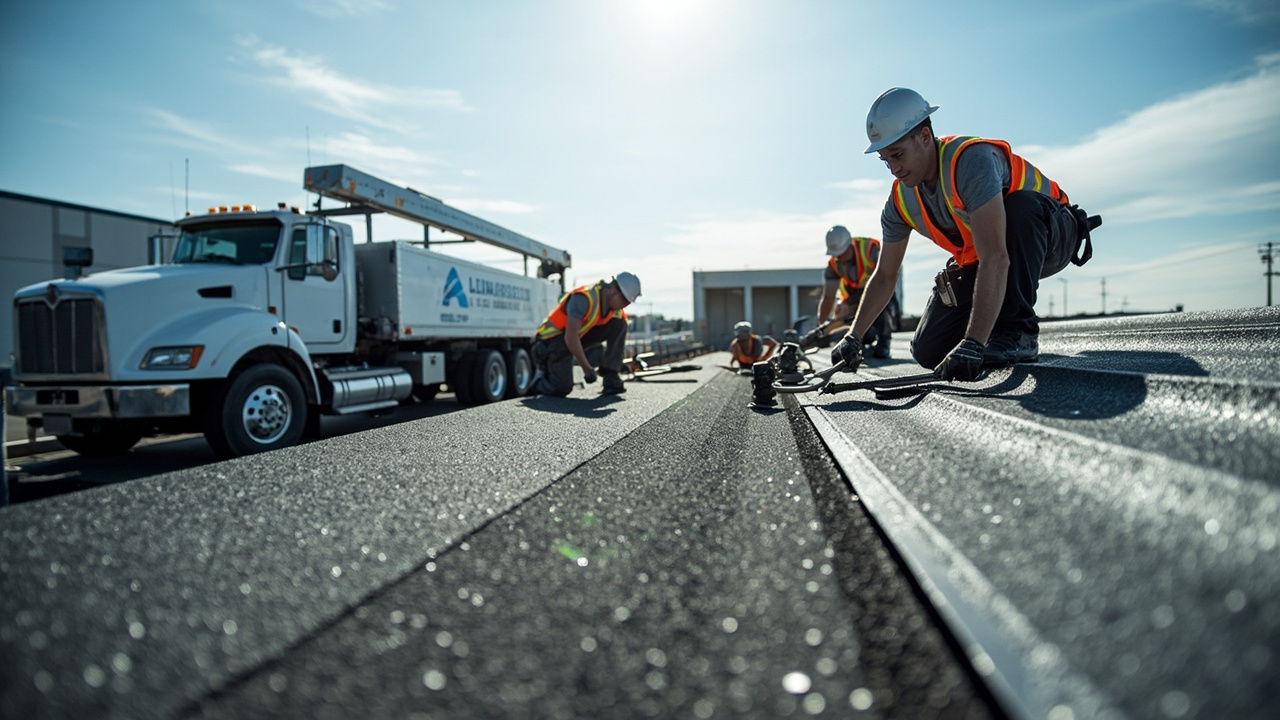
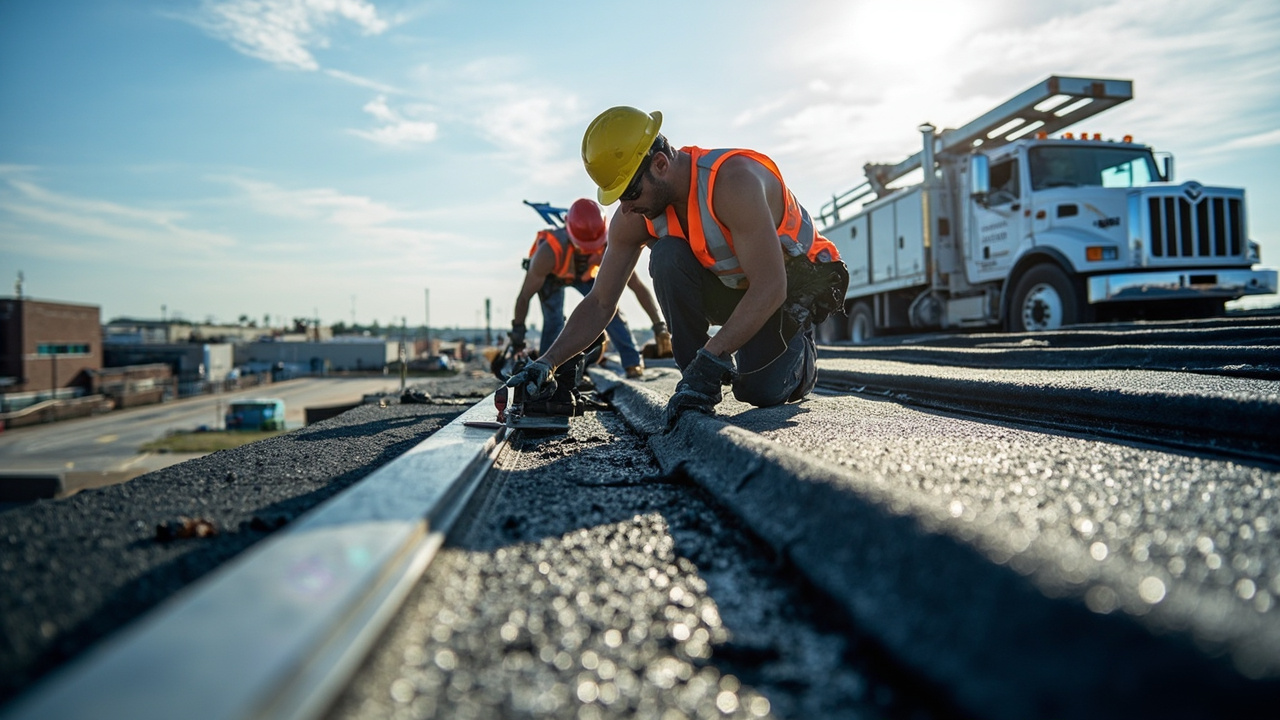
Our crews install a base sheet mechanically fastened or fully adhered to the deck. This first ply must remain secure under wind uplift forces that reach 90 mph during severe thunderstorms. We then apply hot asphalt in a continuous mop at temperatures between 400 and 500 degrees Fahrenheit. Each fabric ply gets embedded in this hot asphalt while still molten, creating a waterproof bond with zero voids or air pockets.

We build your roof with three to five plies depending on your building use, roof slope, and exposure to foot traffic. Distribution centers with heavy rooftop equipment get five-ply systems. Office buildings with minimal roof access can use three-ply configurations. The top flood coat of asphalt gets covered with gravel aggregate that weighs 400 pounds per square. This ballast layer protects the membrane from UV radiation and provides fire resistance.

We time installations around Cleveland weather. BUR systems cannot be installed when temperatures drop below 40 degrees or during precipitation. We monitor forecasts and schedule work during stable weather windows to ensure proper asphalt heating and ply adhesion.

What Happens During Your BUR Installation

Built-Up Roofing in Cleveland – Industrial-Grade Protection That Keeps Your Business Running
01

Roof Deck Preparation

Our crews remove the existing roof system down to the structural deck, inspecting for rust perforation on metal decks or spalling on concrete. We replace damaged deck sections and install rigid insulation boards if your facility needs improved thermal performance. The deck must be clean, dry, and free of oils or debris before base sheet installation begins.
02

Multi-Ply Application

We heat asphalt in our rooftop kettle to precise temperatures, then apply it in continuous mopped layers. Each reinforcing ply gets embedded in hot asphalt and rolled smooth to eliminate wrinkles or air pockets. Plies overlap by at least two inches at seams. This layering process continues until your specified ply count is achieved, creating redundant waterproofing barriers.
03

Surfacing and Flashing

The final flood coat of asphalt gets applied at approximately 60 pounds per square, then immediately covered with gravel aggregate while still hot. Gravel embeds in the asphalt, creating a protective surface layer. We install metal counterflashing at all roof penetrations, parapets, and edges. Flashing details prevent water infiltration at these vulnerable transition points where most roof leaks originate.

Why Cleveland Facilities Trust Alpha Roofing for BUR Systems

Alpha Roofing Cleveland has installed commercial built-up roofs across Cleveland's industrial corridor from the Port of Cleveland to Brooklyn Heights for over a decade. We understand the specific demands Cleveland facilities face and engineer roofing solutions that handle them.

We know Cleveland building code requirements for roof assemblies in high wind zones. Your facility falls under ASCE 7 wind load calculations that account for exposure category and building height. We design membrane attachment and gravel ballast to meet these wind uplift requirements. Inspectors verify our work complies with International Building Code provisions before issuing final approvals.

Our crews have installed BUR systems on every commercial building type in Cleveland. We have roofed manufacturing plants in the Flats, warehouses near Hopkins International Airport, and office buildings in Downtown. This experience means we anticipate site-specific challenges before they cause delays. Tight urban sites with limited staging areas require different logistics than sprawling suburban industrial parks.

We work directly with your facilities management team to minimize business disruption. Most BUR installations proceed from one roof section to the next, allowing portions of your building to remain fully operational. We coordinate with your production schedules, avoiding installation work during peak shift hours or critical inventory movements. Our project managers communicate daily about progress and any weather-related schedule adjustments.

Cleveland winters make roof maintenance critical. We offer inspection and maintenance programs that extend BUR system life by identifying and repairing small issues before they escalate. Our crews reseal penetrations, patch blisters, and recoat worn areas. This proactive approach prevents the catastrophic failures that force emergency roof replacements during your busiest seasons.

What Your BUR Installation Includes

Project Timeline and Scheduling

Most commercial BUR installations take three to six weeks depending on roof size, ply count, and weather interruptions. We provide a detailed schedule before work begins, outlining each phase from tear-off through final inspection. Cleveland weather can delay installations, particularly during spring when lake-effect precipitation is unpredictable. We build weather contingencies into every timeline and communicate delays immediately. You get daily progress updates from your dedicated project manager who coordinates all site logistics.

Pre-Installation Roof Assessment

Before proposing a BUR system, we conduct a comprehensive roof inspection using infrared scanning to identify trapped moisture in existing insulation layers. We core sample the roof assembly to verify deck condition and existing material composition. You receive a written assessment detailing deck integrity, insulation R-value, drainage adequacy, and structural capacity for the new BUR system. This assessment identifies any necessary repairs or reinforcements before installation begins, preventing mid-project surprises that inflate costs.

Installation Quality Standards

Your BUR system gets installed according to National Roofing Contractors Association specifications and manufacturer guidelines. We maintain asphalt temperatures within the required range throughout application, verified by digital thermometers. Each ply receives the specified asphalt coverage rate, measured in pounds per square. Our quality control manager inspects work daily, checking seam overlaps, edge details, and flashing installations. You get a roof built right the first time, not one that requires callback repairs within months.

Post-Installation Support

We provide detailed maintenance guidelines specific to your BUR system configuration and building use. Our maintenance program includes biannual inspections timed for spring and fall, before and after Cleveland's harsh winter season. Inspections identify developing issues like edge metal lifting, gravel displacement, or flashing separation. We document roof condition with photos and written reports. Minor repairs get completed during inspection visits. This proactive maintenance maximizes your BUR system's service life and preserves its waterproof integrity through decades of Lake Erie weather.

Frequently Asked Questions

You Have Questions,
We Have Answers

What does built-up roofing mean? +

Built-up roofing is a multi-layer flat roofing system installed by alternating layers of reinforcing fabric and bitumen. You apply hot asphalt or coal tar pitch over base sheets, then embed additional plies of roofing felt or fiberglass. The system finishes with a flood coat and aggregate surfacing. This method creates a durable, monolithic membrane ideal for low-slope commercial buildings. In Cleveland, built-up roofing handles freeze-thaw cycles and heavy snow loads common to Northeast Ohio. The redundant layers provide superior waterproofing for warehouses, retail centers, and industrial facilities across Cuyahoga County.

What is another name for a built up roof? +

Built-up roofing goes by the name BUR, which stands for Built-Up Roof. Contractors also call it tar and gravel roofing because the final surface typically consists of hot asphalt covered with gravel or stone aggregate. You may hear it referred to as a hot mop roof, describing the application method where installers heat bitumen and mop it between layers. Some Cleveland building managers use the term multi-ply roofing. All these names describe the same time-tested system that has protected commercial buildings for over a century across the greater Cleveland metro area.

What is the lifespan of a built-up roof? +

A properly installed built-up roof lasts 15 to 30 years, depending on maintenance and climate exposure. In Cleveland, expect the lower end of that range due to harsh winters and temperature swings that stress the membrane. Regular inspections extend lifespan by catching minor issues before they cascade. Ponding water from Cleveland's average 39 inches of annual precipitation accelerates deterioration if drains clog. Quality installation matters more than anything. A three-ply system outlasts a two-ply installation. Factor in maintenance costs when budgeting for your facility's roofing lifecycle in Northeast Ohio.

What is a typical built up roof assembly? +

A typical built-up roof assembly starts with a structural deck, usually concrete or metal on commercial buildings. You add rigid insulation boards to meet energy code requirements in Cleveland. A base sheet attaches mechanically or with cold adhesive. Then contractors apply two to four plies of reinforcing felt, embedding each layer in hot bitumen. The system finishes with a flood coat of asphalt and aggregate surfacing for UV protection. Total thickness ranges from one-half to one inch. This assembly provides excellent waterproofing and fire resistance for flat and low-slope applications common in Cleveland's commercial and industrial zones.

Can you repair a built-up roof? +

Yes, you can repair a built-up roof through localized patching or more extensive restoration. Small blisters, splits, and punctures respond well to cutting out damaged sections, applying new plies, and sealing with hot asphalt. Widespread cracking or multiple leaks may require a complete overlay system. In Cleveland, freeze-thaw damage often necessitates repairs around flashing and penetrations where water infiltrates. Address ponding areas by improving drainage before patching. Repairs buy time but do not reset the lifespan clock. Evaluate repair costs against replacement to make the most financially sound decision for your property.

What does built-up roofing look like? +

Built-up roofing presents a flat, textured surface covered in gravel or smooth aggregate. The stone topping appears gray, tan, or white depending on the aggregate type chosen. You see a uniform, monolithic appearance with no visible seams or fasteners from ground level. Gravel provides a matte finish that reflects sunlight. Smooth surface BUR systems without aggregate show a black, glossy asphalt flood coat. From above, you notice drainage areas, vents, and HVAC curbs penetrating the membrane. Cleveland building owners often choose lighter colored aggregates to reduce heat absorption and lower cooling costs during summer months.

What are the three types of roofing? +

The three main roofing system categories are steep-slope, low-slope, and flat. Steep-slope roofs use shingles, tiles, or metal panels designed to shed water quickly. Low-slope systems include modified bitumen, single-ply membranes like TPO or EPDM, and built-up roofing for pitches less than 3:12. Flat roofing applies the same low-slope materials to nearly level surfaces. Cleveland commercial buildings predominantly use low-slope and flat systems due to architectural efficiency and cost factors. Each category has specific installation requirements and performance characteristics. Choose based on your building design, budget, and operational needs in Northeast Ohio's climate.

Why do insurance companies not like flat roofs? +

Insurance carriers view flat roofs as higher risk because water pools instead of shedding immediately. Ponding water accelerates membrane degradation and increases leak probability. Cleveland's freeze-thaw cycles worsen this issue when standing water freezes, expands, and stresses seams. Flat roofs also collect debris that clogs drains, creating maintenance headaches. Insurers factor in higher claim frequency and larger loss amounts from water damage. Some carriers charge premium surcharges or require shorter inspection intervals for flat roof properties. Proper drainage design and documented maintenance programs help offset underwriting concerns. Expect stricter roof condition requirements during policy renewals for your commercial facility.

How many layers is a built-up roof? +

A built-up roof typically contains three to five layers, though the exact number depends on specification requirements and budget. Each ply consists of reinforcing felt embedded in bitumen. A two-ply system provides minimum protection. Three-ply installations offer standard commercial-grade durability suitable for most Cleveland applications. Four-ply and five-ply systems deliver maximum redundancy for critical facilities like hospitals or data centers. More plies increase weight, cost, and installation time. Structural load capacity limits how many layers your building can support. Each additional ply improves puncture resistance and extends expected service life in Northeast Ohio's demanding climate conditions.

How old may a roof be before insurance claims it's too old? +

Most insurance carriers flag roofs at 20 years old for additional scrutiny, though limits vary by company and roof type. Built-up roofing systems older than 15 years often face coverage restrictions or outright denial in Cleveland's market. Some insurers require professional inspections for roofs over 10 years old before binding coverage. Expect actual cash value settlements instead of replacement cost coverage once your roof exceeds the carrier's age threshold. Wind and hail damage claims face the strictest scrutiny on older roofs. Document all maintenance and repairs to strengthen your position during underwriting. Consider replacement before hitting age limits to maintain full coverage.

How Lake Erie Weather Patterns Impact Built-Up Roofing Performance in Cleveland

Cleveland receives 60 inches of snow annually, much of it from lake-effect bands that dump heavy accumulation in hours. This rapid snow loading stresses roof structures and creates ice dam conditions at roof edges and valleys. Built-up roofing systems handle this stress better than single-ply membranes because the multi-ply construction distributes weight across the entire roof plane. The continuous hot-mopped asphalt between plies creates a monolithic barrier that prevents the seam failures common when snow melt refreezes at membrane laps. Gravel surfacing on tar and gravel roofing systems provides slip resistance for maintenance crews clearing snow from rooftop HVAC units and exhaust vents during winter storms.

Cleveland facilities need roofing contractors who understand local building department requirements and inspection protocols. The City of Cleveland Department of Building and Housing requires permits for all commercial roof replacements and enforces strict debris containment rules in urban areas. Alpha Roofing Cleveland maintains relationships with local inspectors and expedites permit approvals through complete submittal packages. We know which roof assemblies meet fire rating requirements for different occupancy types under Cleveland's adopted building code. This local knowledge prevents installation delays and ensures your project passes final inspection without costly rework or compliance issues.
Roofing Services in The Cleveland Area

We are proud to serve the entire Cleveland area and the surrounding communities. Our centrally located office allows us to respond quickly to your needs, whether you require a repair, a full roof installation, or an emergency service. We invite you to view our service area on the map to see how we can assist you. Our team is always ready to provide expert solutions right where you are.

Address:
Alpha Roofing Cleveland, 2401 Superior Viaduct, Cleveland, OH, 44113

Additional Services We Offer

Our news updates

Latest Articles & News from The Blogs

Why Moreland Hills homeowners are choosing high-end composite over traditional slate Moreland Hills estates have long featured the prestige of…

Why more Moreland Hills homeowners are choosing high-end composite over traditional slate

Why Moreland Hills homeowners are choosing high-end composite over traditional slate Moreland Hills estates have long featured the prestige of…

How to stop local wildlife from nesting under the shingles of your Mayfield Heights home

Understanding the Wildlife Problem in Mayfield Heights Mayfield Heights sits in a unique geographic location where suburban development meets mature…

Picking a roof color that highlights the historic charm of your University Heights home

Picking a roof color that highlights the historic charm of your University Heights home The right roof color can transform…

Contact Us

Your facility needs a roof that handles Lake Erie weather without constant repairs. Call Alpha Roofing Cleveland at (216) 547-1300 for a comprehensive roof assessment and detailed BUR installation proposal. We provide upfront pricing with no hidden costs.