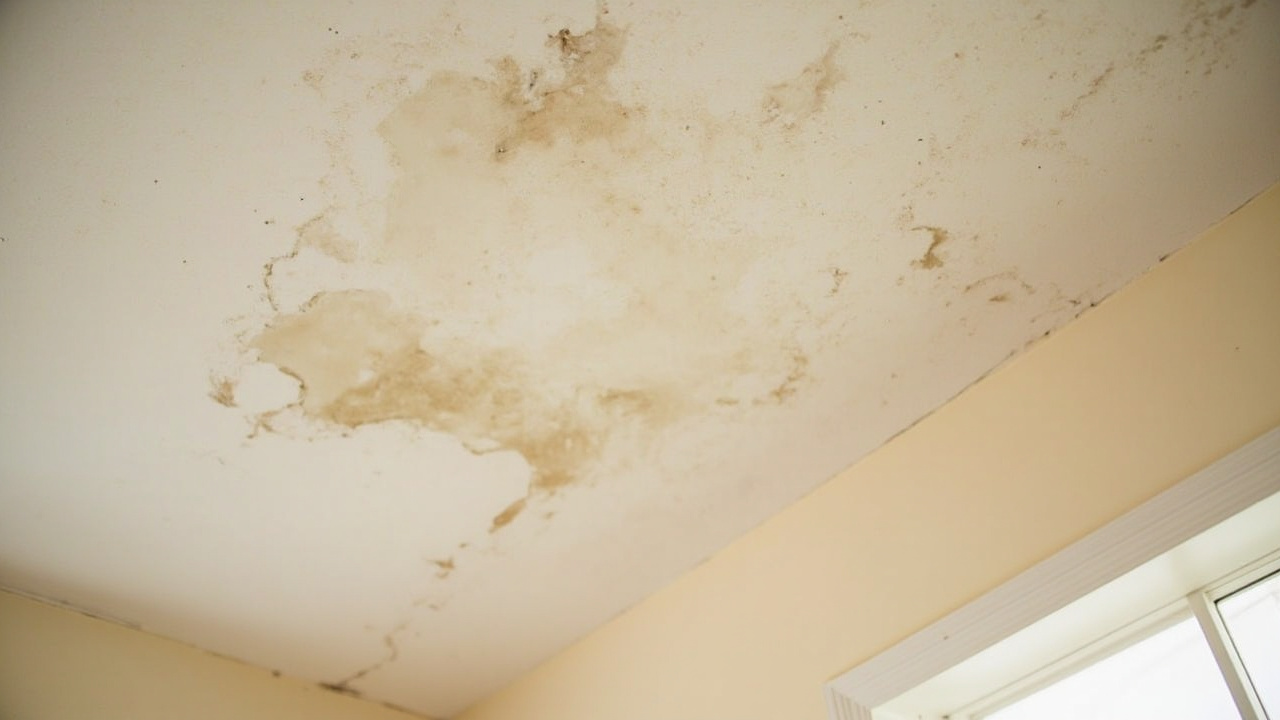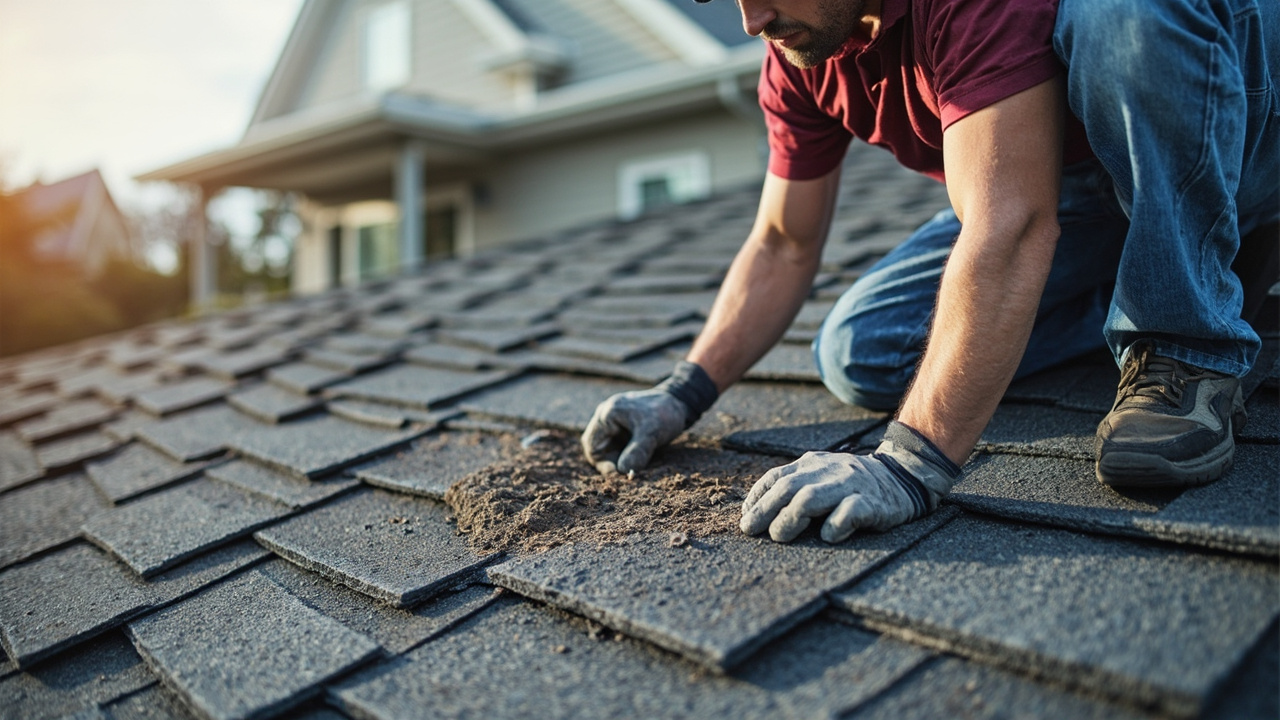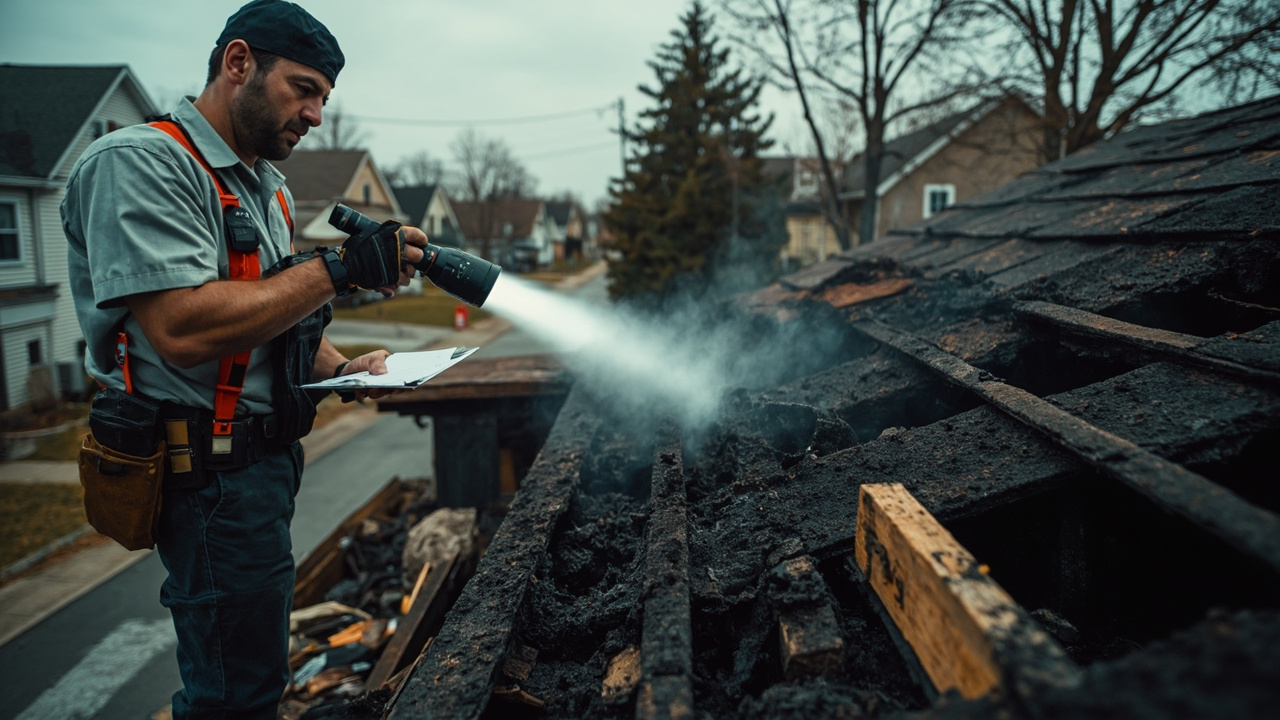
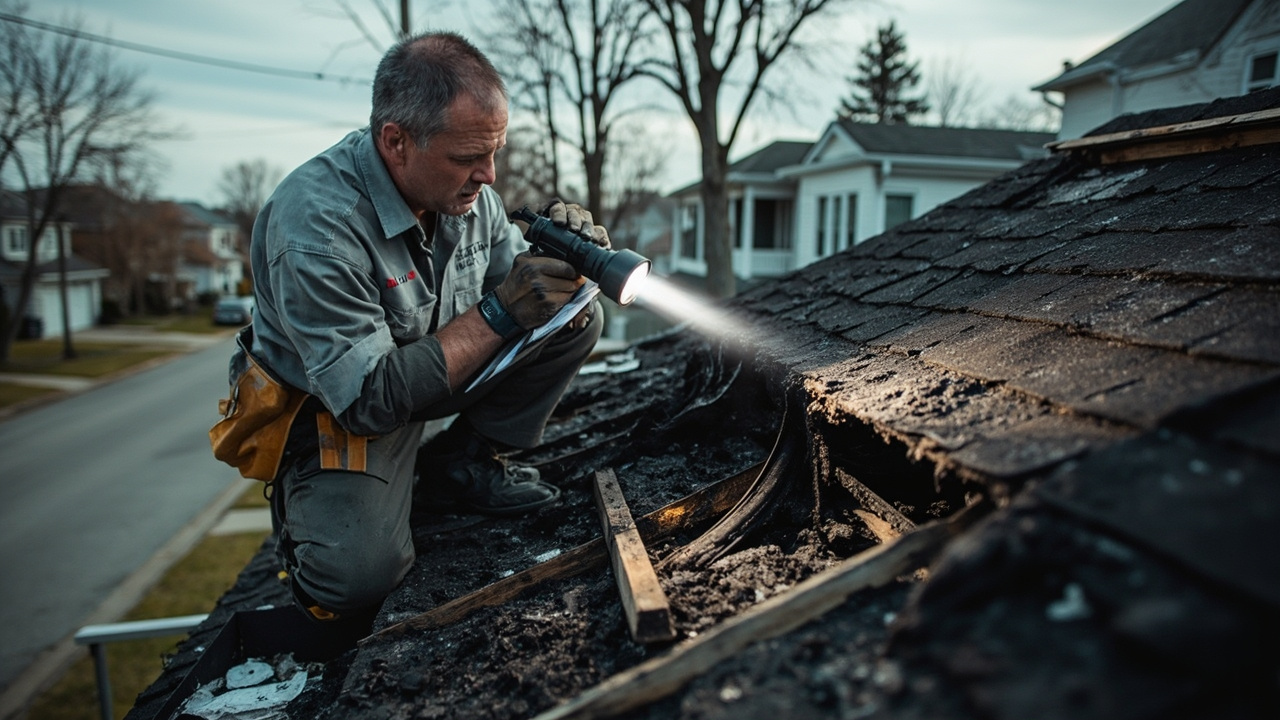

Cleveland's housing stock is old. The majority of homes in neighborhoods like Kamm's Corners, West Park, and Brooklyn Centre were built between 1920 and 1960. These homes feature dimensional lumber framing, wood sheathing, and layered roofing systems installed over decades. When fire strikes these structures, damage spreads through void spaces and old roof cavities in ways modern construction does not allow. A small fire in one section can travel through uninsulated attic spaces and compromise roofing materials 20 feet away. Smoke infiltrates porous wood sheathing, embedding contaminants deep into the structure. Cleveland's humidity then activates these contaminants, accelerating rot and material degradation. You cannot assess fire damage on these roofs with a ladder and a flashlight. You need invasive inspection techniques and an understanding of how older construction methods hide damage.
Cleveland roofing contractors who specialize in fire damage assessment understand local building code amendments that apply to fire-damaged structures. When you repair more than 50 percent of a roof section, current code may require ventilation upgrades, insulation improvements, and flashing system replacements even if those areas were not directly burned. Contractors unfamiliar with Cleveland's permitting process miss these requirements, leading to failed inspections and delayed occupancy. Alpha Roofing Cleveland works with the City of Cleveland Division of Building and Housing weekly. We know which inspectors cover which wards. We know how to document pre-existing conditions to avoid unnecessary upgrade costs. Local expertise means your fire damage assessment leads to an approvable, code-compliant repair plan the first time, not after three rounds of rejections and change orders.