menu

Water Stains on Ceiling in Cleveland – Expert Diagnosis and Permanent Repair

Cornerstone Water Damage Restoration Charlotte identifies the source of water stains on ceiling, yellow ceiling stains, and brown spots on ceiling, then fixes both the leak and the damage to prevent recurring problems.

Slider Image 1
Slider Image 2
Slider Image 3
Slider Image 4
Slider Image 5
Slider Image 7
Slider Image 8
Slider Image 9
Slider Image 10
Slider Image 11

Why Water Stains on Your Cleveland Ceiling Are More Serious Than They Look

You notice a yellow ceiling stain in the corner of your bedroom. It looks small. You tell yourself it will dry out. A week later, the brown spot on the ceiling has doubled in size, the drywall is soft to the touch, and you smell mildew.

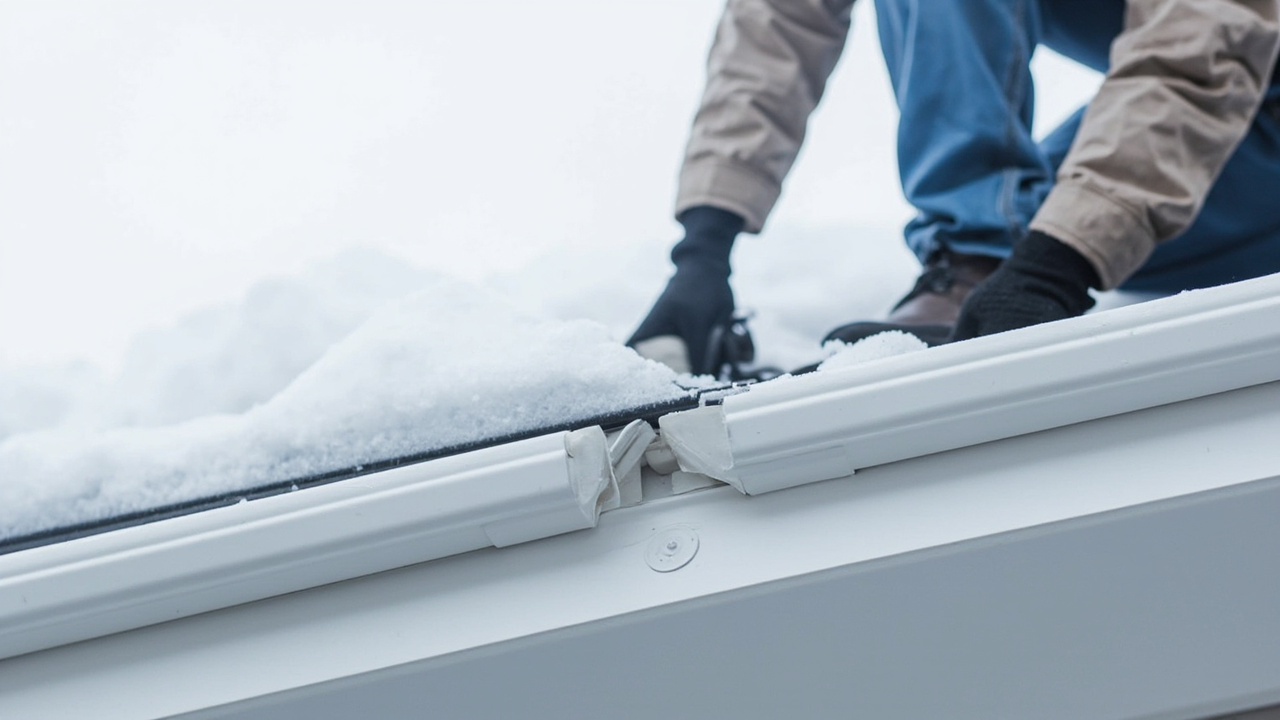
This is how ceiling water damage escalates in Cleveland homes. The freeze-thaw cycles we experience between November and March cause ice dams along roof edges, forcing snowmelt under shingles and into attic spaces. Summer storms with heavy downpours test aging flashing around chimneys and vent pipes. The result is ceiling water marks that seem minor but signal active leaks.

Ceiling discoloration is not cosmetic. It indicates water has already penetrated roofing layers, soaked through insulation, and saturated drywall. The longer water sits in these spaces, the more structural damage occurs. Wood framing absorbs moisture and begins to rot. Mold colonies establish in damp ceiling patches within 48 hours.

Cleveland's humidity compounds the problem. Even after a leak stops, trapped moisture in ceiling cavities does not dry quickly. The damp environment remains, allowing mold to spread and wood to continue degrading.

You cannot paint over water stains and call it fixed. The source of the leak must be identified and repaired. The damaged roofing materials must be replaced. The compromised ceiling must be remediated. Without addressing all three, the stain will return, and the damage will worsen.

If you see brown spots on your ceiling, yellow staining, or any ceiling discoloration, you are looking at evidence of an active or recent roof leak. The question is not whether to act. It is how quickly you can stop the damage from spreading.

Why Water Stains on Your Cleveland Ceiling Are More Serious Than They Look
How We Find and Fix the Leak Behind Your Ceiling Stains

How We Find and Fix the Leak Behind Your Ceiling Stains

Most homeowners assume the ceiling stain sits directly below the roof leak. This is rarely true. Water enters through compromised flashing or torn shingles, then travels along rafters, trusses, or sheathing before dripping onto drywall. The visible stain can be 10 feet from the actual entry point.

We start every inspection in the attic. We trace the water path backward from the stain to the source. We look for moisture trails on wood framing, wet insulation, and entry points where daylight penetrates the roof deck. We check valley flashing, which fails frequently in Cleveland due to debris accumulation and ice expansion. We inspect pipe boot seals, which crack from UV exposure and temperature swings.

Once we identify the entry point, we assess the extent of roof damage. A small flashing gap may require a simple reseal. A torn shingle might need a patch. A failed valley could demand complete reflashing and shingle replacement in that section. We do not guess. We remove the damaged materials and inspect the underlayment and decking for rot or delamination.

If the roof deck is compromised, we replace those sections with new plywood sheathing. We install fresh underlayment. We integrate new shingles to match your existing roof, ensuring proper overlap and nailing patterns per manufacturer specifications. We reseal all penetrations with high-grade flashing cement and replace any cracked or degraded flashing.

Inside, we remove water-damaged drywall and insulation. We treat exposed framing with antimicrobial solutions to kill mold spores. We allow the cavity to dry completely before installing new insulation and drywall. We prime stained areas with a shellac-based stain blocker to prevent bleed-through, then finish with texture-matched ceiling repair.

The goal is not to hide the problem. The goal is to eliminate the source, repair the damage, and restore your ceiling to pre-loss condition.

What Happens When You Call About Ceiling Water Stains

Water Stains on Ceiling in Cleveland – Expert Diagnosis and Permanent Repair
01

Attic and Roof Inspection

We access your attic to trace the water path from the ceiling stain to the roof penetration. We use moisture meters to detect hidden saturation in framing and insulation. We photograph the damage and map the leak source. We then inspect the exterior roof to confirm the entry point and assess shingle condition, flashing integrity, and underlayment exposure.
02

Source Repair and Replacement

We remove damaged shingles, flashing, or underlayment around the leak source. We replace any rotted roof decking with new plywood sheathing. We install new underlayment and integrate replacement shingles to match your existing roof. We reseal all penetrations and apply new flashing to chimneys, vents, and valleys. We perform a water test to confirm the repair holds before moving to interior work.
03

Ceiling Remediation and Restoration

We remove water-damaged drywall and wet insulation from the affected ceiling area. We treat exposed framing with antimicrobial solutions and allow the cavity to dry. We install new insulation and drywall, then apply stain-blocking primer to prevent bleed-through. We finish with texture matching and paint to restore your ceiling. The completed repair leaves no visible trace of the original damage.

Why Cleveland Homeowners Trust Us With Water Damage Ceiling Repairs

Ceiling water stains trigger panic. You need someone who understands Cleveland roofs, responds quickly, and fixes the problem correctly the first time.

We have diagnosed hundreds of roof leaks in Cleveland homes. We know the common failure points in the hip roofs common to Ohio City and Tremont. We recognize the flashing vulnerabilities in the steep gables found throughout Shaker Heights. We understand how ice dams form along north-facing roof planes during January cold snaps and how summer humidity prevents proper attic ventilation in older homes.

We do not send a salesperson to your home. We send a technician with roof repair experience. The person who inspects your ceiling is qualified to diagnose the leak, explain the repair scope, and provide an accurate cost estimate. You get answers immediately, not after a follow-up call from the office.

We work directly with your insurance company. We document the damage with photos and moisture readings. We provide detailed repair estimates that align with Xactimate pricing standards used by adjusters. We communicate with your claims representative to expedite approval. Our goal is to remove the administrative burden from you while ensuring you receive the coverage you are entitled to.

We do not subcontract roof repairs. Our crew handles the entire job, from shingle removal to ceiling restoration. This ensures quality control and accountability. If you have a question during the repair, you call us. If you notice an issue after completion, we return to address it.

Cleveland weather is unpredictable. We stock common roofing materials to avoid delays waiting for special orders. We schedule repairs based on forecast windows to ensure proper installation conditions. We understand you cannot wait two weeks for the next available slot when water is actively leaking into your home.

Your ceiling stain is evidence of a roof failure. We have the diagnostic skills, repair experience, and local knowledge to fix it correctly.

What You Can Expect From Our Ceiling Water Damage Service

Response Time and Availability

We schedule inspections within 24 to 48 hours of your call. If you have an active leak during a storm, we can provide emergency tarping to stop further water intrusion while we wait for weather to clear for permanent repairs. Most ceiling water stain repairs are completed within three to five business days from approval, depending on the extent of roof and interior damage. We coordinate roof work around weather forecasts to ensure proper sealing and curing conditions. Interior ceiling work can proceed regardless of outside temperature.

Inspection and Damage Assessment

The inspection includes attic access, moisture testing, roof exterior examination, and documentation of all damage. We trace the water path from the ceiling stain to the roof penetration. We assess insulation saturation, framing condition, and potential mold growth. We check for secondary leaks that may not yet show visible staining. You receive a written scope of work detailing all necessary repairs, including roof materials, underlayment replacement, decking repairs, insulation removal, drywall replacement, and finishing. We explain what we found, why the leak occurred, and what is required to prevent recurrence.

Quality of Completed Repair

Roof repairs are integrated to match existing shingle color, texture, and installation pattern. Flashing is installed to manufacturer specifications with proper overlap and sealant application. Interior ceiling repairs are texture-matched and primed with stain-blocking products to prevent discoloration from returning. The completed ceiling is indistinguishable from surrounding areas. We do not leave visible seams, color mismatches, or texture differences. All debris is removed from your property, and the work area is left clean. You receive documentation of materials used and repairs completed for your records and insurance claim.

Workmanship and Follow-Up

We stand behind our roof repairs and ceiling restoration work. If a repaired section leaks due to our installation error, we return to correct it at no charge. We provide follow-up contact after completion to ensure you are satisfied with the repair and to address any questions. We recommend scheduling a roof inspection after major storms to catch small issues before they become ceiling leaks. Preventive maintenance, including flashing checks and shingle replacement in worn areas, extends roof life and prevents future water damage. We provide maintenance reminders and are available for follow-up inspections as needed.

Frequently Asked Questions

You Have Questions,
We Have Answers

Is a water stain on a ceiling serious? +

Yes. A water stain signals active or past water intrusion. Even if the leak stopped, moisture can linger in ceiling materials and attic insulation, creating conditions for mold growth and structural rot. Cleveland homes face freeze-thaw cycles that worsen roof damage, making small leaks escalate fast. The stain itself is not the problem. The problem is the hidden water path. Ignore it and you risk ceiling collapse, electrical hazards, or mold spreading through drywall. Get the source inspected immediately, especially after heavy snow melt or ice dam season.

How do you get rid of water stains on the ceiling? +

First, fix the leak source. Never treat the stain without stopping the water. Once dry, scrape loose paint and apply a stain-blocking primer like oil-based Kilz or BIN shellac primer. Standard latex primer will not seal tannins or water marks. After priming, repaint with ceiling paint that matches your existing finish. If the stain bleeds through, you missed the source or did not prime correctly. Cleveland humidity can delay drying, so wait 48 hours minimum before painting. If drywall is soft or sagging, replacement is required.

Why do I have water spots on my ceiling but no leak? +

You likely have condensation buildup, not a roof leak. Poor attic ventilation traps warm air against cold sheathing during Cleveland winters, causing moisture to drip onto insulation and ceiling drywall. Bathroom exhaust fans venting into attics, not outdoors, also create phantom stains. HVAC duct leaks or frozen pipes in exterior walls can sweat and stain ceilings below. Check your attic insulation for dampness and ensure ridge vents or soffit vents are not blocked by snow or debris. Fix ventilation first, then monitor the stain for changes.

What does a water leak look like on a ceiling? +

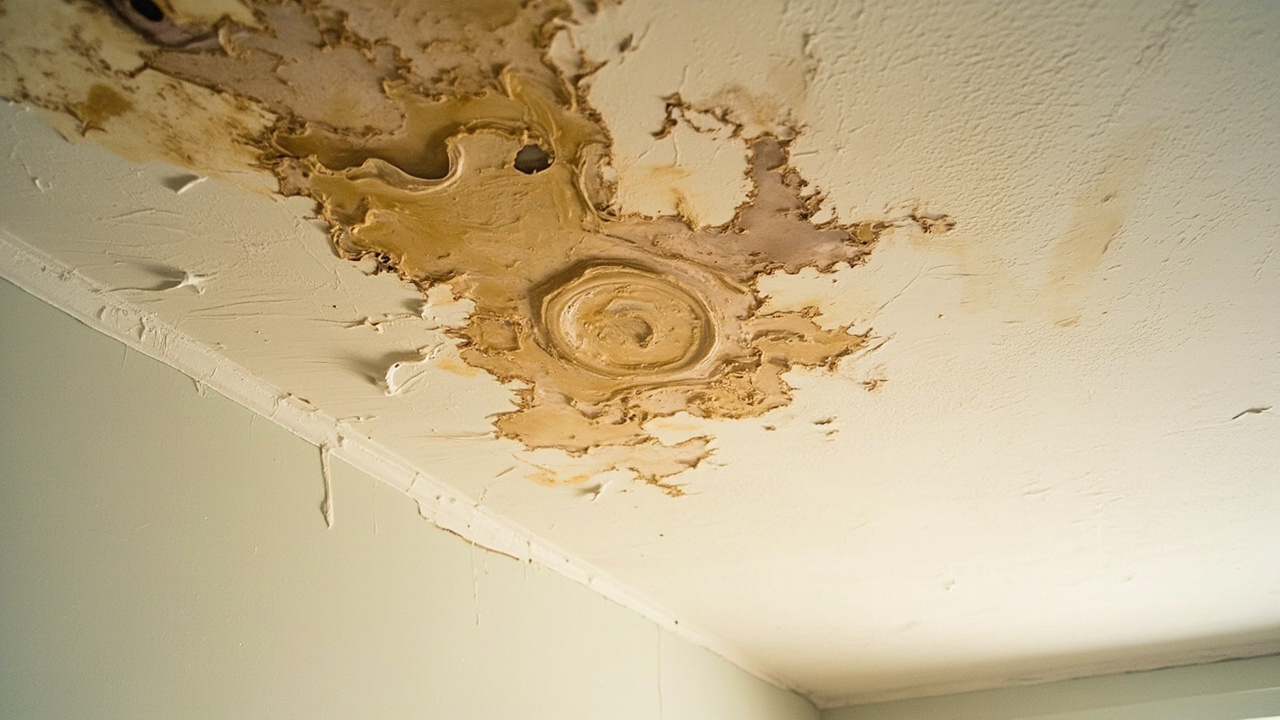
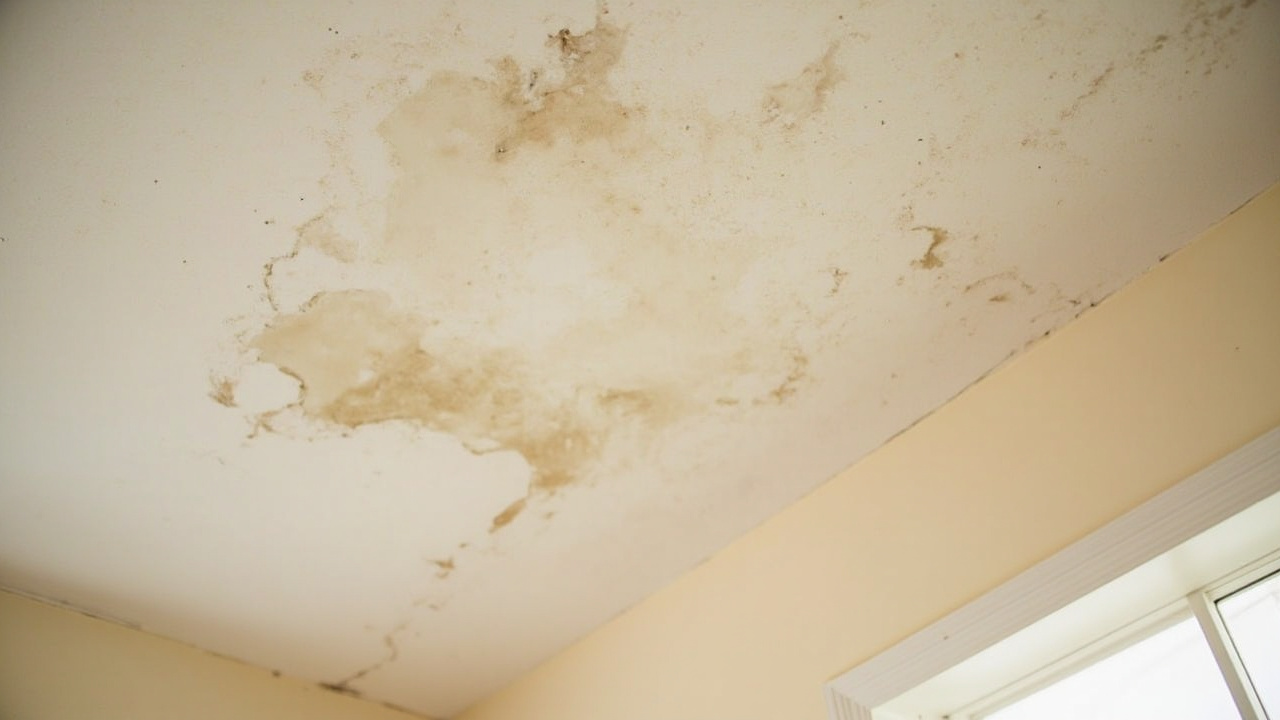
A fresh leak appears as a wet, darkened spot with a yellowish or brown ring. The ceiling may sag or feel soft to touch. Paint will bubble or peel around the edges. An older leak shows a dried brown or rust-colored stain with crisp edges and no moisture. If the stain grows after rain or snow melt, the leak is active. Cleveland homes with flat or low-slope roofs often show stains near parapet walls or roof valleys where water pools. Inspect during or right after precipitation for accuracy.

Should I call a plumber for a ceiling stain? +

It depends on the leak location. If the stain is near a bathroom, kitchen, or water heater, call a plumber to check supply lines, drain traps, or appliance connections. If the stain appears below an attic, exterior wall, or near a chimney, call a roofer first. Cleveland homes often have both plumbing and roof issues due to older infrastructure and harsh winters. A roofer can rule out flashing failures, ice dams, or shingle damage. If the roof checks clear, then escalate to a plumber. Do not guess.

Can I just paint over a water stained ceiling? +

No. Paint will not stop the stain from reappearing. Water-soluble tannins and minerals in drywall or plaster will bleed through latex paint within weeks. Worse, painting over an active leak traps moisture, accelerating mold growth and drywall deterioration. You must identify and repair the leak source first. Then apply a stain-blocking primer before painting. Skipping this step wastes time and money. Cleveland humidity makes bleed-through worse. If you paint without fixing the cause, expect the stain to return darker and larger after the next rain.

How much does it cost to fix a wet spot in a ceiling? +

Repair costs vary by leak source and damage extent. Simple drywall patching after fixing a minor roof leak runs a few hundred dollars. If ceiling joists are rotted, insulation is soaked, or mold remediation is needed, costs jump into the thousands. Cleveland contractors charge more during winter when ice dam damage peaks. Roof repairs for flashing or shingle replacement add separate costs. Always get a diagnostic inspection first to avoid paying for cosmetic fixes while the real problem persists. Do not price shop on stain removal alone.

Why does a ceiling water stain turn brown? +

Brown stains form when water dissolves tannins, dirt, and minerals from roofing materials, attic dust, or aged drywall. As water evaporates, these particles remain and oxidize, turning yellow or rust brown. Older Cleveland homes with plaster ceilings stain darker due to higher mineral content. If the stain smells musty or turns black, mold is growing inside the ceiling cavity. Brown does not always mean mold, but it confirms prolonged moisture exposure. Test the stain area with a moisture meter before cosmetic repair.

What are the common signs of a roof leak? +

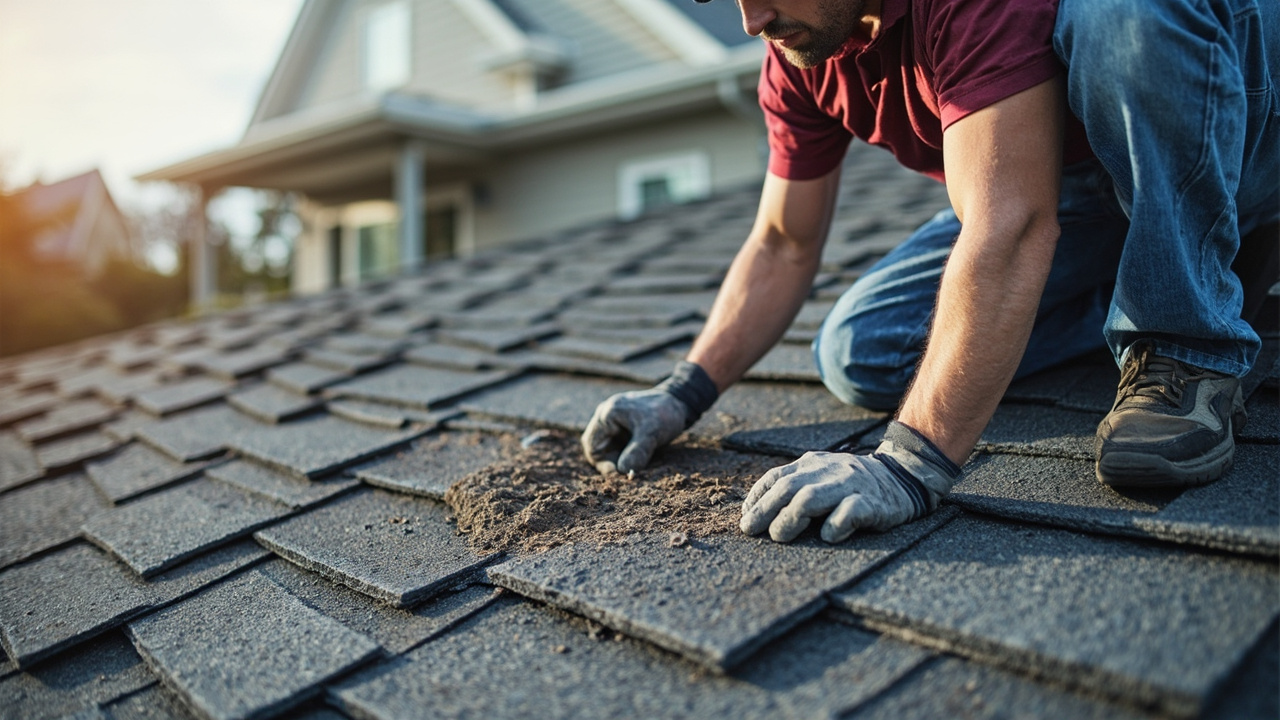
Look for water stains on ceilings or walls, missing or curled shingles, granules in gutters, and daylight visible through attic sheathing. Cleveland homes should check for ice dam damage along eaves after winter. Flashing around chimneys, skylights, and vent pipes often fails first. Interior signs include peeling paint, sagging drywall, or mold spots near exterior walls. Attic insulation may appear matted or discolored. Inspect after heavy rain or snow melt. Catching leaks early prevents structural damage and costly emergency repairs during storm season.

Do water stains always mean mold? +

Not always, but the risk is high. Mold grows when moisture stays trapped for 24 to 48 hours. Drywall, insulation, and wood framing provide food for spores. Cleveland humidity accelerates growth, especially in poorly ventilated attics. A single water stain does not guarantee mold, but if the leak went unnoticed for weeks or the ceiling stayed damp, mold is likely. Musty odors, black spots, or respiratory irritation confirm presence. Test hidden areas behind drywall with a moisture meter or hire a mold inspector before covering stains.

How Cleveland's Freeze-Thaw Cycles Create Hidden Ceiling Water Damage

Cleveland experiences an average of 60 freeze-thaw cycles each winter. Daytime temperatures climb above freezing, melting snow and ice on your roof. Nighttime temperatures drop below 32 degrees, refreezing that water. This expansion and contraction cycle forces water under shingles, cracks flashing seals, and opens gaps around roof penetrations. Ice dams form along eaves when heat from your attic melts snow on the upper roof. The meltwater runs down and refreezes at the cold overhang, creating a barrier that forces water under shingles and into your attic. The ceiling water marks you see in February often originated from ice dam damage in January. The stain appears weeks after the actual leak because water slowly migrates through insulation before saturating drywall enough to discolor the ceiling surface.

Cleveland building codes require proper attic ventilation and ice barrier underlayment in vulnerable areas, but many older homes were built before these requirements existed. We understand the construction methods used in Cleveland homes from different eras. We know where to look for inadequate ventilation, missing ice barriers, and outdated flashing techniques. Our familiarity with local roof styles, common failure points, and climate-specific challenges allows us to diagnose ceiling water stains quickly and accurately. We do not waste time chasing symptoms. We identify the root cause, whether it is failed flashing, inadequate ventilation, or storm damage, and we implement repairs that address Cleveland's specific weather patterns and building characteristics.
Roofing Services in The Cleveland Area

We are proud to serve the entire Cleveland area and the surrounding communities. Our centrally located office allows us to respond quickly to your needs, whether you require a repair, a full roof installation, or an emergency service. We invite you to view our service area on the map to see how we can assist you. Our team is always ready to provide expert solutions right where you are.

Address:
Alpha Roofing Cleveland, 2401 Superior Viaduct, Cleveland, OH, 44113

Additional Services We Offer

Our news updates

Latest Articles & News from The Blogs

Why Moreland Hills homeowners are choosing high-end composite over traditional slate Moreland Hills estates have long featured the prestige of…

Why more Moreland Hills homeowners are choosing high-end composite over traditional slate

Why Moreland Hills homeowners are choosing high-end composite over traditional slate Moreland Hills estates have long featured the prestige of…

How to stop local wildlife from nesting under the shingles of your Mayfield Heights home

Understanding the Wildlife Problem in Mayfield Heights Mayfield Heights sits in a unique geographic location where suburban development meets mature…

Picking a roof color that highlights the historic charm of your University Heights home

Picking a roof color that highlights the historic charm of your University Heights home The right roof color can transform…

Contact Us

Ceiling water stains indicate active roof damage. The longer you wait, the more expensive the repair becomes. Call Cornerstone Water Damage Restoration Charlotte at (216) 547-1300 to schedule an inspection. We will find the source, explain the repair, and restore your ceiling.