menu

PVC Roof Installation in Cleveland – Minimize Downtime with Industrial-Grade Membrane Systems

Commercial polyvinyl chloride roof installation designed for business continuity. Our PVC roofing system installation meets Cleveland building codes and delivers long-term performance for warehouses, retail centers, and industrial facilities across Cuyahoga County.

Slider Image 1
Slider Image 2
Slider Image 3
Slider Image 4
Slider Image 5
Slider Image 7
Slider Image 8
Slider Image 9
Slider Image 10
Slider Image 11

Why Cleveland Commercial Buildings Demand PVC Membrane Systems

Cleveland's industrial and commercial districts face unique roofing challenges. The freeze-thaw cycles common to Northeast Ohio cause conventional roofing materials to crack and fail. When temperatures swing from 15°F in January to 85°F in July, thermal expansion stresses traditional flat roof systems. Add in heavy snow loads and ice dam formation, and you have a recipe for membrane failure.

Commercial PVC roofing installation solves these problems. Polyvinyl chloride membranes withstand temperature extremes without brittleness or warping. The heat-welded seams create a monolithic barrier against water infiltration, which is critical when Cleveland receives 39 inches of precipitation annually. Unlike EPDM or modified bitumen, PVC membrane installation resists ponding water, a common issue on low-slope commercial roofs throughout the Flats and warehouse districts near I-77.

Business owners in Cleveland cannot afford extended roof downtime. A failed roof disrupts operations, threatens inventory, and creates liability exposure. PVC roofing system installation minimizes these risks. The material installs quickly, reducing the time your building is exposed. A properly installed PVC flat roof installation delivers 20-plus years of service life with minimal maintenance, which means predictable operating costs and fewer emergency repairs.

The reflective white surface of PVC reduces cooling loads during Cleveland's humid summers. This lowers HVAC costs and can contribute to LEED certification for commercial properties in downtown Cleveland or University Circle. When you factor in long-term durability and energy efficiency, PVC membrane installation becomes the financially responsible choice for commercial property managers and facility directors.

Why Cleveland Commercial Buildings Demand PVC Membrane Systems
Our Commercial-Grade PVC Installation Process

Our Commercial-Grade PVC Installation Process

Commercial PVC roofing installation requires precision and industry-specific expertise. We begin with a comprehensive roof assessment that includes infrared moisture scanning to identify hidden wet insulation. Wet insulation under your existing roof membrane compromises R-value and accelerates deck deterioration. We map moisture zones and provide a detailed scope of deck repairs before installation begins.

Substrate preparation determines PVC system longevity. We remove existing roofing materials down to the structural deck, then inspect for rust, rot, or structural deficiencies. If your building has a steel deck common to Cleveland industrial construction, we verify panel attachment and replace corroded fasteners. For concrete decks typical in downtown commercial buildings, we check for spalling and apply leveling compounds to eliminate ponding areas.

Our PVC membrane installation uses mechanically attached or fully adhered systems, depending on your building's wind exposure and deck type. Mechanically attached systems use specialized plates and screws at precise spacing intervals to meet Cleveland's wind uplift requirements. Fully adhered systems use bonding adhesive for maximum wind resistance on high-rise buildings or exposed rooftop locations near Lake Erie.

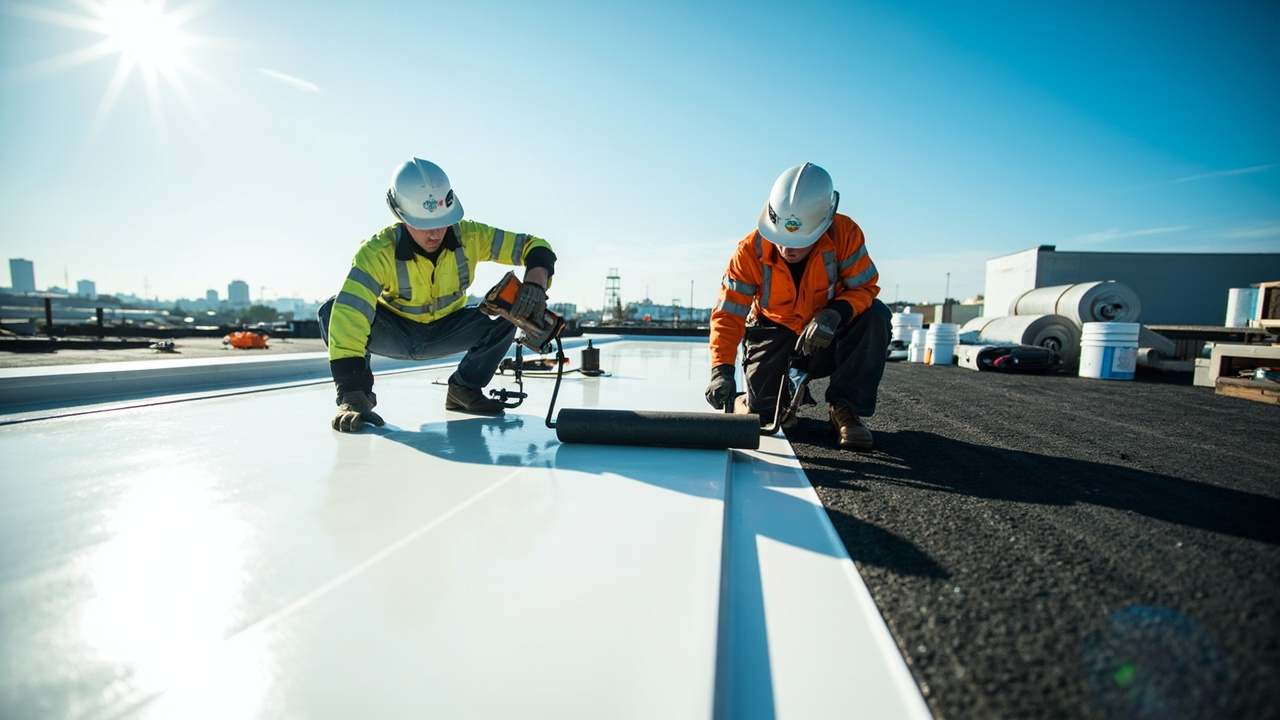
Seam integrity separates professional PVC roofing system installation from substandard work. We use hot-air welding equipment calibrated to manufacturer specifications. Every seam receives a minimum 1.5-inch overlap and dual-pass welding to create watertight bonds stronger than the membrane itself. Our technicians probe each seam with a blunt tool to verify weld quality before moving to the next section.

Flashing details around HVAC curbs, penetrations, and parapet walls receive the same attention. We fabricate custom PVC flashings on-site and heat-weld them to the field membrane, eliminating the caulk joints that fail within five years on inferior installations.

What Happens During Your Commercial PVC Installation

PVC Roof Installation in Cleveland – Minimize Downtime with Industrial-Grade Membrane Systems
01

Pre-Installation Assessment and Scheduling

We conduct a detailed site survey and core sampling to assess deck conditions and insulation moisture content. Our project manager coordinates with your operations team to schedule installation during low-activity periods. You receive a written project timeline, crew size, and daily progress benchmarks. We arrange material deliveries to minimize ground-level disruption and secure staging areas that do not interfere with customer access or loading docks.
02

Tear-Off and Deck Preparation

Existing roofing materials are removed in controlled sections to maintain building weatherproofing. We install temporary tarps if rain threatens during tear-off. Deck repairs happen immediately after exposure. Wet insulation is removed and replaced with code-compliant polyisocyanurate board. We install a minimum two layers of insulation with staggered joints to eliminate thermal bridging and meet Cleveland energy code requirements for commercial buildings.
03

Membrane Installation and Quality Verification

PVC membrane rolls are positioned and mechanically fastened or adhered per engineered specifications. Seams are heat-welded and probed for continuity. Flashing details are fabricated and installed with reinforced corners at stress points. The completed installation undergoes flood testing at drains and a final walkthrough with your facility manager. You receive as-built drawings, warranty documentation, and a maintenance protocol specific to your PVC roofing system installation.

Why Cleveland Facility Managers Choose Experienced PVC Installers

Commercial PVC membrane installation is not a service you can trust to general contractors. The material requires specialized training, factory-certified installation techniques, and an understanding of Cleveland's building code requirements. Alpha Roofing Cleveland brings two decades of experience to commercial polyvinyl chloride roof installation across Cuyahoga County and surrounding municipalities.

We understand Northeast Ohio's climate and how it affects commercial roofing performance. Our crews have installed PVC systems on manufacturing facilities in Parma, distribution centers near Cleveland Hopkins International Airport, and retail centers throughout the eastern suburbs. This local knowledge informs our substrate preparation, insulation selection, and wind uplift calculations.

Cleveland's building department requires permits and inspections for commercial re-roofing projects. We handle all permitting, coordinate inspections, and ensure your installation meets Ohio Building Code Chapter 15 requirements. Our project documentation includes engineer-stamped drawings when needed for historic buildings in Cleveland's Warehouse District or structures requiring structural load analysis.

Material selection matters. We install PVC membranes from manufacturers with proven performance records in cold climates. The membranes we specify maintain flexibility at subzero temperatures and resist UV degradation from Cleveland's 2,100 annual hours of sunshine. This attention to material quality extends service life and reduces the total cost of ownership for your commercial property.

Business continuity drives our scheduling and execution. We know a warehouse cannot shut down for three weeks while a roof is replaced. Our crews work in phases to maintain operational access. We coordinate with your security team, follow site-specific safety protocols, and communicate daily progress to stakeholders. This level of project management separates professional commercial contractors from residential roofers attempting commercial work.

What Your PVC Installation Includes

Project Timeline and Scheduling Flexibility

Commercial PVC roofing system installation timelines depend on building size, deck condition, and weather windows. A 20,000-square-foot warehouse typically requires seven to ten working days from tear-off to completion. We provide a detailed schedule with daily milestones before work begins. Our crews arrive on time and work efficiently to minimize disruption. If weather delays occur, we communicate revised timelines immediately and adjust crew size to recover schedule when conditions improve. Evening and weekend installation options are available for facilities that cannot accommodate daytime construction activity.

Comprehensive Roof and Structural Assessment

Our assessment goes beyond visual inspection. We use infrared thermography to map moisture in existing insulation and identify deck deterioration not visible from the surface. Core samples confirm insulation type, thickness, and R-value. We evaluate structural deck capacity to ensure it can support new insulation and membrane weight plus code-required snow loads for Cleveland. You receive a written report detailing findings, recommended repairs, and installation specifications. This diagnostic process prevents surprises during tear-off and ensures accurate project budgeting before contracts are signed.

Engineered Performance and Code Compliance

Your completed PVC flat roof installation meets or exceeds manufacturer specifications and local building code requirements. Heat-welded seams provide watertight integrity stronger than the membrane itself. Mechanically attached systems include engineered fastener spacing to withstand wind uplift forces calculated for your building height and Cleveland's wind zone. Insulation layers meet Ohio energy code R-value minimums for commercial structures. All penetration flashings, edge details, and drainage components are installed per NRCA standards. The result is a roof system designed for decades of performance with minimal maintenance requirements.

Manufacturer Warranties and Maintenance Planning

PVC membrane manufacturers offer warranties ranging from 15 to 30 years when installations meet their standards. We provide factory-certified installation to qualify your roof for these warranties. You receive all warranty documentation, including coverage terms and required maintenance protocols. We offer annual inspection and maintenance programs to extend roof life and maintain warranty compliance. These inspections identify minor issues before they become expensive problems. Regular maintenance includes drain cleaning, seam inspection, and minor flashing repairs. Scheduled maintenance costs are predictable and far less expensive than emergency repairs or premature replacement.

Frequently Asked Questions

You Have Questions,
We Have Answers

How is a PVC roof installed? +

PVC roof installation begins with substrate inspection and repair. Crews remove existing roofing down to the deck if needed. They install insulation boards, then mechanically fasten or fully adhere a base sheet. PVC membrane sheets are rolled out, positioned, and heat-welded together using hot air equipment. All seams are welded, creating watertight bonds. Flashing details around penetrations, edges, and drains receive reinforced PVC components. Cleveland's freeze-thaw cycles demand precise welding technique to prevent separation. Final inspection includes probing seams and confirming proper drainage slope. Installation typically completes in days, minimizing business disruption.

What are the disadvantages of PVC roofing? +

PVC roofing carries higher upfront material costs compared to TPO or EPDM. The membrane requires specialized welding equipment and trained installers, which limits contractor availability in Cleveland. PVC becomes brittle in extreme cold if formulated poorly, though modern formulations resist this. The white surface shows dirt accumulation over time, requiring periodic cleaning on commercial properties. Seam failures occur if welding technique is rushed or improper. PVC also offers less puncture resistance than reinforced modified bitumen. For Cleveland facilities with heavy rooftop equipment traffic, additional walkway pads become necessary to prevent damage and maintain warranty coverage.

How much does it cost to install a PVC roof? +

PVC roof installation costs are project-specific and depend on building size, deck condition, insulation requirements, and complexity. Material expenses run higher than TPO but lower than metal systems. Cleveland's competitive commercial roofing market offers varied pricing. Expect costs to increase with tear-off requirements, multiple penetrations, or extensive flashing details. Insulation upgrades for energy code compliance add expense but deliver long-term savings. Multi-story buildings require additional safety equipment and staging. Request detailed proposals from multiple contractors. Compare scope line-by-line rather than bottom-line numbers alone. Factor in energy savings and lifespan when calculating return on investment.

How long will a PVC roof last? +

PVC roofing lasts 20 to 30 years when installed correctly and maintained properly. Cleveland's weather patterns, including UV exposure, freeze-thaw cycling, and ice dam formation, affect longevity. Heat-welded seams outlast adhesive-bonded systems in harsh climates. Facilities with minimal foot traffic and regular inspections see extended service life. Poor installation technique shortens lifespan significantly, particularly if seams fail or ponding water accumulates. Timely repairs of punctures or damaged flashing prevent premature deterioration. Annual inspections catch small issues before they cascade into costly failures. Energy-efficient white membranes resist thermal degradation better than darker materials in summer heat.

Does PVC need primer or just glue? +

PVC roofing membrane seams require heat welding, not primer or glue. Installers use hot air welding equipment to melt adjacent membrane edges together, creating a molecular bond stronger than the sheet itself. This differs entirely from PVC plumbing pipe installation. Primer and solvent cement are never used on roofing membrane. Some detail work uses specialized PVC bonding adhesive for inside corners or complex flashing, but field seams are always welded. Cleveland contractors must maintain proper welding temperature despite cold weather conditions. Improperly welded seams cause the majority of PVC roof failures. Quality control includes destructive seam testing during installation.

How much should a 2000 sq ft roof cost? +

A 2000 square foot commercial roof cost depends on system type, existing conditions, and project complexity. This calculation oversimplifies commercial roofing decisions. Focus instead on cost per square foot after factoring in tear-off, insulation, flashing complexity, and warranty requirements. Cleveland building codes may mandate specific insulation R-values that affect pricing. Facility operations determine acceptable installation timelines and phasing needs. A distribution center roof differs vastly from a restaurant roof in complexity and cost. Request proposals based on building-specific requirements rather than square footage alone. Total cost of ownership over 20 years matters more than installation expense.

What is better, PVC or polycarbonate roof? +

PVC membrane roofing and polycarbonate panels serve different commercial applications. PVC single-ply membrane creates waterproof barriers on low-slope commercial roofs. Polycarbonate panels are used for skylight systems, canopies, or greenhouse structures where light transmission matters. For Cleveland commercial buildings needing weather protection and insulation, PVC membrane is the appropriate choice. Polycarbonate offers poor insulation value and requires different structural support. The comparison is functionally irrelevant for flat or low-slope roof replacement projects. Choose roofing systems based on building use, slope, structural capacity, and energy requirements rather than material name similarities.

Does PVC get brittle with age? +

Modern PVC roofing membranes resist embrittlement through advanced plasticizer formulations. Early PVC products did become brittle as plasticizers migrated out over time. Current manufacturing standards produce stable membranes that maintain flexibility through Cleveland's temperature extremes. Quality PVC roofing contains non-migratory plasticizers that remain chemically bonded. Cheaper formulations or off-brand products may still experience plasticizer loss and cracking. Membrane samples from aged installations can be tested for flexibility retention. UV stabilizers in the formulation prevent surface degradation from sun exposure. Proper material selection from established manufacturers eliminates brittleness concerns for the expected 20 to 30 year service life.

What are the cons of PVC? +

PVC roofing disadvantages include higher material cost, installation complexity requiring specialized equipment, and limited contractor availability in some markets. The membrane shows lower puncture resistance than modified bitumen, making it vulnerable to damage from rooftop equipment or foot traffic. White surfaces require periodic cleaning to maintain appearance on visible roofs. Cleveland's winter temperatures demand careful installation timing and technique to ensure proper seam welding. PVC also carries environmental concerns regarding production and disposal compared to thermoplastic alternatives. Seam failures from poor workmanship occur more frequently than with mechanically fastened systems. Chemical exposure from grease or certain solvents can degrade the membrane.

How Cleveland's Freeze-Thaw Cycles Make PVC Roofing the Smart Investment

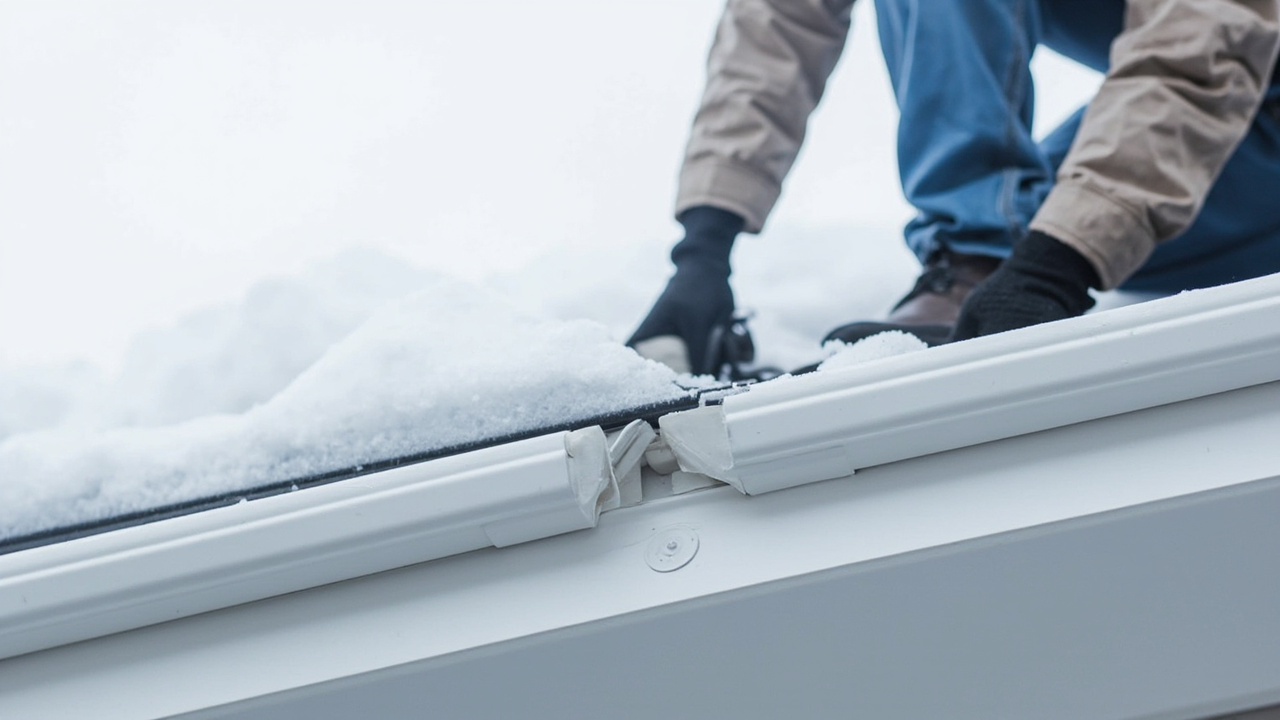
Cleveland experiences an average of 120 freeze-thaw cycles each year between November and March. This constant expansion and contraction destroys conventional roofing materials. Water infiltrates small cracks, freezes, expands, and widens the damage. Single-ply membranes like EPDM become brittle in subzero temperatures and crack at seams. Modified bitumen systems lose elasticity and split along granule surfaces. PVC membrane installation solves this problem. Polyvinyl chloride remains flexible at temperatures down to negative 40°F and rebounds after freeze-thaw events without structural damage. The heat-welded seams do not rely on adhesives that fail in cold weather. This durability makes PVC roofing system installation the proven choice for Cleveland's climate extremes.

Cleveland's commercial building stock includes structures built during the city's industrial expansion from 1920 to 1970. These buildings have steel decks, minimal insulation, and roof systems that have been patched repeatedly over decades. Local building officials require comprehensive upgrades when existing roofs are replaced. Alpha Roofing Cleveland understands these requirements. We navigate Cleveland's permitting process, coordinate inspections with city building departments, and ensure installations meet current energy codes without delaying your project. Our relationships with local inspectors and knowledge of Cuyahoga County regulations prevent costly delays and rework that occur when out-of-town contractors attempt commercial projects in Cleveland.
Roofing Services in The Cleveland Area

We are proud to serve the entire Cleveland area and the surrounding communities. Our centrally located office allows us to respond quickly to your needs, whether you require a repair, a full roof installation, or an emergency service. We invite you to view our service area on the map to see how we can assist you. Our team is always ready to provide expert solutions right where you are.

Address:
Alpha Roofing Cleveland, 2401 Superior Viaduct, Cleveland, OH, 44113

Additional Services We Offer

Our news updates

Latest Articles & News from The Blogs

Why Moreland Hills homeowners are choosing high-end composite over traditional slate Moreland Hills estates have long featured the prestige of…

Why more Moreland Hills homeowners are choosing high-end composite over traditional slate

Why Moreland Hills homeowners are choosing high-end composite over traditional slate Moreland Hills estates have long featured the prestige of…

How to stop local wildlife from nesting under the shingles of your Mayfield Heights home

Understanding the Wildlife Problem in Mayfield Heights Mayfield Heights sits in a unique geographic location where suburban development meets mature…

Picking a roof color that highlights the historic charm of your University Heights home

Picking a roof color that highlights the historic charm of your University Heights home The right roof color can transform…

Contact Us

Your commercial roof is too important for trial and error. Get a professional assessment and detailed installation proposal from Cleveland's PVC roofing specialists. Call Alpha Roofing Cleveland at (216) 547-1300 to schedule your facility evaluation. We provide transparent pricing, engineered solutions, and installation timelines that respect your business operations.