menu

TPO Roofing Installation in Cleveland – Minimize Downtime with Industrial-Grade Single-Ply Systems

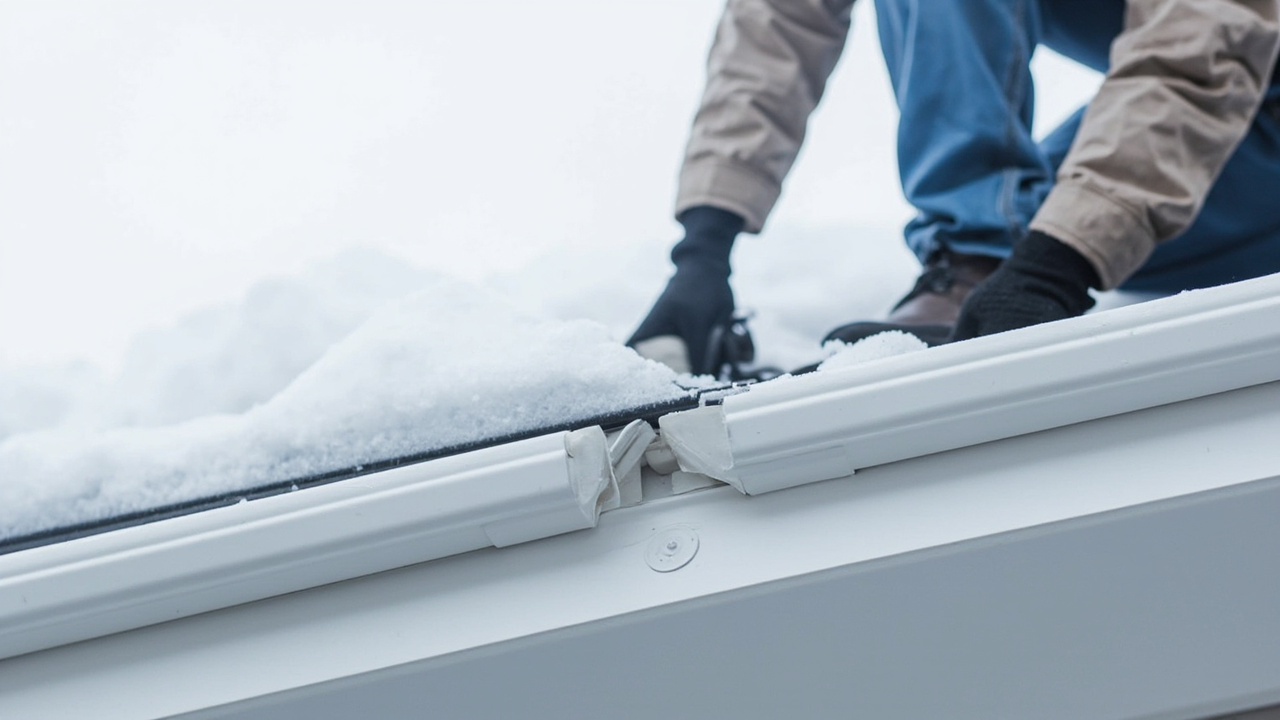
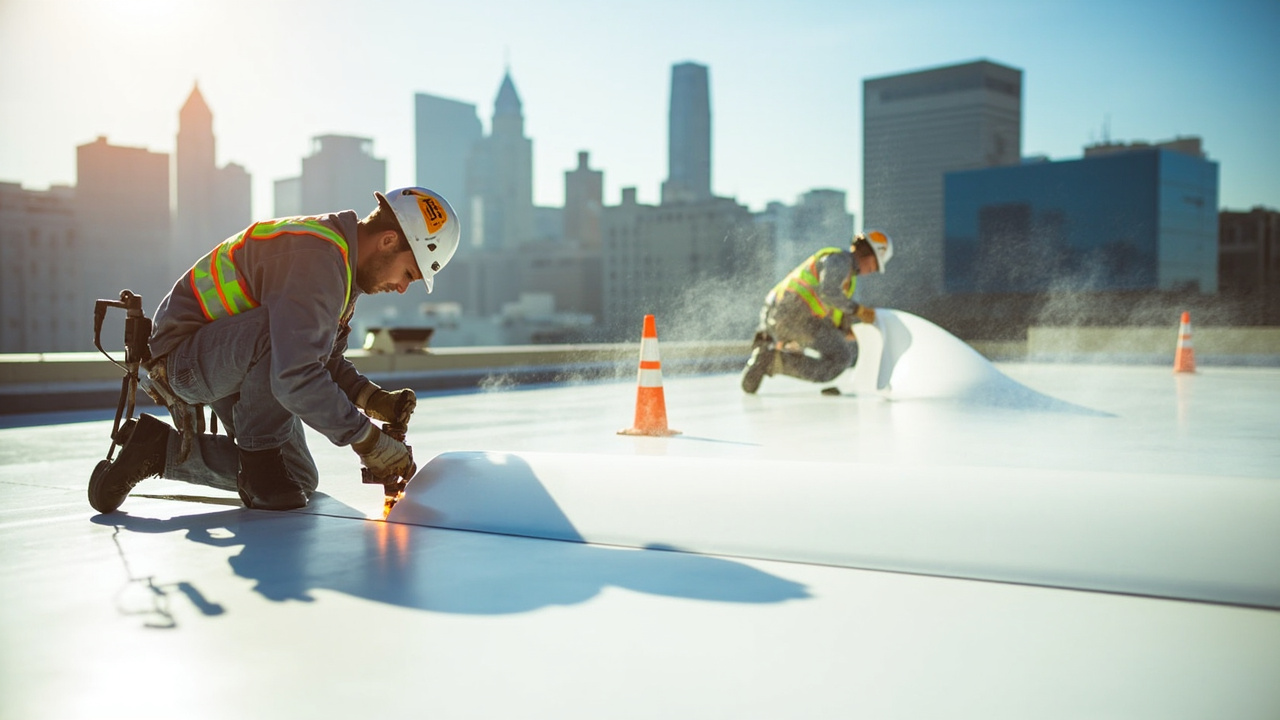
Alpha Roofing Cleveland delivers commercial TPO membrane roofing designed for business continuity, using heat-welded seams and advanced flashing protocols that meet Ohio's stringent commercial building codes and withstand the region's freeze-thaw cycles.

Slider Image 1
Slider Image 2
Slider Image 3
Slider Image 4
Slider Image 5
Slider Image 7
Slider Image 8
Slider Image 9
Slider Image 10
Slider Image 11

Why Cleveland's Climate Demands Resilient Commercial TPO Roof Systems

Cleveland's commercial buildings face relentless weather extremes. Winter temperatures drop below freezing for weeks, creating ice dams and membrane stress. Spring brings rapid thaw cycles that test seam integrity. Summer heat can push rooftop temperatures past 160 degrees, accelerating material degradation on poorly specified systems.

Your flat roof is not a cosmetic feature. It protects inventory, equipment, and operations. A failure during business hours means water intrusion, potential inventory loss, and costly emergency shutdowns. Traditional built-up roofing requires hot tar application and multiple days of downtime. Modified bitumen systems demand open flame torches that trigger insurance complications and fire marshal scrutiny.

Thermoplastic Polyolefin installation solves these problems. TPO membrane roofing is a single-ply system that installs faster, resists ponding water, and reflects UV radiation to reduce cooling costs. Commercial TPO roof systems use heat-welded seams that create watertight bonds stronger than the membrane itself. No adhesives that fail in cold weather. No torches that halt operations.

The Cuyahoga Valley's humidity accelerates mold growth in saturated insulation. A compromised roof deck becomes a liability issue. TPO flat roof installation includes proper drainage design and insulation vapor barriers that prevent moisture infiltration. Facilities in the Flats and near Lake Erie face additional wind uplift requirements. Single-ply TPO roofing meets Ohio Building Code wind load specifications for Zone 3 applications without adding excessive dead load to aging structural frames.

You need a system that performs when installed correctly. You need a contractor who understands local compliance requirements and delivers on schedule.

Why Cleveland's Climate Demands Resilient Commercial TPO Roof Systems
How Alpha Roofing Cleveland Delivers Commercial-Grade TPO Membrane Installations

How Alpha Roofing Cleveland Delivers Commercial-Grade TPO Membrane Installations

We do not treat commercial TPO roofing as a residential project scaled up. The approach is different. The stakes are higher. Business continuity depends on precision, not speed.

Our process begins with a structural load analysis. We calculate existing dead load, verify deck attachment capacity, and confirm the building can support new insulation layers without exceeding design limits. Many Cleveland commercial buildings were constructed in the 1960s and 1970s with steel bar joists spaced at 10 feet on center. These structures require specific fastener patterns and insulation densities to meet current code without triggering costly reinforcement work.

We specify TPO membrane thickness based on your operational profile. High-traffic rooftops with HVAC technician access require 80-mil membranes. Standard applications use 60-mil. We do not cut corners with 45-mil residential-grade material on commercial projects.

Flashing details determine system longevity. Penetrations for exhaust fans, plumbing vents, and HVAC curbs are the primary failure points. We use prefabricated pipe boots, mechanically fastened counterflashing, and double-welded seams at all terminations. Parapet walls receive a continuous cleat system with compression bars to prevent wind-driven rain infiltration.

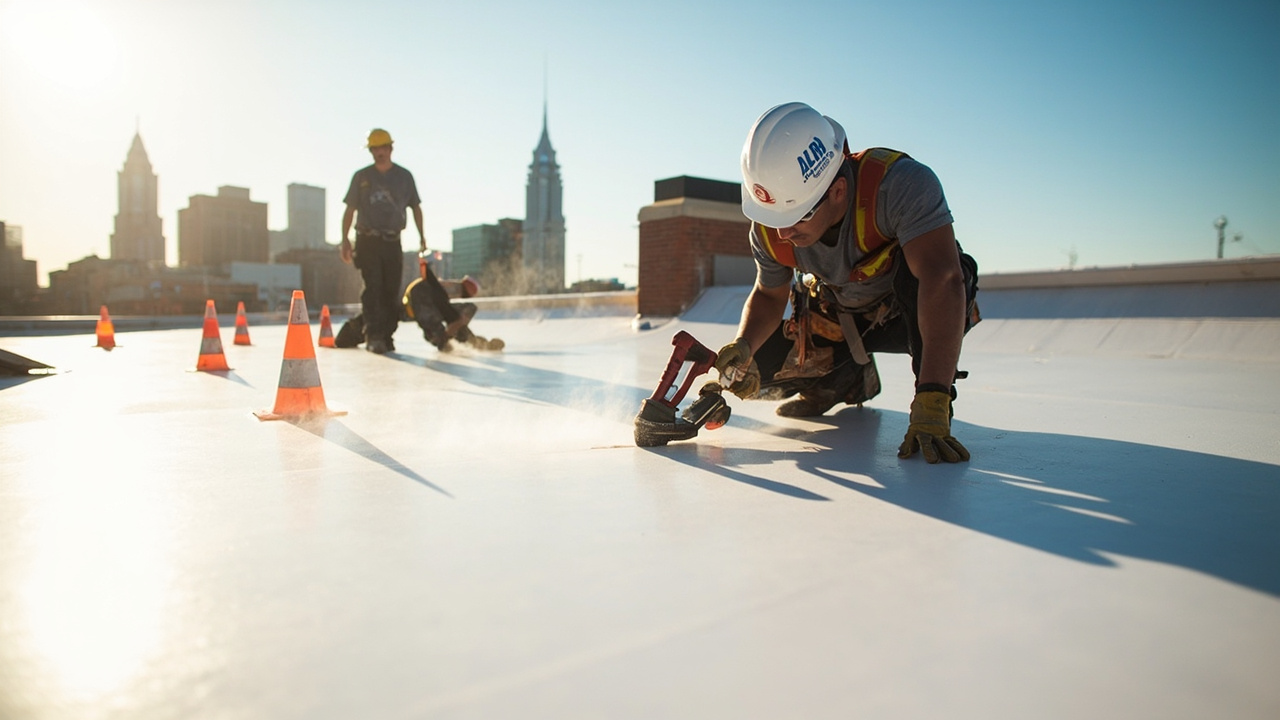
Our crews use automatic welding machines for field seams. Hand welders introduce inconsistency. Automated equipment maintains constant temperature and pressure, creating uniform bonds across thousands of linear feet. Every seam gets probe-tested. Any voids get re-welded before the next layer proceeds.

We coordinate with your facility manager to stage material deliveries, schedule crane access, and minimize disruption. Sections get completed in phases so your building never sits fully exposed. You stay operational while we work.

What Happens During Your TPO Roof Installation Project

TPO Roofing Installation in Cleveland – Minimize Downtime with Industrial-Grade Single-Ply Systems
01

Pre-Installation Assessment and Scheduling

We conduct a site visit to document existing conditions, measure roof dimensions, identify penetrations, and assess deck substrate. You receive a detailed scope of work that outlines material specifications, fastener patterns, insulation R-values, and a phase-by-phase timeline. We coordinate with your operations team to establish work zones, delivery access points, and noise restrictions that align with your business hours and customer traffic patterns.
02

Tear-Off and Deck Preparation

Existing roofing gets removed in controlled sections to limit weather exposure. Deck surfaces are swept clean, and any deteriorated substrate gets replaced with new plywood or structural panels. We install a temporary weather barrier if rain is forecasted. Insulation boards are mechanically fastened using calculated fastener density based on wind zone requirements. Tapered insulation creates positive drainage to eliminate ponding water that accelerates membrane degradation and creates ice loading in winter.
03

Membrane Installation and Quality Verification

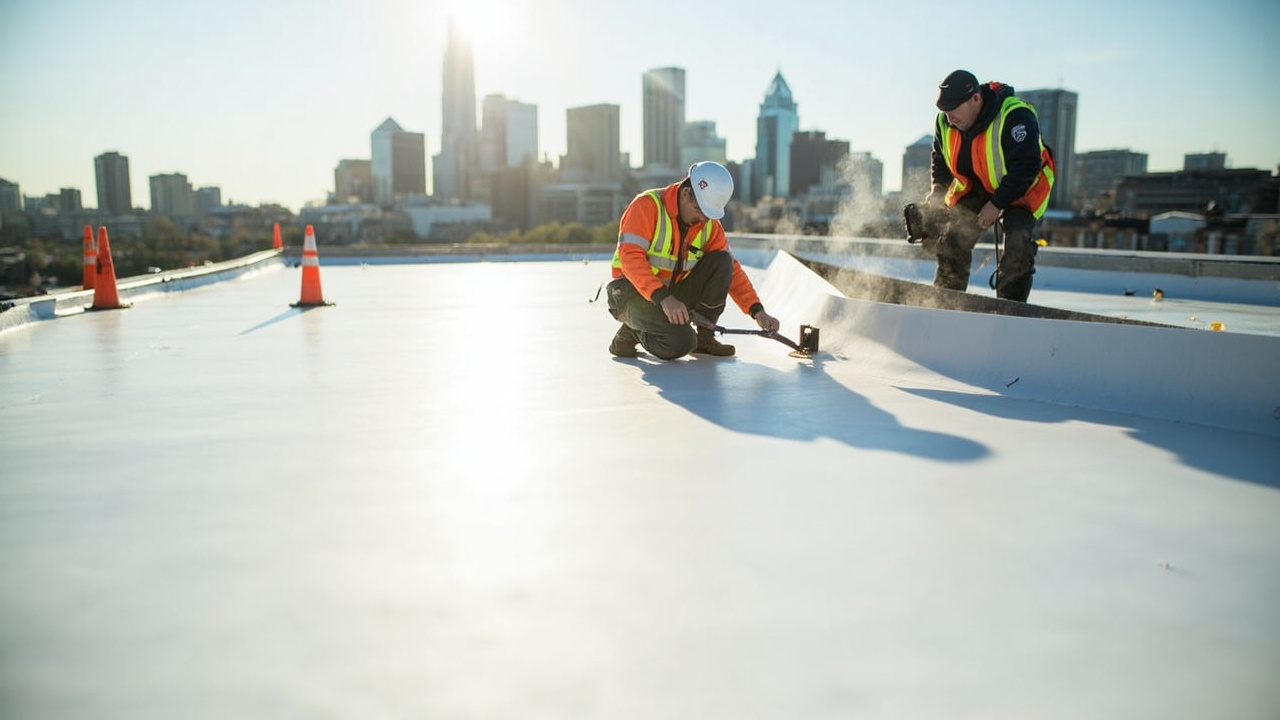
TPO sheets are rolled out, aligned, and mechanically fastened or fully adhered depending on your building's wind exposure classification. Seams are heat-welded using automatic equipment, then probe-tested for continuity. Flashings are installed at all terminations, and a final walk-through documents completed work. You receive seam test records, material certifications, and a maintenance guide. The roof is ready for service with no curing period or occupancy restrictions that delay your return to normal operations.

Why Cleveland Businesses Choose Alpha Roofing for TPO Systems

Commercial roofing is not a commodity service. The contractor you choose determines whether your roof lasts 15 years or fails in five. Cleveland's building environment is unforgiving. Lake effect snow creates heavy static loads. Rapid temperature swings stress seams. Older buildings have unique structural limitations that require experience to navigate.

Alpha Roofing Cleveland has installed commercial TPO roof systems across the greater Cleveland metro, from industrial facilities in Brooklyn Heights to office complexes in Beachwood. We understand Ohio Building Code Chapter 15 requirements for roof assemblies. We know which inspectors prioritize wind uplift testing and which focus on fire ratings. We pull permits correctly the first time.

Our crews are factory-trained in TPO membrane installation. We maintain certifications from major manufacturers, which means your system qualifies for extended material warranties that protect your investment. A 20-year manufacturer warranty is worthless if installed by an uncertified contractor. The fine print excludes coverage for improper installation, leaving you exposed to total replacement costs.

We carry full commercial general liability and workers compensation coverage. You are not liable if a crew member is injured on your property. You are not responsible for property damage caused during installation. Many low-bid contractors operate with minimal insurance, transferring risk to the building owner. That savings disappears the moment an incident occurs.

We provide transparent project timelines. You know when crews arrive, when each phase completes, and when final inspection happens. No surprises. No extended disruptions. Your operations stay on schedule while we deliver a roof system engineered for Cleveland's climate and your building's specific requirements.

What to Expect from Your Commercial TPO Roofing Project

Project Timeline and Phasing

Most commercial TPO installations complete within one to three weeks depending on square footage and complexity. We break larger projects into phases to minimize exposure risk. Each phase gets completed and weatherproofed before moving to the next section. You receive a schedule that details daily activities, delivery times, and crane positioning. Weather delays get communicated immediately with revised timelines. We coordinate around your peak business periods to reduce operational impact and maintain customer access.

Initial Site Evaluation and Engineering

Our assessment includes core samples to verify deck composition and existing insulation condition. We measure roof slopes to identify drainage deficiencies. You receive a written report documenting findings, recommended repairs, and code compliance requirements. If structural reinforcement is needed, we coordinate with engineering firms to provide stamped drawings for permit submission. The evaluation identifies potential issues before installation begins, eliminating change orders and budget overruns that plague poorly planned projects.

Installed System Performance

A properly installed commercial TPO roof system delivers 20-plus years of service life with minimal maintenance. Heat-welded seams resist Cleveland's freeze-thaw cycles without cracking or separating. White membrane surfaces reflect solar radiation, reducing rooftop temperatures by 30 to 50 degrees compared to dark surfaces. Lower surface temperatures extend HVAC equipment life and reduce cooling costs. The system resists ponding water, chemical exposure from HVAC condensate, and foot traffic from maintenance personnel accessing rooftop equipment.

Post-Installation Support and Maintenance

You receive detailed maintenance guidelines specific to your installation. We recommend annual inspections to clear drains, check flashing integrity, and document membrane condition for warranty compliance. Many manufacturers require proof of regular maintenance to honor warranty claims. We offer maintenance agreements that include scheduled inspections, minor repairs, and priority response for emergency issues. Proactive maintenance extends system life and prevents small problems from becoming expensive failures that interrupt business operations.

Frequently Asked Questions

You Have Questions,
We Have Answers

What are the disadvantages of TPO roofing? +

TPO roofing has notable limitations for commercial buildings. The membrane is susceptible to punctures from foot traffic and mechanical equipment. Seam integrity depends heavily on installer skill, and poor welds create leak points that compromise building operations. Cleveland's freeze-thaw cycles stress the material, causing expansion and contraction that can weaken seams over time. TPO also degrades faster under UV exposure compared to EPDM or PVC. Chemical exposure from HVAC exhaust or industrial pollutants accelerates deterioration. These factors require regular inspections to prevent premature failure and business interruption.

What goes under a TPO roof? +

A proper TPO roof system requires multiple layers beneath the membrane. Install polyiso or EPS insulation boards directly over the structural deck to meet energy codes. A cover board goes over insulation to protect against punctures and distribute load. This layer prevents membrane damage during installation and maintenance. Cleveland buildings often require thicker insulation due to heating demands. The underlayment system must manage thermal expansion and provide a smooth surface for TPO adhesion. Proper layering prevents moisture infiltration, controls condensation, and extends roof lifespan while maintaining code compliance.

Should TPO roofing be glued down? +

Glued-down TPO provides specific advantages for commercial applications in Cleveland. Adhesive attachment creates a monolithic bond that resists wind uplift better than mechanically fastened systems, which matters during severe storms. The method eliminates penetrations through the membrane, reducing leak points. However, substrate preparation is critical. The deck must be clean, dry, and properly primed. Adhesive installation costs more upfront but reduces long-term maintenance. Cleveland's temperature swings affect adhesive curing times, so proper weather windows during installation prevent bonding failures that lead to membrane delamination.

Can you put TPO directly over plywood? +

Installing TPO directly over plywood is not recommended without proper preparation. Plywood expands and contracts with moisture, causing membrane stress and seam failures. You need a cover board barrier between plywood and TPO to prevent oils and resins from degrading the membrane. Cleveland's humidity accelerates plywood deterioration, creating uneven surfaces that compromise adhesion. Code requires proper vapor barriers and insulation layers. Direct application voids most manufacturer warranties and creates liability exposure. Professional installation includes substrate evaluation, moisture barriers, and insulation to protect your investment and maintain building envelope performance.

How Lake Erie Weather Patterns Impact TPO Roofing Performance in Cleveland

Cleveland sits in a unique climate zone where Lake Erie generates heavy snow bands, rapid temperature fluctuations, and persistent humidity. Winter storms drop several feet of snow that creates static loads exceeding 40 pounds per square foot. Spring thaw cycles create standing water that freezes overnight, expanding in membrane seams and flashing details. Single-ply TPO roofing handles these conditions because heat-welded seams remain flexible at subzero temperatures while maintaining watertight integrity. Buildings near the lakeshore in Edgewater and North Collinwood face additional wind exposure that requires enhanced fastener schedules and reinforced perimeter details to meet code.

Ohio's commercial building code requires roof systems to meet specific wind uplift ratings based on building height and exposure category. Cleveland's jurisdiction has adopted the 2020 International Building Code with local amendments that affect fastener spacing and insulation attachment. Alpha Roofing Cleveland maintains relationships with local building departments and understands submittal requirements that expedite permit approval. We work regularly with inspectors in Cleveland, Lakewood, and Parma, which streamlines the inspection process and prevents costly re-work from code interpretation disputes. Local expertise matters when your project timeline and budget depend on passing inspection the first time.

Roofing Services in The Cleveland Area

We are proud to serve the entire Cleveland area and the surrounding communities. Our centrally located office allows us to respond quickly to your needs, whether you require a repair, a full roof installation, or an emergency service. We invite you to view our service area on the map to see how we can assist you. Our team is always ready to provide expert solutions right where you are.

Address:
Alpha Roofing Cleveland, 2401 Superior Viaduct, Cleveland, OH, 44113

Additional Services We Offer

Our news updates

Latest Articles & News from The Blogs

Why Moreland Hills homeowners are choosing high-end composite over traditional slate Moreland Hills estates have long featured the prestige of…

Why more Moreland Hills homeowners are choosing high-end composite over traditional slate

Why Moreland Hills homeowners are choosing high-end composite over traditional slate Moreland Hills estates have long featured the prestige of…

How to stop local wildlife from nesting under the shingles of your Mayfield Heights home

Understanding the Wildlife Problem in Mayfield Heights Mayfield Heights sits in a unique geographic location where suburban development meets mature…

Picking a roof color that highlights the historic charm of your University Heights home

Picking a roof color that highlights the historic charm of your University Heights home The right roof color can transform…

Contact Us

Protect your business with a roof system engineered for Cleveland's climate. Call Alpha Roofing Cleveland at (216) 547-1300 for a site evaluation and detailed project proposal. We deliver commercial-grade installations that keep your operations running.