menu

Commercial Roof Coatings in Cleveland – Minimize Downtime with Industrial-Grade Restoration Systems

Protect your facility investment with elastomeric roof coatings and liquid applied roofing systems engineered to withstand Cleveland's freeze-thaw cycles and extend asset life without operational disruption.

Slider Image 1
Slider Image 2
Slider Image 3
Slider Image 4
Slider Image 5
Slider Image 7
Slider Image 8
Slider Image 9
Slider Image 10
Slider Image 11

Cleveland's Climate Demands Advanced Commercial Roof Protection

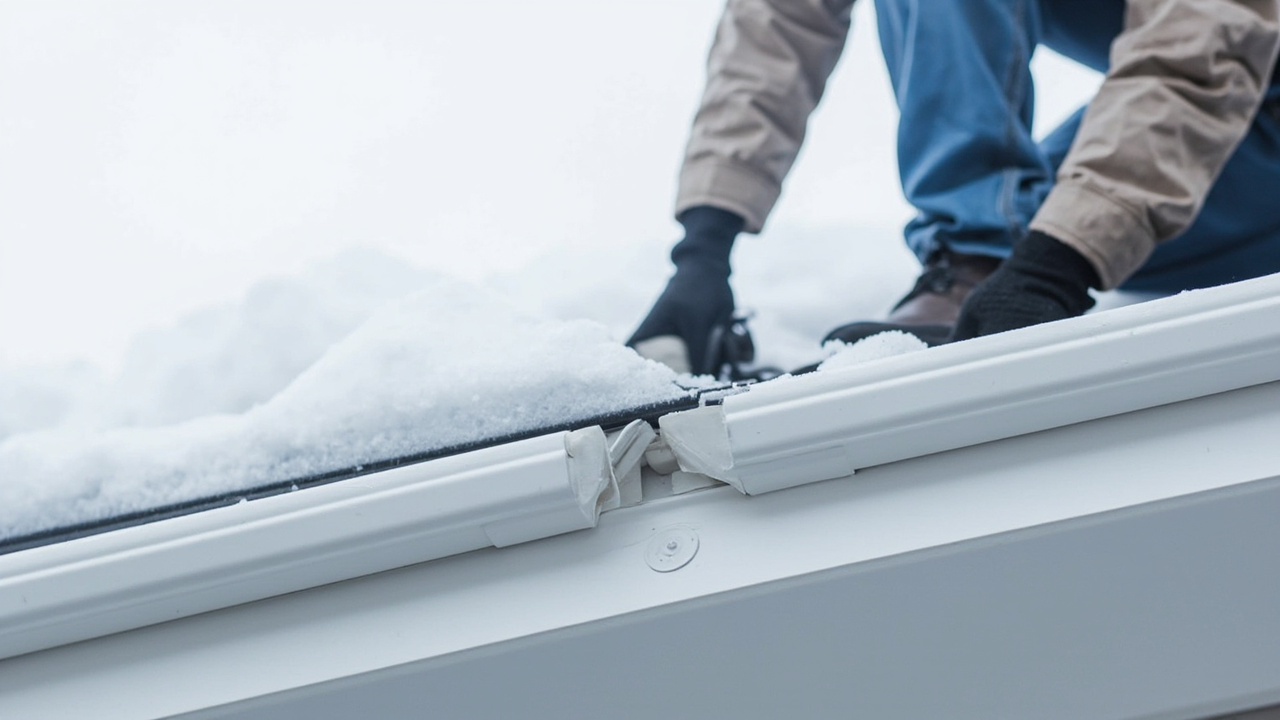
Cleveland's commercial buildings face relentless environmental stress. Your facility endures an average of 60 freeze-thaw cycles each winter season. That expansion and contraction creates microfractures in traditional roofing membranes, leading to premature failure and water intrusion.

Lake Erie's proximity compounds the problem. Moisture-laden air accelerates corrosion on metal substrates and degrades organic materials faster than in drier climates. Your roof isn't just protecting inventory and equipment. It shields critical operations from costly interruptions.

Industrial roof coatings deliver a measurable ROI by addressing these specific threats. Elastomeric roof coatings remain flexible through temperature extremes, preventing the crack formation that plagues rigid systems. Commercial roof restoration systems can add 10 to 15 years of service life to existing assemblies without the production shutdown required for full replacement.

Facility managers across Cleveland's manufacturing corridor, from Slavic Village to the Flats industrial district, face identical challenges. Aging built-up roofs and single-ply membranes leak. Insurance renewals become difficult. Maintenance budgets spiral.

Liquid applied roofing creates a monolithic barrier with no seams or fastener penetrations. The technology adheres to irregular surfaces and complex geometries that sheet goods cannot accommodate. For warehouses, distribution centers, and manufacturing plants operating on thin margins, commercial flat roof coatings represent the most cost-effective path to weathertight integrity and predictable facility expenses.

Your roof impacts your bottom line. Cleveland's climate ensures that impact will be negative without proactive intervention.

Cleveland's Climate Demands Advanced Commercial Roof Protection
How Alpha Roofing Cleveland Deploys Commercial Coating Systems

How Alpha Roofing Cleveland Deploys Commercial Coating Systems

We engineer coating applications based on substrate condition, thermal movement, and chemical exposure specific to your operation. Cookie-cutter approaches fail in commercial environments where roof assemblies vary by building age, occupancy type, and maintenance history.

Our process begins with infrared thermography and core sampling. We map moisture intrusion patterns to identify compromised insulation and deck deterioration. This data determines whether your existing assembly can support a restoration system or requires selective replacement before coating application.

Surface preparation differentiates successful installations from premature failures. We mechanically remove all loose material, failed coatings, and biological growth. Power washing alone leaves contaminants that prevent adhesion. Proper substrate profiling creates the mechanical bond necessary for long-term performance.

Cleveland's industrial facilities often have unique contaminant concerns. Manufacturing residue, exhaust deposits, and chemical exposure require specialized primers and surface treatments. We match coating chemistry to your specific exposure conditions, whether that involves petroleum resistance for truck terminals or ponding water tolerance for low-slope sections.

Application occurs during optimal weather windows. Elastomeric roof coatings cure through solvent evaporation and chemical cross-linking. Humidity above 85 percent or temperatures below 50 degrees compromise that curing process. We monitor conditions continuously and adjust our schedule to ensure proper film formation.

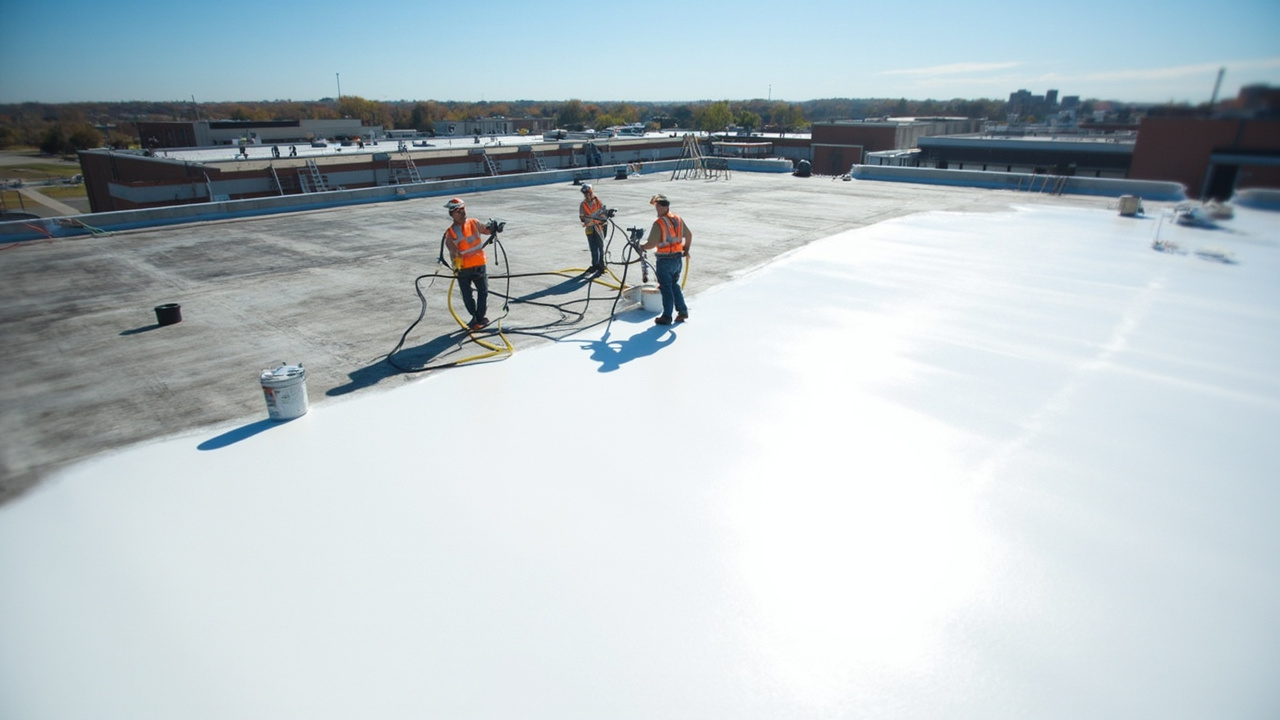
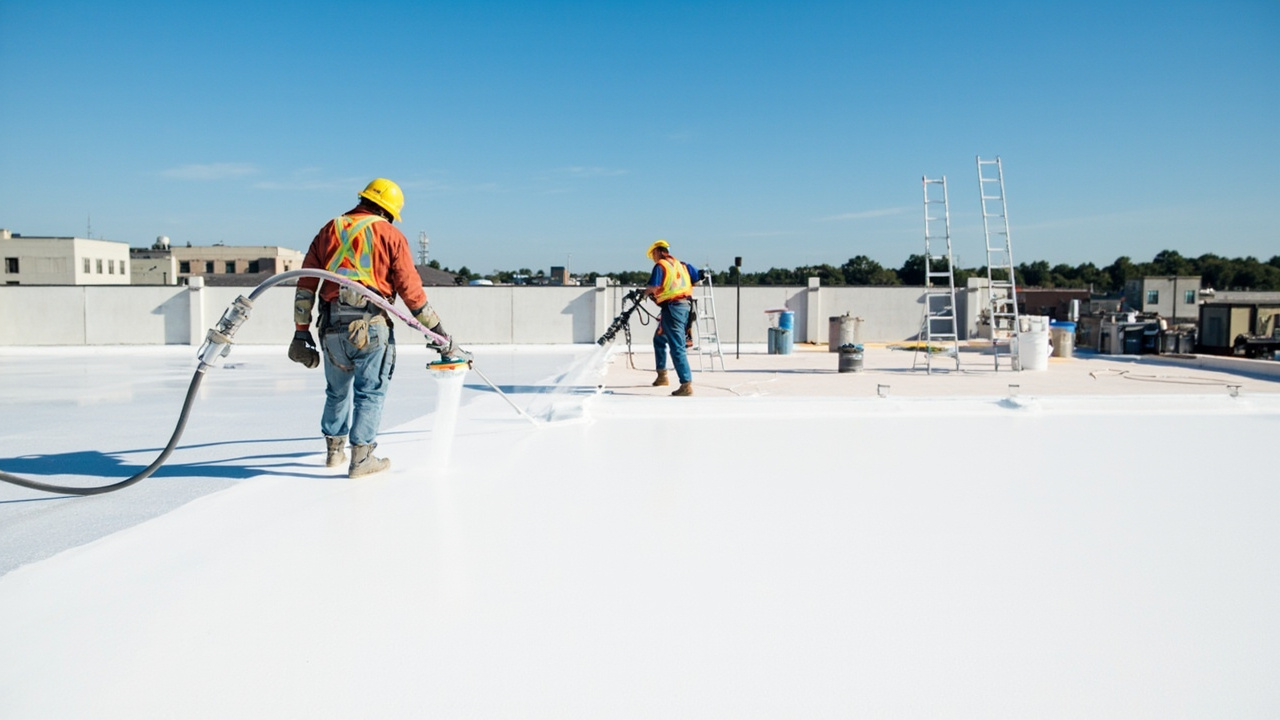
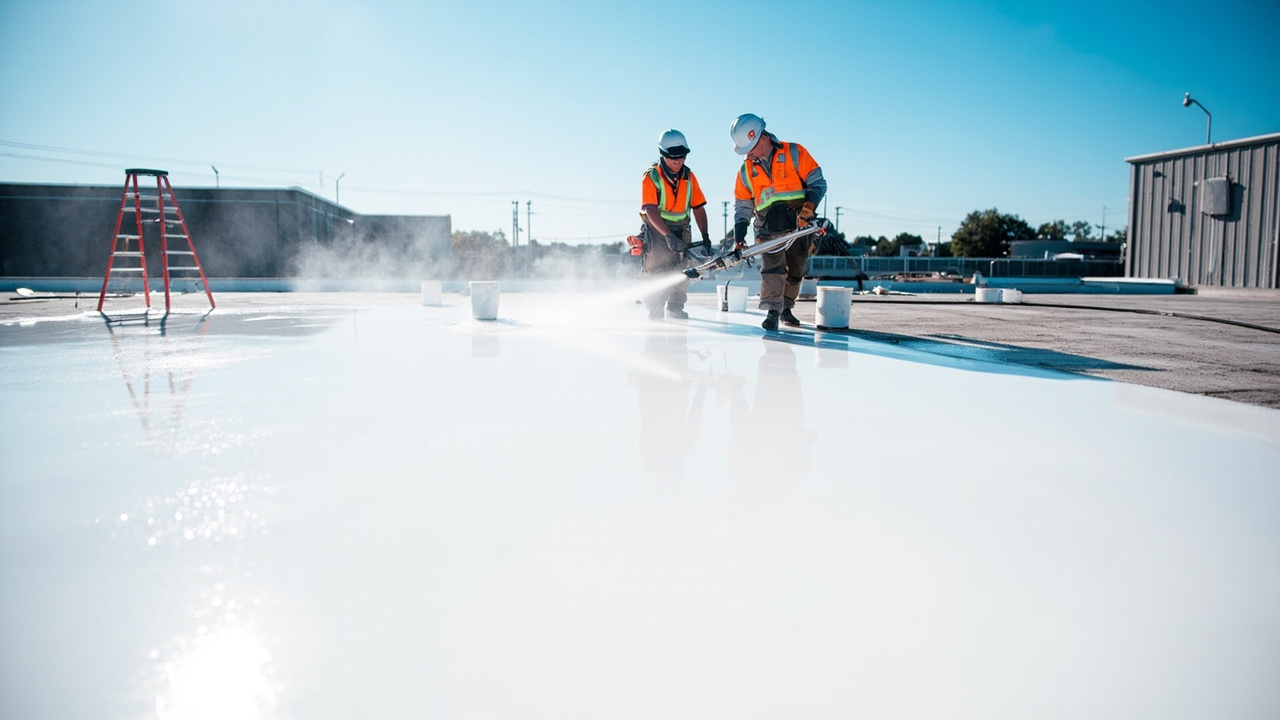
Mil thickness matters. We apply commercial roof restoration systems at manufacturer-specified rates using calibrated spray equipment. Too thin, and you sacrifice durability. Too thick, and you risk cracking as the coating cures. Our crews maintain consistent coverage across complex roof geometries, from parapet walls to penetration details.

Quality control includes holiday detection testing to verify complete coverage before demobilization. You receive documentation of application rates, surface temperatures, and ambient conditions for warranty compliance and facility records.

Your Commercial Coating Installation Timeline

Commercial Roof Coatings in Cleveland – Minimize Downtime with Industrial-Grade Restoration Systems
01

Facility Assessment and Specification

We conduct a comprehensive roof audit using infrared imaging and moisture meters to map existing conditions. Core samples determine insulation R-value and deck integrity. You receive a detailed specification identifying substrate preparation requirements, coating system selection, and projected square footage. This assessment typically requires four to six hours for a 50,000-square-foot facility and includes photographic documentation of all deficiencies requiring attention before coating application.
02

Surface Preparation and Priming

Mechanical surface preparation removes all failed material and creates a clean substrate for adhesion. We repair damaged deck sections, replace saturated insulation, and address flashing deficiencies. Specialized primers seal porous substrates and ensure chemical compatibility between existing membranes and new coating systems. This phase accounts for 40 percent of total project duration. Proper preparation directly determines coating longevity. We stage work to maintain building weathertightness throughout the process.
03

System Application and Verification

We apply commercial roof coatings in multiple passes to achieve specified dry film thickness, typically 20 to 40 mils depending on manufacturer requirements and warranty terms. Each pass receives adequate cure time before subsequent application. Final inspection includes holiday detection testing to identify any missed areas or thin spots. You receive complete application records documenting weather conditions, material batch numbers, and coverage rates. Most facilities return to full operation within 48 hours of final coat application.

Why Cleveland Facility Managers Choose Alpha Roofing Cleveland

Commercial roofing failures create cascading problems. Production stops. Product gets damaged. Insurance claims trigger premium increases. You need a contractor who understands that your roof supports business continuity, not just keeps rain out.

Alpha Roofing Cleveland has restored commercial roof systems across Cleveland's industrial base for years. We understand the specific challenges your facility faces. The Cleveland Building Code requires specific fire ratings for different occupancy classifications. We ensure coating systems maintain required approvals and don't void existing FM Global or insurance specifications.

Our familiarity with local architecture matters. Cleveland's commercial building stock includes everything from early 1900s heavy timber warehouses to modern pre-engineered metal buildings. Each construction type requires different substrate preparation and coating selection. We have successfully restored built-up roofs, modified bitumen, EPDM, TPO, and metal roof assemblies across every commercial sector in the region.

Facility managers value our capacity to handle large-scale projects without sacrificing quality. We maintain the equipment, trained crews, and material relationships necessary to complete 100,000-square-foot facilities within compressed timelines. Projects get staffed appropriately from start to finish. You work with the same project manager throughout the process.

Cleveland's business community operates on relationships and reputation. We have restored roofs for manufacturing plants in the Opportunity Corridor, distribution centers near Hopkins International Airport, and commercial buildings throughout downtown. Those clients remain operational because we delivered weathertight roofing systems that perform as specified.

Your facility deserves the same level of technical expertise and execution accountability. Commercial roof coatings represent a significant capital investment. Poor installation wastes that investment and leaves you worse off than before the project started.

What Your Commercial Coating Project Includes

Project Schedule and Site Coordination

You receive a detailed project schedule identifying each phase of work, crew size, and estimated duration. We coordinate with your operations team to minimize disruption during business hours. Most surface preparation occurs during off-shifts when your facility has reduced activity. Coating application happens during optimal weather windows, which we monitor using on-site weather stations. Complex projects get phased to maintain building weathertightness throughout the installation. You receive 48-hour advance notice before each mobilization. Schedule changes due to weather get communicated immediately with revised completion dates.

Pre-Application Roof Audit

Our initial assessment goes beyond visual inspection. We use infrared thermography to identify moisture intrusion patterns invisible to the naked eye. Core samples determine insulation condition and deck integrity. You receive a comprehensive report documenting all deficiencies, recommended repairs, and coating system specifications. This audit includes review of existing roof warranties, previous maintenance records, and manufacturer approval for coating over existing membranes. The assessment identifies whether your roof qualifies for a restoration system or requires more extensive intervention. You make informed decisions based on objective data, not sales pressure.

Application Quality and Performance Standards

We apply commercial roof coatings at manufacturer-specified mil thickness using calibrated spray equipment. Each pass receives proper cure time before subsequent coats. Our crews maintain detailed application logs documenting material batch numbers, surface temperatures, ambient conditions, and coverage rates. Final inspection includes holiday detection testing to verify complete coverage across the entire roof surface. You receive photographic documentation showing before, during, and after conditions. All work meets or exceeds manufacturer specifications required for material warranties. Completed installations achieve the reflectivity, adhesion, and weatherproofing performance your facility requires.

System Warranties and Maintenance Planning

Commercial roof coating systems include manufacturer material warranties ranging from 10 to 20 years depending on system selection and application specifications. We provide workmanship warranties covering installation defects. You receive complete warranty documentation, maintenance guidelines, and recommended inspection schedules. Elastomeric roof coatings require periodic cleaning and minor repairs to maintain optimal performance. We offer annual inspection programs that identify small issues before they become major problems. Preventive maintenance extends system life and protects your warranty coverage. Your facility manager receives training on proper roof access procedures and routine maintenance tasks your staff can perform in-house.

Frequently Asked Questions

You Have Questions,
We Have Answers

How much does commercial roof coating cost? +

Commercial roof coating costs vary based on building size, substrate condition, and coating type. Acrylic systems typically run lower per square foot, while silicone and polyurethane systems cost more but offer superior performance. Cleveland facilities require coatings that handle freeze-thaw cycles and moisture exposure, which affects material selection. Substrate preparation drives total project expense. Heavily deteriorated roofs need more prep work, increasing labor costs. Expect multiple coats for optimal protection. Factor in building access complexity and seasonal scheduling. Budget for professional application to ensure proper adhesion and longevity. Request detailed proposals that itemize materials, labor, and warranty coverage specific to your building's needs.

What type of roof coating is best? +

The best commercial roof coating depends on your substrate, climate exposure, and operational requirements. Silicone excels in Cleveland's wet climate, offering exceptional ponding water resistance and UV stability without chalking. Acrylic coatings provide excellent reflectivity and cost efficiency but require proper drainage. Polyurethane delivers superior impact resistance for roofs with foot traffic or mechanical equipment. Your existing membrane matters. TPO and EPDM substrates need compatible primers. Metal roofs benefit from systems that accommodate thermal movement. Evaluate your roof's drainage patterns, surrounding trees, and maintenance access. Cleveland buildings face temperature swings and moisture challenges that demand durable, flexible coatings engineered for Midwest conditions.

What is seal best roof coating? +

Seal Best refers to a brand of elastomeric roof coating products offering various formulations for commercial applications. These systems typically use acrylic or elastomeric chemistry designed to seal and protect aged roofing substrates. The product line includes reflective white coatings, base coats, and primers compatible with different roof types. Cleveland commercial facilities evaluating Seal Best should verify compatibility with existing membranes and local climate demands. Confirm the coating handles freeze-thaw cycling and high moisture exposure common in Northeast Ohio. Consult manufacturer specifications for application temperature ranges, cure times, and warranty requirements. Professional installation ensures proper film thickness and adhesion. Compare performance data against other commercial-grade systems before committing.

How much does a commercial TPO roof cost? +

Commercial TPO roof replacement costs depend on building size, existing roof removal requirements, insulation needs, and installation complexity. Single-ply TPO membrane pricing varies by thickness, with 60-mil systems costing more than 45-mil but offering better durability. Cleveland installations must account for proper insulation values meeting current energy codes and wind uplift ratings for Great Lakes wind exposure. Remove and disposal of existing materials adds expense. Complex roof geometries with multiple penetrations, parapets, or equipment curbs increase labor hours. Access limitations and seasonal weather windows affect pricing. Request proposals detailing membrane specifications, attachment methods, insulation R-values, and flashing details. TPO offers solid performance for Midwest commercial facilities.

How long will roof coating last? +

Commercial roof coatings typically last 10 to 20 years depending on product chemistry, application quality, and maintenance practices. Silicone systems often reach 15 to 20 years in Cleveland's climate due to superior moisture resistance and UV stability. Acrylic coatings may require recoating at 10 to 15 years, particularly in ponding water areas. Polyurethane base coats with topcoats deliver extended service life. Proper substrate preparation directly impacts longevity. Clean, dry surfaces with adequate primer ensure strong adhesion. Regular inspections and minor touch-ups extend performance. Cleveland facilities face harsh winters and temperature cycling that stress coating systems. Plan for proactive maintenance and budget for periodic recoating to maximize your investment.

Can roofers make 100k a year? +

Experienced commercial roofers in Cleveland can exceed 100k annually, particularly those specializing in large-scale projects, technical systems like coatings or single-ply membranes, or serving as project foremen. Earnings depend on skill level, certifications, union membership, and employer size. Commercial work pays more than residential due to complexity, liability, and project scale. Roofers who understand building codes, safety protocols, and advanced waterproofing systems command premium rates. Year-round work availability affects income. Cleveland's construction market supports strong wages for skilled tradespeople. Certified applicators for manufacturer-specific systems often earn more. Career advancement into supervision, estimating, or business ownership increases earning potential significantly. This reflects market realities, not specific company wages.

Which is better, silicone or elastomeric roof coating? +

Silicone coatings outperform standard elastomeric coatings for Cleveland commercial roofs facing ponding water and continuous moisture exposure. Silicone remains stable in standing water without softening or degrading, making it ideal for low-slope roofs with drainage issues. It resists UV breakdown without chalking and handles temperature extremes better. Elastomeric coatings, typically acrylic-based, offer excellent reflectivity and lower cost but require good drainage and periodic recoating. They breathe better, allowing trapped moisture to escape. For Cleveland's wet climate and freeze-thaw cycles, silicone provides superior long-term protection despite higher initial cost. Elastomeric works well on properly drained roofs where budget matters. Match the chemistry to your roof's specific drainage and exposure conditions.

How much does Rhino RV roof coating cost? +

Rhino RV roof coating is a consumer-grade product designed for recreational vehicles, not commercial buildings. Pricing varies by retailer and container size. Commercial facilities require industrial-grade systems engineered for structural loads, building codes, and extended service life. RV coatings lack the performance specifications, fire ratings, and warranties necessary for commercial applications. Cleveland commercial property owners should specify coatings meeting FM Global approvals, UL fire ratings, and manufacturer warranties backed by application contractors. Commercial systems undergo rigorous testing for wind uplift, hail impact, and weathering. Avoid residential or RV products for business facilities. Invest in properly engineered commercial roof coatings applied by certified contractors to protect your asset.

What is better, TPO or EPDM? +

TPO and EPDM both deliver reliable performance for Cleveland commercial roofs, with distinct advantages. TPO offers heat-welded seams creating watertight bonds stronger than the membrane itself, superior reflectivity reducing cooling loads, and better resistance to ponding water and grease. EPDM costs less, installs faster, and provides proven 30-plus-year track records in Midwest climates. It handles temperature extremes well but requires careful seam adhesive application. TPO suits facilities prioritizing energy efficiency and modern performance. EPDM works well for budget-focused projects requiring dependable protection. Both accommodate Cleveland's freeze-thaw cycles when properly installed. Evaluate your building's energy goals, budget, and roof configuration. Either membrane performs when installed by experienced commercial contractors.

Is urethane or silicone roof coating better? +

Urethane and silicone serve different functions in commercial coating systems. Urethane excels as a base coat, providing superior adhesion, abrasion resistance, and impact protection for roofs with foot traffic or equipment loads. It handles substrate movement well. Silicone works better as a topcoat, offering unmatched ponding water resistance, UV stability, and long-term weathering performance in Cleveland's wet climate. Many high-performance systems use both, with urethane base coats and silicone topcoats combining each product's strengths. Single-component silicone systems work well on sound substrates. Evaluate your roof's condition, drainage, traffic patterns, and exposure. Urethane protects the substrate. Silicone protects against weather. Professional assessment determines the optimal approach.

How Cleveland's Freeze-Thaw Cycles Impact Commercial Roof Coating Selection

Cleveland experiences more freeze-thaw cycles than almost any major city in the United States. Water infiltrates minor cracks and membrane seams, then expands during freezing temperatures. That expansion forces cracks wider, accelerating deterioration. Commercial roof restoration systems must remain flexible through temperature swings from negative 10 degrees in January to 95 degrees in July. Elastomeric roof coatings maintain elongation properties across that range, preventing the brittleness that causes rigid systems to fail. Liquid applied roofing creates a monolithic membrane without the seams where freeze-thaw damage typically originates. Cleveland facility managers cannot rely on coating systems designed for moderate climates. Your roof faces environmental stress that demands engineered solutions specific to Great Lakes weather patterns.

Cleveland's commercial building code includes specific requirements for roof assemblies based on occupancy classification and fire rating needs. Industrial roof coatings must maintain FM Global approvals and meet wind uplift standards for the region's severe weather exposure. We work with local building officials regularly and understand permit requirements for substantial roof alterations. Our coating specifications reference products approved for use over existing membrane types common in Cleveland's building stock. Facility managers benefit from working with contractors who understand both the technical requirements and the local approval process. Projects move forward without delays caused by code interpretation questions or incomplete submissions.
Roofing Services in The Cleveland Area

We are proud to serve the entire Cleveland area and the surrounding communities. Our centrally located office allows us to respond quickly to your needs, whether you require a repair, a full roof installation, or an emergency service. We invite you to view our service area on the map to see how we can assist you. Our team is always ready to provide expert solutions right where you are.

Address:
Alpha Roofing Cleveland, 2401 Superior Viaduct, Cleveland, OH, 44113

Additional Services We Offer

Our news updates

Latest Articles & News from The Blogs

Dealing with Shared Roof Problems When Your Neighbor in the Detroit-Shoreway Is Ignoring a Leak When water starts dripping through…

Dealing with Shared Roof Problems When Your Neighbor in the Detroit-Shoreway Is Ignoring a Leak

Dealing with Shared Roof Problems When Your Neighbor in the Detroit-Shoreway Is Ignoring a Leak When water starts dripping through…

Why Replacing Just a Few Shingles on Your Westlake Home Might Be a Mistake

Why Replacing Just a Few Shingles on Your Westlake Home Might Be a Mistake Living in Westlake means dealing with…

Beyond the Shingles — Why the Right Underlayment Is Crucial for Surviving Harsh Hudson Winters

Beyond the Shingles — Why the Right Underlayment Is Crucial for Surviving Harsh Hudson Winters Winter in Cleveland hits hard.…

Contact Us

Your roof impacts operations every day. Stop reacting to leaks and start protecting your investment. Call Alpha Roofing Cleveland at (216) 547-1300 for a comprehensive facility assessment. We deliver commercial roof restoration systems engineered for Cleveland's demanding climate.