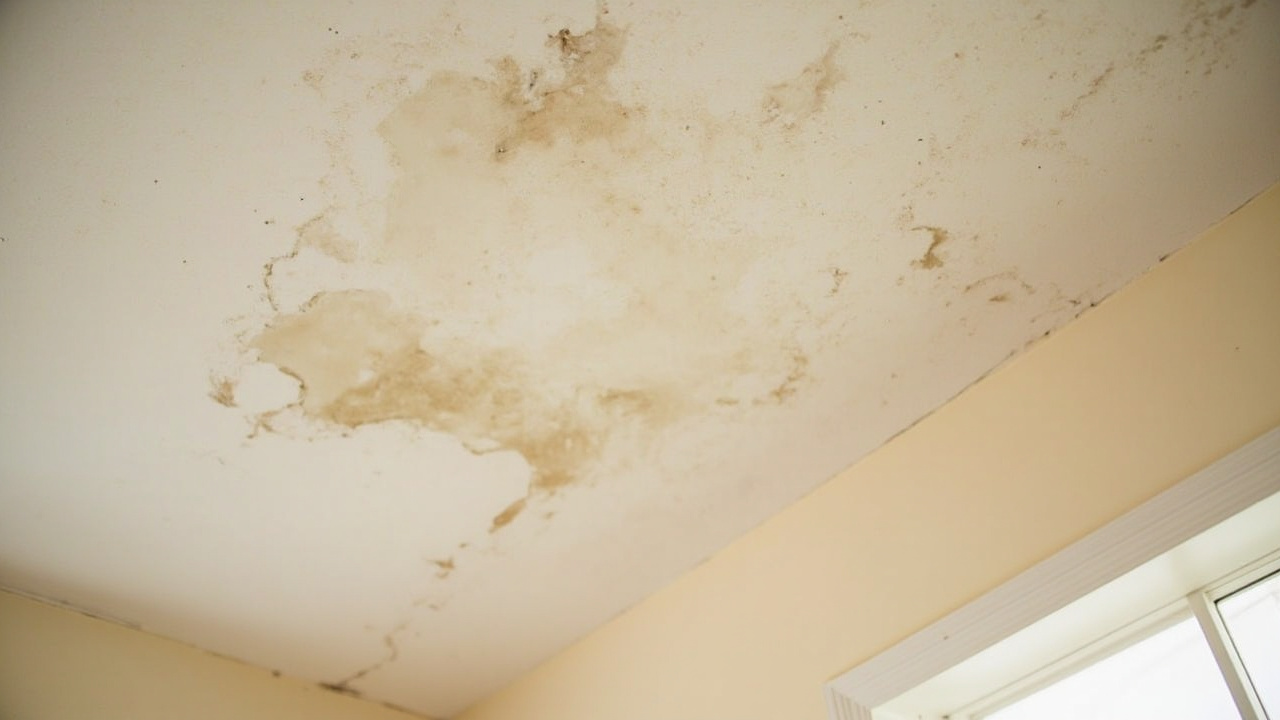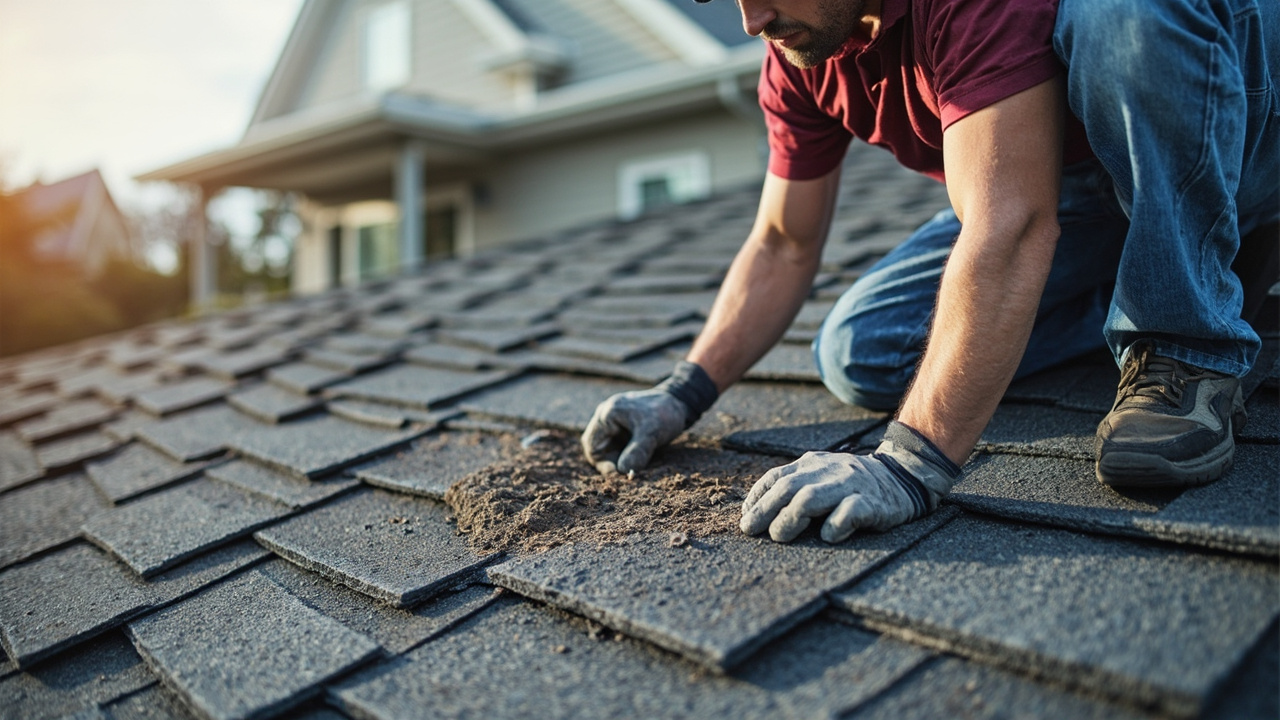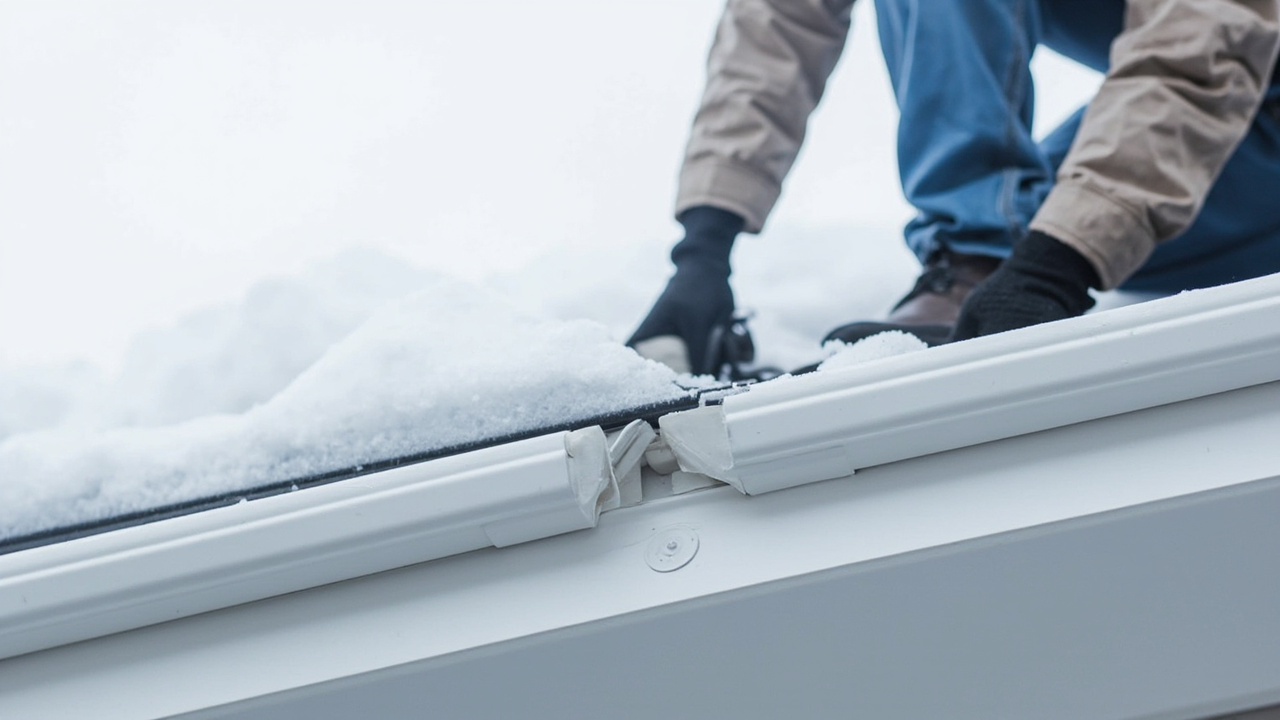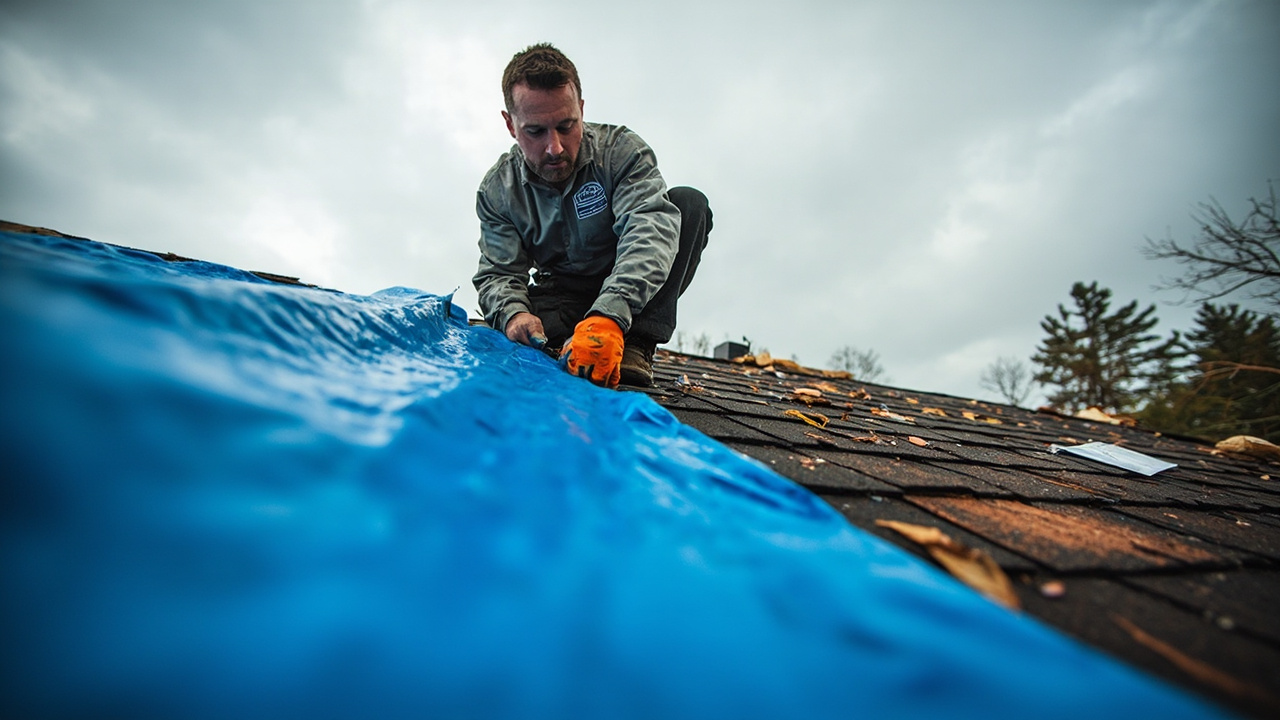

Cleveland sits in a unique weather zone. Lake Erie creates localized wind patterns that intensify quickly. Storm systems stall over the metro area, producing sustained rain that overwhelms drainage systems and finds every roof weakness. Freeze-thaw cycles are relentless. Water enters small gaps during rain, freezes overnight, expands, and widens the opening. By spring, minor flashing leaks become structural breaches. Emergency tarping stops that cycle. Without immediate temporary roof covering services, a single storm can cause damage that takes months to fully remediate.
Cleveland building codes require specific wind-load ratings for roofing materials and temporary installations. Cuyahoga County inspectors know what proper emergency tarping looks like. A poorly installed tarp can violate code and complicate your insurance claim. Local roofing contractors understand these requirements because we navigate them daily. We know which materials meet code, how to document installations for adjusters, and what inspectors expect during temporary repair evaluations. Choosing a Cleveland-based emergency tarping service means working with professionals who know local regulations and can defend their work if questioned.