menu

Granules in Gutter Cleveland – Get an Expert Roof Assessment Before Small Problems Become Major Leaks

Asphalt shingle particles piling up in your gutters signal active roof deterioration. Alpha Roofing Cleveland provides detailed roof inspections that pinpoint the exact cause and scope of granule loss so you know whether you need targeted repairs or full replacement.

Slider Image 1
Slider Image 2
Slider Image 3
Slider Image 4
Slider Image 5
Slider Image 7
Slider Image 8
Slider Image 9
Slider Image 10
Slider Image 11

Why Cleveland Homeowners Find Shingle Grit in Gutters

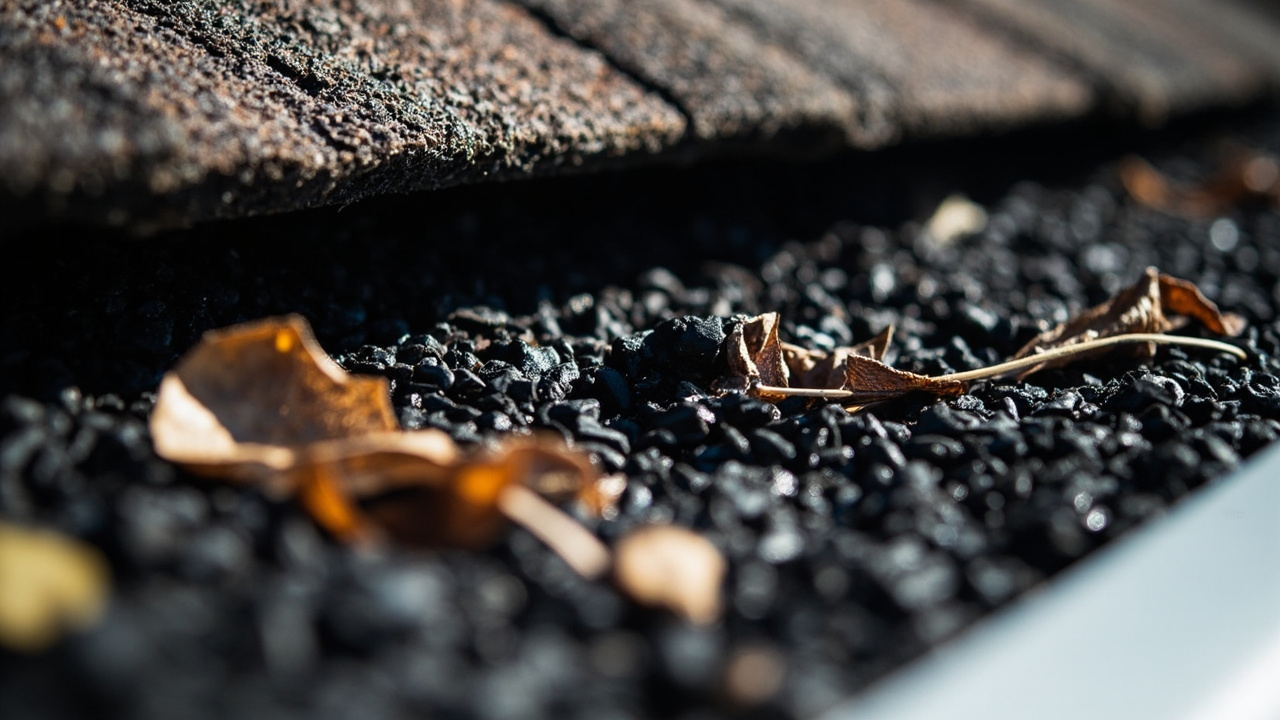
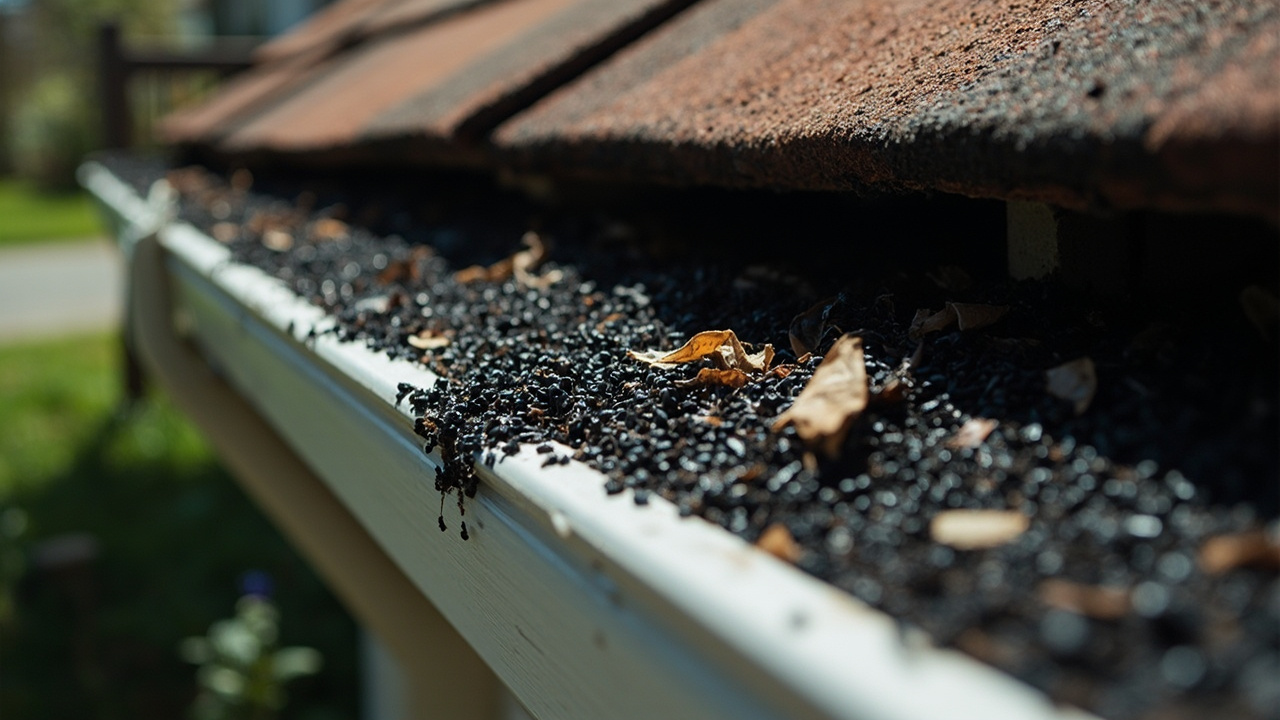
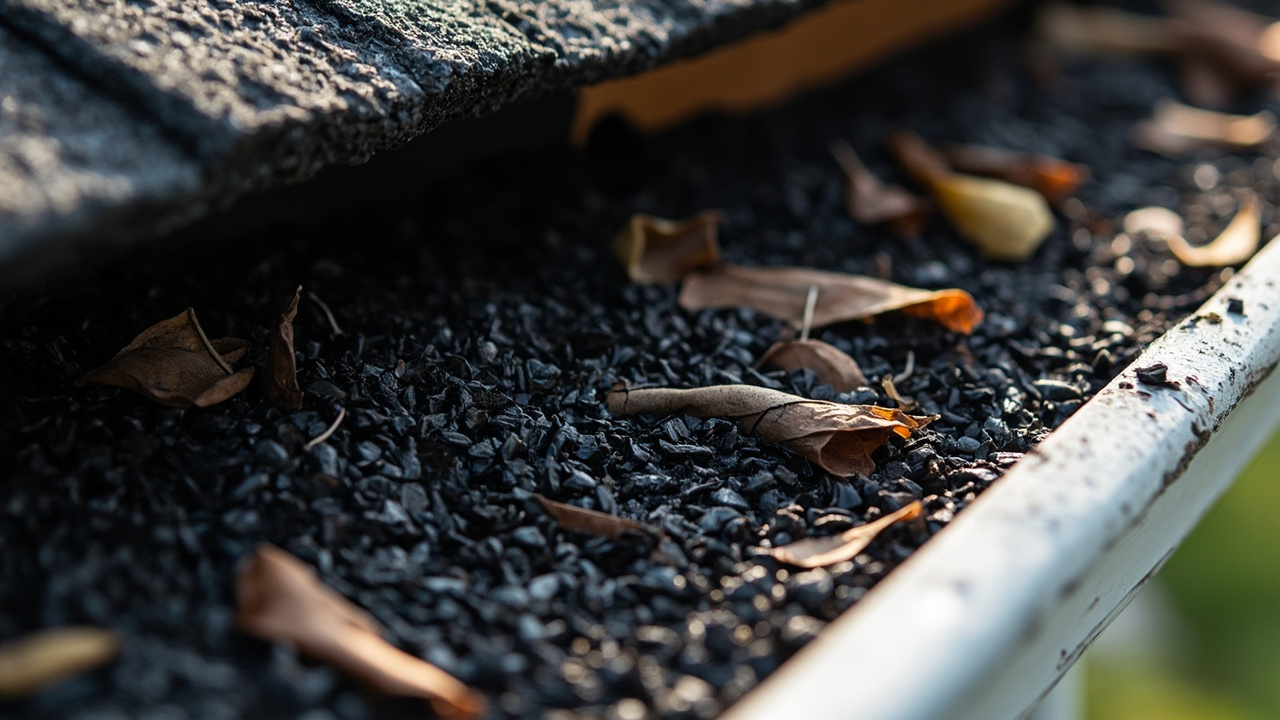
You clean your gutters and find dark, sandy sediment collecting at the bottom. That roof sand in gutters is not dirt. Those are protective granules from your asphalt shingles, and their presence means your roof is breaking down.

Cleveland's freeze-thaw cycles accelerate this process. When snow melts during the day and refreezes at night, trapped moisture expands beneath the shingle surface. This constant expansion and contraction loosens the adhesive bond holding granules in place. Over time, rain washes loose granules in downspouts and gutters, leaving bare spots on your shingles.

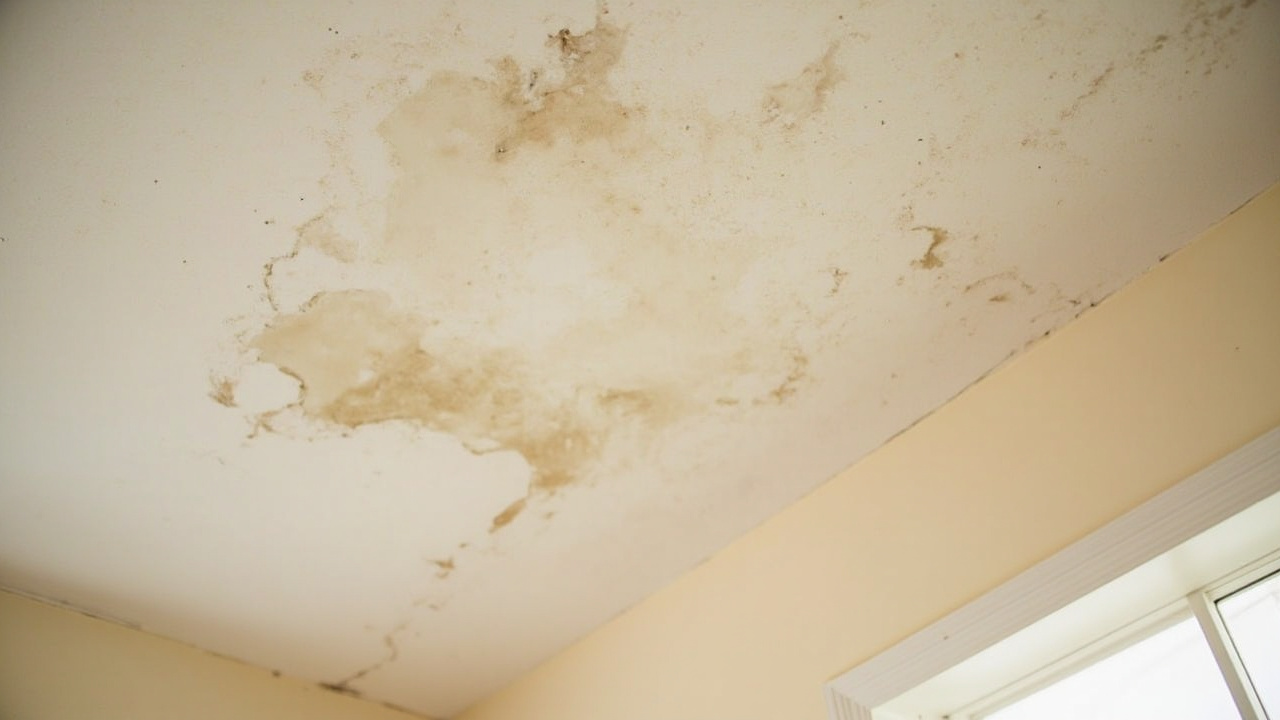
Bare shingles absorb UV radiation and heat differently than protected ones. The asphalt binder deteriorates faster. Shingles curl, crack, and lose their waterproofing ability. What starts as shingle sediment in your gutters becomes water stains on your ceiling within months.

The problem compounds near Lake Erie. Homes in Lakewood, Rocky River, and Euclid face additional moisture exposure from lake-effect weather patterns. Wind-driven rain hits roofs at an angle, exploiting any weakness in the shingle matrix. Once granules wash away, the underlying fiberglass mat absorbs water, swells, and fails.

You might see scattered asphalt shingle particles after a heavy storm. That is normal for older roofs. But if you find consistent shingle grit in gutters every time it rains, your roof is actively shedding its protective layer. The question is not whether you have a problem. The question is how much damage has already occurred beneath the surface.

Why Cleveland Homeowners Find Shingle Grit in Gutters
How We Diagnose Granule Loss and Roof Degradation

How We Diagnose Granule Loss and Roof Degradation

We do not look at your gutters and guess. We perform a systematic roof inspection that identifies the root cause of granule loss and determines whether you need localized repair or full replacement.

Our process starts with gutter analysis. We examine the volume, color, and distribution of shingle sediment. Uniform granule loss across all gutters suggests age-related wear. Concentrated sediment in one area points to localized failure, often from ice dam damage or poor ventilation.

We then move to the roof surface. We check for blistering, where trapped moisture creates bubbles beneath the granule layer. We look for algae growth, which appears as dark streaks and indicates moisture retention. We inspect valleys and flashing points where water concentrates and granule loss accelerates.

Attic inspection completes the picture. Proper ventilation prevents heat buildup that degrades shingles from below. We check soffit vents, ridge vents, and attic temperature. Poor airflow creates hot spots that cook shingles from the inside, causing premature granule loss even on newer roofs.

We measure remaining shingle thickness with a gauge. Asphalt shingles lose approximately half their thickness when granules are gone. Once the fiberglass mat is exposed, water infiltration is imminent.

We document everything with photos and measurements. You receive a written report that explains what is failing, why it is failing, and what options you have. If your roof has 40 percent granule loss and is 18 years old, replacement makes sense. If you have isolated damage from a fallen branch, targeted repair saves you money. We give you the data to make an informed decision, not a sales pitch.

What Happens During Your Roof Granule Assessment

Granules in Gutter Cleveland – Get an Expert Roof Assessment Before Small Problems Become Major Leaks
01

Gutter and Downspout Inspection

We start by examining the shingle sediment collecting in your gutters and downspouts. The volume, color, and texture of loose granules reveal whether you have uniform aging or localized damage. We photograph the debris and note its distribution across your roofline. This initial step tells us where to focus the roof surface inspection and whether the problem is systemic or isolated to specific sections.
02

Roof Surface Evaluation

We walk every section of your roof, checking for bare spots, blistering, curling, and cracking. We inspect valleys, flashing, and penetration points where water concentrates. We measure remaining granule coverage and shingle thickness. We also check for algae, moss, and biological growth that accelerates deterioration. This hands-on assessment identifies the exact areas shedding granules and determines whether the underlying shingle structure is compromised.
03

Attic Ventilation Analysis

We enter your attic to check ventilation, insulation, and temperature differentials. Poor airflow causes heat buildup that degrades shingles from below, accelerating granule loss regardless of roof age. We measure attic temperature, inspect ridge and soffit vents, and look for moisture stains on the decking. This final step reveals hidden causes of premature failure and ensures our recommended solution addresses the root problem, not just the symptoms.

Why Cleveland Property Owners Trust Alpha Roofing Cleveland for Roof Assessments

You need someone who understands how Cleveland weather breaks down roofing systems. We have assessed thousands of roofs across Cuyahoga County, from historic homes in Shaker Heights with steep-pitch slate replacements to ranch homes in Parma with standard three-tab shingles.

We know the building codes. Cleveland requires proper ice and water shield installation in valleys and along eaves to prevent ice dam damage. Many older homes lack this protection. We identify code deficiencies during inspections so you know what upgrades are required if you replace your roof.

We understand the architectural context. Cleveland has distinct housing stock. You see Tudor Revival homes with complex rooflines in Cleveland Heights, brick colonials in Lakewood, and bungalows in Tremont. Each style has unique failure points. Multi-valley roofs concentrate water flow and shed granules faster. Low-slope sections trap debris and moisture. We recognize these patterns because we work on them daily.

Our inspections are thorough but efficient. We respect your property. We do not walk on fragile sections or create additional damage. We use proper safety equipment and carry full liability coverage. You receive a written report within 24 hours that includes photos, measurements, and clear recommendations.

We do not push unnecessary replacements. If your roof has isolated damage from a storm and the rest of the system is sound, we tell you. If you have 60 percent granule loss and are approaching the end of your roof's service life, we explain why replacement is the smarter investment. You get honest advice based on the actual condition of your roof, not our sales quota.

Alpha Roofing Cleveland operates with transparency. You will not get a different price after we climb on your roof. You will not hear vague claims about "severe damage" designed to scare you into immediate decisions. You get facts, options, and respect for your timeline.

What You Can Expect from Our Granule Loss Inspection

Fast Scheduling and Response

We schedule most roof inspections within 48 hours of your call. The inspection itself takes one to two hours, depending on roof size and complexity. We work around your schedule and provide same-day appointments when possible. If you have active leaking or suspect storm damage, we prioritize your assessment. You receive a detailed written report with photos within 24 hours of the inspection. No waiting weeks for answers. You get the information you need to make timely decisions about repair or replacement.

Comprehensive Roof Evaluation

Our inspection covers every component that affects shingle performance. We check granule coverage, shingle flexibility, flashing integrity, and ventilation adequacy. We measure attic temperature and inspect for moisture intrusion. We examine nail patterns, starter strip condition, and drip edge installation. We look for hail damage, wind damage, and biological growth. You receive a complete picture of your roof's condition, not a surface-level glance. We identify both immediate problems and developing issues so you can plan accordingly and avoid emergency failures.

Clear, Actionable Recommendations

You receive a written report that explains what we found, what it means, and what your options are. If you need targeted repairs, we specify which sections require attention and why. If replacement makes more sense, we explain the cost-benefit analysis. We include photos with annotations so you can see the damage yourself. We break down timelines. If your roof can wait another year, we tell you. If you need immediate action to prevent interior damage, we make that clear. You get honest guidance based on actual conditions, not sales pressure.

Follow-Up Support and Documentation

After the inspection, we remain available to answer questions and clarify findings. If you decide to move forward with repairs or replacement, we reference the original inspection to ensure continuity. If you need documentation for insurance claims, we provide detailed reports with measurements and photos. We keep records of all inspections so you have a baseline for future assessments. If you choose to wait on major work, we offer annual follow-up inspections to monitor deterioration and help you time your investment strategically.

Frequently Asked Questions

You Have Questions,
We Have Answers

Is it normal to have shingle granules in the gutter? +

Yes, finding some shingle granules in your gutter is normal, especially on a new roof or after severe storms. New asphalt shingles shed loose granules during manufacturing. In Cleveland, freeze-thaw cycles and heavy spring rains accelerate this process. You will see some granule shedding throughout your roof's life. The concern arises when you notice heavy accumulation or bare spots on the shingles themselves. A small amount is maintenance. Large clumps or consistent heavy shedding signals your roof is aging and losing its protective layer.

How much granule loss is too much? +

If you can fill a tablespoon or more with granules after a single rainstorm, you have excessive loss. Check your shingles for bare patches where the black asphalt backing shows through. Cleveland homes face intense UV exposure in summer and ice expansion in winter, both strip granules faster. A few granules per season is fine. Continuous shedding, visible bald spots, or color changes on your roof surface means the shingles are failing. Schedule an inspection before leaks develop.

Why is there gravel in my gutters? +

That gravel is shingle granules, not actual gravel. Asphalt shingles use ceramic-coated mineral granules to protect the asphalt layer from UV damage and weathering. Over time, these granules loosen and wash into your gutters during rain. Cleveland's temperature swings cause shingle contraction and expansion, which breaks the granule bond. If you see heavy gravel-like accumulation, your shingles are degrading. The granules protect your roof. Without them, the asphalt deteriorates rapidly and leaks follow.

Why do shingles have granules? +

Granules shield the asphalt from ultraviolet rays, which break down petroleum-based products. They also provide fire resistance, color, and impact protection from hail. Without granules, your shingles would crack, curl, and fail within months. Cleveland summers deliver intense sun, while winters bring freeze-thaw cycles that expand and contract shingles. The granules act as armor against these extremes. Once granules wear away, the asphalt layer bakes, cracks, and allows water infiltration. They are your roof's first line of defense.

Is granular loss covered by insurance? +

Granule loss from sudden storm damage or hail impact may be covered. Normal wear and aging are not. Insurance companies in Ohio examine the cause. If high winds, hail, or a fallen tree branch caused the granule loss, you have a claim. If the loss results from age and weathering, the insurer will deny it as maintenance. Document the damage with photos immediately after a storm. A professional inspection report strengthens your claim if the loss ties to a covered peril.

How to tell if a roofer is lying? +

Watch for pressure tactics, requests for full payment upfront, or refusal to provide a written estimate. A dishonest roofer exaggerates damage or claims your entire roof needs replacement when only repairs are necessary. Ask for proof of granule loss with photos showing bare spots, not just gutter accumulation. Verify their license and insurance. If they discourage you from getting a second opinion or push for immediate decisions, walk away. Cleveland has reputable contractors. Do not rush the process.

Does granular loss mean I need a new roof? +

Not always. Light granule loss on an older roof is expected. If the loss is isolated to a few shingles, repairs may solve the problem. Heavy granule loss across large sections, combined with curling edges or visible asphalt backing, means replacement is near. Cleveland roofs typically last 15 to 25 years depending on material quality and maintenance. Get a professional inspection to assess the extent. Catching it early may buy you time, but widespread granule loss signals the end of your roof's effective lifespan.

What does granular loss look like? +

Granule loss appears as dark, bare patches on your shingles where the black asphalt backing shows through. You will notice color inconsistency or a mottled appearance from the ground. In gutters and downspouts, granules collect as dark sand or gravel-like sediment. Cleveland homeowners often see streaks or discoloration after heavy rains. Check around roof penetrations, valleys, and southern exposures first. These areas experience the most wear. If you see shiny, smooth spots on shingles, the protective granule layer is gone.

How old may a roof be before insurance claims it's too old? +

Most Ohio insurers reduce coverage or deny claims on roofs older than 20 years. Some companies stop offering replacement cost coverage at 15 years and switch to actual cash value, which depreciates with age. Cleveland homeowners with roofs approaching this threshold should review their policy annually. If your roof is over 15 years old, expect higher scrutiny during claims. Insurers may require an inspection before renewing your policy. Proactive replacement before the 20-year mark protects your insurability and claim potential.

Is gutter damage covered by insurance? +

Gutter damage from sudden events like storms, falling branches, or ice dams is typically covered. Damage from neglect, rust, or sagging due to clogged gutters is not. Cleveland's freeze-thaw cycles cause ice dams that rip gutters from fascia boards. If the damage ties to a weather event, document it immediately. Insurance adjusters look for proof the damage was sudden and accidental. Routine maintenance issues or wear from age will not qualify. Review your policy's peril list and file claims promptly after storms.

How Lake Erie Weather Accelerates Granule Loss in Cleveland

Lake-effect moisture creates unique challenges for Cleveland roofing systems. Homes within five miles of Lake Erie, including properties in Lakewood, Rocky River, and Euclid, experience higher humidity levels and more frequent freeze-thaw cycles than inland areas. This constant moisture exposure weakens the adhesive bond holding granules to the asphalt mat. Wind-driven rain also hits roofs at steeper angles, exploiting any weakness in shingle coverage. Roofs near the lake shed granules 20 to 30 percent faster than comparable roofs in Medina or Brunswick. If you live near the water and find consistent shingle grit in gutters, you are seeing accelerated aging that requires closer monitoring.

Cleveland's building codes reflect these environmental realities. Local ordinances require ice and water shield protection along eaves and in valleys to prevent ice dam damage common to our climate. Many homes built before 2000 lack this protection, making them more vulnerable to granule loss and water intrusion during winter thaws. Alpha Roofing Cleveland understands these code requirements and local failure patterns. We have inspected roofs across every Cleveland neighborhood, from historic districts in Ohio City to newer developments in Strongsville. That local experience means we recognize problems faster and recommend solutions tailored to your specific location and exposure.

Roofing Services in The Cleveland Area

We are proud to serve the entire Cleveland area and the surrounding communities. Our centrally located office allows us to respond quickly to your needs, whether you require a repair, a full roof installation, or an emergency service. We invite you to view our service area on the map to see how we can assist you. Our team is always ready to provide expert solutions right where you are.

Address:
Alpha Roofing Cleveland, 2401 Superior Viaduct, Cleveland, OH, 44113

Additional Services We Offer

Our news updates

Latest Articles & News from The Blogs

Why Moreland Hills homeowners are choosing high-end composite over traditional slate Moreland Hills estates have long featured the prestige of…

Why more Moreland Hills homeowners are choosing high-end composite over traditional slate

Why Moreland Hills homeowners are choosing high-end composite over traditional slate Moreland Hills estates have long featured the prestige of…

How to stop local wildlife from nesting under the shingles of your Mayfield Heights home

Understanding the Wildlife Problem in Mayfield Heights Mayfield Heights sits in a unique geographic location where suburban development meets mature…

Picking a roof color that highlights the historic charm of your University Heights home

Picking a roof color that highlights the historic charm of your University Heights home The right roof color can transform…

Contact Us

Stop wondering what those granules in your gutters mean. Get a professional roof assessment that gives you real answers. Call Alpha Roofing Cleveland at (216) 547-1300 to schedule your inspection. We will evaluate your roof, explain what we find, and give you clear options for moving forward.