menu

Roof Flashing Leaking in Cleveland – Expert Diagnosis and Permanent Repair Solutions

Get a professional inspection that identifies the exact source of your roof flashing leaking, then permanent repairs using materials designed to withstand Cleveland's freeze-thaw cycles and heavy rain seasons.

Slider Image 1
Slider Image 2
Slider Image 3
Slider Image 4
Slider Image 5
Slider Image 7
Slider Image 8
Slider Image 9
Slider Image 10
Slider Image 11

Why Roof Flashing Fails in Cleveland's Climate

Your roof flashing isn't just leaking randomly. Cleveland's weather creates a perfect storm of conditions that attack flashing integrity year after year. The freeze-thaw cycle hits this city hard from November through March. Water seeps into tiny cracks around your chimney, skylights, or roof valleys. When temperatures drop below freezing, that water expands. The ice forces those cracks wider. By spring, what started as a hairline gap becomes a gaping entry point for rain.

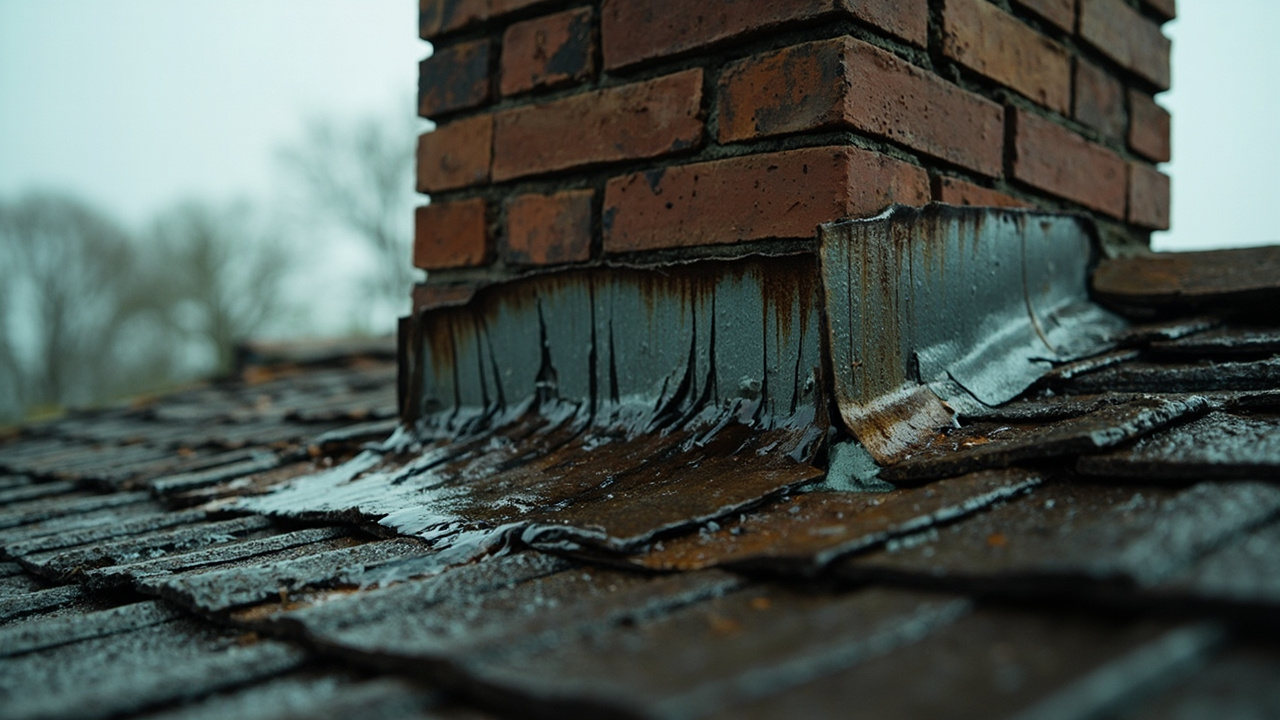
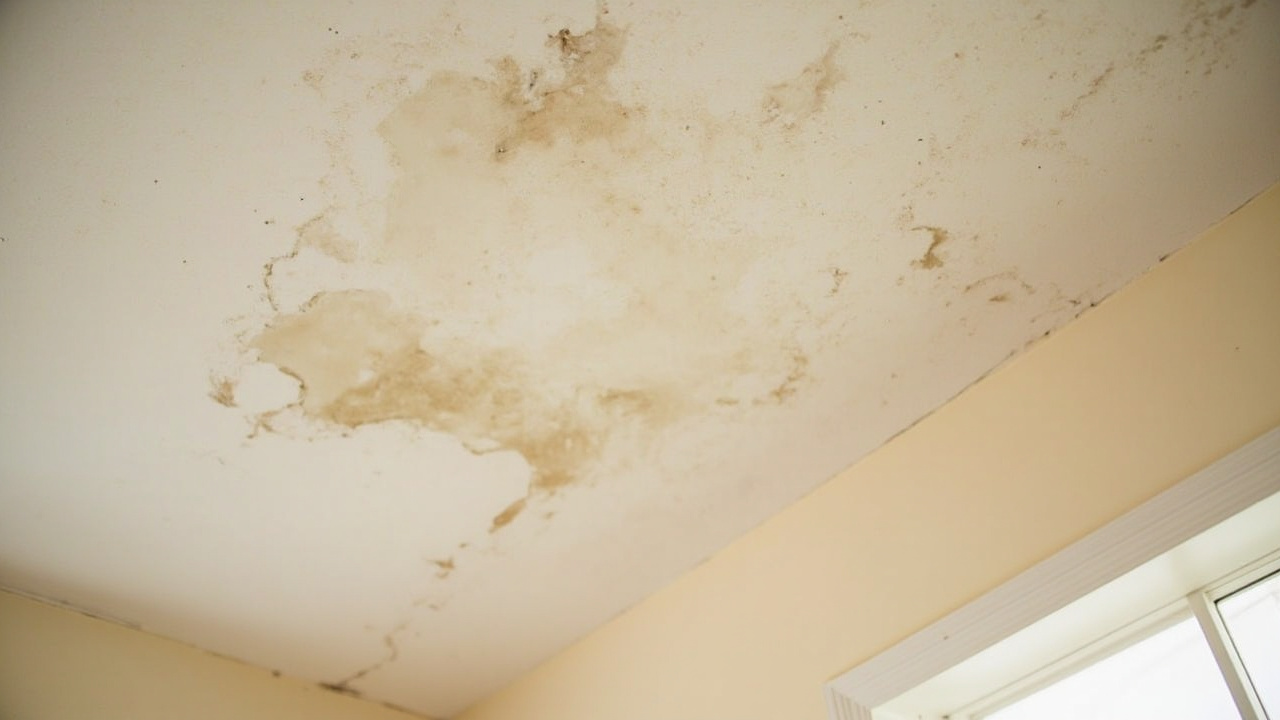
Damaged roof flashing shows up most often after winter. You might notice water stains on your ceiling near the chimney or attic moisture after heavy storms. The metal flashing around roof penetrations corrodes faster here because of moisture exposure and temperature swings. Rusted roof flashing loses its seal, especially on older homes in neighborhoods like Tremont or Ohio City where original installations may be decades old.

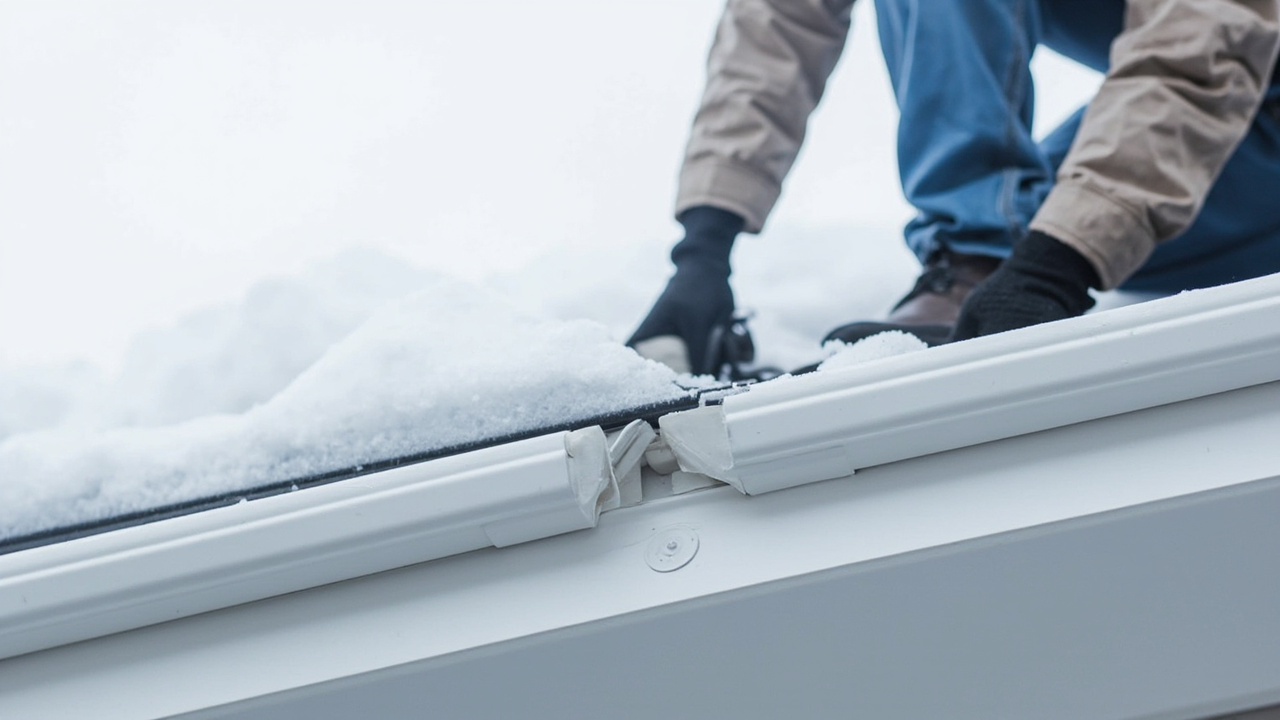
Loose roof flashing is another common culprit. High winds during spring thunderstorms lift shingle edges and compromise the flashing seal. Once that seal breaks, every rainstorm drives water underneath. The leak might be small at first, just a drip during heavy downpours. But flashing seal failure accelerates. What drips today becomes a stream next month.

Leaky roof flashing rarely fixes itself. The damage compounds. Water migrates along roof decking, rotting the wood structure you can't see. By the time you spot the ceiling stain, the real damage is often hidden in your attic insulation and framing. Cleveland's humid summers make that moisture problem worse, creating mold conditions that spread fast.

Why Roof Flashing Fails in Cleveland's Climate
How We Fix Flashing Leaks the Right Way

How We Fix Flashing Leaks the Right Way

Most contractors slap caulk on leaky roof flashing and call it fixed. That lasts maybe six months before you're calling again. Alpha Roofing Cleveland takes a different approach. We strip back the compromised area to expose the actual failure point. You need to see what's happening under those shingles before you can fix it permanently.

Our team removes the damaged flashing completely. We inspect the roof decking underneath for rot or water damage. If the decking is compromised, we replace those sections before installing new flashing. Skipping this step is why most flashing repairs fail within a year. The new flashing sits on rotted wood that can't hold a proper seal.

We use step flashing for roof-to-wall transitions and continuous flashing for chimneys. The material matters. Aluminum flashing works for most applications in Cleveland, but copper lasts longer in high-exposure areas. We bed each piece in roofing cement, then interweave it with your shingles so water can't work its way behind the metal. The overlap pattern is specific. Each piece covers the one below it by at least three inches.

Counter-flashing goes over the base flashing on chimneys and walls. This creates a two-layer defense. Even if wind-driven rain gets past the first layer, the second layer redirects it back onto the roof surface. We seal every nail penetration and use ice and water shield membrane in vulnerable spots. The membrane self-seals around fasteners, preventing the nail holes themselves from becoming leak points.

The final step is integration. The flashing has to move with your roof as temperatures change. Metal expands and contracts. If the installation is too rigid, it cracks. If it's too loose, it lifts. We tension each piece correctly for Cleveland's temperature range.

What Happens During Your Flashing Repair

Roof Flashing Leaking in Cleveland – Expert Diagnosis and Permanent Repair Solutions
01

Leak Source Identification

We start with an attic inspection to trace water stains back to their entry point. Flashing leaks often appear several feet away from the actual failure. We check every roof penetration, chimney, skylight, and valley. Using moisture meters, we identify saturated decking that indicates active leaks. You get photos of the damaged flashing anddecking before we start any work, so you see exactly what's failing.
02

Flashing Removal and Repair

We remove shingles around the compromised flashing to access the full installation area. Damaged decking gets cut out and replaced. New flashing is fabricated to fit your specific roof angles and penetrations. Each piece integrates with your existing shingle pattern using proper overlap techniques. We install ice and water shield membrane under all flashing in vulnerable areas. Counter-flashing goes on last, creating layered protection against wind-driven rain.
03

Seal and Integration

Every flashing piece gets sealed with roofing cement at connection points. We replace shingles to match your existing roof, blending the repair area so it's barely visible from the ground. Final inspection includes a water test on chimneys and a visual check of all nail penetrations. You receive documentation of materials used and repair locations. The flashing now moves with your roof through temperature changes without cracking or lifting.

Why Cleveland Homeowners Choose Alpha Roofing for Flashing Repairs

You need someone who understands how Cleveland's weather attacks your roof. We've repaired flashing on century homes in Detroit-Shoreway and newer construction in Kamm's Corners. The challenges are different. Older homes often have custom flashing profiles that require fabrication. Newer homes sometimes have builder-grade flashing that was barely adequate on day one.

Cleveland's building codes require specific flashing standards, especially after the updates following heavy storm seasons. We stay current on those requirements because failed inspections cost you time and money. If you're dealing with insurance claims after storm damage, we document everything correctly. Photos, measurements, material specifications. Insurance adjusters want proof the damage exists and proof the repair meets code.

Our crews know the difference between a quick fix and a permanent solution. When we remove damaged flashing, we're looking at the whole system. Is your drip edge properly installed? Are your roof valleys using the right underlayment? Is there adequate ventilation to prevent moisture buildup? These factors affect how long your flashing repair lasts.

We've seen what happens when flashing fails on Cleveland homes. The water damage spreads into attic insulation, ceiling drywall, and wall cavities. Mold grows in the humid summer months. Repair costs multiply. A chimney flashing repair that costs a few hundred dollars today becomes a multi-thousand dollar restoration project if you wait.

You get straight answers from us. If your flashing can be repaired, we repair it. If the surrounding roof is compromised enough that replacement makes more sense, we tell you. We're not upselling. We're protecting your investment in your home.

What to Expect When You Call Alpha Roofing Cleveland

Fast Response Times

We schedule inspections within 48 hours of your call. If you're dealing with active leaking during a storm, we can provide temporary tarping to stop water intrusion while we prepare a permanent repair plan. Most flashing repairs are completed in one day, depending on the extent of decking damage. We work around your schedule and keep you updated on arrival times. Emergency repairs get priority scheduling because we know water damage accelerates fast once flashing fails.

Thorough Leak Assessment

Your inspection includes attic access to trace leak patterns and roof surface evaluation of all flashing points. We use moisture detection equipment to find hidden water damage in decking and insulation. You receive a written assessment explaining what's failing, why it's failing, and what repair approach will work long-term. We photograph all damaged areas so you can see exactly what we're talking about. If multiple areas need attention, we prioritize them by severity and risk.

Quality Material Installation

We use aluminum or copper flashing depending on your exposure and budget. All installations include ice and water shield membrane in vulnerable areas and proper integration with existing shingles. You get metal gauge appropriate for Cleveland wind loads and fasteners that won't back out during freeze-thaw cycles. The finished repair blends with your existing roof. We clean up completely, including magnetic sweeps for fallen nails. Your gutters get cleared of debris from the work area.

Post-Repair Support

After your flashing repair, we provide maintenance recommendations specific to your roof type and age. You get a detailed receipt listing all materials and labor for insurance or home records. We're available for follow-up questions about your repair or other roof concerns you notice later. Annual roof inspections catch small problems before they become major leaks. Many homeowners schedule us to check their flashing every fall before winter weather hits. That preventive approach saves money compared to emergency repairs during Cleveland's harsh winter months.

Frequently Asked Questions

You Have Questions,
We Have Answers

How to repair a roof leak at flashing? +

Repairing a roof leak at flashing starts with identifying the exact failure point. Remove damaged shingles around the flashing, then carefully pry out old caulk or sealant. If the metal is bent or corroded, replace the section entirely. Apply roofing cement under the flashing edges, then secure with new roofing nails. Re-seal all joints with high-quality caulk designed for metal flashing. Cleveland's freeze-thaw cycles stress these joints year-round, so proper sealant matters. If flashing is severely rusted or improperly installed, full replacement prevents recurring leaks. This is precise work that demands experience with proper layering and water channeling.

Can roof flashing cause leaks? +

Yes. Flashing is designed to direct water away from roof penetrations and valleys, but it fails when improperly installed, corroded, or damaged. Gaps as small as a hairline crack let water infiltrate. Common failure points include chimney flashing, vent pipe boots, and valley flashing where two roof planes meet. Cleveland homes face constant expansion and contraction from temperature swings, which loosens nails and cracks sealant over time. Wind-driven rain during storms can force water behind compromised flashing. Most attic leaks trace back to flashing problems, not shingle damage. Flashing is your roof's first line of defense at vulnerable transition points.

Can I fix roof flashing myself? +

You can attempt minor flashing repairs if you have roofing experience and proper safety equipment. Simple re-caulking around vent pipes or applying roofing cement to small gaps is manageable for skilled homeowners. However, Cleveland's steep roof pitches and icy conditions make this dangerous work. Improper repairs often worsen leaks by trapping water behind flashing or creating new penetration points. Complex issues like step flashing replacement, chimney cricket installation, or valley flashing require specialized knowledge of water flow patterns and code-compliant techniques. Most DIY flashing repairs fail within months. Professional roofers have the training to diagnose hidden damage and execute lasting fixes.

How much does it cost to repair flashing on a roof? +

Flashing repair costs vary based on location, damage extent, and accessibility. Minor chimney flashing repairs typically run a few hundred dollars, while complete valley flashing replacement costs more due to material and labor intensity. Vent pipe boot replacement is usually on the lower end. Steep pitches common in Cleveland neighborhoods increase labor costs. Multiple penetrations, hidden water damage to decking, or custom metal fabrication drive prices higher. Most contractors provide free inspections to assess your specific situation. Delaying repairs compounds damage and raises eventual costs. Request itemized quotes that specify materials, labor, and any structural repairs needed beyond the flashing itself.

Does Flex Seal work on roof flashing? +

Flex Seal and similar rubber sealants offer temporary emergency patches but are not long-term flashing solutions. These products do not address underlying installation problems or metal deterioration. Cleveland's temperature extremes cause rapid degradation of rubber coatings, leading to cracking and peeling within months. Proper flashing repair requires mechanical fastening, correct layering with shingles, and metal-to-metal compatibility. Temporary sealants can trap moisture behind flashing, accelerating rot in roof decking. Use these products only as a stopgap during active leaks until a professional can execute permanent repairs. Relying on spray sealants delays proper fixes and often worsens damage over time.

Does homeowners insurance cover flashing repair? +

Homeowners insurance typically covers flashing repair if damage results from a covered peril like wind, hail, or falling trees. Gradual deterioration from age or lack of maintenance is usually excluded. Cleveland's severe weather events often qualify for coverage when storms damage flashing. Document damage with photos immediately after storms. Insurance adjusters sometimes misattribute flashing leaks to wear and tear, so professional roofing assessments help substantiate claims. Review your policy's wind and hail deductibles. If a storm damaged multiple roof components including flashing, you have a stronger claim. Always file promptly and keep detailed records of all correspondence.

Can I put new flashing over old flashing? +

Layering new flashing over old flashing is improper and violates building codes in most cases. This practice traps moisture between layers, accelerates corrosion, and creates bulges that prevent proper shingle integration. Effective flashing requires direct contact with roof decking and proper integration with underlayment. Cleveland's moisture levels demand precise installation to prevent ice dam damage and water infiltration. The only exception is when adding counter-flashing over base flashing at masonry joints, which is standard practice. For all other applications, remove old flashing completely, inspect and repair decking, then install new flashing with correct overlap and fastening patterns.

Are roofers responsible for flashing? +

Yes. Professional roofers are responsible for all flashing installation and integration during roof projects. This includes chimney flashing, valley flashing, vent penetrations, skylights, and wall intersections. Flashing is not a separate trade. Competent roofers understand water flow dynamics and install step flashing, counter-flashing, and apron flashing as integral roof components. In Cleveland, roofers must address ice dam vulnerabilities at eaves and ensure proper cricket installation behind chimneys. If your roofer suggests hiring a separate contractor for flashing, find a different roofer. Proper flashing installation requires coordination with shingle layering and cannot be separated from the roofing process.

What are signs of failing roof flashing? +

Visible rust stains or green corrosion on metal flashing signal deterioration. Water stains on interior ceilings near chimneys, skylights, or walls indicate active flashing leaks. Curled or lifted shingles around flashing points suggest improper installation or failed sealant. Check attics during rain for water trails along flashing seams. Gaps between flashing and masonry or siding allow water entry. Cleveland homes should inspect flashing after severe storms and ice dam events. Loose or missing fasteners compromise the waterproof seal. Cracked caulk or hardened sealant no longer protects joints. Any visible daylight through flashing seams means immediate repair is needed.

Can you replace flashing without replacing the roof? +

Yes. You can replace flashing without replacing the entire roof if shingles remain in good condition. This requires carefully lifting and reinstalling surrounding shingles to access the flashing underneath. Step flashing replacement, chimney flashing upgrades, and valley flashing repairs are common standalone projects. Cleveland roofers perform these targeted repairs regularly when flashing fails prematurely due to improper installation or storm damage. However, if your roof approaches 15 to 20 years old, consider full replacement to avoid repeated service calls. Flashing and shingles age together, so isolated flashing replacement on aging roofs often precedes complete roof failure within a few years.

How Lake Erie Weather Accelerates Flashing Failure in Cleveland

Cleveland sits 10 miles from Lake Erie, and that proximity drives moisture into the air year-round. Your roof flashing deals with higher humidity than homes just 30 miles inland. Lake-effect snow dumps heavy, wet snow on roofs from November through February. That weight stresses flashing seals. When temperatures swing from 15 degrees to 45 degrees in a single week, your flashing expands and contracts repeatedly. Metal fatigues faster under these conditions. Rusted roof flashing is common on the east and north sides of homes where lake winds drive moisture against the structure. The salt content in that lake air accelerates corrosion on exposed metal.

Cleveland's older housing stock in neighborhoods like Lakewood and Cleveland Heights features architectural details that make flashing critical. Dormers, bay windows, multiple roof planes, and decorative chimneys create dozens of potential leak points. These homes require custom flashing solutions that match original profiles while using modern sealing techniques. Building inspectors in Cuyahoga County know which flashing installations fail first. They check overlap patterns, fastener placement, and membrane integration during inspections. We work with local inspectors regularly and understand exactly what they require for approval. That local knowledge prevents delays and ensures your repair passes inspection the first time.
Roofing Services in The Cleveland Area

We are proud to serve the entire Cleveland area and the surrounding communities. Our centrally located office allows us to respond quickly to your needs, whether you require a repair, a full roof installation, or an emergency service. We invite you to view our service area on the map to see how we can assist you. Our team is always ready to provide expert solutions right where you are.

Address:
Alpha Roofing Cleveland, 2401 Superior Viaduct, Cleveland, OH, 44113

Additional Services We Offer

Our news updates

Latest Articles & News from The Blogs

Why Moreland Hills homeowners are choosing high-end composite over traditional slate Moreland Hills estates have long featured the prestige of…

Why more Moreland Hills homeowners are choosing high-end composite over traditional slate

Why Moreland Hills homeowners are choosing high-end composite over traditional slate Moreland Hills estates have long featured the prestige of…

How to stop local wildlife from nesting under the shingles of your Mayfield Heights home

Understanding the Wildlife Problem in Mayfield Heights Mayfield Heights sits in a unique geographic location where suburban development meets mature…

Picking a roof color that highlights the historic charm of your University Heights home

Picking a roof color that highlights the historic charm of your University Heights home The right roof color can transform…

Contact Us

Every day you wait, water is migrating through your roof structure. Call Alpha Roofing Cleveland now at (216) 547-1300 for a professional flashing inspection. We'll identify the exact failure point and provide a permanent repair solution designed for Cleveland's climate.