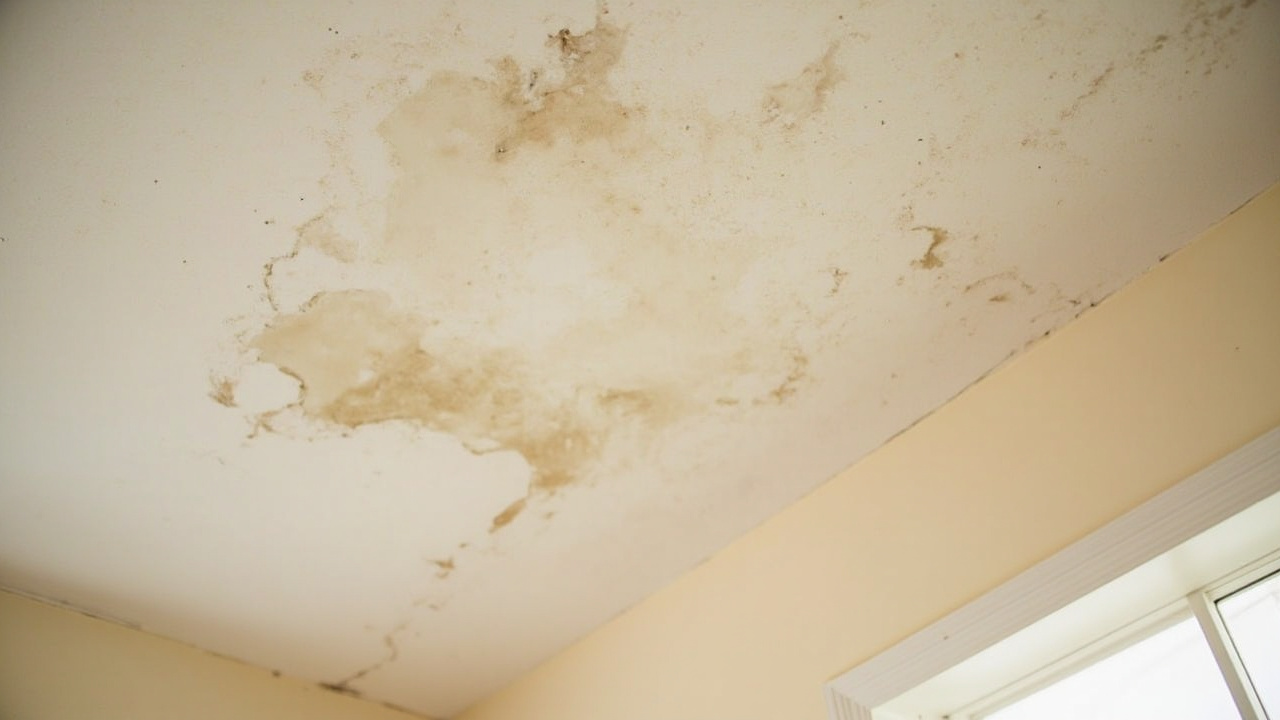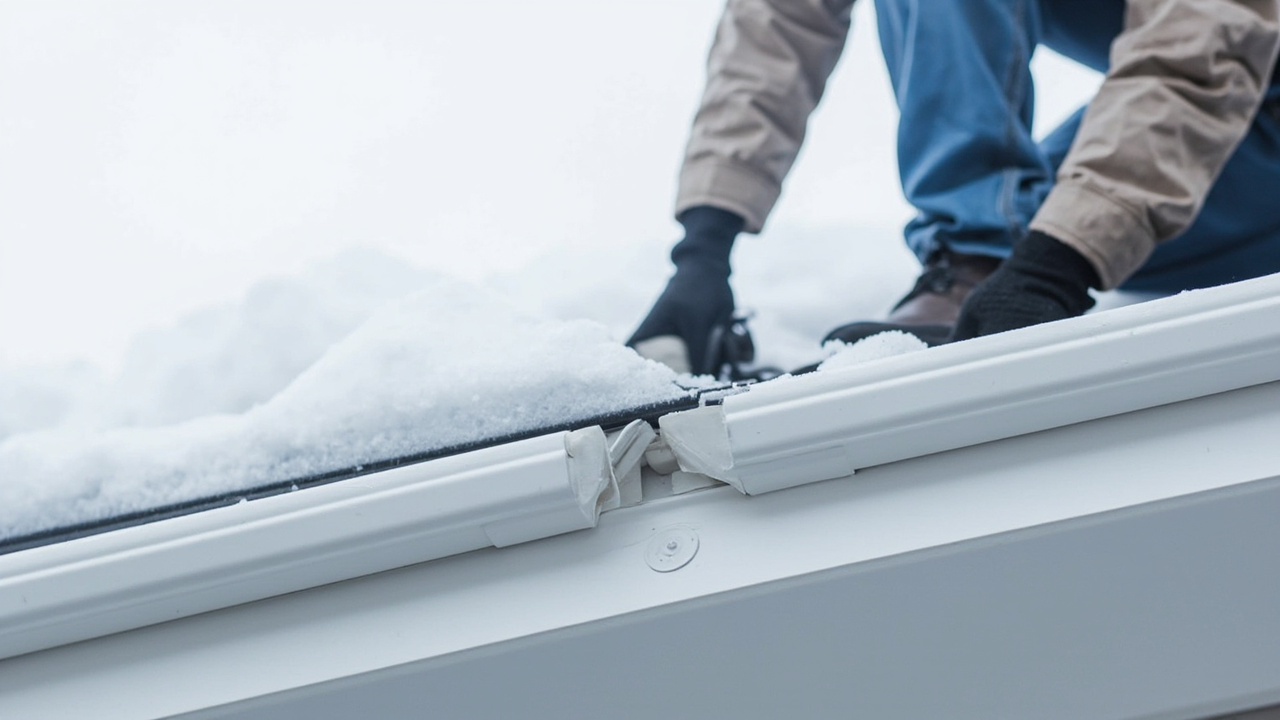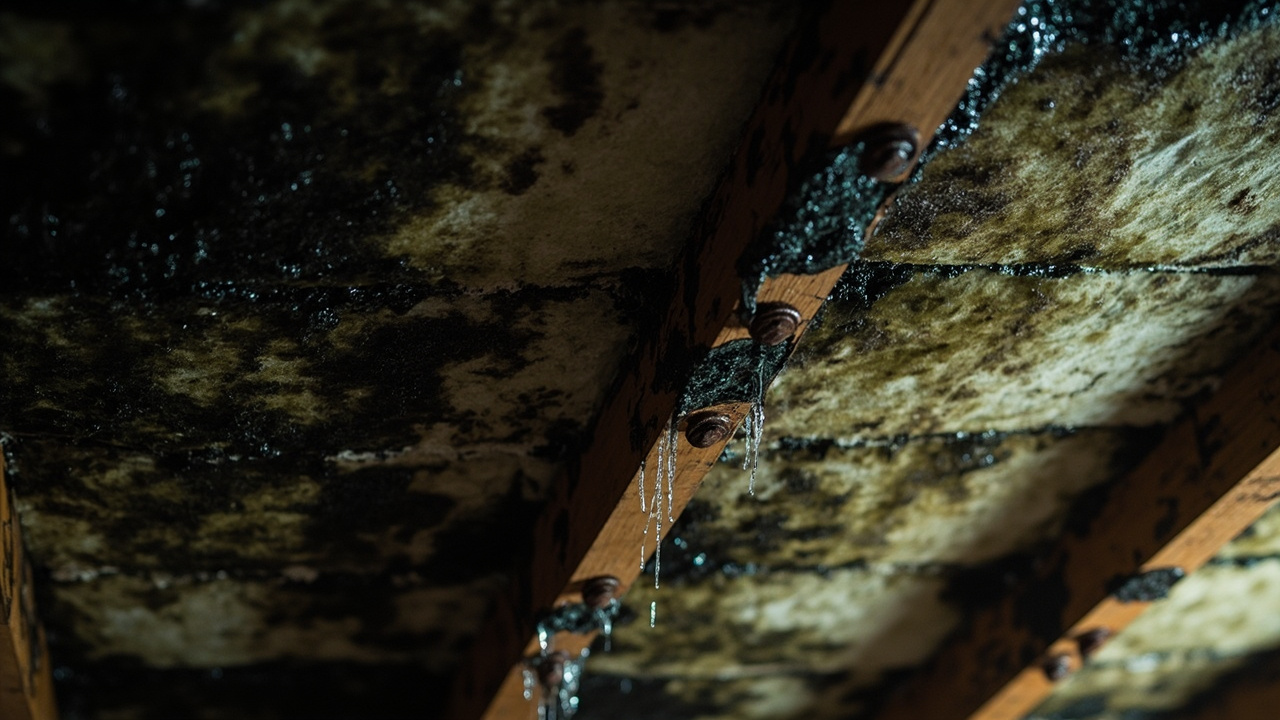


Cleveland sits less than five miles from Lake Erie, which means our air carries more moisture than inland cities experience. This lake effect humidity does not disappear in winter. Cold air holds less moisture, so when warm indoor air rises into your attic, the relative humidity inside that space spikes. Combine this with Cleveland's freeze-thaw cycles, where daytime temperatures climb above freezing and nighttime temperatures plunge into the teens, and your roof deck becomes a condensation factory. Ice dams form along eaves, trapping snowmelt under shingles. That water backs into the attic and mixes with existing moisture from condensation. Your attic becomes a wet box.
Cleveland homeowners need roofers who understand how local weather patterns interact with building science. Generic advice from national contractors does not account for Lake Erie's influence on our climate. We have spent years diagnosing moisture problems in Cleveland's older housing stock, from bungalows in Lakewood to two-stories in Cleveland Heights. We know which ventilation systems work in our climate and which fail. We follow Ohio's building codes for attic ventilation and insulation, and we adapt our solutions to each home's unique design. You get expertise built on local experience.