menu

Critter & Pest Damage in Cleveland – Expert Roof Repairs Before Wildlife Destroys Your Home

Alpha Roofing Cleveland specializes in identifying and repairing roof wildlife damage caused by raccoons, squirrels, and rodents common to Northeast Ohio, protecting your home from structural failure and repeat invasions.

Slider Image 1
Slider Image 2
Slider Image 3
Slider Image 4
Slider Image 5
Slider Image 7
Slider Image 8
Slider Image 9
Slider Image 10
Slider Image 11

Why Cleveland Roofs Attract Destructive Wildlife

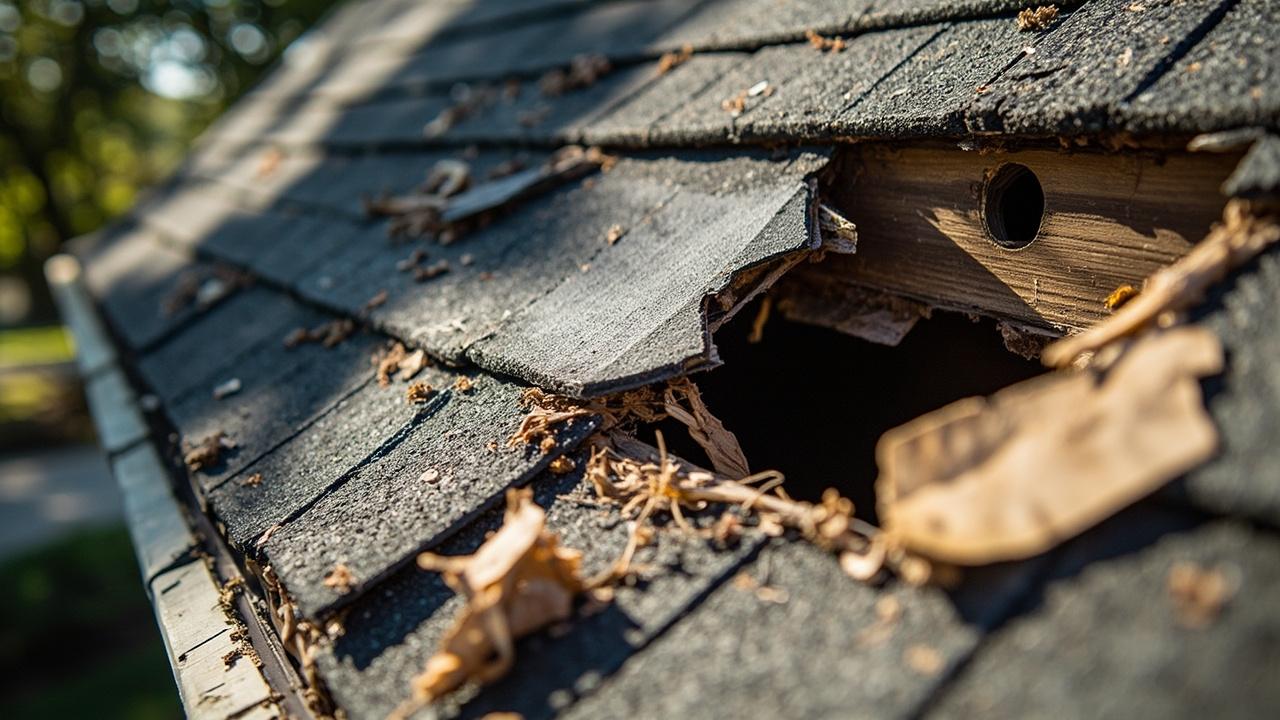
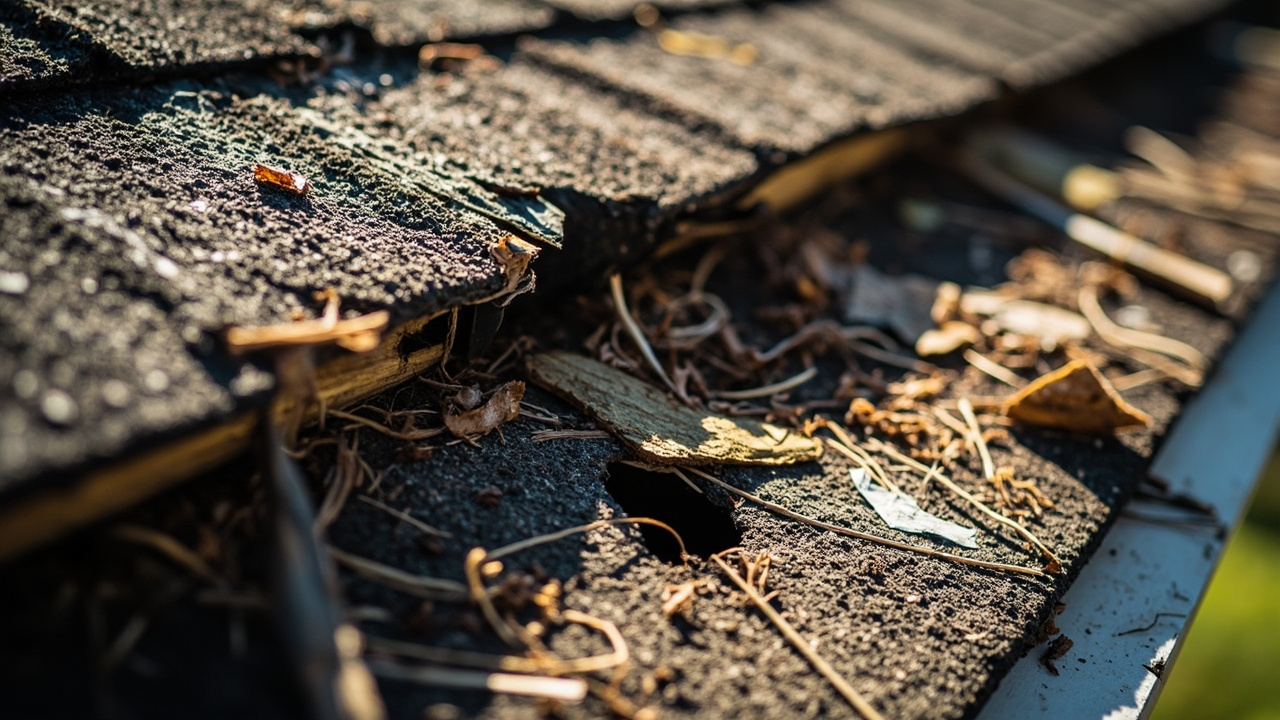
Cleveland's mix of older housing stock and wooded neighborhoods creates perfect conditions for animal intrusion roofing problems. Raccoons, squirrels, and bats exploit weak points in aging rooflines, targeting soffit vents, ridge caps, and deteriorated flashing around chimneys. The freeze-thaw cycles we experience from November through March make everything worse. Ice dams form along eaves, creating gaps that raccoons pry open with surprising force. Once inside your attic, they shred insulation, chew through electrical wiring, and leave urine-soaked debris that breeds mold.

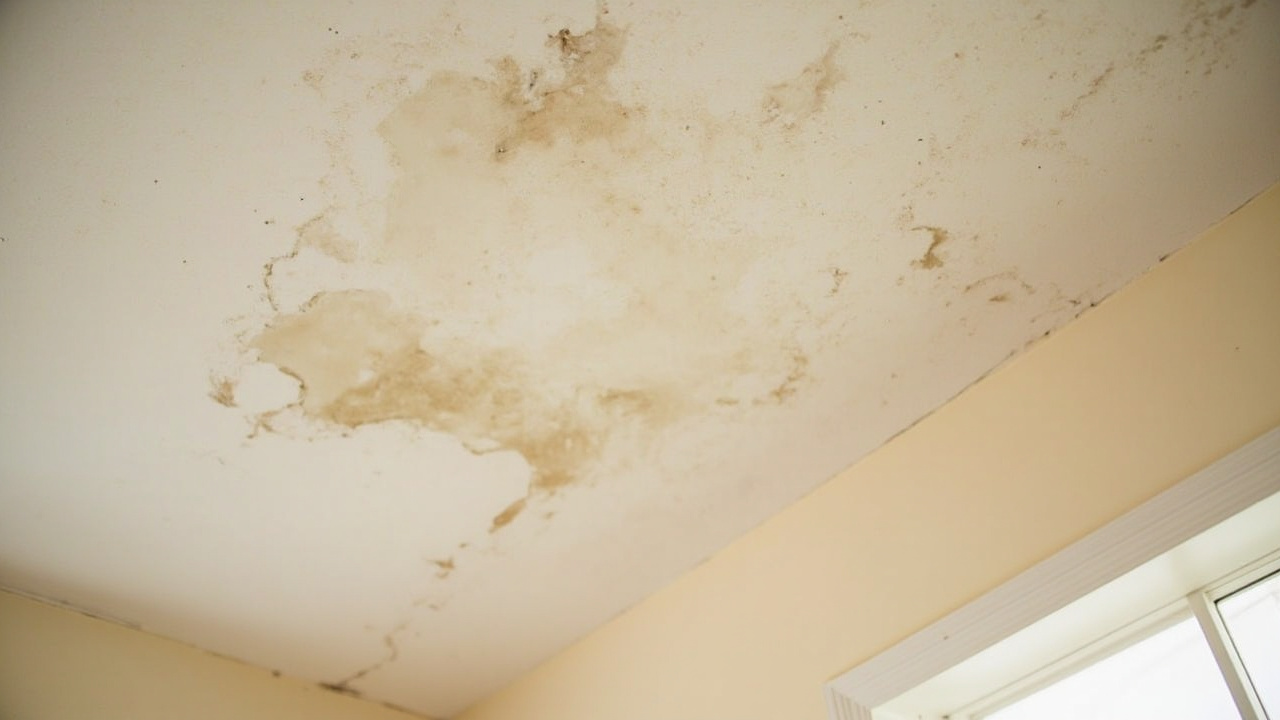
The real danger starts small. A squirrel finds a loose fascia board. Within days, the opening grows large enough for raccoons. You hear scratching at night. You notice dark stains spreading across your ceiling. By the time most Cleveland homeowners call us, rodent roof damage has already compromised structural decking and created entry points for rain.

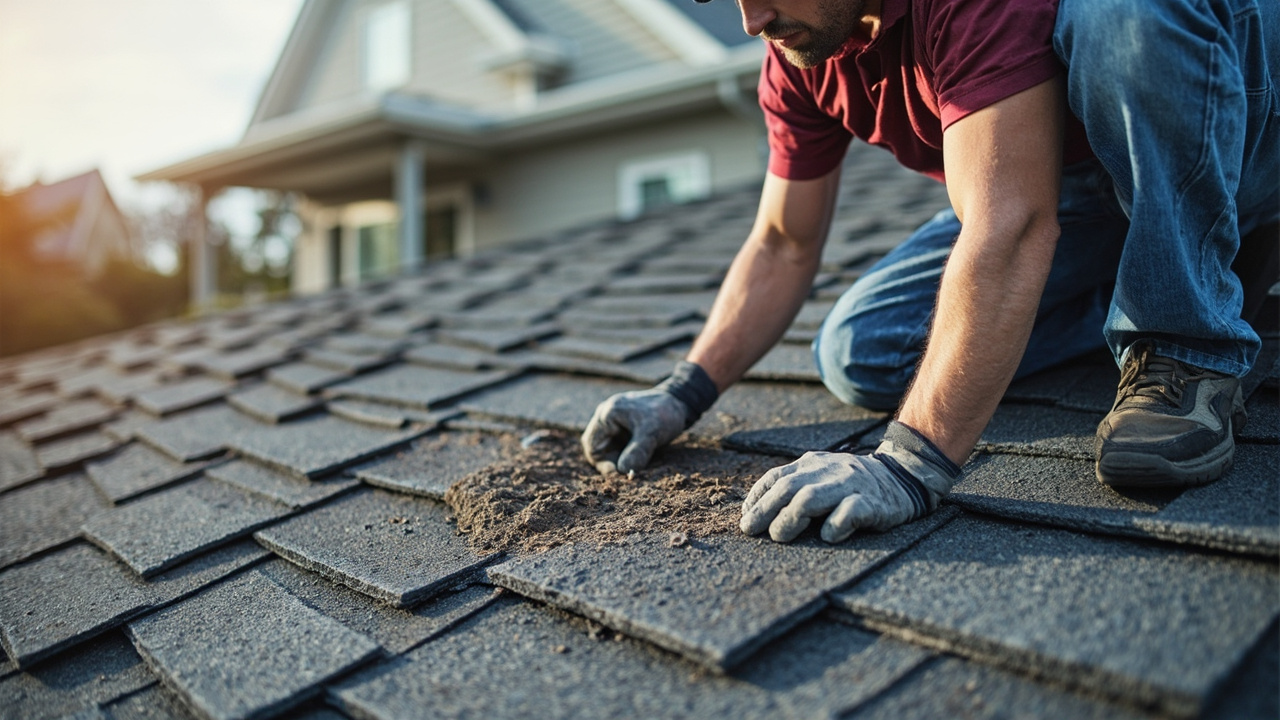
Pest damage shingles often go unnoticed until you see missing tabs or granules washing into gutters. Woodpeckers drilling for insects, squirrels gnawing to file their teeth, and raccoons tearing at edges all leave distinct damage patterns. In neighborhoods like Tremont and Ohio City, where mature trees overhang rooflines, vermin roof destruction accelerates rapidly. The proximity of Lake Erie moderates our winters just enough to keep wildlife active year-round, unlike cities farther north where animals truly hibernate. Your roof stays vulnerable twelve months a year.

Why Cleveland Roofs Attract Destructive Wildlife
How We Stop Wildlife Damage and Prevent Return Invasions

How We Stop Wildlife Damage and Prevent Return Invasions

We do not just patch holes and hope for the best. Our repair process starts with a comprehensive attic inspection to map the full extent of roof wildlife damage. We check for compromised roof decking, damaged insulation, chewed wiring, and contaminated areas. Raccoons often create multiple entry points as escape routes, so we identify every breach before beginning repairs.

Our team removes all damaged materials down to sound structure. If rodents have chewed through oriented strand board decking, we cut back to intact joists and sister in new framing. We replace compromised flashing using ice and water shield membrane at vulnerable transition points, not just basic felt paper. Every penetration gets sealed with metal flashing and polyurethane sealant rated for Cleveland's temperature swings.

The critical difference in our approach involves hardening your roof against future animal intrusion. We install heavy-gauge galvanized steel mesh over soffit vents, replace plastic turbine vents with metal alternatives, and add custom-fabricated chimney caps with quarter-inch screening. Ridge vents get upgraded to models with internal baffling that blocks entry while maintaining airflow.

We also address the environmental factors that attracted pests initially. Overhanging branches within six feet of your roofline provide highways for squirrels and raccoons. We document these concerns and recommend tree trimming. Gaps in your gable vents, deteriorated rake boards, and missing drip edge all get documented in our scope of work. You receive a detailed report with photos showing before conditions, repair methodology, and hardening upgrades. This documentation proves essential when filing insurance claims for animal damage.

Our Wildlife Damage Repair Workflow

Critter & Pest Damage in Cleveland – Expert Roof Repairs Before Wildlife Destroys Your Home
01

Damage Assessment and Documentation

We conduct attic and exterior inspections to identify all entry points, structural damage, and contamination. You receive detailed photo documentation showing chewed decking, torn shingles, compromised flashing, and insulation damage. We map animal travel patterns to predict future vulnerability. This evidence supports insurance claims and ensures we address root causes, not just visible symptoms. The assessment typically takes 45 to 90 minutes depending on roof complexity and attic accessibility.
02

Structural Repair and Hardening

Our crews remove all compromised materials and rebuild affected areas to code. Damaged roof decking gets replaced with properly fastened plywood or OSB. We upgrade flashing systems using metal components and commercial-grade sealants. Every vent, penetration, and transition point gets reinforced with animal-resistant materials. Ridge caps are secured with longer fasteners to prevent prying. This phase eliminates existing damage while building resistance to future wildlife intrusion through physical barriers animals cannot defeat.
03

Prevention and Monitoring Plan

After repairs, we implement exclusion strategies tailored to Cleveland's common roof pests. Metal screening covers vulnerable openings. Chimney caps with mesh sides block raccoon entry while maintaining draft. We provide a priority list for vegetation management and recommend inspection intervals based on your neighborhood's wildlife pressure. You receive a maintenance checklist with warning signs to watch for, ensuring early detection if animals test your defenses. This proactive approach prevents the cycle of repeated damage and costly emergency repairs.

Why Cleveland Homeowners Trust Our Wildlife Damage Expertise

Alpha Roofing Cleveland has spent years learning how Northeast Ohio wildlife behaves and where our specific building styles create vulnerability. We understand that homes in Shaker Heights built in the 1920s have different weak points than ranch homes in Parma from the 1960s. Older homes often have wooden soffit systems that rot from ice dam moisture, creating easy entry for squirrels. Post-war construction frequently used thin aluminum soffit that raccoons bend like cardboard.

Our estimators recognize the difference between squirrel gnawing, which leaves fine wood shavings, and raccoon tearing, which rips materials in chunks. We know that woodpecker holes clustered near fascia boards indicate carpenter ant colonies inside your roofline, a separate problem requiring treatment before roofing repairs. This diagnostic precision prevents misdiagnosis and wasted repairs.

We also understand Cleveland's building codes and how they apply to animal damage repairs. When we replace roof decking, we follow current fastening schedules even if your original roof used fewer nails. Our flashing installations meet code requirements for high-wind zones, which matters when you file insurance claims. Adjusters recognize proper workmanship and approve claims faster when repairs exceed minimum standards.

Many Cleveland roofers treat wildlife damage as simple patching work. They nail a shingle over the hole and leave. Within months, animals re-enter through adjacent weak spots or simply tear through inadequate repairs. We have repaired hundreds of failed patch jobs where homeowners paid twice for the same problem. Our comprehensive approach costs more initially but eliminates the cycle of repeated damage. You also avoid the health risks of living with contaminated attic insulation or exposed wiring that rodents have compromised.

What to Expect When You Call Alpha Roofing Cleveland

Rapid Response and Scheduling

We prioritize wildlife damage calls because delays allow problems to worsen. Most Cleveland homeowners get inspection appointments within 24 to 48 hours. If animals have created openings that expose your attic to weather, we provide emergency tarping to prevent rain damage while you wait for full repairs. Our estimators arrive with thermal cameras to detect insulation damage and moisture intrusion that standard inspections miss. You receive a detailed quote typically within two business days, broken down by structural repairs, material upgrades, and exclusion work. This transparency helps you understand exactly what you are paying for and why each component matters.

Thorough Inspection and Hidden Damage Discovery

Our inspection process goes beyond the obvious entry hole. We examine your entire roofline for compromised areas that animals will exploit next. Attic inspections reveal chewed wiring, contaminated insulation, and structural damage hidden from exterior views. We use moisture meters to detect roof leaks that developed after animals damaged flashing or tore underlayment. You receive a comprehensive damage map showing current problems and vulnerable areas. This complete picture prevents surprise costs during repairs and ensures we address everything in one mobilization. Many Cleveland homeowners discover that visible damage represents only 30 to 40 percent of total animal impact on their roof system.

Permanent Repairs Built to Last

We rebuild damaged sections using materials that exceed original construction quality. Roof decking gets fastened every six inches at panel edges and every twelve inches in the field, which surpasses code minimums and resists future animal prying. Flashing installations use metal components with sealant rated for temperature extremes, not tar that cracks during Cleveland winters. Shingle replacements blend with your existing roof using manufacturer-matched materials when possible. The finished repair should be invisible from ground level while providing superior durability. Our work includes structural reinforcement that makes previously vulnerable areas stronger than surrounding original construction, breaking the pattern of repeated damage.

Ongoing Prevention and Maintenance Guidance

After completing repairs, we provide a customized maintenance plan addressing your specific vulnerability factors. This includes recommended tree trimming distances, seasonal inspection checklists, and warning signs that indicate animals are testing your defenses. We document all exclusion measures with photos so you can verify their condition during routine maintenance. Our team remains available for follow-up inspections if you notice suspicious activity. While we cannot guarantee that determined wildlife will never attempt entry, our hardening methods force animals to work so hard that they move to easier targets. Most Cleveland homeowners who implement our full exclusion recommendations experience zero repeat intrusions.

Frequently Asked Questions

You Have Questions,
We Have Answers

What is the hardest pest to get rid of? +

Bed bugs top the list. These pests hide in tiny crevices, reproduce fast, and resist many over-the-counter treatments. Termites come in close second because colonies hide inside walls and structural wood, making detection tough. In Cleveland homes, carpenter ants also present challenges due to our older housing stock with wood siding and attics. These pests require professional-grade treatment and multiple follow-ups. Mice and rats can be stubborn too, especially in winter when they squeeze through dime-sized gaps seeking warmth. Effective elimination demands identifying entry points, eliminating food sources, and using targeted exclusion methods that address your specific home's vulnerabilities.

Is critter control the same as pest control? +

No. Critter control focuses on larger animals like raccoons, squirrels, bats, and opossums. These require wildlife removal techniques like humane trapping, exclusion barriers, and entry point repairs. Pest control targets insects and rodents such as ants, roaches, termites, and mice using chemical treatments, baits, and monitoring. Cleveland homes often need both services. Squirrels damage attic insulation and chew wiring, while mice infest basements and kitchens. Some companies offer both, but the methods differ completely. Wildlife work often involves state regulations and permits, while pest control follows different protocols. Know which problem you face before calling for service.

What are the types of damage by pests? +

Pests cause structural damage, contamination, and health hazards. Termites and carpenter ants eat through wood framing, floor joists, and roof decking. Rodents gnaw electrical wiring, creating fire risks, and shred insulation for nests. Raccoons tear roof shingles and soffit vents to access attics. Cockroaches and mice leave droppings that spread bacteria and trigger asthma. In Cleveland, freeze-thaw cycles worsen pest damage because water enters through pest-created gaps, then freezes and expands. Squirrels damage HVAC ductwork. Birds clog gutters and downspouts with nesting material. Each pest type creates distinct damage patterns that require specific repair approaches beyond simple extermination.

What pest is most damaging to a house? +

Termites cause billions in structural damage annually. These insects eat wood 24 hours a day, compromising floor joists, wall studs, and roof rafters before you notice. Subterranean termites thrive in Cleveland because our clay soil retains moisture, creating ideal conditions near foundations. A mature colony can consume one pound of wood daily. Carpenter ants run a close second, hollowing out structural lumber for nesting galleries. Both pests work silently inside walls. You might see sagging floors, stuck windows, or hollow-sounding wood before spotting the insects themselves. Annual inspections catch infestations early, saving thousands in repair costs compared to waiting until visible damage appears.

What is considered a severe pest infestation? +

A severe infestation means pests reproduce faster than you can eliminate them, cause visible structural damage, or create immediate health risks. Signs include seeing pests during daylight hours (most hide when humans are active), finding multiple nests or entry points, or noticing widespread droppings throughout your home. For Cleveland homes, severe means rodents chewing through electrical wiring, termites compromising floor joists, or bats roosting in large colonies. You might smell strong odors, hear constant scratching in walls, or see staining from urine. At this stage, DIY treatments fail. Professional intervention becomes necessary to prevent further property damage and protect your family's health.

What pest causes the most damage? +

Termites win this category hands down. They cause over five billion dollars in property damage yearly across the United States. A single colony contains hundreds of thousands of workers eating wood nonstop. Cleveland homes with crawl spaces or older foundations face higher risk because termites travel through soil to reach wood. Carpenter ants inflict similar structural harm but work slower. Rodents create costly damage too by chewing wiring, pipes, and insulation. However, termites remain the costliest threat because damage stays hidden until serious structural problems emerge. Homeowners insurance typically excludes termite damage, making prevention and early detection your best financial protection.

What are the signs of a critter problem? +

Listen for scratching, scurrying, or chirping sounds in walls, attics, or ceilings, especially at dawn and dusk. Look for droppings near baseboards, in cabinets, or attic corners. Check for gnaw marks on wood trim, electrical wires, or food packaging. In Cleveland, inspect your roofline for damaged shingles or gaps near soffit vents where squirrels and raccoons enter. Grease marks appear along walls where rodents travel repeatedly. You might notice musky odors, scattered insulation, or nesting material. Outside, look for burrows near your foundation or torn window screens. Fresh damage means active infestation requiring immediate attention before populations explode.

What is the average cost for an exterminator to get rid of mice? +

Mouse extermination in Cleveland typically runs from 150 to 400 dollars for initial treatment, depending on infestation severity and home size. Ongoing monitoring adds monthly costs. Factors affecting price include access difficulty, number of entry points needing sealing, and whether you need attic cleanup. Older Cleveland homes with stone foundations or multiple crawl spaces cost more because mice exploit more entry gaps. One-time treatments rarely work. Effective mouse control requires identifying every entry point (mice squeeze through quarter-inch gaps), setting multiple trap stations, and follow-up visits. Budget for exclusion work too, sealing gaps with steel wool and caulk to prevent re-infestation.

Do I have to wash everything after pest control? +

It depends on treatment type and location. For general spray treatments in basements or perimeter applications, you typically do not need to wash dishes or cookware stored in closed cabinets. Wipe down countertops and food prep surfaces before use. For severe infestations requiring foggers or whole-house treatments, remove or cover food, dishes, and utensils beforehand. Most modern pest control uses targeted applications with low toxicity to humans and pets. Ask your technician which areas were treated and follow their specific instructions. In Cleveland, treatments for mice usually involve bait stations and traps requiring minimal cleaning. Roach or flea treatments may need more thorough post-treatment cleaning.

Is pest damage covered by homeowners insurance? +

Rarely. Standard homeowners insurance excludes damage from insects, rodents, birds, and wildlife because insurers consider prevention your responsibility as a homeowner. Termite damage, carpenter ant destruction, and rodent chewing fall under maintenance issues, not sudden accidents. However, if a covered peril caused the pest problem, you might have coverage. For example, if a fallen tree damages your roof and raccoons enter through the hole, the tree damage might be covered, but raccoon damage likely is not. Review your policy carefully. In Cleveland, some insurers offer optional pest damage riders, but most homeowners pay out-of-pocket for pest-related repairs and extermination costs.

How Cleveland's Urban Forest and Housing Age Accelerate Roof Wildlife Damage

Cleveland ranks among the most tree-covered cities in the United States, with canopy coverage exceeding 30 percent in established neighborhoods. This environmental asset becomes a roofing liability when mature oaks, maples, and elms overhang homes. Squirrels travel branch highways directly onto roofs, testing vents and flashing for entry points. Our housing stock compounds this risk. More than 60 percent of Cleveland homes were built before 1970, using construction methods and materials that deteriorate after decades of freeze-thaw cycles. Wooden soffit systems rot from ice dam moisture. Original aluminum vents corrode and separate from roof planes. These age-related vulnerabilities align perfectly with wildlife behavior patterns, creating the ideal storm for animal intrusion roofing problems that newer suburban developments rarely face.

Alpha Roofing Cleveland has worked in every neighborhood from Kamm's Corners to Cleveland Heights, learning how local building styles interact with regional wildlife populations. We understand that homes near the Cleveland Metroparks face higher raccoon pressure, while properties in older streetcar suburbs deal with persistent squirrel populations. This geographic expertise informs our exclusion strategies and helps us predict where your roof will face future challenges. Local building inspectors recognize our work because we follow Cuyahoga County building codes for structural repairs, not just quick fixes that pass visual inspection. When you choose a roofing company that understands Cleveland's specific combination of climate, wildlife, and aging housing stock, you get solutions designed for your actual environment.
Roofing Services in The Cleveland Area

We are proud to serve the entire Cleveland area and the surrounding communities. Our centrally located office allows us to respond quickly to your needs, whether you require a repair, a full roof installation, or an emergency service. We invite you to view our service area on the map to see how we can assist you. Our team is always ready to provide expert solutions right where you are.

Address:
Alpha Roofing Cleveland, 2401 Superior Viaduct, Cleveland, OH, 44113

Additional Services We Offer

Our news updates

Latest Articles & News from The Blogs

Why Moreland Hills homeowners are choosing high-end composite over traditional slate Moreland Hills estates have long featured the prestige of…

Why more Moreland Hills homeowners are choosing high-end composite over traditional slate

Why Moreland Hills homeowners are choosing high-end composite over traditional slate Moreland Hills estates have long featured the prestige of…

How to stop local wildlife from nesting under the shingles of your Mayfield Heights home

Understanding the Wildlife Problem in Mayfield Heights Mayfield Heights sits in a unique geographic location where suburban development meets mature…

Picking a roof color that highlights the historic charm of your University Heights home

Picking a roof color that highlights the historic charm of your University Heights home The right roof color can transform…

Contact Us

Animals do not stop on their own. Every day you wait allows more structural damage, contamination, and water intrusion. Call Alpha Roofing Cleveland at (216) 547-1300 for a comprehensive wildlife damage inspection. We will show you exactly what is happening in your attic and roof system, then build a repair plan that ends the cycle permanently.