menu

Mold & Algae Stain Removal in Cleveland – Stop Roof Damage Before It Spreads

Expert mold and algae stain removal protects your shingles from premature failure. Our roof cleaning process removes black streaks, treats organic growth, and restores your roof's protective integrity without causing damage.

Slider Image 1
Slider Image 2
Slider Image 3
Slider Image 4
Slider Image 5
Slider Image 7
Slider Image 8
Slider Image 9
Slider Image 10
Slider Image 11

Why Cleveland Roofs Turn Black (And Why It Matters)

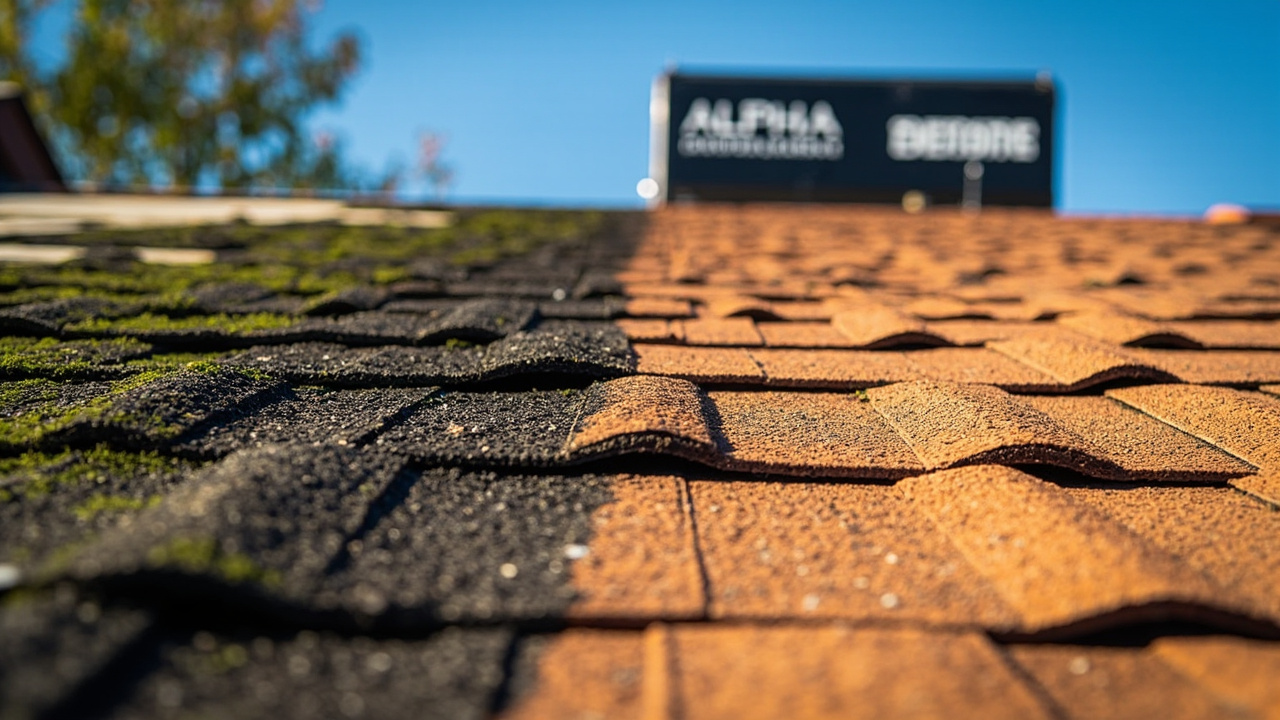
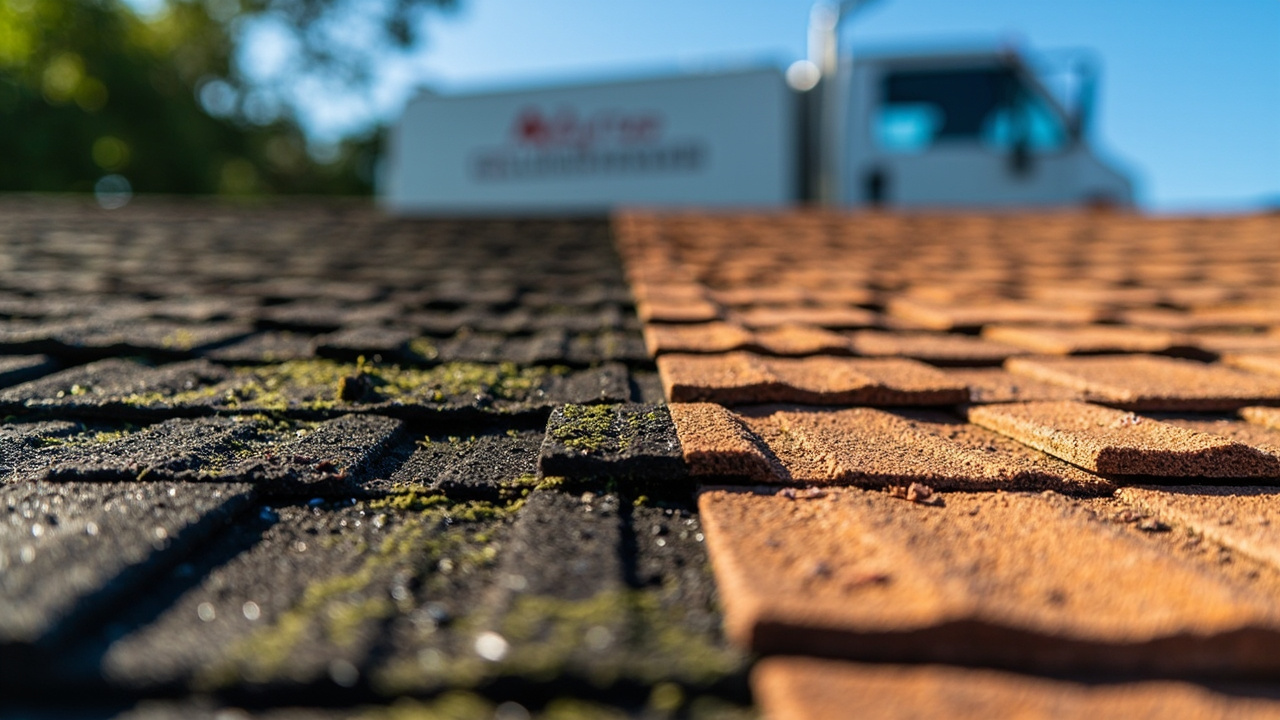
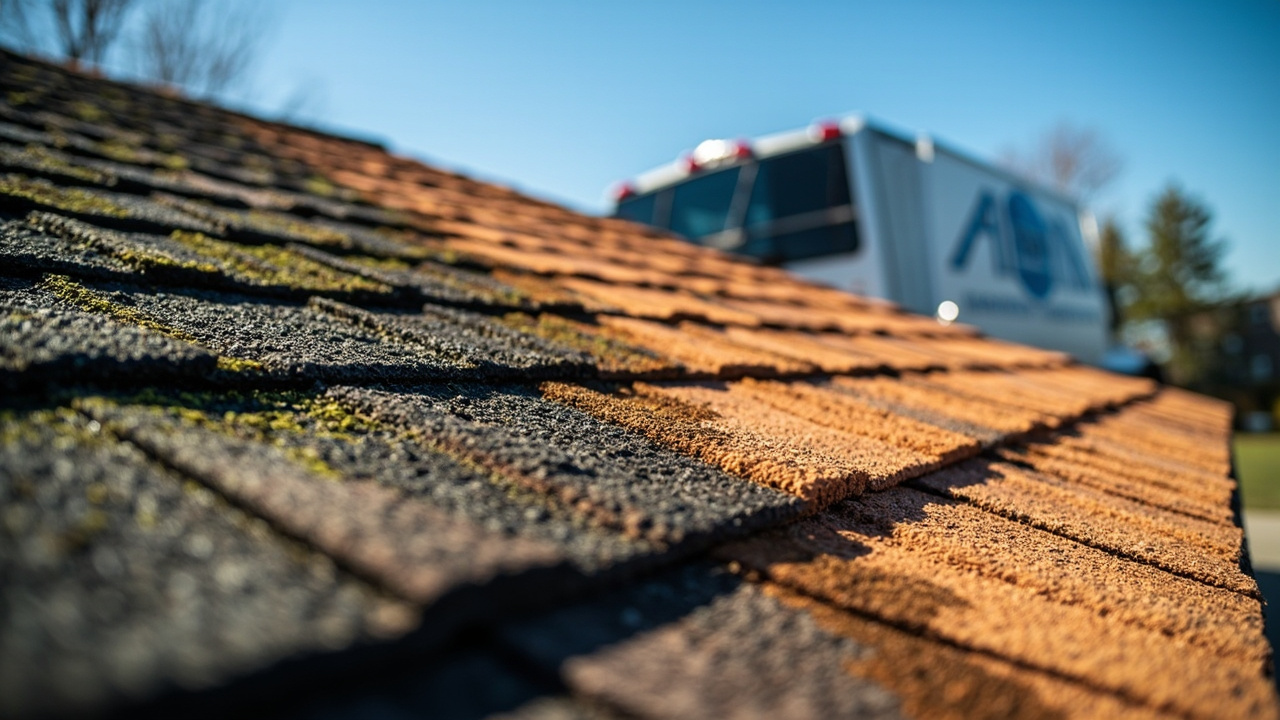
Those dark streaks running down your roof are not dirt. You are looking at Gloeocapsa magma, a cyanobacteria that feeds on the limestone filler in asphalt shingles. Cleveland's humid climate creates the perfect breeding ground. The algae retain moisture against the shingle surface, accelerating granule loss and shortening your roof's lifespan by years.

The problem gets worse near Lake Erie. Higher humidity levels combined with tree coverage in neighborhoods like Shaker Heights and Cleveland Heights create ideal conditions for roof fungus cleaning needs. The black streaks you see are colonies of millions of organisms. They are eating your roof.

Mold and mildew follow closely behind. Once algae compromise the shingle surface, mold spores take hold in the micro-gaps. You end up with a biological layer that traps heat in summer and moisture in winter. Your cooling bills go up. Your shingles curl faster. The freeze-thaw cycles that already stress Cleveland roofs become more damaging because the organic growth holds water against the substrate.

Many homeowners assume the stains are cosmetic. They are not. Removing black streaks on roof surfaces is about preserving the integrity of your investment. Algae-covered shingles absorb more heat, which breaks down the asphalt mat. You lose years of service life. Your home loses value. Insurance companies have started flagging roofs with visible organic growth during underwriting reviews.

The good news is that shingle algae treatment works when done correctly. The bad news is that pressure washing destroys shingles. You need a professional roof mildew removal process that kills the organism without blasting off granules.

Why Cleveland Roofs Turn Black (And Why It Matters)
How We Remove Algae Without Destroying Your Shingles

How We Remove Algae Without Destroying Your Shingles

Most contractors use pressure washers. That is the wrong tool. High-pressure water strips protective granules from the shingle surface. You remove the stain and cut your roof's lifespan in half. Alpha Roofing Cleveland uses a low-pressure soft wash system designed specifically for removing organic roof stains.

We apply a biodegradable solution that targets the cell structure of algae, mold, and mildew. The solution penetrates the root system embedded in the shingle surface. We let chemistry do the work. The organisms die at the cellular level. The black streaks break down naturally over the next rain cycle or we rinse them with low-pressure water that will not damage the granule layer.

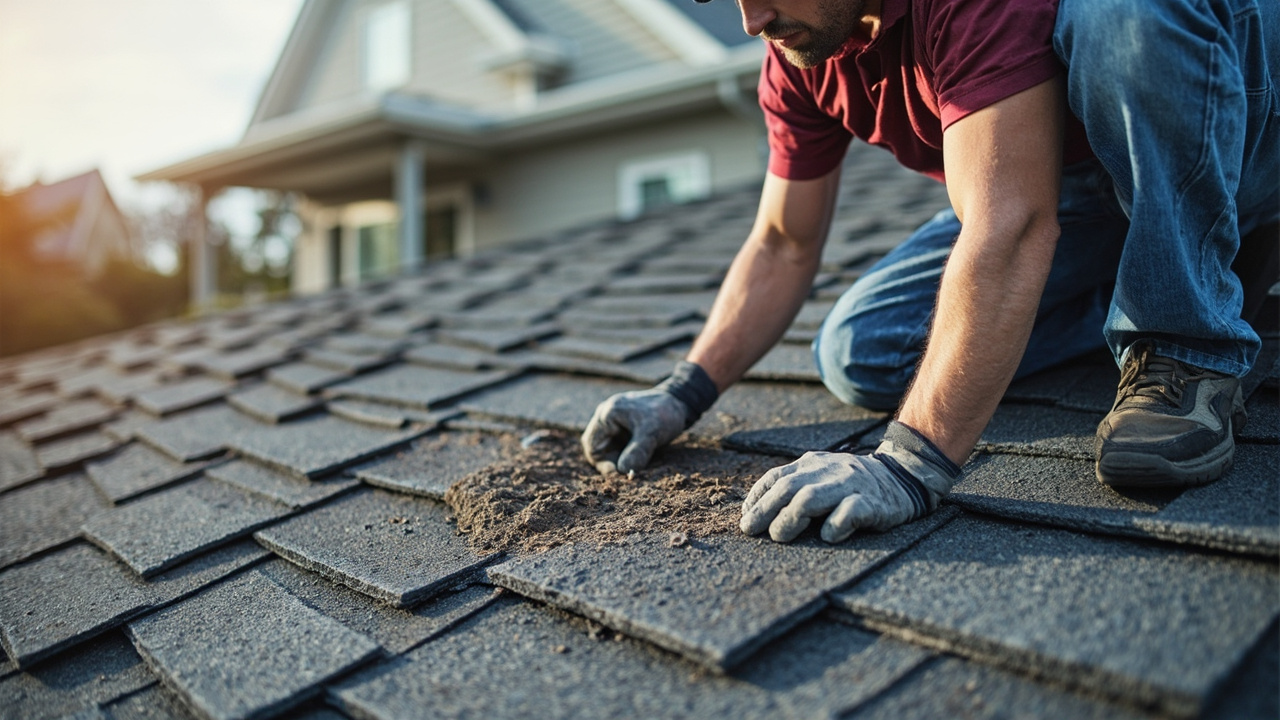
Our roof fungus cleaning process starts with a roof inspection. We check for compromised flashing, damaged shingles, and weak points in the underlayment. If algae growth has caused substrate damage, you need to know before we clean. We document everything. You get a full condition report.

The cleaning solution we use is specifically formulated for asphalt shingles. It will not harm landscaping when applied correctly. We pre-wet plants, cover sensitive areas, and control runoff. The solution biodegrades within hours. It is safer than the bleach-based mixtures some companies spray indiscriminately.

After cleaning, we inspect again. Algae and mold create hidden damage. Granule loss might reveal weak spots. Shingles that looked fine under the black streaks might show cracking or brittleness. You get a full post-cleaning assessment. If repairs are needed, you will know exactly what and why.

We also offer preventive zinc strip installation. Zinc ions inhibit algae regrowth. A single strip installed at the ridge line releases trace amounts of zinc every time it rains. The ions wash down the roof plane and prevent new colonies from forming. It is not a guarantee, but it extends the time between cleanings significantly.

What Happens During Your Roof Cleaning

Mold & Algae Stain Removal in Cleveland – Stop Roof Damage Before It Spreads
01

Roof Inspection and Documentation

We walk your roof and document existing damage before applying any cleaning solution. This protects you and us. We check flashing, valleys, and penetration points for leaks. We photograph problem areas. You see exactly what condition your roof is in before we start the shingle algae treatment process. If we find damage, we explain the cause and the fix.
02

Soft Wash Application

We apply the cleaning solution at low pressure, saturating the algae and mold colonies without damaging shingle granules. The solution works from the inside out, killing the root structure embedded in the shingle surface. We control application rate to prevent runoff and protect your landscaping. The process takes time because we are treating the organism, not just masking the stain.
03

Rinse and Final Assessment

After the solution has done its work, we rinse the roof with controlled low-pressure water. Dead algae and organic material wash away without removing protective granules. We inspect again to confirm complete removal and identify any damage that was hidden under the growth. You get a final report with photos and recommendations for any necessary repairs or preventive measures.

Why Cleveland Homeowners Trust Alpha Roofing for Algae Removal

We have cleaned roofs across Cleveland, from the historic homes in Tremont to the newer builds in Westlake. We know how Lake Erie's humidity affects roofing materials. We understand the tree coverage challenges in older neighborhoods where algae spread faster. That local knowledge matters when you are treating organic growth without causing collateral damage.

Many national chains send undertrained crews with pressure washers. They are fast and cheap. They also destroy roofs. We train our technicians specifically on soft wash chemistry and low-pressure application. They know the difference between cleaning and damaging. They understand how different shingle types react to treatment solutions.

Cleveland's housing stock includes everything from 1920s bungalows to modern construction. Shingle composition varies. Older organic-mat shingles require different treatment than modern fiberglass-backed products. We adjust our approach based on what is actually on your roof. One-size-fits-all cleaning damages roofs.

We also understand local code requirements for runoff management and environmental protection. The Cuyahoga River watershed regulations affect how we handle cleaning solutions. We capture and neutralize runoff where required. We follow best practices that protect your property and the surrounding environment.

You get transparent pricing before we start. No upsells. No bait-and-switch. We quote the full scope of work after the initial inspection. If we find damage that needs addressing, we explain the problem and give you options. You decide what gets done and when.

Our process preserves your roof's warranty. Many shingle manufacturers void coverage if you use high-pressure cleaning. Our soft wash method complies with manufacturer guidelines. We document the process. If you ever need to file a warranty claim, you have proof that the roof was maintained correctly.

Cleveland homeowners have enough to worry about with winter weather. You should not have to stress about whether your roof cleaning just shortened your roof's life. We do it right.

What to Expect When You Schedule Roof Cleaning

Scheduling and Timeline

Most roof cleanings take four to six hours depending on roof size and complexity. We schedule based on weather conditions. The cleaning solution needs dry conditions to work properly. Rain within 24 hours dilutes effectiveness. We monitor forecasts and communicate scheduling changes immediately. You will know exactly when we arrive and how long the job takes. We work efficiently without rushing. Quality matters more than speed when you are treating organic growth on a roof that needs to last another decade.

Initial Inspection Process

Before we clean anything, we walk your roof and assess its condition. We look for damaged shingles, compromised flashing, and signs of water infiltration. We photograph everything. This protects you and documents pre-existing conditions. If we find damage that needs immediate repair, we stop and discuss options. Cleaning a failing roof is pointless. We give you the full picture upfront. The inspection takes 30 to 45 minutes. You get a written summary with photos before we proceed.

Cleaning Results and Longevity

You will see immediate improvement after cleaning. Black streaks disappear. Shingles look years newer. The real benefit is below the surface. Removing the organic growth stops moisture retention and heat absorption. Your roof lasts longer. Cooling costs drop. Most Cleveland roofs need cleaning every three to five years depending on tree coverage and sun exposure. North-facing slopes stay damp longer and regrow algae faster. We give you a realistic timeline based on your specific roof orientation and environment.

Preventive Maintenance Options

After cleaning, we offer zinc strip installation to slow algae regrowth. Zinc ions inhibit bacterial colonization. The strips install at the ridge line and release ions with every rain. It is not foolproof, but it extends the time between cleanings. We also offer annual inspections to catch problems early. Cleveland's freeze-thaw cycles cause incremental damage every winter. An annual check identifies small issues before they become expensive repairs. Preventive maintenance costs less than emergency fixes.

Frequently Asked Questions

You Have Questions,
We Have Answers

Can algae stains be removed? +

Yes. Algae stains on roofs can be removed through professional cleaning methods. In Cleveland, dark streaks on asphalt shingles are typically gloeocapsa magma, a blue-green algae that feeds on limestone filler in shingles. Professional roof cleaning uses low-pressure application of specialized biocides that kill algae at the root without damaging shingles. DIY pressure washing often voids manufacturer warranties and strips protective granules. The high humidity and tree canopy coverage common in neighborhoods near Lake Erie create ideal algae growth conditions. Proper removal restores curb appeal and extends roof life, but timing matters. Treatment works best during dry months.

Can active mold stains be removed? +

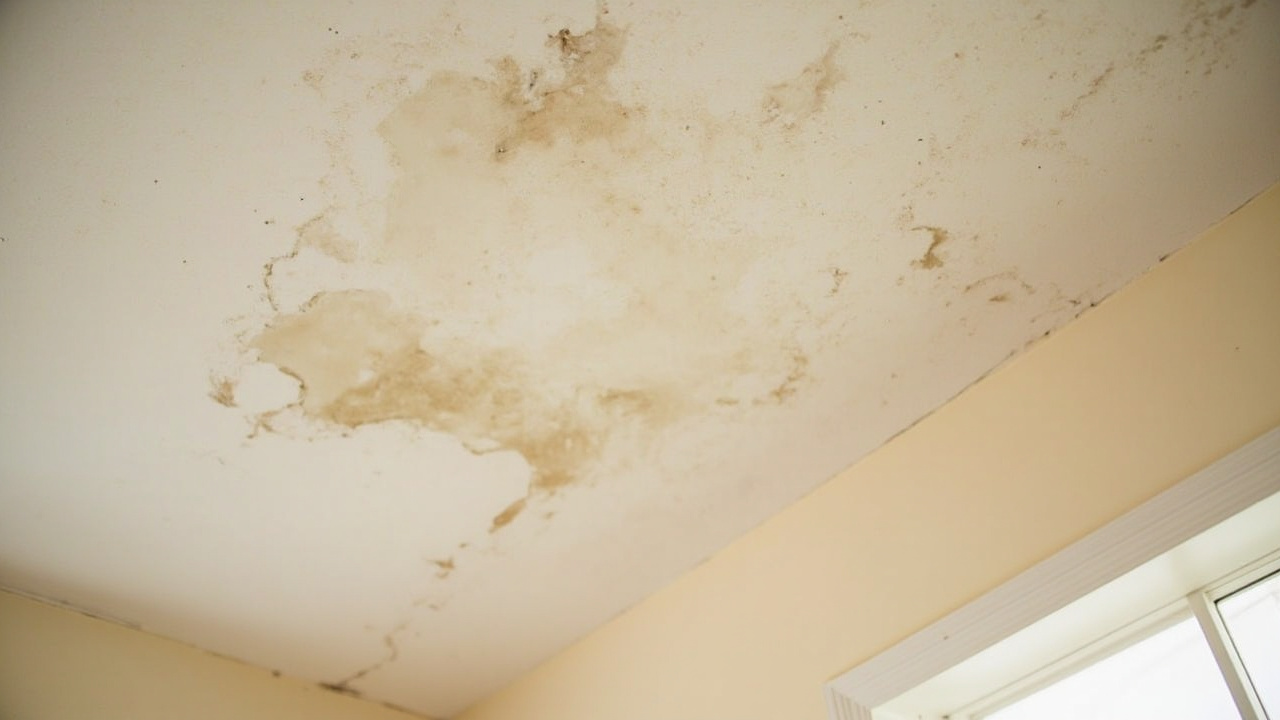
Active mold stains require a two-step approach. First, you must kill the living mold colony using appropriate biocides or antimicrobial treatments. Second, you address the remaining stain. On roofing materials in Cleveland, black mold streaks often penetrate porous surfaces like wood shakes or asphalt shingles. Professional treatment kills spores and removes surface discoloration, but deep staining may persist without replacement. Interior mold stains on drywall or ceiling materials often indicate moisture intrusion from roof leaks, common after Cleveland's freeze-thaw cycles damage flashing. Removing the stain without fixing the moisture source guarantees regrowth within weeks.

What's the best mold and mildew stain remover? +

The best remover depends on the surface material. For roofing applications in Cleveland, sodium hypochlorite-based solutions work effectively on asphalt shingles when applied at proper concentrations. Oxygen bleach works for organic surfaces but lacks the killing power needed for established colonies. Quaternary ammonium compounds prevent regrowth. Commercial products containing zinc or copper strips offer long-term prevention. Avoid acidic cleaners on metal roofing or flashing, as they cause corrosion. For porous surfaces like wood, encapsulation after cleaning prevents future growth. Professional-grade treatments outperform consumer products because concentration and application method determine effectiveness, not brand names.

How to remove mold and mildew stains from fabric? +

For fabric, treat mold stains immediately. Mix oxygen bleach with hot water and soak the fabric for two hours minimum. Oxygen bleach breaks down organic stains without damaging colors like chlorine bleach does. Scrub gently with a soft brush, then launder with detergent and additional oxygen bleach. For stubborn stains, apply white vinegar directly to the spot, let sit for one hour, then wash. Sunlight naturally kills remaining spores. Do not dry fabric until the stain disappears completely, as heat sets stains permanently. If mold originated from roof leak water damage in your Cleveland home, fix the source before replacing textiles.

Will Dawn remove algae? +

Dawn dish soap alone will not effectively remove algae from roofs. While Dawn cuts through grease and organic matter, it lacks the biocidal properties needed to kill algae spores at the root. Algae like gloeocapsa magma colonize deep into shingle granules. Surfactant-only solutions might clean surface dirt but leave living colonies intact. In Cleveland's humid climate near Lake Erie, incomplete algae removal guarantees rapid regrowth within months. Professional treatments combine surfactants with sodium hypochlorite or specialized biocides. The surfactant helps solution penetrate, while the biocide kills organisms. Dawn works for light surface cleaning but fails as a true algae treatment.

What is the hardest stain to remove from clothes? +

Rust and mold compete for the hardest fabric stain to remove. Rust oxidizes and bonds with fibers at a molecular level. Mold stains are difficult because spores penetrate deep into fabric weave and produce pigmented compounds that resist typical detergents. Blood, red wine, and grease also rank high. For Cleveland homeowners, roof leak water carrying rust from old flashing or black mold from attic moisture creates combination stains on stored items. These require targeted enzymatic or acidic treatments depending on the stain type. Prevention beats removal. Address roof moisture problems before water ruins possessions in attics or upper floors.

Will magic eraser remove mold stains? +

Magic erasers remove surface mold stains through abrasion but do not kill mold. These melamine foam products work like ultra-fine sandpaper, physically scrubbing away discoloration. This creates two problems. First, abrasion on painted surfaces removes paint along with the stain. Second, rubbing spreads living spores into surrounding areas and releases them airborne. For Cleveland homes with mold on bathroom ceilings or walls from roof ventilation issues, magic erasers mask symptoms without solving moisture problems. Use antimicrobial cleaners first to kill mold, then address staining. On porous surfaces like drywall, stains often require primer-sealer and repainting after mold remediation.

Will OxiClean remove mold stains? +

OxiClean removes many mold stains effectively because it contains sodium percarbonate, an oxygen bleach. When dissolved in water, it releases hydrogen peroxide, which oxidizes organic stains and kills some mold species. It works well on fabrics, grout, and painted surfaces. Mix powder with hot water and apply directly to stained areas, letting it sit for 30 minutes before scrubbing. For Cleveland homes, OxiClean helps with surface mold on siding or decks but cannot penetrate roof shingles deeply enough for established algae colonies. It also fails on mold-damaged wood where spores have colonized porous grain. Professional biocides outperform OxiClean on structural applications.

Can white vinegar remove mold stains? +

White vinegar removes light mold stains and kills some mold species. Acetic acid in vinegar has antimicrobial properties that work on hard, non-porous surfaces like tile or glass. Apply undiluted white vinegar, let sit for one hour, then scrub and rinse. For Cleveland homes, vinegar works on bathroom mold from humidity but fails on heavy roof-related mold growth. Vinegar cannot penetrate porous materials like drywall or wood deeply enough to kill embedded colonies. It also lacks the oxidizing power to remove dark staining completely. Vinegar works for maintenance cleaning and small spots but not for remediation of significant mold problems from moisture intrusion.

Which kills mold better, bleach or vinegar? +

Bleach kills mold faster and more completely than vinegar. Sodium hypochlorite in bleach destroys mold at the cellular level within minutes, while vinegar requires longer contact time and kills fewer species. However, bleach only works on non-porous surfaces. It cannot penetrate wood or drywall to kill root systems, creating false confidence. Bleach also produces harsh fumes and damages some materials. Vinegar penetrates porous surfaces better but kills slower. For Cleveland roof-related mold on wood decking or attic sheathing, neither works adequately. Professional remediation uses EPA-registered fungicides designed for building materials. Both bleach and vinegar remove surface stains temporarily without addressing moisture sources.

Lake Erie Humidity and Roof Algae Growth in Cleveland

Cleveland sits on the southern shore of Lake Erie, which creates persistent humidity levels that fuel algae and mold growth. The lake effect increases moisture in the air year-round. Neighborhoods closer to the water like Edgewater and Lakewood see faster algae colonization. Tree-covered areas in Shaker Heights and Cleveland Heights compound the problem. Shade keeps shingles damp longer. Algae spread faster. If your roof does not get direct sun for most of the day, you are fighting a losing battle without professional roof mildew removal. The local climate is not going to change. Your maintenance approach has to account for it.

Cleveland's older housing stock means many roofs are already past their midpoint. Adding algae damage on top of normal wear accelerates failure. We work with local inspectors and insurance adjusters regularly. We know what they flag during assessments. A roof covered in black streaks raises questions about maintenance and remaining lifespan. If you are planning to sell, visible algae growth hurts your home's value. If you are filing an insurance claim, untreated organic growth can complicate coverage. Local expertise matters because we understand how Cleveland-specific conditions affect roofing materials and resale value.
Roofing Services in The Cleveland Area

We are proud to serve the entire Cleveland area and the surrounding communities. Our centrally located office allows us to respond quickly to your needs, whether you require a repair, a full roof installation, or an emergency service. We invite you to view our service area on the map to see how we can assist you. Our team is always ready to provide expert solutions right where you are.

Address:
Alpha Roofing Cleveland, 2401 Superior Viaduct, Cleveland, OH, 44113

Additional Services We Offer

Our news updates

Latest Articles & News from The Blogs

Why Moreland Hills homeowners are choosing high-end composite over traditional slate Moreland Hills estates have long featured the prestige of…

Why more Moreland Hills homeowners are choosing high-end composite over traditional slate

Why Moreland Hills homeowners are choosing high-end composite over traditional slate Moreland Hills estates have long featured the prestige of…

How to stop local wildlife from nesting under the shingles of your Mayfield Heights home

Understanding the Wildlife Problem in Mayfield Heights Mayfield Heights sits in a unique geographic location where suburban development meets mature…

Picking a roof color that highlights the historic charm of your University Heights home

Picking a roof color that highlights the historic charm of your University Heights home The right roof color can transform…

Contact Us

Those black streaks are eating your shingles. Every month you wait costs you lifespan. Call Alpha Roofing Cleveland at (216) 547-1300 for a free roof inspection and cleaning estimate. We will show you exactly what is happening and how to fix it.