menu

Roof Inspection Checklist Cleveland – Complete Assessment Forms and Templates for Northeast Ohio Homeowners

Get professional-grade roof inspection templates and residential assessment guides designed for Cleveland's freeze-thaw cycles, lake-effect snow loads, and historic home requirements. Download the exact checklists roofing contractors use to evaluate your roof's condition.

Slider Image 1
Slider Image 2
Slider Image 3
Slider Image 4
Slider Image 5
Slider Image 7
Slider Image 8
Slider Image 9
Slider Image 10
Slider Image 11

Why Cleveland Homeowners Need a Cleveland-Specific Roof Assessment Form

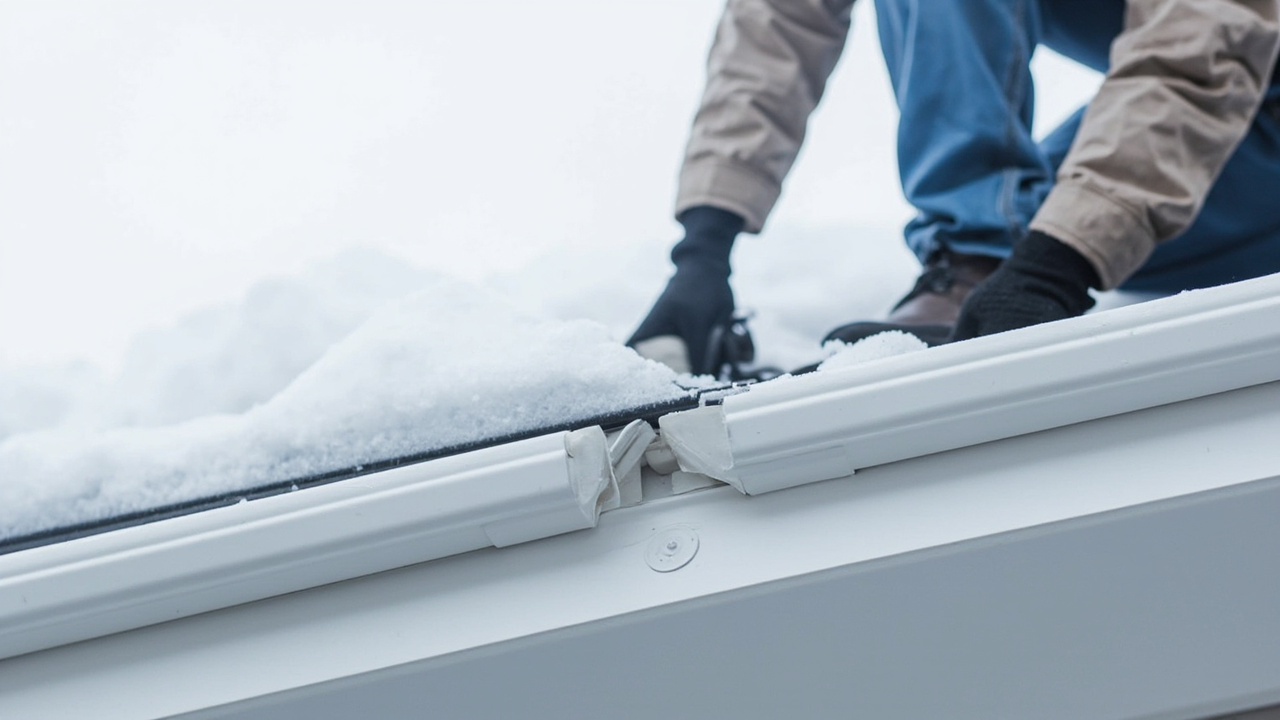
Cleveland's position on Lake Erie creates unique roofing challenges that generic inspection checklists miss completely. The freeze-thaw cycles between November and March cause expansion and contraction that loosens fasteners, cracks sealant, and damages flashing. A roof maintenance checklist designed for Arizona or Georgia will not catch the ice dam formation points common in Ohio Canalway neighborhoods or the wind-driven rain penetration issues affecting homes near Edgewater Park.

Your roofing inspection template needs to account for the clay soil shifts that affect structural settling in areas like Tremont and Detroit-Shoreway. This settling creates stress points where roof planes meet, causing ridge cap failures and valley separations. Standard residential roof inspection guides ignore these regional factors.

Lake-effect snow loads exceed 50 pounds per square foot during severe winters. Your roof check sheet must evaluate structural support adequacy, not just shingle condition. Homes built before 1980 in Cleveland Heights and Lakewood often lack adequate rafter reinforcement for modern snow loads.

The high humidity from Lake Erie accelerates organic growth on north-facing slopes. Your roof assessment form should include detailed attic ventilation checks and soffit inspection protocols. Poor ventilation in Cleveland's climate leads to premature shingle deterioration, interior mold growth, and ice dam formation. Without location-specific inspection criteria, you will miss the warning signs until damage becomes expensive.

Why Cleveland Homeowners Need a Cleveland-Specific Roof Assessment Form
What a Professional Roofing Inspection Template Should Cover

What a Professional Roofing Inspection Template Should Cover

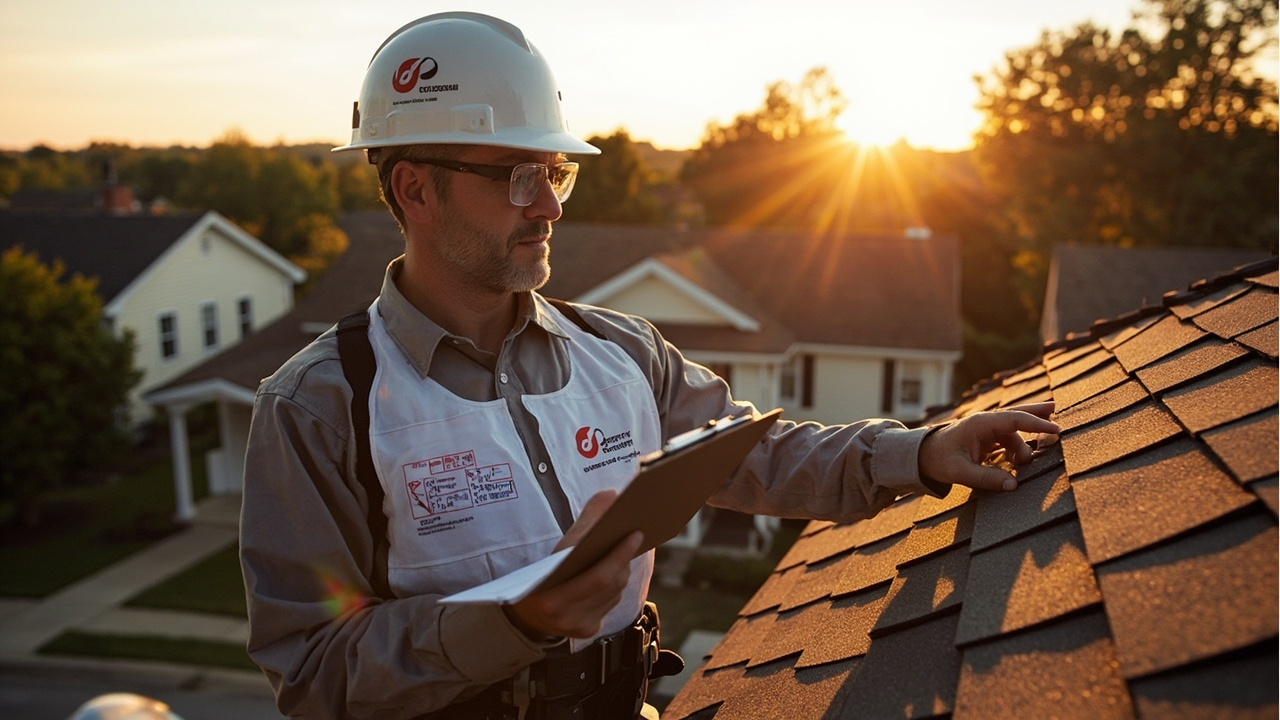
A comprehensive roof inspection checklist goes beyond walking the roof and looking for missing shingles. Professional assessments examine the entire roofing system from attic to eaves, documenting conditions that affect longevity and performance.

Start with structural evaluation. Check for sagging ridge lines, uneven roof planes, and adequate rafter spacing. In Cleveland's older housing stock, you will find balloon framing and undersized dimensional lumber that cannot handle modern snow loads. Document truss deflection, ridge board condition, and any signs of previous repairs.

Examine all penetration points. Chimneys, plumbing vents, exhaust fans, and satellite mounts create potential leak paths. Your roof assessment form should detail flashing condition, sealant integrity, and proper installation methods. Cleveland's freeze-thaw cycles destroy improper flashing installations within three years.

Evaluate drainage systems thoroughly. Check gutter attachment, downspout discharge points, and valley configuration. Ice dams form where heat loss meets inadequate drainage. Your residential roof inspection guide must include thermal imaging points to identify heat loss areas and attic ventilation deficiencies.

Document shingle condition using specific terminology. Note granule loss percentage, thermal cracking, wind damage, and algae growth. Measure shingle tab exposure to verify proper installation. Check starter strip installation and drip edge configuration. Inspect underlayment exposure at eaves and rakes. These details separate professional roof maintenance checklists from homeowner visual surveys. Alpha Roofing Cleveland uses this systematic approach to provide accurate condition assessments.

How to Use Your Roof Inspection Checklist Effectively

Roof Inspection Checklist Cleveland – Complete Assessment Forms and Templates for Northeast Ohio Homeowners
01

Exterior Documentation Phase

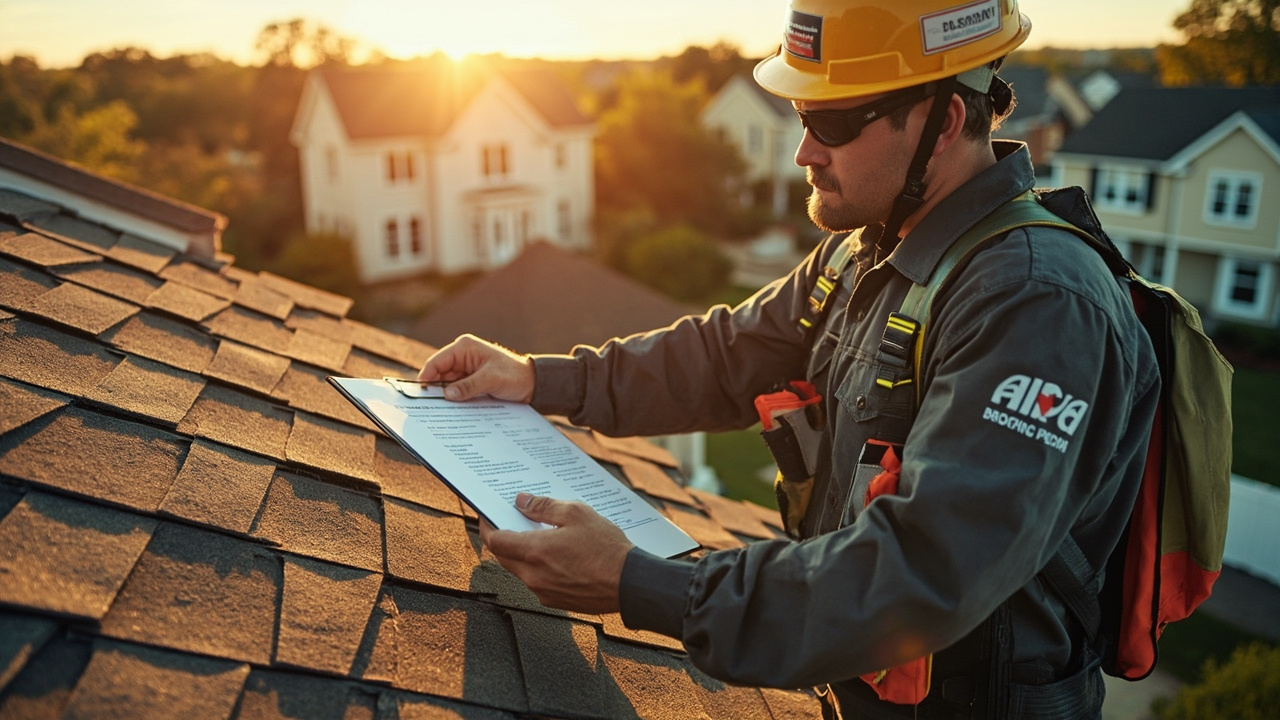
Begin with ground-level photography of all roof planes, noting orientation and shading patterns. Use binoculars to examine ridge caps, valleys, and flashing details before climbing. Document surrounding tree coverage, antenna attachments, and previous repair attempts. Mark problem areas on your roof check sheet before ascending to ensure you inspect every concern point systematically.
02

Detailed Surface Assessment

Walk the roof following your roofing inspection template zones. Check fastener pattern visibility, sealant condition around all penetrations, and shingle attachment security. Test flashing by hand for movement or separation. Examine granule accumulation in valleys and gutters. Photograph damage with a ruler for scale reference. Your residential roof inspection guide should include specific measurements for shingle exposure, valley width, and flashing overlap dimensions.
03

Interior and Attic Evaluation

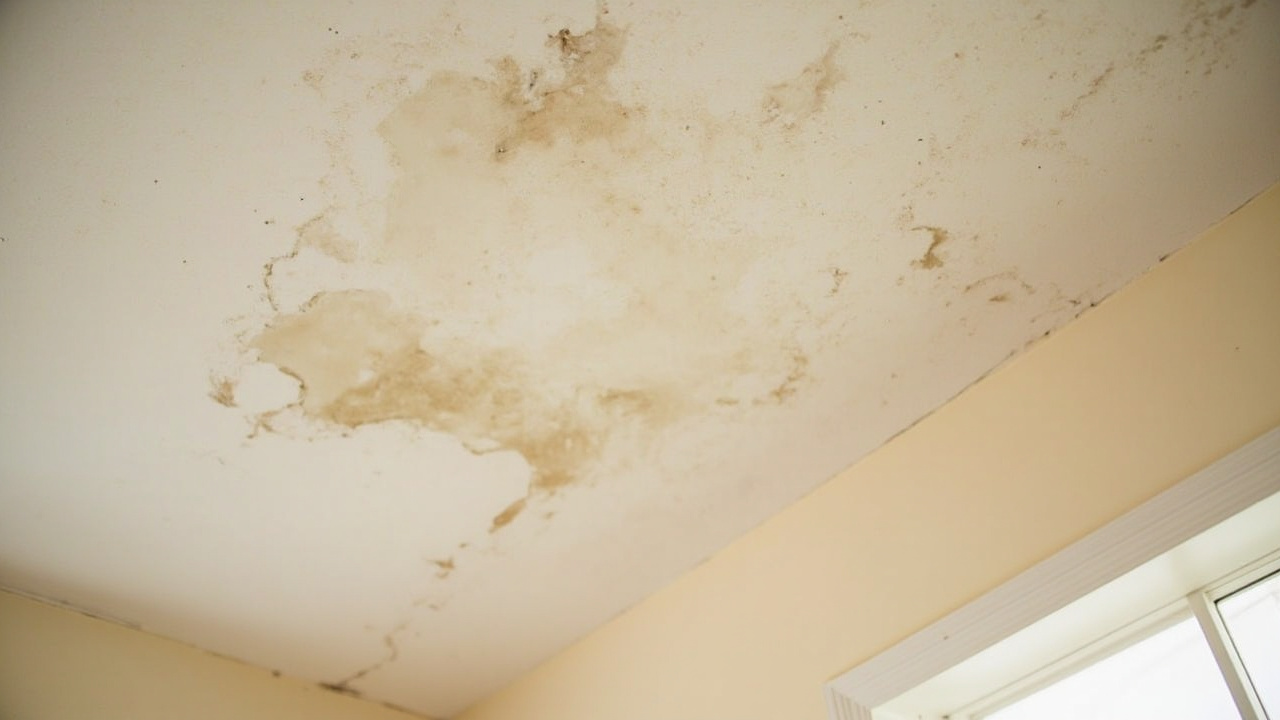
Complete your roof assessment form with attic inspection findings. Look for daylight penetration, water stains on decking, and inadequate ventilation. Check insulation depth and vapor barrier integrity. Examine rafter condition for rot, insect damage, or deflection. Measure attic temperature differentials to identify heat loss zones. This interior evaluation reveals problems your exterior inspection might miss and validates surface findings with structural evidence.

Why Cleveland Homeowners Trust Alpha Roofing Cleveland for Roof Inspections

Cleveland's building codes changed significantly after the 2011 heavy snow season. Many inspection services still use outdated assessment criteria that miss current code compliance issues. Alpha Roofing Cleveland updated our roof maintenance checklist to reflect the increased fastener requirements, ice barrier mandates, and ventilation standards now enforced in Cuyahoga County.

We understand the architectural diversity across Cleveland neighborhoods. The steep-slope slate roofs common in Shaker Heights require different inspection protocols than the low-slope membrane systems found on University Circle commercial buildings. Our roofing inspection template adapts to roof type, age, and location-specific risk factors.

Historic district requirements add complexity to roof assessments in Ohio City and Tremont. Your roof check sheet must document compliance with preservation guidelines while identifying performance deficiencies. We know which materials the Cleveland Landmarks Commission approves and how to balance historical accuracy with modern weather protection needs.

Lake Erie's moisture creates specific failure patterns. We inspect for the algae growth, moss accumulation, and organic debris problems that accelerate deterioration on north-facing slopes. Our residential roof inspection guide includes detailed ventilation assessment because Cleveland's humidity makes proper airflow critical for roof longevity.

Cleveland's clay soil causes foundation settling that transfers stress to roof structures. We check for the ridge sagging, valley separation, and flashing failure patterns common in settling homes. Our inspectors recognize the difference between cosmetic issues and structural concerns requiring immediate attention. You get accurate condition assessment, not scare tactics or upselling.

What Your Roof Inspection Checklist Should Deliver

Comprehensive Condition Documentation

Your roof assessment form should provide detailed findings with photographic evidence for every roof section. You need measurements, not opinions. Expect shingle granule loss percentages, flashing gap dimensions, and fastener pattern evaluations. The inspection report should identify specific problem locations using reference points like chimneys, vents, or roof planes. Generic statements like "shingles are worn" provide no actionable information. Proper documentation includes before photos, measurement data, and code compliance notes. This detail level allows you to prioritize repairs, budget accurately, and verify contractor work quality. Your roofing inspection template becomes a maintenance roadmap, not just a snapshot.

Prioritized Repair Recommendations

A professional roof check sheet categorizes findings by urgency and impact. You should see immediate safety concerns separated from routine maintenance items and long-term planning considerations. Each recommendation needs clear justification tied to inspection findings. Expect explanations of how identified problems will progress if left unaddressed. The timeline matters in Cleveland's climate because minor flashing gaps become major water intrusion problems after one winter freeze-thaw cycle. Your residential roof inspection guide should estimate remaining service life for major components based on current condition and local weather exposure. This prioritization prevents waste spending on unnecessary repairs while ensuring critical issues get addressed before causing secondary damage.

Code Compliance Verification

Your roof maintenance checklist must verify compliance with current Cleveland building codes and manufacturer installation specifications. This includes fastener type and spacing, underlayment requirements, ice barrier installation, and ventilation adequacy. Non-compliant installations void manufacturer warranties and create insurance claim problems. Expect specific citations when code violations exist, not vague references to "industry standards." The inspection should identify grandfathered conditions on older roofs versus required upgrades for any repair work. Cleveland requires ice barrier in valleys and at eaves for all roof replacements. Your roofing inspection template should clearly state whether existing installations meet current requirements or need upgrades during future work.

Maintenance Planning Tools

The best roof assessment forms include preventive maintenance schedules tailored to your specific roof type and condition. You should receive gutter cleaning frequency recommendations based on surrounding tree coverage, attic ventilation check intervals, and seasonal inspection reminders. Expect maintenance tips specific to your roofing material, whether asphalt shingles, metal panels, or slate tiles. The checklist should identify wear patterns to monitor between professional inspections. Cleveland homeowners need spring and fall inspection reminders because winter damage and summer storm impact require seasonal evaluation. Your residential roof inspection guide becomes a long-term maintenance tool, not a one-time report. This ongoing reference helps you track condition changes and plan capital improvements before emergency repairs become necessary.

Frequently Asked Questions

You Have Questions,
We Have Answers

What does a roof inspection include? +

A roof inspection includes a thorough examination of all roofing components. The inspector checks shingles or tiles for damage, wear, and granule loss. Flashing around chimneys, vents, and skylights gets scrutinized for gaps or rust. Gutters and downspouts are evaluated for proper drainage. The inspector examines soffit, fascia, and ventilation systems. Inside your attic, they look for water stains, mold, and adequate insulation. In Cleveland, inspectors pay close attention to ice dam damage and freeze-thaw deterioration. Structural elements like decking and trusses get checked for sagging or rot. You receive a detailed report outlining necessary repairs or replacements.

What to look for in a roof inspection? +

Look for missing, cracked, or curling shingles that expose underlayment. Check flashing around penetrations for separation or corrosion. Examine gutters for clogs, rust, or sagging that prevents proper drainage. Inspect attic spaces for water stains, mold growth, or inadequate ventilation. In Cleveland, pay attention to ice dam damage along eaves and valleys where snow accumulation occurs. Check soffit and fascia for rot or pest entry points. Look for granule loss in gutters, which signals aging shingles. Sagging rooflines indicate structural issues. Daylight visible through roof boards means immediate attention. Document everything with photos for repair prioritization.

What are 5 very important things that are inspected in a home inspection? +

Home inspections prioritize five critical areas. The roof system gets examined for leaks, damage, and remaining lifespan. Structural components including foundation, walls, and framing are checked for cracks or settlement. Electrical systems must meet code with proper grounding and panel capacity. Plumbing gets tested for leaks, water pressure, and drainage function. HVAC systems are evaluated for operation and efficiency. In Cleveland homes, foundation inspections focus on settlement from clay soil movement and freeze-thaw cycles. Inspectors check for basement moisture issues common in this region. Proper attic ventilation prevents ice dams during harsh winters. These five areas protect your investment.

What does a roof inspection look like? +

A roof inspection involves both exterior and interior examination. The inspector walks the roof surface if safe, checking every section systematically. They use binoculars or drones for steep or dangerous roofs. You will see them examining shingles up close, testing flashing by hand, and photographing problem areas. Inside your attic, they use flashlights to trace water stains and check ventilation. The inspector takes measurements and notes on a clipboard or tablet. In Cleveland, expect them to spend extra time on north-facing slopes where moss grows and valleys where ice dams form. The process takes one to three hours depending on roof size and complexity.

How much does a basic roof inspection cost? +

A basic roof inspection costs between $200 and $400 for most residential properties in the Cleveland area. Larger homes or complex roof systems with multiple valleys, dormers, or steep pitches cost more. Some roofing contractors offer free inspections when you schedule repairs through them, but independent inspections provide unbiased assessments. Insurance claim inspections may be covered by your policy. Drone inspections add $100 to $200 but provide safer access to dangerous roof sections. Infrared thermal imaging costs extra but reveals hidden moisture problems. Get a written report included in the price. Compare multiple quotes before deciding. Never skip an inspection to save money.

What is the biggest red flag in a home inspection? +

Water damage is the biggest red flag in home inspections. Active leaks, water stains on ceilings, or mold growth signal serious problems that cost thousands to repair. In Cleveland homes, foundation cracks with water infiltration raise major concerns due to freeze-thaw cycles and clay soil movement. Electrical panel hazards like Federal Pacific or Zinsco breakers require immediate replacement. Structural issues including sagging rooflines or cracked foundation walls threaten home integrity. Evidence of amateur repairs suggests hidden problems. Roof damage with multiple layers indicates deferred maintenance. Any of these issues give you strong negotiating power or reasons to walk away from the purchase.

What is the first thing an inspector wants to see? +

Inspectors want to see your roof first because it protects everything below. Roof condition determines immediate repair costs and helps prioritize the inspection focus. They check for obvious damage, age, and maintenance history before entering the home. Easy roof access through attic hatches comes next. Inspectors need clear access to electrical panels, HVAC systems, and water heaters without obstacles. In Cleveland, they look for basement sump pumps and drainage systems early since water infiltration is common. Clear crawl spaces allow thorough foundation inspection. Remove clutter from these areas before the appointment. Providing maintenance records speeds up the process and demonstrates responsible ownership.

What are the 4 types of inspection? +

The four main inspection types are pre-purchase, pre-listing, maintenance, and insurance inspections. Pre-purchase inspections protect buyers by revealing problems before closing. Pre-listing inspections help sellers identify issues early and avoid deal failures. Maintenance inspections catch small problems before they become expensive, recommended every three to five years for Cleveland homes due to harsh weather. Insurance inspections verify roof condition for coverage eligibility or claims. Each type serves different purposes but uses similar examination methods. Commercial properties require specialized inspections beyond residential standards. Some inspectors offer warranty inspections for new construction. Choose the inspection type that matches your specific situation and goals.

How much should a 2000 sq ft roof cost? +

This question asks about roof replacement costs, not inspection costs. Cost factors include materials chosen, roof complexity, removal of old layers, and local labor rates. Cleveland pricing reflects regional weather demands and contractor availability. Get multiple written estimates from licensed contractors. Asphalt shingle roofs cost less than metal or tile. Steep pitches and multiple penetrations increase labor time. Permit fees and dump costs add to the total. Most reputable contractors provide free estimates. Remember that the lowest bid is not always the best value. Quality installation matters more than saving a few hundred dollars. Check contractor references and insurance coverage before signing contracts.

What would make a house fail a home inspection? +

Houses fail inspections due to safety hazards or major system failures. Structural damage like foundation cracks or roof collapse risk fails immediately. Active water leaks or extensive mold growth requires remediation. Faulty electrical wiring, missing GROUNDING, or dangerous panels fail code compliance. Inoperable HVAC systems or failing water heaters need replacement. In Cleveland, inadequate attic ventilation combined with ice dam damage often fails inspection standards. Sewage backup or main line blockages require immediate repair. Most issues can be negotiated between buyer and seller. Few problems actually kill deals outright. Request repair estimates and use them for price negotiations or seller credits at closing.

How Cleveland's Lake-Effect Weather Demands Specialized Roof Inspection Protocols

Lake Erie generates moisture-laden weather systems that create unique roofing stress factors. The freeze-thaw cycling between November and March exceeds 40 cycles per winter, compared to 15-20 cycles in inland Ohio cities. This constant expansion and contraction loosens fasteners, cracks sealant, and separates flashing joints. Your roofing inspection template must evaluate fastener security and sealant condition with this accelerated weathering in mind. Ice dam formation occurs where heated attic air meets cold eaves, a problem amplified by Cleveland's heavy snow accumulation and temperature fluctuations. Standard roof maintenance checklists designed for southern climates miss these critical evaluation points completely.

Cleveland's diverse housing stock spans 150 years of construction methods and materials. Historic homes in neighborhoods like Ohio City feature slate roofs and complex flashing details requiring specialized assessment knowledge. Post-war suburban homes in Parma and Garfield Heights often have inadequate attic ventilation by modern standards. Your roof check sheet needs flexibility to address these variations while maintaining consistent evaluation standards. Local building inspectors enforce Cuyahoga County codes with specific requirements for snow load capacity, ice barrier installation, and ventilation ratios. Using inspection protocols developed by Cleveland roofing professionals ensures your roof assessment form addresses local compliance requirements and regional weather challenges accurately.
Roofing Services in The Cleveland Area

We are proud to serve the entire Cleveland area and the surrounding communities. Our centrally located office allows us to respond quickly to your needs, whether you require a repair, a full roof installation, or an emergency service. We invite you to view our service area on the map to see how we can assist you. Our team is always ready to provide expert solutions right where you are.

Address:
Alpha Roofing Cleveland, 2401 Superior Viaduct, Cleveland, OH, 44113

Additional Services We Offer

Our news updates

Latest Articles & News from The Blogs

Dealing with Shared Roof Problems When Your Neighbor in the Detroit-Shoreway Is Ignoring a Leak When water starts dripping through…

Dealing with Shared Roof Problems When Your Neighbor in the Detroit-Shoreway Is Ignoring a Leak

Dealing with Shared Roof Problems When Your Neighbor in the Detroit-Shoreway Is Ignoring a Leak When water starts dripping through…

Why Replacing Just a Few Shingles on Your Westlake Home Might Be a Mistake

Why Replacing Just a Few Shingles on Your Westlake Home Might Be a Mistake Living in Westlake means dealing with…

Beyond the Shingles — Why the Right Underlayment Is Crucial for Surviving Harsh Hudson Winters

Beyond the Shingles — Why the Right Underlayment Is Crucial for Surviving Harsh Hudson Winters Winter in Cleveland hits hard.…

Contact Us

Download our Cleveland-specific roof assessment forms or schedule a professional inspection. Call Alpha Roofing Cleveland at (216) 547-1300 for inspection templates designed for Northeast Ohio conditions. Get accurate condition assessment before small problems become expensive emergencies.