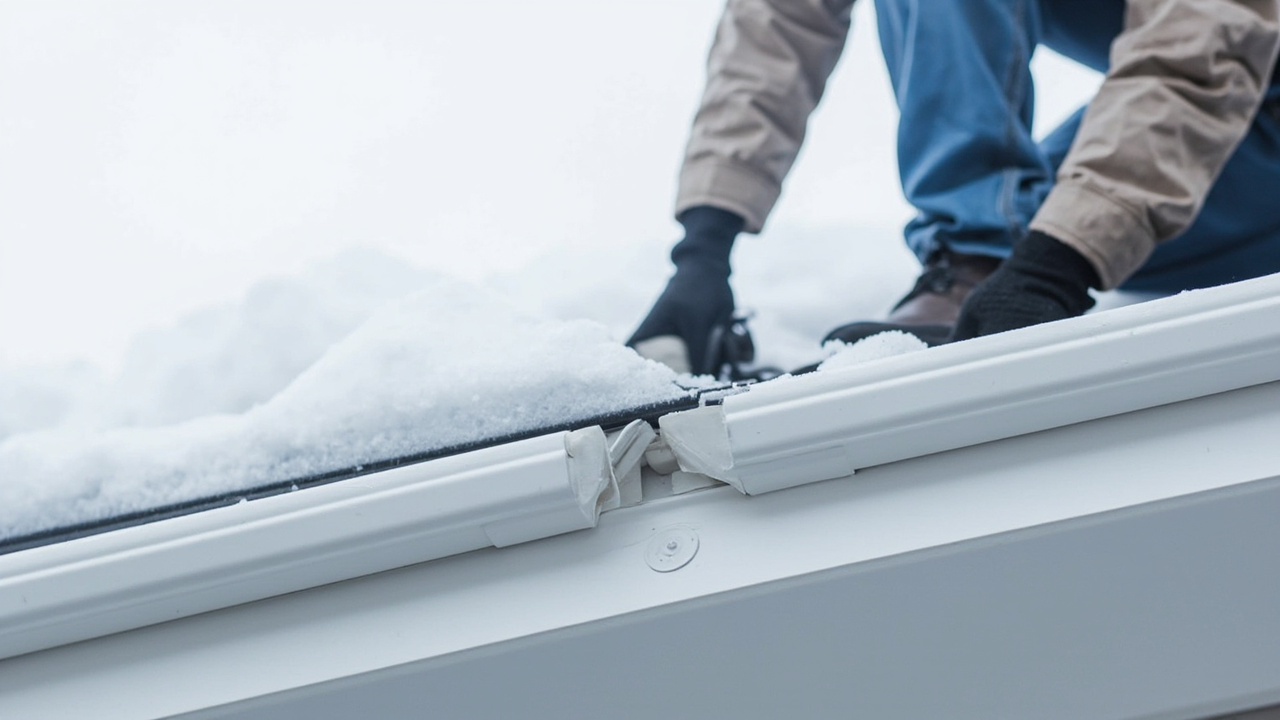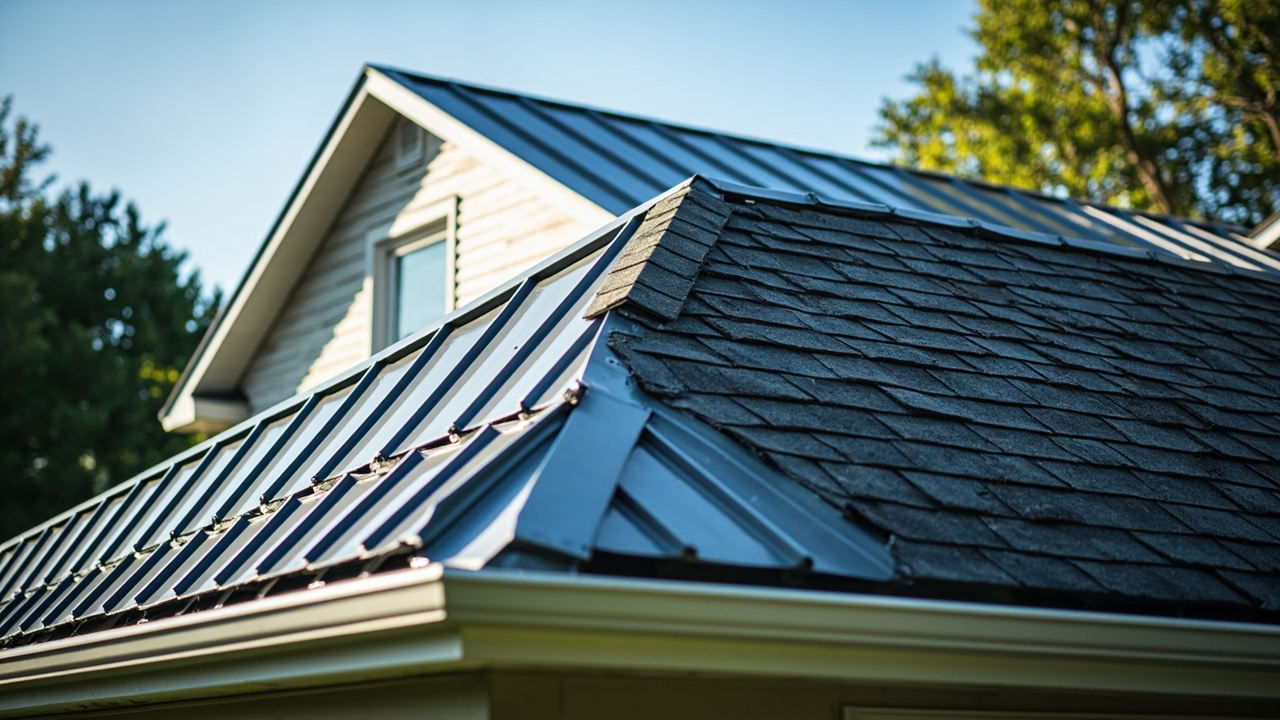
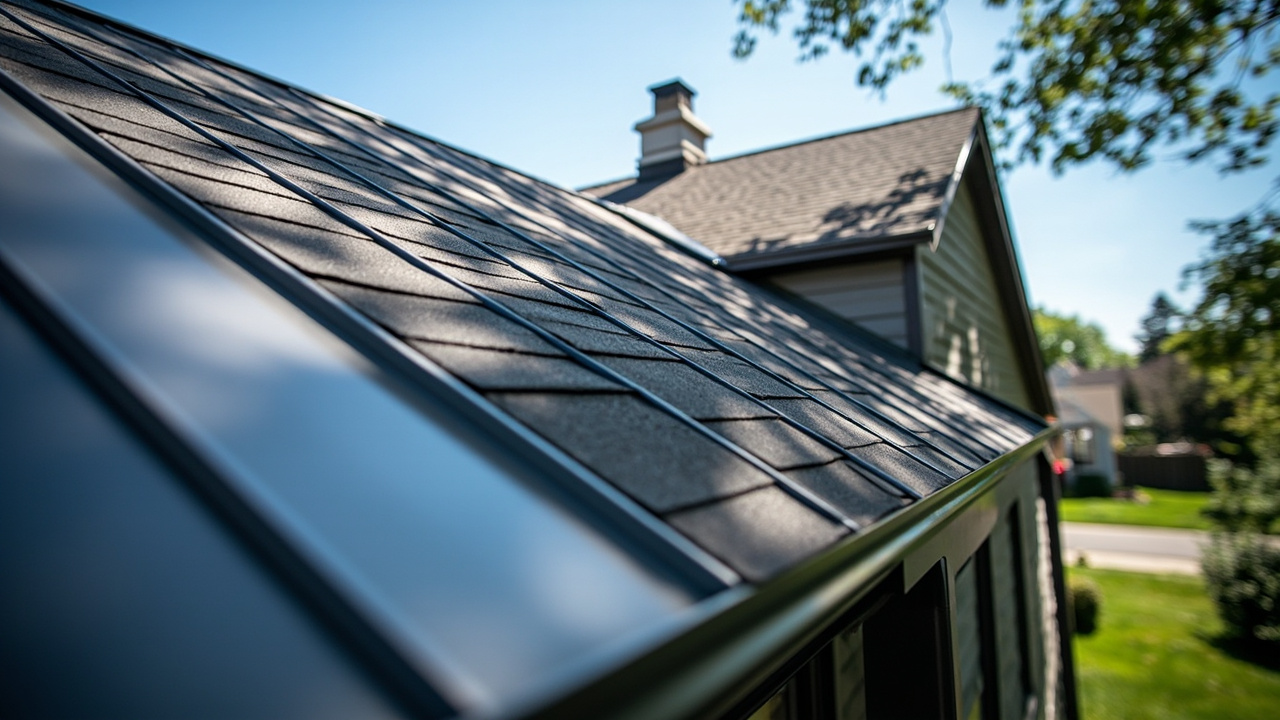
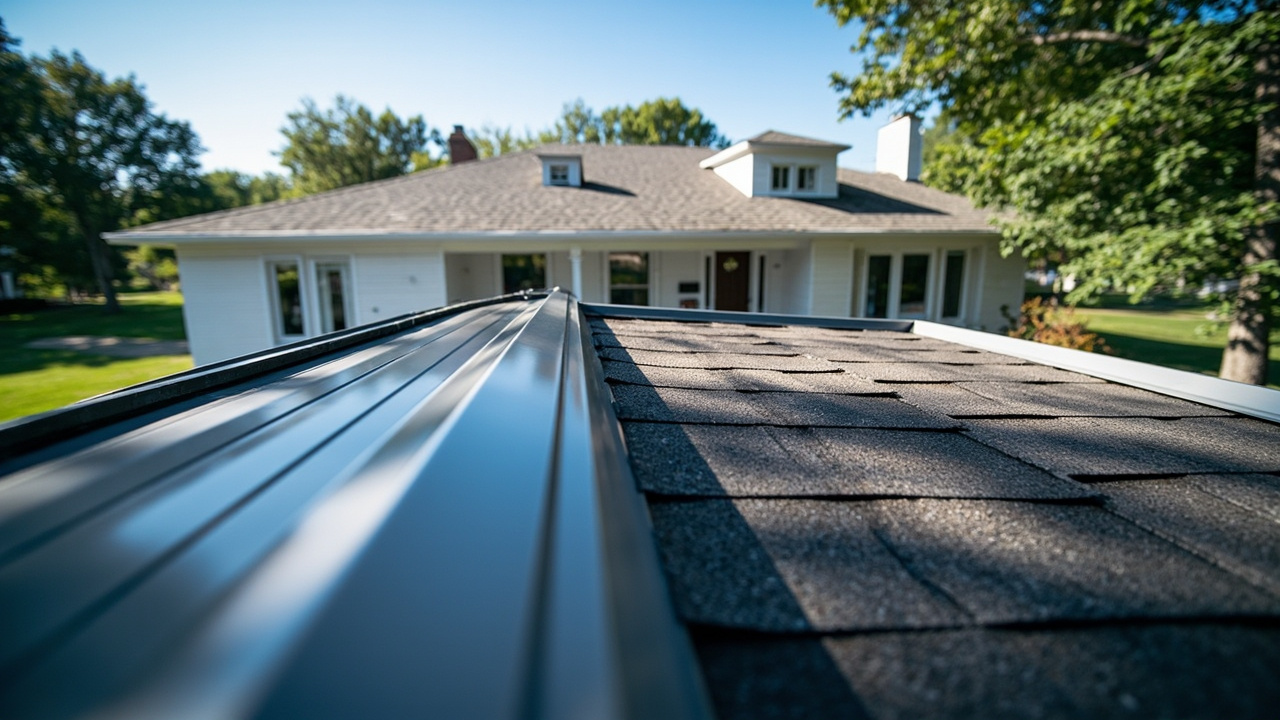
Cleveland sits 10 miles from Lake Erie, and that proximity creates weather extremes both systems must handle. Lake-effect snow dumps heavy, wet snow that loads roofs beyond what you see in southern Ohio. Our average snowfall exceeds 60 inches per year, and ice dams form when attic heat melts snow that refreezes at eaves. Metal roofs shed snow in sheets, reducing ice dam risk, but they require snow guards on steep pitches to prevent avalanches that damage gutters or landscaping. Asphalt shingles hold snow in place, which insulates but increases load and ice dam potential. Summer humidity from the lake accelerates algae growth on asphalt shingles, visible as black streaks on north-facing slopes. Metal resists algae but can develop surface oxidation if protective coatings degrade. Understanding these local factors changes the metal roofing vs asphalt shingles price equation because performance varies based on Cleveland-specific conditions.
Alpha Roofing Cleveland has installed roofs across Cuyahoga County for years. We know which neighborhoods have older homes with undersized rafters, where wind exposure requires upgraded fastener schedules, and how local inspectors interpret building codes for both metal and asphalt systems. We source materials from regional suppliers who stock products rated for Great Lakes climates, not national distributors pushing inventory designed for Sun Belt conditions. Our crews train specifically on ice and water shield application, valley flashing details, and ventilation requirements that prevent premature failure in Northeast Ohio. When you work with a local contractor who understands Cleveland's housing stock and weather patterns, you get installations engineered for longevity, not just code minimums.