
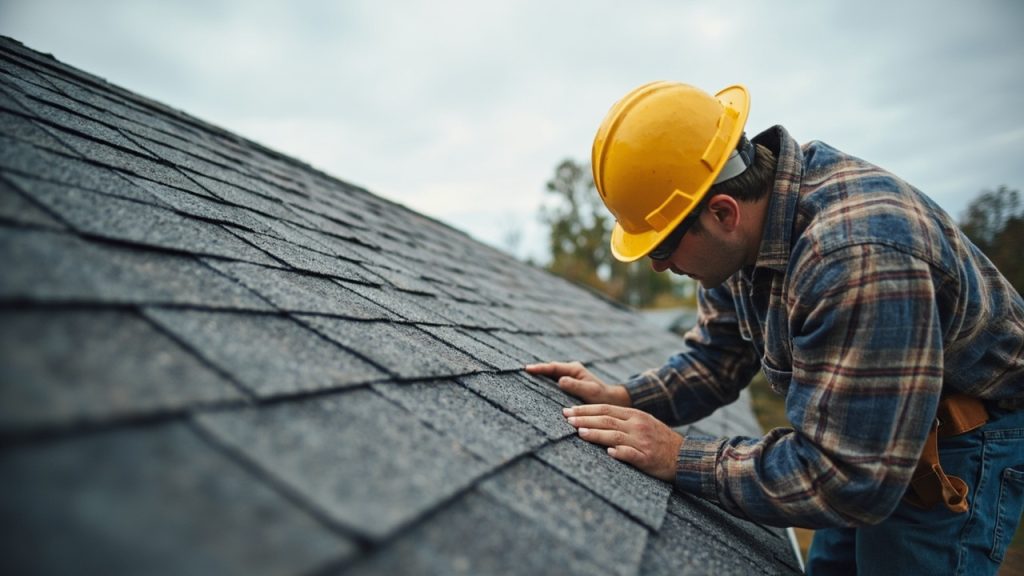
Affordable Monthly Payment Plans for New Roofs in Cleveland
Replacing a roof in Cleveland costs between $8,000 and $15,000 for most homes. That price tag stops many homeowners from getting needed repairs. A damaged roof leads to water damage inside your home. Ice dams form in winter. Missing shingles let moisture into your attic. These problems get worse and cost more over time.
Monthly payment plans solve this problem. You get a new roof now and pay over time. Most Cleveland homeowners qualify even with average credit. The application takes minutes. Many plans offer 0% APR for the first year. This means no interest if you pay it off in 12 months.
Cleveland’s weather makes roof replacement urgent. Lake effect snow piles up. Spring storms bring heavy rain. Summer humidity causes algae growth on shingles. These conditions wear out roofs faster than in other parts of Ohio. Most roofs in Parma and Strongsville need replacement after 20-25 years.
Monthly payments break the $12,000 roof cost into $300-400 payments. That fits most household budgets better than one big payment. You protect your home without draining savings. Many plans require no down payment. Others let you choose your payment term from 12 to 60 months.
How Roof Financing Works in Cleveland
Roof financing works like other home improvement loans. You apply through the roofing company. They partner with banks and credit unions. These partners specialize in home improvement loans. The process takes 15-30 minutes.
First you get a free roof inspection. The contractor measures your roof and checks for damage. They give you a written estimate. This shows the total cost for materials and labor. Next you choose a financing plan. Options include 0% APR for 12 months or low fixed rates for longer terms.
The lender reviews your application. Many use a soft credit check first. This does not hurt your credit score. If approved you sign the loan documents. The contractor starts work within days. You make monthly payments to the lender, not the roofer.
Most Cleveland homeowners get approved with credit scores above 620. Some programs work with scores as low as 550. These have higher interest rates. No-credit-check options exist but cost more. Your contractor can explain all choices.
Monthly Payment Examples for Cleveland Homes
Here are real payment examples for typical Cleveland homes. These assume a $10,000 roof with different financing terms. Your actual payment depends on your loan amount and credit score.
| Loan Amount | Term | APR | Monthly Payment | Total Paid |
|---|---|---|---|---|
| $10,000 | 12 months | 0% | $833 | $10,000 |
| $10,000 | 24 months | 7.99% | $450 | $10,800 |
| $10,000 | 36 months | 7.99% | $310 | $11,160 |
| $10,000 | 60 months | 9.99% | $212 | $12,720 |
Lower payments cost more over time. The 60-month plan has the smallest monthly payment but you pay almost $3,000 extra in interest. The 12-month 0% plan saves the most money if you can afford the higher payment.
Most Cleveland homes need 20-30 squares of roofing. One square covers 100 square feet. A typical ranch home in Parma needs about 25 squares. This costs $12,000-15,000 total. Your payment would be $400-500 per month on a 36-month plan.
Types of Roof Financing Available
Several financing types work for roof replacement. Each has different requirements and benefits. Your contractor offers the ones that work best in Cleveland.
Personal loans work for most homeowners. These are unsecured loans. You do not use your home as collateral. Credit scores of 620+ get good rates. Terms range from 12 to 60 months. No home equity needed.
Home equity loans use your home’s value as security. These have lower interest rates. But you risk foreclosure if you cannot pay. You need 15-20% equity in your home. Approval takes longer than personal loans.
Government programs help specific homeowners. FHA Title 1 loans work for home improvements. These have fixed rates and long terms. Credit score requirements are lower. You must own and live in the home. FHA Title 1 Home Improvement Loans.
0% APR credit cards work for smaller jobs under $5,000. These offer no interest for 12-18 months. But rates jump high after the promotional period. Only use these if you can pay off the balance quickly.
Manufacturer financing through GAF or Owens Corning offers special terms. These work when you choose their premium shingles. Sometimes they include extended warranties at no extra cost.
Local Programs for Cleveland Homeowners
Cleveland offers special programs for roof financing. The Cuyahoga County Land Bank helps homeowners in specific neighborhoods. They offer low-interest loans for home repairs. You must meet income limits and live in qualified areas. Cuyahoga County Land Bank.
The Heritage Home Program helps owners of older homes. This works in Cleveland, Lakewood, and Shaker Heights. They offer grants and low-interest loans for historic home repairs. Your home must be 40+ years old and in a target area.
Energy efficiency programs provide financing for cool roofs. These reflect heat and lower cooling costs. FirstEnergy and Ohio utilities offer rebates. Some programs include low-interest financing for qualified homeowners.
Nonprofit organizations help low-income homeowners. Habitat for Humanity and Rebuilding Together Cleveland offer free or low-cost roof repairs. You must meet strict income guidelines. Wait times can be several months.
Local credit unions offer member discounts. Charter One and KeyBank have roofing loan programs. Members get better rates than non-members. You need good credit but terms are flexible.
Insurance and Storm Damage Financing
Storm damage creates urgent roof needs. Hail, wind, and fallen trees cause sudden damage. Your insurance may cover the repair. But you still pay the deductible, usually $500-2,000.
Many homeowners use financing to cover deductibles. This lets you fix the roof immediately. You pay the deductible over time instead of all at once. Most insurance-approved contractors offer this option.
Emergency financing works faster than standard loans. Some lenders approve applications within one hour. This matters when your roof leaks during a storm. You get temporary repairs now and permanent fixes later.
Insurance claims take weeks to process. Financing lets you start work immediately. The contractor bills the insurance company directly. You only finance the deductible and any upgrades you want.
Document storm damage with photos. Contact your insurance company immediately. Get multiple contractor estimates. Choose a local contractor with good reviews. Avoid storm chasers who appear after bad weather.
Credit Score Requirements and Approval
Most roof financing requires credit scores of 620 or higher. This gets you good interest rates and terms. Scores between 550-619 qualify for some programs but pay higher rates. Scores below 550 need special programs or co-signers.
Soft credit pulls do not affect your score. Most pre-approvals use soft pulls. This lets you compare offers without hurting your credit. Hard pulls happen when you accept a loan offer.
Debt-to-income ratio matters as much as credit score. Lenders want your monthly debt under 43% of income. This includes your new roof payment plus car loans and credit cards.
Self-employed homeowners need tax returns. Contractors need business licenses and bank statements. These prove your income is stable. Some lenders require two years of tax returns.
No-credit-check financing exists but costs more. These loans have interest rates of 15-30%. Terms are shorter, usually 12-24 months. You pay more each month but get approved faster.
Co-signers help if your credit is poor. A co-signer with good credit improves your approval odds. They become equally responsible for the loan. Choose someone who trusts you to make payments.
Cost Factors for Cleveland Roof Replacement
Several factors affect your roof cost in Cleveland. Roof size is the biggest factor. Larger roofs need more materials and labor. Roof pitch also matters. Steep roofs cost more to work on safely.
Material choice affects price. Asphalt shingles cost $5,000-8,000 for average homes. Metal roofing costs $10,000-15,000. Slate or tile costs $15,000-25,000. Premium shingles from GAF or Owens Corning cost more but last longer.
Roof complexity adds cost. Multiple valleys, dormers, and chimneys need more flashing. Skylights require special sealing. These features add $500-2,000 to the total cost.
Removal of old roofing affects price. One layer of old shingles costs $1,000-2,000 to remove. Multiple layers cost more. Some codes limit layers to two. Your contractor must check local requirements.
Underlayment and flashing quality affects long-term costs. Cheap materials fail faster in Cleveland’s climate. Premium ice and water shield costs more but prevents leaks. This investment saves money over time.
Permits cost $100-500 in Cuyahoga County. Your contractor usually handles permits. Some cities like Parma and Strongsville have specific requirements. Your contractor knows local codes.
Choosing the Right Financing Plan
Compare financing offers before choosing. Look at APR, not just monthly payment. A low payment with high APR costs more over time. Calculate the total cost for each option.
Read all loan terms carefully. Check for prepayment penalties. Some loans charge fees if you pay early. Others let you pay extra without penalty. This matters if you get a bonus or tax refund.
Consider your budget and timeline. Short terms have higher payments but less interest. Long terms have lower payments but more interest. Choose what fits your monthly budget.
Check lender reputation. Read reviews from other homeowners. Look for complaints about hidden fees or poor service. Choose lenders who specialize in home improvement loans.
Ask about promotional offers. Some contractors offer $500 off if you use their preferred lender. Others provide free upgrades with certain financing plans. These can lower your total cost.
Consider insurance deductibles. If you have storm damage, financing the deductible makes sense. You get immediate repairs without large upfront costs. Your insurance company pays the rest directly to the contractor.
The Application Process
Applying for roof financing takes less than 30 minutes. You need basic information ready. This includes your income, monthly debts, and Social Security number. Have your mortgage statement if you own your home.
Start with a free roof inspection. The contractor measures your roof and identifies problems. They give you a written estimate. This shows the total cost for your specific roof.
Choose your financing options. The contractor explains each plan. They show monthly payments for different terms. You pick the one that fits your budget.
Complete the online application. You enter personal information and income details. The system checks your credit. Most decisions come within minutes.
Review and sign loan documents. Read all terms carefully. Ask questions about anything unclear. Sign electronically or in person. The contractor can explain technical terms.
Schedule your roof installation. Most projects finish in 1-3 days. The contractor orders materials after loan approval. You make your first payment 30 days after installation.
Benefits of Monthly Payment Plans
Monthly payments protect your home immediately. You do not wait to save money. This prevents further damage from leaks. Water damage costs more than roof repairs.
Payments fit your budget better than one large payment. Breaking $10,000 into $300 monthly payments makes sense for most families. You keep emergency savings intact.
Many plans offer promotional terms. 0% APR for 12 months means no interest if paid on time. This works well if you expect a tax refund or bonus soon.
Financing builds your credit history. Making payments on time improves your credit score. This helps with future loans for cars or home improvements.
You get professional installation now. Waiting can lead to emergency repairs that cost more. Professional contractors guarantee their work. This protects your investment.
Insurance deductibles become manageable. Storm damage requires immediate action. Financing lets you fix the roof now and pay over time. Your insurance company reimburses the contractor directly.
Common Questions About Roof Financing
Many homeowners worry about credit requirements. Most programs work with credit scores of 620+. Some accept scores as low as 550 for higher rates. No-credit-check options exist but cost more.
People ask about down payments. Many plans require no down payment. Others ask for $500-1,000. This depends on your credit score and loan amount. Your contractor explains all options.
Homeowners wonder about approval time. Most decisions come within 15-30 minutes. Emergency applications can approve within one hour. You get results quickly so work can start.
Some worry about affecting their credit score. Soft credit pulls do not hurt your score. Only hard pulls affect credit. Your contractor uses soft pulls for pre-approval.
People ask if they can pay off loans early. Most loans allow early payoff without penalty. Some charge fees for early payment. Read your loan terms carefully.
Many wonder about insurance claims. You can finance the deductible amount. The contractor bills insurance directly for the repair cost. You only finance what you must pay out of pocket.
Making the Right Choice for Your Home
Choose financing based on your needs and budget. Consider your monthly payment comfort level. Look at total cost, not just monthly payment. A longer term means smaller payments but more interest.
Think about your future plans. If you might sell your home soon, choose a shorter term. If you plan to stay long-term, a longer term might make sense. Consider your job stability and income expectations.
Compare multiple offers. Do not take the first financing you see. Get quotes from different contractors. Compare APR, terms, and total costs. Choose the best overall value.
Read reviews of both contractors and lenders. Good contractors work with reputable lenders. Bad experiences with either can cause problems. Choose companies with strong local reputations.
Ask about warranties and guarantees. Good contractors guarantee their work. Some financing plans include extended warranties. These protect your investment for years.
Consider energy efficiency upgrades. Cool roofs and better ventilation save money over time. Some programs offer special financing for energy improvements. These can lower your monthly utility bills.
Next Steps for Cleveland Homeowners
Start with a free roof inspection. A qualified contractor evaluates your roof condition. They measure the roof and identify problems. You get a written estimate with financing options.
Compare financing offers from multiple contractors. Look at total costs, not just monthly payments. Consider APR, terms, and any special promotions. Choose the best overall value.
Check contractor credentials carefully. Look for licensing, insurance, and local experience. Read reviews from other Cleveland homeowners. Choose someone who understands local building codes.
Ask about the entire process timeline. Good contractors explain each step clearly. They tell you when materials arrive and how long installation takes. Clear communication prevents surprises.
Consider your home’s specific needs. Older homes in Parma may need different materials than newer homes in Strongsville. Your contractor should recommend options for your situation.
Make your decision based on value, not just price. The cheapest option often costs more long-term. Choose quality materials and installation. Good work lasts 20-30 years in Cleveland’s climate.
Take action before small problems become big ones. Roof damage gets worse over time. Monthly payments make repairs affordable now. Protect your home and family with a sound roof.
Frequently Asked Questions
What credit score do I need for roof financing?
Most programs require scores of 620 or higher. Some accept scores as low as 550 with higher rates. No-credit-check options exist but cost more. Your contractor can check your options with a soft credit pull.
How long does roof financing approval take?
Most decisions come within 15-30 minutes. Emergency applications can approve within one hour. You get results quickly so work can start right away.
Do I need a down payment for roof financing?
Many plans require no down payment. Others ask for $500-1,000 depending on your credit and loan amount. Your contractor explains all down payment options.
Can I finance just my insurance deductible?
Yes, many homeowners finance only the deductible amount. The contractor bills insurance directly for the repair cost. You only finance what you must pay out of pocket.
What is the monthly payment for a $10,000 roof?
Payments range from $210-830 per month depending on your term and APR. A 36-month loan at 7.99% APR costs about $310 monthly. Your actual payment depends on your specific loan terms.
Can I pay off my roof loan early?
Most loans allow early payoff without penalty. Some charge fees for early payment. Read your loan terms carefully before signing. Many homeowners pay extra when they can afford it.
How does roof financing affect my credit score?
Soft credit pulls for pre-approval do not affect your score. Hard pulls happen when you accept a loan offer. Making payments on time can improve your credit score over time.
What happens if I miss a payment?
Contact your lender immediately if you miss a payment. Most offer grace periods and payment plans. Late fees apply after the grace period. Communication prevents serious problems.
Are there special programs for seniors or veterans?
Some lenders offer discounts for seniors and veterans. Local nonprofits may provide assistance. Ask your contractor about special programs in your area.
How long do I have to pay back a roof loan?
Terms range from 12 to 60 months. Shorter terms have higher payments but less interest. Longer terms have lower payments but more interest. Choose what fits your budget.
Ready to protect your Cleveland home with affordable monthly payments? Call us today for a free roof inspection and financing quote. Our team understands Cleveland’s unique weather challenges and can recommend the best options for your home and budget.
Don’t wait for small roof problems to become major damage. Monthly payments make roof replacement affordable for any budget. Contact us now to get started.
{
“@context”: “https://schema.org”,
“@type”: “BlogPosting”,
“headline”: “Affordable Monthly Payment Plans for New Roofs in Cleveland”,
“description”: “Learn about flexible financing options for roof replacement in Cleveland. Get affordable monthly payments with 0% APR plans and fast approval for your home.”,
“wordCount”: 2865,
“datePublished”: “2026-02-10T11:03:00.000Z”,
“dateModified”: “2026-02-10T11:03:00.000Z”,
“inLanguage”: “en-US”,
“mainEntityOfPage”: {
“@type”: “WebPage”,
“@id”: “https://alpharoofingcleveland.com”
},
“publisher”: {
“@type”: “LocalBusiness”,
“name”: “Alpha Roofing Cleveland”,
“url”: “https://alpharoofingcleveland.com”
},
“author”: {
“@type”: “Organization”,
“name”: “Alpha Roofing Cleveland”,
“url”: “https://alpharoofingcleveland.com”
},
“image”: {
“@type”: “ImageObject”,
“url”: “https://alpharoofingcleveland.com/wp-content/uploads/2026/03/affordable-monthly-payment-plans-for-new-roofs-in-1.jpg”
}
}
{
“@context”: “https://schema.org”,
“@type”: “RoofingContractor”,
“name”: “Alpha Roofing Cleveland”,
“url”: “https://alpharoofingcleveland.com”,
“address”: {
“@type”: “PostalAddress”,
“addressLocality”: “Cleveland”
},
“areaServed”: {
“@type”: “City”,
“name”: “Cleveland”
}
}
{
“@context”: “https://schema.org”,
“@type”: “FAQPage”,
“mainEntity”: [
{
“@type”: “Question”,
“name”: “What credit score do I need for roof financing?”,
“acceptedAnswer”: {
“@type”: “Answer”,
“text”: “Most programs require scores of 620 or higher. Some accept scores as low as 550 with higher rates. No-credit-check options exist but cost more. Your contractor can check your options with a soft credit pull.”
}
},
{
“@type”: “Question”,
“name”: “How long does roof financing approval take?”,
“acceptedAnswer”: {
“@type”: “Answer”,
“text”: “Most decisions come within 15-30 minutes. Emergency applications can approve within one hour. You get results quickly so work can start right away.”
}
},
{
“@type”: “Question”,
“name”: “Do I need a down payment for roof financing?”,
“acceptedAnswer”: {
“@type”: “Answer”,
“text”: “Many plans require no down payment. Others ask for $500-1,000 depending on your credit and loan amount. Your contractor explains all down payment options.”
}
},
{
“@type”: “Question”,
“name”: “Can I finance just my insurance deductible?”,
“acceptedAnswer”: {
“@type”: “Answer”,
“text”: “Yes, many homeowners finance only the deductible amount. The contractor bills insurance directly for the repair cost. You only finance what you must pay out of pocket.”
}
},
{
“@type”: “Question”,
“name”: “What is the monthly payment for a $10,000 roof?”,
“acceptedAnswer”: {
“@type”: “Answer”,
“text”: “Payments range from $210-830 per month depending on your term and APR. A 36-month loan at 7.99% APR costs about $310 monthly. Your actual payment depends on your specific loan terms.”
}
},
{
“@type”: “Question”,
“name”: “Can I pay off my roof loan early?”,
“acceptedAnswer”: {
“@type”: “Answer”,
“text”: “Most loans allow early payoff without penalty. Some charge fees for early payment. Read your loan terms carefully before signing. Many homeowners pay extra when they can afford it.”
}
},
{
“@type”: “Question”,
“name”: “How does roof financing affect my credit score?”,
“acceptedAnswer”: {
“@type”: “Answer”,
“text”: “Soft credit pulls for pre-approval do not affect your score. Hard pulls happen when you accept a loan offer. Making payments on time can improve your credit score over time.”
}
},
{
“@type”: “Question”,
“name”: “What happens if I miss a payment?”,
“acceptedAnswer”: {
“@type”: “Answer”,
“text”: “Contact your lender immediately if you miss a payment. Most offer grace periods and payment plans. Late fees apply after the grace period. Communication prevents serious problems.”
}
},
{
“@type”: “Question”,
“name”: “Are there special programs for seniors or veterans?”,
“acceptedAnswer”: {
“@type”: “Answer”,
“text”: “Some lenders offer discounts for seniors and veterans. Local nonprofits may provide assistance. Ask your contractor about special programs in your area.”
}
},
{
“@type”: “Question”,
“name”: “How long do I have to pay back a roof loan?”,
“acceptedAnswer”: {
“@type”: “Answer”,
“text”: “Terms range from 12 to 60 months. Shorter terms have higher payments but less interest. Longer terms have lower payments but more interest. Choose what fits your budget.”
}
}
]
}
{
“@context”: “https://schema.org”,
“@type”: “BreadcrumbList”,
“itemListElement”: [
{
“@type”: “ListItem”,
“position”: 1,
“name”: “Home”,
“item”: “https://alpharoofingcleveland.com”
},
{
“@type”: “ListItem”,
“position”: 2,
“name”: “Blog”,
“item”: “https://alpharoofingcleveland.com/blog”
},
{
“@type”: “ListItem”,
“position”: 3,
“name”: “Affordable Monthly Payment Plans for New Roofs in Cleveland”
}
]
}
{
“@context”: “https://schema.org”,
“@type”: “Service”,
“serviceType”: “Roofing”,
“provider”: {
“@type”: “LocalBusiness”,
“name”: “Alpha Roofing Cleveland”,
“url”: “https://alpharoofingcleveland.com”
},
“areaServed”: {
“@type”: “City”,
“name”: “Cleveland”
},
“description”: “Learn about flexible financing options for roof replacement in Cleveland. Get affordable monthly payments with 0% APR plans and fast approval for your home.”
}