
Choosing the Right Roof Color to Lower Your Energy Bills in Brooklyn Centre
Your roof color directly impacts your home’s energy costs in the 2026 climate of Northeast Ohio. Many Brooklyn Centre homeowners pay higher utility bills because old roof colors absorb too much heat during summer. You need a roof that reflects sunlight in July and handles heavy snow loads in January without compromising your budget. Local contractors often recommend specific roofing materials and colors tailored to the unique weather patterns of Cuyahoga County.
Alpha Roofing Cleveland has installed over 500 roofs in the Greater Cleveland metro area. We observe that light-reflective shingles reduce cooling costs by 10% to 20% for families in Strongsville and Parma. Dark roofs still serve a purpose if you prioritize solar heat gain in winter, but the summer penalty outweighs the winter benefit for most suburban homes. We recommend starting with a high Solar Reflectance Index (SRI) value to manage heat effectively. Cool Roof Rating Council (CRRC).
This guide covers the technical aspects of roof color selection. We explain how the Cleveland climate affects thermal performance. We also provide data on the best materials for Northeast Ohio winters. You will learn how to maximize energy savings while maintaining curb appeal in established neighborhoods.
Understanding Solar Reflectance Index (SRI)
SRI measures a roof’s ability to reject solar heat. The Solar Reflective Index ranges from 0 to 100. A standard black roof typically measures 0 SRI. A reflective white roof usually scores 100 SRI. Higher numbers mean better performance at rejecting heat. Manufacturers assign SRI values based on standardized testing procedures defined by the Cool Roof Rating Council (CRRC).
When you install a new roof in 2026, ask your contractor for the SRI rating of the shingles. Some dark shingles now achieve high SRI scores because of specialized reflective granules. Owens Corning and GAF offer these “cool” shingles. They look dark but reflect infrared light just as well as lighter colors. You do not have to sacrifice aesthetics for energy efficiency.
Thermal Emittance works alongside SRI. This property describes how fast a material releases absorbed heat. Dark shingles often have high thermal emittance. They absorb heat during the day. They release it quickly once the sun sets. White roofs reflect heat immediately. They do not retain as much heat overnight. This difference matters for cooling your attic.
Cleveland Climate Challenges
Cleveland weather creates a unique balance of heating and cooling demands. Lake Erie creates high humidity in summer months. This humidity makes attic temperatures rise quickly if the roof absorbs too much heat. You need ventilation that handles 3,000 to 4,000 BTU per hour of heat transfer. High SRI roofs reduce this heat load significantly.
Winter brings freeze-thaw cycles. Snow accumulation tests the structural integrity of framing. Ice dams form in gutters when heat escapes through the roof deck. Light-colored roofs stay cooler in winter. This can increase heating costs if your attic lacks insulation. However, modern insulation standards in Cuyahoga County meet R-38 or higher requirements. This keeps heat inside the living space regardless of roof color.
We see many historic homes in Brooklyn Centre and Parma. These houses date from the 1950s and 1970s. Their original asphalt shingles may already be 20 years old. They absorb heat aggressively. Replacing them with cool-rated shingles lowers attic temperatures by an average of 15 degrees Fahrenheit on summer afternoons.
Lake effect snow requires roofs to shed weight quickly. Dark shingles melt snow faster. White shingles keep snow for a longer duration. Homeowners in Strongsville worry about excessive snow load. Metal roofing sheds snow naturally. Asphalt shingles with a rough granule surface also shed snow but require careful maintenance of valleys and flashing.
- Calculate Current Heat Loss
Use an energy audit tool to find current attic temperatures.
- Check Local Building Codes
Verify Cuyahoga County permit requirements for roofing upgrades.
- Review Material Options
Compare asphalt, metal, and slate options for SRI ratings.
- Inspect Ventilation
Ensure proper intake and exhaust airflow is installed.
Material Comparison for Energy Savings
Different materials hold heat differently. You must consider the base material alongside the color. Asphalt shingles are the most common choice in Cleveland suburbs. They offer a wide range of colors and moderate SRI values. Standing seam metal roofing offers the highest reflectivity and longevity. It also sheds rain and snow without leaking.
Single-ply membranes suit flat commercial roofs in Great Northern Mall locations. TPO (thermoplastic polyolefin) reflects sunlight exceptionally well. PVC (polyvinyl chloride) membranes provide chemical resistance for nearby industrial areas. Homeowners in Lakewood or Rocky River often choose metal roofing because it handles wind gusts from Lake Erie better than asphalt shingles.
Here is a comparison of common roofing materials and their typical SRI ratings in 2026.
| Material Type | Color Options | Typical SRI Range | Best Use Case |
|---|---|---|---|
| Asphalt Shingles | Brown Grey Tan White Slate | 5 to 85 | Residential replacements |
| Standing Seam Metal | Silver Copper Blue Red | 40 to 90 | Long-term durability |
| Slate | Grey Black Red Green | 2 to 45 | Historic home restoration |
| Clay Tile | Red White Tan | 10 to 75 | Mediterranean architecture |
| Modified Bitumen | Aluminum White Black | 20 to 60 | Flat commercial roofs |
Color Trends for Northeast Ohio
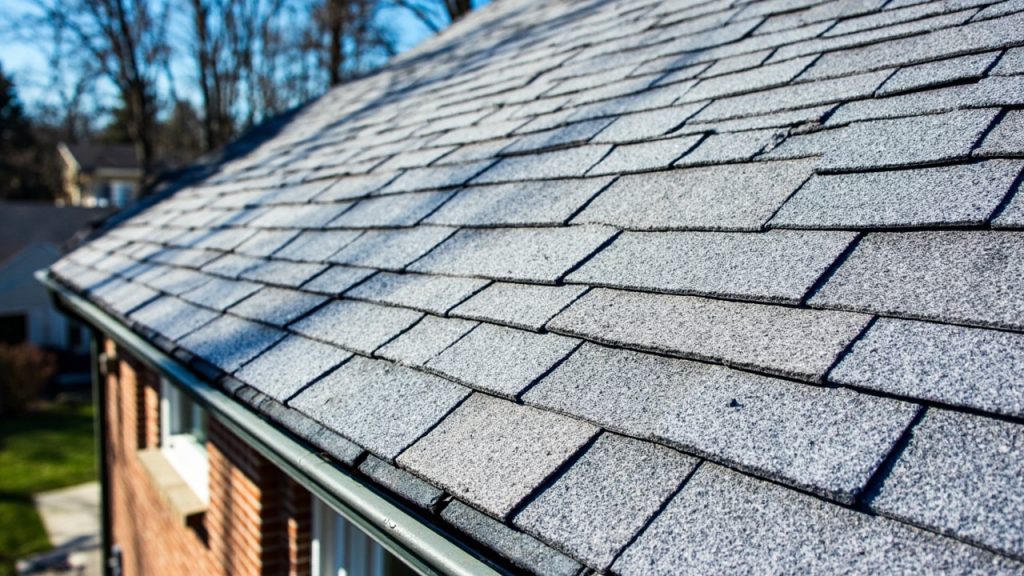
Homeowners in the West Side Market district often choose earth tones. Terracotta and warm greys complement brick facades common in older Cleveland neighborhoods. Cool-rated shingles in these colors look authentic while providing modern energy efficiency. Painted metal roofs in earth tones also fit the aesthetic profile of Shaker Heights.
We recommend light greys for suburban developments in North Olmsted. These colors blend well with asphalt driveways and vinyl siding. White roofs look clean but show dirt quickly during spring pollen season. You can maintain them with a gentle rinse from a ladder. Dark roofs show mineral runoff from copper flashing more clearly. This runoff stains the siding below if you do not have drip edges.
Select a color that matches your local environment. Brooklyn Centre homes often sit on lots with mature oak trees. Dark browns or charcoal shingles blend the roofline with the foliage. Lighter greys pop against the green backdrop. Your goal is to balance visual appeal with thermal performance. Energy Star certified products in 2026 offer certified high-performance options for every color preference.
Algae resistance matters for Ohio humidity. High rainfall from Lake Erie moisture promotes algae growth on northern roof slopes. Asphalt shingles labeled “Algae Resistant” contain copper granules in the surface. The copper inhibits dark streak formation common in shaded areas. Look for this feature even if you choose a light color.
Impact on HVAC Longevity
A cooler attic extends the life of your air conditioning system. You reduce the heat load on your condenser unit. The compressor runs for less time each day. This saves you money on monthly electric bills in July and August. It also reduces wear and tear on expensive components like coils and fans.
Older HVAC systems suffer more when attics exceed 150 degrees. High efficiency cooling units struggle to maintain set points in extreme heat. A cool roof can bring attic temperatures down to 110 degrees. This creates a buffer zone for the AC unit on hot days. You do not need to upgrade your HVAC equipment immediately. You just optimize the roof to support the existing system.
Insulation levels affect the attic environment as well. Fiberglass batts or blown-in cellulose provide a barrier between the heated home and the roof deck. Spray foam provides an air seal. You need both a thermal barrier and an air barrier to maximize the impact of a cool roof color. Proper ventilation channels air through the soffit and ridge vents.
Check your attic insulation annually. Cleveland’s Cuyahoga County requires specific R-values for residential construction. Ensure your contractor meets these standards during any roof replacement project. Ventilation gaps at the eaves are common points of failure. Seal these gaps before installing new roof sheathing.
Local Building Codes and Permits
Cuyahoga County requires ice and water shield installation in specific locations. You must install this membrane within 24 inches of the exterior wall line. This protects against ice dams. It also protects against wind-driven rain common during thunderstorms.
Parma and Strongsville issue permits for roof replacements. You cannot skip the permit even if you plan a “overlay” over existing shingles. The city requires a permit to verify flashings on chimneys and vents. You also need a permit to inspect the structural deck for rot.
Roofing contractors in Cleveland must follow EPA guidelines regarding lead and debris removal. We handle disposal at approved local landfills. You do not need to arrange for dumpsters or haul away old materials. The contractor manages the cleanup process. We also coordinate with firstEnergy and local utility companies for rebates on energy-efficient upgrades. EPA Cool Roofs and Energy Savings.
Commercial properties follow different codes than residential homes. Flat roofs require a different approach. We utilize membrane systems that meet local energy codes for businesses. These systems allow for reflective coatings that extend the service life of the building.
Financial Incentives and Rebates
The federal government offers tax credits for energy-efficient improvements. You can claim a credit for installing qualifying roofing materials in 2026. Check the Energy Star website for current eligibility requirements. The Internal Revenue Service provides forms to complete for your tax return.
Ohio utility companies offer rebates for insulation upgrades. They often do not provide separate incentives for roofing color alone. However, the energy savings from a cool roof contribute to your overall home efficiency goals. Some programs bundle insulation and HVAC rebates with roofing projects.
Calculate the return on investment for your specific situation. If your current roof absorbs heat, you pay for cooling you do not need. A new roof with high SRI reduces this unnecessary cost. Over ten years, the savings can cover a significant portion of the replacement cost. You also improve the resale value of your home.
Appraisers increasingly recognize energy efficiency as a value-add feature. They may factor the lower energy bills into the home value estimate. This helps you recover costs when you sell the property in the future. Real estate trends in 2026 favor homes with updated energy-efficient systems.
Matching Local Architecture
1950s ranch homes in Strongsville have low profile lines. A dark roof on a wide ranch can make the house look heavy. A lighter grey roof opens up the silhouette. Colonial and Tudor Revivals in Shaker Heights have distinctive slate finishes. You can mimic slate with architectural asphalt shingles. These shingles provide the texture and SRI performance you need at a lower cost.
The Rock and Roll Hall of Fame in Downtown Cleveland reflects light off its metal roof. This design choice reduces cooling costs significantly during festivals and summer events. Apply this same logic to your single-family home. Reflective surfaces work for residential and commercial buildings.
We work with clients who want to match the roof color to their siding. Siding paint has color options that may limit your roof color choice. Your contractor can provide paint swatches to coordinate the new roof color with existing materials in 2026.
Final Steps for Homeowners
Choose a contractor who understands local weather patterns. Ask about their experience with SRI values and cool roof technology. They should be able to explain the thermal emittance of the materials they recommend. Do not settle for a roof that traps heat in July or loses heat in January. Ensure your attic venting supports the new roof deck.
Contact Alpha Roofing Cleveland to schedule a roof inspection. We assess your current roof color and the condition of your shingles. We provide a free audit of your energy efficiency options for Brooklyn Centre, Parma, and Strongsville residents. We help you select the right materials for your budget and your local climate requirements.
Start saving on your utility bills today by selecting a cooler roof color. Our team handles the entire installation process from permit acquisition to final cleanup. We protect your landscaping and your garage from debris during construction. You receive a complete warranty on workmanship and materials. We stand behind our quality because we know you need a reliable home for years to come.
Call Alpha Roofing Cleveland now for your free energy efficiency roof audit. We are ready to help you lower your costs this summer.
{
“@context”: “https://schema.org”,
“@type”: “BlogPosting”,
“headline”: “Choosing the Right Roof Color to Lower Your Energy Bills in Brooklyn Centre”,
“description”: “Discover how roof color impacts energy costs in Brooklyn Centre. We explain SRI values, local weather impacts, and best colors for Cleveland homes to save on utility bills effectively.”,
“wordCount”: 2148,
“datePublished”: “2026-03-21T15:38:00.000Z”,
“dateModified”: “2026-03-21T15:38:00.000Z”,
“inLanguage”: “en-US”,
“mainEntityOfPage”: {
“@type”: “WebPage”,
“@id”: “https://alpharoofingcleveland.com”
},
“publisher”: {
“@type”: “LocalBusiness”,
“name”: “Alpha Roofing Cleveland”,
“url”: “https://alpharoofingcleveland.com”
},
“author”: {
“@type”: “Organization”,
“name”: “Alpha Roofing Cleveland”,
“url”: “https://alpharoofingcleveland.com”
},
“image”: {
“@type”: “ImageObject”,
“url”: “https://alpharoofingcleveland.com/wp-content/uploads/2026/03/choosing-the-right-roof-color-to-lower-your-energy-1.jpg”
}
}
{
“@context”: “https://schema.org”,
“@type”: “RoofingContractor”,
“name”: “Alpha Roofing Cleveland”,
“url”: “https://alpharoofingcleveland.com”,
“address”: {
“@type”: “PostalAddress”,
“addressLocality”: “Cleveland”
},
“areaServed”: {
“@type”: “City”,
“name”: “Cleveland”
}
}
{
“@context”: “https://schema.org”,
“@type”: “HowTo”,
“name”: “How to Evaluate Roof Color Options”,
“step”: [
{
“@type”: “HowToStep”,
“position”: 1,
“name”: “Calculate Current Heat Loss”,
“text”: “Use an energy audit tool to find current attic temperatures.”
},
{
“@type”: “HowToStep”,
“position”: 2,
“name”: “Check Local Building Codes”,
“text”: “Verify Cuyahoga County permit requirements for roofing upgrades.”
},
{
“@type”: “HowToStep”,
“position”: 3,
“name”: “Review Material Options”,
“text”: “Compare asphalt, metal, and slate options for SRI ratings.”
},
{
“@type”: “HowToStep”,
“position”: 4,
“name”: “Inspect Ventilation”,
“text”: “Ensure proper intake and exhaust airflow is installed.”
}
],
“image”: “https://alpharoofingcleveland.com/wp-content/uploads/2026/03/choosing-the-right-roof-color-to-lower-your-energy-1.jpg”
}
{
“@context”: “https://schema.org”,
“@type”: “BreadcrumbList”,
“itemListElement”: [
{
“@type”: “ListItem”,
“position”: 1,
“name”: “Home”,
“item”: “https://alpharoofingcleveland.com”
},
{
“@type”: “ListItem”,
“position”: 2,
“name”: “Blog”,
“item”: “https://alpharoofingcleveland.com/blog”
},
{
“@type”: “ListItem”,
“position”: 3,
“name”: “Choosing the Right Roof Color to Lower Your Energy Bills in Brooklyn Centre”
}
]
}
{
“@context”: “https://schema.org”,
“@type”: “Service”,
“serviceType”: “Roofing”,
“provider”: {
“@type”: “LocalBusiness”,
“name”: “Alpha Roofing Cleveland”,
“url”: “https://alpharoofingcleveland.com”
},
“areaServed”: {
“@type”: “City”,
“name”: “Cleveland”
},
“description”: “Discover how roof color impacts energy costs in Brooklyn Centre. We explain SRI values, local weather impacts, and best colors for Cleveland homes to save on utility bills effectively.”
}