
How to Identify Hidden Water Damage in the Attic of Your Older Brook Park Home
Brook Park homeowners face brutal weather conditions in Northeast Ohio during 2026. Lake Effect snow accumulates heavily on rooftops throughout the winter months. Freeze-thaw cycles stress roofing materials faster than anywhere else in the state. Your attic acts as the first line of defense against these elements. You must inspect it regularly to catch damage early.
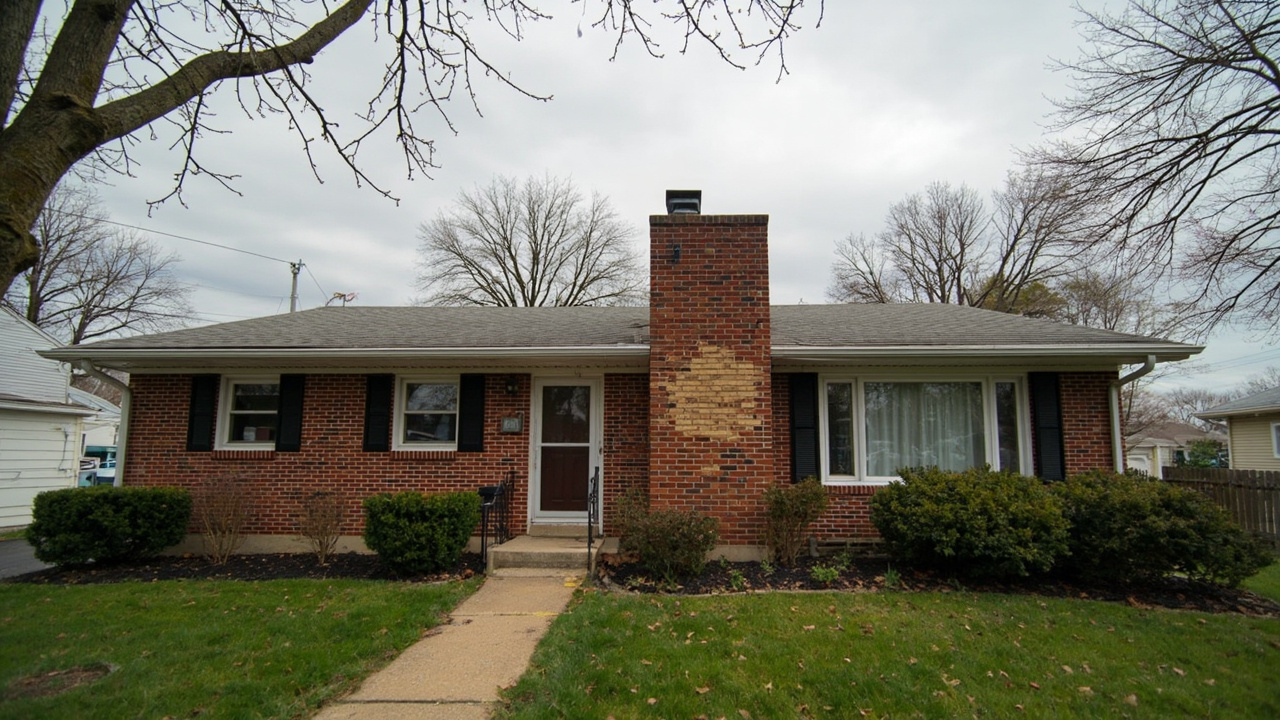
Older homes in Strongsville or Parma often share similar construction flaws with Brook Park properties built between 1955 and 1975. These Ranch and Bungalow style houses contain vulnerable roof decks. Water enters through flashing failures or cracked shingles. You might not see the leak from the ground level. Moisture hides inside your insulation and roof sheathing.
Ignoring this problem costs you money. Structural rot weakens your rafters and compromises the entire roof system. Mold growth threatens your indoor air quality within weeks. This guide teaches you the specific signs of attic leakage. You can diagnose many issues yourself with a flashlight. Contact us immediately for confirmation if you spot warning signs.
Understanding Water Intrusion Risks in Northeast Ohio
Cleveland weather drives most roof damage in this region. Intense humidity in summer months contributes to moss and algae growth on shingles. This organic matter holds moisture against your roof surface. Frequent heavy rainfall leads to gutter and flashing failures. Water backs up under the shingle tabs.
Winter brings Lake Effect snow accumulation to the Cuyahoga County area. Snow piles up against chimneys and valleys. These heavy loads force ice dams to form along your gutters. Ice dams block water from draining. The water refreezes and backs up under your shingles. You find wet spots in the attic weeks later.
Soil conditions around Brook Park also play a role. Heavy clay soil causes foundation shifts. These shifts impact roof alignment over time. A slightly misaligned roof diverts water toward weak points. You need to account for this when you inspect your structure.
Visual Indicators of Water Intrusion in the Attic
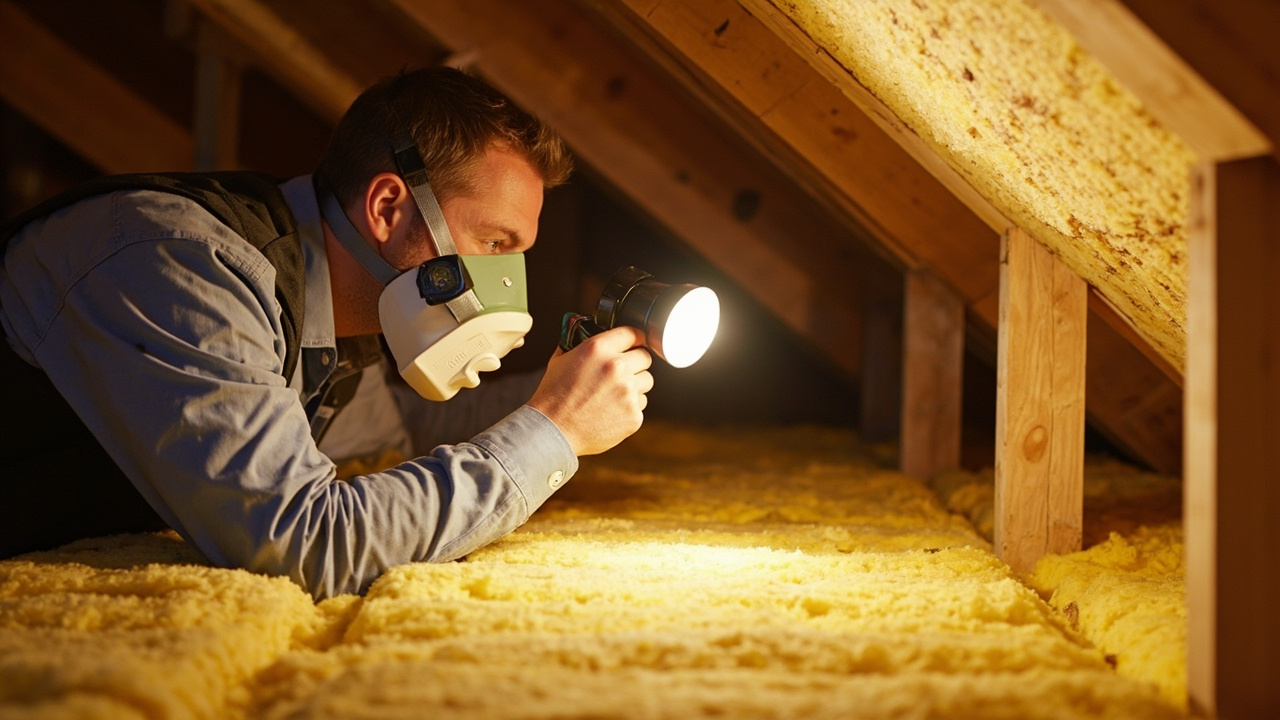
Turn on your flashlight and look at your rafters. You see dark streaks along the wood grain. These appear as tea-colored stains on the timber. Water leaves these marks as it travels along the sheathing. Check the areas around plumbing vents and chimneys. Flashing failures often occur at these junctions.
Examine your insulation closely. Fiberglass insulation changes texture when wet. Dry fiberglass looks fluffy. Wet insulation looks matted and compressed. You find cold spots where the R-value dropped significantly. The material loses its ability to regulate temperature.
Check EPA guidelines for mold safety before you touch any discolored material. Some stains indicate current leaks. Others show historical water events. You need to trace the highest point of the stain. Water flows downhill, so the source sits above the damage.
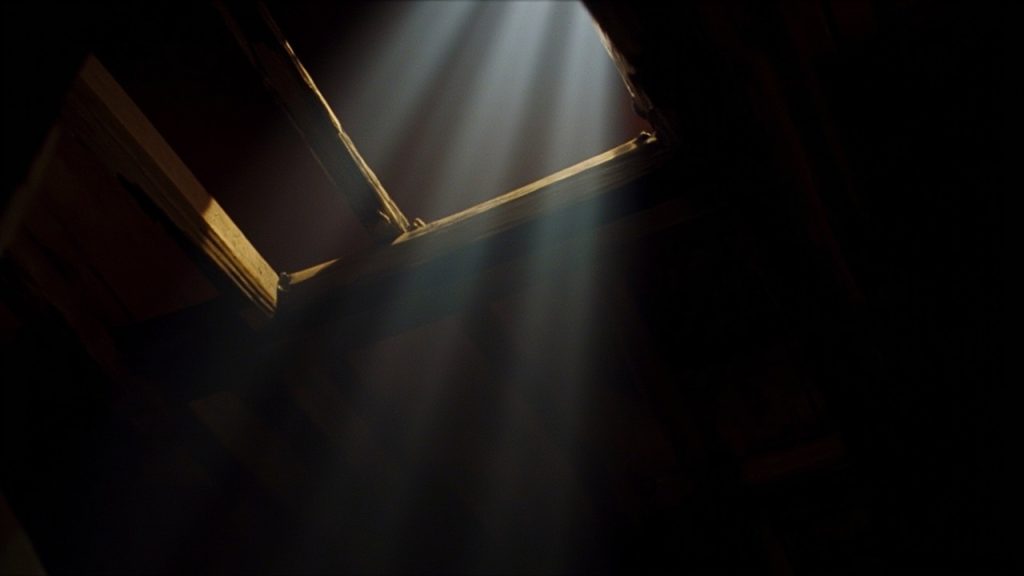
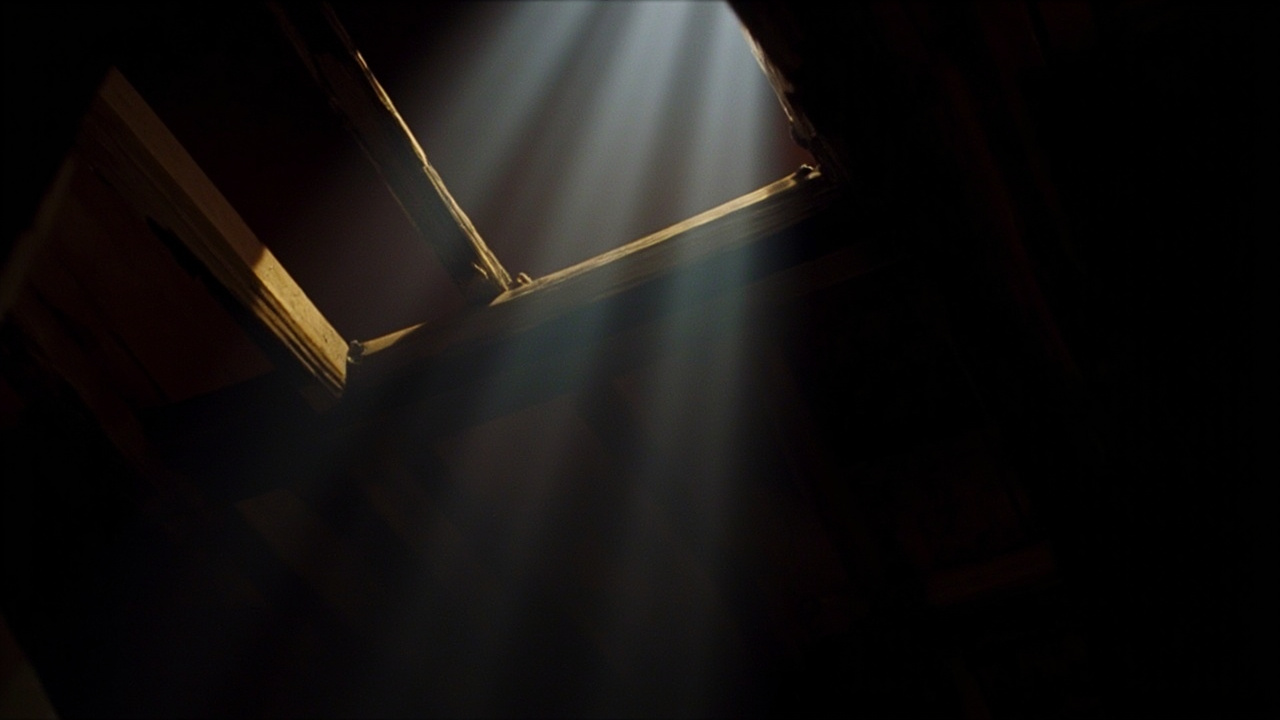
Look for daylights showing through the roof deck. Walk carefully on the joists only. Step on the joists. Never walk on the ceiling drywall. Daylight penetration means your roof membrane has failed completely. This requires immediate professional intervention.
Spotting Rusty Fasteners and Shiners
Roofing nails poke through the sheathing into the attic space. These fasteners are called shiners. Frost forms on the nail heads during cold winters. You see white patches around the metal. This indicates cold air escaping and condensing.
Look for rust on these nails. Red or orange rust suggests moisture saturation. The nail head corrodes over time. Corrosion weakens the connection holding your shingles. The surrounding wood rots. You find a dark soft spot on the roof deck.
Older Brook Park homes often have metal roofs with slate tiles. Asphalt shingles sit in valleys. The valleys hold the most water. Inspect these areas with your light. Look for rust on the valley metal. Water stains appear just under the metal in the attic.
The Smell and Air Quality Changes
Your nose detects problems before your eyes see them. Musty odors signal moisture retention in the attic. This smell comes from wood rot and microbial growth. The scent enters your living space through the floor vents.
High humidity levels in the attic cause further damage. Condensation forms on the underside of the roof sheathing. You see puddles or dripping water. This happens when ventilation fails. Air gets trapped and warms up. Moisture condenses on the cold wood.
Distinguish between a roof leak and attic condensation. A leak enters from the outside. Condensation forms from within the home. The source determines the fix. You need a professional to test humidity levels. FEMA provides safety resources for homeowners handling water events.
Check for mold growth on the framing. Black spots appear on the wood. White powdery residue indicates mold spores. You find these in corners and behind stored items. Mold spreads quickly in Northeast Ohio climates.
Structural Red Flags in Older Rafters
Inspect the roof trusses for sagging. A level frame shows stability. A bowed truss indicates structural weakness. Water saturation makes wood soft. Soft wood cannot support the roof load.
Check your roof decking for sponginess. Press gently on the wood panels. You feel a bounce or sink if the wood rots. This happens most often near the eaves. Water runs off the roof and soaks the edge wood first.
Look for loose nails or missing screws. The wind gusts off Lake Erie shake the structure. Screws loosen over years of expansion and contraction. Loose screws hold less weight. Water enters through the gaps the screws create.
Buckling or twisting in the rafters indicates excess weight. Heavy snow loads in 2026 tested many homes. A weakened rafter may not hold the next storm. This requires immediate reinforcement.
Why Ice Dams Occur in Brook Park
Ice dams form when snow melts and refreezes. Heat from your home escapes through the attic. You lose heat because insulation does not reach the roof deck. The warm attic melts the snow on top.
Water flows down the roof. It reaches the overhang. The overhang has no heat. Water freezes in the gutters. This ice block stops further drainage.
The backed-up water pushes under shingles. Shingles lift at the edges. You get leaks into the attic space. Brook Park homes built before 1980 lack proper ice and water shield. Cuyahoga County requires minimum 24 inches of shield inside the exterior wall line. Older homes may not meet this standard.
Differentiating Moisture Sources
| Source Type | Moisture Appearance | Common Location |
| Active Leak | Dry spots that grow larger after rain | Directly below shingle defects |
| Condensation | Uniform wetness across large areas | Entire roof deck surface |
| Ice Dam Backflow | Wetness near gutters or walls | Eave line and lower roof edges |
Homeowner Inspection Checklist
Follow this step by step process to check your attic safely. Bring a sturdy flashlight with fresh batteries. Wear a dust mask to avoid inhaling mold spores. Wear a hard hat to protect your head from nails.
- Enter Safely – Use a pull-down ladder. Ensure the attic floor can hold your weight.
- Visual Scan – Look for dark spots on the wood grain. Walk slowly along the joists.
- Smell Test – Note any musty or sour odors. Air quality changes are a major warning.
- Check Insulation – Press on the material to feel for dampness. R-value loss often indicates water.
- Inspect Flashing – Find the plumbing vents and chimneys. Sealant failures often sit here.
- Look for Light – Close the attic hatch. Wait for eyes to adjust. Scan for pinpricks of daylight.
- Document Findings – Take photos of all damage. Record locations with measurements.
- Call a Pro – Reach out to Alpha Roofing for the final diagnosis.
Do not attempt to fix leaks yourself. Water damage leads to electrical hazards. You risk falling into the ceiling below. A certified roofing contractor handles the repair.
Comparison of Roofing Materials
| Material Type | Typical Lifespan in 2026 | Common Failure Point |
| Asphalt Shingles | 20 to 25 years | Granule loss and curling tabs |
| Slate Tile | 75 to 100 years | Nail corrosion and breakage |
| Metal Roofing | 40 to 60 years | Panel loosening and sealant failure |
| Wood Shakes | 30 to 40 years | Moss accumulation and rotting |
When to Call for Professional Help
Minor flashing repairs handle small leaks. You can fix these with sealant if you act fast. Structural integrity problems demand replacement. A full structural failure requires a new roof system.
If you find widespread mold, you need remediation help. Mold spreads through the HVAC system. Your entire home needs dehumidification. Contact a contractor specializing in emergency repair. Learn about storm repair protocols here.
Insurance claims complicate the repair process. They often cover sudden damage. They deny claims for long-term wear and tear. A local inspector documents the cause correctly. This supports your claim with evidence.
Websites like EPA offer guidance for health safety during repairs. Mold guidance at EPA.gov covers cleaning protocols for homeowners. You need this knowledge if you stay in the home during work.
Frequently Asked Questions
Does insurance cover attic leaks?
Insurance covers sudden accidental damage. They deny claims for lack of maintenance. You must prove the storm caused the leak. A professional report helps with this process.
How much does a roof inspection cost in Cleveland?
Inspection costs vary based on roof size and height. Most contractors waive the fee if you hire them for repair. We offer a comprehensive inspection to confirm damage scope.
Can I live in my home during repairs?
Yes. Minor repairs cause little disruption. Roof replacement requires staying away during the tear-off phase. Your contractor provides safety guidelines for your zone.
Proactive Roof Care in 2026
Stay informed about upcoming weather patterns. Monitor the cost factors for new roof projects. Budget for maintenance before the winter sets in. You save thousands on emergency repairs.
Regular maintenance prevents catastrophic failure. Clean your gutters bi-annually. Remove branches from the roof surface. Check the flashing every spring. These steps extend the life of your roof.
You can trust Alpha Roofing Cleveland with your home protection. We serve Brook Park and the surrounding communities. We know the local building codes and climate risks. We provide detailed reports you can verify.
Next Steps for Protection
Do not wait for rain to test your roof. Schedule an inspection today. We provide a detailed photo report of all attic conditions. You receive a priority quote on any necessary repairs.
Contact us for a Free 21-Point Attic and Roof Inspection. We arrive at your Brook Park home within 24 hours of your request. Let us secure your roof against the coming storms.
{
“@context”: “https://schema.org”,
“@type”: “BlogPosting”,
“headline”: “How to Identify Hidden Water Damage in the Attic of Your Older Brook Park Home”,
“description”: “Learn how to spot hidden water damage in your Brook Park attic. Check for stains, smells, and ice dams before 2026 storm season ends to prevent costly structural repairs.”,
“wordCount”: 1741,
“datePublished”: “2026-03-22T11:03:00.000Z”,
“dateModified”: “2026-03-22T11:03:00.000Z”,
“inLanguage”: “en-US”,
“mainEntityOfPage”: {
“@type”: “WebPage”,
“@id”: “https://alpharoofingcleveland.com”
},
“publisher”: {
“@type”: “LocalBusiness”,
“name”: “Alpha Roofing Cleveland”,
“url”: “https://alpharoofingcleveland.com”
},
“author”: {
“@type”: “Organization”,
“name”: “Alpha Roofing Cleveland”,
“url”: “https://alpharoofingcleveland.com”
},
“image”: {
“@type”: “ImageObject”,
“url”: “https://alpharoofingcleveland.com/wp-content/uploads/2026/03/how-to-identify-hidden-water-damage-in-the-attic-o-1.jpg”
}
}
{
“@context”: “https://schema.org”,
“@type”: “RoofingContractor”,
“name”: “Alpha Roofing Cleveland”,
“url”: “https://alpharoofingcleveland.com”,
“address”: {
“@type”: “PostalAddress”,
“addressLocality”: “Cleveland”
},
“areaServed”: {
“@type”: “City”,
“name”: “Cleveland”
}
}
{
“@context”: “https://schema.org”,
“@type”: “FAQPage”,
“mainEntity”: [
{
“@type”: “Question”,
“name”: “Does insurance cover attic leaks?”,
“acceptedAnswer”: {
“@type”: “Answer”,
“text”: “Insurance covers sudden accidental damage. They deny claims for lack of maintenance. You must prove the storm caused the leak. A professional report helps with this process.”
}
},
{
“@type”: “Question”,
“name”: “How much does a roof inspection cost in Cleveland?”,
“acceptedAnswer”: {
“@type”: “Answer”,
“text”: “Inspection costs vary based on roof size and height. Most contractors waive the fee if you hire them for repair. We offer a comprehensive inspection to confirm damage scope.”
}
},
{
“@type”: “Question”,
“name”: “Can I live in my home during repairs?”,
“acceptedAnswer”: {
“@type”: “Answer”,
“text”: “Yes. Minor repairs cause little disruption. Roof replacement requires staying away during the tear-off phase. Your contractor provides safety guidelines for your zone.”
}
}
]
}
{
“@context”: “https://schema.org”,
“@type”: “BreadcrumbList”,
“itemListElement”: [
{
“@type”: “ListItem”,
“position”: 1,
“name”: “Home”,
“item”: “https://alpharoofingcleveland.com”
},
{
“@type”: “ListItem”,
“position”: 2,
“name”: “Blog”,
“item”: “https://alpharoofingcleveland.com/blog”
},
{
“@type”: “ListItem”,
“position”: 3,
“name”: “How to Identify Hidden Water Damage in the Attic of Your Older Brook Park Home”
}
]
}
{
“@context”: “https://schema.org”,
“@type”: “Service”,
“serviceType”: “Roofing”,
“provider”: {
“@type”: “LocalBusiness”,
“name”: “Alpha Roofing Cleveland”,
“url”: “https://alpharoofingcleveland.com”
},
“areaServed”: {
“@type”: “City”,
“name”: “Cleveland”
},
“description”: “Learn how to spot hidden water damage in your Brook Park attic. Check for stains, smells, and ice dams before 2026 storm season ends to prevent costly structural repairs.”
}