
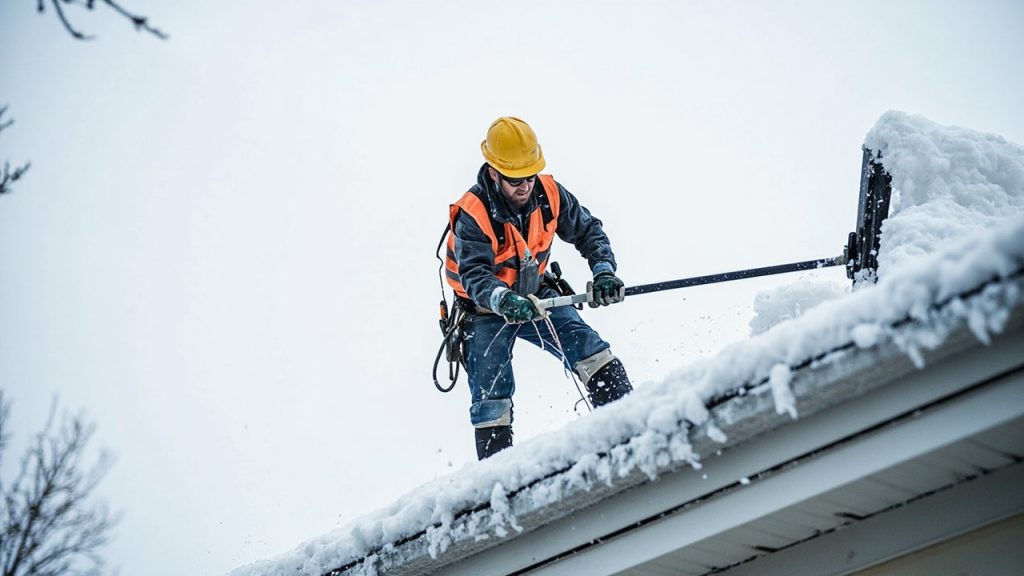
How much lake effect snow can your Avon Lake roof actually handle?
Avon Lake homeowners face a unique challenge every winter. Lake Erie’s snow machine can dump several feet of snow in just a few hours. That weight puts real stress on your roof structure. Many homeowners ask the same question: how much is too much?
The answer depends on your roof’s design, the type of snow, and the building codes that apply in Lorain County. Understanding these factors can help you protect your home and avoid costly damage.
What is the snow load requirement for Avon Lake?
The Residential Code of Ohio sets the minimum design snow load at 20 pounds per square foot (psf) for most of Lorain County. This means your roof must safely support 20 pounds of snow for every square foot of surface area. Ohio Residential Code.
In some areas near Lake Erie, the requirement can be higher. Avon Lake sits right on the shoreline. Local building officials may require a slightly higher rating to account for heavier lake-effect storms. The Avon Lake Building Department can confirm the exact psf rating for your neighborhood.
To put this in perspective, one foot of fresh powder weighs about 3 to 5 pounds per square foot. Packed snow can weigh 15 to 20 pounds. Wet snow or ice can weigh 30 to 40 pounds per square foot. That means just a few inches of wet snow can approach the design limit.
How to calculate your roof’s snow capacity
Calculating the weight on your roof is straightforward. First, measure the depth of snow. Then determine the snow type. Fresh powder is lightest. Packed snow is heavier. Wet snow or ice is heaviest.
Multiply the depth by the weight per inch. For example, if you have 12 inches of packed snow that weighs 15 pounds per cubic foot, you can estimate the psf load by dividing by the snow’s density factor.
A simple way to estimate: One foot of fresh snow on a flat roof equals about 3 to 5 psf. One foot of packed snow equals about 15 to 20 psf. One foot of wet snow or ice equals about 30 to 40 psf.
Roof pitch matters. Steeper roofs shed snow more easily. A 6:12 pitch roof (rising 6 inches for every 12 inches of horizontal run) holds less snow than a flat roof. However, snow can drift and pile up in valleys or against dormers, creating uneven loads.
Below is a quick reference table for common snow conditions:
| Snow Type | Weight per Cubic Foot | PSF per Foot of Depth |
|---|---|---|
| Fresh Powder | 3-5 lbs | 3-5 psf |
| Packed Snow | 15-20 lbs | 15-20 psf |
| Wet Snow | 20-25 lbs | 20-25 psf |
| Ice | 57 lbs | 57 psf |
Warning signs your roof is under stress
Roofs rarely collapse without warning. Your house will show signs of distress if the snow load becomes dangerous. Watch for these indicators:
- Interior doors that suddenly stick or won’t close properly
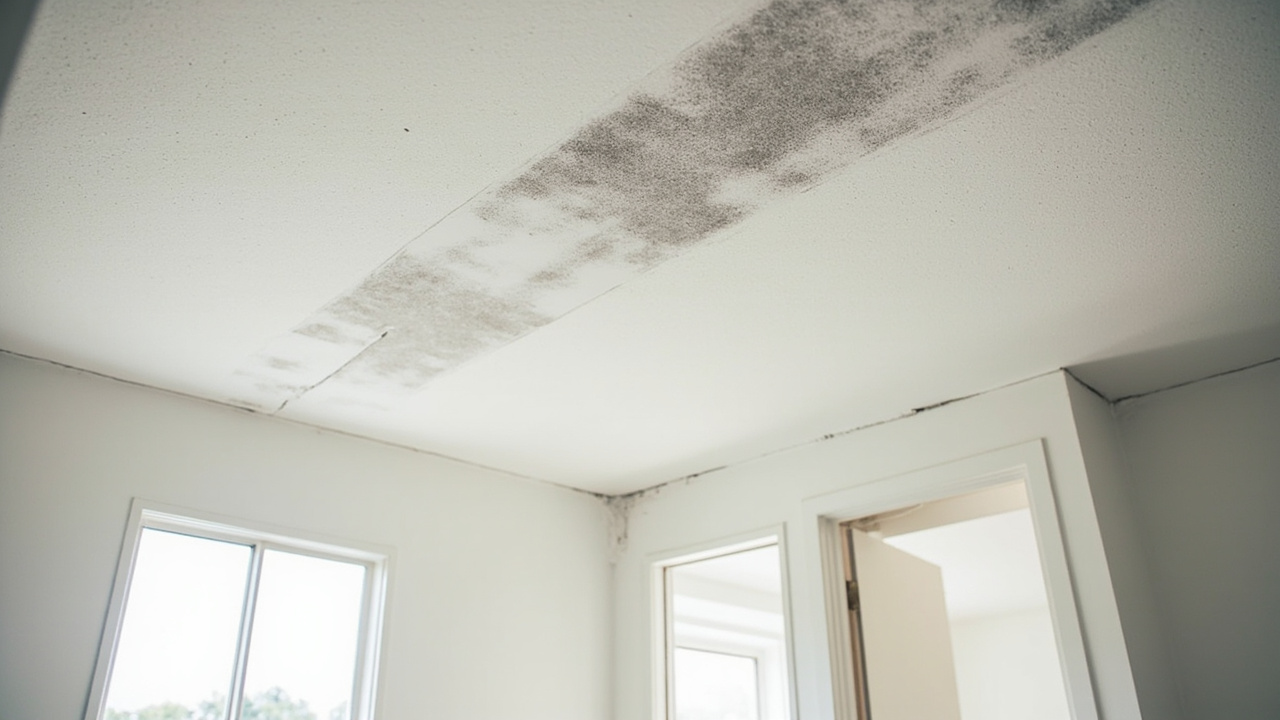
- Cracks appearing in drywall or plaster, especially around door frames
- Windows that become difficult to open or close
- Unusual creaking or popping sounds from the attic or walls
- Drooping ceiling tiles or visible sagging in the ceiling
- Leaks that appear during heavy snow but not during rain
If you notice any of these signs, clear snow from the roof immediately or call a professional. Structural damage can be expensive to repair and dangerous to your family.
Why Avon Lake gets hit harder than other suburbs
Avon Lake’s position on Lake Erie’s southern shore makes it a prime target for lake-effect snow. Cold air moving across the relatively warm lake picks up moisture. That moisture falls as snow when the air reaches land.
The effect is strongest in early winter before the lake freezes. A single storm can drop 2 to 3 feet of snow in 24 hours. Wind patterns can also create snow drifts that are much deeper than the average accumulation.
Nearby suburbs like Bay Village and Westlake often see less snow because they sit farther from the shoreline or behind higher terrain that blocks the wind. Avon Lake’s flat shoreline offers no protection.
The rapid accumulation means snow can pile up faster than it can melt or slide off. This increases the risk of exceeding your roof’s design load before you have a chance to remove it.
Safe snow removal vs. professional help
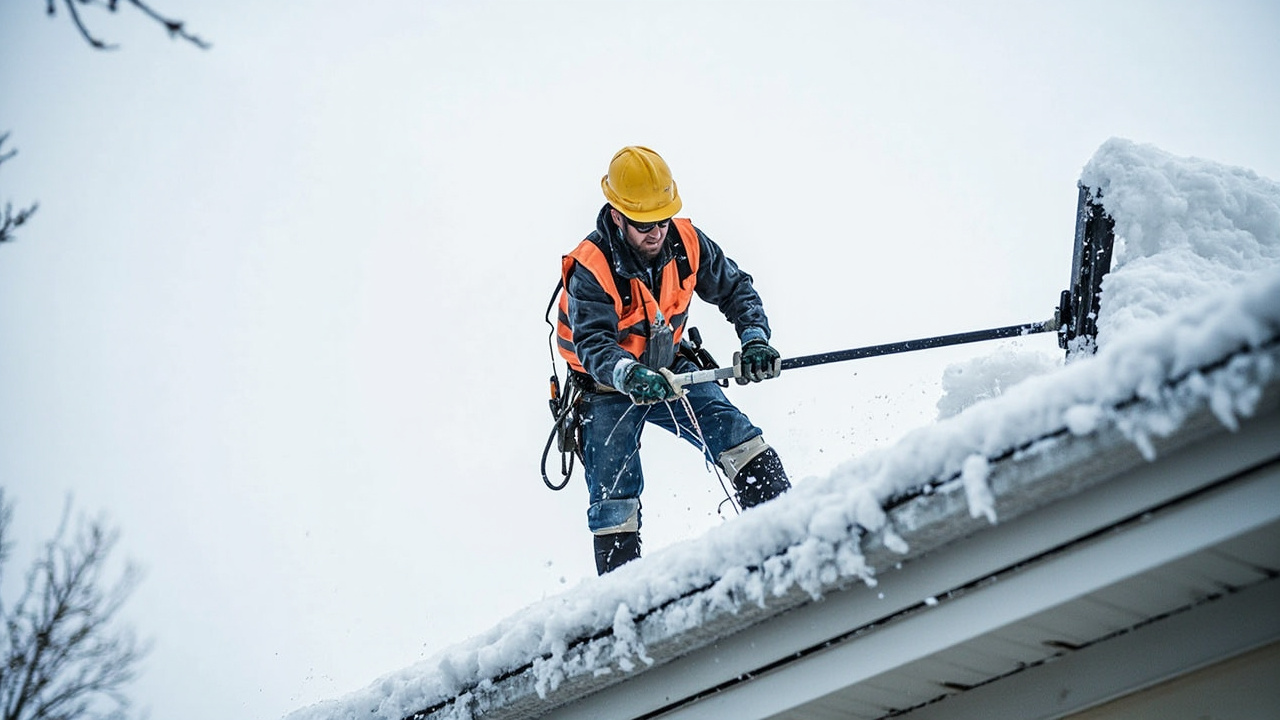
Removing snow from your roof can prevent structural damage. But it can also be dangerous and can damage your shingles if done incorrectly. Here’s when to use a roof rake and when to call a pro.
Use a roof rake when: Snow is fresh and less than 12 inches deep. You can reach the roof safely from the ground. The temperature is above freezing so ice isn’t a factor.
Call a professional when: Snow is wet, heavy, or frozen. You cannot reach all areas safely. You notice signs of structural stress. Your roof is very steep or has multiple levels.
Professionals use specialized equipment like snow cutters and safety harnesses. They can also check for ice dams and other hidden problems while on the roof.
Never use a standard shovel on a roof. The metal blade can tear shingles. Never climb onto a snow-covered roof without proper safety gear. The surface is extremely slippery and a fall can be fatal.
Ice dams and their relationship to snow load
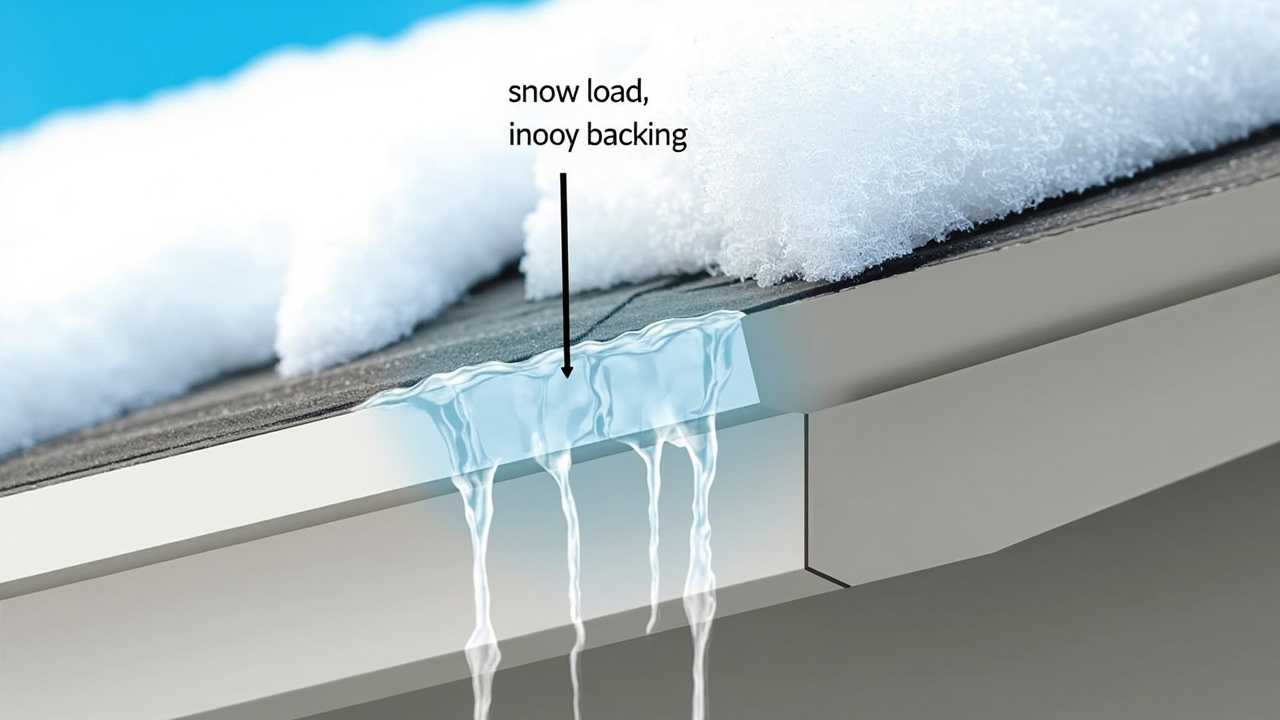
Ice dams form when heat from your attic melts the bottom layer of snow. The melted water runs down the roof until it reaches the cold eaves, where it refreezes. This creates a dam that traps water behind it.
Ice dams add weight to your roof and can force water under shingles. The extra weight can push your roof closer to its load limit. The trapped water can cause leaks even if the roof structure is sound.
Preventing ice dams helps protect both your roof and your home’s interior. Keep your attic cold by adding insulation and sealing air leaks. Make sure your attic is properly ventilated so warm air escapes through vents instead of warming the roof.
If ice dams form, avoid chipping at them with tools. You can damage shingles or gutters. Instead, use calcium chloride tablets to melt channels through the ice, or hire a professional to steam them off.
Long-term solutions for heavy snow areas
If you live in Avon Lake and experience frequent heavy snow, consider these long-term options:
Upgrade your roof framing during a major renovation. Engineers can design for higher snow loads than the minimum code requires. This costs more upfront but provides extra safety.
Install a metal roof with a smooth surface. Metal sheds snow more easily than asphalt shingles. The slick surface allows snow to slide off before it can accumulate to dangerous depths.
Add heat cables along the eaves and in valleys. These electric cables prevent ice dam formation and help snow slide off. They use electricity but can prevent expensive water damage.
Improve attic insulation and ventilation. This keeps the roof cold so snow doesn’t melt and refreeze. It also reduces your heating bills in winter.
Consider a roof design with steeper pitches or minimal valleys where snow can accumulate. Simpler roof lines shed snow more effectively than complex designs with many dormers and valleys.
Local building department resources
The Avon Lake Building Department can provide specific information about snow load requirements for your property. They can tell you the exact psf rating for your neighborhood and whether any special requirements apply.
Building officials can also advise on permits needed for structural modifications to increase snow capacity. They ensure any changes meet current safety standards.
Keep in mind that adding heavy materials like tile or slate requires checking if your roof structure can support the extra weight, especially when combined with snow loads.
For emergency situations during storms, the city may have resources or recommendations for safe snow removal. Contact them if you’re unsure about the safety of your roof during an extreme event.
Preparing for the next big storm
Preparation can make the difference between a safe winter and expensive damage. Here’s how to get ready before the snow flies:
Schedule a professional roof inspection in late fall. Look for loose shingles, damaged flashing, or other weaknesses that could fail under snow load.
Clean your gutters and downspouts. Clogged drainage can contribute to ice dam formation and adds unnecessary weight to the roof edge.
Trim tree branches that hang over your roof. Snow-covered branches can break and damage your roof or block emergency access.
Buy a quality roof rake and store it where you can reach it quickly. Practice using it on a small area before you need it for a major storm.
Keep emergency contact numbers handy. Know who to call if you notice signs of structural stress or if snow removal becomes too dangerous to handle yourself.
Consider signing up for a snow removal service if you travel frequently or cannot physically handle the work. Many companies offer seasonal contracts that guarantee service within 24 hours of heavy snow.
Frequently Asked Questions
How much does one inch of snow weigh on a roof?
One inch of fresh snow weighs about 0.25 to 0.5 pounds per square foot. One inch of packed snow weighs about 1 to 1.5 pounds per square foot. One inch of wet snow or ice weighs about 2.5 to 4.75 pounds per square foot.
Should I remove snow from my roof after every storm?
Remove snow when it approaches your roof’s design load or when you see warning signs of stress. For most roofs in Avon Lake, this means removing snow after storms that drop more than 6 to 8 inches of wet snow or 12 inches of powder.
Can I walk on my roof to remove snow?
Walking on a snow-covered roof is extremely dangerous and can damage shingles. Use a roof rake from the ground instead. If you must access the roof, hire a professional with proper safety equipment.
How do I know if my roof meets current snow load requirements?
Check your building permit records or contact the Avon Lake Building Department. Homes built before current codes may not meet modern snow load requirements. A structural engineer can assess your roof’s capacity.
What’s the difference between dead load and live load?
Dead load is the permanent weight of your roof structure, including decking, shingles, and insulation. Live load is temporary weight like snow, ice, or people. Snow load is considered live load and must be supported in addition to the dead load.
Does roof age affect snow capacity?
Yes. Older roofs may have weakened rafters, damaged sheathing, or deteriorated connections that reduce their ability to handle heavy loads. Regular inspections become more important as roofs age.
Should I worry about snow sliding off onto my deck or patio?
Large snow slides can damage railings, furniture, or even people below. Install snow guards to control sliding if this is a concern. Metal roofs are particularly prone to sudden snow slides.
Take action before the next big storm hits
Don’t wait until you see cracks in your ceiling or hear creaking sounds from your attic. The next major lake-effect storm could dump several feet of snow on Avon Lake in just a few hours.
Call Alpha Roofing Cleveland today for a professional roof inspection. We’ll check your roof’s structure, identify any weaknesses, and recommend the best way to protect your home from heavy snow loads.
Our team knows Avon Lake’s unique weather challenges. We’ve helped hundreds of homeowners in the area prepare their roofs for winter. We can also provide emergency snow removal if you’re caught in a sudden storm.
Call us now at [PHONE NUMBER] or visit our website to schedule your inspection. Your family’s safety is worth the call.
Don’t let the next big storm catch you off guard. Take action today to protect your home and your peace of mind.
{
“@context”: “https://schema.org”,
“@type”: “BlogPosting”,
“headline”: “How much lake effect snow can your Avon Lake roof actually handle?”,
“description”: “Find out the exact snow load limits for Avon Lake roofs, warning signs of structural stress, and safe removal tips for Lake Erie’s heaviest snowfalls.”,
“wordCount”: 1983,
“datePublished”: “2026-03-31T14:19:00.000Z”,
“dateModified”: “2026-03-31T14:19:00.000Z”,
“inLanguage”: “en-US”,
“mainEntityOfPage”: {
“@type”: “WebPage”,
“@id”: “https://alpharoofingcleveland.com”
},
“publisher”: {
“@type”: “LocalBusiness”,
“name”: “Alpha Roofing Cleveland”,
“url”: “https://alpharoofingcleveland.com”
},
“author”: {
“@type”: “Organization”,
“name”: “Alpha Roofing Cleveland”,
“url”: “https://alpharoofingcleveland.com”
},
“image”: {
“@type”: “ImageObject”,
“url”: “https://alpharoofingcleveland.com/wp-content/uploads/2026/03/how-much-lake-effect-snow-can-your-avon-lake-roof-1.jpg”
}
}
{
“@context”: “https://schema.org”,
“@type”: “RoofingContractor”,
“name”: “Alpha Roofing Cleveland”,
“url”: “https://alpharoofingcleveland.com”,
“address”: {
“@type”: “PostalAddress”,
“addressLocality”: “Cleveland”
},
“areaServed”: {
“@type”: “City”,
“name”: “Cleveland”
}
}
{
“@context”: “https://schema.org”,
“@type”: “FAQPage”,
“mainEntity”: [
{
“@type”: “Question”,
“name”: “What is the snow load requirement for Avon Lake?”,
“acceptedAnswer”: {
“@type”: “Answer”,
“text”: “The Residential Code of Ohio sets the minimum design snow load at 20 pounds per square foot (psf) for most of Lorain County. This means your roof must safely support 20 pounds of snow for every square foot of surface area.”
}
},
{
“@type”: “Question”,
“name”: “How much does one inch of snow weigh on a roof?”,
“acceptedAnswer”: {
“@type”: “Answer”,
“text”: “One inch of fresh snow weighs about 0.25 to 0.5 pounds per square foot. One inch of packed snow weighs about 1 to 1.5 pounds per square foot. One inch of wet snow or ice weighs about 2.5 to 4.75 pounds per square foot.”
}
},
{
“@type”: “Question”,
“name”: “Should I remove snow from my roof after every storm?”,
“acceptedAnswer”: {
“@type”: “Answer”,
“text”: “Remove snow when it approaches your roof’s design load or when you see warning signs of stress. For most roofs in Avon Lake, this means removing snow after storms that drop more than 6 to 8 inches of wet snow or 12 inches of powder.”
}
},
{
“@type”: “Question”,
“name”: “Can I walk on my roof to remove snow?”,
“acceptedAnswer”: {
“@type”: “Answer”,
“text”: “Walking on a snow-covered roof is extremely dangerous and can damage shingles. Use a roof rake from the ground instead. If you must access the roof, hire a professional with proper safety equipment.”
}
},
{
“@type”: “Question”,
“name”: “How do I know if my roof meets current snow load requirements?”,
“acceptedAnswer”: {
“@type”: “Answer”,
“text”: “Check your building permit records or contact the Avon Lake Building Department. Homes built before current codes may not meet modern snow load requirements. A structural engineer can assess your roof’s capacity.”
}
},
{
“@type”: “Question”,
“name”: “What’s the difference between dead load and live load?”,
“acceptedAnswer”: {
“@type”: “Answer”,
“text”: “Dead load is the permanent weight of your roof structure, including decking, shingles, and insulation. Live load is temporary weight like snow, ice, or people. Snow load is considered live load and must be supported in addition to the dead load.”
}
},
{
“@type”: “Question”,
“name”: “Does roof age affect snow capacity?”,
“acceptedAnswer”: {
“@type”: “Answer”,
“text”: “Yes. Older roofs may have weakened rafters, damaged sheathing, or deteriorated connections that reduce their ability to handle heavy loads. Regular inspections become more important as roofs age.”
}
}
]
}
{
“@context”: “https://schema.org”,
“@type”: “BreadcrumbList”,
“itemListElement”: [
{
“@type”: “ListItem”,
“position”: 1,
“name”: “Home”,
“item”: “https://alpharoofingcleveland.com”
},
{
“@type”: “ListItem”,
“position”: 2,
“name”: “Blog”,
“item”: “https://alpharoofingcleveland.com/blog”
},
{
“@type”: “ListItem”,
“position”: 3,
“name”: “How much lake effect snow can your Avon Lake roof actually handle?”
}
]
}
{
“@context”: “https://schema.org”,
“@type”: “Service”,
“serviceType”: “Roofing”,
“provider”: {
“@type”: “LocalBusiness”,
“name”: “Alpha Roofing Cleveland”,
“url”: “https://alpharoofingcleveland.com”
},
“areaServed”: {
“@type”: “City”,
“name”: “Cleveland”
},
“description”: “Find out the exact snow load limits for Avon Lake roofs, warning signs of structural stress, and safe removal tips for Lake Erie’s heaviest snowfalls.”
}
For more information, visit National Weather Service snow load safety.