
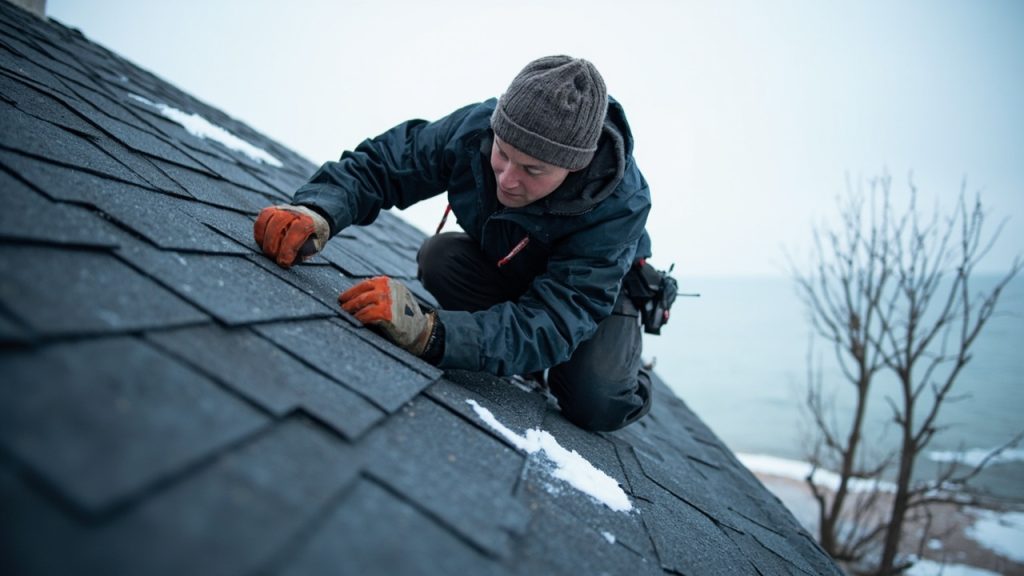
Why Your New Roof Installation Should Include an Attic Insulation Assessment
Your new roof protects your home from Cleveland’s harsh weather but without proper attic insulation you could still face ice dams high energy bills and uncomfortable temperature swings. Many homeowners focus only on the shingles and flashing but the attic is where your home loses most of its heating and cooling energy. An insulation assessment during your roof replacement can identify hidden problems and create a complete thermal barrier that works with your new roof to keep your home comfortable year round.
Cleveland’s freeze-thaw cycles and heavy lake effect snow make attic insulation especially critical. When warm air escapes through an under-insulated attic it melts snow on your roof which then refreezes at the eaves creating dangerous ice dams. These dams can force water under your shingles causing leaks and structural damage. By addressing insulation during your roof installation you protect your investment and solve the root cause of many common roofing problems.
The Science Behind Roofing and Insulation Working Together
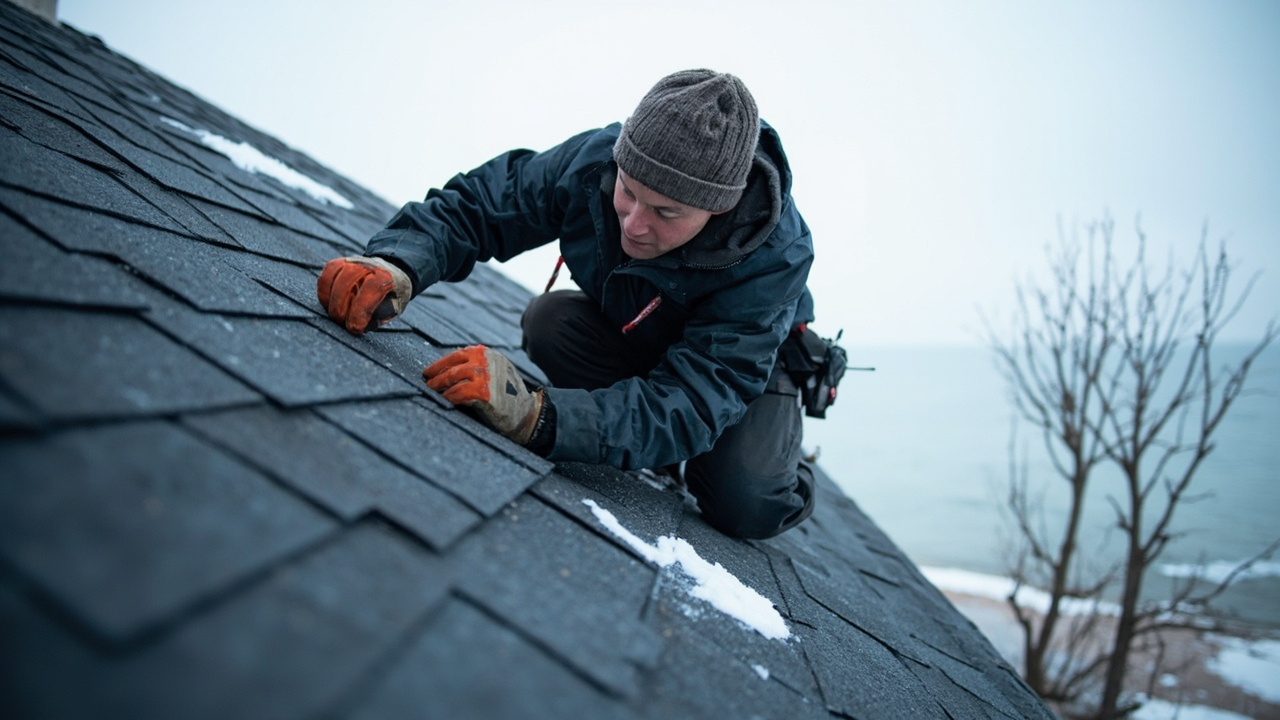
Your roof and attic form an integrated system. The shingles and underlayment create the first line of defense against water and wind while insulation controls heat transfer. In Cleveland’s climate zone 5 the Department of Energy recommends R-49 to R-60 insulation in attics to prevent heat loss. Without this level of insulation your new roof works harder than necessary and your HVAC system runs longer than it should. EPA information on roof and insulation systems.
Attic ventilation plays a crucial role in this system. Proper soffit and ridge vents allow cool air to enter at the eaves and hot air to escape at the peak. This airflow prevents moisture buildup that can rot roof decking and reduces the temperature difference between your attic and the outside air. When you combine adequate insulation with balanced ventilation you create a stable environment that extends the life of your roof and lowers your energy costs.
Thermal bridging occurs when heat escapes through poorly insulated areas like attic hatches recessed lights or ductwork. During a roof replacement these areas become accessible and can be sealed. This comprehensive approach ensures your new roof performs at its peak efficiency from day one.
Solving Cleveland’s Unique Climate Challenges
Cleveland experiences some of the most challenging weather conditions in the Midwest. Lake effect snow can dump several feet of accumulation in a single storm while summer humidity levels often exceed 80 percent. These conditions create specific problems for roofing and insulation systems.
Ice dams form when attic heat melts snow on the roof surface. The melted water flows down to the colder eaves where it refreezes creating a barrier that traps additional meltwater. This cycle continues until water backs up under shingles and into your home. Homes in Parma and Strongsville with complex rooflines are particularly vulnerable because they have more valleys and eaves where ice can accumulate.
High humidity in summer months can cause condensation in poorly ventilated attics. This moisture promotes mold growth and can damage insulation reducing its effectiveness. Cleveland’s clay soil also contributes to foundation movement which can create gaps in your home’s thermal envelope. These gaps allow conditioned air to escape and outside air to enter forcing your HVAC system to work overtime.
The freeze-thaw cycles common in Northeast Ohio cause building materials to expand and contract. This movement can create small cracks in your home’s envelope that become pathways for heat loss. A thorough insulation assessment during roof replacement identifies these problem areas and provides solutions before they become major issues.
Types of Insulation We Offer for Cleveland Attics
Different insulation materials work better for different applications and budgets. Understanding the options helps you make the best choice for your home.
Blown-In Cellulose Insulation
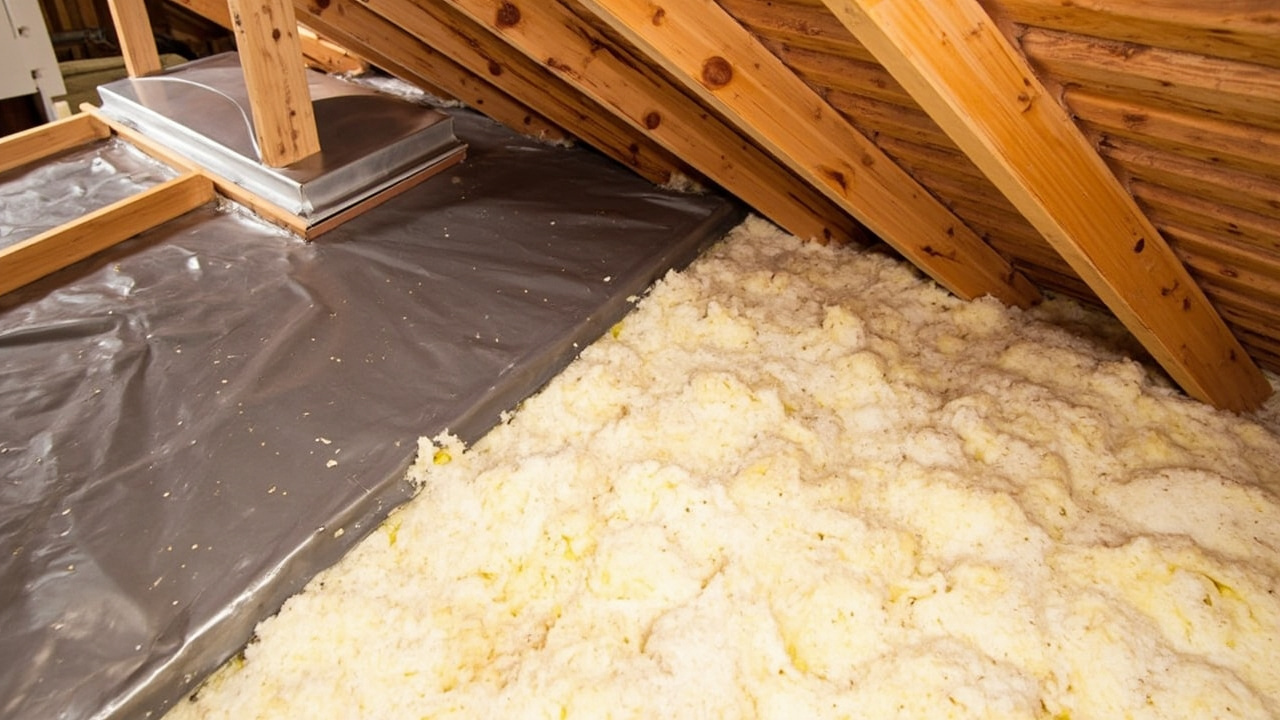
Blown-in cellulose consists of recycled paper products treated with fire retardants. It provides excellent coverage for irregular spaces and can achieve R-49 to R-60 with 12 to 18 inches of material. The loose fill nature allows it to conform to obstacles and fill gaps around wiring and plumbing. This makes it ideal for older homes in neighborhoods like Lakewood where attics often have complex layouts.
Cellulose has a higher density than fiberglass which helps prevent air movement through the material. It also provides better sound dampening which can be valuable in urban areas. The installation process involves blowing the material through hoses into your attic creating a seamless thermal barrier.
Fiberglass Batt Insulation
Fiberglass batts come in pre-cut sections that fit between standard joist spacing. They offer good R-value per inch and are relatively easy to install. For Cleveland attics you would typically use 15 to 20 inches of batts to achieve the recommended R-49 to R-60 range.
Batts work well in new construction or when you have easy access to your attic space. They can be more challenging to install in older homes with irregular joist spacing or numerous obstructions. The material does not settle over time which maintains its insulating properties for the life of your home.
Spray Foam Insulation
Spray foam expands to fill gaps and creates an air seal in addition to providing insulation. Closed-cell spray foam offers the highest R-value per inch at approximately R-6.5 and also adds structural strength to your roof deck. This makes it an excellent choice for homes in areas prone to high winds like those near Lake Erie.
Spray foam works particularly well for sealing thermal bridges around attic hatches recessed lights and ductwork. The air sealing properties can reduce your heating and cooling costs by 20 to 30 percent compared to traditional insulation methods. However spray foam typically costs more upfront than cellulose or fiberglass.
| Insulation Type | Cost per Square Foot | R-Value per Inch | Best For |
|---|---|---|---|
| Blown-In Cellulose | $1.50 – $2.50 | R-3.2 – R-3.8 | Older homes irregular spaces |
| Fiberglass Batts | $0.50 – $1.50 | R-2.9 – R-3.8 | New construction accessible attics |
| Closed-Cell Spray Foam | $2.50 – $4.50 | R-6.5 | Air sealing high-wind areas |
Our Roofing and Insulation Process
We follow a systematic approach to ensure your new roof and insulation work together seamlessly. This process begins with a comprehensive assessment and ends with a home that performs better than new.
- Initial Thermal Inspection
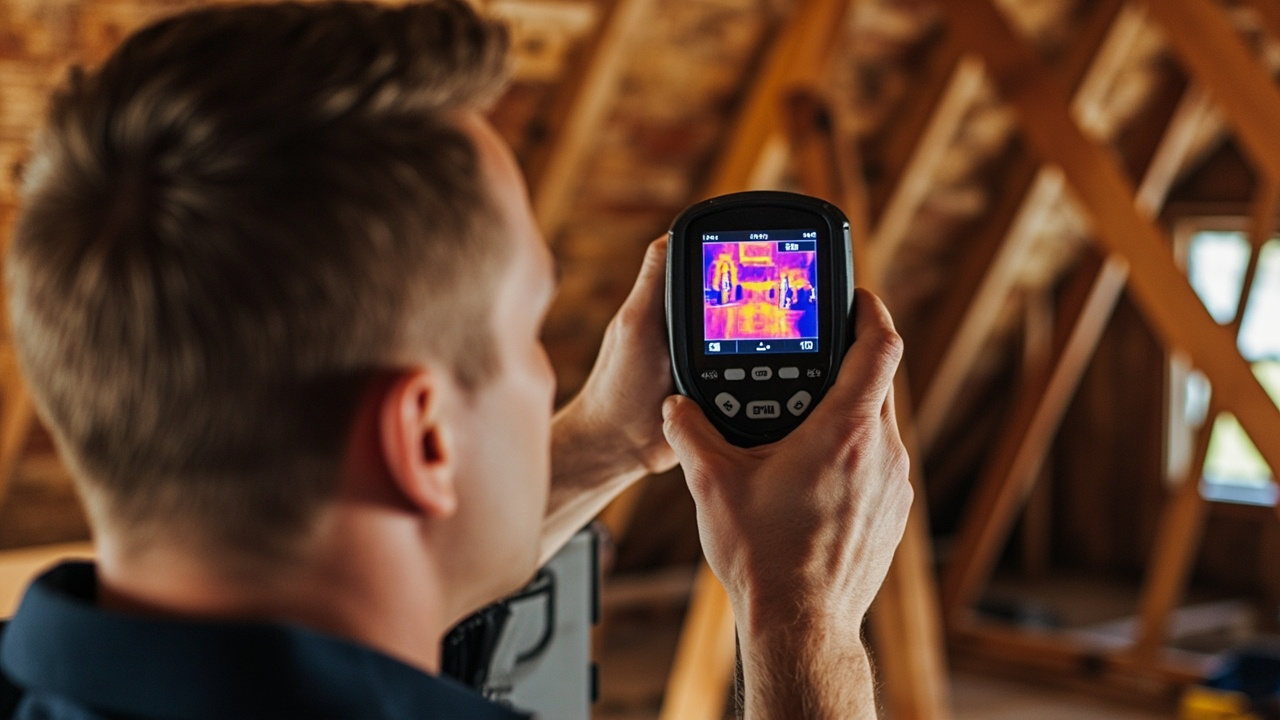
Our technicians conduct a detailed inspection of your current attic conditions including moisture levels ventilation effectiveness and existing insulation. We use thermal imaging cameras to identify heat loss areas and potential problem spots that might not be visible to the naked eye.
- Customized System Design
Based on our findings we design a complete roofing and insulation system tailored to your home’s specific needs. This includes selecting the appropriate insulation type calculating the required R-value and planning ventilation improvements to create a balanced system.
- Roof Removal and Deck Preparation
We remove your old roofing materials down to the deck inspecting for damage as we go. Any rotted or damaged decking gets replaced. We then install ice and water shield according to Cuyahoga County requirements extending at least 24 inches inside the exterior wall line.
- Ventilation System Installation
Proper ventilation is critical for system performance. We install soffit vents at the eaves and ridge vents at the peak creating continuous airflow. This prevents moisture buildup and helps maintain consistent attic temperatures throughout the year.
- Insulation Installation
With the roof structure exposed we install your chosen insulation to achieve the recommended R-49 to R-60 levels. We pay special attention to sealing thermal bridges around attic access points and mechanical systems.
- Shingle Installation and Final Inspection
We install your new roofing system using manufacturer-approved techniques. After completion we conduct a final inspection to ensure all components work together properly. We also provide documentation of the work performed and maintenance recommendations.
Real Results Cleveland Case Studies
Homeowners throughout the Cleveland area have experienced significant improvements after combining roof replacement with insulation upgrades. These real examples demonstrate the tangible benefits of this integrated approach.
A 1960s ranch home in Parma experienced recurring ice dams every winter despite multiple roof repairs. The homeowners replaced their roof and upgraded from R-19 to R-60 cellulose insulation. They also improved their soffit ventilation. The result was a 35 percent reduction in heating costs and complete elimination of ice dam problems. The investment paid for itself in just under five years through energy savings.
A two-story colonial in Strongsville had uncomfortable temperature swings between floors. The upstairs bedrooms were always too hot in summer and too cold in winter. After replacing the roof and installing spray foam insulation in the attic the homeowners reported consistent temperatures throughout the house. Their HVAC system cycles less frequently and they have not needed to use window air conditioners since the upgrade.
A retail strip mall in North Olmsted was experiencing high energy costs and tenant complaints about temperature control. The property manager opted for a complete roofing and insulation upgrade using tapered insulation to improve drainage and closed-cell spray foam for air sealing. Energy consumption dropped by 28 percent in the first year and tenant satisfaction scores improved significantly.
Energy Savings and Return on Investment
Combining roof replacement with insulation upgrades provides both immediate and long-term financial benefits. The initial investment may be higher but the returns come quickly through reduced energy bills and avoided repairs.
Heating and cooling typically account for 48 percent of a home’s energy use in Cleveland. By improving your home’s thermal envelope you can reduce this consumption by 20 to 40 percent. For a typical 2000 square foot home this translates to annual savings of $600 to $1200 depending on fuel costs and usage patterns.
The lifespan of your roofing materials also increases when you address insulation and ventilation issues. Asphalt shingles in Cleveland typically last 20 to 25 years but poor attic conditions can reduce this to 15 years or less. By maintaining consistent attic temperatures you can extend shingle life by 5 to 10 years avoiding premature replacement costs.
Many local utility companies offer rebates for insulation upgrades. FirstEnergy and Dominion Energy both provide incentives for weatherization improvements that meet specific efficiency criteria. These programs can offset 10 to 30 percent of your insulation costs making the investment even more attractive.
| Improvement | Estimated Annual Savings | Payback Period |
|---|---|---|
| Roof Replacement Only | $150 – $300 | 15 – 20 years |
| Roof + Insulation Upgrade | $600 – $1200 | 5 – 8 years |
Frequently Asked Questions
Should I replace my insulation when I get a new roof?
Yes if your existing insulation is old compressed or insufficient for Cleveland’s climate zone. New insulation works with your new roof to create a complete thermal barrier and prevents many common roofing problems.
How do I know if my attic has enough insulation?
If you can see your ceiling joists in the attic you likely need more insulation. The recommended level for Cleveland is R-49 to R-60 which typically means 15 to 18 inches of blown-in material or 20 to 25 inches of fiberglass batts.
Will better insulation make my home too tight?
Proper ventilation prevents this problem. Your new roof installation includes balanced ventilation that allows your home to breathe while still maintaining energy efficiency. This prevents moisture buildup and maintains healthy indoor air quality.
How long does it take to install new insulation with a roof replacement?
The insulation portion typically adds one to two days to a standard roof replacement project. The exact timeline depends on your attic size and the insulation type chosen but most projects complete within the same week as the roofing work.
Are there any rebates available for insulation upgrades in Cleveland?
Yes both FirstEnergy and Dominion Energy offer weatherization rebates for qualifying insulation improvements. These programs can provide significant savings on your project costs. We can help you navigate the application process.
Can I just add insulation without replacing my roof?
While you can add insulation separately combining it with roof replacement is more cost effective. You avoid labor duplication and can address ventilation issues at the same time. However if your roof is still in good condition adding insulation alone can still provide benefits.
Your home deserves a complete solution that protects it from Cleveland’s challenging climate. By combining your new roof installation with a comprehensive attic insulation assessment you create a system that works together to keep your home comfortable and energy efficient for decades to come.
Don’t wait for ice dams or high energy bills to force your hand. Take control of your home’s performance today by scheduling a free assessment with our experienced team. We understand the unique challenges of Northeast Ohio weather and can design a roofing and insulation system that meets your specific needs.
Call us today at [PHONE NUMBER] or visit our website to schedule your free consultation. Our experts will evaluate your current system identify opportunities for improvement and provide you with a clear plan for protecting your home investment. Join the hundreds of Cleveland homeowners who have already discovered the benefits of a complete roofing and insulation solution.
Your home works hard for you every day. Make sure it has the protection it deserves with a new roof and properly insulated attic that can handle anything Cleveland’s weather throws at it.
{
“@context”: “https://schema.org”,
“@type”: “BlogPosting”,
“headline”: “Why Your New Roof Installation Should Include an Attic Insulation Assessment”,
“description”: “Learn how combining your new roof with an attic insulation assessment can prevent ice dams and lower energy bills in Cleveland’s harsh climate. Local expert advice.”,
“wordCount”: 2172,
“datePublished”: “2026-04-01T15:06:00.000Z”,
“dateModified”: “2026-04-01T15:06:00.000Z”,
“inLanguage”: “en-US”,
“mainEntityOfPage”: {
“@type”: “WebPage”,
“@id”: “https://alpharoofingcleveland.com”
},
“publisher”: {
“@type”: “LocalBusiness”,
“name”: “Alpha Roofing Cleveland”,
“url”: “https://alpharoofingcleveland.com”
},
“author”: {
“@type”: “Organization”,
“name”: “Alpha Roofing Cleveland”,
“url”: “https://alpharoofingcleveland.com”
},
“image”: {
“@type”: “ImageObject”,
“url”: “https://alpharoofingcleveland.com/wp-content/uploads/2026/03/why-your-new-roof-installation-should-include-an-a-1.jpg”
}
}
{
“@context”: “https://schema.org”,
“@type”: “RoofingContractor”,
“name”: “Alpha Roofing Cleveland”,
“url”: “https://alpharoofingcleveland.com”,
“address”: {
“@type”: “PostalAddress”,
“addressLocality”: “Cleveland”
},
“areaServed”: {
“@type”: “City”,
“name”: “Cleveland”
}
}
{
“@context”: “https://schema.org”,
“@type”: “FAQPage”,
“mainEntity”: [
{
“@type”: “Question”,
“name”: “Should I replace my insulation when I get a new roof?”,
“acceptedAnswer”: {
“@type”: “Answer”,
“text”: “Yes if your existing insulation is old compressed or insufficient for Cleveland’s climate zone. New insulation works with your new roof to create a complete thermal barrier and prevents many common roofing problems.”
}
},
{
“@type”: “Question”,
“name”: “How do I know if my attic has enough insulation?”,
“acceptedAnswer”: {
“@type”: “Answer”,
“text”: “If you can see your ceiling joists in the attic you likely need more insulation. The recommended level for Cleveland is R-49 to R-60 which typically means 15 to 18 inches of blown-in material or 20 to 25 inches of fiberglass batts.”
}
},
{
“@type”: “Question”,
“name”: “How long does it take to install new insulation with a roof replacement?”,
“acceptedAnswer”: {
“@type”: “Answer”,
“text”: “The insulation portion typically adds one to two days to a standard roof replacement project. The exact timeline depends on your attic size and the insulation type chosen but most projects complete within the same week as the roofing work.”
}
},
{
“@type”: “Question”,
“name”: “Are there any rebates available for insulation upgrades in Cleveland?”,
“acceptedAnswer”: {
“@type”: “Answer”,
“text”: “Yes both FirstEnergy and Dominion Energy offer weatherization rebates for qualifying insulation improvements. These programs can provide significant savings on your project costs. We can help you navigate the application process.”
}
},
{
“@type”: “Question”,
“name”: “Can I just add insulation without replacing my roof?”,
“acceptedAnswer”: {
“@type”: “Answer”,
“text”: “While you can add insulation separately combining it with roof replacement is more cost effective. You avoid labor duplication and can address ventilation issues at the same time. However if your roof is still in good condition adding insulation alone can still provide benefits.”
}
}
]
}
{
“@context”: “https://schema.org”,
“@type”: “HowTo”,
“name”: “Complete Roofing and Insulation Installation”,
“step”: [
{
“@type”: “HowToStep”,
“position”: 1,
“name”: “Initial Thermal Inspection”,
“text”: “Our technicians conduct a detailed inspection of your current attic conditions including moisture levels ventilation effectiveness and existing insulation. We use thermal imaging cameras to identify heat loss areas and potential problem spots that might not be visible to the naked eye.”
},
{
“@type”: “HowToStep”,
“position”: 2,
“name”: “Customized System Design”,
“text”: “Based on our findings we design a complete roofing and insulation system tailored to your home’s specific needs. This includes selecting the appropriate insulation type calculating the required R-value and planning ventilation improvements to create a balanced system.”
},
{
“@type”: “HowToStep”,
“position”: 3,
“name”: “Roof Removal and Deck Preparation”,
“text”: “We remove your old roofing materials down to the deck inspecting for damage as we go. Any rotted or damaged decking gets replaced. We then install ice and water shield according to Cuyahoga County requirements extending at least 24 inches inside the exterior wall line.”
},
{
“@type”: “HowToStep”,
“position”: 4,
“name”: “Ventilation System Installation”,
“text”: “Proper ventilation is critical for system performance. We install soffit vents at the eaves and ridge vents at the peak creating continuous airflow. This prevents moisture buildup and helps maintain consistent attic temperatures throughout the year.”
},
{
“@type”: “HowToStep”,
“position”: 5,
“name”: “Insulation Installation”,
“text”: “With the roof structure exposed we install your chosen insulation to achieve the recommended R-49 to R-60 levels. We pay special attention to sealing thermal bridges around attic access points and mechanical systems.”
},
{
“@type”: “HowToStep”,
“position”: 6,
“name”: “Shingle Installation and Final Inspection”,
“text”: “We install your new roofing system using manufacturer-approved techniques. After completion we conduct a final inspection to ensure all components work together properly. We also provide documentation of the work performed and maintenance recommendations.”
}
],
“image”: “https://alpharoofingcleveland.com/wp-content/uploads/2026/03/why-your-new-roof-installation-should-include-an-a-1.jpg”
}
{
“@context”: “https://schema.org”,
“@type”: “BreadcrumbList”,
“itemListElement”: [
{
“@type”: “ListItem”,
“position”: 1,
“name”: “Home”,
“item”: “https://alpharoofingcleveland.com”
},
{
“@type”: “ListItem”,
“position”: 2,
“name”: “Blog”,
“item”: “https://alpharoofingcleveland.com/blog”
},
{
“@type”: “ListItem”,
“position”: 3,
“name”: “Why Your New Roof Installation Should Include an Attic Insulation Assessment”
}
]
}
{
“@context”: “https://schema.org”,
“@type”: “Service”,
“serviceType”: “Roofing”,
“provider”: {
“@type”: “LocalBusiness”,
“name”: “Alpha Roofing Cleveland”,
“url”: “https://alpharoofingcleveland.com”
},
“areaServed”: {
“@type”: “City”,
“name”: “Cleveland”
},
“description”: “Learn how combining your new roof with an attic insulation assessment can prevent ice dams and lower energy bills in Cleveland’s harsh climate. Local expert advice.”
}
For more information, visit U.S. Department of Energy insulation guidelines.