
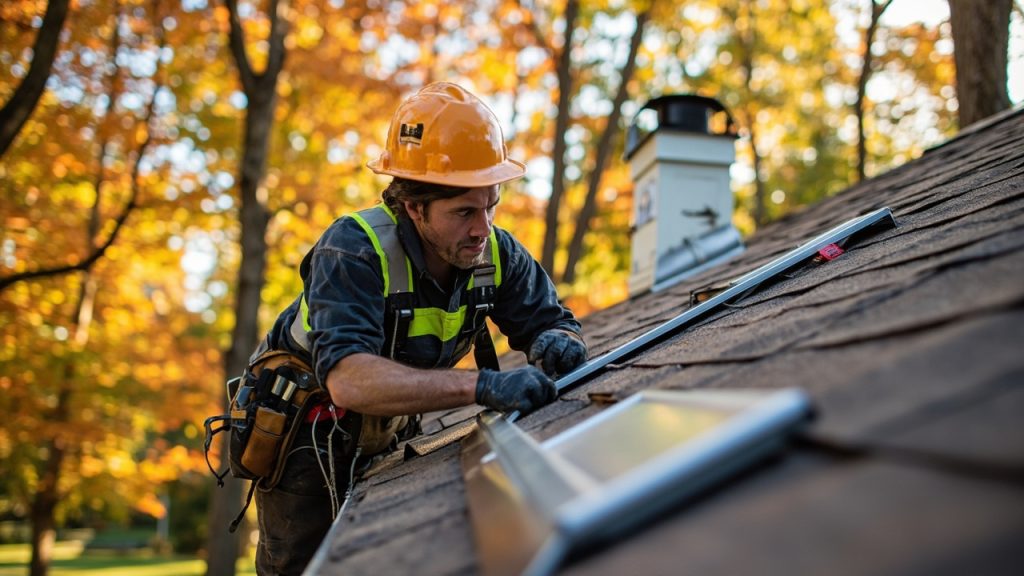
Why your Parma Heights ranch home needs specialized ventilation compared to a taller house
Living in a ranch-style home in Parma Heights means dealing with unique ventilation challenges that taller homes simply don’t face. Your single-story layout creates different airflow patterns, attic heat distribution, and moisture control needs that directly impact your roof’s lifespan and your home’s energy efficiency.
The combination of Parma Heights’ mid-century housing stock and Cleveland’s volatile weather creates a perfect storm for ventilation problems. Ranch homes built between the 1950s and 1970s often have shallow roof pitches and limited attic space, making proper airflow more critical than ever. When winter brings Lake Erie’s infamous snow and summer brings high humidity, your ventilation system becomes the first line of defense against costly damage.
Understanding ranch home ventilation challenges in Parma Heights
Ranch homes in Parma Heights typically feature sprawling single-story designs with large footprints. This architectural style creates specific ventilation hurdles that multi-story homes naturally overcome through stack effect and vertical airflow.
Your ranch home’s attic space often sits directly under a wide, low-pitched roof. This configuration means hot air doesn’t rise and escape as efficiently as it would in a two-story home. Instead, heat accumulates at the ridge, creating temperature imbalances that stress your roofing materials year-round.
The typical Parma Heights ranch also features overhanging eaves and soffits that can trap moisture if not properly ventilated. When warm, moist air from your living space rises into the attic during winter months, it meets the cold underside of your roof deck. Without adequate ventilation, this moisture condenses, leading to mold growth, wood rot, and eventual structural damage.
Why height matters for roof ventilation
Taller homes benefit from natural convection that helps move air through the attic space. In a two-story colonial or split-level home, warm air naturally rises to the upper levels, creating a continuous airflow pattern that pulls fresh air in through soffits and exhausts it through ridge vents or gable vents.
Your ranch home lacks this vertical advantage. The horizontal spread means air movement depends entirely on properly sized and placed intake and exhaust vents. Without the natural stack effect, your ventilation system must work harder to achieve the same air exchange rates.
This difference becomes critical during Cleveland’s temperature extremes. Summer heat buildup in your ranch’s attic can reach dangerous levels, cooking your shingles from below and driving up cooling costs. Winter ice dam formation becomes more likely when warm air pockets remain trapped near the ridge.
How Parma Heights weather affects your roof’s lifespan
Cleveland’s climate creates year-round challenges for ranch home ventilation. The Lake Erie effect brings heavy snowfall, intense summer humidity, and dramatic temperature swings that test even the best-designed ventilation systems.
Combating Lake Erie humidity
Parma Heights experiences some of the highest humidity levels in Ohio, particularly during summer months when Lake Erie’s moisture rolls inland. Your ranch home’s attic becomes a moisture trap when ventilation fails to keep pace with humidity levels.
High humidity in your attic space leads to several problems. First, it accelerates the deterioration of roofing materials. Asphalt shingles exposed to constant moisture from below lose their protective oils faster, becoming brittle and prone to cracking. Second, humidity creates ideal conditions for mold and mildew growth on roof decking and insulation.
The solution involves increasing both intake and exhaust ventilation capacity beyond what standard calculations might suggest. Ranch homes in Parma Heights often need 20-30% more ventilation than homes in drier climates to handle the moisture load effectively.
Preventing ice dams during Cleveland winters
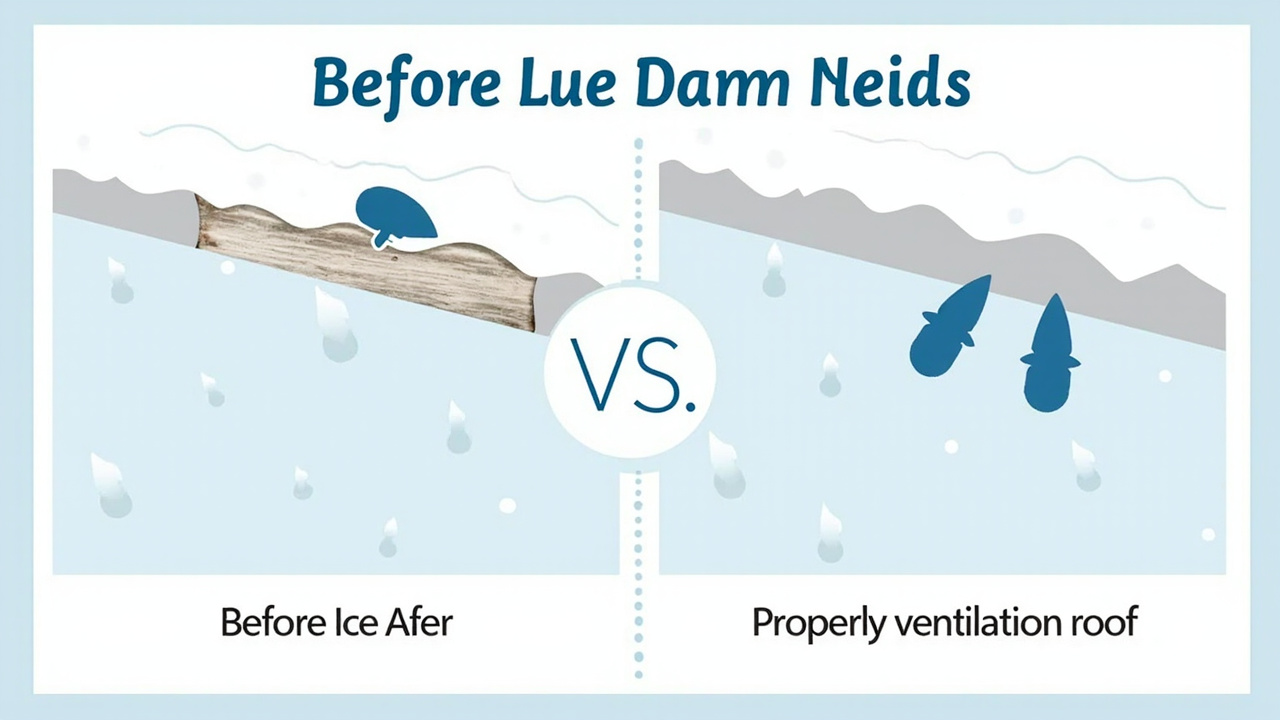
Ice dams represent one of the most destructive winter hazards for Parma Heights ranch homes. When snow melts on your warm roof deck and refreezes at the colder eaves, it creates ice dams that force water back under your shingles.
Ranch homes are particularly vulnerable because their low-pitched roofs and wide footprints create more surface area for snow accumulation. The lack of vertical airflow means heat pockets remain trapped near the ridge, accelerating snowmelt even when outdoor temperatures stay below freezing.
Proper ventilation prevents ice dams by maintaining consistent roof deck temperatures. When cold air circulates evenly through your attic space, it keeps the entire roof surface near outdoor temperature, preventing the freeze-thaw cycle that causes ice dam formation.
Types of attic ventilation systems we install
Different ranch home layouts require different ventilation approaches. Understanding your options helps you make informed decisions about protecting your Parma Heights home.
Ridge vents vs. box vents
Ridge vents run along the peak of your roof, providing continuous exhaust ventilation. For ranch homes in Parma Heights, ridge vents offer several advantages over individual box vents.
Ridge vents create uniform air exhaust across the entire roof peak, eliminating hot spots that box vents might miss. They also provide better protection against wind-driven rain and snow infiltration. However, ridge vents require proper installation and must be paired with adequate soffit intake to function correctly.
Box vents work well for smaller ranch homes or those with complex roof designs featuring multiple peaks. They’re easier to install on existing roofs and can be positioned to target specific problem areas. The trade-off is that box vents provide less uniform ventilation and may create pressure imbalances if not properly spaced.
Soffit intake systems
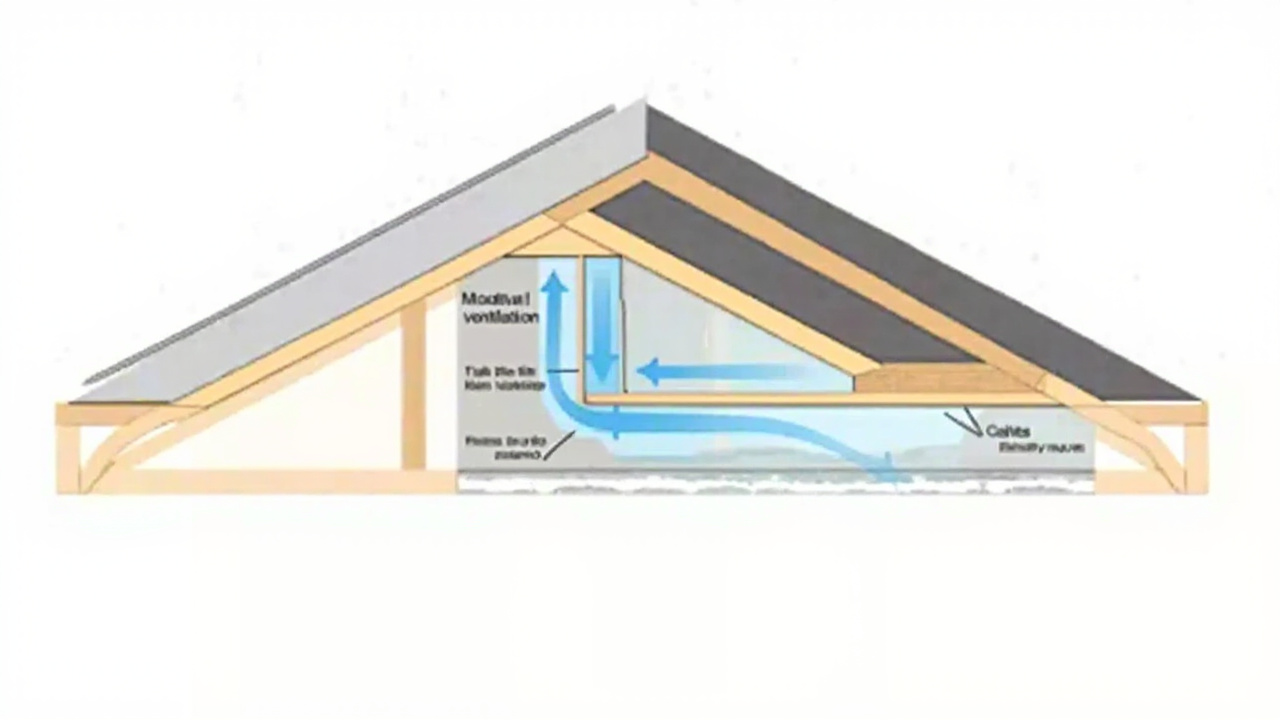
Your ventilation system is only as good as its intake capability. Soffit vents draw fresh, cool air into your attic, creating the airflow that carries moisture and heat out through exhaust vents.
For Parma Heights ranch homes, continuous soffit venting often outperforms individual vent installations. The wide eaves common on ranch-style homes provide ample space for continuous venting strips that ensure even air distribution across the entire attic space.
Proper soffit ventilation requires attention to insulation details. Baffles installed between rafters prevent insulation from blocking airflow at the eaves, ensuring your intake vents function as designed. Without baffles, even the best ventilation system fails to move air effectively.
Power attic fans (solar and electric)
Power attic fans provide active ventilation when passive systems struggle to keep up with heat and moisture loads. For Parma Heights ranch homes, solar-powered fans offer an energy-efficient solution that works hardest when you need it most.
Solar attic fans activate automatically when temperatures reach preset levels, providing additional ventilation during Cleveland’s hottest summer days. They’re particularly effective for ranch homes with large attic spaces where passive ventilation might struggle to maintain comfortable temperatures.
Electric-powered fans offer more consistent performance and can be controlled via thermostat or humidistat. They’re ideal for homes where ventilation needs remain high year-round or where solar exposure is limited by roof orientation or shading from mature trees common in Parma Heights neighborhoods.
Baffles and insulation checks
Even the best ventilation system fails when insulation blocks airflow. Baffles, also called vent chutes, maintain clear pathways for air movement from soffit vents to the attic space.
During ventilation inspections, we often discover that insulation has shifted or settled over time, blocking critical airflow paths. This problem is especially common in older Parma Heights ranch homes where original insulation has compacted or where homeowners have added insulation without understanding proper ventilation requirements.
Regular insulation checks ensure your ventilation system continues functioning as designed. We look for signs of moisture damage, mold growth, and compression that might indicate ventilation problems requiring attention.
Signs your Parma Heights home has poor ventilation
Recognizing ventilation problems early can save you thousands in repair costs. Here are the most common warning signs we see in Parma Heights ranch homes.
Ice dam formation during winter months indicates inadequate attic ventilation. If you notice icicles hanging from your eaves or see ice buildup along roof edges, your attic is likely too warm and moisture levels are too high.
Excessive heat in upstairs rooms during summer suggests your attic space isn’t venting properly. Ranch homes should maintain relatively consistent temperatures between living spaces and attic areas. If your second floor feels like a sauna while the first floor remains comfortable, ventilation problems are likely.
Mold or mildew odors in your home often indicate moisture problems in your attic. The musty smell might be most noticeable after rain or during humid weather when your attic’s moisture levels peak.
Premature shingle deterioration provides visual evidence of ventilation problems. Curling, buckling, or granule loss on shingles can indicate excessive heat buildup from below. In Parma Heights, we frequently see asphalt shingles fail years before their expected lifespan due to inadequate ventilation.
High energy bills throughout the year suggest your HVAC system is working overtime to compensate for poor attic ventilation. When your attic space becomes an oven in summer or a moisture trap in winter, your heating and cooling systems must work harder to maintain comfortable temperatures.
Our multi-point ventilation inspection process
Effective ventilation solutions begin with thorough inspection. Our process identifies specific problems affecting your Parma Heights ranch home and develops targeted solutions.
We start with a comprehensive attic assessment, measuring temperature and humidity levels throughout the space. This data reveals hot spots, moisture accumulation areas, and ventilation inefficiencies that might not be visible from the exterior.
Next, we examine your existing ventilation components, checking for proper installation, damage, or blockage. We measure intake and exhaust vent areas to ensure they meet current building code requirements for your home’s size and configuration.
Our inspection includes checking insulation levels and installation quality. We look for signs of moisture damage, mold growth, and proper baffle installation. We also assess your roof’s condition, identifying any damage that might compromise ventilation effectiveness.
We evaluate your home’s specific challenges, considering factors like roof pitch, attic configuration, nearby trees or structures that might affect airflow, and your home’s orientation relative to sun exposure and prevailing winds.
Based on our findings, we develop a customized ventilation plan that addresses your home’s specific needs. This might involve adding ventilation components, repairing existing systems, or modifying insulation and baffle configurations.
Cost factors for ventilation retrofitting vs. new installation
Understanding the investment required for proper ventilation helps you budget effectively. Several factors influence the total cost of ventilation improvements for your Parma Heights ranch home.
Existing roof condition plays a major role in determining costs. If your roof is relatively new and in good condition, we can often add ventilation components without major modifications. However, if your roof needs replacement or has significant damage, ventilation improvements become part of a larger roofing project.
Home size and configuration affect the amount of ventilation needed. Larger ranch homes require more intake and exhaust capacity to maintain proper airflow. Complex roof designs with multiple valleys, dormers, or intersecting planes may need additional ventilation components to ensure complete coverage.
Material choices impact both initial costs and long-term performance. Basic ridge vents and soffit vents offer economical solutions, while solar-powered fans or high-efficiency exhaust systems require larger upfront investments but may provide better long-term value.
Permit requirements in Parma Heights add to project costs but ensure compliance with local building codes. We handle all permit applications and inspections as part of our service, so you don’t have to navigate the municipal process yourself.
Energy efficiency and cooling costs in Cuyahoga County
Proper ventilation directly impacts your home’s energy efficiency and monthly utility costs. In Cuyahoga County’s climate, the relationship between ventilation and energy consumption becomes particularly important.
During summer months, your attic can reach temperatures of 150°F or higher without adequate ventilation. This extreme heat radiates down into your living spaces, forcing your air conditioning system to work harder and longer to maintain comfortable temperatures.
Effective ventilation can reduce your cooling costs by 10-25% by keeping attic temperatures closer to outdoor levels. This temperature reduction means your AC doesn’t have to overcome a 50-degree temperature differential between your attic and living spaces.
Winter energy efficiency also improves with proper ventilation. When moisture levels in your attic remain controlled, your insulation maintains its full R-value effectiveness. Wet or compacted insulation loses much of its insulating capability, allowing heat to escape through your ceiling.
The energy savings from improved ventilation often offset the initial investment within 3-5 years. Combined with extended roof life and prevented moisture damage, proper ventilation represents one of the best long-term investments you can make in your Parma Heights home.
Local building code requirements for Parma Heights
Parma Heights follows Cuyahoga County building codes with specific requirements for residential ventilation. Understanding these requirements ensures your ventilation system meets all legal standards.
Current building codes require a minimum of 1 square foot of net free ventilation area for every 150 square feet of attic floor space. This ratio can be reduced to 1:300 when certain conditions are met, such as balanced intake and exhaust ventilation or the use of specific ventilation products.
The code also mandates that at least 50-80% of your ventilation be installed in the upper portion of your roof, with the remainder in soffits or other low intake locations. This distribution ensures proper airflow patterns from bottom to top.
Parma Heights requires permits for most ventilation modifications, particularly those involving roof penetrations or structural changes. Our team handles all permitting requirements, ensuring your project complies with local regulations.
Special considerations apply to homes in historic districts or those with unique architectural features. If your ranch home falls into these categories, additional approvals or specific product requirements might apply.
Comparing ventilation needs: ranch vs. two-story homes
A comparison of ventilation requirements highlights why ranch homes need specialized approaches. The following table illustrates key differences between typical ranch and two-story homes of similar square footage.
| Factor | Ranch Home (1,500 sq ft) | Two-Story Home (1,500 sq ft) | Key Difference |
|---|---|---|---|
| Attic Floor Area | 1,500 sq ft | 750 sq ft | Ranch has 2x more attic space |
| Roof Surface Area | 1,800 sq ft | 1,200 sq ft | Ranch has 50% more roof area |
| Ventilation Required | 10 sq ft NFA | 5 sq ft NFA | Ranch needs double ventilation |
| Heat Accumulation Risk | High | Moderate | Ranch more vulnerable |
| Ice Dam Potential | High | Low | Ranch at greater risk |
This comparison demonstrates why ventilation strategies that work for two-story homes often fail when applied to ranch homes. The larger attic volume and roof surface area in ranch homes create ventilation challenges that require specialized solutions.
Maintenance tips for long-lasting ventilation performance
Even the best-installed ventilation system requires periodic maintenance to ensure optimal performance. These simple steps help maintain your ventilation system’s effectiveness.
Inspect your roof vents seasonally, checking for debris buildup, damage from storms, or animal nests that might block airflow. Clear any obstructions and ensure all vent components remain securely attached.
Check your soffit vents annually, particularly after fall when leaves and debris accumulate. Use a leaf blower or soft brush to clear any blockage, ensuring continuous airflow into your attic space.
Monitor your attic space during extreme weather conditions. After heavy snow, check for ice dam formation along roof edges. During summer heat waves, use a thermometer to verify your attic temperature stays within reasonable ranges.
Schedule professional inspections every 2-3 years to assess your ventilation system’s performance and identify developing issues before they cause damage. Professional inspections can catch problems like moisture damage, insulation deterioration, or vent component failure that homeowners might miss.
Consider upgrading older ventilation components when replacing your roof. New ventilation products offer improved efficiency and durability compared to systems installed 20-30 years ago when many Parma Heights ranch homes were built.
Frequently Asked Questions
How do I know if my ranch home has enough ventilation?
Signs of inadequate ventilation include ice dams in winter, excessive attic heat in summer, mold odors, and high energy bills. A professional inspection can measure your actual ventilation capacity and compare it to building code requirements for your home’s size.
Can I add ventilation to my existing roof without replacing it?
Yes, many ventilation improvements can be made to existing roofs. Ridge vents, box vents, and solar-powered fans can often be added without major roof modifications. However, the feasibility depends on your roof’s current condition and configuration.
How much does it cost to improve ventilation in a Parma Heights ranch home?
Costs vary based on your home’s size, existing conditions, and the ventilation solutions chosen. Basic improvements might start around $1,500-2,500, while comprehensive systems with powered ventilation could range from $3,000-6,000 or more.
Will better ventilation lower my energy bills?
Yes, proper ventilation typically reduces cooling costs by 10-25% and can improve heating efficiency by maintaining insulation effectiveness. The energy savings often offset the initial investment within 3-5 years.
How long does ventilation installation take?
Most ventilation projects can be completed in 1-2 days, depending on the scope of work and weather conditions. We work efficiently to minimize disruption to your home while ensuring quality installation.
Do I need permits for ventilation work in Parma Heights?
Yes, most ventilation modifications require permits to ensure compliance with local building codes. We handle all permit applications and inspections as part of our comprehensive service.
What’s the best time of year to upgrade ventilation?
Spring and fall offer ideal conditions for ventilation work, with moderate temperatures and lower precipitation. However, ventilation improvements can be completed year-round as needed to address urgent problems.
Can poor ventilation cause roof damage?
Absolutely. Inadequate ventilation leads to premature shingle deterioration, ice dam formation, moisture damage to roof decking, and mold growth. These problems can reduce your roof’s lifespan by 5-10 years or more.
How does ventilation affect my home’s resale value?
Proper ventilation protects your roof investment and improves energy efficiency, both of which appeal to potential buyers. Well-maintained ventilation systems can be a selling point that demonstrates responsible home maintenance.
What maintenance does ventilation require?
Ventilation systems need seasonal inspections to clear debris, check for damage, and ensure proper operation. Professional inspections every 2-3 years help identify developing issues before they cause significant problems.
- Inspect Soffit Vents
Check that soffit vents are clear of debris and insulation. Use a flashlight to verify air can flow freely through the vent openings.
- Examine Roof Vents
Look for damage, rust, or blockage in ridge vents, box vents, or other exhaust components. Ensure all vent covers remain securely attached.
- Check Attic Temperature
Compare attic temperature to outdoor temperature on a warm day. Your attic should be no more than 10-15 degrees warmer than outside air.
- Look for Moisture Signs
Check for water stains, mold growth, or damp insulation that indicates moisture problems requiring ventilation improvements.
- Assess Insulation Condition
Ensure insulation hasn’t shifted to block soffit vents. Verify baffles are properly installed to maintain clear airflow paths.
Protect your Parma Heights ranch home with proper ventilation
Your ranch home in Parma Heights deserves ventilation solutions designed specifically for its unique challenges. The combination of single-story design, Cleveland’s harsh climate, and the age of many local homes creates ventilation needs that standard approaches simply can’t address.
Don’t wait for ice dams, mold growth, or premature roof failure to force action. A properly designed ventilation system protects your home, improves energy efficiency, and extends your roof’s lifespan by years or even decades.
We understand the specific challenges facing Parma Heights ranch homes because we’ve worked on hundreds of them throughout Cuyahoga County. Our experience with local building codes, weather patterns, and common architectural styles means we can recommend solutions that actually work for your situation.
Ready to protect your home with professional ventilation solutions? Contact us today for a free attic ventilation assessment. We’ll evaluate your current system, identify any problems, and recommend cost-effective solutions tailored to your Parma Heights ranch home’s specific needs.
Don’t let another winter bring ice dams or another summer drive up your cooling costs. Schedule your free consultation now and take the first step toward a more comfortable, efficient, and protected home.

{
“@context”: “https://schema.org”,
“@type”: “BlogPosting”,
“headline”: “Why your Parma Heights ranch home needs specialized ventilation compared to a taller house”,
“description”: “Learn why Parma Heights ranch homes need specialized ventilation systems to prevent ice dams, attic mold, and energy loss in Cleveland’s harsh climate.”,
“wordCount”: 3260,
“datePublished”: “2026-04-09T14:33:00.000Z”,
“dateModified”: “2026-04-09T14:33:00.000Z”,
“inLanguage”: “en-US”,
“mainEntityOfPage”: {
“@type”: “WebPage”,
“@id”: “https://alpharoofingcleveland.com”
},
“publisher”: {
“@type”: “LocalBusiness”,
“name”: “Alpha Roofing Cleveland”,
“url”: “https://alpharoofingcleveland.com”
},
“author”: {
“@type”: “Organization”,
“name”: “Alpha Roofing Cleveland”,
“url”: “https://alpharoofingcleveland.com”
},
“image”: {
“@type”: “ImageObject”,
“url”: “https://alpharoofingcleveland.com/wp-content/uploads/2026/03/why-your-parma-heights-ranch-home-needs-specialize-1.jpg”
}
}
{
“@context”: “https://schema.org”,
“@type”: “RoofingContractor”,
“name”: “Alpha Roofing Cleveland”,
“url”: “https://alpharoofingcleveland.com”,
“address”: {
“@type”: “PostalAddress”,
“addressLocality”: “Cleveland”
},
“areaServed”: {
“@type”: “City”,
“name”: “Cleveland”
}
}
{
“@context”: “https://schema.org”,
“@type”: “FAQPage”,
“mainEntity”: [
{
“@type”: “Question”,
“name”: “How do I know if my ranch home has enough ventilation?”,
“acceptedAnswer”: {
“@type”: “Answer”,
“text”: “Signs of inadequate ventilation include ice dams in winter, excessive attic heat in summer, mold odors, and high energy bills. A professional inspection can measure your actual ventilation capacity and compare it to building code requirements for your home’s size.”
}
},
{
“@type”: “Question”,
“name”: “Can I add ventilation to my existing roof without replacing it?”,
“acceptedAnswer”: {
“@type”: “Answer”,
“text”: “Yes, many ventilation improvements can be made to existing roofs. Ridge vents, box vents, and solar-powered fans can often be added without major roof modifications. However, the feasibility depends on your roof’s current condition and configuration.”
}
},
{
“@type”: “Question”,
“name”: “How much does it cost to improve ventilation in a Parma Heights ranch home?”,
“acceptedAnswer”: {
“@type”: “Answer”,
“text”: “Costs vary based on your home’s size, existing conditions, and the ventilation solutions chosen. Basic improvements might start around $1,500-2,500, while comprehensive systems with powered ventilation could range from $3,000-6,000 or more.”
}
},
{
“@type”: “Question”,
“name”: “Will better ventilation lower my energy bills?”,
“acceptedAnswer”: {
“@type”: “Answer”,
“text”: “Yes, proper ventilation typically reduces cooling costs by 10-25% and can improve heating efficiency by maintaining insulation effectiveness. The energy savings often offset the initial investment within 3-5 years.”
}
},
{
“@type”: “Question”,
“name”: “How long does ventilation installation take?”,
“acceptedAnswer”: {
“@type”: “Answer”,
“text”: “Most ventilation projects can be completed in 1-2 days, depending on the scope of work and weather conditions. We work efficiently to minimize disruption to your home while ensuring quality installation.”
}
},
{
“@type”: “Question”,
“name”: “Do I need permits for ventilation work in Parma Heights?”,
“acceptedAnswer”: {
“@type”: “Answer”,
“text”: “Yes, most ventilation modifications require permits to ensure compliance with local building codes. We handle all permit applications and inspections as part of our comprehensive service.”
}
},
{
“@type”: “Question”,
“name”: “Can poor ventilation cause roof damage?”,
“acceptedAnswer”: {
“@type”: “Answer”,
“text”: “Absolutely. Inadequate ventilation leads to premature shingle deterioration, ice dam formation, moisture damage to roof decking, and mold growth. These problems can reduce your roof’s lifespan by 5-10 years or more.”
}
},
{
“@type”: “Question”,
“name”: “What maintenance does ventilation require?”,
“acceptedAnswer”: {
“@type”: “Answer”,
“text”: “Ventilation systems need seasonal inspections to clear debris, check for damage, and ensure proper operation. Professional inspections every 2-3 years help identify developing issues before they cause significant problems.”
}
}
]
}
{
“@context”: “https://schema.org”,
“@type”: “HowTo”,
“name”: “How to Check Your Attic Ventilation”,
“step”: [
{
“@type”: “HowToStep”,
“position”: 1,
“name”: “Inspect Soffit Vents”,
“text”: “Check that soffit vents are clear of debris and insulation. Use a flashlight to verify air can flow freely through the vent openings.”
},
{
“@type”: “HowToStep”,
“position”: 2,
“name”: “Examine Roof Vents”,
“text”: “Look for damage, rust, or blockage in ridge vents, box vents, or other exhaust components. Ensure all vent covers remain securely attached.”
},
{
“@type”: “HowToStep”,
“position”: 3,
“name”: “Check Attic Temperature”,
“text”: “Compare attic temperature to outdoor temperature on a warm day. Your attic should be no more than 10-15 degrees warmer than outside air.”
},
{
“@type”: “HowToStep”,
“position”: 4,
“name”: “Look for Moisture Signs”,
“text”: “Check for water stains, mold growth, or damp insulation that indicates moisture problems requiring ventilation improvements.”
},
{
“@type”: “HowToStep”,
“position”: 5,
“name”: “Assess Insulation Condition”,
“text”: “Ensure insulation hasn’t shifted to block soffit vents. Verify baffles are properly installed to maintain clear airflow paths.”
}
],
“image”: “https://alpharoofingcleveland.com/wp-content/uploads/2026/03/why-your-parma-heights-ranch-home-needs-specialize-1.jpg”
}
{
“@context”: “https://schema.org”,
“@type”: “BreadcrumbList”,
“itemListElement”: [
{
“@type”: “ListItem”,
“position”: 1,
“name”: “Home”,
“item”: “https://alpharoofingcleveland.com”
},
{
“@type”: “ListItem”,
“position”: 2,
“name”: “Blog”,
“item”: “https://alpharoofingcleveland.com/blog”
},
{
“@type”: “ListItem”,
“position”: 3,
“name”: “Why your Parma Heights ranch home needs specialized ventilation compared to a taller house”
}
]
}
{
“@context”: “https://schema.org”,
“@type”: “Service”,
“serviceType”: “Roofing”,
“provider”: {
“@type”: “LocalBusiness”,
“name”: “Alpha Roofing Cleveland”,
“url”: “https://alpharoofingcleveland.com”
},
“areaServed”: {
“@type”: “City”,
“name”: “Cleveland”
},
“description”: “Learn why Parma Heights ranch homes need specialized ventilation systems to prevent ice dams, attic mold, and energy loss in Cleveland’s harsh climate.”
}