
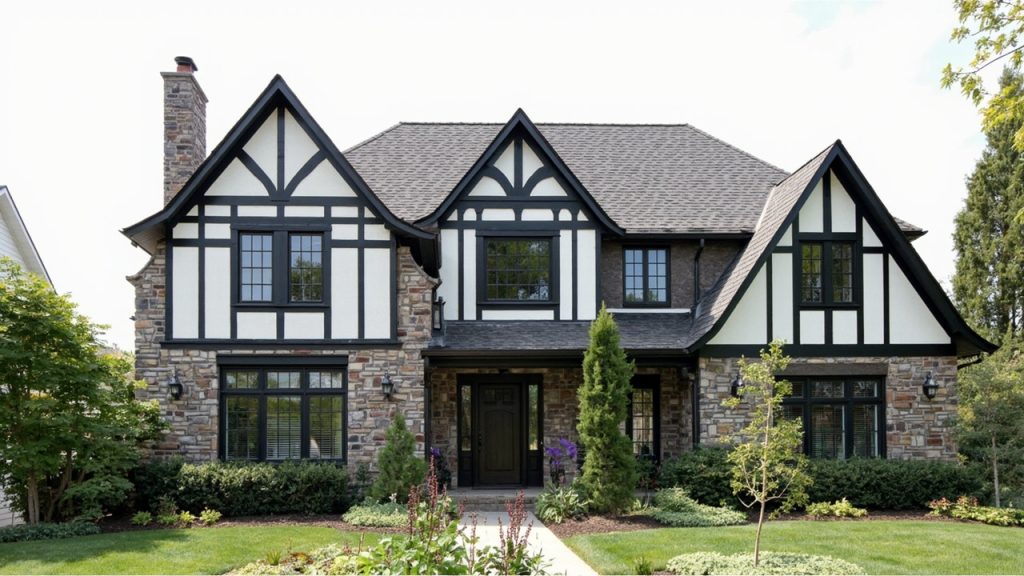
Picking a roof color that highlights the historic charm of your University Heights home
The right roof color can transform your University Heights home from ordinary to extraordinary. With the city’s rich architectural heritage and strict building guidelines, choosing the perfect shingle shade requires more than just picking a color you like. This guide walks you through everything you need to know about selecting a roof color that complements your home’s historic character while meeting local requirements. University Heights Architectural Review Board.
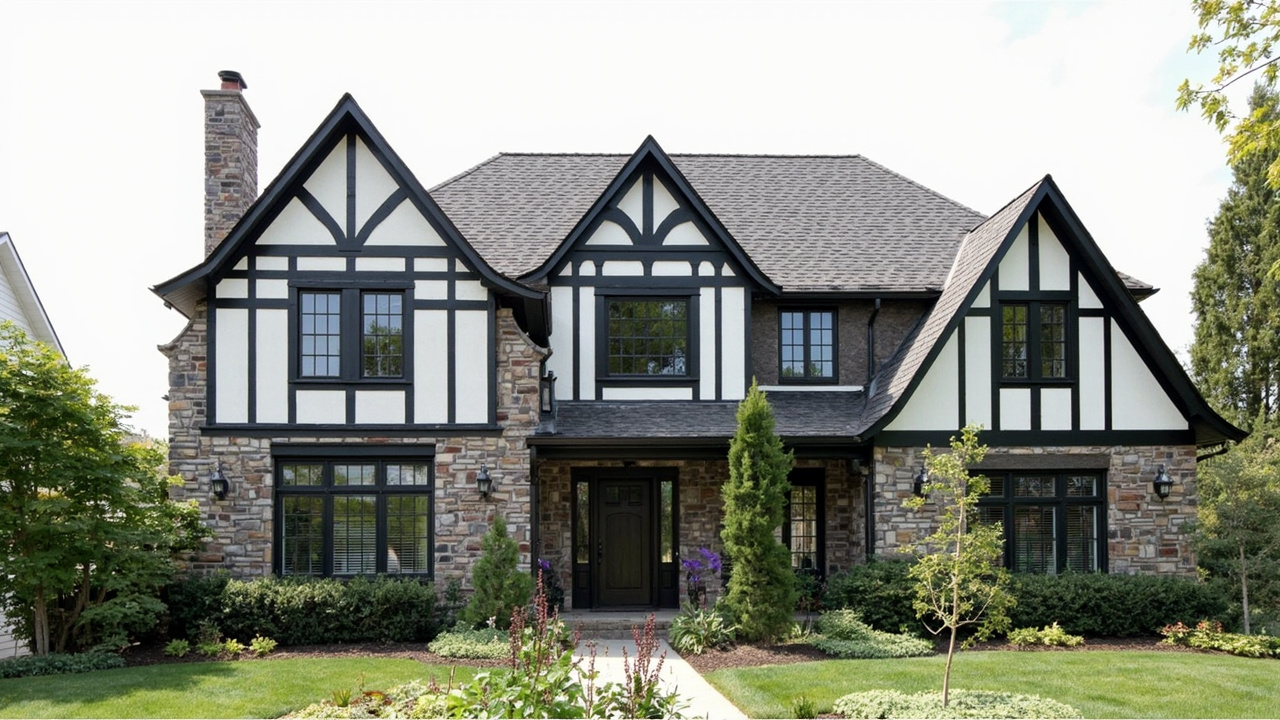
Understanding University Heights’ architectural landscape
University Heights earned its nickname as the “City of Homes” for good reason. The community features a diverse collection of architectural styles from the early to mid-20th century. You will find Colonial Revival homes with their symmetrical facades, Tudor Revival houses with their distinctive half-timbering, and Craftsman bungalows with their low-pitched roofs and wide eaves.
The city’s Architectural Review Board takes these historic styles seriously. Before you change your roof color, you must submit your plans for approval. The ARB evaluates proposals based on how well they maintain the neighborhood’s architectural integrity. They look at factors like roof pitch, material compatibility, and color harmony with existing structures.
University Heights sits in Cuyahoga County’s 44118 ZIP code area. The city experiences Lake Erie’s weather patterns, including heavy snowfall, ice storms, and summer humidity. These conditions affect not just which materials work best but also how colors hold up over time. Darker colors absorb more heat in summer but can help snow melt faster in winter. Cuyahoga County government.
Popular roof colors for University Heights’ architectural styles
Different architectural styles call for different color approaches. Tudor Revival homes traditionally feature darker, earth-toned roofs that complement their stucco or brick exteriors. Charcoal gray, deep brown, and weathered wood shingles create the right visual weight for these steeply pitched roofs.
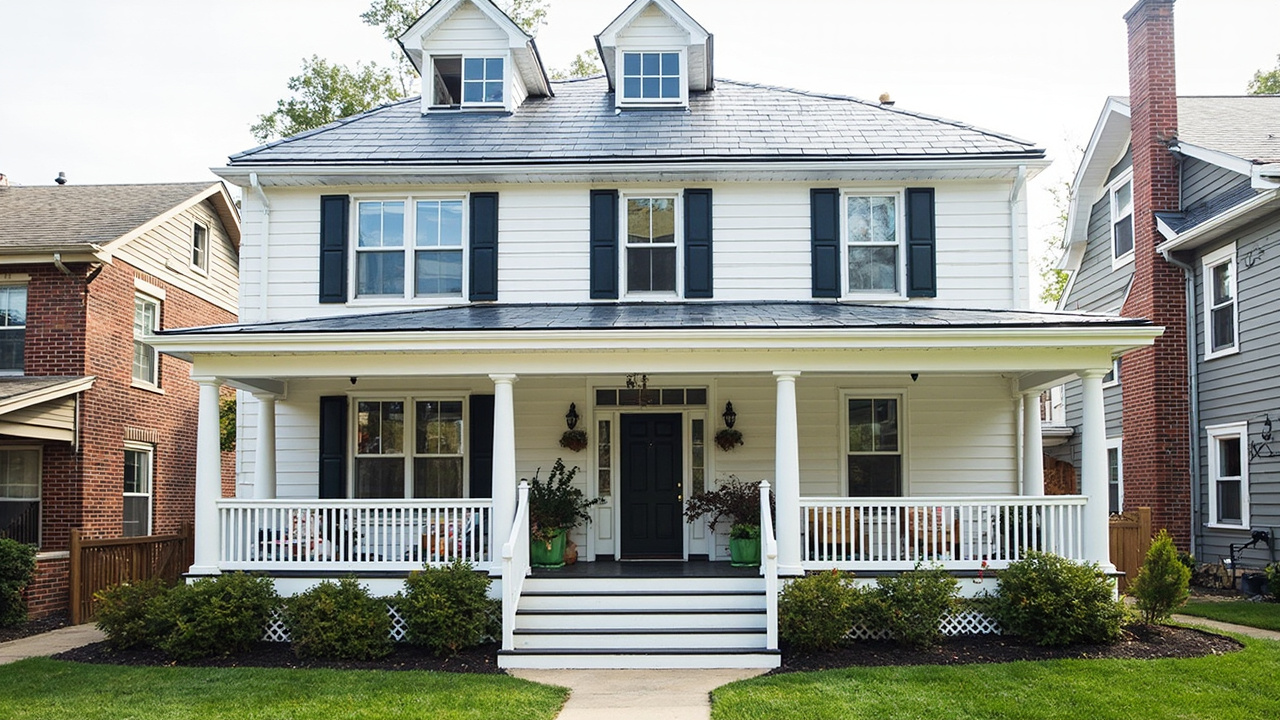
Colonial Revival homes often look best with medium to dark gray or black shingles. These colors provide contrast against white or light-colored siding while maintaining the formal appearance these homes demand. Slate gray works particularly well on homes with brick facades.
Bungalow and Craftsman homes in University Heights benefit from warmer tones. Weathered wood, light to medium brown, and even certain green shades can highlight the natural materials these homes emphasize. The key is choosing colors that blend with the surrounding landscape rather than compete with it.
Top trending roof colors in Cleveland for 2026
Local roofing contractors report several colors gaining popularity among University Heights homeowners this year. Charcoal gray continues leading the pack for its versatility and modern appeal. This color works across architectural styles and maintains its appearance well in Cleveland’s variable weather.
Slate blue has emerged as a sophisticated choice for homeowners wanting something distinctive without being flashy. This color pairs beautifully with brick exteriors common in University Heights. The subtle blue undertone adds depth without overwhelming the home’s architecture.
Weathered wood remains a classic for good reason. This multi-tonal option mimics natural cedar shakes while providing the durability of modern asphalt shingles. The varied color pattern helps hide minor imperfections and weather-related changes.
Dark brown and black shingles appeal to homeowners seeking maximum contrast. These colors make white or light-colored siding pop and can make a home appear more substantial. However, they absorb more heat and may show algae growth more readily in humid conditions.
The brick factor: matching roof colors to University Heights’ signature exteriors
Many University Heights homes feature red or yellow brick exteriors. These dominant colors significantly influence which roof shades work best. Red brick homes traditionally pair well with darker grays, blacks, and browns. The contrast between warm brick and cool roof colors creates visual interest.
Yellow brick homes offer more flexibility. You can choose from a wider range of colors including medium grays, browns, and even certain green tones. The key is selecting a color that doesn’t clash with the brick’s undertone. Some yellow bricks have pink undertones that work better with warmer roof colors.
Multi-colored brick presents a unique challenge. In these cases, look for a roof color that appears in the brick pattern. This creates harmony between the roof and walls. If your brick has both red and gray tones, a medium gray roof can tie the colors together.
The Architectural Review Board pays special attention to brick homes. They often require color samples and may reject combinations they consider historically inappropriate. Working with a contractor familiar with University Heights’ guidelines can save you time and frustration.
Durability meets aesthetics: Cleveland weather considerations
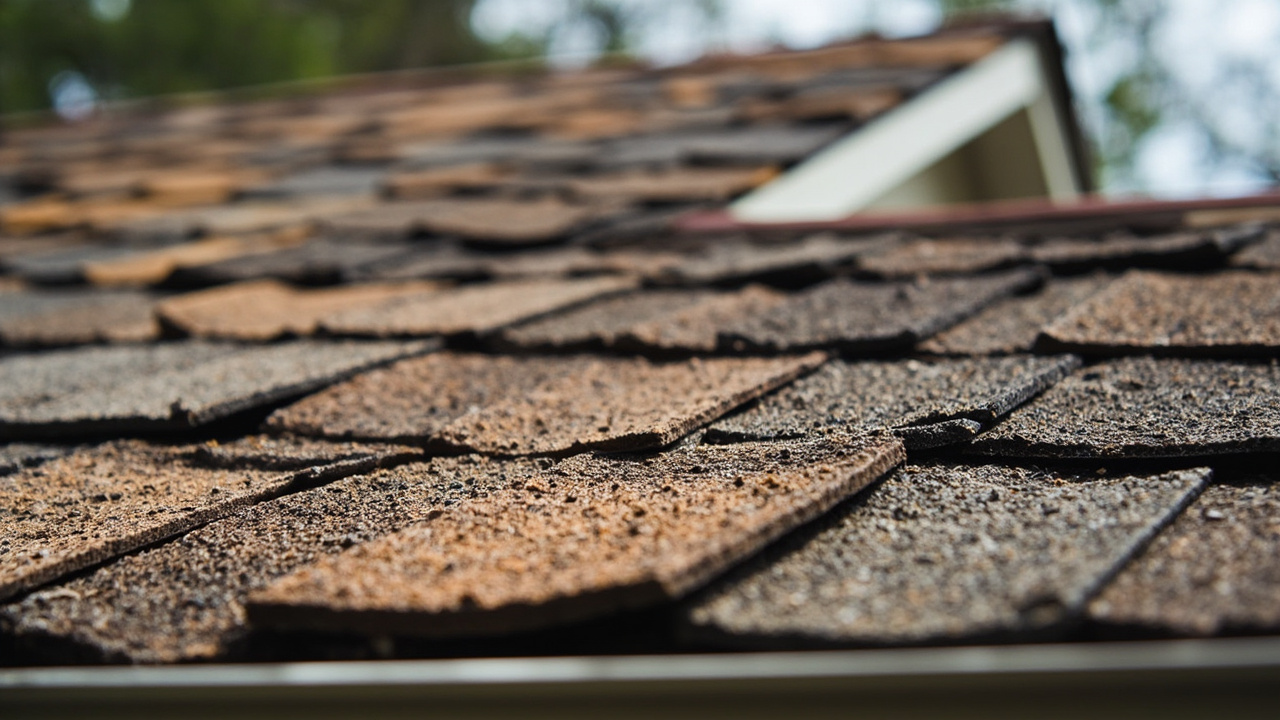
Cleveland’s climate affects how roof colors perform over time. Lake Erie creates unique weather patterns including heavy lake-effect snow, intense summer humidity, and frequent freeze-thaw cycles. These conditions can cause color fading, algae growth, and material degradation.
Dark colors absorb more UV radiation, which can lead to faster fading in sunny conditions. However, they also help snow melt faster in winter, potentially reducing ice dam formation. Light colors reflect heat but may show dirt and algae more readily in humid conditions.
Modern shingles include algae-resistant granules that help maintain color consistency. These copper-infused additives prevent the black streaks that commonly appear on roofs in humid climates. When selecting a color, ask about the algae resistance rating of different products.
UV protection varies by color and material. Some manufacturers offer enhanced UV protection for darker colors that tend to fade more noticeably. This premium feature can extend the time between necessary roof replacements.
University Heights building regulations and permit requirements
The University Heights Building Department requires permits for roof replacements. You must submit detailed plans including material specifications and color choices. The Architectural Review Board reviews these submissions to ensure compliance with the city’s design guidelines.
Key regulations include maintaining similar roof slopes to neighboring homes and using materials appropriate to the home’s architectural style. The ARB particularly scrutinizes color changes that significantly alter a home’s appearance. They may require you to choose from a pre-approved palette or submit physical color samples.
Permit fees vary based on project scope. Simple color changes within the same material type typically cost less than complete roof replacements with different materials. The review process usually takes two to four weeks, so plan accordingly when scheduling your project.
Working with a local contractor who understands these requirements can streamline the approval process. They can help you select colors that meet both your aesthetic goals and the city’s regulations. Some contractors even maintain relationships with ARB members that can facilitate smoother reviews.
How roof color impacts home resale value in University Heights
Roof color affects more than just curb appeal. It influences how potential buyers perceive your home and can impact resale value. In University Heights’ historic neighborhoods, maintaining architectural authenticity often translates to higher property values.
Neutral colors like gray, brown, and black tend to appeal to the widest range of buyers. These shades work across architectural styles and don’t limit future owners’ design options. Bold or unusual colors may appeal to you but could narrow your potential buyer pool.
Energy efficiency considerations also affect value. Light-colored roofs reflect more heat, potentially reducing cooling costs in summer. While this benefit is modest in Cleveland’s climate, some buyers appreciate the energy-saving potential.
The condition and age of your roof matter more than color for most buyers. A newer roof in a neutral, appropriate color typically provides better return on investment than an older roof in a trendy shade. Focus on quality materials and proper installation over chasing the latest color trends.
Comparing popular shingle brands and color options
| Brand | Popular Colors for University Heights | Weather Resistance | Price Range |
|---|---|---|---|
| GAF Timberline HDZ | Charcoal, Slate, Barkwood | Excellent UV and algae resistance | $$-$$$ |
| Owens Corning Duration | Driftwood, Estate Gray, Onyx Black | Superior wind resistance | $$-$$$ |
| CertainTeed Landmark | Resawn Shake, Charcoal, Weathered Wood | Good impact resistance | $$-$$$ |
| IKO Cambridge | Shadow Black, Rustic Cedar, Pewter Gray | Standard weather resistance | $-$$ |
Color visualization tools and sample testing
Most major shingle manufacturers offer online visualization tools. These programs let you upload a photo of your home and try different colors virtually. While helpful for initial planning, these tools have limitations. Screen colors don’t always match real-world appearance, and lighting conditions affect how colors look on your specific home.
Physical color samples provide more reliable guidance. Many suppliers offer small sample boards or individual shingles. Place these samples on your roof or against your home’s exterior at different times of day. Natural light reveals undertones and color variations that digital tools miss.
Consider your neighbors’ roof colors when making your selection. While you don’t need to match exactly, choosing a color in the same family as surrounding homes maintains neighborhood harmony. The ARB often considers this factor in their approval process.
Climate-specific factors also influence color appearance. Cleveland’s gray winter skies can make colors appear darker than expected. Summer’s bright sun may wash out subtle color variations. View samples in different seasons if possible.
Installation considerations for different roof colors
Dark-colored shingles show installation imperfections more readily than light colors. Small variations in shingle alignment or exposure become visible as dark lines or patterns. This makes proper installation technique especially important for black or dark gray roofs.
Heat absorption varies significantly by color. Dark roofs can reach temperatures 20-30 degrees higher than light roofs on sunny days. This affects not just your home’s cooling costs but also the installation process. Roofers often avoid installing dark shingles in extreme heat to prevent burns and material damage.
Color consistency across multiple bundles presents another consideration. Even within the same product line, slight color variations can occur between manufacturing batches. Professional installers account for this by mixing shingles from different bundles during installation.
Algae growth patterns differ by color. While algae-resistant technology helps, dark colors may still show black streaks more prominently than light colors. Some homeowners choose variegated color patterns specifically to help disguise potential algae growth.
Maintenance requirements by roof color
| Color Category | Cleaning Frequency | Algae Susceptibility | Fading Rate |
|---|---|---|---|
| Dark Gray/Black | Every 3-5 years | Moderate to High | Moderate |
| Medium Brown/Tan | Every 4-6 years | Low to Moderate | Low |
| Light Gray/White | Every 2-4 years | Low | High |
| Multi-tonal (Weathered Wood) | Every 3-5 years | Low | Very Low |
Frequently Asked Questions
What roof color works best for a red brick Tudor in University Heights?
Dark gray or charcoal shingles complement red brick beautifully. These cool tones create contrast while the dark value maintains the substantial appearance Tudor homes require. Avoid browns that might clash with the brick’s undertones.
How long does the Architectural Review Board approval process take?
Most applications require two to four weeks for review. Simple color changes within the same material type may receive faster approval, while complete roof replacements or significant color changes might take longer. Submit applications well before your planned installation date.
Do lighter roof colors really save on energy costs in Cleveland?
The energy savings from light roof colors in Cleveland’s climate are modest. While light colors reflect more heat in summer, Cleveland’s heating season is longer than cooling season. The difference typically amounts to $50-100 per year, making color choice less important than insulation for energy efficiency.
Can I install a new roof color over my existing shingles?
Building codes in University Heights generally allow one layer of shingles over existing ones, but the ARB may have additional requirements. Adding a new layer limits your color options since the existing color shows through slightly. Complete removal allows truer color representation but costs more.
What’s the most popular roof color in University Heights right now?
Charcoal gray leads in popularity for its versatility across architectural styles. It works well on both historic homes and newer constructions. Weathered wood remains a close second for homeowners wanting a more traditional appearance with modern durability.
Making your final decision
Choosing the right roof color involves balancing multiple factors. Start by considering your home’s architectural style and existing exterior colors. Then evaluate practical concerns like energy efficiency, maintenance requirements, and local regulations.
Visit neighborhoods with similar home styles to see how different colors look in real-world conditions. Take photos of combinations you like and discuss them with your contractor. They can provide insights about how specific colors perform in University Heights’ climate.
Remember that your roof represents a significant investment that lasts 20-30 years. While trends come and go, classic color choices tend to age better and maintain their appeal. Choose a color you’ll be happy with for decades, not just one that’s currently popular.
The right roof color enhances your home’s historic charm while providing modern protection. By considering University Heights’ unique character, architectural guidelines, and Cleveland’s weather patterns, you can select a color that serves you well for years to come.
Ready to transform your University Heights home?
Selecting the perfect roof color is just the beginning. Professional installation makes all the difference in how your new roof looks and performs. Our team understands University Heights’ unique requirements and can guide you through the entire process from color selection to final inspection.
We offer free consultations to help you visualize different color options on your specific home. Our experts can explain how various shades will look with your brick or siding and recommend colors that meet both your aesthetic goals and local regulations.
Don’t leave your home’s appearance to chance. Contact us today to schedule your free color consultation and take the first step toward enhancing your University Heights home’s historic charm with the perfect roof color.
Call us now at [PHONE NUMBER] or visit our website to schedule your consultation.
Transform your home with a roof color that honors University Heights’ architectural heritage while providing modern durability and protection. Your perfect roof color awaits.
{
“@context”: “https://schema.org”,
“@type”: “BlogPosting”,
“headline”: “Picking a roof color that highlights the historic charm of your University Heights home”,
“description”: “Discover the perfect roof color for your University Heights home. Learn about historic styles, local regulations, and trending colors that enhance your home’s architectural charm.”,
“wordCount”: 2259,
“datePublished”: “2026-04-10T14:52:00.000Z”,
“dateModified”: “2026-04-10T14:52:00.000Z”,
“inLanguage”: “en-US”,
“mainEntityOfPage”: {
“@type”: “WebPage”,
“@id”: “https://alpharoofingcleveland.com”
},
“publisher”: {
“@type”: “LocalBusiness”,
“name”: “Alpha Roofing Cleveland”,
“url”: “https://alpharoofingcleveland.com”
},
“author”: {
“@type”: “Organization”,
“name”: “Alpha Roofing Cleveland”,
“url”: “https://alpharoofingcleveland.com”
},
“image”: {
“@type”: “ImageObject”,
“url”: “https://alpharoofingcleveland.com/wp-content/uploads/2026/03/picking-a-roof-color-that-highlights-the-historic-1.jpg”
}
}
{
“@context”: “https://schema.org”,
“@type”: “RoofingContractor”,
“name”: “Alpha Roofing Cleveland”,
“url”: “https://alpharoofingcleveland.com”,
“address”: {
“@type”: “PostalAddress”,
“addressLocality”: “Cleveland”
},
“areaServed”: {
“@type”: “City”,
“name”: “Cleveland”
}
}
{
“@context”: “https://schema.org”,
“@type”: “FAQPage”,
“mainEntity”: [
{
“@type”: “Question”,
“name”: “What roof color works best for a red brick Tudor in University Heights?”,
“acceptedAnswer”: {
“@type”: “Answer”,
“text”: “Dark gray or charcoal shingles complement red brick beautifully. These cool tones create contrast while the dark value maintains the substantial appearance Tudor homes require. Avoid browns that might clash with the brick’s undertones.”
}
},
{
“@type”: “Question”,
“name”: “How long does the Architectural Review Board approval process take?”,
“acceptedAnswer”: {
“@type”: “Answer”,
“text”: “Most applications require two to four weeks for review. Simple color changes within the same material type may receive faster approval, while complete roof replacements or significant color changes might take longer. Submit applications well before your planned installation date.”
}
},
{
“@type”: “Question”,
“name”: “Do lighter roof colors really save on energy costs in Cleveland?”,
“acceptedAnswer”: {
“@type”: “Answer”,
“text”: “The energy savings from light roof colors in Cleveland’s climate are modest. While light colors reflect more heat in summer, Cleveland’s heating season is longer than cooling season. The difference typically amounts to $50-100 per year, making color choice less important than insulation for energy efficiency.”
}
},
{
“@type”: “Question”,
“name”: “Can I install a new roof color over my existing shingles?”,
“acceptedAnswer”: {
“@type”: “Answer”,
“text”: “Building codes in University Heights generally allow one layer of shingles over existing ones, but the ARB may have additional requirements. Adding a new layer limits your color options since the existing color shows through slightly. Complete removal allows truer color representation but costs more.”
}
},
{
“@type”: “Question”,
“name”: “What’s the most popular roof color in University Heights right now?”,
“acceptedAnswer”: {
“@type”: “Answer”,
“text”: “Charcoal gray leads in popularity for its versatility across architectural styles. It works well on both historic homes and newer constructions. Weathered wood remains a close second for homeowners wanting a more traditional appearance with modern durability.”
}
},
{
“@type”: “Question”,
“name”: “Ready to transform your University Heights home?”,
“acceptedAnswer”: {
“@type”: “Answer”,
“text”: “Selecting the perfect roof color is just the beginning. Professional installation makes all the difference in how your new roof looks and performs. Our team understands University Heights’ unique requirements and can guide you through the entire process from color selection to final inspection.”
}
}
]
}
{
“@context”: “https://schema.org”,
“@type”: “BreadcrumbList”,
“itemListElement”: [
{
“@type”: “ListItem”,
“position”: 1,
“name”: “Home”,
“item”: “https://alpharoofingcleveland.com”
},
{
“@type”: “ListItem”,
“position”: 2,
“name”: “Blog”,
“item”: “https://alpharoofingcleveland.com/blog”
},
{
“@type”: “ListItem”,
“position”: 3,
“name”: “Picking a roof color that highlights the historic charm of your University Heights home”
}
]
}
{
“@context”: “https://schema.org”,
“@type”: “Service”,
“serviceType”: “Roofing”,
“provider”: {
“@type”: “LocalBusiness”,
“name”: “Alpha Roofing Cleveland”,
“url”: “https://alpharoofingcleveland.com”
},
“areaServed”: {
“@type”: “City”,
“name”: “Cleveland”
},
“description”: “Discover the perfect roof color for your University Heights home. Learn about historic styles, local regulations, and trending colors that enhance your home’s architectural charm.”
}
For more information, visit GAF roofing products.