
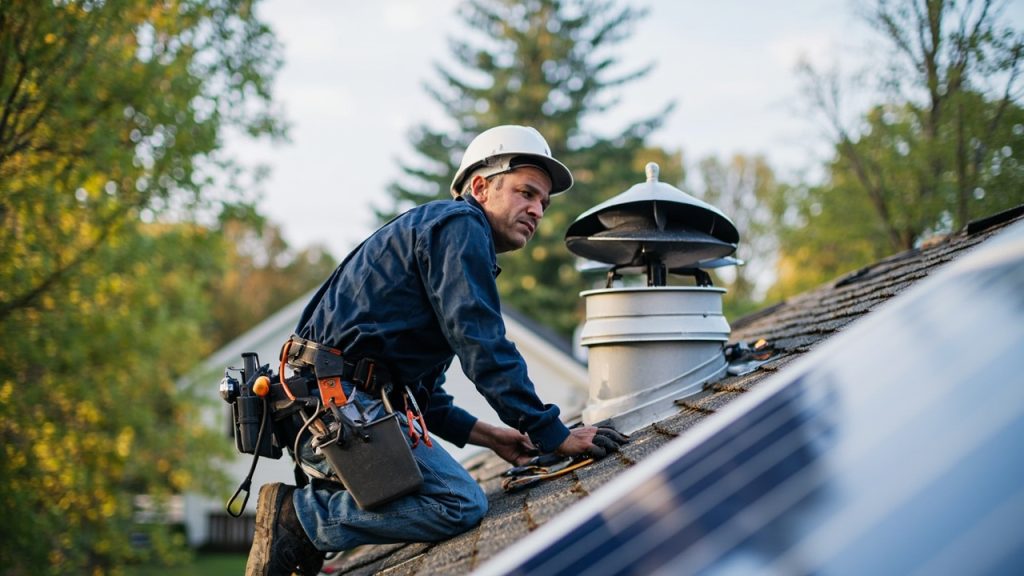
The Hidden Benefits of Solar Powered Attic Fans for Keeping Your Cuyahoga Heights Home Cool
Your attic traps more than just dust and old holiday decorations. In Cuyahoga Heights and surrounding areas like Parma and Seven Hills, summer heat can push attic temperatures above 150 degrees. That scorching air radiates downward through your ceiling making your air conditioner work overtime and your electric bill soar. Winter brings a different problem. Warm air escaping from your living space meets cold attic surfaces creating condensation that rots wood and grows mold. Solar powered attic fans solve both problems without adding a penny to your monthly utility costs.
How Solar Attic Fans Work in Northeast Ohio Weather
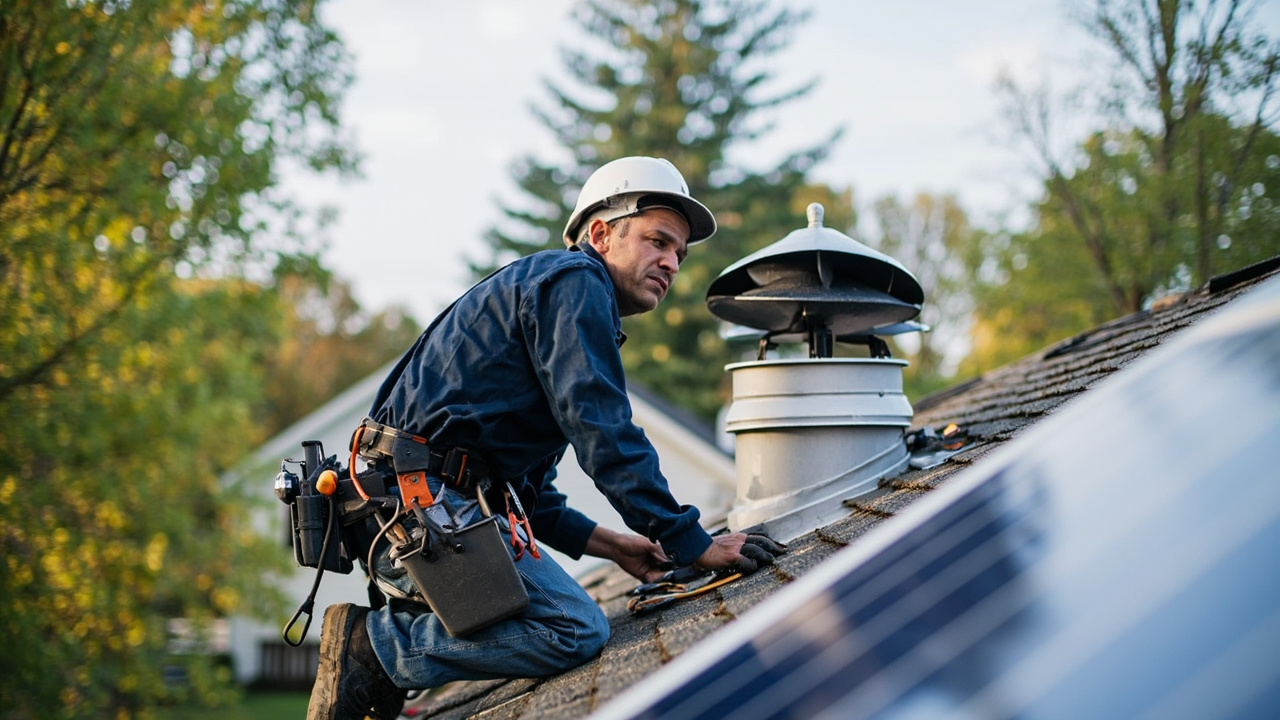
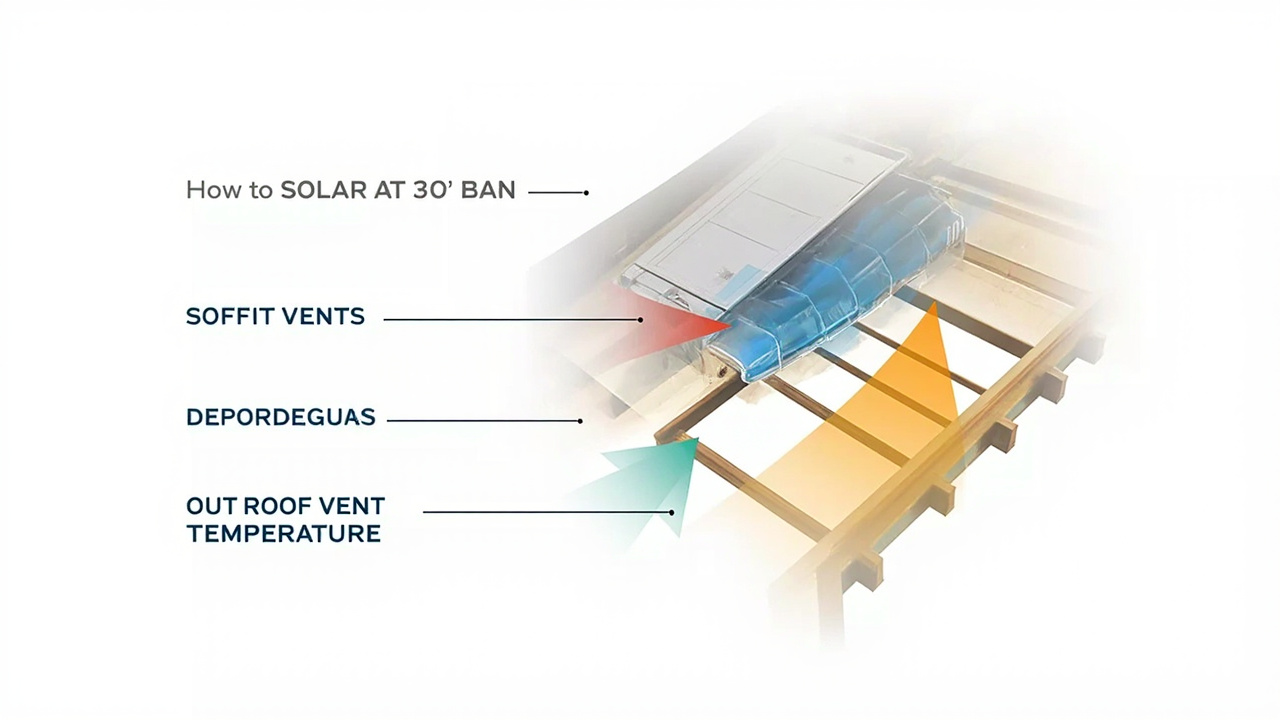
Solar attic fans use a small photovoltaic panel mounted on your roof to power a quiet exhaust fan. As sunlight hits the panel it generates electricity that spins the fan blades pulling superheated air out of your attic. This creates negative pressure that draws in cooler outside air through existing soffit vents along your eaves. The result is continuous airflow that keeps attic temperatures closer to the outdoor temperature instead of letting them bake all day.
Cleveland’s climate creates unique challenges for attic ventilation. Lake Erie’s humidity means moisture levels in summer can reach 80 percent or higher. That damp air entering a hot attic condenses on cooler surfaces creating the perfect environment for mold growth. Solar fans prevent this by constantly exchanging air before moisture can accumulate. During winter the same airflow prevents ice dams by keeping the roof deck uniformly cold so snow does not melt from underneath and refreeze at the eaves.
Energy Savings and the Federal Solar Tax Credit
Homeowners in Cuyahoga County can reduce cooling costs by up to 30 percent when solar attic fans remove heat before it enters your living space. The fans operate only when the sun shines so they never draw power from your home. Over a typical summer this can save $200 to $400 on electricity depending on your home size and attic exposure.
The 30 percent Federal Solar Tax Credit applies to solar attic fans purchased in 2026. This means if you spend $800 on a quality fan and professional installation you can claim a $240 tax credit on your federal return. The credit applies to both the equipment and labor costs making professional installation more affordable. Local utility companies sometimes offer additional rebates for energy efficient home improvements so check with Cleveland Public Power or your electric provider. Energy Department guide to solar attic fans.
Protecting Your Roof Investment
Asphalt shingles in Cuyahoga Heights face brutal temperature swings. Summer sun bakes them to over 160 degrees while winter nights drop below freezing. This constant expansion and contraction breaks down the petroleum base of the shingles causing them to crack and curl prematurely. Solar attic fans reduce these temperature swings by keeping attic air closer to outside temperatures. Cooler shingles last longer and maintain their protective granules better.
Ice dams form when warm attic air melts snow on your roof. The water runs down to the colder eaves where it refreezes creating a dam that forces water under your shingles. Solar fans prevent this by keeping the entire roof deck cold. This protects not just your shingles but also your roof deck plywood and interior walls from water damage that can cost thousands to repair. EPA ventilation guidelines.
Installation Process and What to Expect
Professional installation takes about two hours for most homes. The process starts with an attic inspection to determine the best fan location and verify your soffit vents provide adequate intake air. Next the installer marks the roof location typically near the ridge where heat concentrates. They cut a small opening and mount the fan housing with flashing that integrates with your existing shingles.
The photovoltaic panel mounts nearby on the roof facing south or southwest for maximum sun exposure. All wiring connects inside the fan housing so no electrical work enters your home. The installer seals all penetrations with roofing cement and checks that the fan spins freely. Most installations include a thermostat that prevents the fan from running when attic temperatures drop below 65 degrees saving wear on the motor.
Comparing Solar Fans to Traditional Electric Models
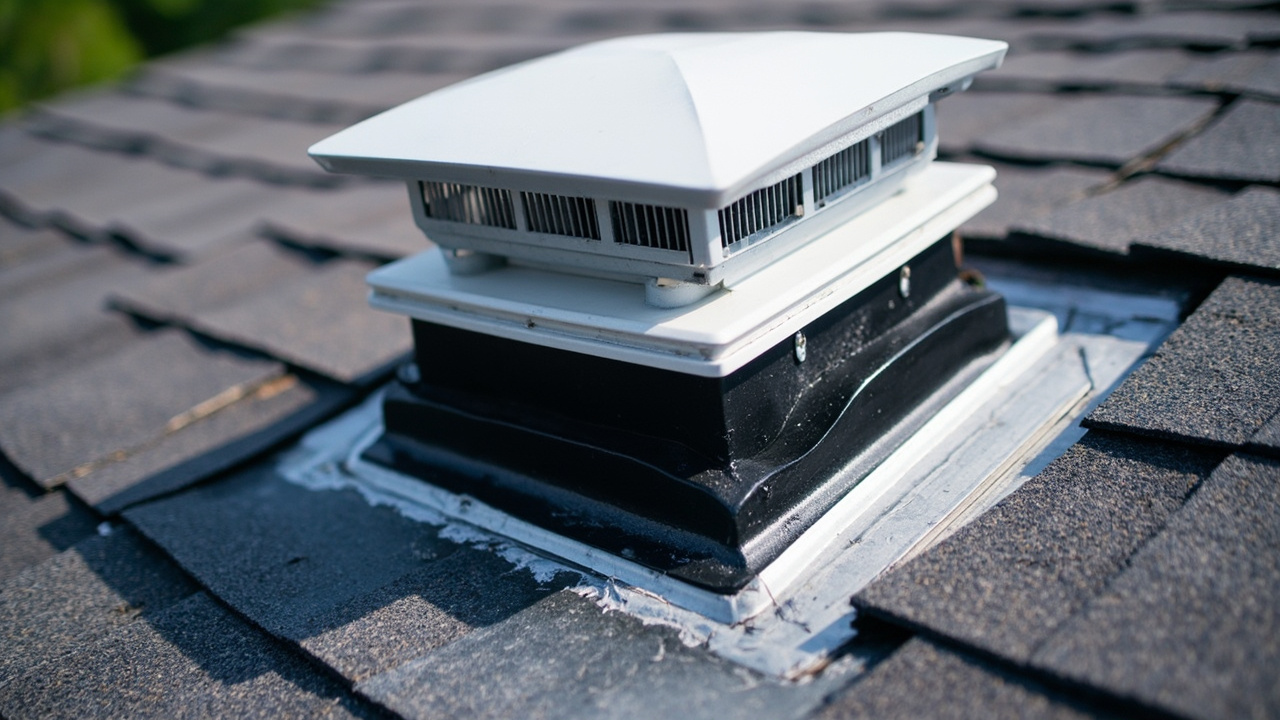
Solar fans cost more upfront than electric models but save money long term. A quality solar fan with installation runs $700 to $1200 while electric fans cost $300 to $500 plus wiring and potential electrician fees. Electric fans add $5 to $15 monthly to your electric bill while solar fans operate free.
Performance differs significantly between the two types. Electric fans run whenever you turn them on regardless of outside temperature. This means they often pull cooled air from your living space making your AC work harder. Solar fans only run when needed during sunny hours when heat buildup is worst. They also operate more quietly since they lack the power draw of hardwired motors.
Table 1 compares key specifications between solar and electric attic fans.
| Feature | Solar Fan | Electric Fan |
|---|---|---|
| Initial Cost | $700-$1200 | $300-$500 |
| Monthly Operating Cost | $0 | $5-$15 |
| Noise Level | Quiet | Moderate |
| Tax Credit Eligible | Yes | No |
| Weather Dependent | Yes | No |
Choosing the Right Size for Your Home
Fan sizing depends on your attic square footage and roof pitch. The general rule is 10 watts of solar power per 200 square feet of attic space. A typical Cuyahoga Heights ranch home with a 1500 square foot attic needs a 75 to 100 watt fan. Homes with complex rooflines or multiple attic spaces may need two smaller fans instead of one large unit.
Roof pitch affects fan performance. Steeper roofs hold less heat than low slope roofs so you might need a slightly larger fan for a ranch style home common in Parma compared to a two story colonial in Seven Hills. The fan should move at least 800 to 1200 cubic feet of air per minute for adequate ventilation.
Table 2 shows recommended fan sizes for common home types in the area.
| Home Type | Attic Size | Recommended Fan | Solar Watts |
|---|---|---|---|
| Ranch (1500 sq ft) | 1500 | 12 inch | 75-100 |
| Colonial (2000 sq ft) | 2000 | 14 inch | 100-130 |
| Split Level (1800 sq ft) | 1800 | 12 inch | 90-110 |
Maintenance and Longevity
Solar attic fans require minimal maintenance. The sealed bearings in quality fans last 10 to 15 years. Once a year you should check that the fan spins freely and clean any debris from the protective screen. The solar panel loses about one percent efficiency per year so after a decade it still operates at 90 percent capacity.
Winter does not damage solar fans. The sealed motor handles freezing temperatures and the panel sheds snow once sunlight returns. Some homeowners cover the fan opening from inside the attic during winter to prevent drafts but this is not necessary for proper function.
Environmental Impact and Energy Independence
Solar attic fans reduce your home’s carbon footprint by decreasing air conditioning runtime. A typical central AC unit produces about 3.5 pounds of carbon dioxide per hour of operation. If a solar fan reduces AC runtime by 50 hours per summer that eliminates 175 pounds of CO2 emissions annually. Over the fan’s 15 year lifespan this equals 2625 pounds of carbon kept out of the atmosphere.
Energy independence matters more as electricity rates climb. Cleveland area rates have increased 15 percent over the past five years. Solar fans protect you from future rate hikes since they use no grid electricity. During summer brownouts when utilities struggle to meet cooling demand your solar fan keeps working unaffected.
Common Installation Mistakes to Avoid
DIY installation often creates more problems than it solves. Cutting into your roof without proper flashing guarantees leaks. Installing fans without adequate soffit intake vents creates negative pressure that pulls cooled air from your living space. Mounting panels facing north or under tree shade reduces efficiency by 70 percent or more.
Another mistake is oversizing the fan. A fan too large for your attic creates excessive negative pressure that can pull moisture through your ceiling. Professional installers calculate the right balance between exhaust and intake ventilation for your specific home design.
Local Building Code Considerations
Cuyahoga County building codes require attic ventilation at a rate of one square foot of net free area per 150 square feet of attic floor space. Solar fans count toward this requirement but you must maintain minimum soffit vent area. Most homes built after 1980 already have adequate soffit ventilation but older homes may need additional vents installed.
Roofing permits are not required for solar fan installation in most Cuyahoga Heights cases since they do not alter the roof structure. However if your home is in a historic district or has a homeowners association you should check for additional requirements before installation.
Maximizing Your Investment
Solar fans work best as part of a complete attic ventilation strategy. Combine them with ridge vents along your roof peak and proper soffit vents for balanced airflow. Adding attic insulation to R-49 levels prevents heat transfer from your living space making the fan’s job easier.
Attic fans also protect items stored in your attic. Extreme heat damages holiday decorations, photographs, and other valuables. Keeping attic temperatures below 100 degrees extends the life of everything stored there.
Frequently Asked Questions
Do solar attic fans work on cloudy days?
Solar fans produce about 25 percent of their rated power on heavily overcast days. This is usually enough to provide some ventilation though not maximum performance. The fans spin fastest during sunny afternoons when heat buildup is worst so they operate when needed most.
Will a solar fan void my roof warranty?
Quality installation using proper flashing techniques does not void roof warranties. In fact many shingle manufacturers recommend additional ventilation to meet warranty requirements. Always use a roofing professional who understands how to maintain your warranty coverage.
How long until the fan pays for itself?
Most homeowners recover the installation cost through energy savings and tax credits within three to five years. The 30 percent tax credit applies in the first year reducing the payback period. Additional savings come from extended shingle life and prevented water damage.
Can I install a solar fan myself?
DIY installation risks roof leaks and improper ventilation. Professional installers have the tools and experience to flash penetrations correctly and balance your attic’s airflow. The cost difference between DIY and professional installation is small compared to the risk of water damage from a leaky installation.
Do solar fans make noise?
Quality solar fans operate at 30 to 40 decibels about the sound level of a quiet refrigerator. The fan motor and blade design minimize noise while still moving adequate air volume. Most homeowners cannot hear the fan when inside the house.
Take the Next Step for a Cooler Home
Solar powered attic fans offer immediate comfort improvements and long term cost savings for Cuyahoga Heights homeowners. They reduce cooling costs protect your roof investment and qualify for substantial tax credits. Professional installation ensures proper integration with your existing roof and ventilation system.
Stop letting your attic bake your home and drive up your electric bill. Contact a local roofing professional today to schedule a free attic inspection and learn which solar fan solution fits your home. With proper installation you will enjoy cooler summers lower energy bills and a more comfortable living space year round.
Call now or visit our website to schedule your no obligation consultation. Your home deserves the best protection available and solar attic fans deliver proven results for Northeast Ohio weather.
{
“@context”: “https://schema.org”,
“@type”: “BlogPosting”,
“headline”: “The Hidden Benefits of Solar Powered Attic Fans for Keeping Your Cuyahoga Heights Home Cool”,
“description”: “Discover how solar attic fans reduce heat and prevent moisture damage in Cuyahoga Heights homes. Learn about energy savings, ice dam prevention, and the 30% Federal Tax Credit.”,
“wordCount”: 1911,
“datePublished”: “2026-04-21T11:31:00.000Z”,
“dateModified”: “2026-04-21T11:31:00.000Z”,
“inLanguage”: “en-US”,
“mainEntityOfPage”: {
“@type”: “WebPage”,
“@id”: “https://alpharoofingcleveland.com”
},
“publisher”: {
“@type”: “LocalBusiness”,
“name”: “Alpha Roofing Cleveland”,
“url”: “https://alpharoofingcleveland.com”
},
“author”: {
“@type”: “Organization”,
“name”: “Alpha Roofing Cleveland”,
“url”: “https://alpharoofingcleveland.com”
},
“image”: {
“@type”: “ImageObject”,
“url”: “https://alpharoofingcleveland.com/wp-content/uploads/2026/03/the-hidden-benefits-of-solar-powered-attic-fans-fo-1.jpg”
}
}
{
“@context”: “https://schema.org”,
“@type”: “RoofingContractor”,
“name”: “Alpha Roofing Cleveland”,
“url”: “https://alpharoofingcleveland.com”,
“address”: {
“@type”: “PostalAddress”,
“addressLocality”: “Cleveland”
},
“areaServed”: {
“@type”: “City”,
“name”: “Cleveland”
}
}
{
“@context”: “https://schema.org”,
“@type”: “FAQPage”,
“mainEntity”: [
{
“@type”: “Question”,
“name”: “Do solar attic fans work on cloudy days?”,
“acceptedAnswer”: {
“@type”: “Answer”,
“text”: “Solar fans produce about 25 percent of their rated power on heavily overcast days. This is usually enough to provide some ventilation though not maximum performance. The fans spin fastest during sunny afternoons when heat buildup is worst so they operate when needed most.”
}
},
{
“@type”: “Question”,
“name”: “Will a solar fan void my roof warranty?”,
“acceptedAnswer”: {
“@type”: “Answer”,
“text”: “Quality installation using proper flashing techniques does not void roof warranties. In fact many shingle manufacturers recommend additional ventilation to meet warranty requirements. Always use a roofing professional who understands how to maintain your warranty coverage.”
}
},
{
“@type”: “Question”,
“name”: “How long until the fan pays for itself?”,
“acceptedAnswer”: {
“@type”: “Answer”,
“text”: “Most homeowners recover the installation cost through energy savings and tax credits within three to five years. The 30 percent tax credit applies in the first year reducing the payback period. Additional savings come from extended shingle life and prevented water damage.”
}
},
{
“@type”: “Question”,
“name”: “Can I install a solar fan myself?”,
“acceptedAnswer”: {
“@type”: “Answer”,
“text”: “DIY installation risks roof leaks and improper ventilation. Professional installers have the tools and experience to flash penetrations correctly and balance your attic’s airflow. The cost difference between DIY and professional installation is small compared to the risk of water damage from a leaky installation.”
}
},
{
“@type”: “Question”,
“name”: “Do solar fans make noise?”,
“acceptedAnswer”: {
“@type”: “Answer”,
“text”: “Quality solar fans operate at 30 to 40 decibels about the sound level of a quiet refrigerator. The fan motor and blade design minimize noise while still moving adequate air volume. Most homeowners cannot hear the fan when inside the house.”
}
}
]
}
{
“@context”: “https://schema.org”,
“@type”: “BreadcrumbList”,
“itemListElement”: [
{
“@type”: “ListItem”,
“position”: 1,
“name”: “Home”,
“item”: “https://alpharoofingcleveland.com”
},
{
“@type”: “ListItem”,
“position”: 2,
“name”: “Blog”,
“item”: “https://alpharoofingcleveland.com/blog”
},
{
“@type”: “ListItem”,
“position”: 3,
“name”: “The Hidden Benefits of Solar Powered Attic Fans for Keeping Your Cuyahoga Heights Home Cool”
}
]
}
{
“@context”: “https://schema.org”,
“@type”: “Service”,
“serviceType”: “Roofing”,
“provider”: {
“@type”: “LocalBusiness”,
“name”: “Alpha Roofing Cleveland”,
“url”: “https://alpharoofingcleveland.com”
},
“areaServed”: {
“@type”: “City”,
“name”: “Cleveland”
},
“description”: “Discover how solar attic fans reduce heat and prevent moisture damage in Cuyahoga Heights homes. Learn about energy savings, ice dam prevention, and the 30% Federal Tax Credit.”
}