
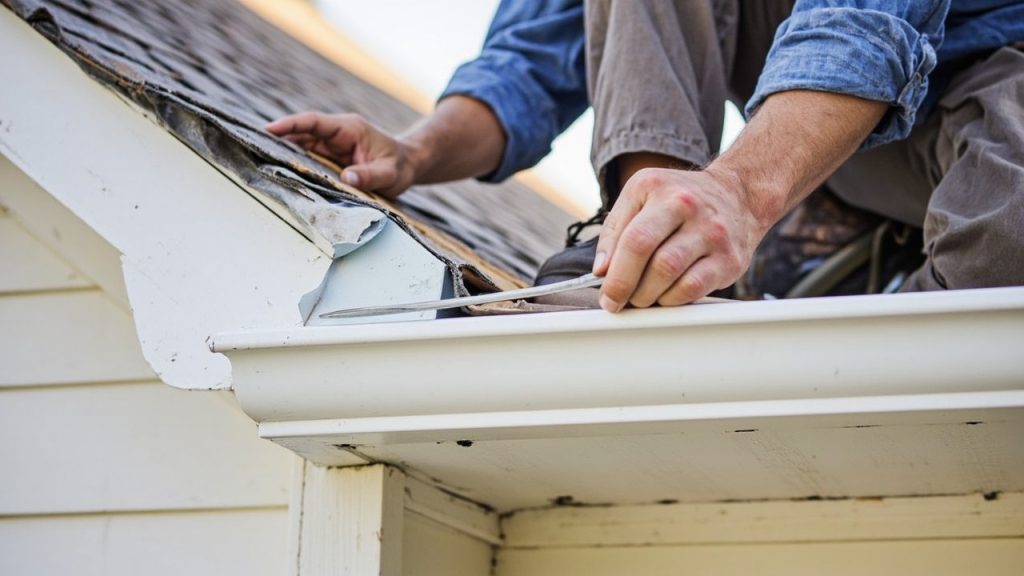
Why a Missing Drip Edge Is the Fastest Way to Rot Your Newburgh Heights Home
Water follows the path of least resistance and in Newburgh Heights that path often leads straight to your fascia boards. When your roof lacks a drip edge, rainwater slides off the shingles and seeps into the wood along the roofline. Over time this moisture infiltration causes rot that spreads faster than most homeowners realize. The damage starts small but grows into expensive structural repairs that could have been prevented with a simple metal strip. EPA guide on ice dam prevention.
Newburgh Heights sits in a zone where heavy lake-effect snow and frequent freeze-thaw cycles create perfect conditions for water damage. Without proper water diversion at the roof edge, your home becomes vulnerable to the very elements that make Cleveland’s weather so challenging. Understanding how this small component works can save you thousands in repair costs and protect your home’s structural integrity.
What a Drip Edge Actually Does for Your Roof
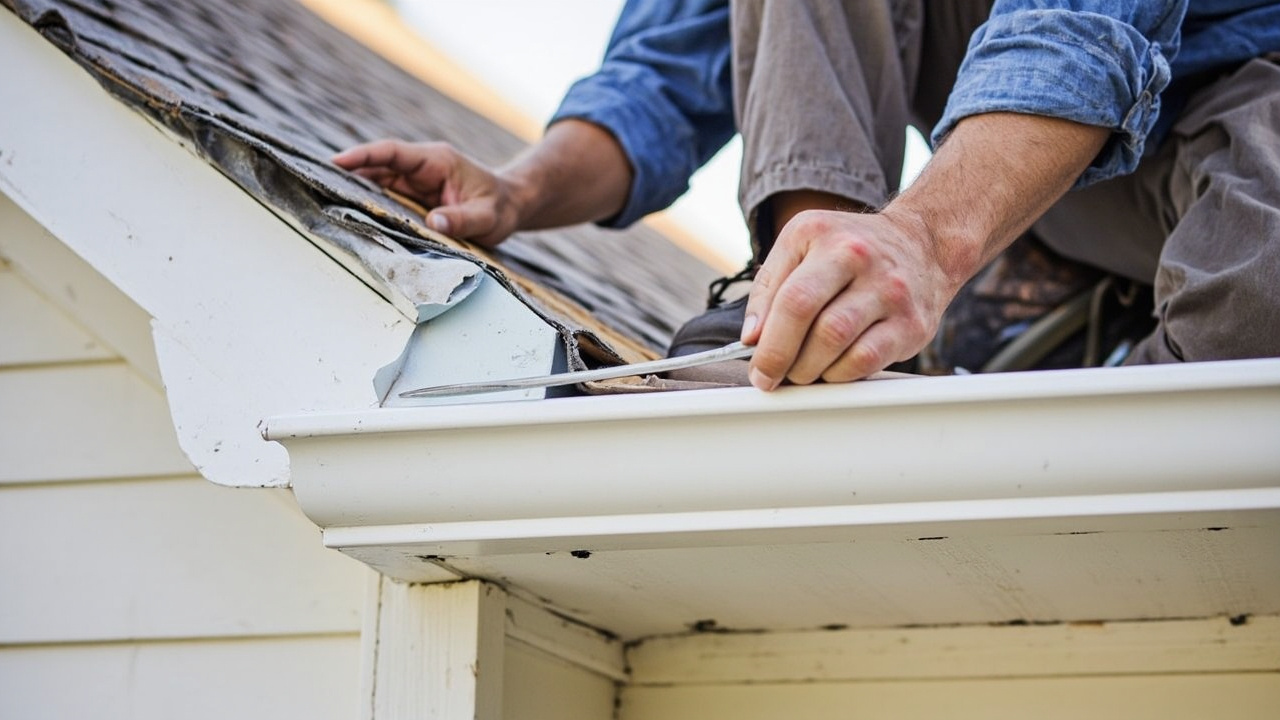
A drip edge is a metal flashing installed along the edges of your roof. It extends beyond the fascia board and directs water away from the roof decking and into the gutter system. The L-shaped or T-shaped metal strip creates a barrier that prevents water from wicking back under the shingles or running down the fascia board.
The drip edge serves three critical functions. First it channels water into the gutters rather than letting it drip behind them. Second it protects the edge of the roof decking from moisture exposure. Third it creates a clean finished look while preventing pests from entering through gaps at the roofline.
In Newburgh Heights homes built before the 2000s many lack this essential component. Builders in that era often skipped drip edges to save costs. Those homes now face the highest risk of fascia rot and water damage especially during heavy spring rains or winter thaws.
Five Ways Missing Drip Edge Destroys Your Roof
Missing drip edge creates a cascade of problems that accelerate roof deterioration. Each issue compounds the others leading to faster and more expensive damage than most homeowners expect.
1. Fascia Board Rot
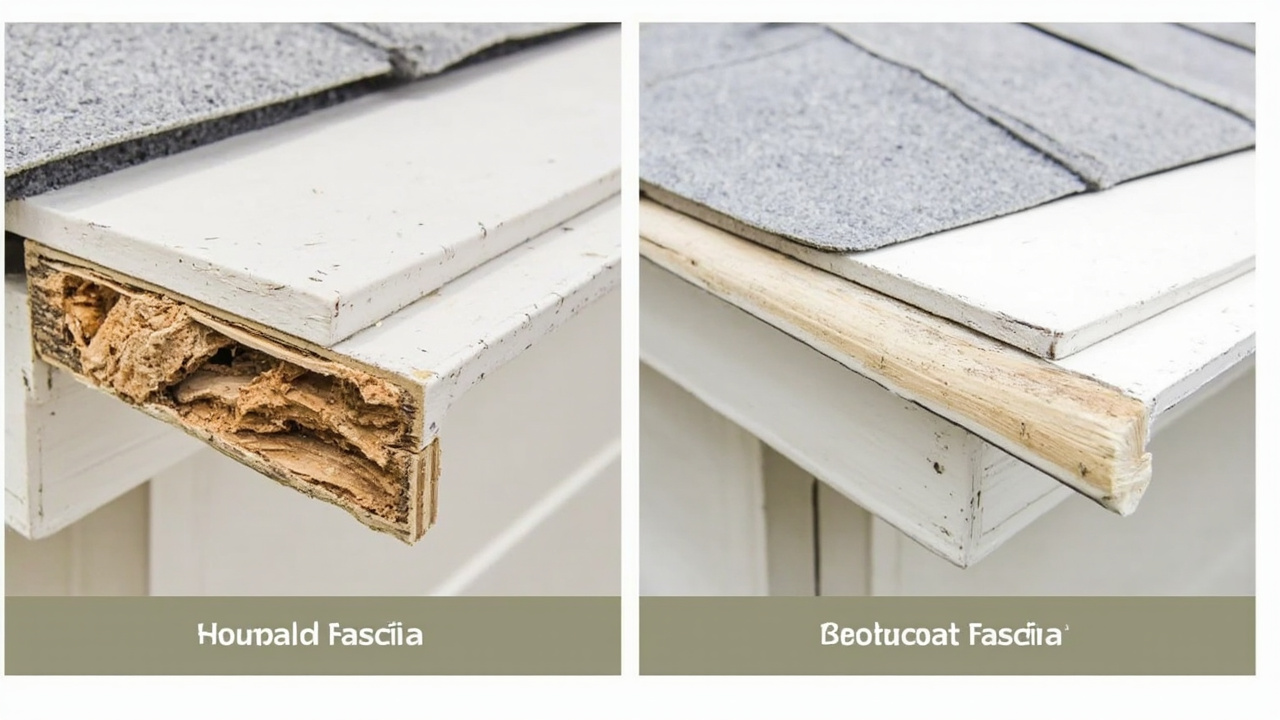
Without a drip edge water constantly flows down the fascia board. This moisture exposure causes the wood to soften and decay. In Newburgh Heights’ humid summers and wet springs this process happens faster than in drier climates. Rotted fascia boards lose their structural integrity and can no longer support the gutter system.
2. Roof Decking Damage
Water that reaches the edge of your roof decking creates a perfect environment for rot to spread inward. The moisture weakens the plywood or OSB panels that form your roof’s base structure. Once rot starts in the decking it spreads quickly because the material loses strength and becomes more porous.
3. Ice Dam Formation
During Cleveland’s harsh winters missing drip edge contributes to ice dam formation. When snow melts on your warm roof and refreezes at the cold edge it creates a barrier that traps water. This backed-up water can seep under shingles and into your attic causing interior damage.
4. Pest Entry Points
Gaps between your roof decking and fascia board become entry points for insects and small animals. Carpenter ants and termites are attracted to moist wood. Rodents can squeeze through surprisingly small openings to nest in your attic. Once pests establish themselves the damage multiplies.
5. Foundation Issues
Water that drips directly off your roof edge falls near your foundation. In Newburgh Heights’ clay-heavy soil this creates drainage problems. Water pooling near your foundation can cause basement leaks settlement issues and even structural shifting over time.
Cleveland Building Codes and Drip Edge Requirements
The International Residential Code adopted by Cuyahoga County requires drip edges on all new construction and roof replacements. Section R905.2.8.5 mandates installation along both eaves and rakes. The code specifies minimum dimensions and installation methods to ensure proper water protection. International Residential Code Section R905.2.8.5.
In Newburgh Heights and surrounding Cuyahoga County areas building inspectors check for proper drip edge installation during final inspections. Missing or improperly installed drip edges can cause a roof to fail inspection. This requirement applies whether you’re doing a full replacement or just repairing storm damage.
The code requires drip edges to extend at least 1/4 inch beyond the fascia board. They must be fastened every 12 inches and extend up the roof deck at least 2 inches. These specifications ensure water flows correctly into gutters rather than behind them or onto the fascia.
Different Types of Drip Edge Profiles
Not all drip edges are created equal. The profile shape and material gauge affect how well they protect your home. Understanding these differences helps you choose the right option for your Newburgh Heights roof.
Type C Drip Edge
This is the most common profile for residential roofs. It features a simple L-shape that extends over the roof edge and down the fascia. Type C works well for standard roof pitches and provides reliable water diversion. Most roofers in Newburgh Heights use this profile because it balances cost and performance.
Type D Drip Edge
Type D has a taller vertical leg that provides extra protection for the fascia board. This profile works better for roofs with minimal overhang or in areas with heavy rainfall. The additional height prevents water from splashing back onto the fascia during wind-driven storms.
Type F Drip Edge
Also called gutter apron this profile has a longer horizontal leg that extends further onto the roof deck. It’s designed to work with existing gutters and provides superior water channeling. Type F is often used when replacing gutters or when the existing gutter system needs extra protection.
Material Choices for Cleveland’s Climate
The metal gauge and coating of your drip edge affect its durability in Cleveland’s harsh weather. Different materials offer varying levels of protection against corrosion and physical damage.
Aluminum Drip Edge
Aluminum offers excellent corrosion resistance and is lightweight to work with. It’s the most popular choice for Newburgh Heights homes because it won’t rust in our humid climate. The material comes in various colors to match your trim and costs less than steel options.
Galvanized Steel Drip Edge
Steel provides superior strength and impact resistance. It’s heavier than aluminum and more resistant to wind damage. However steel can rust over time especially if the galvanized coating gets scratched. In Newburgh Heights’ freeze-thaw cycles steel may outlast aluminum in terms of physical durability.
Copper Drip Edge
Copper offers the longest lifespan and develops a distinctive patina over time. It’s the premium choice for homeowners who want both durability and aesthetics. Copper won’t rust or corrode and can last 50+ years. The higher cost makes it less common in Newburgh Heights but it’s worth considering for historic homes.
Installation Sequence Matters More Than You Think
The order in which roofing components are installed affects how well your roof protects your home. Drip edge installation requires specific sequencing to maximize its effectiveness.
Eave Installation
At the eaves the drip edge goes on before the underlayment. This creates a shingled effect where water flows over the underlayment rather than under it. The drip edge should extend at least 2 inches onto the roof deck and 1/4 inch beyond the fascia.
Rake Installation
On the rakes the drip edge goes on after the underlayment. This protects the underlayment from wind-driven rain and ice. The vertical leg should extend at least 4 inches up the roof deck to provide adequate coverage.
Proper Fastening
Drip edge needs to be fastened every 12 inches with roofing nails or screws. The fasteners must penetrate both the drip edge and the roof deck. Proper spacing prevents the metal from sagging or pulling away during heavy storms.
Capillary Break Principle Explained
Water can travel upward through tiny gaps via capillary action. This phenomenon allows moisture to climb surfaces against gravity. The drip edge creates a capillary break that interrupts this upward water movement.
Without this break water can travel up the gap between your fascia board and roof decking. The metal strip blocks this path forcing water to drip off the edge instead of climbing into your roof structure. This simple principle is why drip edges are so effective at preventing rot.
Gutter Apron vs. Drip Edge: What’s the Difference
Homeowners often confuse these two components. While they look similar they serve different purposes and install in different locations.
Drip edge protects the roof edge and fascia board. It’s installed along the entire perimeter of the roof. Gutter apron specifically works with existing gutter systems to prevent water from running behind the gutters.
In Newburgh Heights homes with aging gutters gutter apron might be the better choice. It provides extra protection where gutters meet the fascia. However for new construction or complete roof replacement standard drip edge offers more comprehensive protection.
Cost-Benefit Analysis of Adding Drip Edge
Installing drip edge during a roof replacement costs $300 to $800 depending on your home’s size. This represents about 2% to 5% of a typical roof replacement cost. Given the protection it provides this investment pays for itself many times over.
Without drip edge fascia board replacement can cost $1,500 to $3,000. Roof decking repairs often run $2,000 to $5,000. These costs multiply if water damage spreads to your attic or walls. The small upfront investment in drip edge prevents these much larger expenses.
Insurance companies may deny claims for water damage if proper building code requirements weren’t followed. Missing drip edge could be considered a code violation that voids coverage for resulting damage.
Warning Signs Your Home Lacks Proper Drip Edge
Several indicators suggest your Newburgh Heights home might be missing this critical component. Look for these warning signs during your next exterior inspection.
- Water stains on fascia boards
- Peeling paint along roof edges
- Gaps visible between roof decking and fascia
- Ice buildup along roof edges in winter
- Musty odors in attic near roof edges
If you notice any of these signs have a professional roofer inspect your roof edge protection. Early detection prevents minor issues from becoming major structural problems.
DIY Inspection Checklist for Homeowners
You can check for proper drip edge installation without climbing on your roof. Use binoculars to examine your roof edges from the ground. Look for a metal strip extending beyond the fascia board along both eaves and rakes.
Check for these specific features:
- Metal extending at least 1/4 inch beyond the fascia
- Continuous coverage along all roof edges
- No gaps or separations in the metal
- Proper overlap at corners and valleys
If you can’t see a metal strip or notice gaps have a professional inspection. Many roofers offer free estimates that include checking for code compliance.
Local Case Study: Parma Neighborhood Water Damage
A cluster of homes in Parma’s West Park area experienced widespread fascia rot in 2024. All the affected homes were built in the 1970s and lacked drip edges. Heavy spring rains that year caused extensive damage totaling over $150,000 in repairs across just 12 homes.
Homeowners who had drip edges installed during previous roof work avoided damage. Those costs ranged from $400 to $600 per home but prevented thousands in repairs. This real example shows how a small investment protects against major losses.
Frequently Asked Questions
Can I add drip edge to an existing roof?
Adding drip edge to an existing roof requires removing the bottom row of shingles. This process often damages shingles making it impractical unless you’re replacing the entire roof. However you can install gutter apron over existing shingles as a compromise solution.
How long does drip edge last in Cleveland’s climate?
Quality aluminum drip edge typically lasts 20 to 30 years in Cleveland. Steel may last longer but can rust if the coating gets damaged. Copper drip edge can last 50+ years. Harsh winters and frequent freeze-thaw cycles affect all materials but proper installation extends lifespan significantly.
Will my roofer install drip edge automatically?
Not all roofers include drip edge in their standard quotes. Some cut corners to offer lower prices. Always specify that you want drip edge installed according to local building codes. Get this requirement in writing before signing any contracts.
Does drip edge prevent ice dams completely?
Drip edge helps prevent ice dams by keeping the roof edge cold and allowing proper water drainage. However it’s not a complete solution. Proper attic insulation and ventilation are also necessary to prevent the warm roof conditions that cause ice dams.
Protect Your Investment with Proper Roof Edge Protection
Your roof is your home’s first line of defense against Cleveland’s harsh weather. Missing drip edge creates a weak point that water exploits relentlessly. The damage starts small but grows into expensive structural repairs that could have been prevented with proper edge protection.
Newburgh Heights homeowners face unique challenges from lake-effect snow and freeze-thaw cycles. These conditions make proper water diversion even more critical. Don’t wait until you see water stains or notice rot to address this issue.
If your home lacks drip edge or you’re planning a roof replacement make this simple upgrade a priority. The cost is minimal compared to the protection it provides. Contact a qualified roofer who understands local building codes and can install drip edge correctly the first time.
Your home deserves complete protection from top to bottom. Don’t let missing drip edge be the fastest way to rot your Newburgh Heights home. Take action now to prevent expensive damage later.
{
“@context”: “https://schema.org”,
“@type”: “BlogPosting”,
“headline”: “Why a Missing Drip Edge Is the Fastest Way to Rot Your Newburgh Heights Home”,
“description”: “Missing drip edge causes fascia rot in Cleveland’s freeze-thaw climate. Learn how this small part protects your Newburgh Heights roof from costly water damage.”,
“wordCount”: 2222,
“datePublished”: “2026-02-10T09:38:00.000Z”,
“dateModified”: “2026-02-10T09:38:00.000Z”,
“inLanguage”: “en-US”,
“mainEntityOfPage”: {
“@type”: “WebPage”,
“@id”: “https://alpharoofingcleveland.com”
},
“publisher”: {
“@type”: “LocalBusiness”,
“name”: “Alpha Roofing Cleveland”,
“url”: “https://alpharoofingcleveland.com”
},
“author”: {
“@type”: “Organization”,
“name”: “Alpha Roofing Cleveland”,
“url”: “https://alpharoofingcleveland.com”
},
“image”: {
“@type”: “ImageObject”,
“url”: “https://alpharoofingcleveland.com/wp-content/uploads/2026/03/why-a-missing-drip-edge-is-the-fastest-way-to-rot-1.jpg”
}
}
{
“@context”: “https://schema.org”,
“@type”: “RoofingContractor”,
“name”: “Alpha Roofing Cleveland”,
“url”: “https://alpharoofingcleveland.com”,
“address”: {
“@type”: “PostalAddress”,
“addressLocality”: “Cleveland”
},
“areaServed”: {
“@type”: “City”,
“name”: “Cleveland”
}
}
{
“@context”: “https://schema.org”,
“@type”: “FAQPage”,
“mainEntity”: [
{
“@type”: “Question”,
“name”: “Can I add drip edge to an existing roof?”,
“acceptedAnswer”: {
“@type”: “Answer”,
“text”: “Adding drip edge to an existing roof requires removing the bottom row of shingles. This process often damages shingles making it impractical unless you’re replacing the entire roof. However you can install gutter apron over existing shingles as a compromise solution.”
}
},
{
“@type”: “Question”,
“name”: “How long does drip edge last in Cleveland’s climate?”,
“acceptedAnswer”: {
“@type”: “Answer”,
“text”: “Quality aluminum drip edge typically lasts 20 to 30 years in Cleveland. Steel may last longer but can rust if the coating gets damaged. Copper drip edge can last 50+ years. Harsh winters and frequent freeze-thaw cycles affect all materials but proper installation extends lifespan significantly.”
}
},
{
“@type”: “Question”,
“name”: “Will my roofer install drip edge automatically?”,
“acceptedAnswer”: {
“@type”: “Answer”,
“text”: “Not all roofers include drip edge in their standard quotes. Some cut corners to offer lower prices. Always specify that you want drip edge installed according to local building codes. Get this requirement in writing before signing any contracts.”
}
},
{
“@type”: “Question”,
“name”: “Does drip edge prevent ice dams completely?”,
“acceptedAnswer”: {
“@type”: “Answer”,
“text”: “Drip edge helps prevent ice dams by keeping the roof edge cold and allowing proper water drainage. However it’s not a complete solution. Proper attic insulation and ventilation are also necessary to prevent the warm roof conditions that cause ice dams.”
}
}
]
}
{
“@context”: “https://schema.org”,
“@type”: “BreadcrumbList”,
“itemListElement”: [
{
“@type”: “ListItem”,
“position”: 1,
“name”: “Home”,
“item”: “https://alpharoofingcleveland.com”
},
{
“@type”: “ListItem”,
“position”: 2,
“name”: “Blog”,
“item”: “https://alpharoofingcleveland.com/blog”
},
{
“@type”: “ListItem”,
“position”: 3,
“name”: “Why a Missing Drip Edge Is the Fastest Way to Rot Your Newburgh Heights Home”
}
]
}
{
“@context”: “https://schema.org”,
“@type”: “Service”,
“serviceType”: “Roofing”,
“provider”: {
“@type”: “LocalBusiness”,
“name”: “Alpha Roofing Cleveland”,
“url”: “https://alpharoofingcleveland.com”
},
“areaServed”: {
“@type”: “City”,
“name”: “Cleveland”
},
“description”: “Missing drip edge causes fascia rot in Cleveland’s freeze-thaw climate. Learn how this small part protects your Newburgh Heights roof from costly water damage.”
}