
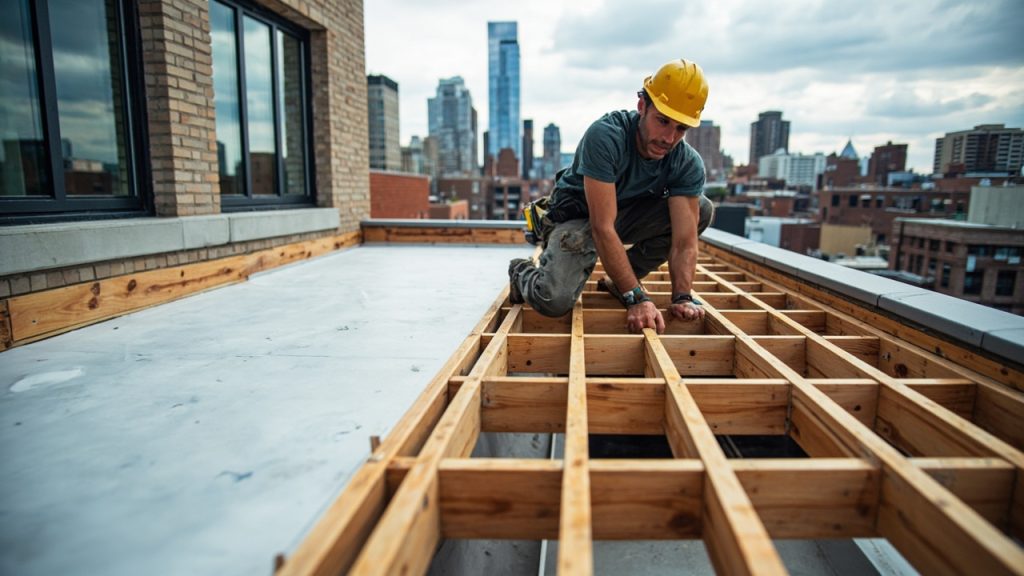
Common Mistakes People Make When Adding a Roof Deck to a Downtown Cleveland Townhome
Adding a roof deck to your Downtown Cleveland townhome can transform your outdoor living space into a private retreat with skyline views. But the process comes with serious risks if you do not understand the structural and waterproofing requirements. Cleveland’s freeze-thaw cycles and heavy snow loads demand precise engineering. Many homeowners rush into construction without proper permits or fail to account for the weight of people, furniture, and snow on their roof. These mistakes can lead to catastrophic water damage, structural failure, or even collapse.
The most common errors involve ignoring the roof’s original design, using improper materials, and skipping critical inspections. A roof deck is not simply a wooden platform on top of your home. It is a complex system that must integrate with your existing roofing structure while meeting Cleveland’s strict building codes. Without proper planning, you risk voiding your roof warranty, violating zoning laws, and creating safety hazards for yourself and your neighbors.
Before you hire a contractor or buy materials, understand the mistakes that trap most first-time roof deck builders. This guide covers the technical, legal, and practical pitfalls specific to Cleveland’s urban environment. From Lake Erie’s moisture to the weight of a Cleveland winter, every factor matters. Learn how to avoid these errors and build a roof deck that lasts for decades.
Ignoring Structural Load Capacity
Your townhome roof was not designed to hold a deck full of people and furniture. Most residential roofs support only the dead load of the roof materials plus a minimal live load. When you add a deck, you increase the live load significantly. Cleveland’s building code requires residential roofs to support at least 30 pounds per square foot of live load. A properly designed roof deck with furniture and snow can easily exceed 60 pounds per square foot.
Many homeowners discover too late that their roof joists cannot handle the added weight. This leads to sagging, cracking, or complete structural failure. The problem becomes worse in winter when snow adds another 20 to 30 pounds per square foot. Without proper engineering, your deck could collapse under the weight of a heavy snowfall combined with people using the space.
A structural engineer must calculate your roof’s current load capacity and determine if reinforcement is needed. This often involves adding support beams, sistering joists, or installing additional columns. The cost of structural upgrades can equal or exceed the cost of the deck itself. But skipping this step risks your safety and your home’s integrity.
Using the Wrong Waterproofing System
Water damage represents the most expensive mistake in roof deck construction. Your roof deck sits directly above your living space. Any leak can destroy ceilings, walls, and personal belongings. Many builders use standard roofing materials that are not designed for the foot traffic and drainage requirements of a deck.
Cleveland’s climate demands a multi-layer waterproofing system. The base layer should be a high-quality roofing membrane like TPO or EPDM that can flex with temperature changes. Above that, you need a protection board to prevent punctures from deck hardware. Then comes the drainage layer, which channels water away from the roof surface. Finally, the deck surface itself must allow water to drain through or around it.
Common mistakes include using pressure-treated lumber directly on the membrane, which can trap moisture and cause rot. Some builders skip the drainage layer, leading to standing water that freezes and expands. Others use incompatible materials that degrade when exposed to UV rays and temperature swings. The result is a deck that leaks within months of installation.
Skipping Proper Permits and Inspections
Cleveland’s building department requires permits for any structure that alters your roof’s load-bearing capacity. Many homeowners assume they can build a small deck without permits. This assumption is wrong and dangerous. Unpermitted work can result in fines, forced removal of the deck, and difficulty selling your home.
The permit process includes structural engineering plans, material specifications, and detailed drawings. An inspector must approve the framing before you install the deck surface. Skipping inspections means you have no guarantee the work meets safety standards. If a problem develops later, you have no recourse against the contractor.
Cleveland also has specific requirements for roof decks in historic districts and areas with height restrictions. Your deck must maintain proper setbacks from property lines and cannot obstruct emergency access. Some neighborhoods require additional approvals from architectural review boards. The permit process can take several weeks, but it protects you from costly mistakes and legal issues.
Poor Drainage Design
Standing water on your roof deck leads to leaks, material degradation, and ice hazards. Cleveland receives an average of 39 inches of rain annually plus heavy snowfall. Your drainage system must handle this volume without backing up onto your roof surface.
Many roof decks fail because builders do not account for proper slope. Your deck surface should slope at least 1/4 inch per foot toward drainage points. This slope must work with your existing roof drainage system. Adding a deck can block existing roof drains or create new low spots where water collects.
Common drainage mistakes include using solid decking boards that trap water underneath, installing drains at incorrect heights, and failing to clean debris from drainage channels. In winter, poor drainage leads to ice dam formation, which can force water under your roofing materials. A proper drainage system includes sloped surfaces, adequate drain size, and easy access for cleaning.
Choosing Materials That Cannot Handle Cleveland Weather
Many deck materials that work well in moderate climates fail quickly in Cleveland. The combination of freeze-thaw cycles, high humidity, and UV exposure creates brutal conditions for outdoor surfaces. Wood decks require constant maintenance and often warp or crack within a few winters.
Composite decking can be a better choice, but not all composites are created equal. Some brands cannot handle the temperature swings common in Northeast Ohio. Dark-colored materials absorb heat and expand more than lighter options. Metal decking can be excellent for durability but may become slippery when wet or icy.
The substrate materials matter just as much as the visible deck surface. Insulation boards must resist moisture absorption. Fasteners need corrosion-resistant coatings. Even the color of your materials affects heat retention and expansion rates. Choosing the wrong combination means replacing your deck much sooner than expected.
Ignoring Fire Safety Requirements
Downtown Cleveland has specific fire safety requirements for roof decks. Your deck must maintain proper clearances from property lines and adjacent buildings. Some materials must meet Class A fire ratings for flame spread. Railings must be designed to prevent fire from spreading between properties.
Many homeowners forget about fire safety until after construction. This oversight can result in failed inspections and expensive retrofits. Fire pits, grills, and outdoor kitchens require additional permits and may need fire suppression systems. Even the type of decking material affects your compliance with local fire codes.
Insurance companies also have requirements for roof decks. Some policies will not cover damage from an unpermitted deck or may require higher premiums for structures that increase fire risk. Understanding these requirements before you build prevents surprises later.
DIY Installation Without Proper Experience
Roof deck construction requires skills in roofing, framing, waterproofing, and electrical work. Many homeowners underestimate the complexity of integrating a deck with their existing roof system. A mistake in any of these areas can lead to expensive water damage or structural failure.
DIY builders often make critical errors like penetrating the roof membrane with improper fasteners, creating negative slopes that trap water, or using incompatible materials. These mistakes may not show up immediately but can cause major problems within a year or two. Professional contractors understand how to work with roofing materials without compromising their integrity.
The cost of hiring a professional may seem high, but it pales compared to the cost of fixing water damage or rebuilding a failed deck. Professional installation includes proper permits, engineering calculations, and warranties on both materials and workmanship. This protection is worth the investment for a structure that sits above your living space.
Overlooking Maintenance Requirements
Many homeowners build beautiful roof decks but fail to maintain them properly. Cleveland’s weather creates unique maintenance challenges. Snow must be removed carefully to avoid damaging the deck surface or underlying membrane. Debris like leaves and twigs can clog drains and trap moisture against the roof.
Annual inspections are essential for roof deck longevity. You need to check for loose fasteners, damaged waterproofing, and proper drainage. The inspection should include the areas under the deck where problems often develop unseen. Some maintenance tasks require removing deck boards to access the roof surface below.
Neglecting maintenance leads to premature failure of both the deck and the roof below. Small problems like a loose board or clogged drain can become major issues if left unaddressed. Budget for regular maintenance costs when planning your roof deck project.
Comparing Deck Materials for Cleveland Conditions
| Material | Cost per sq ft | Lifespan in Cleveland | Maintenance Needs | Fire Rating |
|---|---|---|---|---|
| Pressure-treated wood | $15-25 | 8-12 years | Annual sealing, frequent repairs | Class C |
| Composite decking | $30-45 | 15-20 years | Occasional cleaning, minor repairs | Class B |
| Aluminum | $40-60 | 25+ years | Minimal, occasional cleaning | Class A |
| Concrete pavers | $25-35 | 20+ years | Sealing every 2-3 years | Class A |
Steps to Avoid Common Roof Deck Mistakes
- Hire a Structural Engineer
Have a professional evaluate your roof’s load capacity and recommend necessary reinforcements before any construction begins.
- Obtain Proper Permits
Work with your contractor to secure all required permits and schedule inspections at key construction phases.
- Choose Weather-Appropriate Materials
Select materials proven to withstand Cleveland’s freeze-thaw cycles and moisture levels.
- Install Professional Waterproofing
Use a multi-layer waterproofing system designed specifically for roof decks, not standard roofing materials.
- Plan for Drainage
Design your deck with proper slope and drainage channels that work with your existing roof system.
- Consider Fire Safety
Ensure all materials and designs meet Cleveland’s fire safety requirements for rooftop structures.
Frequently Asked Questions
How much weight can my roof deck safely hold?
A properly engineered roof deck in Cleveland should support at least 60 pounds per square foot, including people, furniture, and snow load. Your specific capacity depends on your roof’s structural design and any reinforcements added during construction.
Do I need a permit for a roof deck in Cleveland?
Yes. Cleveland requires permits for any structure that alters your roof’s load-bearing capacity. The permit process includes structural engineering plans and inspections to ensure safety compliance.
What is the best decking material for Cleveland weather?
Aluminum and concrete pavers offer the best durability in Cleveland’s climate, lasting 20+ years with minimal maintenance. High-quality composite materials can also work well but may require replacement sooner than metal or concrete options.
How long does it take to get permits for a roof deck?
Permit approval in Cleveland typically takes 3-6 weeks, depending on the complexity of your project and the current workload of the building department. Simple projects may be approved faster, while complex structural modifications take longer.
Can I install a roof deck myself to save money?
DIY installation is not recommended for roof decks. The complexity of waterproofing, structural engineering, and code compliance makes professional installation essential. Mistakes can lead to water damage that costs far more than professional installation.
Protect Your Investment with Professional Installation
Building a roof deck in Downtown Cleveland requires expertise in roofing, structural engineering, and local building codes. The mistakes outlined in this guide can cost you thousands in repairs or even require complete deck removal. Professional installation ensures your deck meets all safety requirements while providing the outdoor living space you want.
Before you start your roof deck project, get a professional evaluation of your roof’s structure and waterproofing needs. This evaluation will identify potential problems before they become expensive mistakes. A qualified contractor will handle permits, engineering, and inspections while ensuring your deck integrates properly with your existing roof system.
Your roof deck represents a significant investment in your home’s value and your quality of life. Do not risk that investment by cutting corners or skipping essential steps. Contact a Cleveland roofing specialist who understands the unique challenges of urban roof deck construction. They will help you avoid the common mistakes that trap most first-time builders and ensure your deck provides safe, enjoyable outdoor living for years to come.
Ready to add a roof deck to your Downtown Cleveland townhome? Schedule a consultation with a local roofing expert who can evaluate your roof’s structure and provide a detailed plan for safe, code-compliant construction. Do not let common mistakes turn your dream deck into a costly nightmare.
{
“@context”: “https://schema.org”,
“@type”: “BlogPosting”,
“headline”: “Common Mistakes People Make When Adding a Roof Deck to a Downtown Cleveland Townhome”,
“description”: “Avoid costly roof deck mistakes in Downtown Cleveland. Learn about structural issues, waterproofing failures, and local code violations before you build.”,
“wordCount”: 2098,
“datePublished”: “2026-02-10T13:58:00.000Z”,
“dateModified”: “2026-02-10T13:58:00.000Z”,
“inLanguage”: “en-US”,
“mainEntityOfPage”: {
“@type”: “WebPage”,
“@id”: “https://alpharoofingcleveland.com”
},
“publisher”: {
“@type”: “LocalBusiness”,
“name”: “Alpha Roofing Cleveland”,
“url”: “https://alpharoofingcleveland.com”
},
“author”: {
“@type”: “Organization”,
“name”: “Alpha Roofing Cleveland”,
“url”: “https://alpharoofingcleveland.com”
},
“image”: {
“@type”: “ImageObject”,
“url”: “https://alpharoofingcleveland.com/wp-content/uploads/2026/03/common-mistakes-people-make-when-adding-a-roof-dec-1.jpg”
}
}
{
“@context”: “https://schema.org”,
“@type”: “RoofingContractor”,
“name”: “Alpha Roofing Cleveland”,
“url”: “https://alpharoofingcleveland.com”,
“address”: {
“@type”: “PostalAddress”,
“addressLocality”: “Cleveland”
},
“areaServed”: {
“@type”: “City”,
“name”: “Cleveland”
}
}
{
“@context”: “https://schema.org”,
“@type”: “FAQPage”,
“mainEntity”: [
{
“@type”: “Question”,
“name”: “How much weight can my roof deck safely hold?”,
“acceptedAnswer”: {
“@type”: “Answer”,
“text”: “A properly engineered roof deck in Cleveland should support at least 60 pounds per square foot, including people, furniture, and snow load. Your specific capacity depends on your roof’s structural design and any reinforcements added during construction.”
}
},
{
“@type”: “Question”,
“name”: “Do I need a permit for a roof deck in Cleveland?”,
“acceptedAnswer”: {
“@type”: “Answer”,
“text”: “Yes. Cleveland requires permits for any structure that alters your roof’s load-bearing capacity. The permit process includes structural engineering plans and inspections to ensure safety compliance.”
}
},
{
“@type”: “Question”,
“name”: “What is the best decking material for Cleveland weather?”,
“acceptedAnswer”: {
“@type”: “Answer”,
“text”: “Aluminum and concrete pavers offer the best durability in Cleveland’s climate, lasting 20+ years with minimal maintenance. High-quality composite materials can also work well but may require replacement sooner than metal or concrete options.”
}
},
{
“@type”: “Question”,
“name”: “How long does it take to get permits for a roof deck?”,
“acceptedAnswer”: {
“@type”: “Answer”,
“text”: “Permit approval in Cleveland typically takes 3-6 weeks, depending on the complexity of your project and the current workload of the building department. Simple projects may be approved faster, while complex structural modifications take longer.”
}
},
{
“@type”: “Question”,
“name”: “Can I install a roof deck myself to save money?”,
“acceptedAnswer”: {
“@type”: “Answer”,
“text”: “DIY installation is not recommended for roof decks. The complexity of waterproofing, structural engineering, and code compliance makes professional installation essential. Mistakes can lead to water damage that costs far more than professional installation.”
}
}
]
}
{
“@context”: “https://schema.org”,
“@type”: “HowTo”,
“name”: “How to Avoid Roof Deck Construction Mistakes”,
“step”: [
{
“@type”: “HowToStep”,
“position”: 1,
“name”: “Hire a Structural Engineer”,
“text”: “Have a professional evaluate your roof’s load capacity and recommend necessary reinforcements before any construction begins.”
},
{
“@type”: “HowToStep”,
“position”: 2,
“name”: “Obtain Proper Permits”,
“text”: “Work with your contractor to secure all required permits and schedule inspections at key construction phases.”
},
{
“@type”: “HowToStep”,
“position”: 3,
“name”: “Choose Weather-Appropriate Materials”,
“text”: “Select materials proven to withstand Cleveland’s freeze-thaw cycles and moisture levels.”
},
{
“@type”: “HowToStep”,
“position”: 4,
“name”: “Install Professional Waterproofing”,
“text”: “Use a multi-layer waterproofing system designed specifically for roof decks, not standard roofing materials.”
},
{
“@type”: “HowToStep”,
“position”: 5,
“name”: “Plan for Drainage”,
“text”: “Design your deck with proper slope and drainage channels that work with your existing roof system.”
},
{
“@type”: “HowToStep”,
“position”: 6,
“name”: “Consider Fire Safety”,
“text”: “Ensure all materials and designs meet Cleveland’s fire safety requirements for rooftop structures.”
}
],
“image”: “https://alpharoofingcleveland.com/wp-content/uploads/2026/03/common-mistakes-people-make-when-adding-a-roof-dec-1.jpg”
}
{
“@context”: “https://schema.org”,
“@type”: “BreadcrumbList”,
“itemListElement”: [
{
“@type”: “ListItem”,
“position”: 1,
“name”: “Home”,
“item”: “https://alpharoofingcleveland.com”
},
{
“@type”: “ListItem”,
“position”: 2,
“name”: “Blog”,
“item”: “https://alpharoofingcleveland.com/blog”
},
{
“@type”: “ListItem”,
“position”: 3,
“name”: “Common Mistakes People Make When Adding a Roof Deck to a Downtown Cleveland Townhome”
}
]
}
{
“@context”: “https://schema.org”,
“@type”: “Service”,
“serviceType”: “Roofing”,
“provider”: {
“@type”: “LocalBusiness”,
“name”: “Alpha Roofing Cleveland”,
“url”: “https://alpharoofingcleveland.com”
},
“areaServed”: {
“@type”: “City”,
“name”: “Cleveland”
},
“description”: “Avoid costly roof deck mistakes in Downtown Cleveland. Learn about structural issues, waterproofing failures, and local code violations before you build.”
}
For more information, visit International Code Council. For more information, visit Environmental Protection Agency.