
Keeping Raccoons and Squirrels Out of Your Slavic Village Attic
You hear scratching in your attic at night. You find torn shingles or a bent vent cover on your roof. These are signs that raccoons or squirrels have found their way into your Slavic Village home. Wildlife in your attic is not just a nuisance; it is a serious threat to your roof’s structure and your home’s safety. This guide explains how animals get in, the damage they cause, and how to stop them for good.
Why Slavic Village Homes Attract Wildlife
Slavic Village features many older homes built in the early 1900s with wood siding, aging soffits, and mature trees. These characteristics create perfect entry points for raccoons and squirrels. The neighborhood’s tree-lined streets and older construction mean many homes have overhanging branches that act as bridges to your roof. Raccoons are strong and clever; they can tear through weak spots in your roof’s defenses. Squirrels are smaller but persistent; they gnaw through wood and plastic to create or enlarge holes.
Common Entry Points for Raccoons and Squirrels
Wildlife typically enters through these vulnerable areas:
- Soffit vents with flimsy screens
- Ridge vents that are not secured
- Roof-wall intersections with gaps
- Attic fans with damaged covers
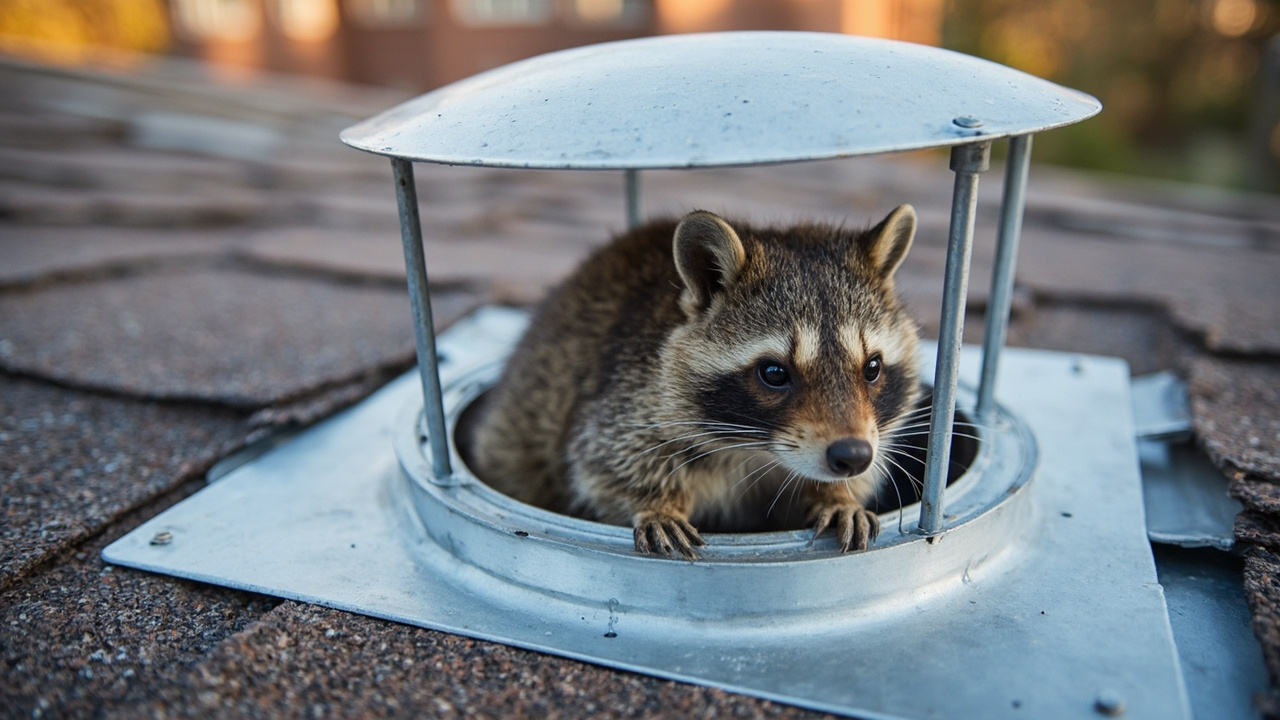
- Chimney caps that are missing or damaged
- Roof edges where shingles are loose
Damage Raccoons and Squirrels Cause
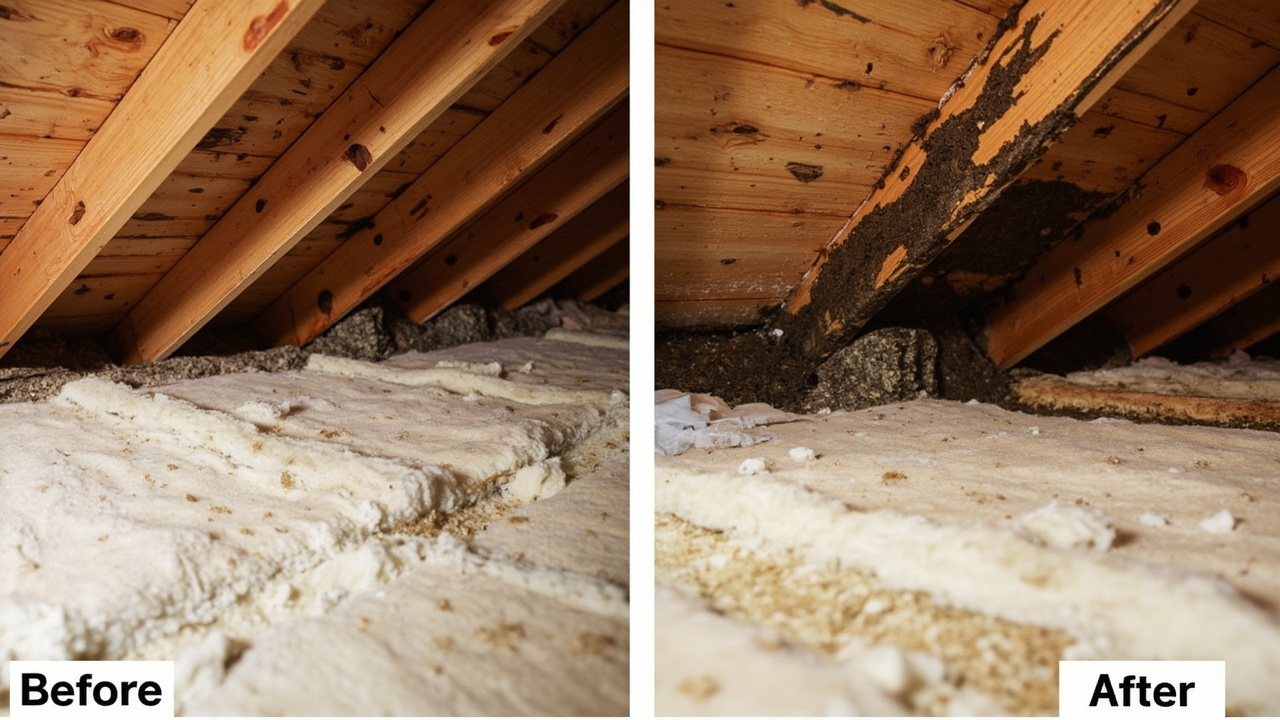
Once inside, these animals cause extensive damage. Raccoons are strong enough to tear off shingles and bend metal vents. They can destroy insulation, chew on wiring, and leave behind waste that poses health risks. Squirrels gnaw constantly to keep their teeth short; they chew on wood, plastic, and even metal. This leads to shredded insulation, exposed wires that could spark a fire, and contaminated attic spaces. The longer they stay, the more expensive the repairs become. EPA guidance on wildlife in homes.
Steps to Keep Wildlife Out of Your Attic
Preventing wildlife entry requires a systematic approach. Here are the key steps:
- Inspect Your Roof Thoroughly
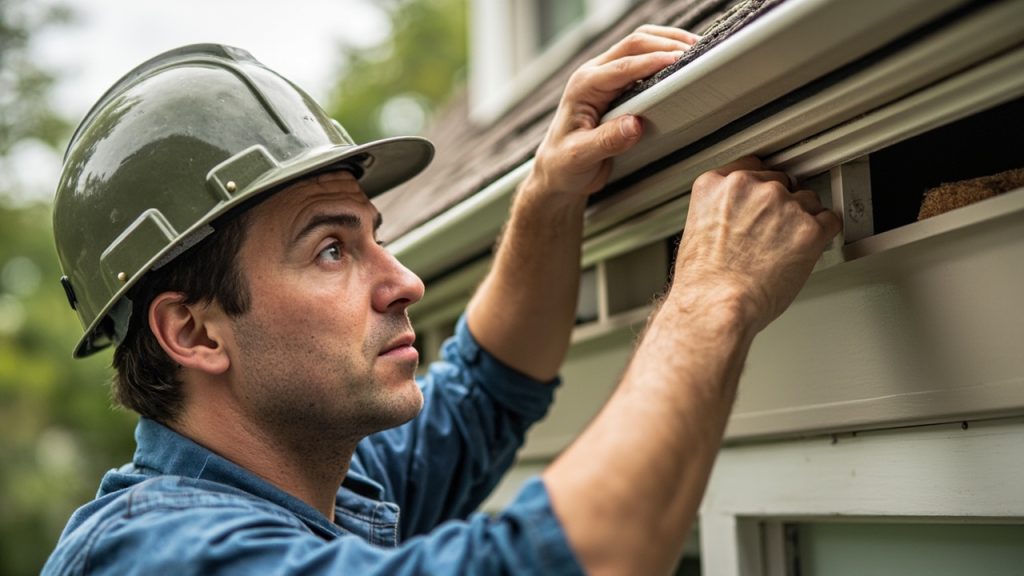
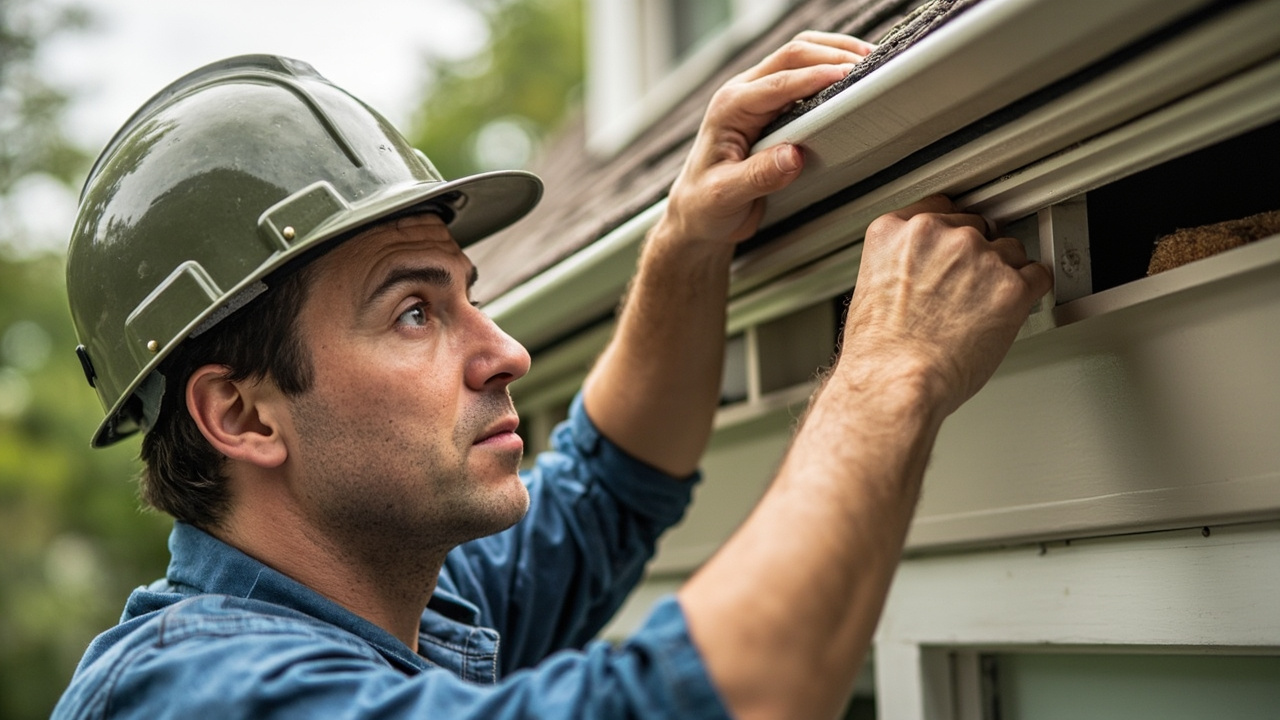
Look for loose shingles, gaps in soffits, damaged vents, and holes where the roof meets walls. Pay special attention to areas around chimneys and attic fans.
- Trim Overhanging Branches
Cut back any tree limbs that hang within six feet of your roof. This removes the natural bridges raccoons and squirrels use to access your home.
- Repair and Reinforce Vulnerable Areas
Replace damaged shingles, secure loose flashing, and repair soffit gaps. Use heavy-gauge wire mesh or metal flashing to cover vents and other openings.
- Install Wildlife-Proof Vent Covers
Replace standard plastic vent covers with heavy-duty metal ones designed to resist animal entry. Ensure ridge vents are properly secured.
- Check Chimney Caps
Make sure your chimney has a sturdy cap with no gaps. Repair or replace damaged caps to prevent animals from entering through the flue.
- Seal Small Holes
Use caulk or expanding foam to seal small gaps around pipes, wires, and other penetrations on your roof.
Repairing Raccoon and Squirrel Damage
If animals have already entered your attic, you need to repair the damage and prevent re-entry. This process includes:
- Removing the animals safely (often requires a wildlife removal specialist)
- Replacing torn or missing shingles
- Repairing or replacing damaged soffits and fascia boards
- Installing new heavy-duty vent covers
- Replacing contaminated insulation
- Sanitizing the attic to remove waste and pheromones
Insurance Coverage for Wildlife Damage
Homeowners insurance in Ohio often covers damage caused by raccoons and squirrels if it is sudden and accidental. However, damage from long-term infestations may be considered a maintenance issue and not covered. Document the damage with photos and keep records of any wildlife removal services. Contact your insurance provider to understand your specific coverage and file a claim promptly.
Local Building Codes and Permits
In Slavic Village and throughout Cleveland, roof repairs must comply with local building codes. This includes proper flashing installation, ice and water shield requirements in valleys and around penetrations, and ensuring all repairs meet fire safety standards. Permits may be required for significant repairs. A licensed roofing contractor familiar with Cuyahoga County codes can ensure your repairs are compliant and safe.
Choosing the Right Materials for Wildlife Prevention
Not all roofing materials resist animal entry equally. Consider these options:
| Material | Wildlife Resistance | Best Use |
|---|---|---|
| Heavy-gauge metal flashing | Excellent | Vent covers, roof edges |
| Galvanized wire mesh | Very good | Soffit vents, gaps |
| Heavy-duty ridge vents | Good | Ridge line protection |
| Standard plastic vents | Poor | Not recommended for wildlife-prone areas |
Seasonal Considerations in Slavic Village
Wildlife activity in Slavic Village follows seasonal patterns. In late fall and winter, animals seek warm shelter from Lake Erie’s cold winds and snow. This is when most break-ins occur. Spring brings nesting season, increasing the urgency to seal entry points before mothers give birth in your attic. Summer is the time to inspect and repair damage from the previous seasons. Fall is ideal for preventative maintenance before the next winter.
Long-Term Prevention Strategies
Keeping wildlife out requires ongoing vigilance. Schedule annual roof inspections, especially after severe storms. Keep trees trimmed back from your home. Replace aging roofing materials before they become vulnerable. Consider installing motion-activated lights or sound devices near known entry points. Educate your family about the signs of animal entry so you can act quickly.
Why Professional Help Matters
DIY repairs often fail because they miss hidden entry points or use inadequate materials. A professional roofing contractor with experience in wildlife damage can identify all vulnerabilities, use code-compliant materials, and provide warranties on their work. They also understand how to coordinate with wildlife removal specialists to ensure animals are gone before sealing entry points.
Frequently Asked Questions
How do I know if raccoons or squirrels are in my attic?
Listen for scratching or scurrying sounds at night (raccoons) or during the day (squirrels). Look for torn shingles, bent vent covers, droppings in the attic, or shredded insulation.
Can I just trap the animals and patch the holes?
Trapping alone is not enough. Animals leave pheromone trails that attract others. You must seal all entry points with durable materials to prevent re-entry.
How much does it cost to repair wildlife damage?
Costs vary based on damage extent. Minor vent repairs might cost a few hundred dollars, while extensive attic restoration can cost several thousand. Insurance may cover part of the cost.
Is it safe to clean up animal waste myself?
Animal waste can carry diseases. It is safer to have professionals sanitize the attic, especially if there is significant contamination.
How long does it take to make my attic wildlife-proof?
Most preventative repairs can be completed in one to two days. If animals are already inside, the process may take longer to allow for safe removal.
Take Action Today
Wildlife in your attic will not leave on its own. The damage will only get worse, leading to higher repair costs and potential health risks. If you hear noises in your attic or see signs of animal entry on your roof, do not wait. Contact a local roofing professional who understands the specific challenges of Slavic Village homes and can provide a complete solution. Protect your home, your family, and your investment with expert wildlife prevention and repair services.
{
“@context”: “https://schema.org”,
“@type”: “BlogPosting”,
“headline”: “Keeping Raccoons and Squirrels Out of Your Slavic Village Attic”,
“description”: “Stop wildlife damage in Slavic Village. Learn how raccoons and squirrels enter Cleveland roofs and how to permanently seal them out.”,
“wordCount”: 1182,
“datePublished”: “2026-05-02T13:53:00.000Z”,
“dateModified”: “2026-05-02T13:53:00.000Z”,
“inLanguage”: “en-US”,
“mainEntityOfPage”: {
“@type”: “WebPage”,
“@id”: “https://alpharoofingcleveland.com”
},
“publisher”: {
“@type”: “LocalBusiness”,
“name”: “Alpha Roofing Cleveland”,
“url”: “https://alpharoofingcleveland.com”
},
“author”: {
“@type”: “Organization”,
“name”: “Alpha Roofing Cleveland”,
“url”: “https://alpharoofingcleveland.com”
},
“image”: {
“@type”: “ImageObject”,
“url”: “https://alpharoofingcleveland.com/wp-content/uploads/2026/03/keeping-raccoons-and-squirrels-out-of-your-slavic-1.jpg”
}
}
{
“@context”: “https://schema.org”,
“@type”: “RoofingContractor”,
“name”: “Alpha Roofing Cleveland”,
“url”: “https://alpharoofingcleveland.com”,
“address”: {
“@type”: “PostalAddress”,
“addressLocality”: “Cleveland”
},
“areaServed”: {
“@type”: “City”,
“name”: “Cleveland”
}
}
{
“@context”: “https://schema.org”,
“@type”: “FAQPage”,
“mainEntity”: [
{
“@type”: “Question”,
“name”: “How do I know if raccoons or squirrels are in my attic?”,
“acceptedAnswer”: {
“@type”: “Answer”,
“text”: “Listen for scratching or scurrying sounds at night (raccoons) or during the day (squirrels). Look for torn shingles, bent vent covers, droppings in the attic, or shredded insulation.”
}
},
{
“@type”: “Question”,
“name”: “Can I just trap the animals and patch the holes?”,
“acceptedAnswer”: {
“@type”: “Answer”,
“text”: “Trapping alone is not enough. Animals leave pheromone trails that attract others. You must seal all entry points with durable materials to prevent re-entry.”
}
},
{
“@type”: “Question”,
“name”: “How much does it cost to repair wildlife damage?”,
“acceptedAnswer”: {
“@type”: “Answer”,
“text”: “Costs vary based on damage extent. Minor vent repairs might cost a few hundred dollars, while extensive attic restoration can cost several thousand. Insurance may cover part of the cost.”
}
},
{
“@type”: “Question”,
“name”: “Is it safe to clean up animal waste myself?”,
“acceptedAnswer”: {
“@type”: “Answer”,
“text”: “Animal waste can carry diseases. It is safer to have professionals sanitize the attic, especially if there is significant contamination.”
}
},
{
“@type”: “Question”,
“name”: “How long does it take to make my attic wildlife-proof?”,
“acceptedAnswer”: {
“@type”: “Answer”,
“text”: “Most preventative repairs can be completed in one to two days. If animals are already inside, the process may take longer to allow for safe removal.”
}
}
]
}
{
“@context”: “https://schema.org”,
“@type”: “HowTo”,
“name”: “How to Keep Wildlife Out of Your Attic”,
“step”: [
{
“@type”: “HowToStep”,
“position”: 1,
“name”: “Inspect Your Roof Thoroughly”,
“text”: “Look for loose shingles, gaps in soffits, damaged vents, and holes where the roof meets walls. Pay special attention to areas around chimneys and attic fans.”
},
{
“@type”: “HowToStep”,
“position”: 2,
“name”: “Trim Overhanging Branches”,
“text”: “Cut back any tree limbs that hang within six feet of your roof. This removes the natural bridges raccoons and squirrels use to access your home.”
},
{
“@type”: “HowToStep”,
“position”: 3,
“name”: “Repair and Reinforce Vulnerable Areas”,
“text”: “Replace damaged shingles, secure loose flashing, and repair soffit gaps. Use heavy-gauge wire mesh or metal flashing to cover vents and other openings.”
},
{
“@type”: “HowToStep”,
“position”: 4,
“name”: “Install Wildlife-Proof Vent Covers”,
“text”: “Replace standard plastic vent covers with heavy-duty metal ones designed to resist animal entry. Ensure ridge vents are properly secured.”
},
{
“@type”: “HowToStep”,
“position”: 5,
“name”: “Check Chimney Caps”,
“text”: “Make sure your chimney has a sturdy cap with no gaps. Repair or replace damaged caps to prevent animals from entering through the flue.”
},
{
“@type”: “HowToStep”,
“position”: 6,
“name”: “Seal Small Holes”,
“text”: “Use caulk or expanding foam to seal small gaps around pipes, wires, and other penetrations on your roof.”
}
],
“image”: “https://alpharoofingcleveland.com/wp-content/uploads/2026/03/keeping-raccoons-and-squirrels-out-of-your-slavic-1.jpg”
}
{
“@context”: “https://schema.org”,
“@type”: “BreadcrumbList”,
“itemListElement”: [
{
“@type”: “ListItem”,
“position”: 1,
“name”: “Home”,
“item”: “https://alpharoofingcleveland.com”
},
{
“@type”: “ListItem”,
“position”: 2,
“name”: “Blog”,
“item”: “https://alpharoofingcleveland.com/blog”
},
{
“@type”: “ListItem”,
“position”: 3,
“name”: “Keeping Raccoons and Squirrels Out of Your Slavic Village Attic”
}
]
}
{
“@context”: “https://schema.org”,
“@type”: “Service”,
“serviceType”: “Roofing”,
“provider”: {
“@type”: “LocalBusiness”,
“name”: “Alpha Roofing Cleveland”,
“url”: “https://alpharoofingcleveland.com”
},
“areaServed”: {
“@type”: “City”,
“name”: “Cleveland”
},
“description”: “Stop wildlife damage in Slavic Village. Learn how raccoons and squirrels enter Cleveland roofs and how to permanently seal them out.”
}
For more information, visit CDC information on diseases from wildlife.