
Those Black Streaks on Your Lee-Harvard Roof Aren’t Just Dirt — And How to Get Rid of Them
You’ve noticed those dark streaks running down your roof and assumed they were just dirt or mildew. In Cleveland’s humid climate that’s an understandable mistake. Those black streaks are actually Gloeocapsa magma a hardy cyanobacteria that feeds on the limestone filler in your asphalt shingles. The problem isn’t just cosmetic. These streaks can trap heat reduce your roof’s lifespan and signal moisture issues that could lead to bigger problems. Asphalt Roofing Manufacturers Association.
In Lee-Harvard and nearby neighborhoods like Garfield Heights and Maple Heights the combination of Lake Erie’s moisture and Cleveland’s warm summers creates perfect conditions for this algae to thrive. Your roof isn’t just dirty. It’s under attack from a microscopic organism that can spread across your entire roof surface if left untreated.
What Are the Black Streaks on Your Shingles? (It’s Not Dirt)
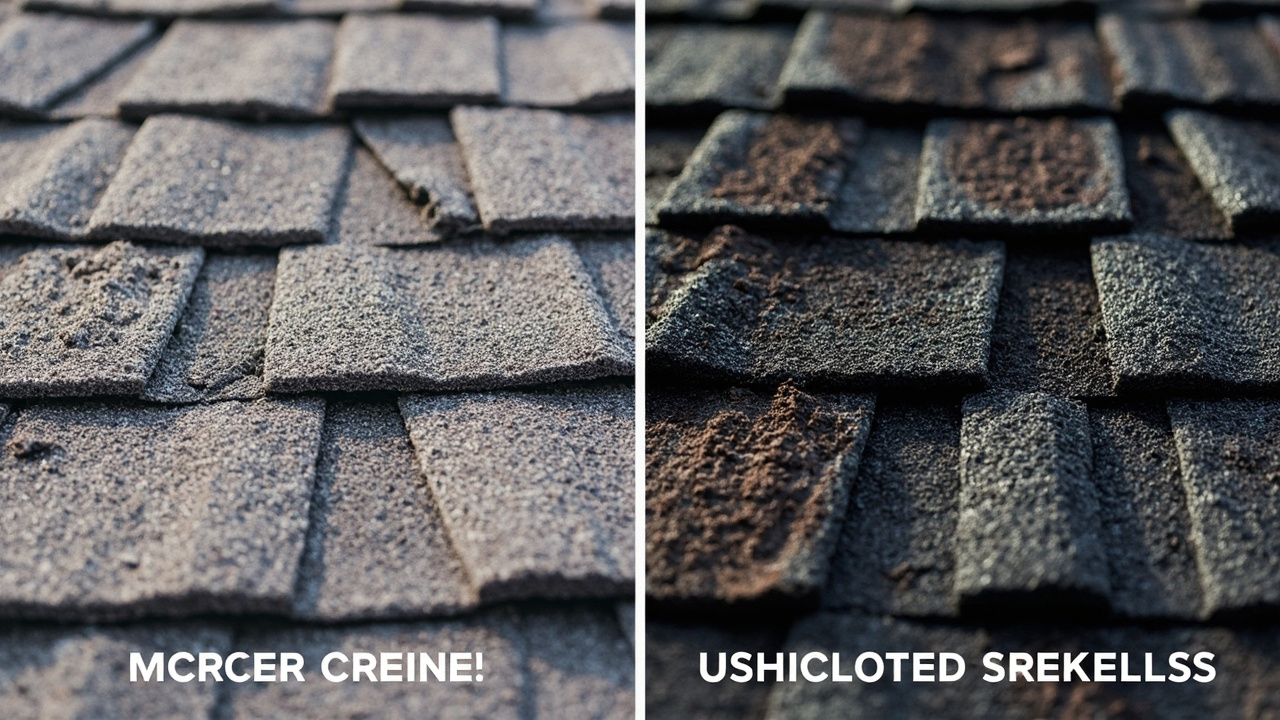
Gloeocapsa magma is a type of cyanobacteria that arrived in the United States about 25 years ago. It feeds on the limestone filler that manufacturers add to asphalt shingles for weight and durability. The algae produces a dark pigmented sheath that protects it from ultraviolet rays. This is what creates those characteristic black streaks.
The streaks typically appear first on the north side of your roof where moisture lingers longer and sunlight is less intense. From there they spread across the entire surface. The algae doesn’t damage shingles directly but it does create a heat-absorbing layer that can raise your roof temperature by 10 to 15 degrees. This extra heat accelerates the breakdown of asphalt and shortens your roof’s expected lifespan.
Many homeowners in Parma and Seven Hills have reported their 25-year shingles showing significant deterioration after just 15 years when algae growth went untreated. The algae also creates a slippery surface that can make walking on your roof dangerous during maintenance or repairs. EPA guidelines on roofing materials.
Why Cleveland’s Climate Prompts Algae Growth
Cleveland’s location on the southern shore of Lake Erie creates a unique microclimate that’s ideal for algae growth. The lake effect produces high humidity levels especially during summer months when temperatures hover in the 80s and 90s. This combination of heat and moisture creates the perfect breeding ground for Gloeocapsa magma.
The freeze-thaw cycles that Cleveland experiences from November through March also contribute to the problem. When water freezes in tiny cracks it expands creating spaces where algae spores can take hold. These cycles weaken the shingle structure making it easier for algae to establish itself.
Neighborhoods like Strongsville and North Royalton with their mix of mature trees and suburban development often see more severe algae growth. Tree cover keeps roofs damp longer while limiting air circulation. The algae spreads through airborne spores that can travel from one roof to another especially in closely built neighborhoods.
Gloeocapsa Magma: The Science Behind the Streaks
The name Gloeocapsa magma comes from Greek and Latin roots meaning ‘glue capsule’ and ‘mushroom’ respectively. This cyanobacteria forms colonies that appear as dark green or black streaks on your roof. Each colony consists of thousands of individual cells protected by a gelatinous sheath.
The algae survives through photosynthesis converting sunlight into energy. It doesn’t need soil or organic matter to grow just moisture and a food source. Modern asphalt shingles provide both. The limestone filler serves as a calcium source while the moisture from dew rain or humidity keeps the colony alive.
Once established Gloeocapsa magma can double its coverage area every three to six months during warm wet weather. The algae produces spores that can remain dormant for years waiting for the right conditions to grow. This is why you might see algae appear on a roof that was previously clean.
Research from the Asphalt Roofing Manufacturers Association shows that algae growth can reduce a roof’s reflective properties by up to 30 percent. This means your air conditioning has to work harder to cool your home leading to higher energy bills during Cleveland’s hot humid summers.
Do Black Streaks Mean You Need a New Roof?
Not necessarily. The presence of black streaks doesn’t automatically mean your roof has failed. Many roofs with algae growth are still structurally sound and can be cleaned rather than replaced. The key is determining whether the algae has been present long enough to cause significant damage.
During a professional inspection we look for several warning signs. If your shingles show granule loss curling at the edges or visible cracking the algae may have contributed to premature aging. We also check for soft spots that could indicate water damage beneath the surface.
Roofs in Independence and Brecksville that are less than 10 years old with only surface algae typically respond well to professional cleaning. However if your roof is approaching 20 years or older and shows multiple signs of wear cleaning might only be a temporary solution.
The decision between cleaning and replacement often comes down to cost effectiveness. A professional cleaning costs significantly less than a full replacement but it won’t add years to an already aging roof. If your roof is near the end of its expected lifespan replacement with algae-resistant shingles might be the better long-term investment.
Professional Roof Cleaning vs. Shingle Replacement in Northeast Ohio
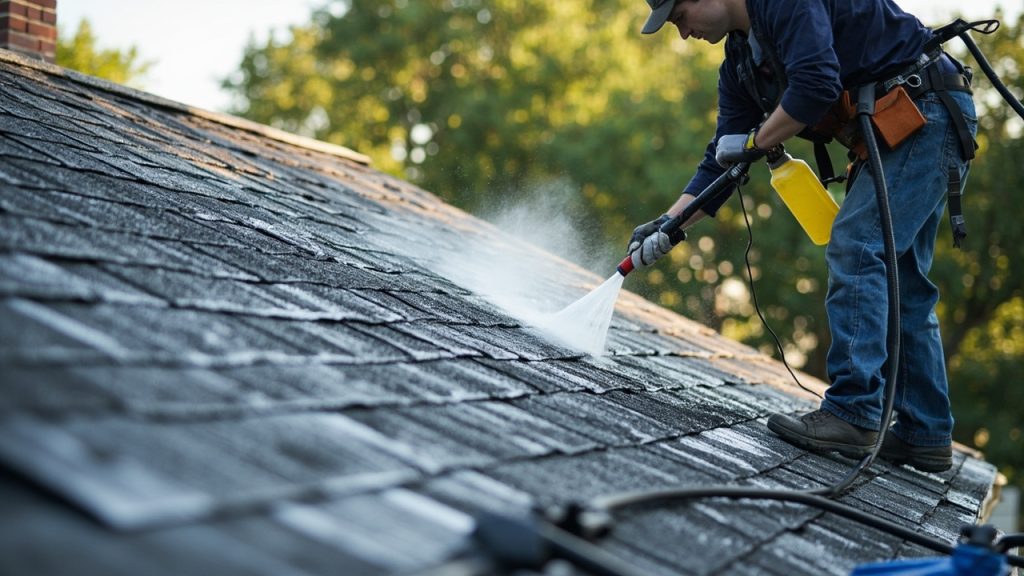
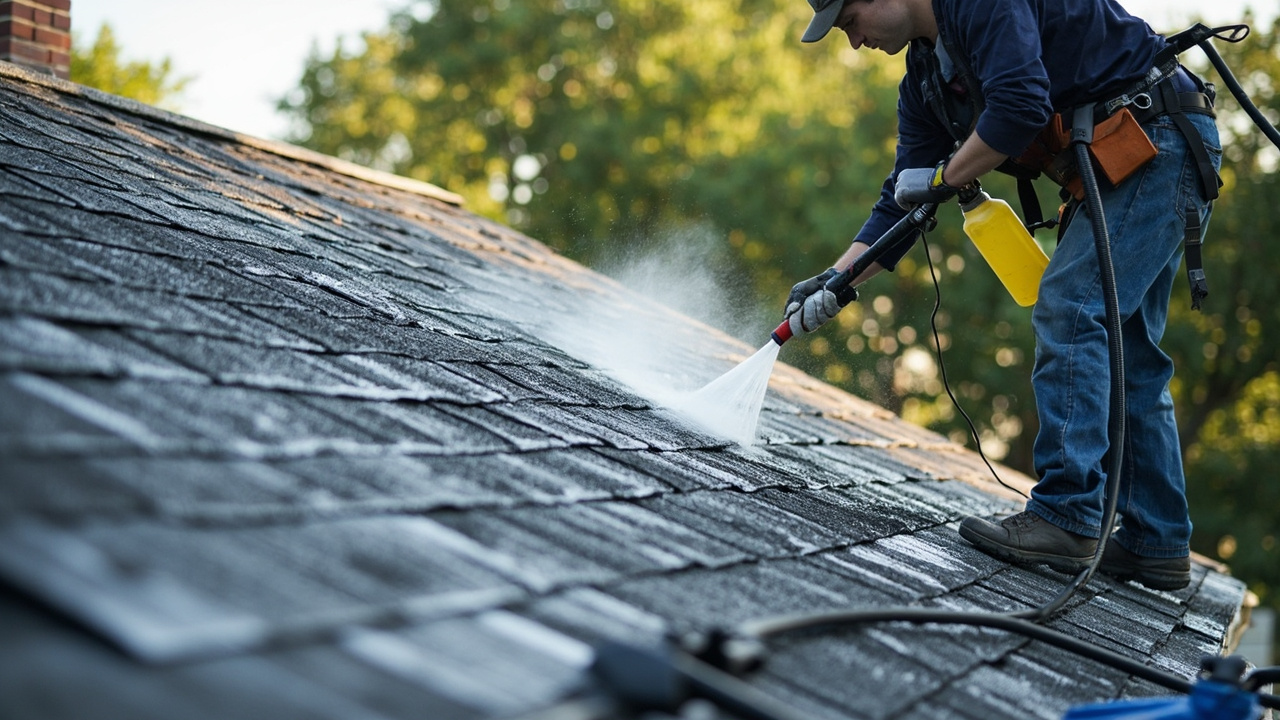
Professional roof cleaning using the soft wash method is often the first choice for homeowners dealing with algae streaks. This process uses low-pressure application of specialized cleaning solutions that kill the algae without damaging your shingles. The cleaning solution typically contains sodium hypochlorite which breaks down the algae’s cellular structure.
The soft wash process takes about two to four hours for an average home and costs between $400 and $800 depending on your roof’s size and pitch. Results are immediate with black streaks disappearing within 24 to 48 hours as the algae dies and washes away with rain.
However cleaning is a temporary solution. Without preventive measures algae can return within 18 to 24 months especially in Cleveland’s humid climate. Some homeowners in Lakewood and Rocky River report needing annual cleanings to maintain their roof’s appearance.
Shingle replacement with algae-resistant technology offers a permanent solution. These shingles contain copper or zinc granules that release trace amounts of metal during rain. This creates an environment where algae cannot survive. The cost is significantly higher at $8000 to $15000 for an average home but the protection lasts for the life of the shingles.
Here’s a comparison of your options:
| Option | Initial Cost | Lifespan Extension | Algae Return Risk |
|---|---|---|---|
| Professional Cleaning | $400-$800 | 2-3 years | High |
| Algae-Resistant Shingles | $8000-$15000 | 15-25 years | None |
| Standard Shingle Replacement | $7000-$14000 | 15-25 years | High |
How to Prevent Future Algae Growth
Prevention starts with understanding what causes algae to thrive. Moisture is the primary factor so anything you can do to improve roof drying will help. This includes trimming tree branches that hang over your roof to increase sunlight exposure and air circulation.
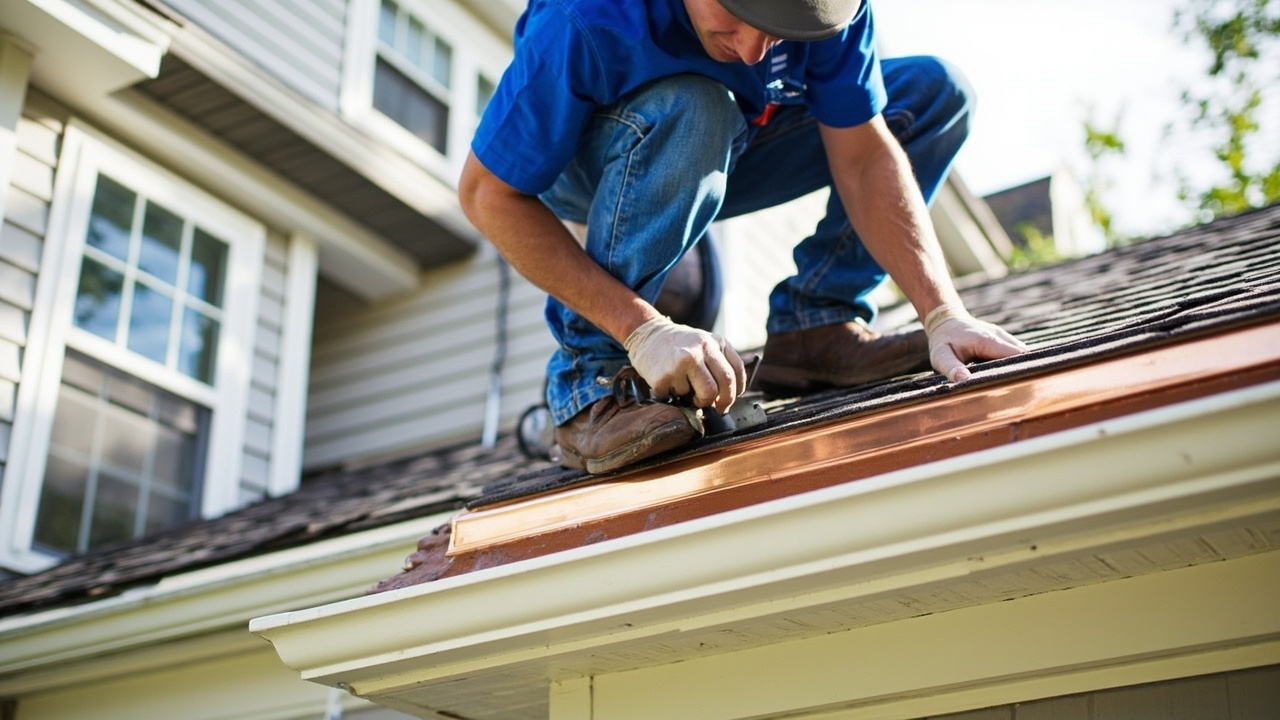
Installing zinc or copper strips near the roof peak creates a natural algae barrier. When it rains these metals release ions that flow down your roof killing algae spores before they can establish. This preventive measure costs about $200 to $400 and can extend the time between cleanings by several years.
Proper attic ventilation plays a crucial role in algae prevention. When your attic stays cool and dry less moisture accumulates on your roof surface. This means ensuring your soffit vents are clear and your ridge vents are functioning properly. In older homes in Cleveland Heights and Shaker Heights upgrading ventilation can make a significant difference.
Regular roof inspections catch algae problems early when they’re easier and less expensive to treat. We recommend professional inspections every two years or after severe weather events. During these inspections we also check for damaged shingles that could provide entry points for moisture.
If you’re planning to replace your roof consider upgrading to algae-resistant shingles. While they cost 10 to 15 percent more than standard shingles they eliminate the need for future cleaning and prevent the heat absorption that can raise your cooling costs.
Here are the most effective prevention strategies ranked by effectiveness:
- Install algae-resistant shingles during replacement
- Add zinc or copper strips to existing roofs
- Improve attic ventilation
- Trim overhanging tree branches
- Schedule regular professional cleanings
The Cost of Ignoring Black Streaks
Many homeowners in Garfield Heights and Maple Heights make the mistake of ignoring black streaks thinking they’re purely cosmetic. This can lead to significant hidden costs. The heat absorption from algae-covered shingles can increase your cooling costs by $200 to $400 per summer. Over five years that’s $1000 to $2000 in unnecessary energy expenses.
More seriously the moisture retained by algae can accelerate shingle deterioration. What might have been a 20-year roof could fail in 12 to 15 years. This means replacing your roof years earlier than planned costing you thousands in premature replacement expenses.
Insurance companies are increasingly aware of algae-related damage. Some policies now exclude coverage for roofs with visible algae growth or charge higher premiums for homes with neglected roof maintenance. In extreme cases insurers might cancel coverage entirely requiring you to replace your roof before they’ll renew your policy.
The resale value of your home can also suffer. Potential buyers often view black streaks as a sign of neglect leading to lower offers or longer time on the market. A clean well-maintained roof can increase your home’s curb appeal and market value by 3 to 5 percent.
Frequently Asked Questions
Can I clean black streaks off my roof myself?
DIY roof cleaning is dangerous and often ineffective. Consumer pressure washers can damage shingles by removing protective granules. The cleaning solutions available to homeowners are also less effective than professional products. More importantly walking on a wet algae-covered roof creates serious slip and fall hazards. Professional cleaning uses specialized equipment and safety protocols that protect both your roof and the technician.
How long does professional roof cleaning take?
Most residential roof cleanings take between two and four hours depending on your roof’s size and complexity. The cleaning solution needs to remain on the roof for 15 to 20 minutes to kill the algae effectively. After rinsing the algae will continue to die and wash away over the next 24 to 48 hours. You’ll see immediate improvement though some stubborn areas might take a few weeks to completely clear.
Will algae come back after cleaning?
Yes algae can return after cleaning especially in Cleveland’s humid climate. Without preventive measures you might see regrowth within 18 to 24 months. The rate of return depends on factors like your roof’s sun exposure nearby trees and local humidity levels. Installing zinc or copper strips and improving attic ventilation can significantly extend the time between cleanings or prevent regrowth entirely.
Are black streaks covered by homeowner’s insurance?
Standard homeowner’s insurance policies typically don’t cover algae removal since it’s considered a maintenance issue rather than sudden damage. However if the algae has caused structural damage to your roof some policies might cover the repair costs. It’s important to check with your insurance provider about their specific requirements for roof maintenance and any algae-related exclusions in your policy.
What’s the best time of year to treat roof algae in Cleveland?
Late spring through early fall offers the best conditions for treating roof algae in Northeast Ohio. Temperatures should be between 50 and 80 degrees for the cleaning solutions to work effectively. We recommend scheduling treatments between May and October when there’s less chance of freezing temperatures that could interfere with the cleaning process. Avoid treating your roof during rainy periods as this can wash away the cleaning solution before it has time to work.
Take Action Before Those Streaks Spread Further
Those black streaks on your Lee-Harvard roof aren’t just an eyesore. They’re a sign that your shingles are under attack from algae that can reduce your roof’s lifespan and increase your energy costs. Whether you need professional cleaning or are considering algae-resistant shingles for replacement the time to act is now before the problem spreads further.
Alpha Roofing Cleveland has been helping homeowners throughout Cuyahoga County deal with algae and other roofing issues for over 15 years. We understand the specific challenges that Cleveland’s climate creates and we offer solutions that work in our unique environment.
Don’t let black streaks turn into bigger problems. Call us today at (216) 260-4650 for a free roof inspection. We’ll assess your specific situation and recommend the most cost-effective solution to protect your home and restore your roof’s appearance. Our team serves Lee-Harvard and all surrounding communities including Garfield Heights Maple Heights and beyond.
Your roof protects everything inside your home. Don’t wait until those black streaks turn into leaks and water damage. Contact Alpha Roofing Cleveland now and let us help you keep your roof clean strong and beautiful for years to come.
{
“@context”: “https://schema.org”,
“@type”: “BlogPosting”,
“headline”: “Those Black Streaks on Your Lee-Harvard Roof Aren’t Just Dirt — And How to Get Rid of Them”,
“description”: “Black streaks on your Lee-Harvard roof are Gloeocapsa magma algae. Learn the causes, risks, and professional solutions for Cleveland’s humid climate.”,
“wordCount”: 2127,
“datePublished”: “2026-05-14T15:59:00.000Z”,
“dateModified”: “2026-05-14T15:59:00.000Z”,
“inLanguage”: “en-US”,
“mainEntityOfPage”: {
“@type”: “WebPage”,
“@id”: “https://alpharoofingcleveland.com”
},
“publisher”: {
“@type”: “LocalBusiness”,
“name”: “Alpha Roofing Cleveland”,
“url”: “https://alpharoofingcleveland.com”
},
“author”: {
“@type”: “Organization”,
“name”: “Alpha Roofing Cleveland”,
“url”: “https://alpharoofingcleveland.com”
},
“image”: {
“@type”: “ImageObject”,
“url”: “https://alpharoofingcleveland.com/wp-content/uploads/2026/03/those-black-streaks-on-your-lee-harvard-roof-aren-1.jpg”
}
}
{
“@context”: “https://schema.org”,
“@type”: “RoofingContractor”,
“name”: “Alpha Roofing Cleveland”,
“url”: “https://alpharoofingcleveland.com”,
“address”: {
“@type”: “PostalAddress”,
“addressLocality”: “Cleveland”
},
“areaServed”: {
“@type”: “City”,
“name”: “Cleveland”
}
}
{
“@context”: “https://schema.org”,
“@type”: “FAQPage”,
“mainEntity”: [
{
“@type”: “Question”,
“name”: “Do Black Streaks Mean You Need a New Roof?”,
“acceptedAnswer”: {
“@type”: “Answer”,
“text”: “Not necessarily. The presence of black streaks doesn’t automatically mean your roof has failed. Many roofs with algae growth are still structurally sound and can be cleaned rather than replaced. The key is determining whether the algae has been present long enough to cause significant damage.”
}
},
{
“@type”: “Question”,
“name”: “Can I clean black streaks off my roof myself?”,
“acceptedAnswer”: {
“@type”: “Answer”,
“text”: “DIY roof cleaning is dangerous and often ineffective. Consumer pressure washers can damage shingles by removing protective granules. The cleaning solutions available to homeowners are also less effective than professional products. More importantly walking on a wet algae-covered roof creates serious slip and fall hazards. Professional cleaning uses specialized equipment and safety protocols that protect both your roof and the technician.”
}
},
{
“@type”: “Question”,
“name”: “How long does professional roof cleaning take?”,
“acceptedAnswer”: {
“@type”: “Answer”,
“text”: “Most residential roof cleanings take between two and four hours depending on your roof’s size and complexity. The cleaning solution needs to remain on the roof for 15 to 20 minutes to kill the algae effectively. After rinsing the algae will continue to die and wash away over the next 24 to 48 hours. You’ll see immediate improvement though some stubborn areas might take a few weeks to completely clear.”
}
},
{
“@type”: “Question”,
“name”: “Will algae come back after cleaning?”,
“acceptedAnswer”: {
“@type”: “Answer”,
“text”: “Yes algae can return after cleaning especially in Cleveland’s humid climate. Without preventive measures you might see regrowth within 18 to 24 months. The rate of return depends on factors like your roof’s sun exposure nearby trees and local humidity levels. Installing zinc or copper strips and improving attic ventilation can significantly extend the time between cleanings or prevent regrowth entirely.”
}
},
{
“@type”: “Question”,
“name”: “Are black streaks covered by homeowner’s insurance?”,
“acceptedAnswer”: {
“@type”: “Answer”,
“text”: “Standard homeowner’s insurance policies typically don’t cover algae removal since it’s considered a maintenance issue rather than sudden damage. However if the algae has caused structural damage to your roof some policies might cover the repair costs. It’s important to check with your insurance provider about their specific requirements for roof maintenance and any algae-related exclusions in your policy.”
}
},
{
“@type”: “Question”,
“name”: “What’s the best time of year to treat roof algae in Cleveland?”,
“acceptedAnswer”: {
“@type”: “Answer”,
“text”: “Late spring through early fall offers the best conditions for treating roof algae in Northeast Ohio. Temperatures should be between 50 and 80 degrees for the cleaning solutions to work effectively. We recommend scheduling treatments between May and October when there’s less chance of freezing temperatures that could interfere with the cleaning process. Avoid treating your roof during rainy periods as this can wash away the cleaning solution before it has time to work.”
}
}
]
}
{
“@context”: “https://schema.org”,
“@type”: “BreadcrumbList”,
“itemListElement”: [
{
“@type”: “ListItem”,
“position”: 1,
“name”: “Home”,
“item”: “https://alpharoofingcleveland.com”
},
{
“@type”: “ListItem”,
“position”: 2,
“name”: “Blog”,
“item”: “https://alpharoofingcleveland.com/blog”
},
{
“@type”: “ListItem”,
“position”: 3,
“name”: “Those Black Streaks on Your Lee-Harvard Roof Aren’t Just Dirt — And How to Get Rid of Them”
}
]
}
{
“@context”: “https://schema.org”,
“@type”: “Service”,
“serviceType”: “Roofing”,
“provider”: {
“@type”: “LocalBusiness”,
“name”: “Alpha Roofing Cleveland”,
“url”: “https://alpharoofingcleveland.com”
},
“areaServed”: {
“@type”: “City”,
“name”: “Cleveland”
},
“description”: “Black streaks on your Lee-Harvard roof are Gloeocapsa magma algae. Learn the causes, risks, and professional solutions for Cleveland’s humid climate.”
}