
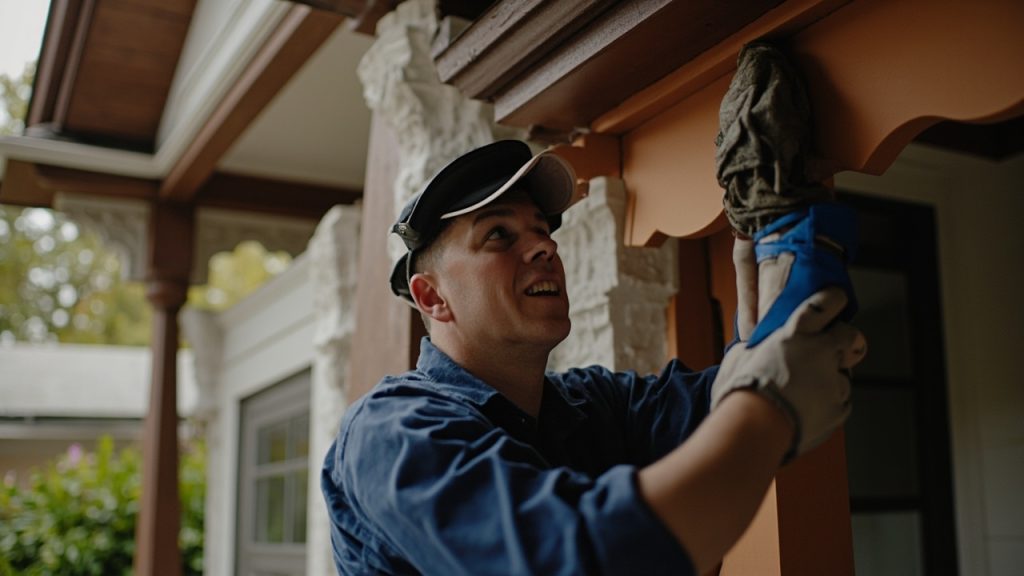
Your Little Italy Victorian’s wrap-around porch isn’t just an architectural feature. It’s a defining characteristic of your home’s character and Cleveland’s historic landscape. These century-old structures face unique challenges from our lake-effect winters, freeze-thaw cycles, and the simple passage of time. Cleveland weather patterns.
The intricate roof systems that crown these porches require specialized knowledge and care. Unlike modern construction, these historic roofs often feature complex angles, original wood framing, and materials no longer in common use. Understanding how to protect and maintain them means understanding both the craftsmanship of the past and the weather patterns of Northeast Ohio.
Understanding Your Porch Roof’s Vulnerabilities
Victorian-era porch roofs in Little Italy face specific threats that modern roofs rarely encounter. The shallow pitches common to these structures make them particularly susceptible to ice dam formation during Cleveland’s harsh winters. When snow melts on the warm roof surface and refreezes at the eaves, water backs up under shingles and finds its way into your home. Cleveland Landmarks Commission.
Water infiltration represents the most destructive force. It causes wood rot in the rafters and decking, corrodes metal flashing, and creates conditions for mold growth. The dense urban environment of Little Italy means these structures often receive less direct sunlight, allowing moisture to linger longer than in suburban settings.
Structural movement presents another challenge. Many of these homes sit on clay soil that expands and contracts with moisture changes. This movement can stress the connections between porch roofs and the main structure, creating gaps where water penetrates.
Common Porch Roof Materials in Historic Cleveland Homes
Understanding what materials protect your porch roof best starts with knowing what you have. Many Little Italy Victorians feature original materials that require specific maintenance approaches.
Wood shingles remain common on these historic structures. Cedar and redwood provide natural resistance to decay but still require regular treatment. The shallow pitch of many porch roofs means these materials age faster than on steeper roof sections.
Standing seam metal roofs offer excellent longevity for porch applications. The continuous panels eliminate many leak points found in shingle systems. Modern aluminum and steel options provide the historic look while resisting Cleveland’s corrosive winter road salts.
Modified bitumen and EPDM membranes work well for flat or low-slope porch sections. These materials create a waterproof barrier that handles ponding water better than traditional roofing. The black surface absorbs heat, helping melt snow and ice in winter.
Inspection and Maintenance Schedule
Regular inspection prevents minor issues from becoming major repairs. The Cleveland Landmarks Commission requires permits for many porch modifications, so catching problems early helps avoid regulatory complications.
Spring inspection should focus on winter damage. Look for lifted or missing shingles, damaged flashing around columns and walls, and signs of water infiltration in the ceiling below. Check for rot in fascia boards and soffits where moisture accumulates.
Summer maintenance involves cleaning debris from gutters and checking for moss or algae growth. These organisms trap moisture against roofing materials. A gentle cleaning with appropriate solutions prevents long-term damage without harming historic materials.
Fall preparation means clearing leaves and ensuring proper drainage before winter. Check that all flashing remains secure and that no gaps exist where ice can form. Consider installing heat cables in problem areas where ice dams consistently form.
Winter monitoring involves watching for excessive snow accumulation. While porch roofs typically handle normal loads, the repeated freeze-thaw cycles create unique stresses. Remove snow only when necessary and use plastic tools to avoid damaging roofing materials.
Repair vs. Replacement Decision Factors
Deciding whether to repair or replace your porch roof depends on several factors specific to Little Italy Victorians. The Cleveland Landmarks Commission often requires preservation of original materials when feasible, adding complexity to replacement decisions.
Age and condition of the underlying structure matter significantly. If rafters and decking show rot or structural damage, replacement becomes necessary regardless of the roofing material’s condition. Water damage often extends beyond visible areas, requiring professional assessment.
Energy efficiency considerations rarely apply to porch roofs since they typically aren’t heated spaces. However, proper ventilation prevents moisture buildup that can damage both the porch and adjacent living spaces.
Historical accuracy requirements may dictate material choices. The commission often requires matching original materials for visible sections, even when more modern options offer better performance. This requirement can significantly impact project costs.
Access limitations in Little Italy’s dense urban setting affect both repair and replacement options. Narrow lots and limited parking mean material delivery and equipment staging require careful planning. Some repairs become impractical due to these logistical constraints.
Material Selection for Modern Protection
Modern materials can provide superior protection while maintaining historic character. The key involves selecting products that perform well in Cleveland’s climate while respecting architectural integrity.
Architectural shingles designed for low slopes offer better wind resistance than traditional three-tab products. Their heavier weight and stronger adhesive strips resist uplift from Lake Erie’s frequent storms. Some manufacturers produce specialty colors that match historic palettes.
Copper flashing provides unmatched longevity and develops an attractive patina over time. While expensive initially, copper lasts decades longer than aluminum or galvanized steel. The material naturally resists the algae and moss growth common in Little Italy’s shaded conditions.
Synthetic slate offers the appearance of natural slate without the weight and fragility. Modern manufacturing creates products that closely mimic the texture and color variations of historic slate while providing better impact resistance during Cleveland’s occasional hailstorms.
Ice and water shield membranes installed under all roofing materials provide crucial protection in our climate. These self-adhering sheets create a waterproof barrier at the most vulnerable areas. Building codes require them in many applications, but older porches often lack this protection.
Working with Cleveland’s Historic Preservation Requirements
Little Italy falls under Cleveland’s historic preservation guidelines, which affect how porch roof work proceeds. Understanding these requirements prevents costly mistakes and project delays.
The Cleveland Landmarks Commission reviews exterior modifications to properties in historic districts. Porch roof work often requires permits, especially when changing materials or structural elements. The review process examines whether proposed changes maintain the building’s historic character.
Material matching requirements extend beyond roofing. The commission often requires that new materials match existing ones in color, texture, and installation pattern. This requirement can limit options for modern, high-performance materials.
Structural modifications face stricter scrutiny. Adding insulation or changing roof pitch may require approval from both the landmarks commission and the building department. These approvals take time, so plan projects accordingly.
Professional experience with historic properties becomes crucial. Contractors familiar with Little Italy’s specific requirements understand how to navigate the approval process and select appropriate materials. Their expertise prevents costly mistakes and ensures compliance.
Ice Dam Prevention Strategies
Ice dams cause more porch roof damage in Cleveland than any other single factor. The combination of lake-effect snow, freeze-thaw cycles, and shallow roof pitches creates perfect conditions for ice formation.
Proper attic insulation and ventilation prevent many ice dam problems. While porch roofs typically lack attic spaces, ensuring the main roof above stays cold prevents melt water from running onto the porch. This approach requires coordination between different roof sections.
Heat cables provide targeted protection for persistent problem areas. Modern self-regulating cables adjust their heat output based on temperature, using energy efficiently. Installation requires careful planning to avoid visible wiring and ensure proper coverage.
Ice belts installed along eaves create a barrier that prevents ice from backing up under roofing materials. These metal strips, often copper or aluminum, provide a smooth surface that sheds ice and snow. They work particularly well on shallow-pitch porch roofs.
Regular snow removal prevents excessive accumulation that leads to ice dam formation. Use plastic roof rakes to avoid damaging roofing materials. Remove snow in layers, working from the edge upward, and never stand directly below the area you’re clearing.
Flashing and Water Management
Proper flashing installation prevents most water infiltration problems. The complex intersections between porch roofs, walls, and columns create numerous potential leak points that require careful attention.
Step flashing integrates with siding to create a watertight barrier where roofs meet walls. Each piece overlaps the one below, directing water down and away. This system works particularly well on the vertical surfaces common in Victorian architecture.
Counter flashing installed in mortar joints or behind siding provides additional protection. This secondary layer covers the top of step flashing, creating redundancy that prevents water penetration even if one layer fails.
Kickout flashing diverts water away from walls where roof sections meet sidewalls. Without this component, water can travel behind siding and cause hidden damage. Many historic porches lack proper kickout flashing, making them vulnerable to leaks.
Box gutters, common on older Victorians, require special attention. These built-in gutters handle large volumes of water but can trap debris and ice. Regular cleaning and occasional lining with waterproof membranes extends their service life.
Structural Support Considerations
The wooden structure supporting your porch roof faces unique challenges in Cleveland’s climate. Understanding these challenges helps prevent catastrophic failures that could damage your entire home.
Rot represents the most common structural problem. Moisture trapped against wood columns, beams, and rafters creates ideal conditions for fungal growth. The shaded conditions typical of Little Italy porches slow evaporation, allowing moisture to persist.
Insect damage compounds moisture problems. Termites and carpenter ants find the moist wood in porch structures particularly attractive. Regular inspection for signs of infestation prevents extensive damage that compromises structural integrity.
Foundation settlement affects porch stability. The clay soil common in Cleveland expands and contracts with moisture changes, causing uneven settling. This movement stresses connections between the porch and main structure, potentially creating gaps where water enters.
Load capacity matters for snow accumulation. While building codes require structures to handle typical snow loads, older porches may not meet current standards. Consider professional evaluation if you notice sagging or cracking in the roof structure.
Cost Factors for Porch Roof Projects
Understanding cost drivers helps budget effectively for porch roof work. Little Italy’s specific conditions create cost factors that differ from typical roofing projects.
Historic preservation requirements often increase costs significantly. Material matching, commission approvals, and specialized installation techniques all add expense. However, these requirements protect your home’s value and character.
Access limitations in dense urban areas affect pricing. Limited parking, narrow alleys, and overhead power lines complicate material delivery and equipment staging. Some contractors charge premium rates for work in these challenging environments.
Material selection dramatically impacts costs. Premium options like copper flashing or synthetic slate cost more initially but often provide better long-term value through reduced maintenance and longer service life.
Project scope determines whether repair or replacement makes economic sense. Minor repairs cost less initially but may not address underlying issues. Complete replacement solves all problems at once but requires larger upfront investment.
Seasonal timing affects both cost and availability. Many contractors focus on interior work during winter, potentially offering better rates for exterior projects. However, weather constraints may limit when work can proceed safely.
Finding the Right Contractor
Selecting a contractor for your Little Italy Victorian requires specific considerations. Not all roofers understand the unique requirements of historic properties in urban settings.
Experience with historic preservation proves crucial. Contractors familiar with Cleveland’s landmarks commission requirements understand how to navigate approvals and select appropriate materials. They know which approaches satisfy both performance needs and preservation guidelines.
Insurance and licensing requirements become more critical in dense urban areas. Contractors must carry adequate liability coverage for work near adjacent properties. They should also understand local permit requirements and zoning regulations.
References from similar projects provide valuable insight. Ask to see completed work on other Little Italy Victorians or similar historic properties. Pictures of finished projects show the contractor’s ability to match materials and maintain architectural integrity.
Written proposals should detail materials, installation methods, and compliance approaches. Vague proposals often lead to misunderstandings about what work will actually be performed. Clear documentation protects both you and the contractor.
Communication style matters for projects involving historic preservation. The best contractors explain technical issues in understandable terms and keep you informed throughout the process. They should welcome questions and provide clear answers.
Seasonal Maintenance Calendar
Following a seasonal maintenance schedule prevents most major porch roof problems. This calendar adapts general roofing maintenance to the specific needs of Little Italy Victorians.
Early spring: Inspect for winter damage, clean gutters, check for signs of water infiltration inside the home. Look for lifted shingles or damaged flashing. Remove any debris that accumulated over winter.
Late spring: Clean roof surface gently to remove moss or algae. Check all sealants around vents, chimneys, and wall intersections. Trim tree branches that contact or shade the roof.
Early summer: Inspect structural elements for signs of rot or insect damage. Check that all fasteners remain secure. Verify that gutters and downspouts direct water away from the foundation.
Late summer: Prepare for fall leaf season by ensuring gutters are clean and secure. Check that all flashing remains properly sealed. Consider applying moss prevention treatments if problems exist.
Early fall: Clear all debris from roof and gutters. Check that all roof penetrations remain properly sealed. Verify that attic ventilation (if present) functions correctly.
Late fall: Install heat cables if needed for ice dam prevention. Check that all exterior lights and outlets remain weatherproof. Remove any remaining leaves from roof surfaces.
Winter: Monitor snow accumulation and remove when necessary. Check for ice dam formation after storms. Ensure that any heat cables function properly.
Emergency Response Planning
Preparing for porch roof emergencies prevents minor problems from becoming disasters. Little Italy’s dense urban setting means quick response becomes even more important when problems occur.
Emergency repair kit should include basic tools, tarps, and temporary patching materials. Keep these items accessible but protected from weather. Quick action prevents water damage while waiting for professional help.
Emergency contact list should include your roofing contractor, insurance company, and the Cleveland Landmarks Commission after-hours number. Having these contacts readily available speeds response time when problems occur.
Water damage prevention plan should identify vulnerable areas inside your home. Move valuable items away from areas where leaks might occur. Keep buckets and absorbent materials ready for quick deployment.
Documentation of your roof’s condition helps with insurance claims and commission approvals. Take photos annually and after major storms. This documentation proves invaluable when demonstrating damage extent or pre-existing conditions.
Alternative living arrangements might become necessary for extensive repairs. Understanding which areas of your home remain usable during different types of repairs helps plan effectively. Some porch repairs may require temporary relocation.
Long-Term Value Protection
Your Little Italy Victorian represents both a home and a piece of Cleveland’s architectural heritage. Protecting your porch roof preserves both your investment and the neighborhood’s character.
Regular maintenance costs less than emergency repairs. The small annual investment in inspections and minor repairs prevents the major expenses that come from neglect. This approach also maintains your home’s value and appearance.
Historic character preservation maintains property values. Little Italy’s appeal depends partly on its architectural integrity. Your well-maintained porch roof contributes to the neighborhood’s overall attractiveness and property values.
Energy efficiency improvements, while limited for porch roofs, can reduce heating costs. Proper insulation and ventilation prevent moisture problems that affect both the porch and adjacent living spaces.
Insurance considerations affect both coverage and premiums. Some insurers offer discounts for well-maintained historic properties. Others may require specific maintenance documentation to maintain coverage.
Future resale value depends partly on maintenance history. Buyers pay premiums for homes with documented maintenance records and recent updates. Your porch roof’s condition significantly influences overall home value.
Frequently Asked Questions
How often should I inspect my Little Italy Victorian’s porch roof?
Inspect your porch roof twice yearly, in spring and fall, with additional checks after severe storms. Look for damaged shingles, deteriorated flashing, and signs of water infiltration inside your home.
Can I use modern materials on my historic porch roof?
Yes, but the Cleveland Landmarks Commission requires that materials maintain the building’s historic character. Many modern materials come in styles that match historic appearances while providing better performance.
How much does porch roof repair typically cost in Little Italy?
Repair costs vary widely based on damage extent and materials. Simple repairs might cost a few hundred dollars, while complete replacements with historic-appropriate materials can exceed ten thousand dollars.
Does my homeowner’s insurance cover porch roof damage?
Most policies cover sudden damage from storms or falling trees but exclude gradual deterioration from neglect. Review your policy and maintain regular maintenance to ensure coverage remains valid.
How long should a properly maintained porch roof last?
With proper maintenance, a porch roof can last 20-30 years or more. Material quality, Cleveland’s weather conditions, and maintenance diligence all affect longevity.
Do I need permits for porch roof work in Little Italy?
Many porch roof modifications require permits from both the building department and the Landmarks Commission. Check requirements before starting any work to avoid fines and required corrections.
{
“@context”: “https://schema.org”,
“@type”: “BlogPosting”,
“headline”: “How to Protect the Intricate Wrap-Around Porch Roof on Your Little Italy Victorian”,
“description”: “Protect your Little Italy Victorian’s wrap-around porch roof from Cleveland’s harsh weather. Learn expert repair tips, material choices, and preservation techniques.”,
“wordCount”: 2796,
“datePublished”: “2026-05-18T13:36:00.000Z”,
“dateModified”: “2026-05-18T13:36:00.000Z”,
“inLanguage”: “en-US”,
“mainEntityOfPage”: {
“@type”: “WebPage”,
“@id”: “https://alpharoofingcleveland.com”
},
“publisher”: {
“@type”: “LocalBusiness”,
“name”: “Alpha Roofing Cleveland”,
“url”: “https://alpharoofingcleveland.com”
},
“author”: {
“@type”: “Organization”,
“name”: “Alpha Roofing Cleveland”,
“url”: “https://alpharoofingcleveland.com”
},
“image”: {
“@type”: “ImageObject”,
“url”: “https://alpharoofingcleveland.com/wp-content/uploads/2026/03/how-to-protect-the-intricate-wrap-around-porch-roo-1.jpg”
}
}
{
“@context”: “https://schema.org”,
“@type”: “RoofingContractor”,
“name”: “Alpha Roofing Cleveland”,
“url”: “https://alpharoofingcleveland.com”,
“address”: {
“@type”: “PostalAddress”,
“addressLocality”: “Cleveland”
},
“areaServed”: {
“@type”: “City”,
“name”: “Cleveland”
}
}
{
“@context”: “https://schema.org”,
“@type”: “FAQPage”,
“mainEntity”: [
{
“@type”: “Question”,
“name”: “How often should I inspect my Little Italy Victorian’s porch roof?”,
“acceptedAnswer”: {
“@type”: “Answer”,
“text”: “Inspect your porch roof twice yearly, in spring and fall, with additional checks after severe storms. Look for damaged shingles, deteriorated flashing, and signs of water infiltration inside your home.”
}
},
{
“@type”: “Question”,
“name”: “Can I use modern materials on my historic porch roof?”,
“acceptedAnswer”: {
“@type”: “Answer”,
“text”: “Yes, but the Cleveland Landmarks Commission requires that materials maintain the building’s historic character. Many modern materials come in styles that match historic appearances while providing better performance.”
}
},
{
“@type”: “Question”,
“name”: “How much does porch roof repair typically cost in Little Italy?”,
“acceptedAnswer”: {
“@type”: “Answer”,
“text”: “Repair costs vary widely based on damage extent and materials. Simple repairs might cost a few hundred dollars, while complete replacements with historic-appropriate materials can exceed ten thousand dollars.”
}
},
{
“@type”: “Question”,
“name”: “Does my homeowner’s insurance cover porch roof damage?”,
“acceptedAnswer”: {
“@type”: “Answer”,
“text”: “Most policies cover sudden damage from storms or falling trees but exclude gradual deterioration from neglect. Review your policy and maintain regular maintenance to ensure coverage remains valid.”
}
},
{
“@type”: “Question”,
“name”: “How long should a properly maintained porch roof last?”,
“acceptedAnswer”: {
“@type”: “Answer”,
“text”: “With proper maintenance, a porch roof can last 20-30 years or more. Material quality, Cleveland’s weather conditions, and maintenance diligence all affect longevity.”
}
},
{
“@type”: “Question”,
“name”: “Do I need permits for porch roof work in Little Italy?”,
“acceptedAnswer”: {
“@type”: “Answer”,
“text”: “Many porch roof modifications require permits from both the building department and the Landmarks Commission. Check requirements before starting any work to avoid fines and required corrections.”
}
}
]
}
{
“@context”: “https://schema.org”,
“@type”: “BreadcrumbList”,
“itemListElement”: [
{
“@type”: “ListItem”,
“position”: 1,
“name”: “Home”,
“item”: “https://alpharoofingcleveland.com”
},
{
“@type”: “ListItem”,
“position”: 2,
“name”: “Blog”,
“item”: “https://alpharoofingcleveland.com/blog”
},
{
“@type”: “ListItem”,
“position”: 3,
“name”: “How to Protect the Intricate Wrap-Around Porch Roof on Your Little Italy Victorian”
}
]
}
{
“@context”: “https://schema.org”,
“@type”: “Service”,
“serviceType”: “Roofing”,
“provider”: {
“@type”: “LocalBusiness”,
“name”: “Alpha Roofing Cleveland”,
“url”: “https://alpharoofingcleveland.com”
},
“areaServed”: {
“@type”: “City”,
“name”: “Cleveland”
},
“description”: “Protect your Little Italy Victorian’s wrap-around porch roof from Cleveland’s harsh weather. Learn expert repair tips, material choices, and preservation techniques.”
}