
Why Your Attached Garage in Brooklyn Heights Needs Better Ventilation Than the Rest of Your House
Living in Brooklyn Heights means dealing with Ohio’s unique climate challenges. Your attached garage faces conditions that your main living space never encounters. From trapped exhaust fumes to moisture buildup from melting snow, the ventilation needs in your garage differ dramatically from the rest of your home.
The combination of Cleveland’s freeze-thaw cycles and the specific construction of attached garages creates a perfect storm for ventilation problems. Your garage acts as a buffer zone between your home and the elements, but without proper airflow, it can become a source of air quality issues, structural damage, and energy inefficiency. Energy Department Air Sealing.
Understanding these differences helps you make informed decisions about protecting your home and family. Let’s explore why your garage needs specialized attention and what solutions work best for Brooklyn Heights homes.
Climate Challenges Unique to Brooklyn Heights Garages
Brooklyn Heights experiences Lake Erie’s influence through heavy snowfall and dramatic temperature swings. Your attached garage bears the brunt of these conditions. When snow melts off your car, it creates standing water that evaporates into the garage air. Without proper ventilation, this moisture has nowhere to go.
During summer months, your garage can reach temperatures 15-20 degrees higher than your house. This heat buildup affects everything stored inside and can radiate into adjacent living spaces. The dark concrete floors and metal garage doors absorb and trap heat, creating an oven-like environment that standard house ventilation systems weren’t designed to handle.
Winter presents different challenges. Ice and snow tracked in from vehicles create moisture that can lead to mold growth and wood rot in garage framing. The temperature differential between your heated home and unheated garage can cause condensation on walls and ceilings, especially when warm, moist air from your house seeps into the cooler garage space.
Health and Safety Concerns in Attached Garages
Attached garages pose unique health risks that detached structures don’t face. Carbon monoxide from vehicle exhaust can seep into your home through gaps around doors, electrical outlets, and even through the ceiling. This invisible threat requires specific ventilation strategies to keep your family safe.
Volatile organic compounds from paints, solvents, and other chemicals stored in your garage can accumulate to dangerous levels. Unlike your living areas where you spend hours daily, garages often become chemical storage areas without proper containment or ventilation systems.
Moisture-related issues extend beyond structural damage. Mold spores thrive in the humid environment created by poor garage ventilation. These spores can travel through your home’s HVAC system or through small gaps, potentially causing respiratory problems for sensitive family members.
Energy Efficiency Impacts
Your garage’s temperature extremes affect your home’s overall energy efficiency. An overheated garage in summer forces your air conditioning system to work harder to cool adjacent rooms. During winter, cold air from the garage can seep into your home through shared walls and doors, increasing heating costs.
Many Brooklyn Heights homes feature finished rooms above or adjacent to garages. These spaces suffer from the garage’s temperature fluctuations, becoming uncomfortably hot in summer and cold in winter. Proper garage ventilation helps stabilize these adjacent areas, reducing the load on your home’s HVAC system.
Insulation works best when combined with proper ventilation. Without airflow, moisture can accumulate in insulated walls and ceilings, reducing insulation effectiveness and potentially causing structural damage over time.
Building Code Requirements for Brooklyn Heights
Cuyahoga County building codes address garage ventilation, but many homeowners aren’t aware of these requirements. The codes recognize that attached garages need different treatment than living spaces, particularly regarding fire separation and air quality. EPA Indoor Air Quality.
Fire-rated doors between your garage and home must maintain their integrity. Poor ventilation can cause these doors to warp or degrade over time, compromising their fire-resistant properties. Proper airflow helps maintain stable temperatures that prevent this type of deterioration.
Electrical code requirements also factor into garage ventilation. Moisture buildup can damage electrical components, creating safety hazards. Adequate ventilation helps prevent these moisture-related electrical issues.
Ventilation Solutions for Attached Garages
Several ventilation options work well for attached garages in Brooklyn Heights. The right choice depends on your specific situation, including garage size, usage patterns, and budget constraints.
Passive Ventilation Systems
Passive systems rely on natural airflow and temperature differences to move air. These include strategically placed vents, louvered doors, and ridge vents along the garage roofline. Passive systems work best in moderate climates but may struggle during Cleveland’s extreme temperature swings.
Soffit vents installed under the garage eaves allow cool air to enter while warm air escapes through roof vents. This natural convection works continuously without electricity, making it an energy-efficient option for many homeowners.
Active Ventilation Systems
Active systems use fans to move air more effectively. These include exhaust fans mounted in garage walls or ceilings, whole-house fans that can ventilate multiple garage-connected spaces, and heat recovery ventilators that exchange indoor and outdoor air while maintaining temperature efficiency.
Garage exhaust fans typically range from 100 to 400 CFM (cubic feet per minute) capacity. The right size depends on your garage dimensions and local building codes. Most attached garages need at least 150 CFM of exhaust capacity to maintain healthy air quality.
Smart Ventilation Controls
Modern garage ventilation can include humidity sensors, carbon monoxide detectors, and temperature monitors that automatically activate fans when conditions warrant. These smart systems provide peace of mind by responding to actual air quality conditions rather than running on fixed schedules.
Some systems integrate with home automation platforms, allowing you to monitor and control garage ventilation from your smartphone. This feature proves especially valuable for homeowners who use their garages as workshops or hobby spaces.
Installation Considerations for Brooklyn Heights Homes
Local architecture influences ventilation choices. Many Brooklyn Heights homes feature attached garages built as extensions of the main house structure. These integrated designs require careful ventilation planning to avoid compromising the home’s structural integrity or aesthetic appeal.
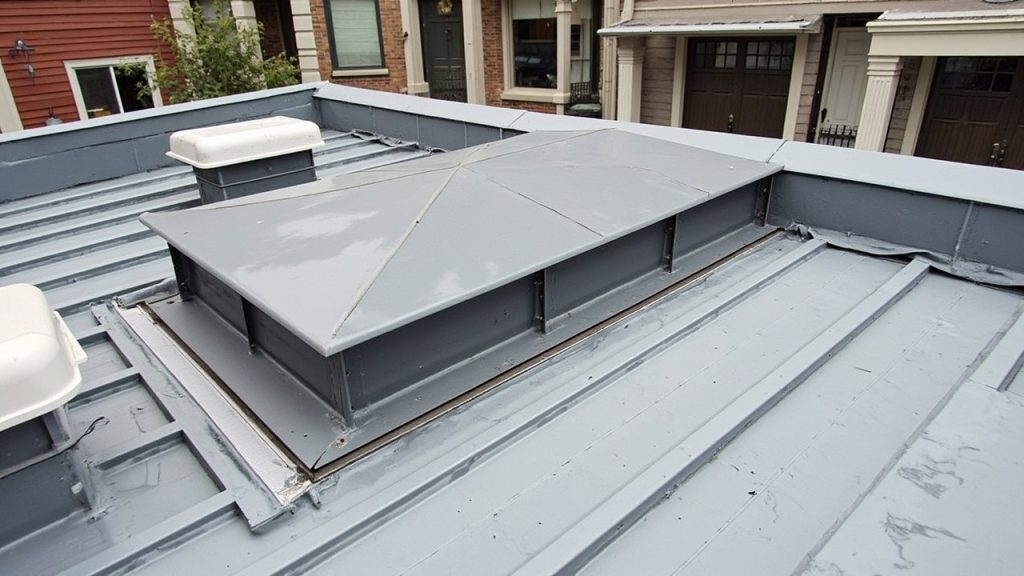
Roof pitch affects ventilation options. Low-slope garage roofs may not accommodate traditional ridge vents, requiring alternative solutions like solar-powered roof vents or wall-mounted exhaust fans. Steeper roofs offer more ventilation flexibility but may require specialized flashing to prevent water infiltration.
Existing insulation impacts ventilation effectiveness. Garages with insulated walls and ceilings need ventilation systems that work with, not against, the insulation. This often means combining intake and exhaust vents to create balanced airflow patterns.
Cost Factors for Garage Ventilation Projects
Ventilation system costs vary based on complexity and features. Basic passive ventilation might cost $200-500 for materials and installation. Active systems typically range from $500-2,000, while smart-controlled systems can exceed $2,500.
Factors affecting cost include garage size, roof accessibility, existing electrical infrastructure, and local permit requirements. Brooklyn Heights homes may face additional considerations due to their age and construction methods.
Energy costs also factor into the equation. Passive systems have no operating costs but may not provide adequate ventilation during extreme weather. Active systems consume electricity but offer superior performance and control.
Maintenance Requirements
Ventilation systems need regular maintenance to function properly. Passive vents can become blocked by debris, insects, or snow. Active fans require motor lubrication and blade cleaning. Smart sensors need periodic calibration to maintain accuracy.
Annual inspections help identify issues before they become problems. Check for signs of moisture damage, listen for unusual fan noises, and verify that all vents remain unobstructed. Replace filters in systems that include air filtration components.
Seasonal adjustments often improve performance. During winter, you might reduce ventilation to conserve heat. Summer requires maximum airflow to control temperature and humidity. Smart systems handle these adjustments automatically.
Common Ventilation Mistakes to Avoid
Many homeowners make costly mistakes when addressing garage ventilation. Understanding these pitfalls helps you avoid them.
Over-ventilating can actually increase energy costs by removing heated or cooled air unnecessarily. Balance is key – provide enough ventilation for air quality without creating excessive energy waste.
Installing vents without considering prevailing wind patterns can create negative pressure that draws conditioned air from your home. Professional assessment helps prevent this issue.
Using the wrong type of vent for your roof design can lead to leaks and water damage. Always match ventilation products to your specific roof construction and local weather conditions.
Neglecting to seal gaps around doors and windows undermines even the best ventilation system. Air sealing and ventilation work together to create healthy, efficient garage spaces.
Benefits of Professional Assessment
Professional ventilation assessment considers factors most homeowners overlook. Building science principles, local climate patterns, and specific usage requirements all influence the optimal ventilation strategy for your garage.
Professionals can identify hidden issues like negative pressure problems, inadequate air sealing, or moisture sources you might miss. They also understand local building codes and can ensure your ventilation system meets all requirements.
Professional installation often includes warranties and guarantees that protect your investment. DIY installations might void manufacturer warranties or fail to meet code requirements.
Future-Proofing Your Garage Ventilation
Consider future needs when planning garage ventilation. Electric vehicle charging increases electrical load and may require additional ventilation. Workshop equipment or hobby spaces might create specific air quality concerns that basic ventilation doesn’t address.
Smart home integration capabilities allow your ventilation system to work with other home systems. This integration can optimize energy use and provide better control over your garage environment.
Energy efficiency standards continue to evolve. Installing systems that exceed current requirements might provide better long-term value as building codes become more stringent.
Local Success Stories
Many Brooklyn Heights homeowners have successfully improved their garage ventilation. One Parma resident installed a smart ventilation system that reduced adjacent room temperatures by 8 degrees during summer months. A Seven Hills family solved chronic moisture problems by combining passive vents with a small exhaust fan.
These success stories demonstrate that proper ventilation makes a real difference in comfort, energy efficiency, and property protection. The key is matching the solution to your specific situation rather than applying one-size-fits-all approaches.
Taking the Next Step
Improving your garage ventilation starts with understanding your current situation. Consider factors like garage usage, adjacent living spaces, and existing moisture or air quality problems. This assessment helps determine whether you need minor adjustments or a complete ventilation overhaul.
Professional consultation provides valuable insights without commitment. Many ventilation specialists offer free assessments that identify problems and recommend solutions tailored to your home and budget.
The investment in proper garage ventilation pays dividends through improved air quality, reduced energy costs, and protected property values. Your attached garage deserves the same attention to detail as the rest of your home.
Frequently Asked Questions
How much does garage ventilation typically cost in Brooklyn Heights?
Basic passive ventilation systems cost $200-500, while active systems range from $500-2,000. Smart-controlled systems can exceed $2,500 depending on features and garage size.
Can I install garage ventilation myself?
While DIY installation is possible for simple passive systems, professional installation ensures proper sizing, code compliance, and warranty protection. Complex systems benefit from professional expertise.
How do I know if my garage has ventilation problems?
Signs include musty odors, visible moisture or mold, extreme temperature differences from adjacent rooms, and difficulty controlling humidity levels. Professional assessment can identify specific issues.
Will garage ventilation increase my energy bills?
Properly designed ventilation can actually reduce energy costs by preventing heat transfer between your garage and home. The key is balanced ventilation that maintains air quality without excessive energy loss.
How often should garage ventilation systems be maintained?
Passive vents need annual cleaning and inspection. Active systems require seasonal checks, including fan motor lubrication and sensor calibration. Smart systems may need software updates periodically.
{
“@context”: “https://schema.org”,
“@type”: “BlogPosting”,
“headline”: “Why Your Attached Garage in Brooklyn Heights Needs Better Ventilation Than the Rest of Your House”,
“description”: “Learn why attached garages in Brooklyn Heights need specialized ventilation to prevent moisture damage, exhaust buildup, and energy loss. Expert local solutions.”,
“wordCount”: 1916,
“datePublished”: “2026-05-16T11:57:00.000Z”,
“dateModified”: “2026-05-16T11:57:00.000Z”,
“inLanguage”: “en-US”,
“mainEntityOfPage”: {
“@type”: “WebPage”,
“@id”: “https://alpharoofingcleveland.com”
},
“publisher”: {
“@type”: “LocalBusiness”,
“name”: “Alpha Roofing Cleveland”,
“url”: “https://alpharoofingcleveland.com”
},
“author”: {
“@type”: “Organization”,
“name”: “Alpha Roofing Cleveland”,
“url”: “https://alpharoofingcleveland.com”
},
“image”: {
“@type”: “ImageObject”,
“url”: “https://alpharoofingcleveland.com/wp-content/uploads/2026/03/why-your-attached-garage-in-brooklyn-heights-needs-1.jpg”
}
}
{
“@context”: “https://schema.org”,
“@type”: “RoofingContractor”,
“name”: “Alpha Roofing Cleveland”,
“url”: “https://alpharoofingcleveland.com”,
“address”: {
“@type”: “PostalAddress”,
“addressLocality”: “Cleveland”
},
“areaServed”: {
“@type”: “City”,
“name”: “Cleveland”
}
}
{
“@context”: “https://schema.org”,
“@type”: “FAQPage”,
“mainEntity”: [
{
“@type”: “Question”,
“name”: “How much does garage ventilation typically cost in Brooklyn Heights?”,
“acceptedAnswer”: {
“@type”: “Answer”,
“text”: “Basic passive ventilation systems cost $200-500, while active systems range from $500-2,000. Smart-controlled systems can exceed $2,500 depending on features and garage size.”
}
},
{
“@type”: “Question”,
“name”: “Can I install garage ventilation myself?”,
“acceptedAnswer”: {
“@type”: “Answer”,
“text”: “While DIY installation is possible for simple passive systems, professional installation ensures proper sizing, code compliance, and warranty protection. Complex systems benefit from professional expertise.”
}
},
{
“@type”: “Question”,
“name”: “How do I know if my garage has ventilation problems?”,
“acceptedAnswer”: {
“@type”: “Answer”,
“text”: “Signs include musty odors, visible moisture or mold, extreme temperature differences from adjacent rooms, and difficulty controlling humidity levels. Professional assessment can identify specific issues.”
}
},
{
“@type”: “Question”,
“name”: “Will garage ventilation increase my energy bills?”,
“acceptedAnswer”: {
“@type”: “Answer”,
“text”: “Properly designed ventilation can actually reduce energy costs by preventing heat transfer between your garage and home. The key is balanced ventilation that maintains air quality without excessive energy loss.”
}
},
{
“@type”: “Question”,
“name”: “How often should garage ventilation systems be maintained?”,
“acceptedAnswer”: {
“@type”: “Answer”,
“text”: “Passive vents need annual cleaning and inspection. Active systems require seasonal checks, including fan motor lubrication and sensor calibration. Smart systems may need software updates periodically.”
}
}
]
}
{
“@context”: “https://schema.org”,
“@type”: “BreadcrumbList”,
“itemListElement”: [
{
“@type”: “ListItem”,
“position”: 1,
“name”: “Home”,
“item”: “https://alpharoofingcleveland.com”
},
{
“@type”: “ListItem”,
“position”: 2,
“name”: “Blog”,
“item”: “https://alpharoofingcleveland.com/blog”
},
{
“@type”: “ListItem”,
“position”: 3,
“name”: “Why Your Attached Garage in Brooklyn Heights Needs Better Ventilation Than the Rest of Your House”
}
]
}
{
“@context”: “https://schema.org”,
“@type”: “Service”,
“serviceType”: “Roofing”,
“provider”: {
“@type”: “LocalBusiness”,
“name”: “Alpha Roofing Cleveland”,
“url”: “https://alpharoofingcleveland.com”
},
“areaServed”: {
“@type”: “City”,
“name”: “Cleveland”
},
“description”: “Learn why attached garages in Brooklyn Heights need specialized ventilation to prevent moisture damage, exhaust buildup, and energy loss. Expert local solutions.”
}