
Beyond the Shingles — Why the Right Underlayment Is Crucial for Surviving Harsh Hudson Winters
Winter in Cleveland hits hard. Lake Effect snow piles up fast. Temperatures swing wildly. Your roof takes the brunt of it. While shingles get all the attention, the underlayment beneath them does the real heavy lifting. Without the right underlayment, your roof can fail before the shingles even wear out. This guide breaks down why underlayment matters and which types stand up best to Cleveland’s brutal winters.
Why Underlayment Matters More Than You Think
Underlayment acts as a secondary barrier between your roof deck and the shingles. When ice dams form or wind-driven rain sneaks under shingles, this layer stops water from reaching your attic. In Cleveland’s freeze-thaw climate, that protection is critical. Water expands when it freezes. If it gets under your shingles, it can lift them and create leaks. Underlayment prevents that cycle.
Many homeowners skip or skimp on underlayment to save money. That’s a mistake. The right underlayment can add 10 to 15 years to your roof’s life. It also helps with energy efficiency by reducing heat loss through the roof deck. In short, it’s not optional. It’s essential.
Top Underlayment Types for Cleveland Winters
Self-Adhered Membranes — The Ice Dam Fighter
Self-adhered membranes like Ice and Water Shield bond directly to the roof deck. They seal around nails and stay flexible in sub-zero temperatures. These are the gold standard for eaves, valleys, and around chimneys. In Cleveland, where ice dams are common, this type is non-negotiable. It prevents water from backing up under shingles when snow melts and refreezes at the roof edge.
Synthetic Underlayment — Lightweight and Tough
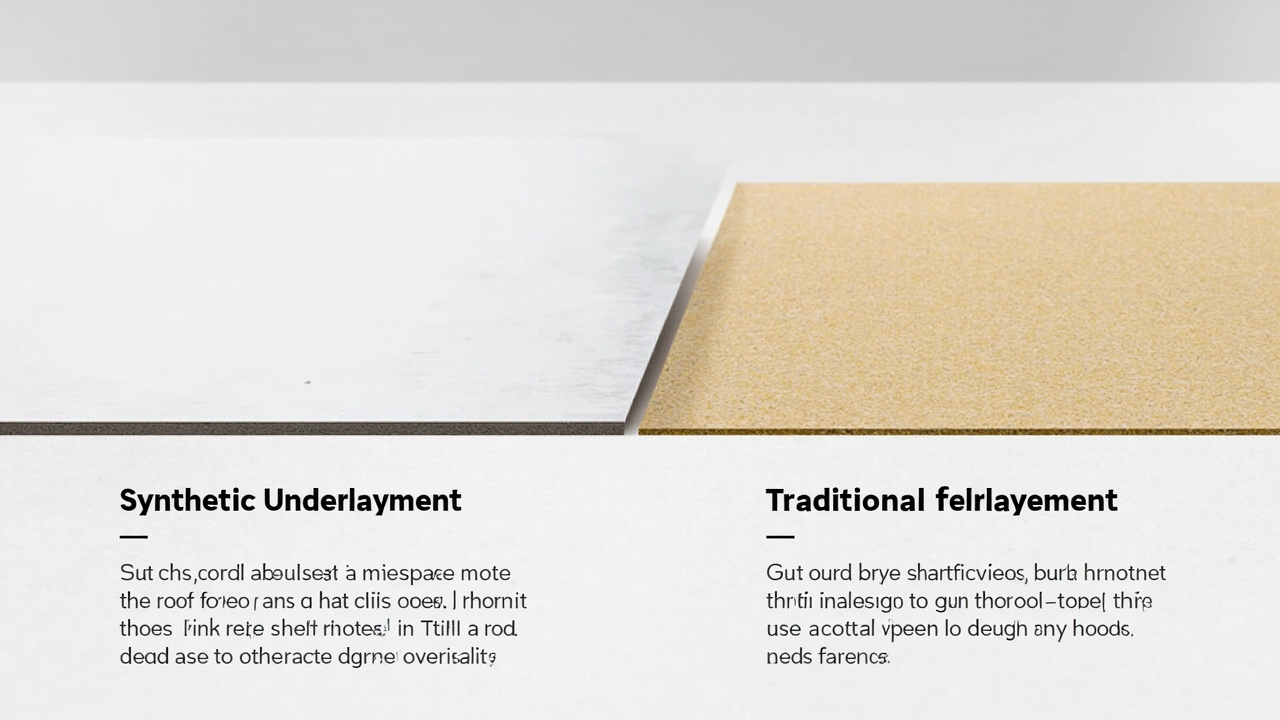
Synthetic underlayment is made from polypropylene or polyester. It’s lighter than felt, more tear-resistant, and holds up better in wet conditions. It also resists UV damage longer, which matters if your roof takes extra days to shingle due to weather delays. For sloped roofs in Cleveland, synthetic offers a good balance of durability and cost.
Asphalt-Saturated Felt — The Old Standard
Felt underlayment is the traditional choice. It’s affordable and familiar to most roofers. But it absorbs water, can tear easily, and becomes brittle in cold weather. In Cleveland’s climate, it’s less reliable than synthetic or self-adhered options. If you’re on a tight budget, it’s better than nothing, but it’s not the best choice for long-term protection.
Technical Specs That Matter in Cold Climates
Not all underlayment performs the same in freezing temperatures. Look for these specs when choosing materials:
- Low-temperature flexibility — Must stay pliable below 0°F
- Tear strength — Higher numbers mean better resistance to wind and installation damage
- Permeability rating — Affects how moisture vapor escapes from your attic
- Adhesion strength — Critical for self-adhered membranes to stay bonded in cold
ASTM D1970 is the standard for self-adhering underlayment. ASTM D226 covers organic felt. Always check that your chosen product meets these standards for your region. ASTM D1970 standard.
Cleveland Building Codes and Best Practices
Cuyahoga County requires ice and water shield on all roof eaves. The shield must extend at least 24 inches inside the exterior wall line. In areas with severe ice damming, that distance increases. Valleys, around chimneys, and along roof edges also need this protection. Skipping these steps can lead to failed inspections and voided warranties.
For homes in Parma and Strongsville, local codes often mirror county requirements. But some neighborhoods with historic homes may have additional rules. Always check with your local building department before starting a roof project.
How Different Materials Handle Cleveland Weather
Cleveland’s climate is unique. Lake Effect snow can dump several feet in a single storm. Temperatures can swing 40 degrees in a day. High winds off Lake Erie test every seam and edge. Underlayment must handle all of it.
Self-adhered membranes excel here. They stay flexible, seal around fasteners, and resist ice dam damage. Synthetic underlayments also perform well, especially on steep roofs where water shedding is critical. Felt struggles in these conditions, often leading to early roof failure.
Installation Tips for Winter Roofing
Installing underlayment in winter requires extra care. Cold temperatures make materials stiff. Adhesives may not bond well if the deck is frozen. Here’s how to avoid common mistakes:
- Store rolls indoors — Keeps them flexible for easier handling
- Warm the deck — Use a propane heater to thaw frozen sections
- Use winter-grade adhesives — Standard adhesives may fail below freezing
- Overlap correctly — Follow manufacturer specs to prevent leaks
Never rush installation to beat a storm. Poor underlayment work leads to leaks that cost far more than the time saved.
Cost vs. Value: What You Get for Your Money
Underlayment costs vary. Felt runs about $0.20 to $0.40 per square foot. Synthetic costs $0.50 to $0.80. Self-adhered membranes run $1.50 to $3.00 per square foot. The upfront cost difference is real. But the long-term value is even bigger.
A roof with quality underlayment lasts longer. It resists leaks. It may lower your energy bills. It also protects your home’s interior from water damage. In Cleveland, where winter can be brutal, that protection pays for itself.
Common Mistakes Homeowners Make
Many people focus only on shingle type or color. They ignore underlayment. That’s like building a house on sand. Here are the most common errors:
- Using only felt — Cheap but risky in cold climates
- Skipping eaves protection — Leads to ice dam leaks
- Wrong overlap — Allows water to seep under seams
- Ignoring code — Can result in failed inspection or fines
Avoiding these mistakes saves money and stress in the long run.
Comparing Underlayment Types Side by Side
| Material | Cost per sq ft | Cold Flexibility | Tear Strength | Best Use |
|---|---|---|---|---|
| Felt | $0.20 – $0.40 | Poor | Low | Budget roofs |
| Synthetic | $0.50 – $0.80 | Good | High | Steep slopes |
| Self-Adhered | $1.50 – $3.00 | Excellent | Very High | Eaves, valleys, chimneys |
When to Replace Underlayment
Underlayment doesn’t last forever. If you’re replacing shingles, replace the underlayment too. It’s cheap compared to a whole new roof. Signs it may need replacement include:
- Cracking or brittleness
- Water stains on the deck
- Loss of adhesion on self-adhered types
- Visible wear from foot traffic or debris
Never install new shingles over old underlayment. It voids most warranties and risks early failure.
Choosing the Right Contractor
Not all roofers understand cold climate needs. Ask these questions before hiring:
- Do you use ice and water shield on eaves?
- What underlayment do you recommend for my roof type?
- Are you familiar with Cuyahoga County codes?
- Can you show me local references from Parma or Strongsville?
A good contractor will explain your options clearly. They’ll also provide a written estimate that includes underlayment specs.
Final Thoughts
Underlayment is the unsung hero of your roof. In Cleveland’s harsh winters, it’s the difference between a dry home and a costly leak. Don’t cut corners here. Choose the right material. Follow local codes. Hire a contractor who understands cold climate roofing.
Your roof protects everything inside your home. Make sure it’s built to last.
Frequently Asked Questions
What is the best underlayment for Cleveland winters?
Self-adhered membranes like Ice and Water Shield offer the best protection against ice dams and freeze-thaw cycles.
How long does underlayment last?
Most underlayment lasts 20 to 25 years, but it should be replaced when you replace shingles.
Is underlayment required by code in Cuyahoga County?
Yes. Ice and water shield is required on all eaves and in valleys. Check local codes for specifics.
Can I install new shingles over old underlayment?
No. This voids warranties and risks early roof failure. Always install new underlayment with new shingles.
How much does underlayment cost?
Felt costs $0.20 to $0.40 per square foot. Synthetic runs $0.50 to $0.80. Self-adhered costs $1.50 to $3.00.
Does underlayment help with energy efficiency?
Yes. Quality underlayment reduces heat loss through the roof deck, which can lower heating costs in winter.
{
“@context”: “https://schema.org”,
“@type”: “BlogPosting”,
“headline”: “Beyond the Shingles — Why the Right Underlayment Is Crucial for Surviving Harsh Hudson Winters”,
“description”: “Learn how proper underlayment protects Cleveland homes from ice dams and freeze-thaw cycles. Discover the best materials for Lake Effect snow and local building codes.”,
“wordCount”: 1305,
“datePublished”: “2026-05-23T11:44:00.000Z”,
“dateModified”: “2026-05-23T11:44:00.000Z”,
“inLanguage”: “en-US”,
“mainEntityOfPage”: {
“@type”: “WebPage”,
“@id”: “https://alpharoofingcleveland.com”
},
“publisher”: {
“@type”: “LocalBusiness”,
“name”: “Alpha Roofing Cleveland”,
“url”: “https://alpharoofingcleveland.com”
},
“author”: {
“@type”: “Organization”,
“name”: “Alpha Roofing Cleveland”,
“url”: “https://alpharoofingcleveland.com”
},
“image”: {
“@type”: “ImageObject”,
“url”: “https://alpharoofingcleveland.com/wp-content/uploads/2026/03/beyond-the-shingles-why-the-right-underlayment-is-1.jpg”
}
}
{
“@context”: “https://schema.org”,
“@type”: “RoofingContractor”,
“name”: “Alpha Roofing Cleveland”,
“url”: “https://alpharoofingcleveland.com”,
“address”: {
“@type”: “PostalAddress”,
“addressLocality”: “Cleveland”
},
“areaServed”: {
“@type”: “City”,
“name”: “Cleveland”
}
}
{
“@context”: “https://schema.org”,
“@type”: “FAQPage”,
“mainEntity”: [
{
“@type”: “Question”,
“name”: “What is the best underlayment for Cleveland winters?”,
“acceptedAnswer”: {
“@type”: “Answer”,
“text”: “Self-adhered membranes like Ice and Water Shield offer the best protection against ice dams and freeze-thaw cycles.”
}
},
{
“@type”: “Question”,
“name”: “How long does underlayment last?”,
“acceptedAnswer”: {
“@type”: “Answer”,
“text”: “Most underlayment lasts 20 to 25 years, but it should be replaced when you replace shingles.”
}
},
{
“@type”: “Question”,
“name”: “Is underlayment required by code in Cuyahoga County?”,
“acceptedAnswer”: {
“@type”: “Answer”,
“text”: “Yes. Ice and water shield is required on all eaves and in valleys. Check local codes for specifics.”
}
},
{
“@type”: “Question”,
“name”: “Can I install new shingles over old underlayment?”,
“acceptedAnswer”: {
“@type”: “Answer”,
“text”: “No. This voids warranties and risks early roof failure. Always install new underlayment with new shingles.”
}
},
{
“@type”: “Question”,
“name”: “How much does underlayment cost?”,
“acceptedAnswer”: {
“@type”: “Answer”,
“text”: “Felt costs $0.20 to $0.40 per square foot. Synthetic runs $0.50 to $0.80. Self-adhered costs $1.50 to $3.00.”
}
},
{
“@type”: “Question”,
“name”: “Does underlayment help with energy efficiency?”,
“acceptedAnswer”: {
“@type”: “Answer”,
“text”: “Yes. Quality underlayment reduces heat loss through the roof deck, which can lower heating costs in winter.”
}
}
]
}
{
“@context”: “https://schema.org”,
“@type”: “BreadcrumbList”,
“itemListElement”: [
{
“@type”: “ListItem”,
“position”: 1,
“name”: “Home”,
“item”: “https://alpharoofingcleveland.com”
},
{
“@type”: “ListItem”,
“position”: 2,
“name”: “Blog”,
“item”: “https://alpharoofingcleveland.com/blog”
},
{
“@type”: “ListItem”,
“position”: 3,
“name”: “Beyond the Shingles — Why the Right Underlayment Is Crucial for Surviving Harsh Hudson Winters”
}
]
}
{
“@context”: “https://schema.org”,
“@type”: “Service”,
“serviceType”: “Roofing”,
“provider”: {
“@type”: “LocalBusiness”,
“name”: “Alpha Roofing Cleveland”,
“url”: “https://alpharoofingcleveland.com”
},
“areaServed”: {
“@type”: “City”,
“name”: “Cleveland”
},
“description”: “Learn how proper underlayment protects Cleveland homes from ice dams and freeze-thaw cycles. Discover the best materials for Lake Effect snow and local building codes.”
}
For more information, visit EPA’s guide on roof underlayment.