
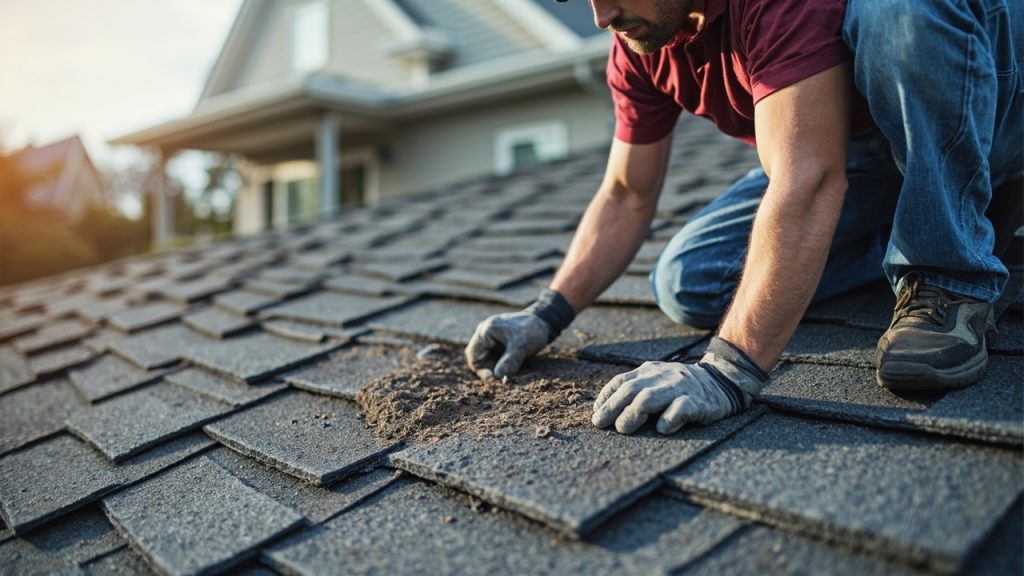
Why Replacing Just a Few Shingles on Your Westlake Home Might Be a Mistake
Living in Westlake means dealing with Cleveland’s notorious weather patterns. Your roof takes a beating from lake effect snow heavy winds and rapid freeze-thaw cycles. When you spot a few missing or damaged shingles it seems logical to just replace those sections right away. But that quick fix could cost you more in the long run.
Many Westlake homeowners discover too late that patching a roof creates more problems than it solves. The decision between repairing a few shingles and replacing your entire roof depends on several critical factors that most people overlook until it is too late.
When Partial Roof Repair Makes Sense
Sometimes a targeted repair works perfectly. If your roof is relatively new under ten years old and the damage is isolated to a small area from a fallen tree branch or windstorm then replacing just those shingles might be the right call.
The key factors that make partial repair viable include:
- Roof age under 10-12 years
- Limited damage area less than 10% of total roof
- High-quality underlayment still intact
- No signs of water damage in attic
- Matching shingle availability
Westlake homes built in the last decade often have architectural shingles that hold up well to Cleveland weather. If your roof falls into this category and the damage is truly minimal you might save significant money with a repair.
Red Flags That Signal Full Replacement Is Necessary
Several warning signs indicate that patching your roof will only delay the inevitable. Missing granules on surrounding shingles suggest advanced aging. When you see bald spots where protective granules have worn away your shingles cannot effectively shed water.
Curling or buckling shingles across multiple roof planes point to ventilation problems. Poor attic airflow causes shingles to overheat and warp. This issue affects your entire roof not just the damaged sections.
Water stains on ceilings or walls mean moisture has already penetrated beyond the surface. By the time you see interior water damage the underlayment and decking likely need replacement too.
Age matters significantly in Cleveland’s climate. Asphalt shingles typically last 20-25 years here compared to 25-30 years in milder regions. If your roof approaches or exceeds 15 years partial repairs become increasingly risky.
How Cleveland’s Climate Makes Partial Repairs Risky
Westlake sits in the path of lake effect snow systems that dump heavy wet snow on your roof. This weight stresses the entire structure not just damaged areas. When you patch one section the surrounding older shingles remain vulnerable to the same stresses.
Freeze-thaw cycles common in Northeast Ohio cause shingles to expand and contract. New replacement shingles do not expand at the same rate as weathered ones creating gaps at the seams. These gaps become entry points for water during spring rains.
High winds off Lake Erie can exceed 60 mph during winter storms. Partial repairs create weak points where wind can get underneath and peel up surrounding shingles. The repair area often fails first during the next big storm.
Humidity levels in summer months promote algae and moss growth. These organisms feed on the organic material in asphalt shingles. When you replace only damaged sections the older surrounding shingles continue deteriorating from biological growth.
The Cost Comparison: Short-Term Savings vs. Long-Term Value
Partial repairs typically cost $300-800 for small areas while full replacements run $8000-15000 for average Westlake homes. The upfront savings seem substantial but the math changes when you factor in longevity.
Consider a 15-year-old roof needing $500 in repairs. Those repairs might last 3-5 years before failing. A $12000 replacement lasts 20+ years. The repair option costs $100-167 per year of service while replacement costs $600-1000 per year but includes a 25-30 year warranty.
Insurance companies often deny claims for secondary damage caused by partial repairs. If water enters through gaps around your patch and damages ceilings or walls your claim might get rejected. Full replacements with proper permits and inspections carry better insurance protection.
Energy efficiency also factors into the equation. Older roofs often lack proper ventilation or insulation. When you replace the entire roof you can upgrade these systems cutting utility bills by 15-30% annually.
Matching Aged Shingles: The Curb Appeal Problem
Even if you find the exact shingle model your roof uses the color will not match. Sun exposure bleaches asphalt shingles over time. A three-year-old shingle looks dramatically different from a ten-year-old one even if they came from the same production batch.
This color mismatch creates visible patches on your roof. From the street these repairs scream amateur work. For Westlake homes where curb appeal affects property values this aesthetic issue matters.
Modern architectural shingles have varied color patterns and textures. Matching this complexity proves nearly impossible years later. Manufacturers discontinue colors regularly making perfect matches unavailable.
Beyond color texture changes too. New shingles have sharp defined edges while aged ones become rounded and brittle. This dimensional difference creates visible lines where repairs meet existing roofing.
Understanding Your Roofing Warranty Implications
Manufacturer warranties cover defects not wear and tear. When you patch a roof the warranty on surrounding shingles often becomes void. Most manufacturers require professional installation of full roof systems to maintain warranty coverage.
Workmanship warranties tell a similar story. Roofing contractors typically offer 5-10 year workmanship warranties on full replacements. Repairs might carry only 1-2 year coverage if any at all.
Insurance companies view partial repairs skeptically. They know these fixes often fail prematurely. Some insurers raise premiums or require documentation showing repairs meet local building codes.
Cuyahoga County building codes restrict the number of shingle layers allowed. You can install new shingles over existing ones only once. If your roof already has two layers patching becomes impossible without full tear-off.
The Cleveland Homeowner’s Decision Framework
Making the right choice requires honest assessment of several factors. Start by examining your roof’s age and overall condition. Look for signs of widespread wear not just the damaged area.
Check your attic during daylight hours. If you see light coming through anywhere besides vents your roof deck has holes. These openings mean water has already compromised the structure.
Consider your timeline for staying in the home. If you plan to sell within five years a new roof often pays for itself in increased property value and buyer confidence.
Factor in the cost of potential water damage. A $500 repair that fails could lead to $5000 in interior repairs. The risk calculation changes dramatically when you include these secondary costs.
Think about energy costs. Older roofs often lack proper ventilation causing your HVAC system to work harder. A full replacement with modern ventilation can reduce cooling costs by 20% in summer months.
Frequently Asked Questions
Can I just replace the damaged shingles myself to save money?
DIY shingle replacement seems simple but often creates more problems. Without proper sealing techniques water can still penetrate around the repair. Plus you void any existing warranties and might violate local building codes.
How long will a partial roof repair last in Cleveland’s climate?
Quality repairs on roofs under 10 years old might last 5-7 years. On older roofs repairs often fail within 2-3 years due to surrounding shingle deterioration and climate stresses.
Will my insurance cover a full roof replacement if only part is damaged?
Insurance typically covers full replacement when damage affects more than 30% of the roof or when matching existing shingles becomes impossible. They prefer uniform coverage to prevent future claims.
What’s the best season for roof replacement in Westlake?
Late spring through early fall offers ideal conditions. Winter installations risk ice dam formation and poor sealant adhesion. Summer heat helps materials seal properly but avoid extreme heat waves.
How can I tell if my underlayment is still good?
Check your attic for water stains or soft spots in the decking. If the roof is over 15 years old the underlayment likely needs replacement regardless of visible shingle condition.
Making Your Final Decision
The choice between patching and replacing ultimately depends on your specific situation. If your roof is young damage is minimal and you plan to stay less than five years a repair might work. But most Westlake homeowners find that investing in a full replacement provides better protection peace of mind and long-term value.
Consider getting professional inspections from multiple contractors. Look for certified installers familiar with Cleveland’s specific challenges. Ask about ventilation upgrades underlayment quality and warranty coverage.
Remember that your roof protects everything inside your home. Cutting corners on roofing often leads to much larger expenses down the road. In Westlake’s climate a properly installed roof is not an expense it is an investment in your home’s future.
Learn more about when your roof needs new plywood sheathing
Discover why replacing skylights during roof work saves money
Read about handling structural issues during roof repairs
{
“@context”: “https://schema.org”,
“@type”: “BlogPosting”,
“headline”: “Why Replacing Just a Few Shingles on Your Westlake Home Might Be a Mistake”,
“description”: “Thinking about patching your Westlake roof? Learn why partial shingle repairs often fail in Cleveland’s harsh climate and when full replacement is the smarter choice.”,
“wordCount”: 1469,
“datePublished”: “2026-05-23T12:49:00.000Z”,
“dateModified”: “2026-05-23T12:49:00.000Z”,
“inLanguage”: “en-US”,
“mainEntityOfPage”: {
“@type”: “WebPage”,
“@id”: “https://alpharoofingcleveland.com”
},
“publisher”: {
“@type”: “LocalBusiness”,
“name”: “Alpha Roofing Cleveland”,
“url”: “https://alpharoofingcleveland.com”
},
“author”: {
“@type”: “Organization”,
“name”: “Alpha Roofing Cleveland”,
“url”: “https://alpharoofingcleveland.com”
},
“image”: {
“@type”: “ImageObject”,
“url”: “https://alpharoofingcleveland.com/wp-content/uploads/2026/03/why-replacing-just-a-few-shingles-on-your-westlake-1.jpg”
}
}
{
“@context”: “https://schema.org”,
“@type”: “RoofingContractor”,
“name”: “Alpha Roofing Cleveland”,
“url”: “https://alpharoofingcleveland.com”,
“address”: {
“@type”: “PostalAddress”,
“addressLocality”: “Cleveland”
},
“areaServed”: {
“@type”: “City”,
“name”: “Cleveland”
}
}
{
“@context”: “https://schema.org”,
“@type”: “FAQPage”,
“mainEntity”: [
{
“@type”: “Question”,
“name”: “Can I just replace the damaged shingles myself to save money?”,
“acceptedAnswer”: {
“@type”: “Answer”,
“text”: “DIY shingle replacement seems simple but often creates more problems. Without proper sealing techniques water can still penetrate around the repair. Plus you void any existing warranties and might violate local building codes.”
}
},
{
“@type”: “Question”,
“name”: “How long will a partial roof repair last in Cleveland’s climate?”,
“acceptedAnswer”: {
“@type”: “Answer”,
“text”: “Quality repairs on roofs under 10 years old might last 5-7 years. On older roofs repairs often fail within 2-3 years due to surrounding shingle deterioration and climate stresses.”
}
},
{
“@type”: “Question”,
“name”: “Will my insurance cover a full roof replacement if only part is damaged?”,
“acceptedAnswer”: {
“@type”: “Answer”,
“text”: “Insurance typically covers full replacement when damage affects more than 30% of the roof or when matching existing shingles becomes impossible. They prefer uniform coverage to prevent future claims.”
}
},
{
“@type”: “Question”,
“name”: “What’s the best season for roof replacement in Westlake?”,
“acceptedAnswer”: {
“@type”: “Answer”,
“text”: “Late spring through early fall offers ideal conditions. Winter installations risk ice dam formation and poor sealant adhesion. Summer heat helps materials seal properly but avoid extreme heat waves.”
}
},
{
“@type”: “Question”,
“name”: “How can I tell if my underlayment is still good?”,
“acceptedAnswer”: {
“@type”: “Answer”,
“text”: “Check your attic for water stains or soft spots in the decking. If the roof is over 15 years old the underlayment likely needs replacement regardless of visible shingle condition.”
}
}
]
}
{
“@context”: “https://schema.org”,
“@type”: “BreadcrumbList”,
“itemListElement”: [
{
“@type”: “ListItem”,
“position”: 1,
“name”: “Home”,
“item”: “https://alpharoofingcleveland.com”
},
{
“@type”: “ListItem”,
“position”: 2,
“name”: “Blog”,
“item”: “https://alpharoofingcleveland.com/blog”
},
{
“@type”: “ListItem”,
“position”: 3,
“name”: “Why Replacing Just a Few Shingles on Your Westlake Home Might Be a Mistake”
}
]
}
{
“@context”: “https://schema.org”,
“@type”: “Service”,
“serviceType”: “Roofing”,
“provider”: {
“@type”: “LocalBusiness”,
“name”: “Alpha Roofing Cleveland”,
“url”: “https://alpharoofingcleveland.com”
},
“areaServed”: {
“@type”: “City”,
“name”: “Cleveland”
},
“description”: “Thinking about patching your Westlake roof? Learn why partial shingle repairs often fail in Cleveland’s harsh climate and when full replacement is the smarter choice.”
}