
Can a cool roof actually lower your AC bills during a hot Cleveland summer?
Walking through downtown Cleveland on a July afternoon you can feel the heat radiating off the pavement and dark roofs around you. That intense warmth drives your air conditioning system to work overtime and sends your energy bills soaring. Cool roofing technology offers a solution by reflecting sunlight and reducing heat absorption. But does it really work in Cleveland’s climate where winters are harsh and summers are humid? Cool Roof Rating Council.
Many Cleveland homeowners and building managers wonder if the investment in a cool roof will actually pay off through lower cooling costs. The answer depends on several factors including your roof’s current condition your building’s design and the specific materials you choose. Let’s examine how cool roofing systems perform in Northeast Ohio’s unique climate and whether they can help you save money during those muggy summer months.
How cool roofing technology works in Cleveland’s climate
Cool roofing works by using materials that reflect more sunlight and absorb less heat than standard roofing products. These materials have high solar reflectance and thermal emittance ratings which means they stay cooler under direct sunlight. In Cleveland where summer temperatures regularly climb into the 80s and 90s this technology can significantly reduce the heat transferred into your building.
The science behind cool roofing involves two key properties. Solar reflectance measures how much sunlight the roof bounces back into the atmosphere. Thermal emittance measures how efficiently the roof releases absorbed heat. Together these properties determine the Solar Reflectance Index or SRI which quantifies a roof’s cooling effectiveness. Cool roofs typically have SRI values above 78 while conventional dark roofs score below 20.
Cleveland’s urban heat island effect makes cool roofing particularly relevant. The city’s dense development and pavement absorb and retain heat creating temperatures several degrees warmer than surrounding rural areas. This phenomenon intensifies during summer heat waves when downtown Cleveland can feel like an oven. Cool roofs help combat this effect by reducing the amount of heat released into the surrounding environment.
Local weather patterns also influence cool roof performance. Cleveland experiences approximately 160 sunny days per year with summer humidity levels often exceeding 70 percent. This combination of heat and moisture means buildings absorb substantial thermal energy through their roofs. A cool roof can reflect up to 65 percent of this solar energy compared to just 15 percent for traditional dark roofing materials.
The effectiveness of cool roofing in Cleveland depends partly on your building’s orientation and surrounding environment. South-facing roofs receive the most direct sunlight while buildings surrounded by other structures may experience more reflected heat from nearby surfaces. Understanding these factors helps determine whether a cool roof will provide maximum benefit for your specific situation.
Energy savings potential for Cleveland homes and businesses
The primary benefit of cool roofing is reduced energy consumption for air conditioning. In Cleveland where cooling season typically runs from June through September homeowners can see significant savings on their electric bills. Studies show cool roofs can reduce cooling energy use by 10 to 30 percent depending on the building’s characteristics and local climate conditions.
For a typical Cleveland home with central air conditioning the savings can be substantial. If your summer electric bill averages $200 per month a cool roof might save you $20 to $60 each month during the cooling season. Over a five-year period these savings could offset a significant portion of your roof replacement costs. Commercial buildings with large roof areas often see even greater returns due to their higher cooling demands.
The actual savings depend on several factors. Your roof’s size and condition the building’s insulation levels and your local utility rates all influence the payback period. Buildings with poor insulation or aging HVAC systems typically see the greatest benefits from cool roofing because they lose the most energy through their roofs.
Beyond direct energy savings cool roofs can extend the life of your air conditioning equipment. When your roof stays cooler your AC doesn’t have to work as hard to maintain comfortable indoor temperatures. This reduced workload means less wear and tear on compressors and other components potentially saving you money on maintenance and replacement costs over time.
Many Cleveland homeowners report additional benefits beyond energy savings. Cooler roof surfaces mean less heat radiating into attic spaces and upper floors. This temperature reduction can make second-story rooms more comfortable during heat waves and reduce the need for additional cooling in those areas. Some residents also notice less expansion and contraction of roofing materials which can extend the overall life of their roof system.
Material options for cool roofing in Northeast Ohio
Cleveland homeowners have several cool roofing material options each with different performance characteristics and price points. Understanding these options helps you choose the best solution for your specific building and budget.
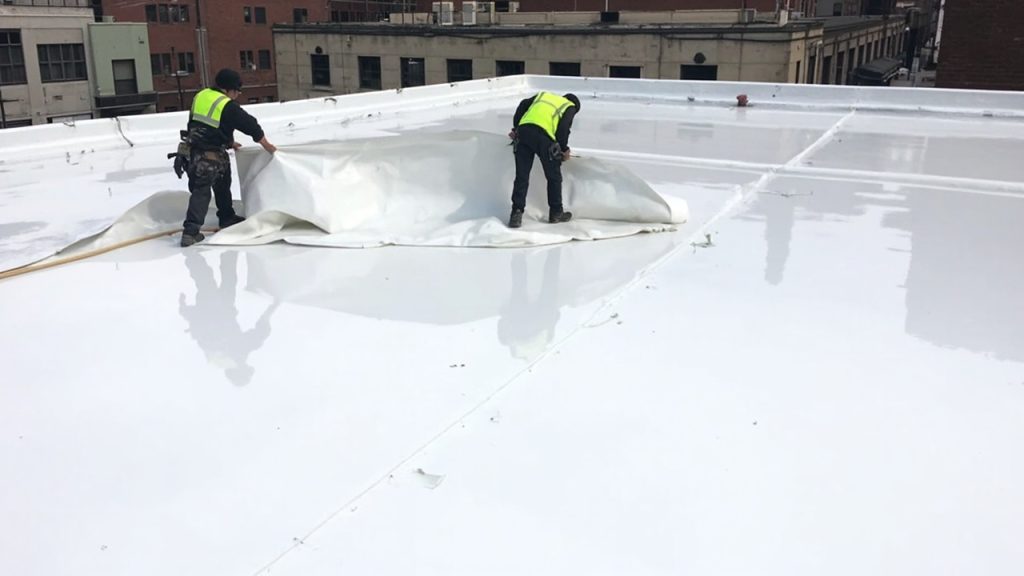
Thermoplastic Polyolefin or TPO roofing offers excellent cool roofing performance for flat and low-slope roofs common in Cleveland’s commercial buildings and some modern homes. TPO membranes reflect up to 78 percent of solar radiation and come in white or light gray colors that maximize cooling benefits. These single-ply membranes also provide good resistance to UV radiation and chemical exposure making them durable in Cleveland’s variable weather conditions.
Polyvinyl Chloride or PVC roofing provides similar benefits to TPO with slightly better chemical resistance. PVC membranes typically reflect 70 to 80 percent of sunlight and offer superior resistance to punctures and tears. This durability makes PVC an excellent choice for Cleveland’s commercial buildings where roof traffic and maintenance activities are common.
Metal roofing with cool coatings represents a premium option for both residential and commercial applications. Modern cool metal roofs use special pigments that reflect infrared radiation while maintaining darker colors if desired. These systems can reflect 25 to 95 percent of solar energy depending on the specific coating and color chosen. Metal roofs also offer exceptional longevity often lasting 40 to 70 years in Cleveland’s climate.
Reflective roof coatings provide a cost-effective retrofit option for existing roofs. These liquid-applied coatings can transform a dark roof into a cool roof for a fraction of the cost of complete replacement. Silicone and acrylic coatings reflect 60 to 85 percent of sunlight and can extend the life of your existing roof by providing an additional protective layer. This option works well for both residential and commercial buildings in Cleveland.
Cool asphalt shingles represent the residential roofing industry’s response to demand for energy-efficient options. These shingles use special granules that reflect more sunlight than traditional dark shingles while maintaining the familiar appearance of asphalt roofing. While not as reflective as white membranes or metal roofing cool shingles can still reduce heat absorption by 20 to 30 percent compared to standard dark shingles.
Addressing the winter heating penalty concern
A common concern about cool roofing in Cleveland is the potential winter heating penalty. Since cool roofs reflect sunlight they also reflect the sun’s warmth during winter months when heating costs are highest. This concern leads many homeowners to wonder if summer cooling savings will be offset by increased winter heating expenses.
Research shows that in Cleveland’s climate the summer cooling savings typically outweigh winter heating penalties. Several factors contribute to this outcome. First Cleveland receives more annual sunlight during summer months than winter months due to both longer days and clearer skies. This means cool roofs provide more cooling benefit during the months when it matters most.
Second Cleveland’s winter sun sits lower in the sky and often hides behind clouds during the coldest months. This reduced solar exposure means cool roofs have less opportunity to reflect beneficial winter heat. Additionally snow cover on roofs during winter months provides natural insulation regardless of the roof’s color or reflectivity.
The building’s insulation also plays a crucial role in determining the winter heating penalty. Well-insulated homes and commercial buildings lose less heat through their roofs regardless of the roofing material. This means the heating penalty becomes less significant as insulation quality improves making cool roofing an even better investment for energy-efficient buildings.
Studies specific to the Great Lakes region including Cleveland show that cool roofs provide net energy savings throughout the year. The summer cooling benefits typically exceed winter heating penalties by a ratio of approximately 3 to 1. This means for every dollar spent on additional winter heating a cool roof saves about three dollars on summer cooling.
For Cleveland’s climate the best approach often involves a balanced strategy. Choosing a cool roof with moderate reflectivity rather than the maximum available can provide good summer performance while minimizing winter heating impacts. Some manufacturers now offer cool roofing products specifically designed for northern climates that optimize this balance.
Local incentives and rebates for cool roofing
Cleveland area homeowners and businesses can take advantage of several financial incentives for installing cool roofing systems. These programs help offset the initial investment and improve the return on your cool roofing project.
The federal government offers tax credits for energy-efficient roofing through the Energy Star program. Roofs that meet specific reflectivity requirements may qualify for a tax credit of up to 10 percent of the material cost up to $500. This credit applies to both residential and commercial properties and can make cool roofing more affordable for Cleveland property owners.
FirstEnergy and Cleveland Public Power offer rebates for energy-efficient building improvements including cool roofing. These utility rebate programs vary by year and specific requirements but can provide several hundred dollars toward your cool roofing project. Some programs require an energy audit before installation while others offer simplified application processes for qualified products.
The State of Ohio offers additional incentives through its energy efficiency programs. The Ohio Department of Development periodically provides grants and low-interest loans for energy-saving building improvements. These state-level incentives can combine with federal tax credits and utility rebates to significantly reduce your out-of-pocket costs for cool roofing.
Commercial property owners in Cleveland may qualify for additional incentives through the city’s sustainability programs. The Cleveland Green Building Incentive Program offers expedited permitting and fee reductions for buildings that meet specific energy efficiency standards. Cool roofing often contributes to these standards making it easier to qualify for these commercial incentives.
Local utility companies also offer technical assistance and energy modeling services to help you understand the potential savings from cool roofing. These services can provide customized payback calculations based on your specific building and energy usage patterns. Some utilities even offer on-bill financing that allows you to pay for your cool roofing project through monthly utility bill savings.
Installation and maintenance considerations
Installing a cool roof in Cleveland requires careful planning and execution to ensure maximum performance and longevity. The installation process varies depending on your chosen material and existing roof condition but several key factors apply to all cool roofing projects.
Timing your installation is crucial in Cleveland’s climate. The best installation window runs from late spring through early fall when temperatures are consistently above 45 degrees Fahrenheit. This temperature requirement ensures proper adhesion and curing of roofing materials. Scheduling your project during this period also minimizes the risk of weather delays that could compromise your roof’s performance.
Proper surface preparation makes a significant difference in cool roof performance. For retrofits over existing roofs the surface must be thoroughly cleaned and repaired before applying cool coatings or membranes. This preparation includes removing dirt debris and loose material repairing any damage and ensuring proper drainage. Skipping these steps can lead to premature failure and reduced energy savings.
Ventilation plays a critical role in cool roof effectiveness. Even the most reflective roof cannot compensate for poor attic ventilation. Cleveland homes with inadequate ventilation may still experience heat buildup regardless of roof color. A comprehensive approach that includes both cool roofing and proper ventilation typically provides the best results.
Maintenance requirements for cool roofs are generally similar to conventional roofing but with some important differences. Cool roof surfaces may show dirt and staining more readily than dark roofs due to their lighter colors. Regular cleaning every 2 to 3 years helps maintain reflectivity and energy performance. However aggressive cleaning methods can damage cool roof coatings so always follow manufacturer recommendations.
Inspection frequency should increase slightly for cool roofs in Cleveland. The freeze-thaw cycles common in Northeast Ohio can cause expansion and contraction that may affect seam integrity and coating adhesion. Annual inspections help identify potential issues before they become major problems. Pay particular attention to areas around penetrations chimneys and valleys where water may collect.
Repair considerations also differ for cool roofs. When patching or repairing cool roof areas matching the original material’s reflectivity is essential to maintain overall system performance. Some manufacturers offer repair kits specifically designed for their cool roofing products while others require complete recoating of affected areas.
Case studies from Cleveland properties
Real-world examples demonstrate how cool roofing performs in Cleveland’s specific conditions. Several local properties have documented their experiences providing valuable insights for property owners considering this investment.
A commercial building in Cleveland’s Warehouse District replaced its aging black EPDM roof with white TPO membrane in 2019. The 25,000 square foot building saw its roof surface temperature drop from 160 degrees to 95 degrees during summer months. Energy monitoring showed a 22 percent reduction in cooling costs during the first year representing annual savings of approximately $8,400. The building owner also reported improved comfort in upper floor offices that previously felt like saunas during heat waves.
A residential property in Lakewood installed cool asphalt shingles on their 1960s ranch home in 2020. The homeowners reported that their second-floor bedrooms stayed noticeably cooler during summer months reducing their reliance on window air conditioners. Their electric bills dropped by an average of $35 per month during the cooling season. The shingles also showed less curling and granule loss than their previous dark shingles suggesting improved durability.
A retail center in North Olmsted retrofitted its dark modified bitumen roof with silicone cool coating in 2021. The 40,000 square foot roof received a reflective coating that restored waterproofing while adding energy-saving properties. Energy modeling predicted 18 percent cooling savings but actual performance exceeded expectations with a 24 percent reduction in summer energy use. The coating also eliminated recurring leak problems at roof seams and penetrations.
A historic home in Shaker Heights faced unique challenges when considering cool roofing. The homeowners wanted to maintain the traditional appearance of their slate roof while gaining energy benefits. They chose a cool roof coating specifically formulated for slate that maintained the natural gray appearance while reflecting 40 percent of solar radiation. Energy monitoring showed 15 percent cooling savings without altering the home’s historic character.
These examples share common themes. All properties saw measurable energy savings exceeding initial projections. The investments paid for themselves through energy savings within 5 to 7 years. Most importantly all owners reported improved comfort and reduced cooling system workload as immediate benefits.
Making the right choice for your Cleveland property
Deciding whether cool roofing makes sense for your Cleveland property requires evaluating several factors specific to your situation. Start by examining your current energy usage patterns and cooling costs. If you spend significantly on air conditioning during summer months cool roofing could provide substantial returns.
Consider your roof’s current condition and remaining lifespan. If your roof needs replacement anyway adding cool roofing features involves minimal additional cost compared to the long-term benefits. However if your roof is relatively new the payback period extends and other energy efficiency improvements might provide better returns.
Evaluate your building’s insulation and ventilation. Cool roofing works best as part of a comprehensive energy efficiency strategy. Improving attic insulation and ventilation before or during cool roof installation maximizes your overall energy savings and comfort improvements.
Think about your property’s specific characteristics. South-facing roofs receive more direct sunlight making cool roofing more beneficial. Buildings surrounded by other structures may experience more reflected heat requiring additional cooling capacity regardless of roof color. Understanding these factors helps you choose the most effective cool roofing solution.
Finally consider your long-term plans for the property. If you plan to stay in your home or own your commercial building for more than five years cool roofing typically provides positive returns. The energy savings continue year after year while the roof protects your building from the elements. For properties you plan to sell soon the energy efficiency improvements may increase market appeal but might not fully recover through the sales price.
Consulting with a local roofing professional familiar with Cleveland’s climate and building codes helps you make the best decision. They can evaluate your specific situation recommend appropriate materials and provide accurate cost estimates. Look for contractors with experience in cool roofing installations and a track record of successful projects in Northeast Ohio.
Frequently Asked Questions
Will a cool roof make my home colder in winter?
Cool roofs do reflect some winter sunlight but the effect is minimal in Cleveland’s climate. The sun sits lower in the sky during winter months and often hides behind clouds when temperatures are coldest. Studies show the summer cooling savings from cool roofs typically outweigh any minor winter heating increases by a ratio of about 3 to 1 in Northeast Ohio.
How much can I expect to save on my AC bills?
Cool roof savings vary by building but typically range from 10 to 30 percent reduction in cooling costs. For a Cleveland home spending $200 monthly on cooling during summer a cool roof might save $20 to $60 per month. Commercial buildings often see greater savings due to their larger roof areas and higher cooling demands.
Are cool roofs more expensive than traditional roofing?
Many cool roofing options cost about the same as comparable traditional materials. Cool asphalt shingles cost similarly to standard shingles while TPO and PVC membranes may cost 10 to 20 percent more than conventional materials. However available rebates and tax credits often offset these additional costs making cool roofing financially neutral or even cost-effective.
Do cool roofs require special maintenance?
Cool roofs need similar maintenance to traditional roofs but may require periodic cleaning to maintain reflectivity. Light-colored surfaces can show dirt more readily than dark surfaces. Cleaning every 2 to 3 years helps maintain energy performance but aggressive cleaning can damage coatings so always follow manufacturer recommendations.
Can I install a cool roof over my existing roof?
Many cool roofing options work as retrofits over existing roofs. Reflective coatings can be applied directly to many roof types while some single-ply membranes can be installed over certain existing roofs. However proper evaluation of your current roof condition is essential. Multiple roof layers may violate local building codes requiring complete removal first.
Will a cool roof help with ice dams in winter?
Cool roofs can actually help reduce ice dam formation by keeping roof surfaces colder during winter. When roofs stay cold snow melts more slowly and refreezes gradually reducing the likelihood of ice dam formation. However proper attic insulation and ventilation remain the most important factors in preventing ice dams in Cleveland’s climate.
- Evaluate Your Current Roof
Check your roof’s age condition and remaining lifespan. Cool roofing makes the most sense when you need replacement anyway or your roof is near the end of its useful life.
- Analyze Your Energy Usage
Review your summer cooling bills to understand your current costs. Properties with high cooling expenses typically see the greatest returns from cool roofing investments.
- Explore Material Options
Research cool roofing materials that fit your building type and budget. TPO works well for flat roofs while cool shingles suit sloped residential roofs. Metal roofing offers premium performance for both applications.
- Check Available Incentives
Research federal tax credits utility rebates and state incentives for cool roofing. These programs can significantly reduce your out-of-pocket costs and improve your return on investment.
- Consult Local Experts
Work with Cleveland roofing contractors experienced in cool roofing installations. They understand local climate conditions building codes and can recommend the best solutions for your specific situation.
Taking the next step toward energy savings
Understanding how cool roofing can lower your AC bills during a hot Cleveland summer is just the beginning. The next step is getting a professional evaluation of your specific property to determine which cool roofing options make the most sense for your situation.
Local roofing contractors familiar with Cleveland’s unique climate can provide detailed assessments including energy modeling payback calculations and material recommendations. They can also help you navigate available incentives and ensure your installation meets all local building code requirements.
Don’t wait until your next energy bill arrives to take action. Contact a qualified Cleveland roofing professional today to schedule your cool roof consultation. The combination of rising energy costs and available incentives makes this an ideal time to invest in energy-efficient roofing that will keep your building cooler and your AC bills lower for years to come.
Your cooler more comfortable future starts with a single phone call. Reach out now to learn how cool roofing can transform your Cleveland property’s energy performance and comfort level during those sweltering summer months.
{
“@context”: “https://schema.org”,
“@type”: “BlogPosting”,
“headline”: “Can a cool roof actually lower your AC bills during a hot Cleveland summer?”,
“description”: “Discover how cool roofing systems reduce AC costs in Cleveland’s urban heat island. Learn about energy savings, material options, and local rebates for Northeast Ohio homes.”,
“wordCount”: 3497,
“datePublished”: “2026-04-16T13:36:00.000Z”,
“dateModified”: “2026-04-16T13:36:00.000Z”,
“inLanguage”: “en-US”,
“mainEntityOfPage”: {
“@type”: “WebPage”,
“@id”: “https://alpharoofingcleveland.com”
},
“publisher”: {
“@type”: “LocalBusiness”,
“name”: “Alpha Roofing Cleveland”,
“url”: “https://alpharoofingcleveland.com”
},
“author”: {
“@type”: “Organization”,
“name”: “Alpha Roofing Cleveland”,
“url”: “https://alpharoofingcleveland.com”
},
“image”: {
“@type”: “ImageObject”,
“url”: “https://alpharoofingcleveland.com/wp-content/uploads/2026/03/can-a-cool-roof-actually-lower-your-ac-bills-durin-1.jpg”
}
}
{
“@context”: “https://schema.org”,
“@type”: “RoofingContractor”,
“name”: “Alpha Roofing Cleveland”,
“url”: “https://alpharoofingcleveland.com”,
“address”: {
“@type”: “PostalAddress”,
“addressLocality”: “Cleveland”
},
“areaServed”: {
“@type”: “City”,
“name”: “Cleveland”
}
}
{
“@context”: “https://schema.org”,
“@type”: “FAQPage”,
“mainEntity”: [
{
“@type”: “Question”,
“name”: “Will a cool roof make my home colder in winter?”,
“acceptedAnswer”: {
“@type”: “Answer”,
“text”: “Cool roofs do reflect some winter sunlight but the effect is minimal in Cleveland’s climate. The sun sits lower in the sky during winter months and often hides behind clouds when temperatures are coldest. Studies show the summer cooling savings from cool roofs typically outweigh any minor winter heating increases by a ratio of about 3 to 1 in Northeast Ohio.”
}
},
{
“@type”: “Question”,
“name”: “How much can I expect to save on my AC bills?”,
“acceptedAnswer”: {
“@type”: “Answer”,
“text”: “Cool roof savings vary by building but typically range from 10 to 30 percent reduction in cooling costs. For a Cleveland home spending $200 monthly on cooling during summer a cool roof might save $20 to $60 per month. Commercial buildings often see greater savings due to their larger roof areas and higher cooling demands.”
}
},
{
“@type”: “Question”,
“name”: “Are cool roofs more expensive than traditional roofing?”,
“acceptedAnswer”: {
“@type”: “Answer”,
“text”: “Many cool roofing options cost about the same as comparable traditional materials. Cool asphalt shingles cost similarly to standard shingles while TPO and PVC membranes may cost 10 to 20 percent more than conventional materials. However available rebates and tax credits often offset these additional costs making cool roofing financially neutral or even cost-effective.”
}
},
{
“@type”: “Question”,
“name”: “Do cool roofs require special maintenance?”,
“acceptedAnswer”: {
“@type”: “Answer”,
“text”: “Cool roofs need similar maintenance to traditional roofs but may require periodic cleaning to maintain reflectivity. Light-colored surfaces can show dirt more readily than dark surfaces. Cleaning every 2 to 3 years helps maintain energy performance but aggressive cleaning can damage coatings so always follow manufacturer recommendations.”
}
},
{
“@type”: “Question”,
“name”: “Can I install a cool roof over my existing roof?”,
“acceptedAnswer”: {
“@type”: “Answer”,
“text”: “Many cool roofing options work as retrofits over existing roofs. Reflective coatings can be applied directly to many roof types while some single-ply membranes can be installed over certain existing roofs. However proper evaluation of your current roof condition is essential. Multiple roof layers may violate local building codes requiring complete removal first.”
}
},
{
“@type”: “Question”,
“name”: “Will a cool roof help with ice dams in winter?”,
“acceptedAnswer”: {
“@type”: “Answer”,
“text”: “Cool roofs can actually help reduce ice dam formation by keeping roof surfaces colder during winter. When roofs stay cold snow melts more slowly and refreezes gradually reducing the likelihood of ice dam formation. However proper attic insulation and ventilation remain the most important factors in preventing ice dams in Cleveland’s climate.”
}
}
]
}
{
“@context”: “https://schema.org”,
“@type”: “HowTo”,
“name”: “How to Choose a Cool Roof”,
“step”: [
{
“@type”: “HowToStep”,
“position”: 1,
“name”: “Evaluate Your Current Roof”,
“text”: “Check your roof’s age condition and remaining lifespan. Cool roofing makes the most sense when you need replacement anyway or your roof is near the end of its useful life.”
},
{
“@type”: “HowToStep”,
“position”: 2,
“name”: “Analyze Your Energy Usage”,
“text”: “Review your summer cooling bills to understand your current costs. Properties with high cooling expenses typically see the greatest returns from cool roofing investments.”
},
{
“@type”: “HowToStep”,
“position”: 3,
“name”: “Explore Material Options”,
“text”: “Research cool roofing materials that fit your building type and budget. TPO works well for flat roofs while cool shingles suit sloped residential roofs. Metal roofing offers premium performance for both applications.”
},
{
“@type”: “HowToStep”,
“position”: 4,
“name”: “Check Available Incentives”,
“text”: “Research federal tax credits utility rebates and state incentives for cool roofing. These programs can significantly reduce your out-of-pocket costs and improve your return on investment.”
},
{
“@type”: “HowToStep”,
“position”: 5,
“name”: “Consult Local Experts”,
“text”: “Work with Cleveland roofing contractors experienced in cool roofing installations. They understand local climate conditions building codes and can recommend the best solutions for your specific situation.”
}
],
“image”: “https://alpharoofingcleveland.com/wp-content/uploads/2026/03/can-a-cool-roof-actually-lower-your-ac-bills-durin-1.jpg”
}
{
“@context”: “https://schema.org”,
“@type”: “BreadcrumbList”,
“itemListElement”: [
{
“@type”: “ListItem”,
“position”: 1,
“name”: “Home”,
“item”: “https://alpharoofingcleveland.com”
},
{
“@type”: “ListItem”,
“position”: 2,
“name”: “Blog”,
“item”: “https://alpharoofingcleveland.com/blog”
},
{
“@type”: “ListItem”,
“position”: 3,
“name”: “Can a cool roof actually lower your AC bills during a hot Cleveland summer?”
}
]
}
{
“@context”: “https://schema.org”,
“@type”: “Service”,
“serviceType”: “Roofing”,
“provider”: {
“@type”: “LocalBusiness”,
“name”: “Alpha Roofing Cleveland”,
“url”: “https://alpharoofingcleveland.com”
},
“areaServed”: {
“@type”: “City”,
“name”: “Cleveland”
},
“description”: “Discover how cool roofing systems reduce AC costs in Cleveland’s urban heat island. Learn about energy savings, material options, and local rebates for Northeast Ohio homes.”
}
For more information, visit Energy.gov cool roof guide.