
Choosing the Right Roofing Texture to Complement a Traditional Tudor Home in Lee-Harvard
When you own a Tudor-style home in Lee-Harvard the roof does more than protect your house. It defines the character. Steep gables half-timbering and decorative gables demand a roofing material that enhances the historic aesthetic while standing up to Cleveland’s harsh winters and humid summers.
Why Tudor Homes Need Specialized Roofing
Tudor architecture features dramatic rooflines with multiple steep pitches. These designs create valleys and dormers that standard roofing methods struggle to seal properly. The complex geometry requires expert installation to prevent ice damming and water infiltration. In Lee-Harvard where Lake Erie weather brings heavy snow and strong winds your Tudor roof faces constant stress.
Traditional Material Options for Tudor Homes
Natural Slate Roofing
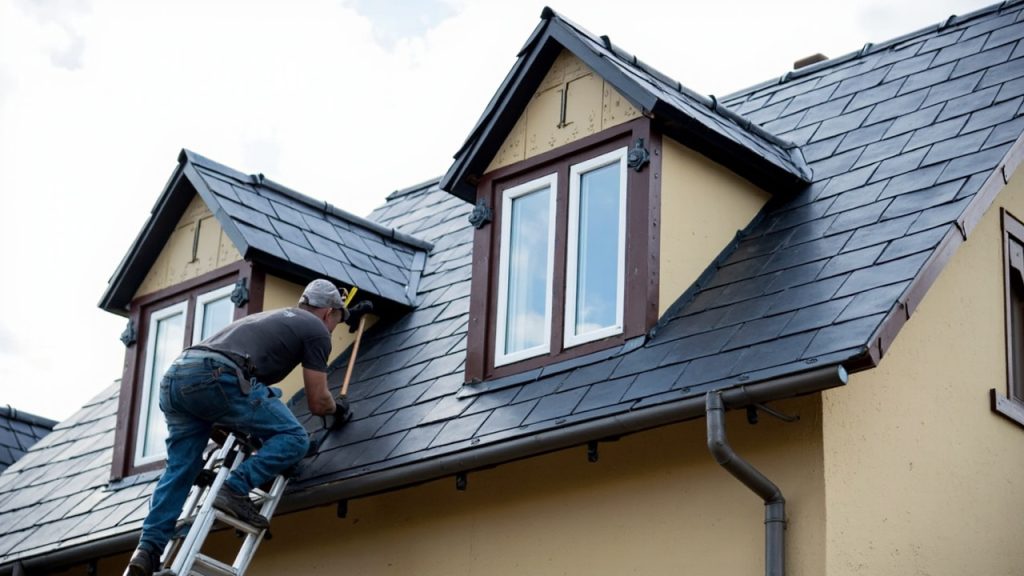
Natural slate offers the most authentic look for Tudor homes. The thick stone tiles in dark gray green or purple complement the half-timbered facades. Slate lasts 75 to 100 years when properly installed. The weight requires reinforced roof framing. In Cleveland’s freeze-thaw cycles slate performs exceptionally well resisting cracking and delamination.
Cedar Shake Shingles
Cedar shakes provide a warm rustic appearance that matches Tudor half-timbering. The textured surface creates shadow lines that enhance the architectural depth. Cedar naturally resists insects and rot when treated with preservatives. In Lee-Harvard’s humid climate cedar requires regular cleaning to prevent moss growth. The shakes typically last 20 to 30 years.
Clay and Concrete Tiles
Clay tiles in barrel or flat profiles offer Mediterranean charm that works with certain Tudor variations. The curved shapes create distinctive shadow patterns. Concrete tiles provide similar aesthetics at lower cost. Both materials handle Cleveland’s weather well when properly installed with adequate underlayment.
Modern Alternatives That Capture Tudor Character
Architectural Asphalt Shingles
High-quality architectural shingles can mimic slate or wood textures at a fraction of the cost. The dimensional profiles create depth and shadow. Look for shingles with 30 to 50 year warranties. Modern manufacturing produces textures that closely resemble natural materials. The lighter weight eliminates the need for structural reinforcement.
Synthetic Slate and Shake Products
Synthetic materials made from recycled rubber or plastic offer authentic Tudor textures with superior durability. These products resist impact from hail and falling branches. They install like traditional shingles but provide the appearance of natural slate or cedar. The materials often carry 50 year warranties and perform well in Cleveland’s extreme weather.
Comparing Roofing Textures for Tudor Homes
| Material | Authentic Appearance | Lifespan | Cost Range | Weight Impact |
|---|---|---|---|---|
| Natural Slate | Excellent | 75-100 years | $$$-$$$$ | Heavy – may need reinforcement |
| Cedar Shakes | Very Good | 20-30 years | $$-$$$ | Moderate |
| Architectural Asphalt | Good | 25-50 years | $-$$ | Light |
| Synthetic Slate | Excellent | 40-50 years | $$$-$$$$ | Light |
Lee-Harvard Specific Considerations
Lee-Harvard sits in a transition zone between the inner-ring suburbs and the outer suburbs. The area experiences Lake Erie’s full weather impact. Winter brings heavy snow accumulation that stresses roof structures. Spring and fall see intense rainfall that tests flashing systems. Summer humidity promotes algae and moss growth on textured surfaces.
The neighborhood features many Tudor homes built in the 1920s and 1930s. These houses often have original slate or cedar roofs that need replacement. Local building codes require ice and water shield underlayment in all valleys and along eaves. The material must extend 24 inches past the exterior wall line.
Installation Challenges for Tudor Roofs
Steep pitches create safety concerns during installation. Roofers need specialized equipment and training to work safely on 12:12 or 14:12 slopes. The multiple dormers and gables create numerous valleys where water concentrates. Each valley requires careful flashing to prevent leaks.
The decorative half-timbering often extends above the roofline. This creates areas where snow and ice can accumulate against vertical surfaces. Proper detailing prevents moisture damage to the wood framing. Copper flashing provides long-term protection in these vulnerable areas.
Maintenance Requirements by Material
Slate Roof Maintenance
Slate requires minimal maintenance beyond periodic inspections. Check for cracked or missing tiles after severe storms. Clean debris from valleys to prevent water backup. The heavy material resists wind damage but individual tiles can break from impact.
Cedar Shake Maintenance
Cedar needs annual cleaning to remove moss and algae. Treat with wood preservatives every 3 to 5 years. Replace individual shakes that show rot or splitting. The natural material requires more attention than synthetic alternatives but rewards with authentic character.
Asphalt and Synthetic Maintenance
Modern materials need occasional cleaning and debris removal. Check flashing seals around chimneys and vents annually. The synthetic products resist biological growth but still benefit from occasional washing to maintain appearance.
Cost Factors for Tudor Roof Replacement
Material costs vary significantly. Natural slate costs 3 to 5 times more than quality asphalt shingles. Cedar shakes fall in the middle range. Synthetic products often cost slightly more than premium asphalt but less than natural materials.
Labor costs increase for Tudor roofs due to complexity. Steep slopes slow installation. Multiple valleys and dormers require extra flashing and detailing. The total project cost often exceeds standard roof replacement by 20 to 40 percent.
Energy Efficiency Considerations
Roof color affects energy performance. Dark slate absorbs heat in winter but increases cooling costs in summer. Light colored materials reflect solar radiation. Modern synthetic products often include reflective granules that reduce heat gain.
Proper attic ventilation prevents moisture buildup and extends roof life. The steep Tudor rooflines create challenges for achieving balanced airflow. Ridge vents and soffit vents work together to create natural convection.
Local Climate Impact on Material Selection
Cleveland’s climate demands specific material properties. Freeze-thaw cycles cause expansion and contraction. Materials must accommodate movement without cracking. Wind resistance becomes critical during Lake Erie storms. Impact resistance protects against hail and debris.
Humidity promotes biological growth on textured surfaces. Materials with smooth surfaces resist moss and algae better than heavily textured options. Some modern products include antimicrobial additives that prevent growth.
Historical Preservation Guidelines
Some Lee-Harvard neighborhoods have historical preservation guidelines. These may restrict material choices to maintain architectural authenticity. Check with local historic boards before selecting replacement materials. They often require materials that match original specifications.
The guidelines may affect installation methods. Historical districts sometimes mandate specific flashing details or prohibit certain modern materials. Work with contractors experienced in historic preservation to navigate these requirements.
Making the Right Choice for Your Tudor Home
Consider your priorities when selecting roofing texture. Authenticity matters most for historically significant homes. Budget constraints may point toward modern alternatives. Maintenance willingness affects long-term satisfaction. Climate performance ensures lasting protection.
Visit nearby Tudor homes to see different materials in person. Notice how they age and perform over time. Talk with neighbors about their experiences. The right choice balances aesthetics performance and practicality for your specific situation.
Professional Installation Matters
Tudor roofs require specialized expertise. Not all roofing contractors understand the unique challenges. Look for experience with steep-slope installations and historic homes. Ask for references from similar projects in Lee-Harvard and surrounding areas.
Proper installation prevents future problems. Incorrect flashing leads to leaks. Inadequate underlayment causes ice damming. Poor ventilation shortens roof life. Choose contractors who understand these specific issues.
Long-Term Value Considerations
Quality roofing protects your home investment. The right material enhances curb appeal and maintains property value. Durable materials reduce long-term costs despite higher initial prices. Energy efficient options lower utility bills.
Consider resale value when making decisions. Tudor homes with appropriate roofing command premium prices. Buyers recognize quality materials and proper installation. The investment pays dividends when selling your home.
Final Recommendations
For most Lee-Harvard Tudor homes synthetic slate or high-quality architectural shingles offer the best balance. They provide authentic Tudor appearance with modern performance. The materials handle Cleveland’s weather well and require minimal maintenance.
If budget allows natural slate delivers unmatched authenticity and longevity. Cedar shakes work well for homeowners who enjoy maintenance and want natural materials. Choose based on your priorities budget and willingness to maintain the roof.
Remember that your Tudor roof serves as both protection and decoration. The right texture complements your home’s historic character while providing reliable shelter for decades to come.
Frequently Asked Questions
What is the best roofing material for a Tudor home in Cleveland?
Synthetic slate or high-quality architectural shingles offer the best combination of Tudor appearance and Cleveland weather resistance. Natural slate provides the most authentic look but costs significantly more.
How long do Tudor-style roofs typically last?
Lifespan varies by material. Natural slate lasts 75 to 100 years. Cedar shakes last 20 to 30 years. Quality architectural shingles last 25 to 50 years. Synthetic materials typically last 40 to 50 years.
Are Tudor roofs more expensive than standard roofs?
Yes Tudor roofs typically cost 20 to 40 percent more than standard roofs. The complexity of steep pitches multiple valleys and dormers increases labor costs. Premium materials also cost more than basic options.
Do I need special permits for Tudor roof replacement in Lee-Harvard?
Most roof replacements require standard building permits. Historical districts may have additional requirements. Check with the Cuyahoga County Building Department for specific requirements in your area. EPA WaterSense.
How do I maintain a Tudor roof in Cleveland’s climate?
Annual inspections prevent major problems. Clean debris from valleys and gutters. Check flashing seals around chimneys and dormers. Address moss or algae growth promptly. Professional inspections every 2 to 3 years catch issues early.
Ready to Transform Your Tudor Home’s Roof
Your Tudor home deserves roofing that honors its historic character while protecting against Cleveland’s challenging weather. The right texture enhances your home’s beauty and provides decades of reliable protection.
Don’t wait until leaks or damage force an emergency replacement. Schedule a professional roof assessment today. We’ll evaluate your current roof condition discuss material options and provide a detailed plan for your Tudor home.
Call us now at [PHONE NUMBER] or visit our website to schedule your free Tudor roof consultation. Your home’s character and protection deserve expert attention from contractors who understand historic architecture and Cleveland’s unique climate challenges.
Take the first step toward a beautiful durable roof that complements your Tudor home’s timeless appeal. Your neighbors will notice the difference and you’ll enjoy peace of mind knowing your home has proper protection for years to come.
{
“@context”: “https://schema.org”,
“@type”: “BlogPosting”,
“headline”: “Choosing the Right Roofing Texture to Complement a Traditional Tudor Home in Lee-Harvard”,
“description”: “Discover the best roofing textures for Tudor homes in Lee-Harvard. Expert guide to slate, cedar shakes, and asphalt options that preserve your home’s historic charm.”,
“wordCount”: 1679,
“datePublished”: “2026-02-10T07:00:00.000Z”,
“dateModified”: “2026-02-10T07:00:00.000Z”,
“inLanguage”: “en-US”,
“mainEntityOfPage”: {
“@type”: “WebPage”,
“@id”: “https://alpharoofingcleveland.com”
},
“publisher”: {
“@type”: “LocalBusiness”,
“name”: “Alpha Roofing Cleveland”,
“url”: “https://alpharoofingcleveland.com”
},
“author”: {
“@type”: “Organization”,
“name”: “Alpha Roofing Cleveland”,
“url”: “https://alpharoofingcleveland.com”
},
“image”: {
“@type”: “ImageObject”,
“url”: “https://alpharoofingcleveland.com/wp-content/uploads/2026/03/choosing-the-right-roofing-texture-to-complement-a-1.jpg”
}
}
{
“@context”: “https://schema.org”,
“@type”: “RoofingContractor”,
“name”: “Alpha Roofing Cleveland”,
“url”: “https://alpharoofingcleveland.com”,
“address”: {
“@type”: “PostalAddress”,
“addressLocality”: “Cleveland”
},
“areaServed”: {
“@type”: “City”,
“name”: “Cleveland”
}
}
{
“@context”: “https://schema.org”,
“@type”: “FAQPage”,
“mainEntity”: [
{
“@type”: “Question”,
“name”: “What is the best roofing material for a Tudor home in Cleveland?”,
“acceptedAnswer”: {
“@type”: “Answer”,
“text”: “Synthetic slate or high-quality architectural shingles offer the best combination of Tudor appearance and Cleveland weather resistance. Natural slate provides the most authentic look but costs significantly more.”
}
},
{
“@type”: “Question”,
“name”: “How long do Tudor-style roofs typically last?”,
“acceptedAnswer”: {
“@type”: “Answer”,
“text”: “Lifespan varies by material. Natural slate lasts 75 to 100 years. Cedar shakes last 20 to 30 years. Quality architectural shingles last 25 to 50 years. Synthetic materials typically last 40 to 50 years.”
}
},
{
“@type”: “Question”,
“name”: “Are Tudor roofs more expensive than standard roofs?”,
“acceptedAnswer”: {
“@type”: “Answer”,
“text”: “Yes Tudor roofs typically cost 20 to 40 percent more than standard roofs. The complexity of steep pitches multiple valleys and dormers increases labor costs. Premium materials also cost more than basic options.”
}
},
{
“@type”: “Question”,
“name”: “Do I need special permits for Tudor roof replacement in Lee-Harvard?”,
“acceptedAnswer”: {
“@type”: “Answer”,
“text”: “Most roof replacements require standard building permits. Historical districts may have additional requirements. Check with the Cuyahoga County Building Department for specific requirements in your area.”
}
},
{
“@type”: “Question”,
“name”: “How do I maintain a Tudor roof in Cleveland’s climate?”,
“acceptedAnswer”: {
“@type”: “Answer”,
“text”: “Annual inspections prevent major problems. Clean debris from valleys and gutters. Check flashing seals around chimneys and dormers. Address moss or algae growth promptly. Professional inspections every 2 to 3 years catch issues early.”
}
}
]
}
{
“@context”: “https://schema.org”,
“@type”: “BreadcrumbList”,
“itemListElement”: [
{
“@type”: “ListItem”,
“position”: 1,
“name”: “Home”,
“item”: “https://alpharoofingcleveland.com”
},
{
“@type”: “ListItem”,
“position”: 2,
“name”: “Blog”,
“item”: “https://alpharoofingcleveland.com/blog”
},
{
“@type”: “ListItem”,
“position”: 3,
“name”: “Choosing the Right Roofing Texture to Complement a Traditional Tudor Home in Lee-Harvard”
}
]
}
{
“@context”: “https://schema.org”,
“@type”: “Service”,
“serviceType”: “Roofing”,
“provider”: {
“@type”: “LocalBusiness”,
“name”: “Alpha Roofing Cleveland”,
“url”: “https://alpharoofingcleveland.com”
},
“areaServed”: {
“@type”: “City”,
“name”: “Cleveland”
},
“description”: “Discover the best roofing textures for Tudor homes in Lee-Harvard. Expert guide to slate, cedar shakes, and asphalt options that preserve your home’s historic charm.”
}
For more information, visit FEMA.