
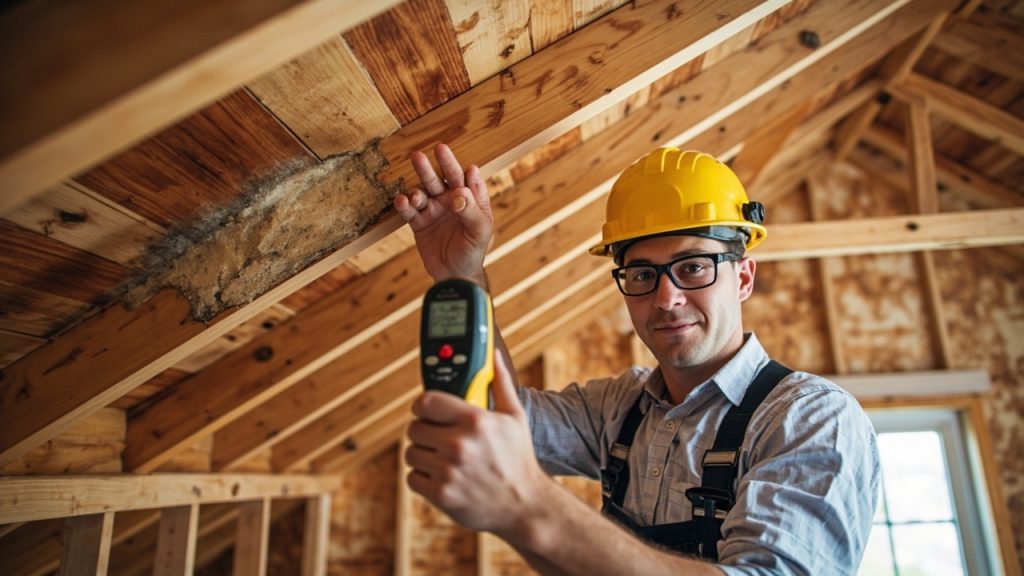
Does High Humidity Near Lake Erie Actually Rot Your Roof Plywood
Living near Lake Erie means Cleveland homeowners face unique challenges that many other regions simply do not experience. The constant moisture in the air creates conditions where roof plywood can deteriorate faster than you might expect. Understanding how humidity affects your roof is the first step to protecting your home from costly damage.
Why Cleveland’s Humidity Creates Special Problems for Your Roof
The air near Lake Erie holds more moisture than inland areas especially during summer months. This moisture does not just stay outside. It finds its way into your attic through small gaps and vents. Once inside the warm attic air meets cooler surfaces and condensation forms. This cycle repeats day after day creating the perfect environment for wood rot.
Cleveland experiences some of the highest dew points in Ohio. When the outdoor air reaches seventy five percent humidity or higher the moisture can penetrate building materials. Your roof plywood becomes a sponge absorbing water from the surrounding air. Over time this constant exposure weakens the wood fibers causing them to break down.
The problem gets worse in older homes common in neighborhoods like Lakewood and Rocky River. These houses often lack proper vapor barriers and modern ventilation systems. The original builders did not anticipate today’s humidity levels or the need for specialized attic airflow.
Warning Signs Your Roof Plywood May Be Rotting
Detecting early signs of plywood rot can save you thousands in repair costs. Look for these indicators in your attic and on your roof surface. EPA ventilation guidelines.
- Sagging or soft spots when walking on the roof surface
- Mold or mildew growth on attic rafters and sheathing
- Damp insulation that never seems to dry out
- Dark water stains on ceiling drywall inside your home
- Shingles that appear warped or have lost their granules
- A musty odor coming from your attic space
Many homeowners in Parma and North Olmsted discover the problem only after a heavy rain reveals a leak. By then the damage often extends beyond just the plywood to include rafters and insulation.
The Science Behind Attic Condensation in Cleveland
Attic condensation occurs when warm moist air meets cold surfaces. During Cleveland winters your attic can be much warmer than the outside air. This temperature difference causes water vapor to condense on the underside of your roof deck. The moisture then drips onto insulation and rafters creating ideal conditions for rot.
Modern building science recommends specific ventilation ratios to prevent this problem. For every one hundred square feet of attic floor space you need at least one square foot of net free ventilation area. This means intake vents at the soffits and exhaust vents near the roof peak work together to create continuous airflow.
Many homes in Cleveland’s older suburbs were built before these standards existed. The result is trapped moisture that cannot escape leading to accelerated wood deterioration.
Common Causes of Humidity Damage in Cleveland Homes
Several factors contribute to humidity damage in the Cleveland area. Understanding these causes helps you identify problems before they become severe.
Kitchen and bathroom exhaust fans that vent into the attic instead of outside add moisture directly to your attic space. Each shower or cooking session releases water vapor that needs to escape your home. When these fans terminate in the attic the moisture has nowhere to go but into your roof structure.
Blocked soffit vents from insulation or debris prevent fresh air from entering your attic. Without proper intake airflow the exhaust vents cannot function correctly. This creates negative pressure that pulls moist air from your living space into the attic.
Ice dams common in Cleveland winters also contribute to moisture problems. When snow melts on a warm roof and refreezes at the eaves it creates a barrier. Water backs up under shingles and can penetrate your roof deck. The constant freeze thaw cycle expands and contracts the wood causing additional stress.
How to Prevent Humidity Damage to Your Roof Plywood
Preventing humidity damage requires a comprehensive approach to your home’s ventilation and moisture control. Start with these proven strategies.
Install proper ridge vents along the peak of your roof. These vents allow hot moist air to escape continuously. Pair them with soffit vents to create the natural convection current that removes moisture from your attic year round.
Add a vapor barrier on the warm side of your attic floor. This plastic sheeting prevents moisture from your living space from migrating into the attic. Make sure all penetrations for light fixtures and vents are properly sealed.
Upgrade your bathroom and kitchen exhaust fans to models with higher cubic feet per minute ratings. Ensure these fans vent directly outside through insulated ducts. Never allow exhaust to terminate in the attic space.
Consider installing a whole house dehumidifier if your home consistently shows high humidity levels. These units can remove gallons of moisture from the air each day preventing it from reaching your attic.
When to Replace Rotted Roof Plywood
Sometimes prevention comes too late and you discover extensive plywood rot during a roof inspection. Knowing when replacement is necessary helps you make informed decisions about your home’s maintenance.
Replace plywood that feels soft or spongy when pressed with a screwdriver. Wood that has lost its structural integrity cannot support the weight of new roofing materials. Also replace any plywood showing signs of fungal growth or extensive water staining.
The cost of plywood replacement varies based on your roof’s size and the extent of damage. A typical Cleveland home might need between five hundred and one thousand square feet of new sheathing. Factor in the cost of removing old materials and installing new plywood when budgeting for your project.
Many homeowners in Seven Hills and Broadview Heights choose to replace their entire roof when they discover plywood rot. This approach ensures all damaged materials are removed and provides an opportunity to upgrade ventilation systems at the same time.
Local Building Codes and Humidity Requirements
Cuyahoga County and the city of Cleveland have specific building code requirements for roof ventilation and moisture control. These codes exist because local officials understand the unique challenges posed by Lake Erie’s climate.
Current Ohio building codes require minimum ventilation ratios based on your attic’s square footage. The code also mandates ice and water shield installation in areas prone to ice damming. This protective membrane extends from the roof edge up the slope at least twenty four inches past the interior wall line.
Local roofing contractors must pull permits for any work involving structural changes to your roof. This includes plywood replacement and ventilation upgrades. The permit process ensures your project meets current safety standards and building code requirements.
Comparing Roofing Materials for Humid Climates
Not all roofing materials handle Cleveland’s humidity equally well. Understanding the strengths and weaknesses of each option helps you make the best choice for your home.
| Material | Humidity Resistance | Lifespan in Cleveland | Cost per Square |
|---|---|---|---|
| Asphalt Shingles | Moderate | 15-25 years | $350-550 |
| Metal Roofing | Excellent | 40-70 years | $600-900 |
| Concrete Tiles | Very Good | 30-50 years | $450-750 |
| Slate Roofing | Excellent | 75-100 years | $800-1500 |
Asphalt shingles remain the most popular choice in Cleveland due to their affordability and ease of installation. However they require more frequent replacement in humid environments. Metal roofing offers superior moisture resistance but comes with a higher upfront cost.
Professional Inspection and Maintenance
Regular professional inspections can catch humidity damage before it becomes severe. A qualified roofing contractor will check your attic for signs of moisture problems and assess your ventilation system’s effectiveness.
Schedule inspections twice yearly once in spring after winter weather and again in fall before snow arrives. These seasonal checks help identify problems caused by freeze thaw cycles and summer humidity.
Professional contractors use moisture meters to detect hidden water in your roof deck. They also check for proper ventilation airflow using smoke pencils or similar tools. These diagnostic tests reveal problems that are not visible to the untrained eye.
Many Cleveland roofing companies offer maintenance plans that include regular inspections and minor repairs. These plans often pay for themselves by preventing major damage from undetected moisture problems.
Case Study: Humidity Damage in a Lakewood Colonial
A recent project in Lakewood illustrates how humidity can damage roof plywood over time. The homeowners noticed a small water stain on their ceiling but assumed it was from an old leak that had been repaired.
During a routine inspection the roofing contractor discovered extensive plywood rot in the attic. The original ventilation system had been inadequate for decades. Kitchen and bathroom fans vented into the attic space adding moisture continuously.
The repair required removing the entire roof surface and replacing over six hundred square feet of rotted plywood. The project also included installing new ridge vents and ensuring all exhaust fans vented directly outside. The total cost exceeded fifteen thousand dollars but prevented further structural damage to the home.
This case demonstrates how humidity damage can remain hidden for years before causing visible problems inside your home.
Frequently Asked Questions
How long does it take for humidity to rot roof plywood?
The timeline varies based on moisture levels and ventilation quality. In severe cases plywood can begin deteriorating within five to seven years. Most homes show significant damage after ten to fifteen years of poor moisture control.
Can I repair rotted plywood or must I replace it?
Minor damage might be repaired with wood filler or epoxy but this is usually a temporary fix. Once plywood loses structural integrity replacement is the only safe long term solution.
Does homeowners insurance cover humidity damage?
Most standard policies exclude damage from long term moisture exposure and neglect. Insurance typically covers sudden damage from events like storms but not gradual deterioration from humidity.
How much does plywood replacement cost in Cleveland?
Prices range from eight to fifteen dollars per square foot installed depending on roof complexity and accessibility. A typical Cleveland home might spend between three thousand and eight thousand dollars for complete plywood replacement.
What ventilation improvements offer the best return on investment?
Ridge vent and soffit vent systems provide the highest return by creating continuous airflow. These improvements typically cost between one thousand and three thousand dollars but can extend your roof’s life by ten years or more.
Protecting Your Investment
Your roof represents one of the largest investments in your home. In Cleveland’s humid climate near Lake Erie protecting that investment requires understanding how moisture affects building materials and taking proactive steps to prevent damage.
Start with a professional inspection to assess your current ventilation system and check for existing moisture problems. Address any issues you find immediately rather than waiting for visible signs of damage inside your home.
Remember that humidity damage occurs gradually over months and years. The cost of prevention is always less than the cost of repair. Simple improvements like proper ventilation and exhaust fan routing can add years to your roof’s lifespan.
Living near Lake Erie means accepting certain climate challenges. With the right knowledge and maintenance strategies you can protect your home from humidity damage and enjoy peace of mind knowing your roof will keep your family dry for decades to come.
Take Action Today
Does not wait until you see water stains on your ceiling. Contact a qualified Cleveland roofing contractor for a comprehensive attic and roof inspection. Early detection of humidity problems can save you thousands in repair costs and prevent structural damage to your home.
Most reputable contractors offer free inspections and can provide specific recommendations for your home’s unique situation. Ask about ventilation improvements moisture barriers and exhaust fan upgrades that could protect your investment.
Your home deserves the best protection available. Take the first step toward a drier safer attic by scheduling your inspection today. The peace of mind knowing your roof can handle Cleveland’s humidity is worth every penny of prevention.
{
“@context”: “https://schema.org”,
“@type”: “BlogPosting”,
“headline”: “Does High Humidity Near Lake Erie Actually Rot Your Roof Plywood”,
“description”: “Learn how Cleveland’s Lake Erie humidity accelerates roof plywood rot. Discover warning signs, prevention strategies, and when to call a local expert.”,
“wordCount”: 1971,
“datePublished”: “2026-05-07T15:03:00.000Z”,
“dateModified”: “2026-05-07T15:03:00.000Z”,
“inLanguage”: “en-US”,
“mainEntityOfPage”: {
“@type”: “WebPage”,
“@id”: “https://alpharoofingcleveland.com”
},
“publisher”: {
“@type”: “LocalBusiness”,
“name”: “Alpha Roofing Cleveland”,
“url”: “https://alpharoofingcleveland.com”
},
“author”: {
“@type”: “Organization”,
“name”: “Alpha Roofing Cleveland”,
“url”: “https://alpharoofingcleveland.com”
},
“image”: {
“@type”: “ImageObject”,
“url”: “https://alpharoofingcleveland.com/wp-content/uploads/2026/03/does-high-humidity-near-lake-erie-actually-rot-you-1.jpg”
}
}
{
“@context”: “https://schema.org”,
“@type”: “RoofingContractor”,
“name”: “Alpha Roofing Cleveland”,
“url”: “https://alpharoofingcleveland.com”,
“address”: {
“@type”: “PostalAddress”,
“addressLocality”: “Cleveland”
},
“areaServed”: {
“@type”: “City”,
“name”: “Cleveland”
}
}
{
“@context”: “https://schema.org”,
“@type”: “FAQPage”,
“mainEntity”: [
{
“@type”: “Question”,
“name”: “How long does it take for humidity to rot roof plywood?”,
“acceptedAnswer”: {
“@type”: “Answer”,
“text”: “The timeline varies based on moisture levels and ventilation quality. In severe cases plywood can begin deteriorating within five to seven years. Most homes show significant damage after ten to fifteen years of poor moisture control.”
}
},
{
“@type”: “Question”,
“name”: “Can I repair rotted plywood or must I replace it?”,
“acceptedAnswer”: {
“@type”: “Answer”,
“text”: “Minor damage might be repaired with wood filler or epoxy but this is usually a temporary fix. Once plywood loses structural integrity replacement is the only safe long term solution.”
}
},
{
“@type”: “Question”,
“name”: “Does homeowners insurance cover humidity damage?”,
“acceptedAnswer”: {
“@type”: “Answer”,
“text”: “Most standard policies exclude damage from long term moisture exposure and neglect. Insurance typically covers sudden damage from events like storms but not gradual deterioration from humidity.”
}
},
{
“@type”: “Question”,
“name”: “How much does plywood replacement cost in Cleveland?”,
“acceptedAnswer”: {
“@type”: “Answer”,
“text”: “Prices range from eight to fifteen dollars per square foot installed depending on roof complexity and accessibility. A typical Cleveland home might spend between three thousand and eight thousand dollars for complete plywood replacement.”
}
},
{
“@type”: “Question”,
“name”: “What ventilation improvements offer the best return on investment?”,
“acceptedAnswer”: {
“@type”: “Answer”,
“text”: “Ridge vent and soffit vent systems provide the highest return by creating continuous airflow. These improvements typically cost between one thousand and three thousand dollars but can extend your roof’s life by ten years or more.”
}
}
]
}
{
“@context”: “https://schema.org”,
“@type”: “BreadcrumbList”,
“itemListElement”: [
{
“@type”: “ListItem”,
“position”: 1,
“name”: “Home”,
“item”: “https://alpharoofingcleveland.com”
},
{
“@type”: “ListItem”,
“position”: 2,
“name”: “Blog”,
“item”: “https://alpharoofingcleveland.com/blog”
},
{
“@type”: “ListItem”,
“position”: 3,
“name”: “Does High Humidity Near Lake Erie Actually Rot Your Roof Plywood”
}
]
}
{
“@context”: “https://schema.org”,
“@type”: “Service”,
“serviceType”: “Roofing”,
“provider”: {
“@type”: “LocalBusiness”,
“name”: “Alpha Roofing Cleveland”,
“url”: “https://alpharoofingcleveland.com”
},
“areaServed”: {
“@type”: “City”,
“name”: “Cleveland”
},
“description”: “Learn how Cleveland’s Lake Erie humidity accelerates roof plywood rot. Discover warning signs, prevention strategies, and when to call a local expert.”
}
For more information, visit FEMA winter weather preparation.