
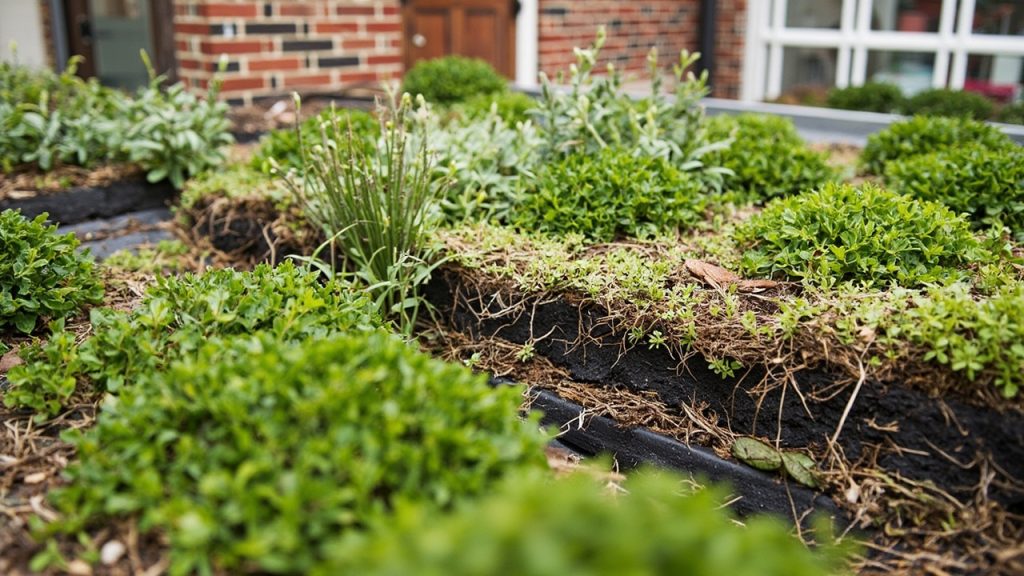
Exploring the Benefits of Urban Green Roofing for Homes in the Central and Kinsman Areas
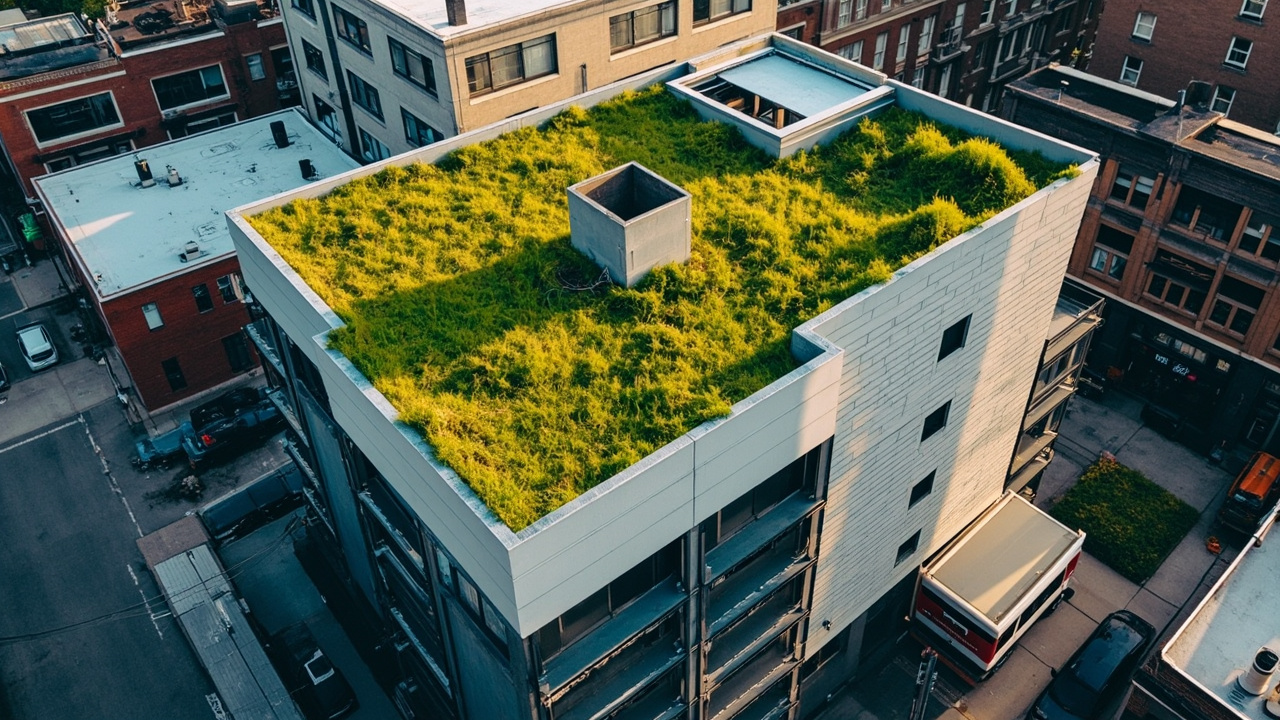
Urban green roofing offers Cleveland homeowners in Central and Kinsman a powerful way to combat rising energy costs improve stormwater management and increase property value. These living roof systems create a natural barrier against Cleveland’s harsh seasonal changes while providing environmental benefits that extend far beyond your property line. Green Roofs for Healthy Cities.
Central and Kinsman residents face unique challenges with older housing stock combined with Cleveland’s notorious lake effect snow and humid summers. Green roofing addresses these specific issues by providing superior insulation reducing heat absorption and managing the heavy rainfall that often overwhelms traditional drainage systems in these historic neighborhoods.
Understanding Green Roof Systems for Cleveland Homes
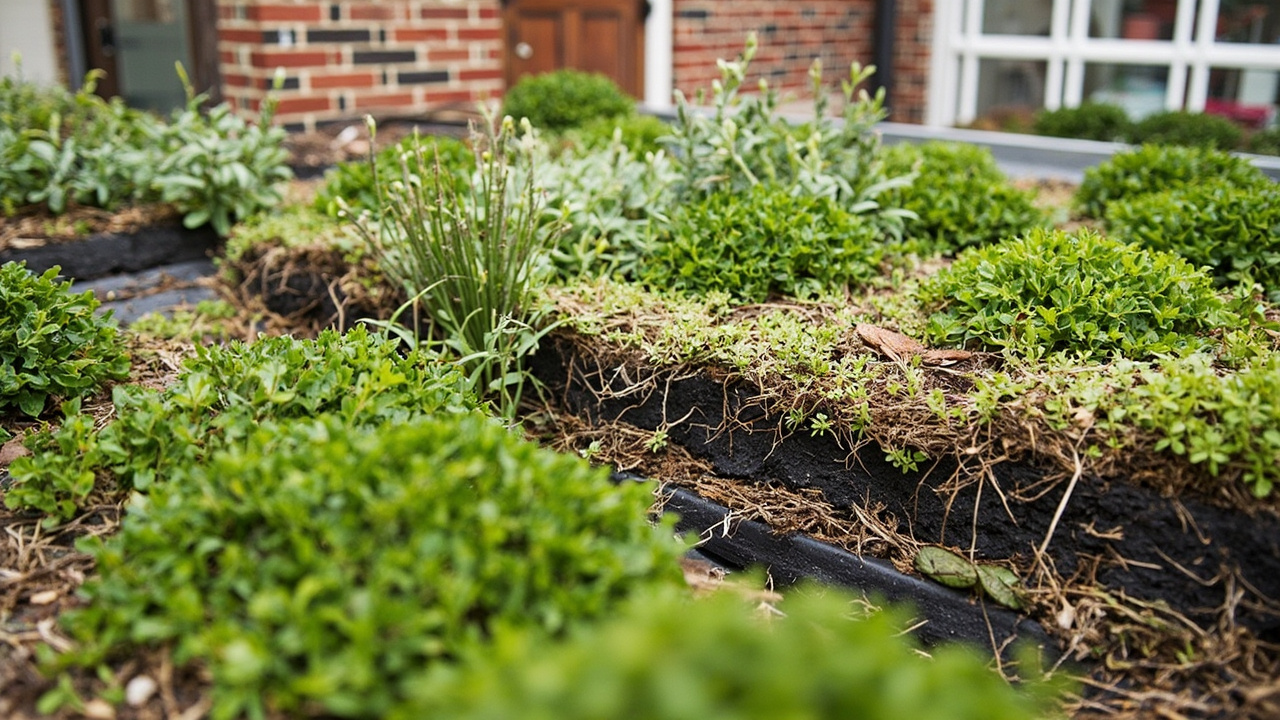
Green roofs come in two primary forms that work differently for Cleveland’s climate. Extensive systems use shallow soil depths and hardy plants requiring minimal maintenance. These lightweight options work well for most residential structures in Central and Kinsman where older buildings may have weight limitations.
Intensive systems create deeper soil beds supporting larger plants and even small trees. While more expensive these systems provide greater insulation benefits and can transform a flat roof into usable outdoor living space. The choice depends on your building’s structural capacity and your specific goals for energy savings or outdoor enjoyment.
Climate Benefits for Central and Kinsman Properties
Cleveland’s urban heat island effect makes neighborhoods like Central and Kinsman several degrees warmer than surrounding areas during summer months. Green roofs combat this by absorbing sunlight through evapotranspiration reducing surface temperatures by up to 40 degrees compared to traditional roofing materials.
The plants on green roofs capture airborne pollutants and produce oxygen improving local air quality. In areas with older industrial infrastructure like parts of Central this natural air filtration provides measurable health benefits for residents. The vegetation also creates wildlife habitat supporting birds and beneficial insects in urban settings.
Stormwater Management Advantages
Cleveland receives approximately 39 inches of rainfall annually with much of it concentrated in heavy spring and summer storms. Green roofs absorb 50 to 90 percent of this water reducing runoff that would otherwise overwhelm aging municipal drainage systems in Central and Kinsman.
This water retention capacity helps prevent basement flooding a common issue in these neighborhoods where combined sewer systems struggle during heavy rainfall events. The gradual release of absorbed water also reduces peak flow rates protecting local waterways from erosion and pollution.
Energy Efficiency Improvements
Green roofs provide exceptional insulation reducing heating costs in winter and cooling costs in summer. The soil and plant layers create an R-value of 2 to 3 for extensive systems and up to 7 for intensive installations. This translates to 15 to 25 percent reductions in heating and cooling energy consumption.
During Cleveland’s humid summers the evapotranspiration process actively cools the roof surface. This natural air conditioning effect can reduce indoor temperatures by 6 to 8 degrees without running air conditioning systems. For older homes in Central and Kinsman with less efficient windows and insulation these savings become even more significant.
Structural Considerations for Cleveland Buildings
Most homes in Central and Kinsman were built between 1900 and 1960 featuring wood frame construction and varying degrees of structural reinforcement. Before installing a green roof a structural engineer must evaluate your building’s load-bearing capacity. Extensive systems add 15 to 25 pounds per square foot while intensive systems can add 35 to 50 pounds.
Cleveland’s building code requires specific waterproofing and drainage systems for green roofs. The membrane must withstand root penetration and temperature extremes. A root barrier prevents plant roots from damaging the underlying roof structure. Proper drainage layers ensure water moves efficiently through the system preventing ice dam formation during winter months.
Plant Selection for Cleveland’s Climate
USDA Hardiness Zone 6a/6b defines Cleveland’s growing conditions requiring plants that survive temperatures as low as -10 degrees Fahrenheit. Sedum species dominate extensive green roofs due to their drought tolerance and shallow root systems. Common varieties include Sedum spurium Dragon’s Blood and Sedum sexangulare.
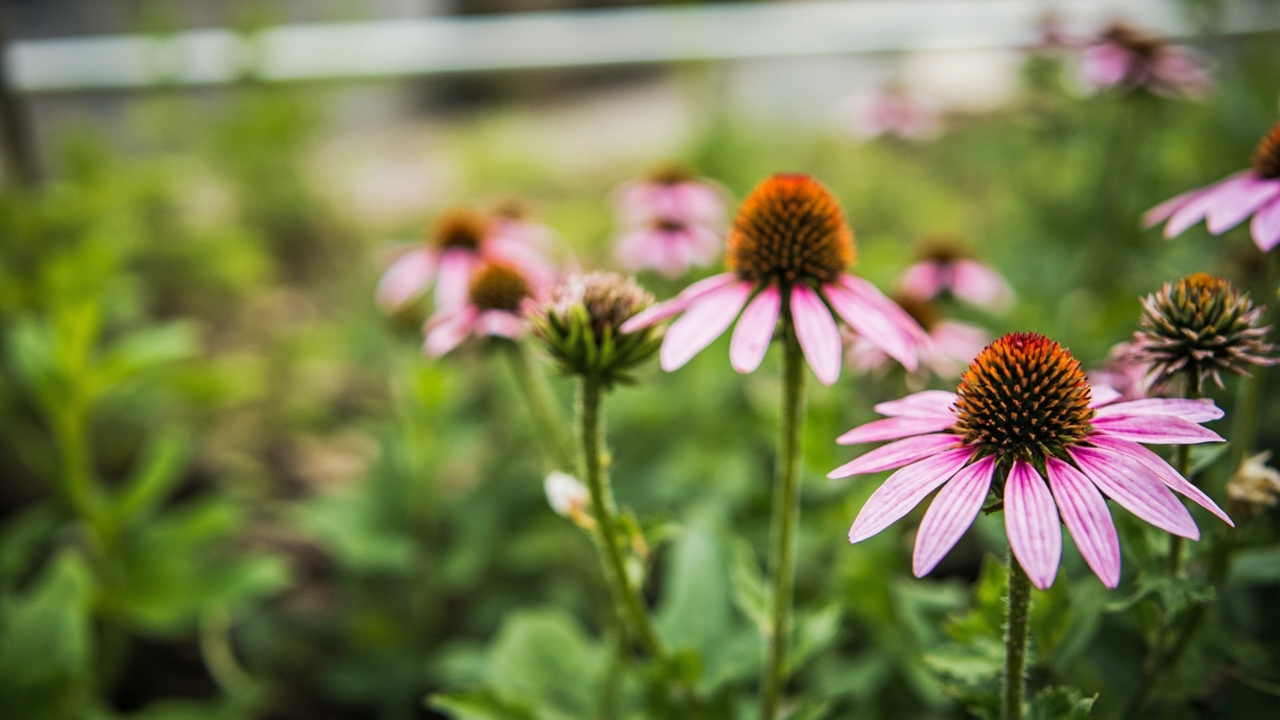
For intensive systems native Ohio plants provide additional benefits. Purple coneflower Echinacea purpurea attracts pollinators while switchgrass Panicum virgatum provides excellent seasonal color. Chives Allium schoenoprasum offer edible options that survive winter conditions. These plants require minimal maintenance once established and support local biodiversity.
Financial Incentives and ROI
The Northeast Ohio Regional Sewer District offers stormwater fee credits for properties that reduce runoff. Green roofs can qualify for credits of 25 to 50 percent off monthly sewer fees potentially saving hundreds of dollars annually. These credits apply to both residential and commercial properties in Central and Kinsman. Northeast Ohio Regional Sewer District.
Energy savings provide additional financial benefits. A typical 1500 square foot green roof can reduce annual heating and cooling costs by $300 to $500 depending on your home’s insulation and HVAC efficiency. The extended roof membrane lifespan of 40 to 50 years compared to 20 years for traditional roofs provides long-term value.
Installation Process and Timeline
Green roof installation requires careful planning and specific seasonal timing. The process begins with structural assessment and design planning taking 2 to 4 weeks. Installation itself requires 3 to 5 days for most residential projects. Planting typically occurs in spring or early fall allowing plants to establish before extreme temperatures arrive.
Step 1: Structural evaluation by a licensed engineer
Step 2: Design and permitting through the City of Cleveland
Step 3: Installation of waterproofing and drainage layers
Step 4: Growing medium application
Step 5: Plant installation and initial watering
Step 6: Establishment period with regular monitoring
Maintenance Requirements
Green roofs require minimal maintenance once established but specific seasonal tasks ensure optimal performance. Spring involves checking drainage systems and removing debris accumulated over winter. Summer requires occasional weeding and irrigation during drought periods. Fall preparation includes cutting back perennials and ensuring proper drainage before winter. EPA Green Roofs Resources.
Cleveland’s freeze-thaw cycles demand attention to ice buildup and drainage functionality. The growing medium should maintain consistent moisture without becoming waterlogged. Annual inspections check for plant health membrane integrity and structural connections. Most homeowners spend 4 to 6 hours per year on green roof maintenance tasks.
Property Value Impact
Green roofs increase property values through multiple mechanisms. Energy efficiency improvements reduce operating costs making properties more attractive to buyers. The aesthetic appeal of living roofs creates unique architectural features distinguishing homes in competitive markets like Central and Kinsman.
Environmental benefits appeal to growing segments of homebuyers prioritizing sustainability. Studies show green features can increase property values by 5 to 7 percent in urban markets. For historic neighborhoods the modern sustainability upgrade can make older homes more competitive with new construction.
Case Study: Central Neighborhood Implementation
A 1920s Craftsman home in Central installed a 600 square foot extensive green roof in 2024. The project cost $12000 with $3000 in NEORSD credits applied. First year energy savings totaled $280 while stormwater fee reductions saved $180. The roof reduced interior summer temperatures by 7 degrees and eliminated ice dam formation on north-facing slopes.
The homeowner reports improved comfort during summer months and reduced noise from nearby traffic. Plant establishment took one growing season with minimal maintenance required thereafter. The project demonstrates how green roofing works effectively on older residential structures when properly engineered.
Comparing Green Roof Options
| System Type | Cost per Square Foot | Weight Load | Plant Variety | Maintenance Level |
|---|---|---|---|---|
| Extensive | $15 – $25 | 15 – 25 lbs | Limited | Low |
| Semi-Intensive | $25 – $35 | 25 – 35 lbs | Moderate | Medium |
| Intensive | $35 – $50 | 35 – 50 lbs | Wide | High |
Common Concerns and Solutions
Homeowners often worry about roof leaks with green roof installations. Modern waterproofing systems include multiple redundant layers preventing water infiltration. The growing medium actually protects the membrane from UV damage and temperature extremes extending its lifespan beyond traditional roofing.
Weight concerns affect many older homes in Central and Kinsman. Extensive systems using lightweight growing media can work on most structures built after 1940. A structural assessment identifies any needed reinforcements before installation begins.
Winter maintenance questions arise frequently. Green roofs perform well in snow loads typical of Cleveland. The plants go dormant naturally and the soil provides additional insulation. Ice dam formation decreases because the roof temperature remains more consistent.
Local Regulations and Permits
The City of Cleveland requires building permits for green roof installations. The permitting process includes structural engineering approval and compliance with zoning regulations. NEORSD stormwater credits require documentation of runoff reduction calculations and maintenance agreements.
Historic district properties in Central may face additional review requirements. The designs must preserve architectural character while meeting modern performance standards. Working with contractors familiar with local regulations streamlines the approval process.
Getting Started with Your Green Roof Project
Begin by scheduling a structural assessment with a qualified engineer. This evaluation determines your roof’s weight capacity and identifies any needed reinforcements. Next research NEORSD stormwater credit requirements and potential energy efficiency incentives.
Interview contractors with green roof experience specifically in Cleveland’s climate. Request references for similar projects in Central or Kinsman. Review their understanding of local building codes and warranty provisions. A qualified contractor provides detailed proposals including maintenance plans and warranty coverage.
Consider starting with a small pilot area to test plant performance and system functionality before committing to full roof coverage. This approach allows you to evaluate the benefits while minimizing initial investment.
Environmental Impact Beyond Your Property
Green roofs contribute to citywide environmental goals by reducing urban heat island effects and managing stormwater at the source. When multiple properties adopt green roofing practices the collective impact becomes significant. Central and Kinsman could see neighborhood temperature reductions of 2 to 3 degrees during summer months.
The plants on green roofs capture carbon dioxide and produce oxygen improving regional air quality. They also filter pollutants from rainwater before it enters local waterways. These cumulative benefits support Cleveland’s sustainability initiatives while providing direct advantages to participating property owners.
Green roofing represents a practical investment in both property improvement and environmental stewardship. The technology has matured to work effectively in Cleveland’s challenging climate while providing measurable financial returns through energy savings and utility credits.
Frequently Asked Questions
How long does a green roof last compared to traditional roofing?
Green roofs typically last 40 to 50 years compared to 20 years for traditional asphalt shingles. The growing medium protects the waterproofing membrane from UV radiation and temperature extremes extending its useful life significantly.
Can my 1920s home in Central support a green roof?
Most homes built after 1900 can support extensive green roof systems with proper engineering. A structural assessment will determine if your specific home needs reinforcements. Many 1920s homes in Central have successfully installed green roofs using lightweight systems.
What happens to the plants during Cleveland winters?
Green roof plants go dormant naturally during winter months. The snow cover actually provides additional insulation. Most sedum and native plants used in green roofs are specifically selected for their ability to survive temperatures well below zero.
{
“@context”: “https://schema.org”,
“@type”: “BlogPosting”,
“headline”: “Exploring the Benefits of Urban Green Roofing for Homes in the Central and Kinsman Areas”,
“description”: “Discover how green roofing helps Cleveland homeowners in Central and Kinsman reduce energy costs manage stormwater and increase property value with living roof systems.”,
“wordCount”: 1804,
“datePublished”: “2026-02-10T09:54:00.000Z”,
“dateModified”: “2026-02-10T09:54:00.000Z”,
“inLanguage”: “en-US”,
“mainEntityOfPage”: {
“@type”: “WebPage”,
“@id”: “https://alpharoofingcleveland.com”
},
“publisher”: {
“@type”: “LocalBusiness”,
“name”: “Alpha Roofing Cleveland”,
“url”: “https://alpharoofingcleveland.com”
},
“author”: {
“@type”: “Organization”,
“name”: “Alpha Roofing Cleveland”,
“url”: “https://alpharoofingcleveland.com”
},
“image”: {
“@type”: “ImageObject”,
“url”: “https://alpharoofingcleveland.com/wp-content/uploads/2026/03/exploring-the-benefits-of-urban-green-roofing-for-1.jpg”
}
}
{
“@context”: “https://schema.org”,
“@type”: “RoofingContractor”,
“name”: “Alpha Roofing Cleveland”,
“url”: “https://alpharoofingcleveland.com”,
“address”: {
“@type”: “PostalAddress”,
“addressLocality”: “Cleveland”
},
“areaServed”: {
“@type”: “City”,
“name”: “Cleveland”
}
}
{
“@context”: “https://schema.org”,
“@type”: “FAQPage”,
“mainEntity”: [
{
“@type”: “Question”,
“name”: “How long does a green roof last compared to traditional roofing?”,
“acceptedAnswer”: {
“@type”: “Answer”,
“text”: “Green roofs typically last 40 to 50 years compared to 20 years for traditional asphalt shingles. The growing medium protects the waterproofing membrane from UV radiation and temperature extremes extending its useful life significantly.”
}
},
{
“@type”: “Question”,
“name”: “Can my 1920s home in Central support a green roof?”,
“acceptedAnswer”: {
“@type”: “Answer”,
“text”: “Most homes built after 1900 can support extensive green roof systems with proper engineering. A structural assessment will determine if your specific home needs reinforcements. Many 1920s homes in Central have successfully installed green roofs using lightweight systems.”
}
},
{
“@type”: “Question”,
“name”: “What happens to the plants during Cleveland winters?”,
“acceptedAnswer”: {
“@type”: “Answer”,
“text”: “Green roof plants go dormant naturally during winter months. The snow cover actually provides additional insulation. Most sedum and native plants used in green roofs are specifically selected for their ability to survive temperatures well below zero.”
}
}
]
}
{
“@context”: “https://schema.org”,
“@type”: “BreadcrumbList”,
“itemListElement”: [
{
“@type”: “ListItem”,
“position”: 1,
“name”: “Home”,
“item”: “https://alpharoofingcleveland.com”
},
{
“@type”: “ListItem”,
“position”: 2,
“name”: “Blog”,
“item”: “https://alpharoofingcleveland.com/blog”
},
{
“@type”: “ListItem”,
“position”: 3,
“name”: “Exploring the Benefits of Urban Green Roofing for Homes in the Central and Kinsman Areas”
}
]
}
{
“@context”: “https://schema.org”,
“@type”: “Service”,
“serviceType”: “Roofing”,
“provider”: {
“@type”: “LocalBusiness”,
“name”: “Alpha Roofing Cleveland”,
“url”: “https://alpharoofingcleveland.com”
},
“areaServed”: {
“@type”: “City”,
“name”: “Cleveland”
},
“description”: “Discover how green roofing helps Cleveland homeowners in Central and Kinsman reduce energy costs manage stormwater and increase property value with living roof systems.”
}