
How Sound-Deadening Roofing Materials Can Help Brook Park Homeowners Living Near the Airport
Living under the flight path of Cleveland Hopkins International Airport means Brook Park residents deal with constant noise from takeoffs and landings. The rumble of jet engines and the drone of traffic on I-480 and I-71 can make your home feel less like a sanctuary and more like a busy terminal. The good news is that modern sound-deadening roofing materials can reduce indoor noise levels by up to 40 decibels giving you back the quiet comfort your home should provide.
Sound travels through your roof in several ways. Aircraft noise creates vibrations that pass through roofing materials. Without proper sound barriers these vibrations enter your attic and eventually your living spaces. The right combination of heavy-duty roofing materials specialized underlayment and proper installation techniques creates a system that blocks sound waves before they reach your ceiling.
How Sound Travels Through Your Roof
Sound waves move through air and solid materials at different speeds and with varying effectiveness. When a jet flies overhead the sound energy hits your roof and can either pass through or bounce back depending on what your roof is made of. Lightweight materials like standard asphalt shingles allow more sound transmission while heavier denser materials block more noise.
The science behind sound blocking involves three main principles. Mass principle means heavier materials stop more sound. Damping principle uses materials that absorb sound energy rather than letting it pass through. Decoupling principle creates barriers that prevent sound vibrations from transferring between layers. A good soundproof roof system uses all three principles together.
Best Sound-Deadening Roofing Materials for Brook Park Homes
Several roofing materials offer excellent sound-blocking properties. Each has different costs effectiveness levels and installation requirements. Here are the top options for Brook Park homeowners dealing with airport noise.
Heavyweight Asphalt Shingles
Standard three-tab asphalt shingles weigh about 230 pounds per square. Heavyweight architectural shingles weigh 350 to 450 pounds per square. The extra mass provides better sound blocking. These premium shingles also have more layers and better sealing which helps dampen vibrations.
Modern heavyweight shingles come in various styles that mimic slate or wood shake while providing superior noise reduction. The thicker profile creates more air pockets that trap sound waves. When installed over proper underlayment these shingles can reduce noise transmission by 15 to 25 decibels.
Metal Roofing with Acoustic Underlayment
Metal roofs might seem like they would amplify sound but modern systems with proper underlayment actually perform very well at blocking noise. Steel and aluminum panels installed over sound-deadening underlayment can reduce noise by 25 to 35 decibels.
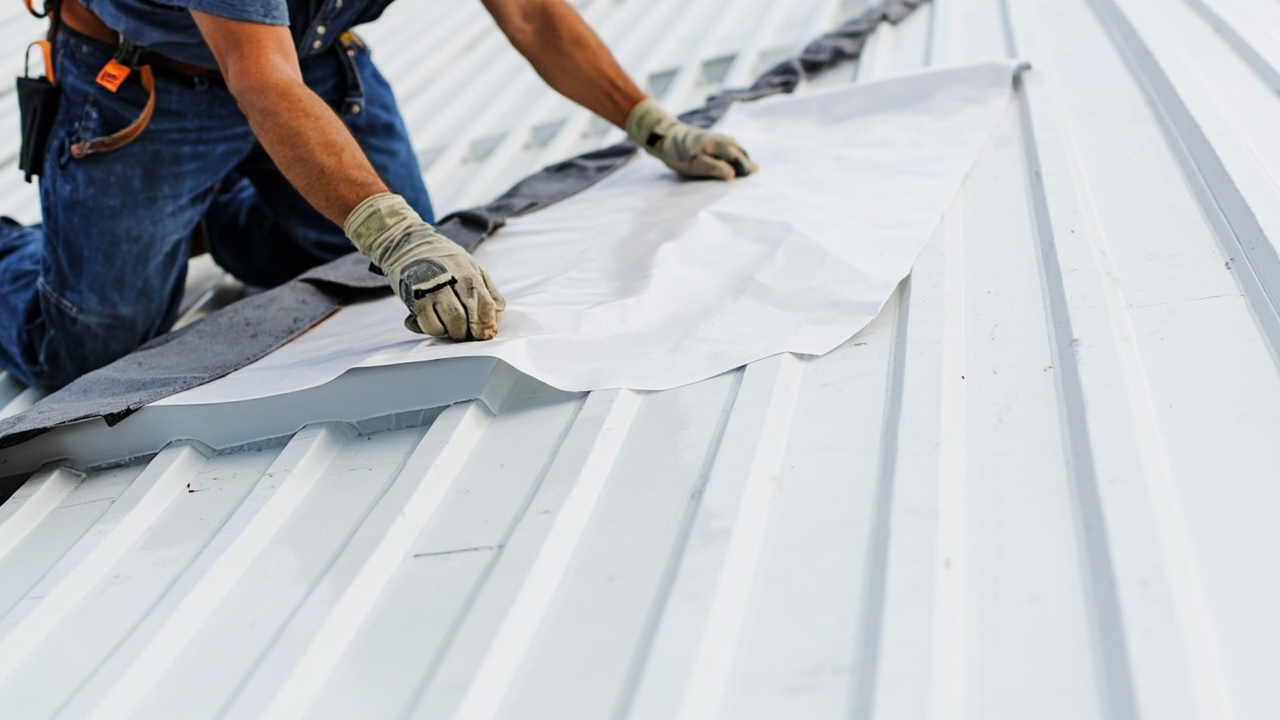
The key is using specialized acoustic underlayment between the metal panels and your roof deck. These materials typically combine rubberized asphalt with mass-loaded vinyl or closed-cell foam. The underlayment absorbs vibrations and prevents sound from traveling through the metal into your home.
Slate and Synthetic Slate
Natural slate weighs 800 to 1500 pounds per square making it one of the heaviest roofing materials available. This mass provides excellent sound blocking reducing noise by 30 to 40 decibels. Slate also has natural density that prevents sound waves from passing through.
Synthetic slate made from recycled rubber and plastic weighs 400 to 600 pounds per square. While lighter than natural slate it still provides good sound blocking at a lower cost. These materials also resist weather damage and last 50 years or more.
Understanding Sound Transmission Class Ratings
Sound Transmission Class or STC ratings measure how well building materials block sound. The higher the STC number the better the material blocks noise. For roofing materials STC ratings typically range from 25 to 60.
Normal conversation measures about 60 decibels. A passing jet can reach 100 decibels or more. To make your home noticeably quieter you need to block enough sound to reduce the noise by at least 20 decibels. This brings loud aircraft noise down to a level similar to normal conversation.
Here is how different STC ratings translate to real-world noise reduction:
| STC Rating | Noise Reduction | Perceived Sound Level |
|---|---|---|
| 25-30 | 5-10 dB | Normal speech clearly audible |
| 35-40 | 15-20 dB | Speech audible but muffled |
| 45-50 | 25-30 dB | Most speech unintelligible |
| 55-60 | 35-40 dB | Loud sounds barely noticeable |
Acoustic Underlayment Options
The underlayment beneath your roofing material plays a crucial role in sound blocking. Standard roofing felt provides minimal noise reduction. Specialized acoustic underlayments use advanced materials to absorb and block sound waves.
Mass Loaded Vinyl underlayment weighs about one pound per square foot and blocks sound effectively. This material contains barium sulfate or other dense compounds that prevent sound transmission. When installed under metal or asphalt roofing it can add 10 to 15 STC points to your roof system.
Rubberized asphalt underlayment combines asphalt with synthetic rubber polymers. This creates a flexible sound-absorbing layer that also provides excellent waterproofing. These products typically add 8 to 12 STC points and cost more than standard felt.
Composite acoustic underlayments combine multiple materials like closed-cell foam rubber and mass-loaded vinyl. These premium products offer the best sound blocking adding 15 to 20 STC points. They also provide superior insulation and moisture protection.
Installation Techniques for Maximum Sound Blocking
Even the best sound-deadening materials won’t perform well with poor installation. Several techniques maximize the noise reduction of your new roof.
Proper deck preparation starts with inspecting your roof structure for gaps or damage. Any openings allow sound to enter. Seal all penetrations around vents pipes and chimneys with acoustic caulk or expanding foam. This prevents sound leaks that undermine your soundproofing efforts. EPA noise information.
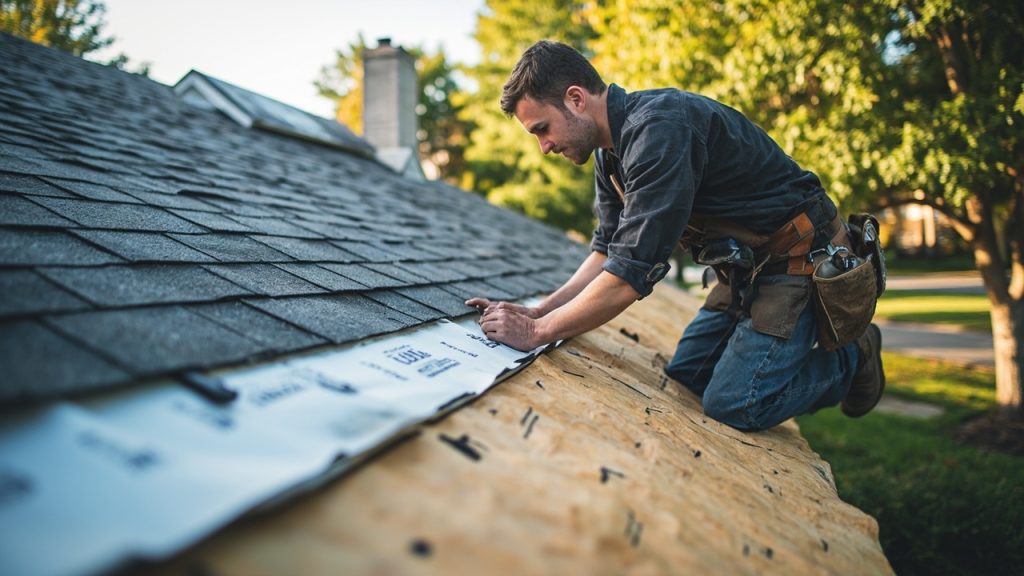
Adding mass-loaded vinyl directly to your roof deck before underlayment provides an extra sound barrier. This layer weighs about one pound per square foot but significantly improves noise reduction. Install it in overlapping sheets to prevent sound gaps.
Using thicker underlayment than standard requirements adds sound absorption. Most building codes require minimum 15-pound felt or synthetic equivalent. Upgrading to 30-pound felt or specialized acoustic underlayment improves both sound blocking and weather protection.
Installing a second layer of underlayment in high-noise areas like near the airport or along busy roads provides additional sound blocking. This technique works especially well with metal roofing where the extra layer prevents vibration transfer.
Additional Sound Reduction Strategies
Your roof is just one part of a complete sound reduction system. Several other improvements can enhance your home’s acoustic performance.
Attic insulation plays a major role in sound blocking. Blown-in cellulose insulation provides better sound absorption than fiberglass batts. Adding R-38 or higher insulation not only reduces noise but also improves energy efficiency. The dense cellulose material traps sound waves that penetrate your roof.
Interior ceiling treatments like acoustic panels or textured paint can absorb sound that enters through your roof. These materials prevent sound from bouncing around your rooms making your home feel quieter even if some noise still enters.
Sealing gaps around windows doors and electrical outlets prevents sound from entering through paths other than your roof. Weatherstripping and acoustic caulk cost little but significantly improve overall noise reduction.
Landscaping with dense shrubs or trees near your home can absorb some outdoor noise before it reaches your roof. While this won’t block aircraft noise it helps reduce traffic and other ground-level sounds.
Cost Considerations for Brook Park Homeowners
Sound-deadening roofing materials cost more than standard options but the investment pays off in improved comfort and potentially higher home value. Here is a comparison of typical costs for different sound-blocking roofing systems.
| Roofing System | Cost per Square | STC Improvement | Expected Lifespan |
|---|---|---|---|
| Standard Asphalt | $350-$450 | 25-30 | 20-25 years |
| Heavyweight Asphalt | $450-$600 | 35-40 | 25-30 years |
| Metal with Acoustic Underlayment | $650-$850 | 45-50 | 40-50 years |
| Synthetic Slate | $800-$1,200 | 50-55 | 50+ years |
| Natural Slate | $1,200-$2,000 | 55-60 | 100+ years |
Installation costs typically add 15 to 25 percent to material costs. Complex roof designs or steep pitches may increase labor costs. Many Brook Park homeowners find that the improved quality of life justifies the premium price for sound-deadening materials.
Local Building Considerations
Cuyahoga County and Brook Park have specific building code requirements that affect roofing projects. Understanding these regulations helps ensure your project meets all standards.
Ice and water shield requirements mandate protection in areas prone to ice damming. Brook Park homes typically need shield extending 24 inches inside the exterior wall line. This waterproof barrier also helps with sound blocking by creating an additional solid layer.
Roof pitch affects both sound blocking and material selection. Steeper roofs shed water and debris more effectively but may limit some sound-deadening options. Most Brook Park homes have pitches between 4:12 and 9:12 which work well with all sound-blocking materials.
Permit requirements in Brook Park include submitting detailed roof plans showing material specifications and installation methods. The city reviews plans to ensure compliance with local codes and manufacturer installation requirements. Sound-deadening projects typically need the same permits as standard roofing replacements.
Homeowner association rules in some Brook Park neighborhoods may restrict certain roofing materials or colors. Check these regulations before selecting your sound-deadening system to avoid compliance issues.
Energy Efficiency Benefits
Sound-deadening roofing materials often provide additional benefits beyond noise reduction. Many heavy-duty roofing systems also improve your home’s energy efficiency.
Reflective metal roofing with proper underlayment can reduce cooling costs by 20 to 30 percent. The same mass that blocks sound also reduces heat transfer keeping your home cooler in summer. Some acoustic underlayments include reflective layers that further improve energy performance.
Additional insulation required for optimal sound blocking also improves thermal performance. The extra layers create a more complete building envelope that maintains consistent indoor temperatures year-round. This dual benefit makes sound-deadening upgrades even more cost-effective.
Natural and synthetic slate provide excellent insulation due to their density and thickness. These materials help maintain stable indoor temperatures reducing both heating and cooling costs. The long lifespan of these materials means you save energy for decades after installation.
Maintenance and Longevity
Sound-deadening roofing materials typically require the same maintenance as standard roofing but offer superior longevity. Understanding maintenance needs helps protect your investment.
Heavyweight asphalt shingles need regular inspection for damaged or missing shingles. The extra weight means these roofs put more stress on your home’s structure so ensure your attic can support the load. Most heavyweight shingles need replacement every 25 to 30 years.
Metal roofing with acoustic underlayment requires minimal maintenance beyond keeping gutters clean and checking for loose fasteners. The durable materials resist weather damage and many systems carry 40 to 50-year warranties. The underlayment typically lasts as long as the metal panels.
Slate roofs need professional inspection every few years to check for cracked or loose tiles. Natural slate can last over 100 years while synthetic slate typically lasts 50 years or more. Both types resist weather damage and maintain their sound-blocking properties throughout their lifespan.
Regular cleaning prevents debris buildup that can trap moisture and cause damage. Remove leaves branches and other debris from your roof surface and gutters. This maintenance helps all roofing materials last longer and perform better.
Real Results from Brook Park Homes
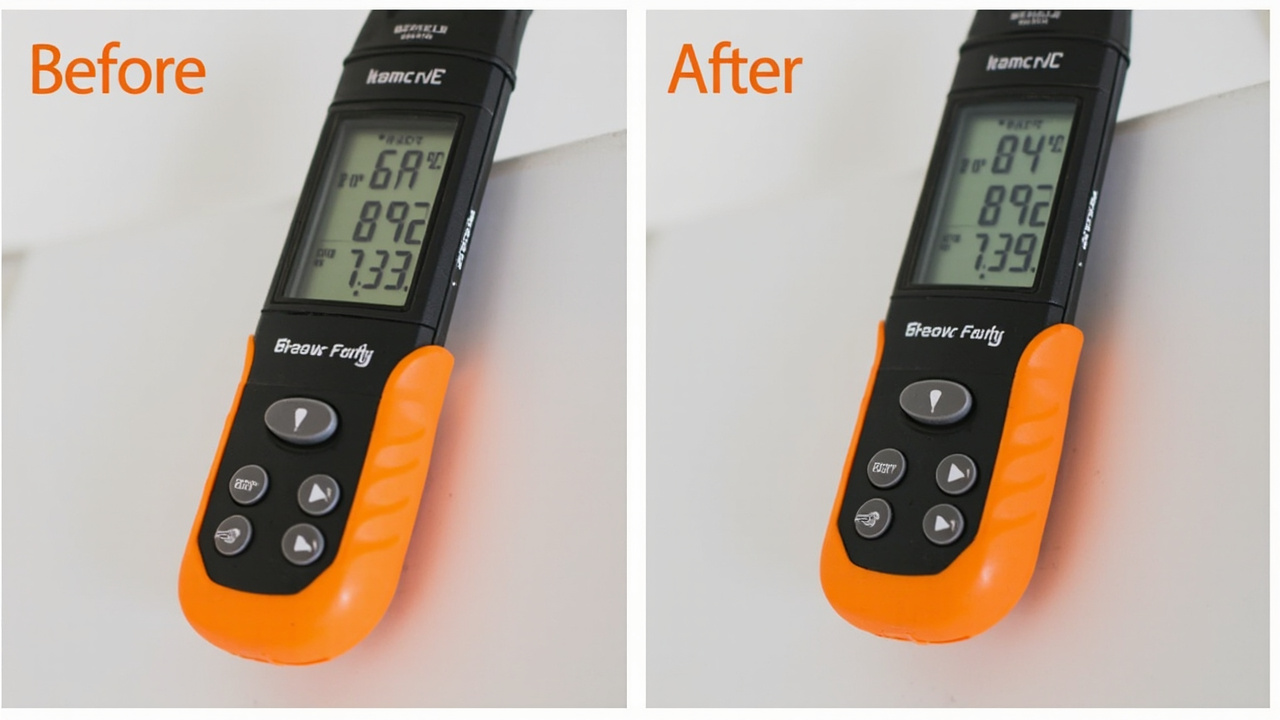
Homeowners near Cleveland Hopkins International Airport report significant improvements after installing sound-deadening roofing. One family near Snow Road measured 28 decibel reduction after installing heavyweight asphalt shingles with acoustic underlayment. They noticed immediate improvement in sleep quality and ability to enjoy outdoor spaces.
A homeowner near the I-480 and I-71 interchange installed metal roofing with mass-loaded vinyl underlayment. Before the upgrade they could hear every passing vehicle. After installation traffic noise reduced to a low background hum barely noticeable inside their home.
Properties near Brook Park’s industrial areas benefit from sound-deadening roofs that block both aircraft and machinery noise. One business owner reported 35 decibel reduction after installing synthetic slate roofing. The improvement made their office space more productive and comfortable for employees.
These real-world results show that sound-deadening roofing provides measurable improvements in quality of life for Brook Park residents dealing with constant noise pollution.
Choosing the Right System for Your Home
Selecting the best sound-deadening roofing system depends on your specific needs budget and home structure. Consider these factors when making your decision.
Noise level in your area determines how much sound reduction you need. Homes directly under flight paths may need maximum sound blocking while those on the edge of noise zones might achieve adequate results with mid-range solutions.
Roof structure must support the weight of heavy sound-deadening materials. Have a professional assess your attic framing and decking before selecting heavyweight options like natural slate. Some homes may need structural reinforcement to support premium materials.
Budget constraints affect material selection. While natural slate provides maximum sound blocking synthetic slate or heavyweight asphalt offer good performance at lower costs. Consider long-term value including energy savings and lifespan when comparing prices.
Aesthetic preferences matter since your roof affects your home’s appearance. Many sound-deadening materials come in various colors and styles to match your home’s architecture. Choose options that provide both the performance and look you want.
Local climate influences material selection. Brook Park experiences lake effect snow and freeze-thaw cycles that can damage some roofing materials. Select products rated for Northeast Ohio weather conditions to ensure durability.
Getting Started with Your Soundproof Roof Project
Begin your sound-deadening roofing project with a professional assessment of your current roof and noise levels. A qualified contractor can measure existing noise levels and recommend specific solutions for your situation.
Request detailed proposals from multiple contractors that include specific STC ratings for their recommended systems. Compare not just prices but also expected noise reduction performance. Look for contractors with experience installing sound-deadening roofing systems.
Check references and reviews from homeowners who installed similar systems. Ask about their satisfaction with noise reduction and overall experience with the contractor. This research helps you choose a reliable professional for your project.
Review warranty coverage for both materials and installation. Sound-deadening systems often include longer warranties due to their premium quality. Understand what’s covered and for how long before making your final decision.
Plan for temporary noise and disruption during installation. While the goal is reducing outside noise the installation process creates significant activity. Most projects take 3 to 7 days depending on roof size and complexity.
Frequently Asked Questions
How much does soundproof roofing cost compared to standard roofing?
Soundproof roofing typically costs 30 to 70 percent more than standard roofing. Heavyweight asphalt shingles add $100 to $200 per square while premium options like metal with acoustic underlayment or synthetic slate can cost $400 to $800 more per square. The exact cost depends on your chosen materials and roof complexity.
Can I add soundproofing to my existing roof?
You can add some soundproofing to existing roofs through attic insulation upgrades and interior treatments. However maximum sound reduction requires removing old roofing and installing new sound-deadening materials. This approach provides 20 to 40 decibel improvement compared to 5 to 15 decibels from surface treatments.
Will soundproof roofing help with heating and cooling costs?
Yes. Many sound-deadening materials provide excellent insulation reducing heat transfer through your roof. Metal roofing with proper underlayment can reduce cooling costs by 20 to 30 percent. The additional insulation layers also help retain heat in winter improving overall energy efficiency.
How long does installation take?
Most sound-deadening roofing installations take 3 to 7 days depending on roof size and complexity. Simple ranch homes might finish in 3 days while large homes with complex rooflines need 5 to 7 days. Weather conditions can extend timelines especially during Cleveland’s winter months.
Is soundproof roofing worth the investment?
For Brook Park homeowners near the airport or busy roads soundproof roofing provides significant quality of life improvements. The 20 to 40 decibel noise reduction creates quieter living spaces better sleep and more enjoyable outdoor areas. Many homeowners find the improved comfort justifies the premium cost.
[IMAGE_PLACEHOVER_1]
Take Back Your Quiet Home Today
Living with constant aircraft and traffic noise doesn’t have to be your reality. Modern sound-deadening roofing materials can transform your Brook Park home from a noisy environment to a peaceful retreat. Whether you choose heavyweight asphalt shingles metal roofing with acoustic underlayment or premium synthetic slate you can achieve 20 to 40 decibel noise reduction that makes a real difference in your daily life.
Don’t let another noisy jet fly overhead without taking action. Contact a qualified roofing contractor today to schedule your noise assessment and learn which sound-deadening system works best for your Brook Park home. Your peaceful quiet home awaits.
Schedule Your Free Noise Assessment in Brook Park Today
{
“@context”: “https://schema.org”,
“@type”: “BlogPosting”,
“headline”: “How Sound-Deadening Roofing Materials Can Help Brook Park Homeowners Living Near the Airport”,
“description”: “Reduce Cleveland Hopkins International Airport noise with acoustic roofing solutions. Learn how Brook Park homeowners can block up to 40 decibels of sound.”,
“wordCount”: 2732,
“datePublished”: “2026-05-11T12:06:00.000Z”,
“dateModified”: “2026-05-11T12:06:00.000Z”,
“inLanguage”: “en-US”,
“mainEntityOfPage”: {
“@type”: “WebPage”,
“@id”: “https://alpharoofingcleveland.com”
},
“publisher”: {
“@type”: “LocalBusiness”,
“name”: “Alpha Roofing Cleveland”,
“url”: “https://alpharoofingcleveland.com”
},
“author”: {
“@type”: “Organization”,
“name”: “Alpha Roofing Cleveland”,
“url”: “https://alpharoofingcleveland.com”
},
“image”: {
“@type”: “ImageObject”,
“url”: “https://alpharoofingcleveland.com/wp-content/uploads/2026/03/how-sound-deadening-roofing-materials-can-help-bro-1.jpg”
}
}
{
“@context”: “https://schema.org”,
“@type”: “RoofingContractor”,
“name”: “Alpha Roofing Cleveland”,
“url”: “https://alpharoofingcleveland.com”,
“address”: {
“@type”: “PostalAddress”,
“addressLocality”: “Cleveland”
},
“areaServed”: {
“@type”: “City”,
“name”: “Cleveland”
}
}
{
“@context”: “https://schema.org”,
“@type”: “FAQPage”,
“mainEntity”: [
{
“@type”: “Question”,
“name”: “How much does soundproof roofing cost compared to standard roofing?”,
“acceptedAnswer”: {
“@type”: “Answer”,
“text”: “Soundproof roofing typically costs 30 to 70 percent more than standard roofing. Heavyweight asphalt shingles add $100 to $200 per square while premium options like metal with acoustic underlayment or synthetic slate can cost $400 to $800 more per square. The exact cost depends on your chosen materials and roof complexity.”
}
},
{
“@type”: “Question”,
“name”: “Can I add soundproofing to my existing roof?”,
“acceptedAnswer”: {
“@type”: “Answer”,
“text”: “You can add some soundproofing to existing roofs through attic insulation upgrades and interior treatments. However maximum sound reduction requires removing old roofing and installing new sound-deadening materials. This approach provides 20 to 40 decibel improvement compared to 5 to 15 decibels from surface treatments.”
}
},
{
“@type”: “Question”,
“name”: “Will soundproof roofing help with heating and cooling costs?”,
“acceptedAnswer”: {
“@type”: “Answer”,
“text”: “Yes. Many sound-deadening materials provide excellent insulation reducing heat transfer through your roof. Metal roofing with proper underlayment can reduce cooling costs by 20 to 30 percent. The additional insulation layers also help retain heat in winter improving overall energy efficiency.”
}
},
{
“@type”: “Question”,
“name”: “How long does installation take?”,
“acceptedAnswer”: {
“@type”: “Answer”,
“text”: “Most sound-deadening roofing installations take 3 to 7 days depending on roof size and complexity. Simple ranch homes might finish in 3 days while large homes with complex rooflines need 5 to 7 days. Weather conditions can extend timelines especially during Cleveland’s winter months.”
}
},
{
“@type”: “Question”,
“name”: “Is soundproof roofing worth the investment?”,
“acceptedAnswer”: {
“@type”: “Answer”,
“text”: “For Brook Park homeowners near the airport or busy roads soundproof roofing provides significant quality of life improvements. The 20 to 40 decibel noise reduction creates quieter living spaces better sleep and more enjoyable outdoor areas. Many homeowners find the improved comfort justifies the premium cost.”
}
}
]
}
{
“@context”: “https://schema.org”,
“@type”: “BreadcrumbList”,
“itemListElement”: [
{
“@type”: “ListItem”,
“position”: 1,
“name”: “Home”,
“item”: “https://alpharoofingcleveland.com”
},
{
“@type”: “ListItem”,
“position”: 2,
“name”: “Blog”,
“item”: “https://alpharoofingcleveland.com/blog”
},
{
“@type”: “ListItem”,
“position”: 3,
“name”: “How Sound-Deadening Roofing Materials Can Help Brook Park Homeowners Living Near the Airport”
}
]
}
{
“@context”: “https://schema.org”,
“@type”: “Service”,
“serviceType”: “Roofing”,
“provider”: {
“@type”: “LocalBusiness”,
“name”: “Alpha Roofing Cleveland”,
“url”: “https://alpharoofingcleveland.com”
},
“areaServed”: {
“@type”: “City”,
“name”: “Cleveland”
},
“description”: “Reduce Cleveland Hopkins International Airport noise with acoustic roofing solutions. Learn how Brook Park homeowners can block up to 40 decibels of sound.”
}
For more information, visit FAA airport noise resources.